












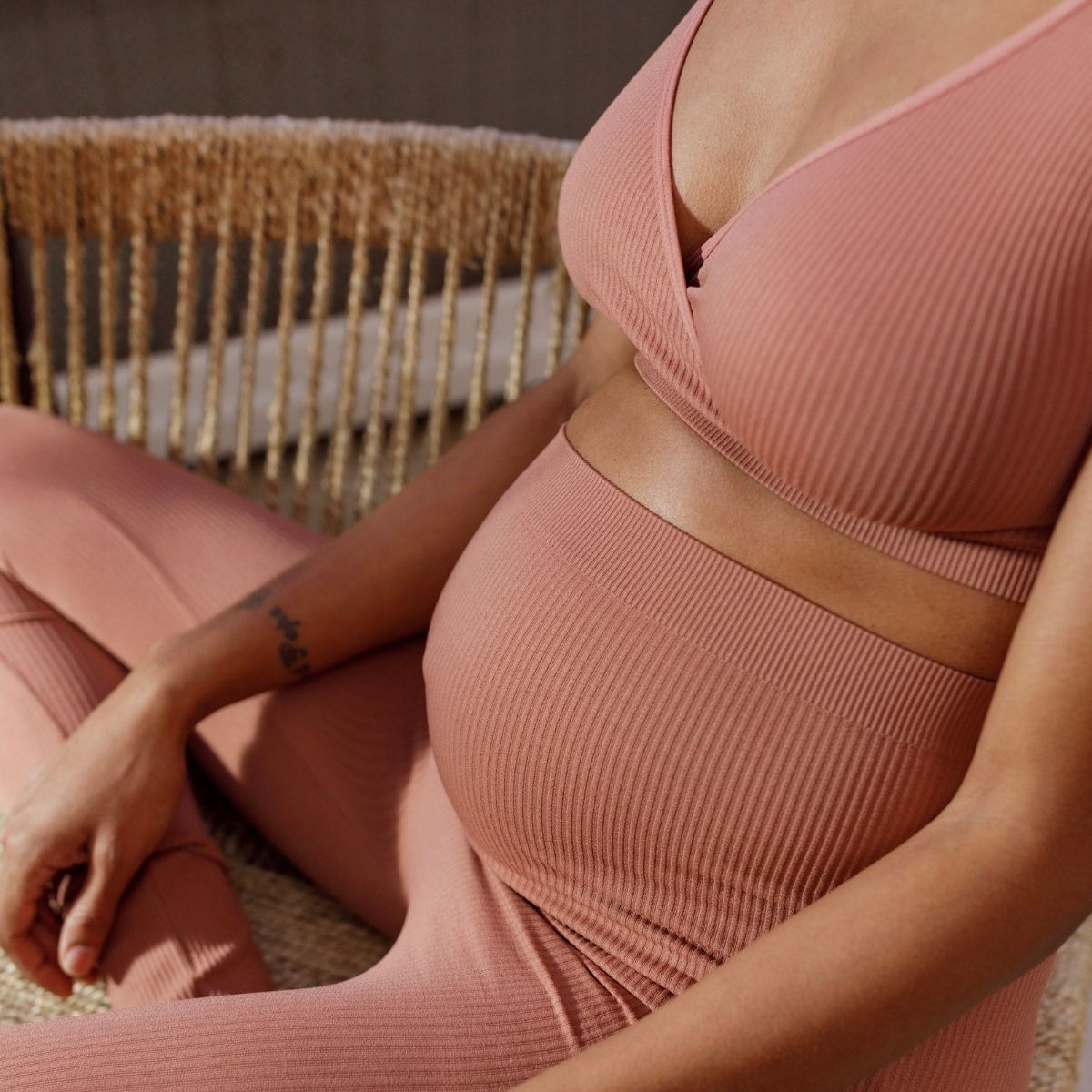
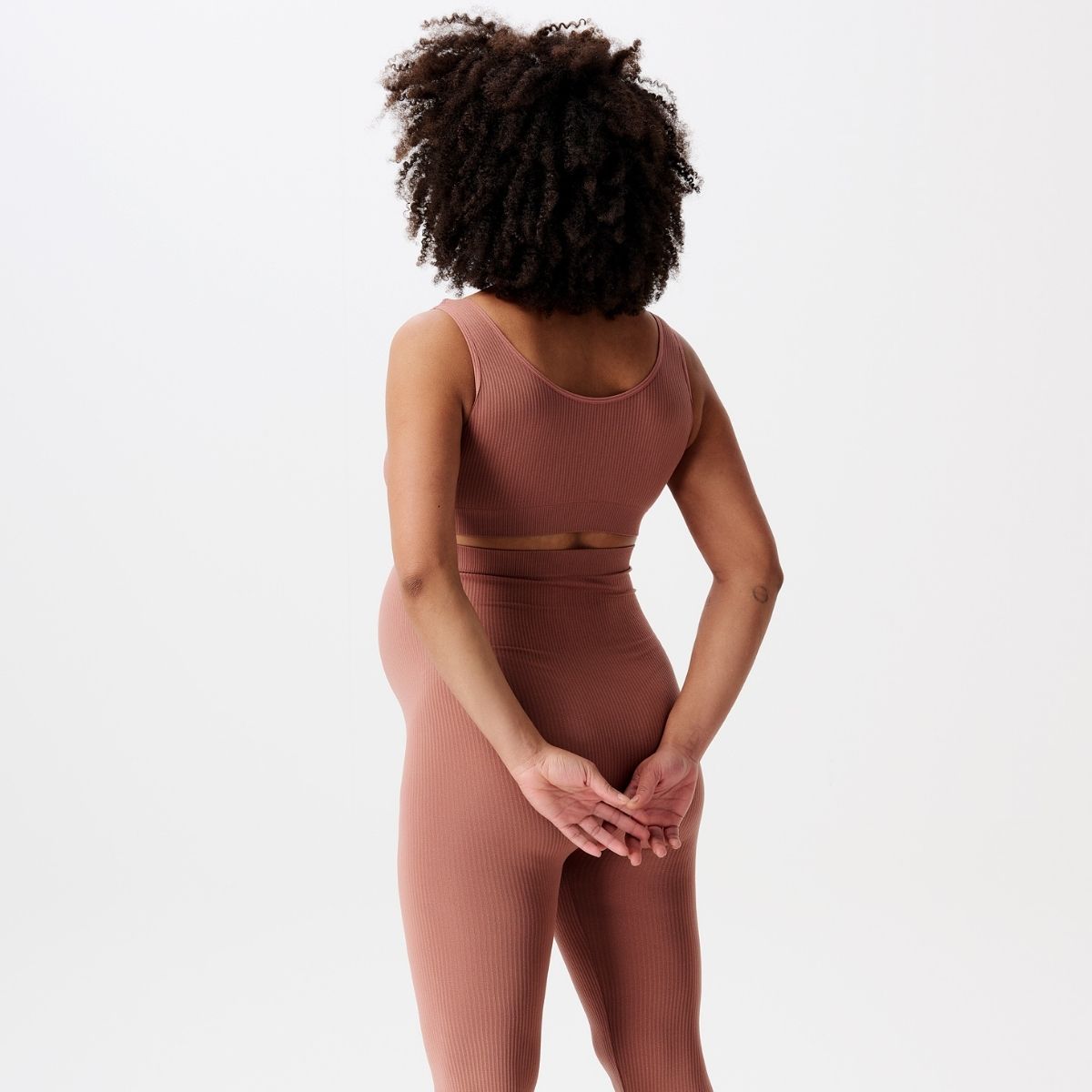



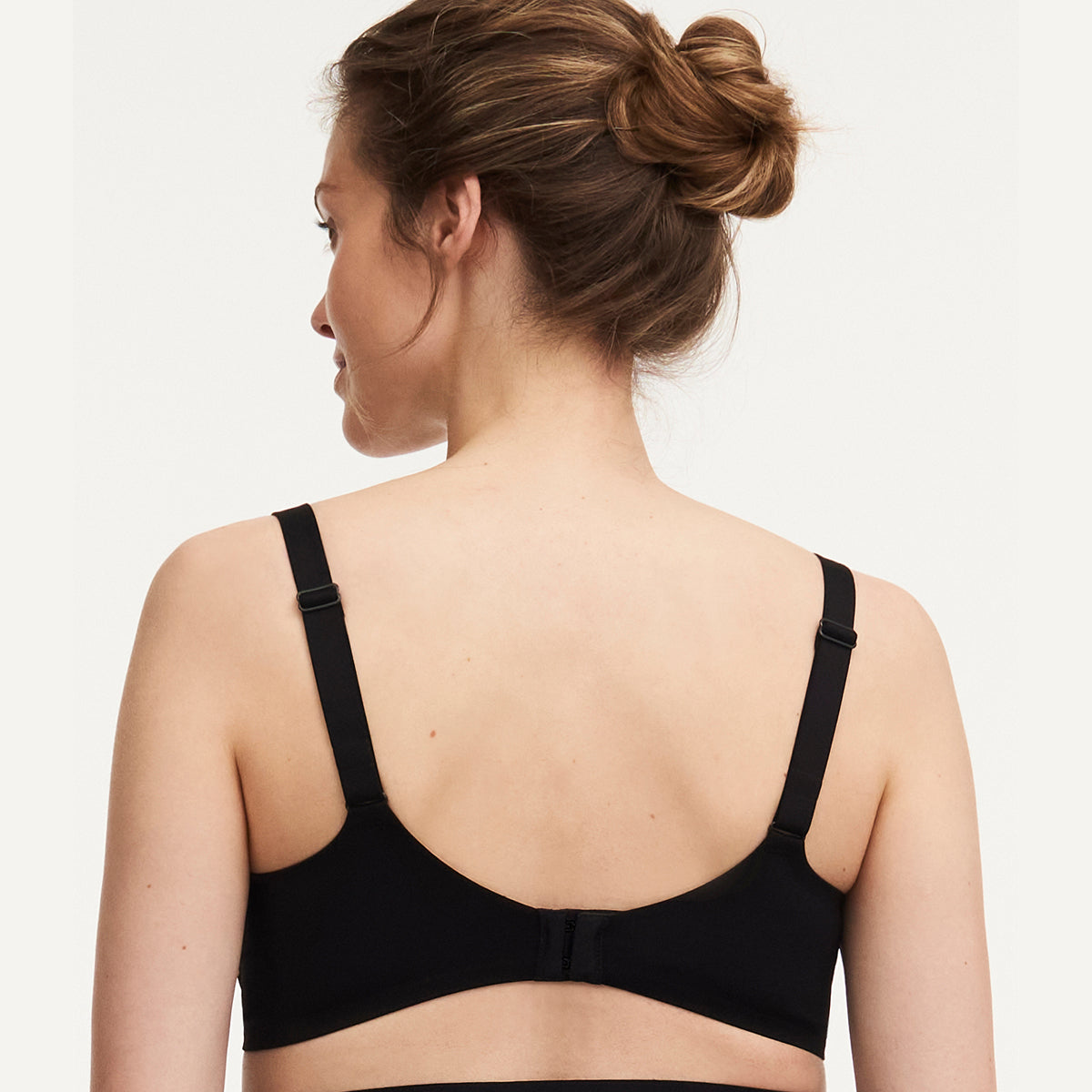


Maternity underwear: bras and panties for different needs
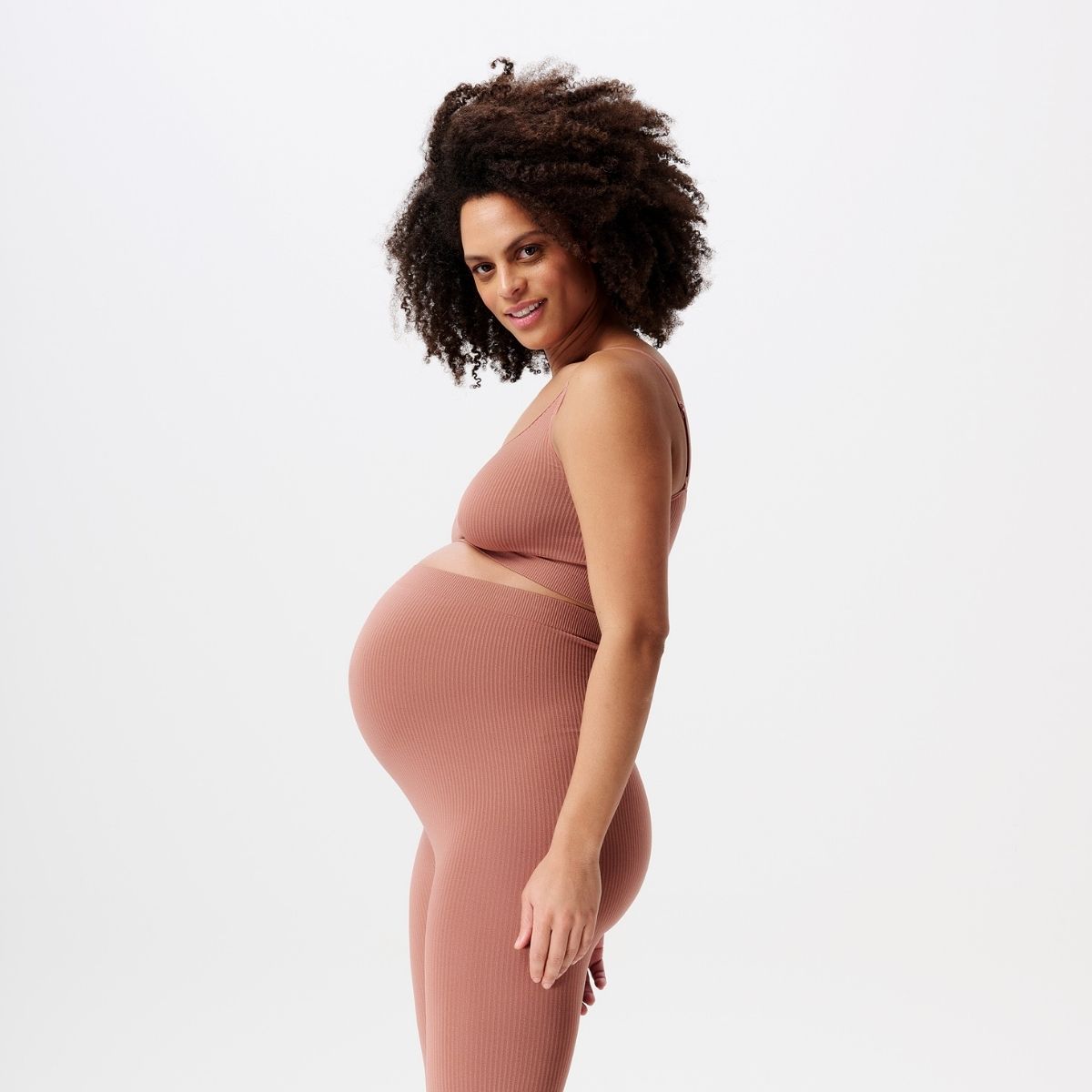
Maternity underwear is designed to accommodate changes in body shape and size that may occur during pregnancy. That does not necessarily mean replacing all your usual underwear. Perhaps your bras fit differently while your panties still feel right, or maybe it is the fit around your bump and hips that you would like to change. These needs can arise at different times, so it makes sense to assess each type of underwear separately.
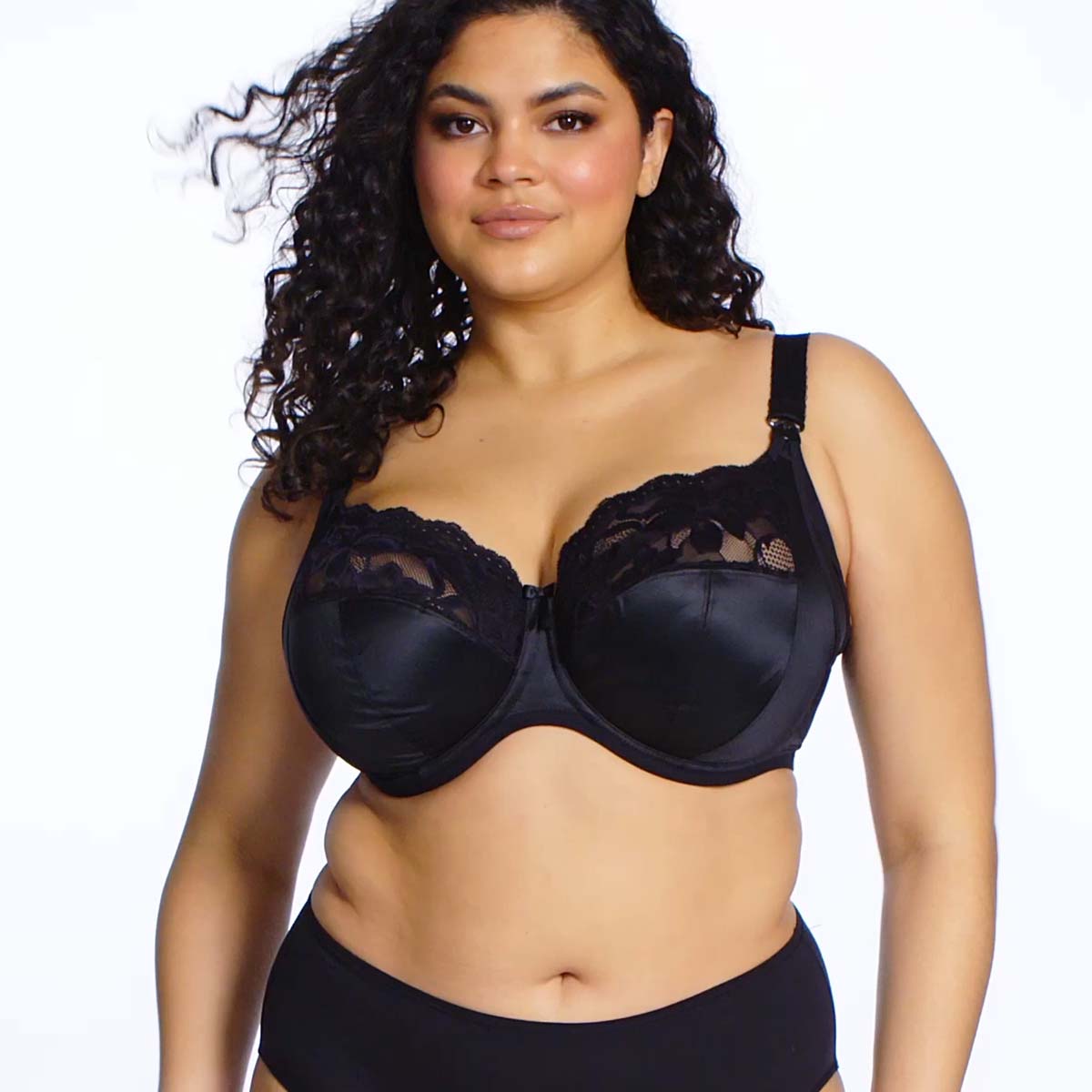
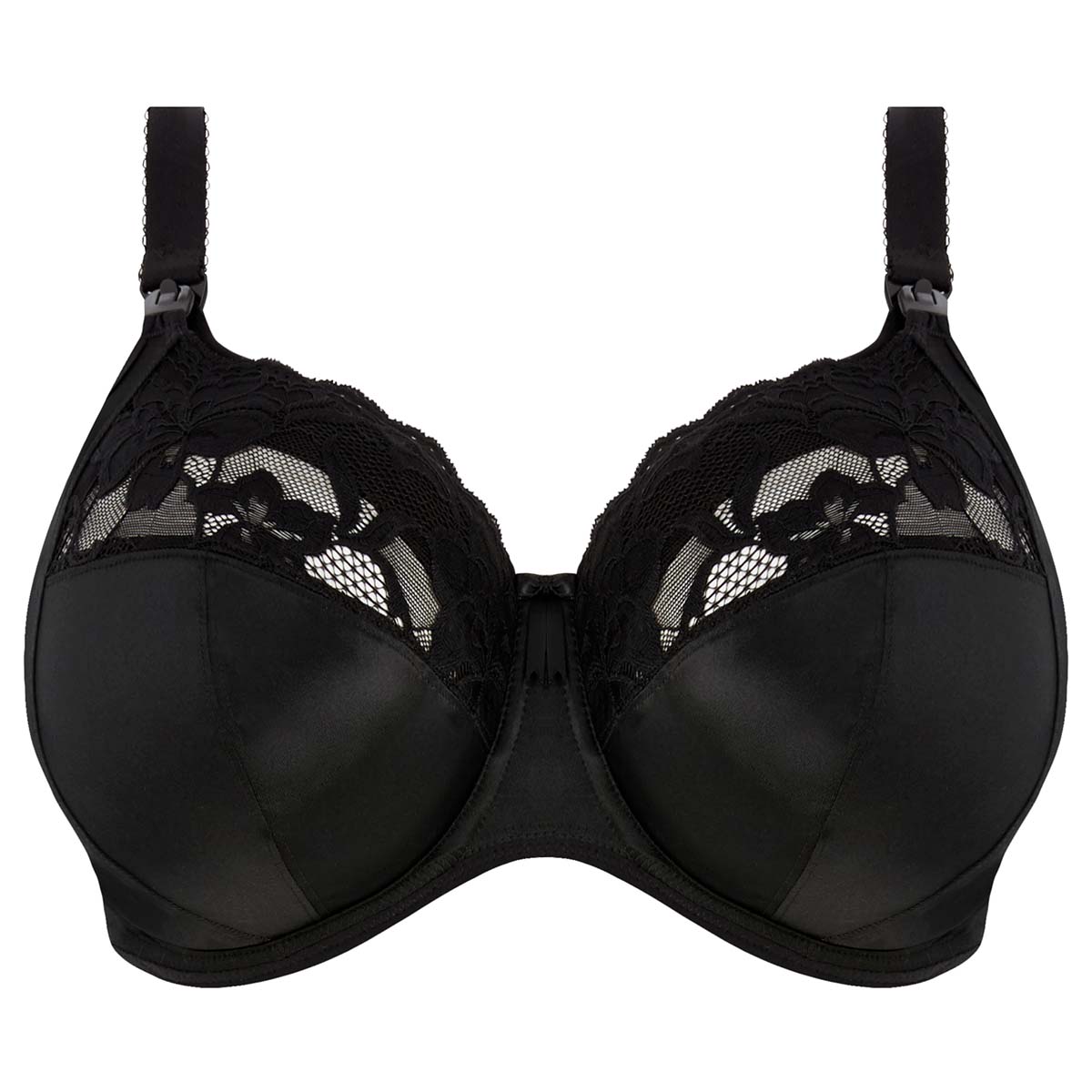
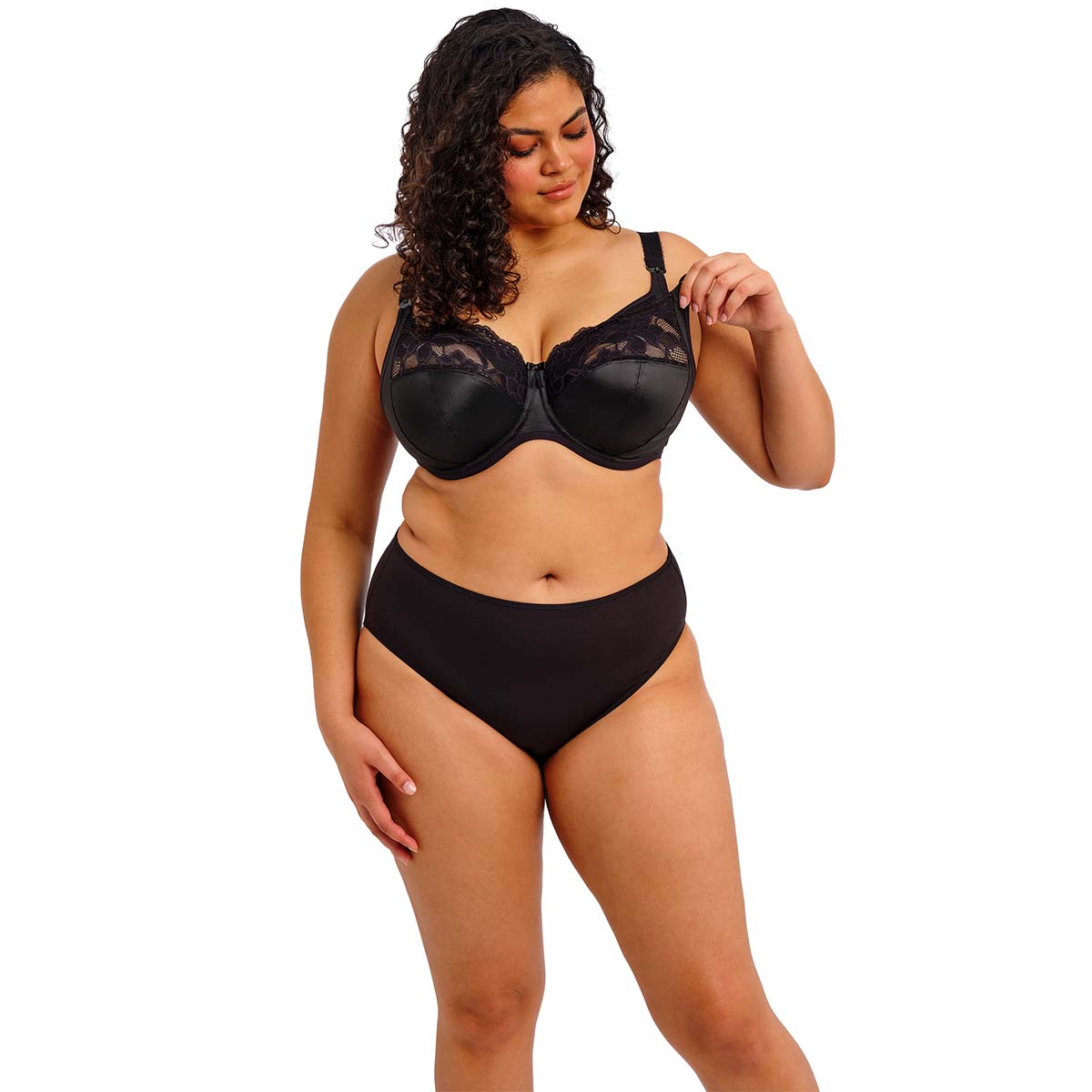
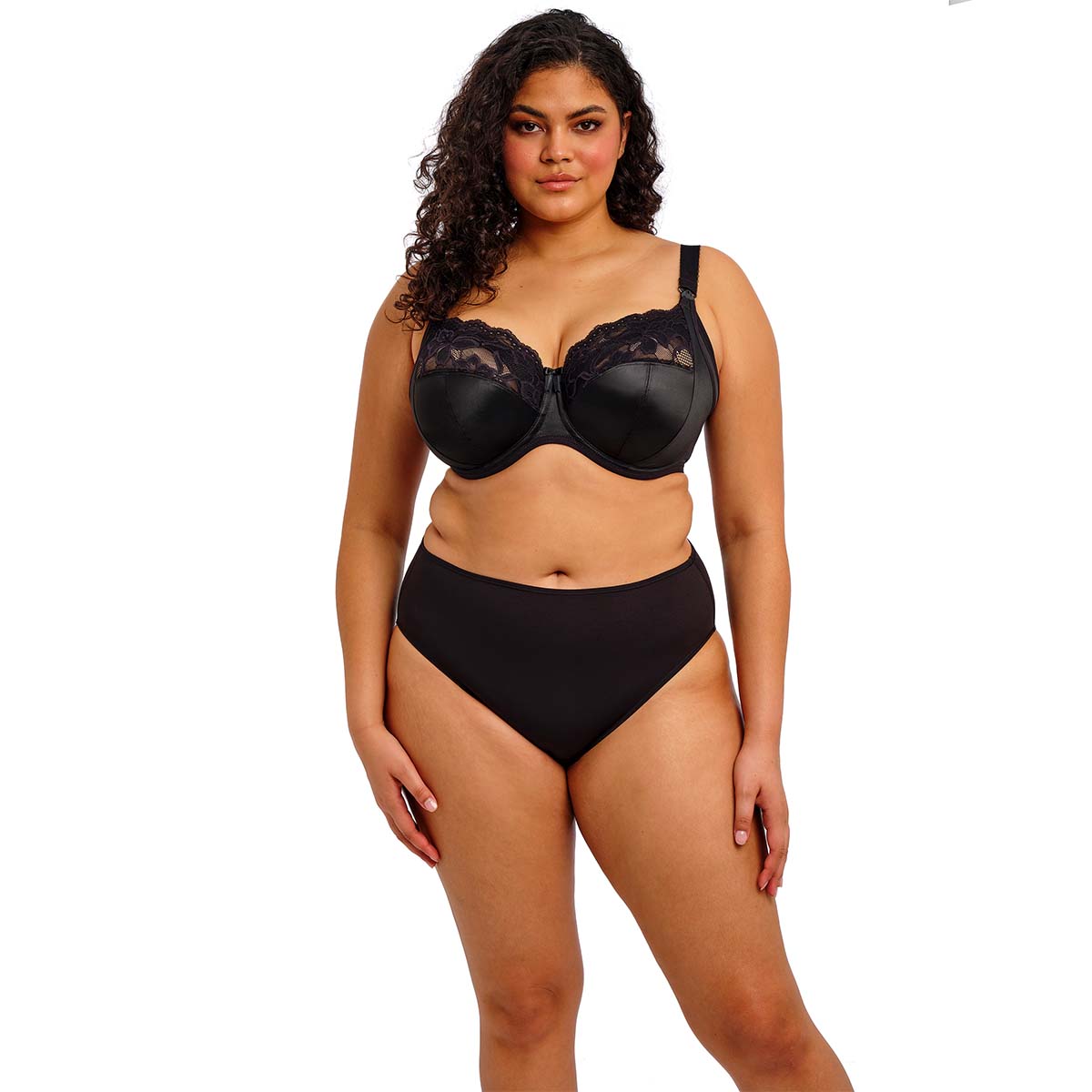
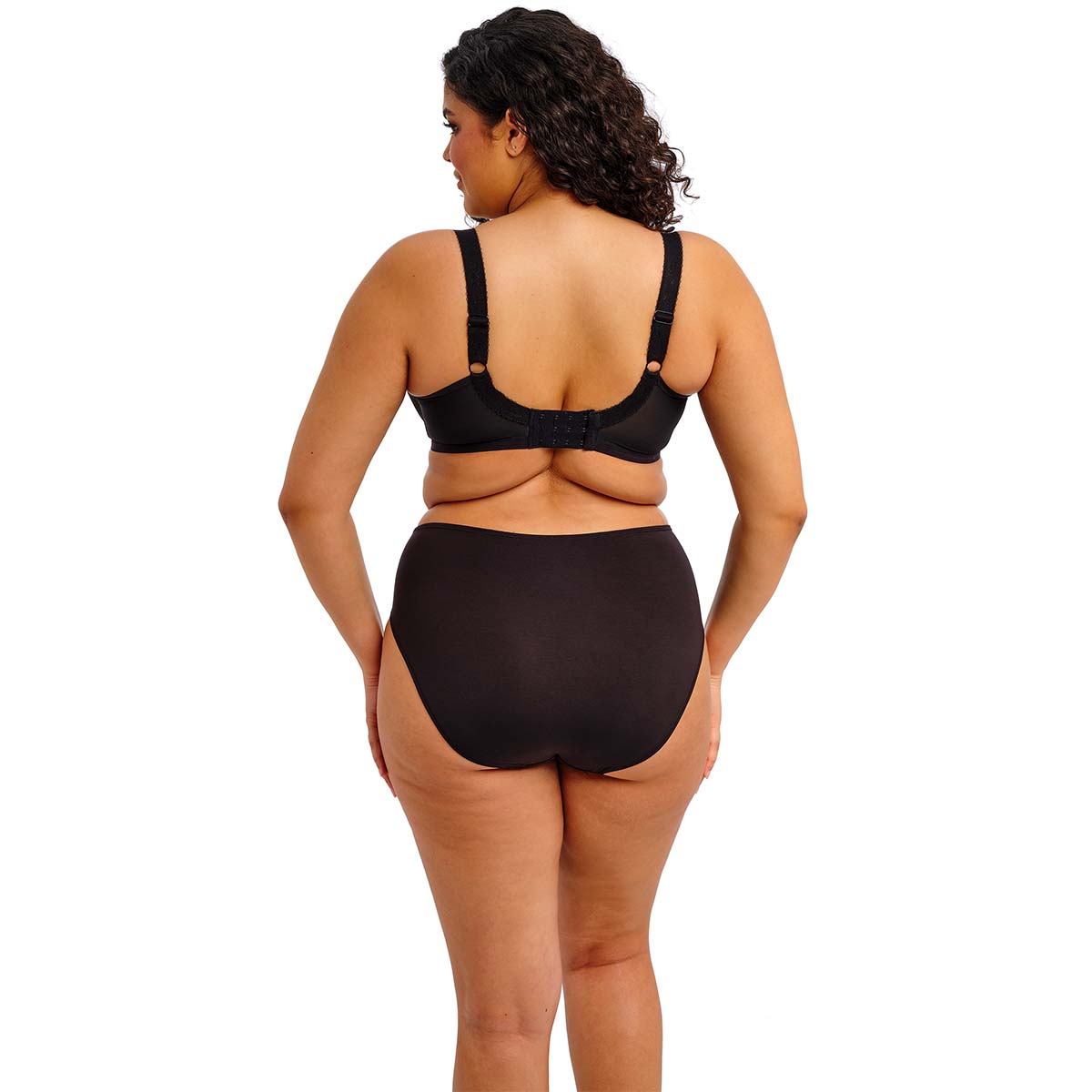
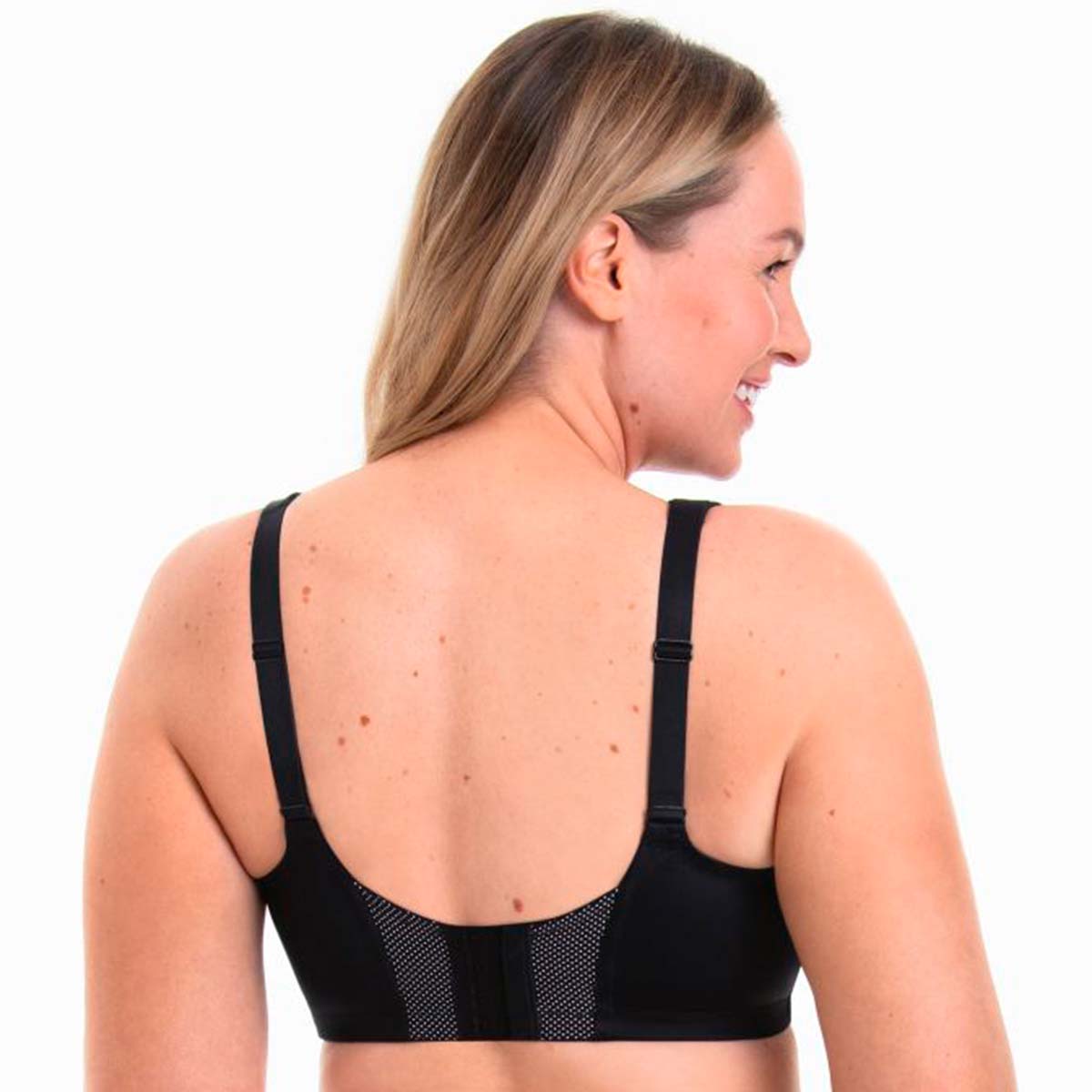
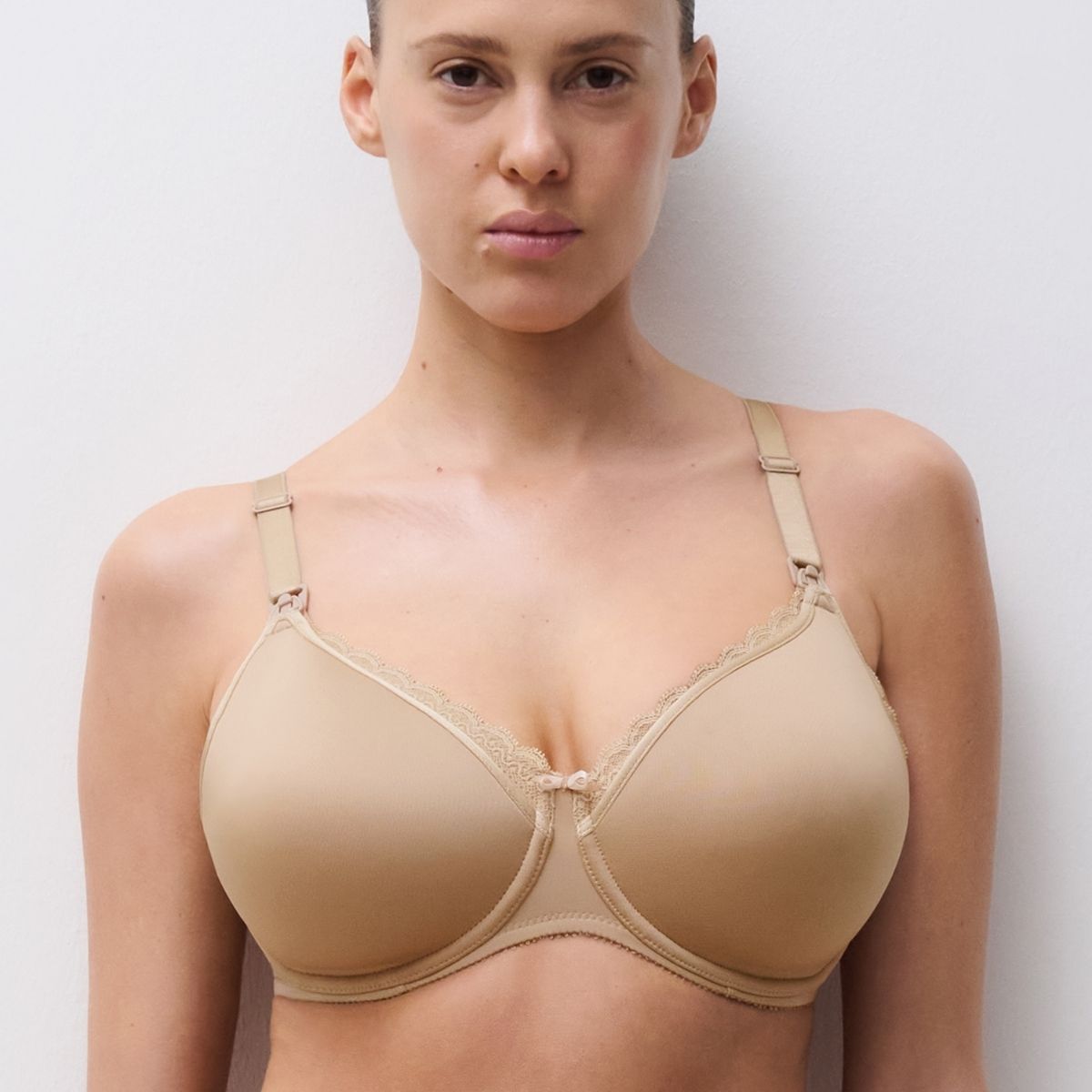
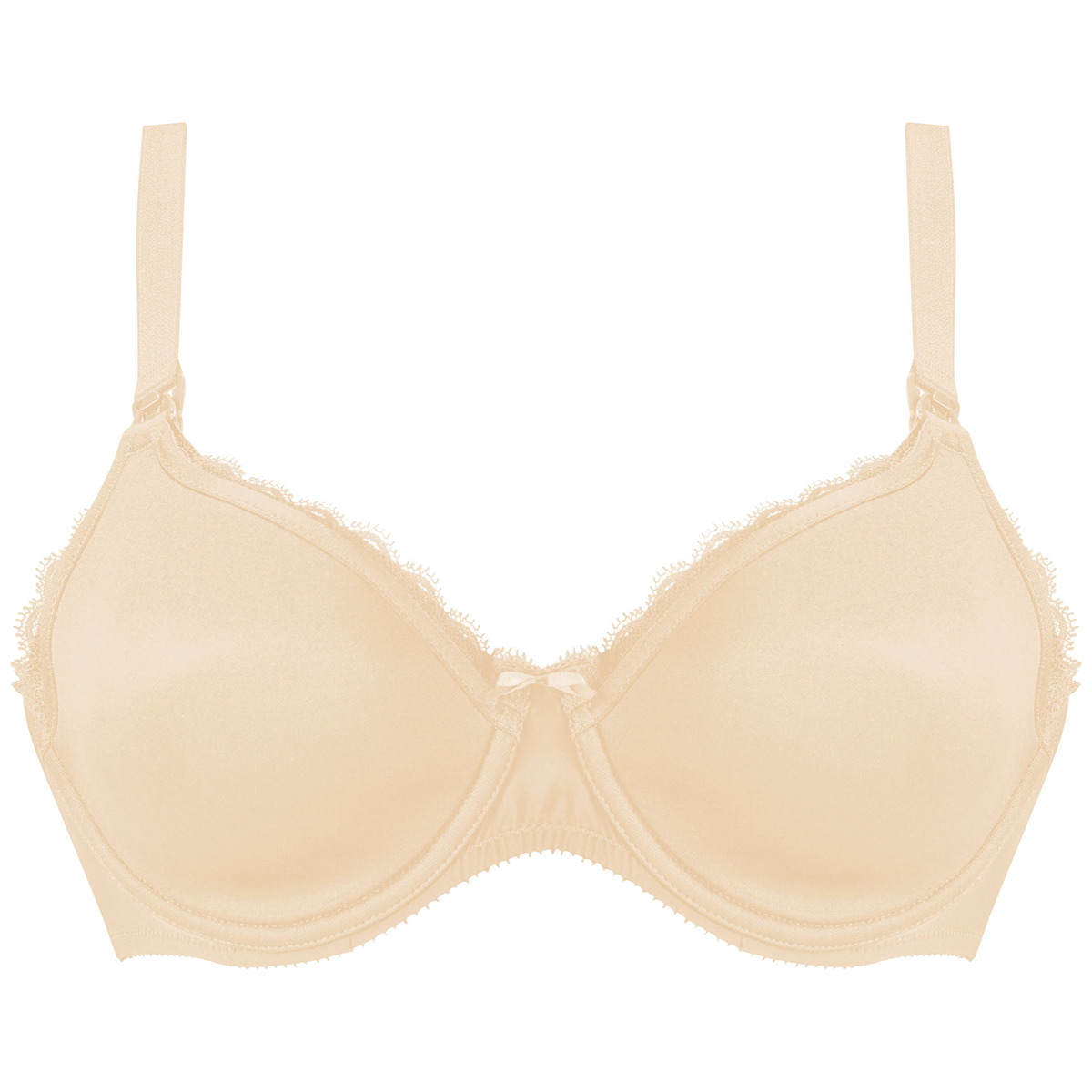
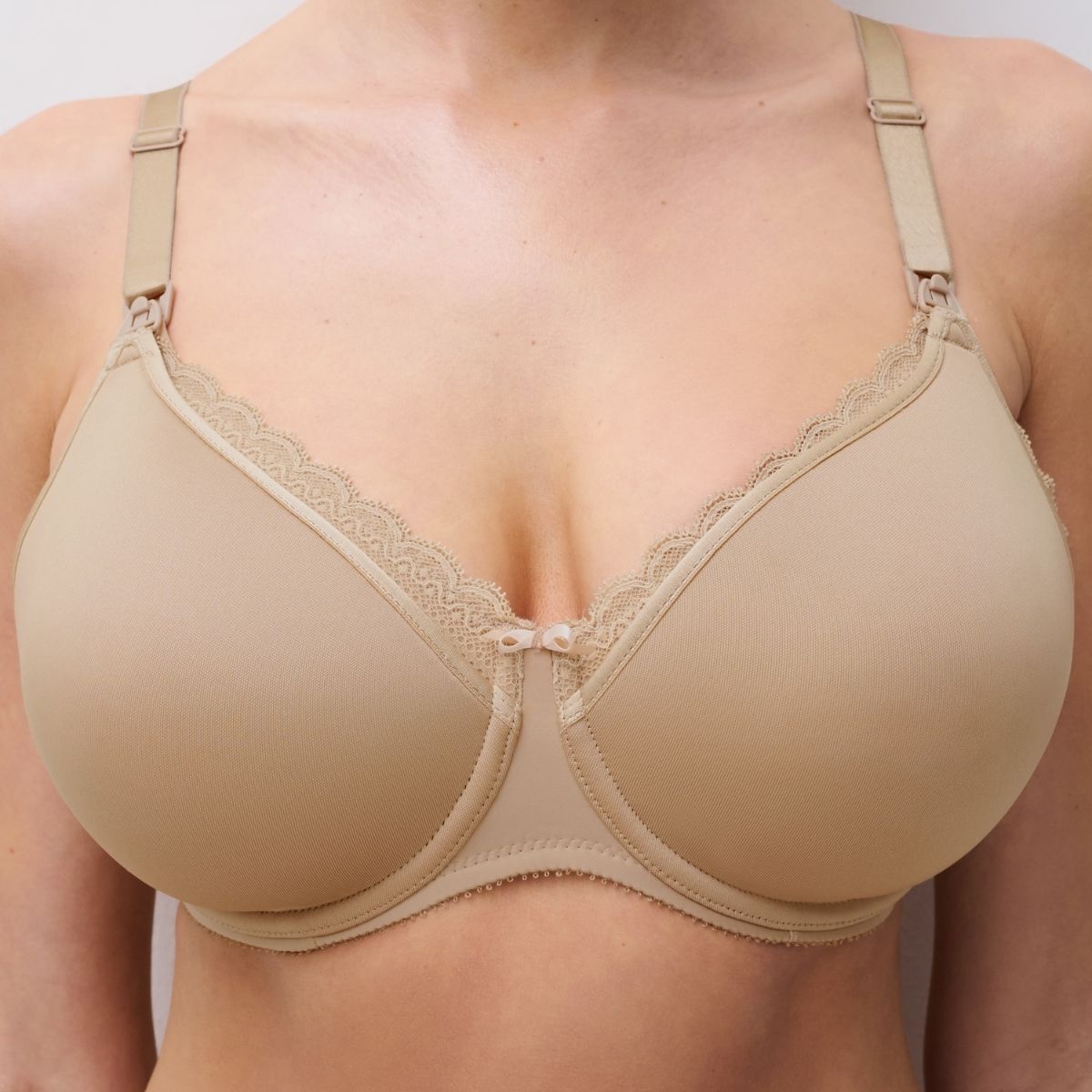
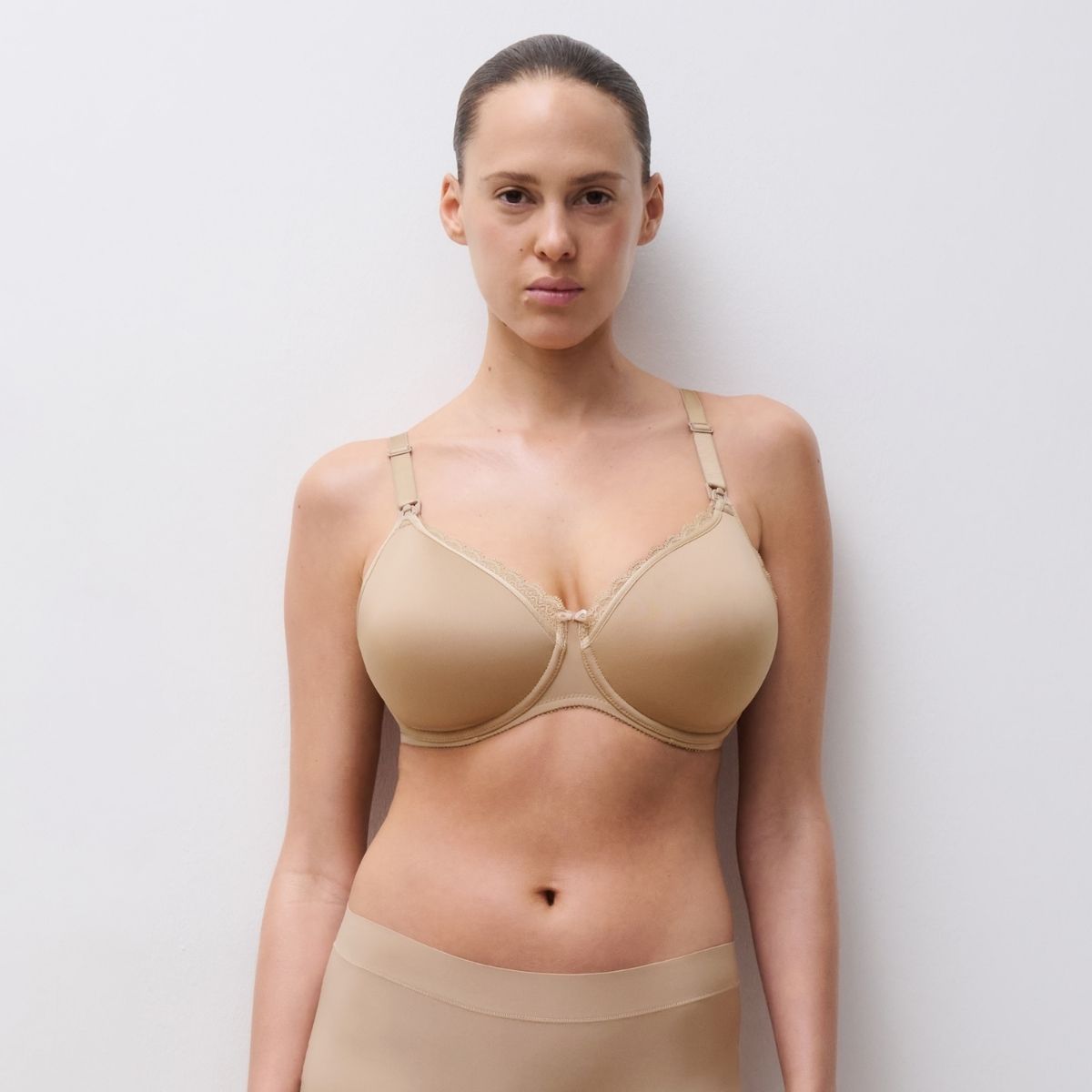
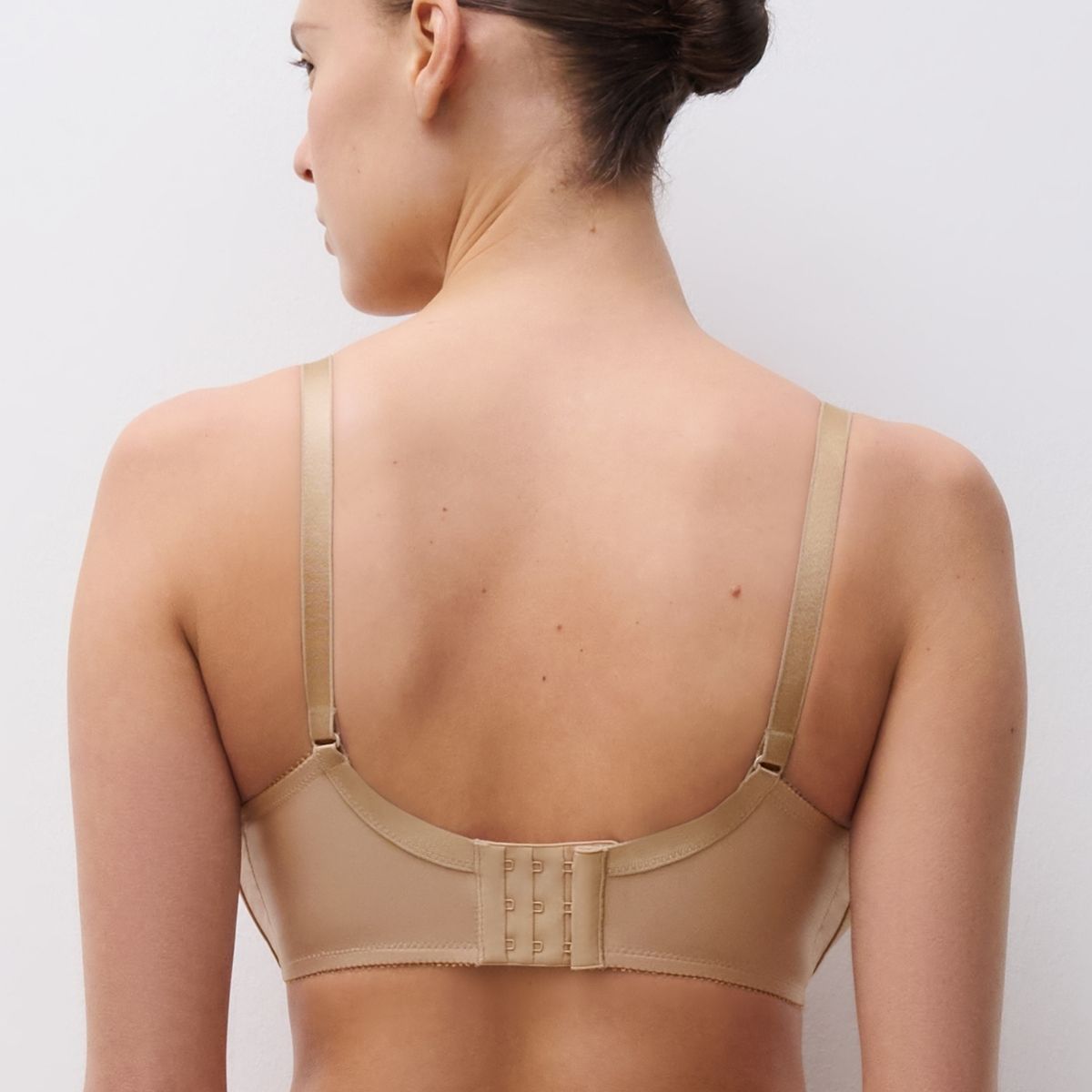
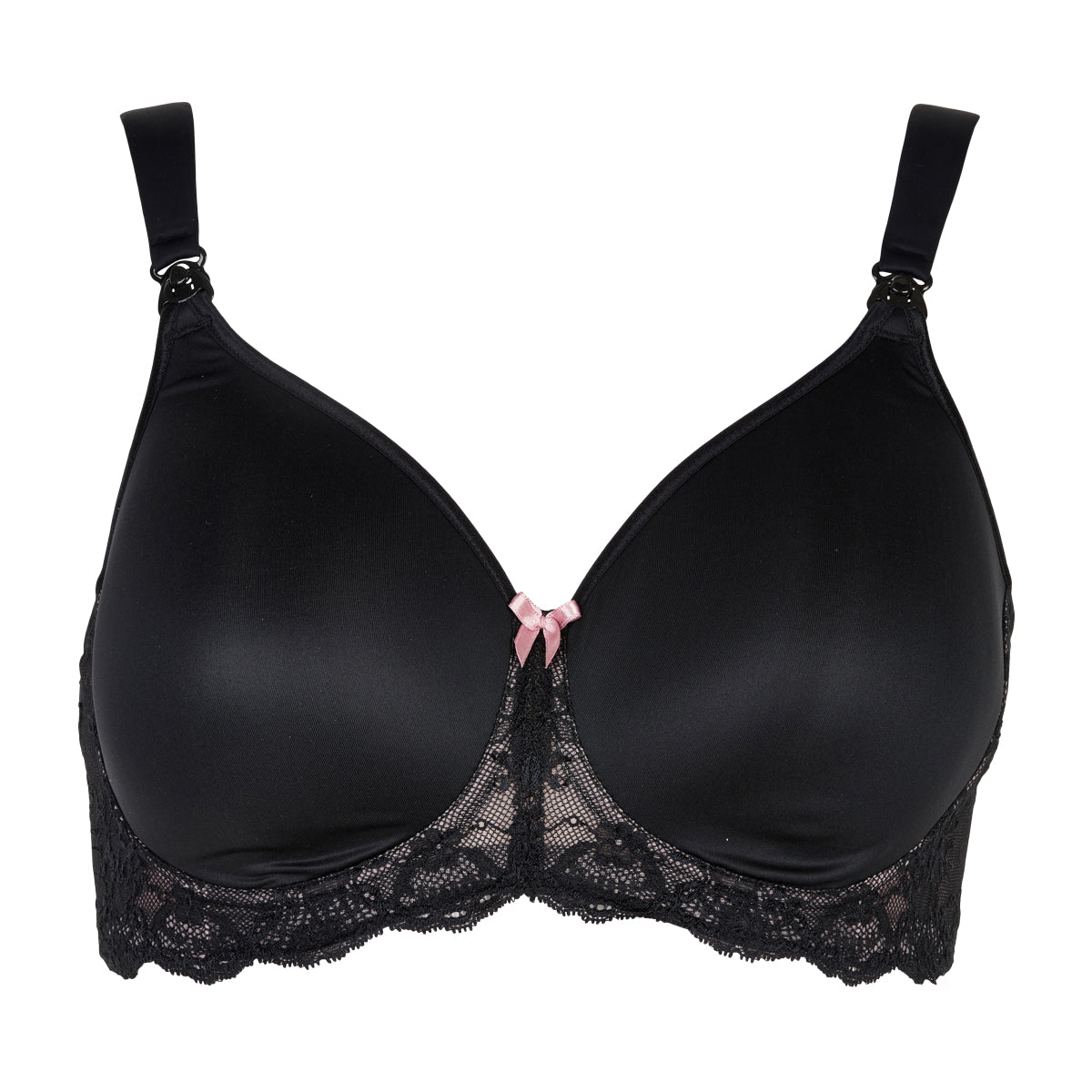
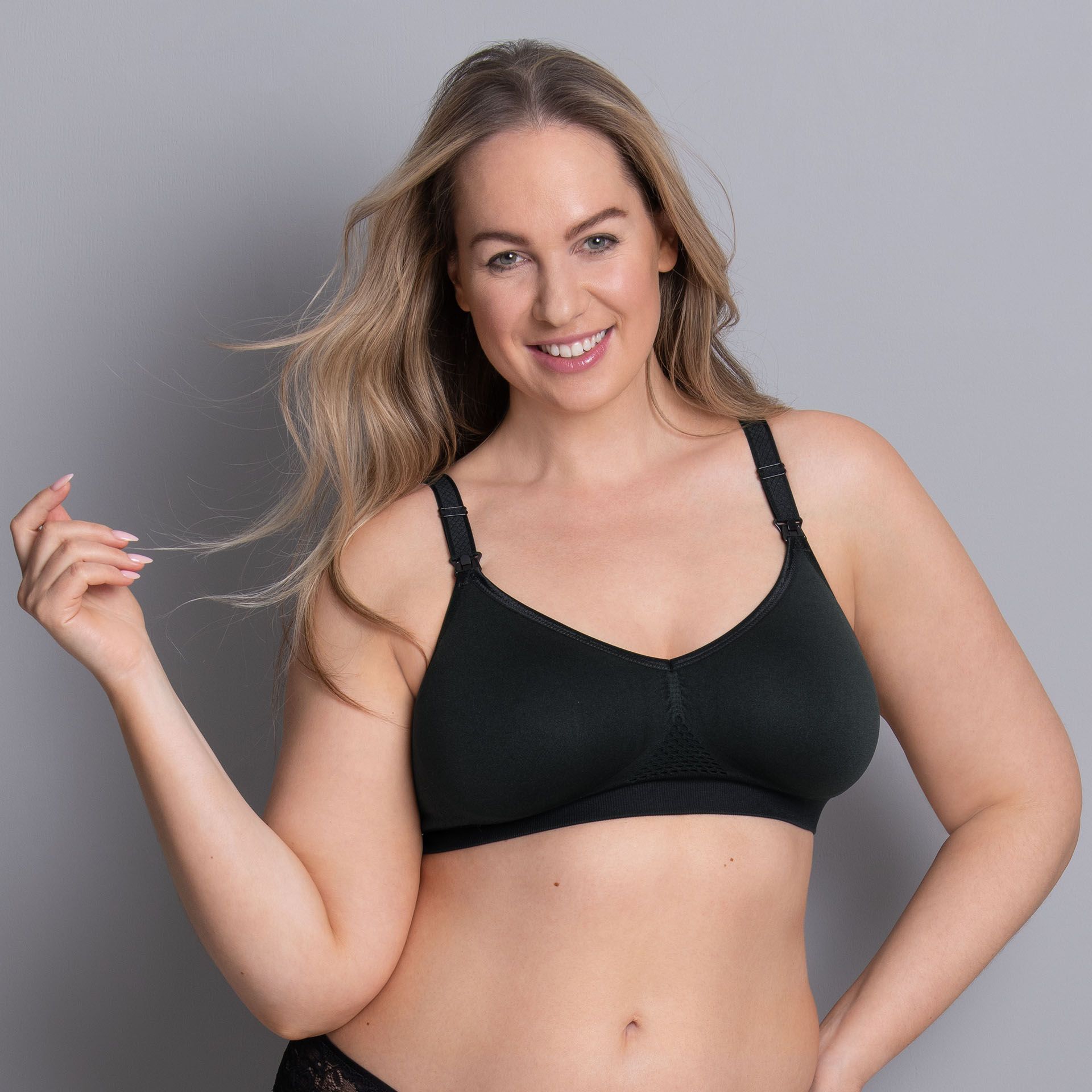
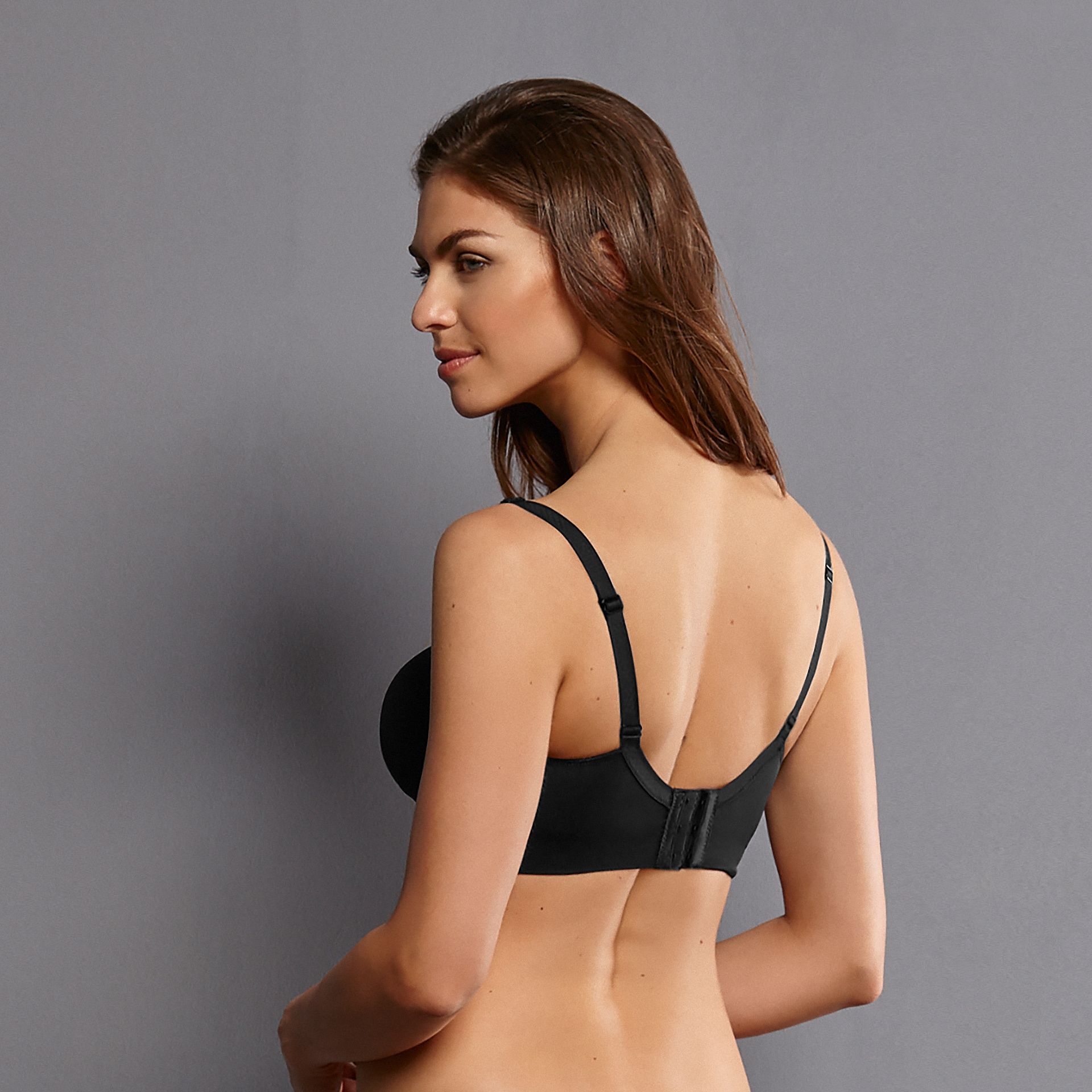
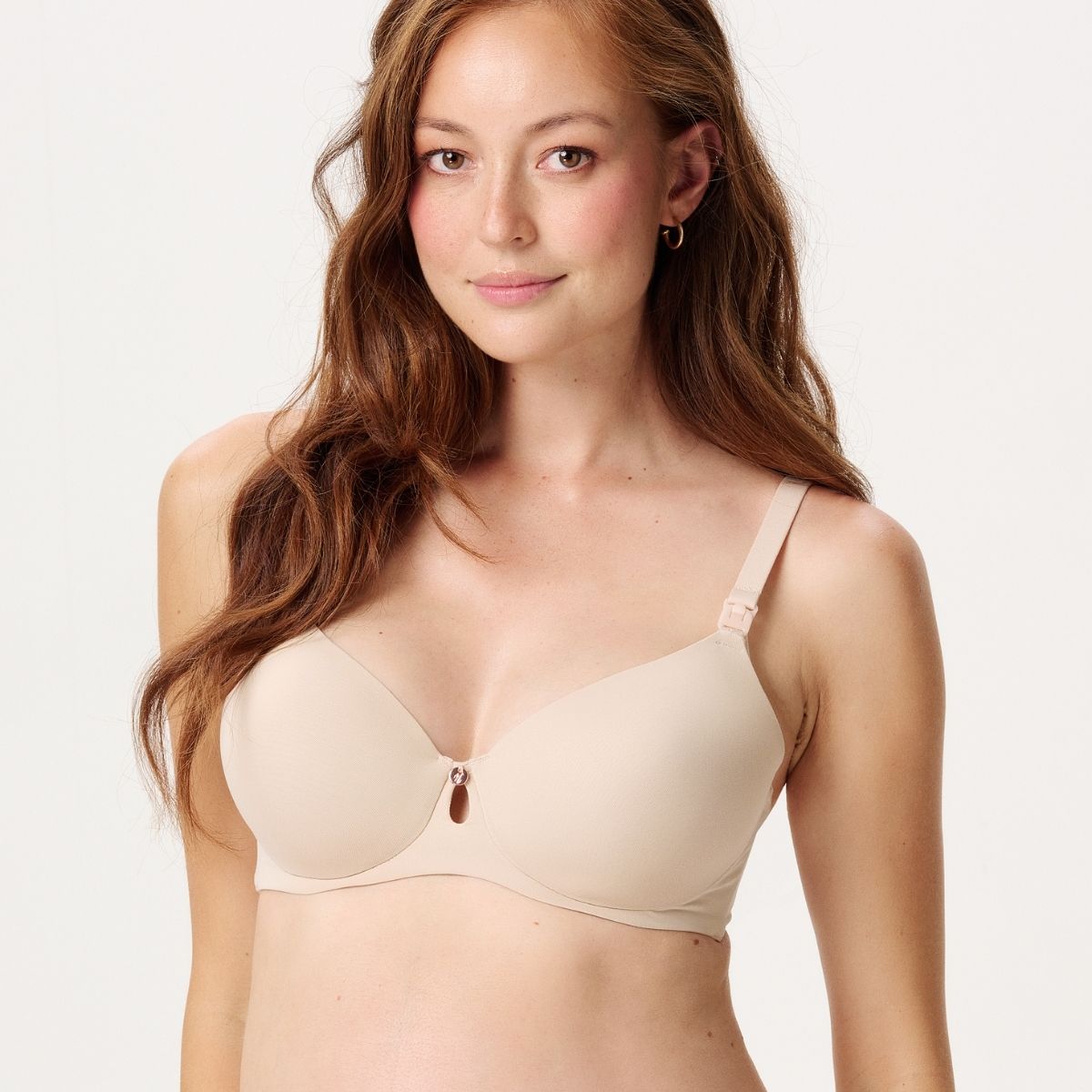
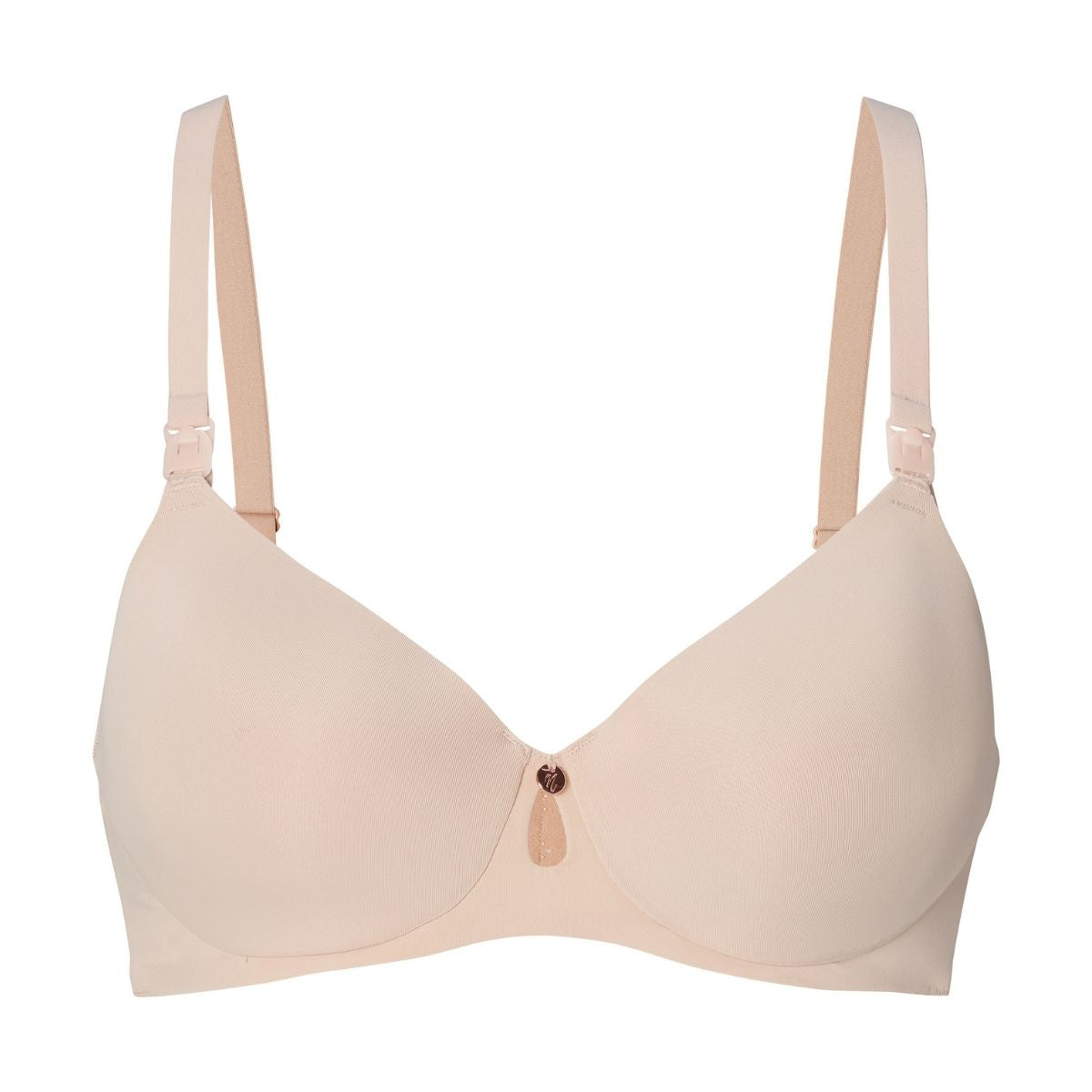
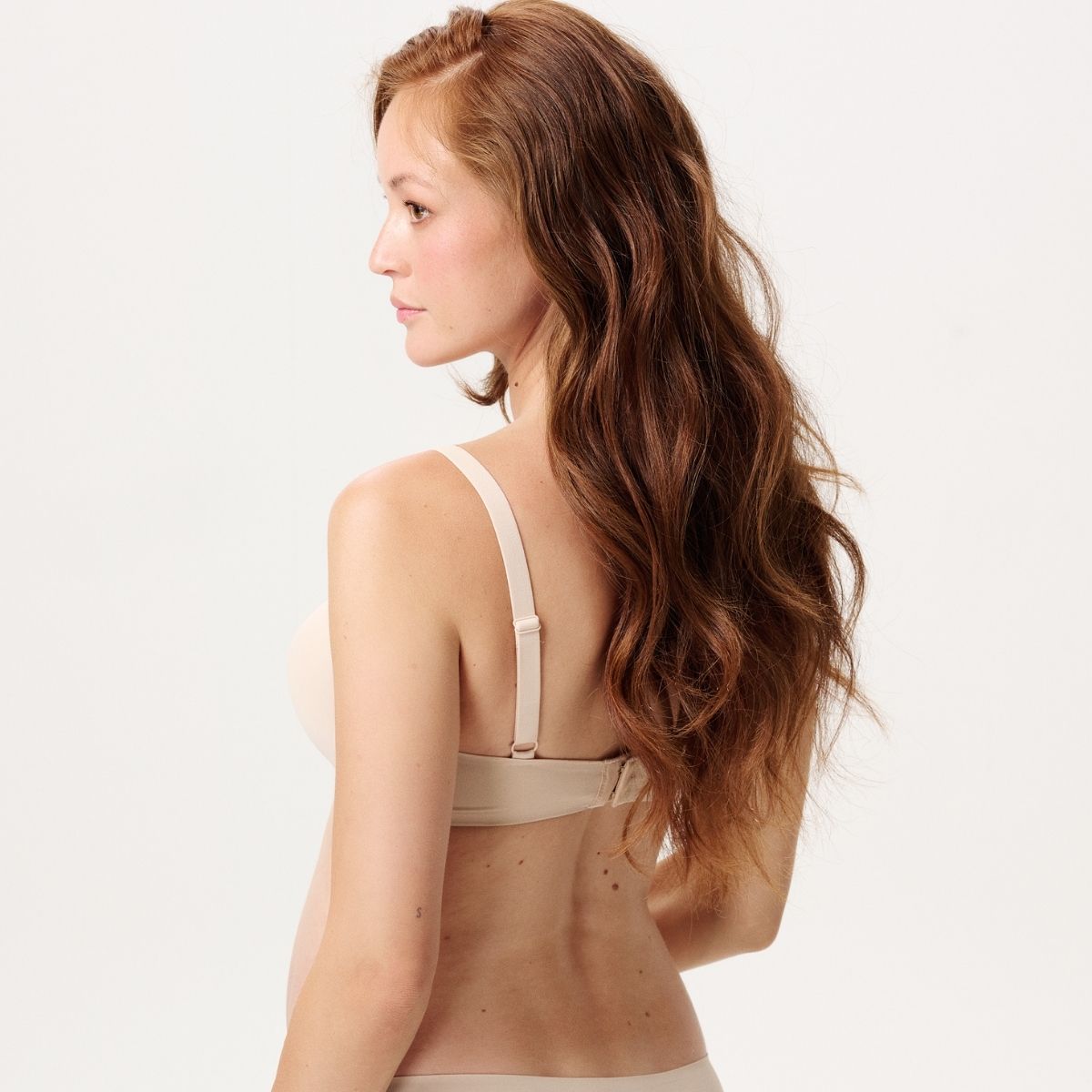
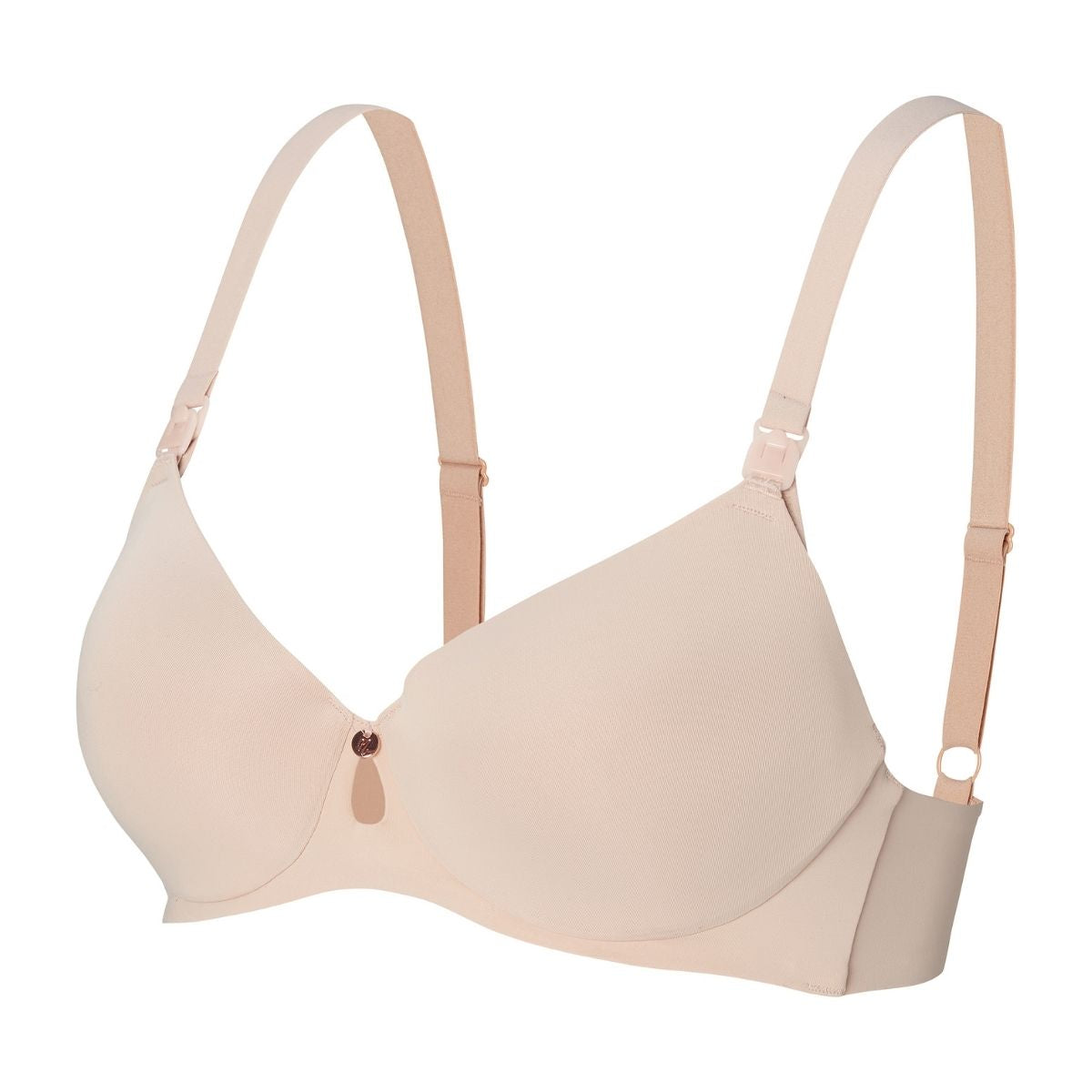
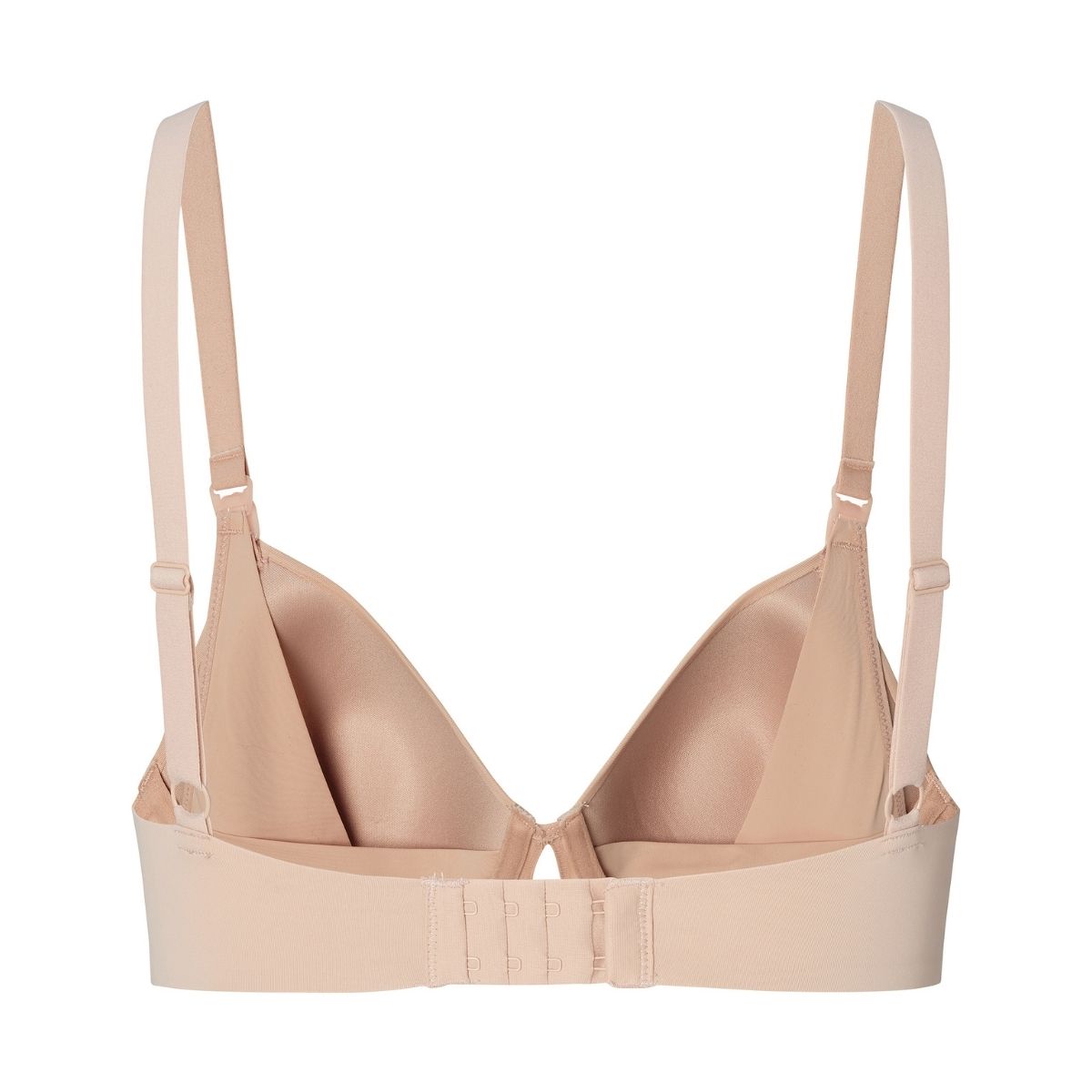
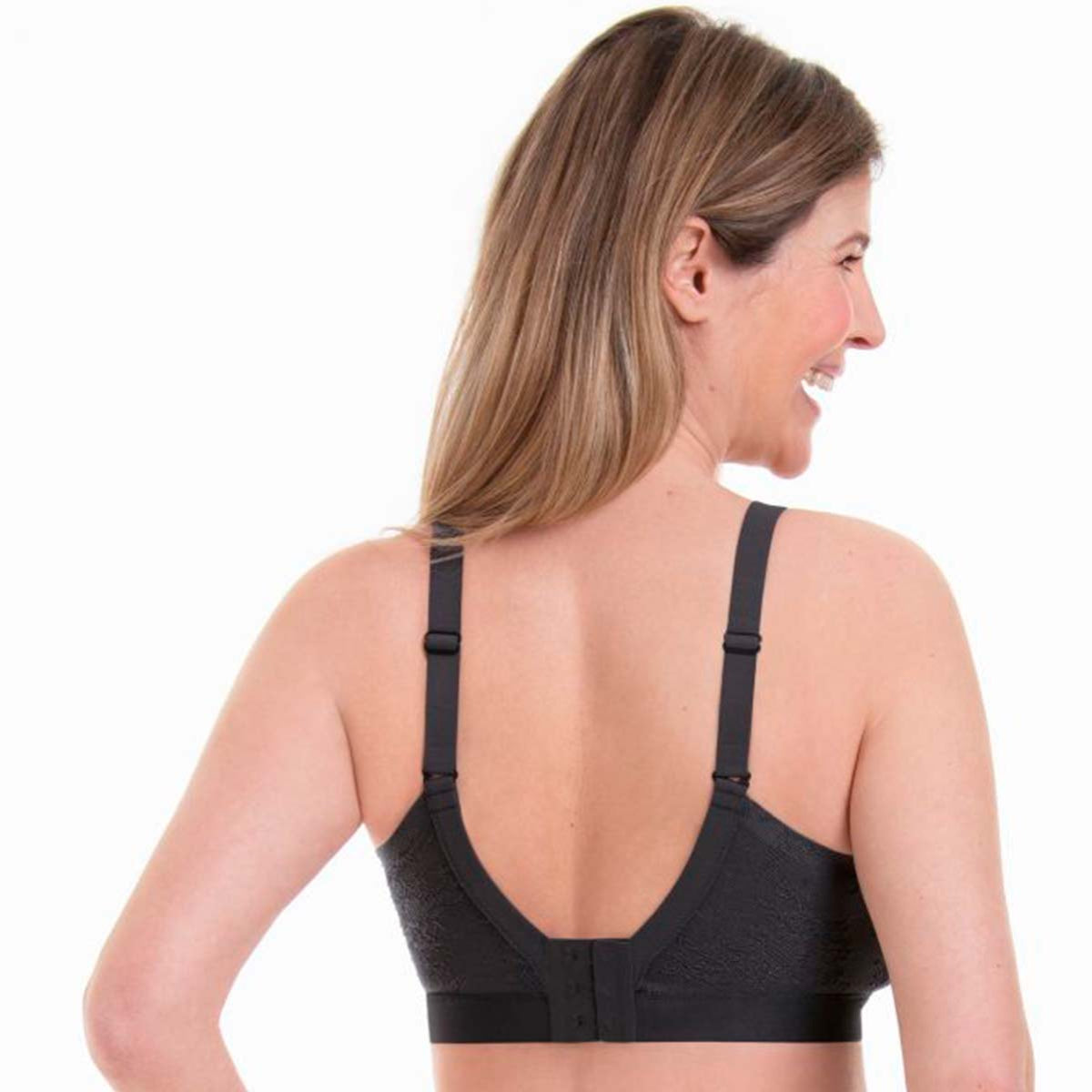
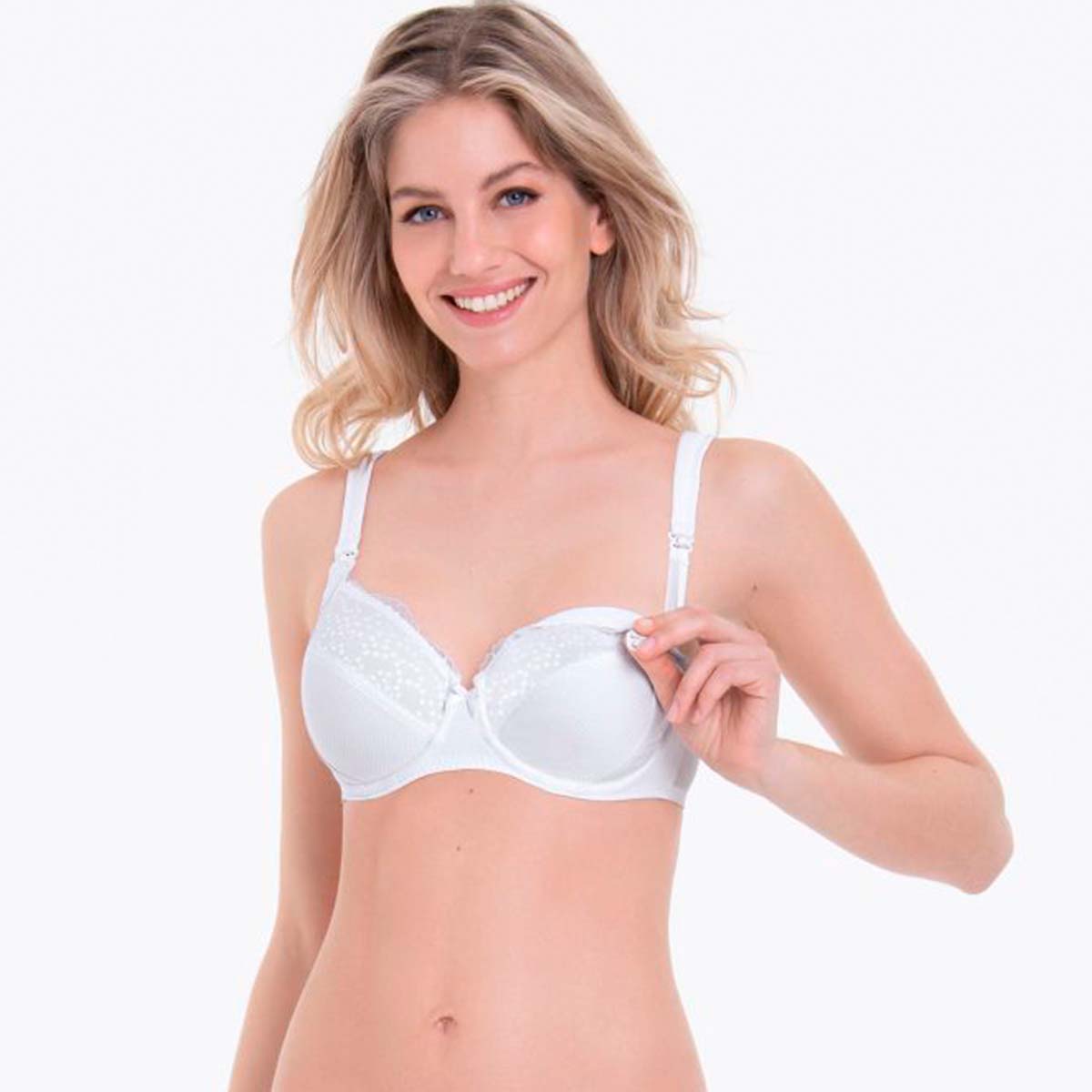
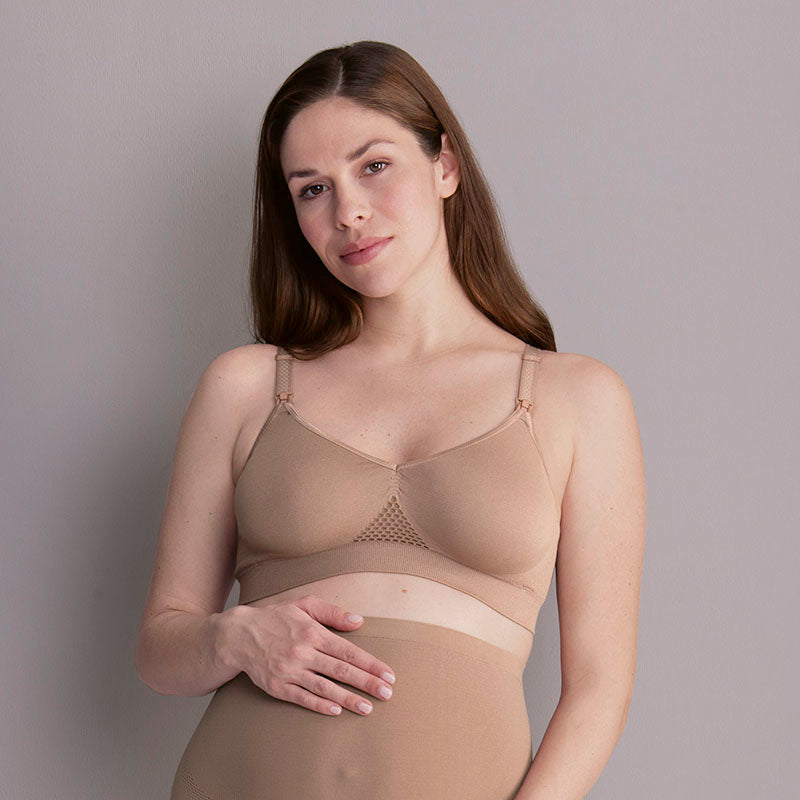
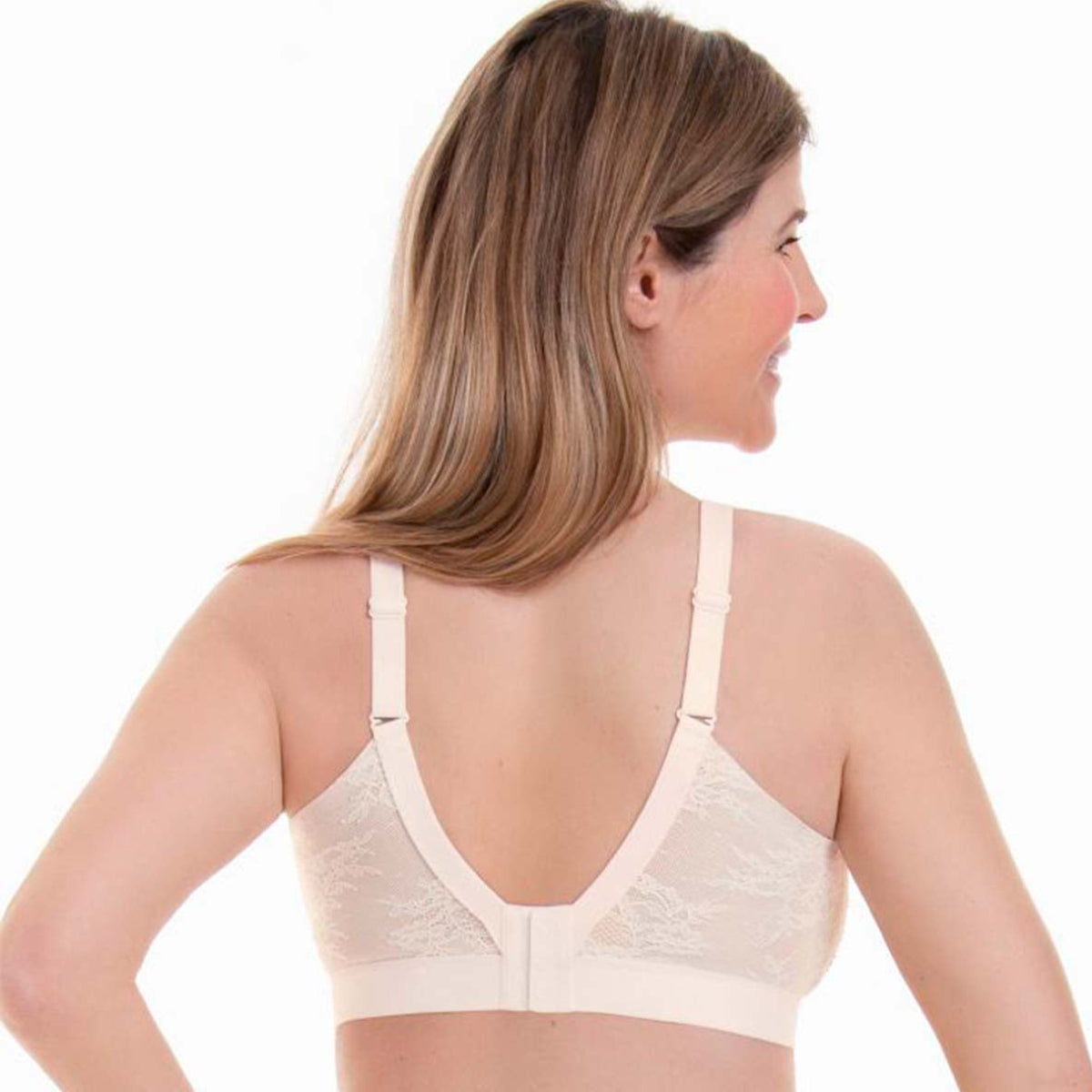
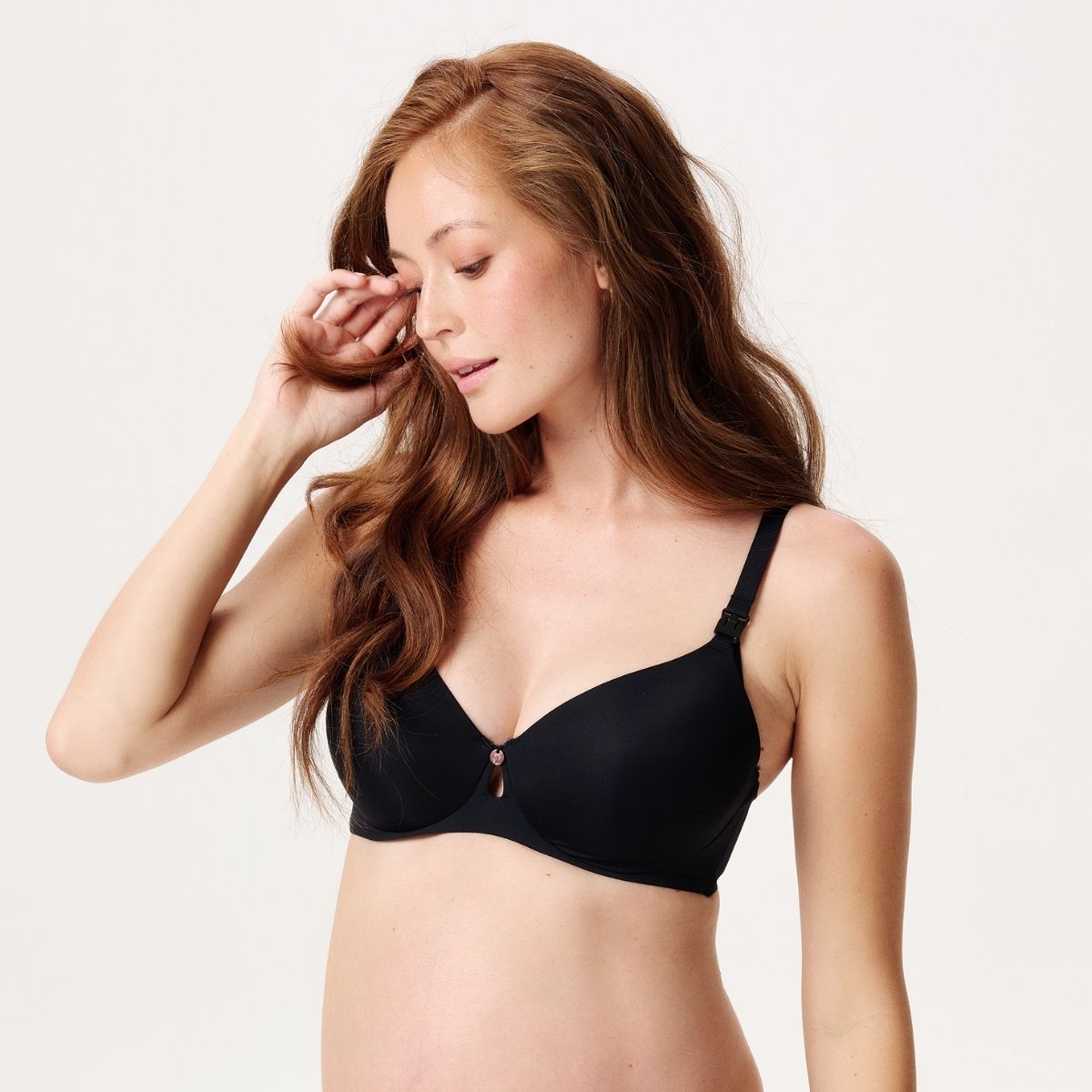
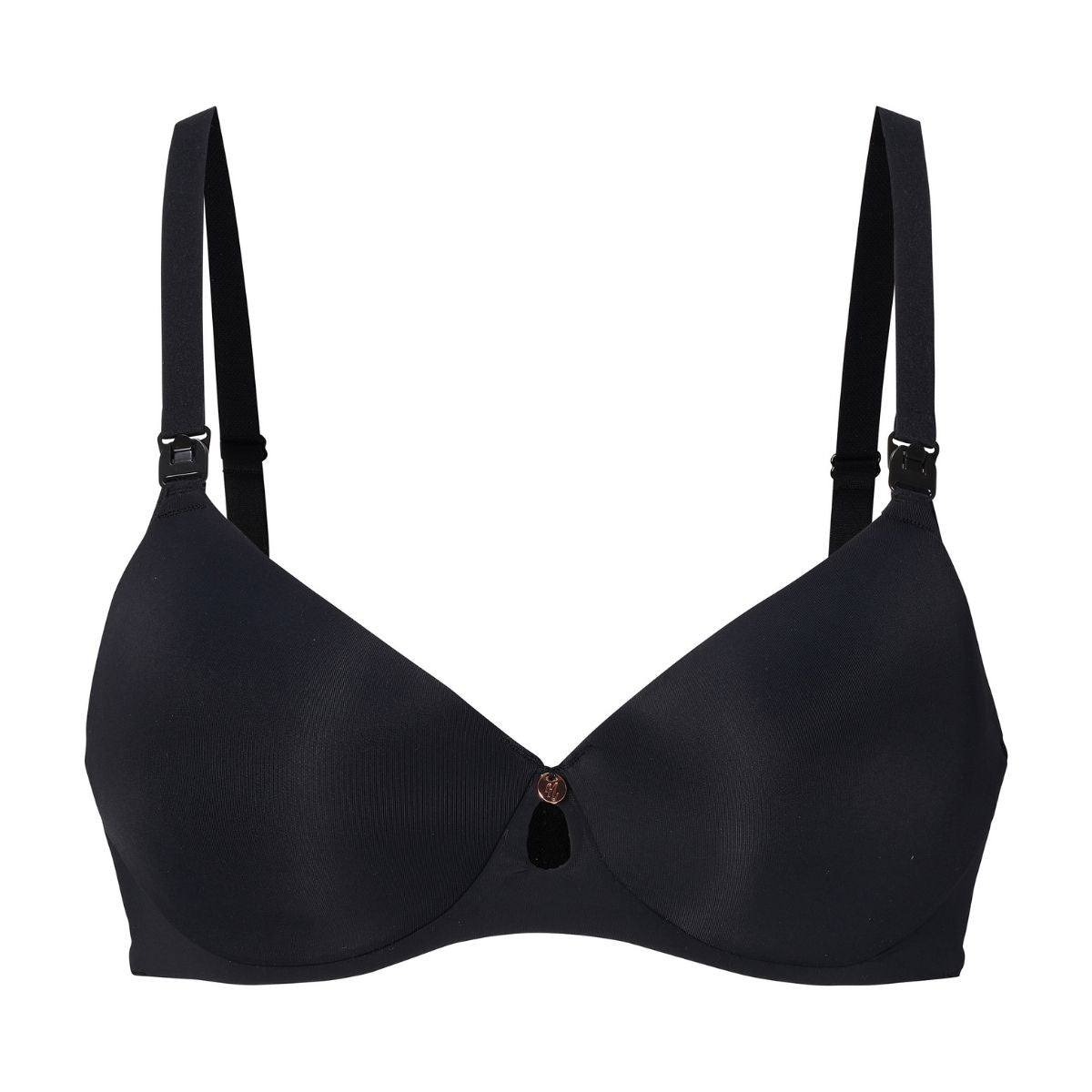
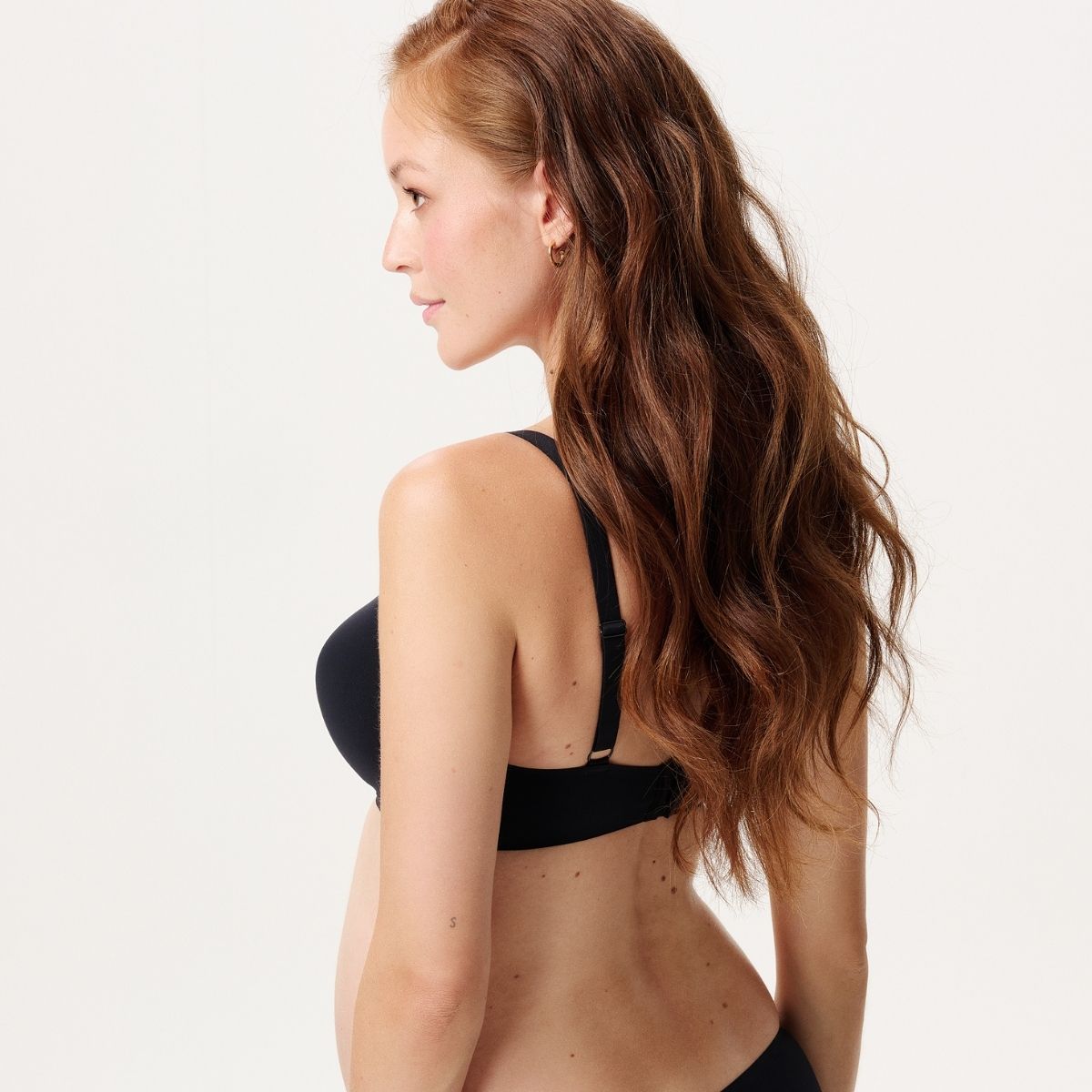
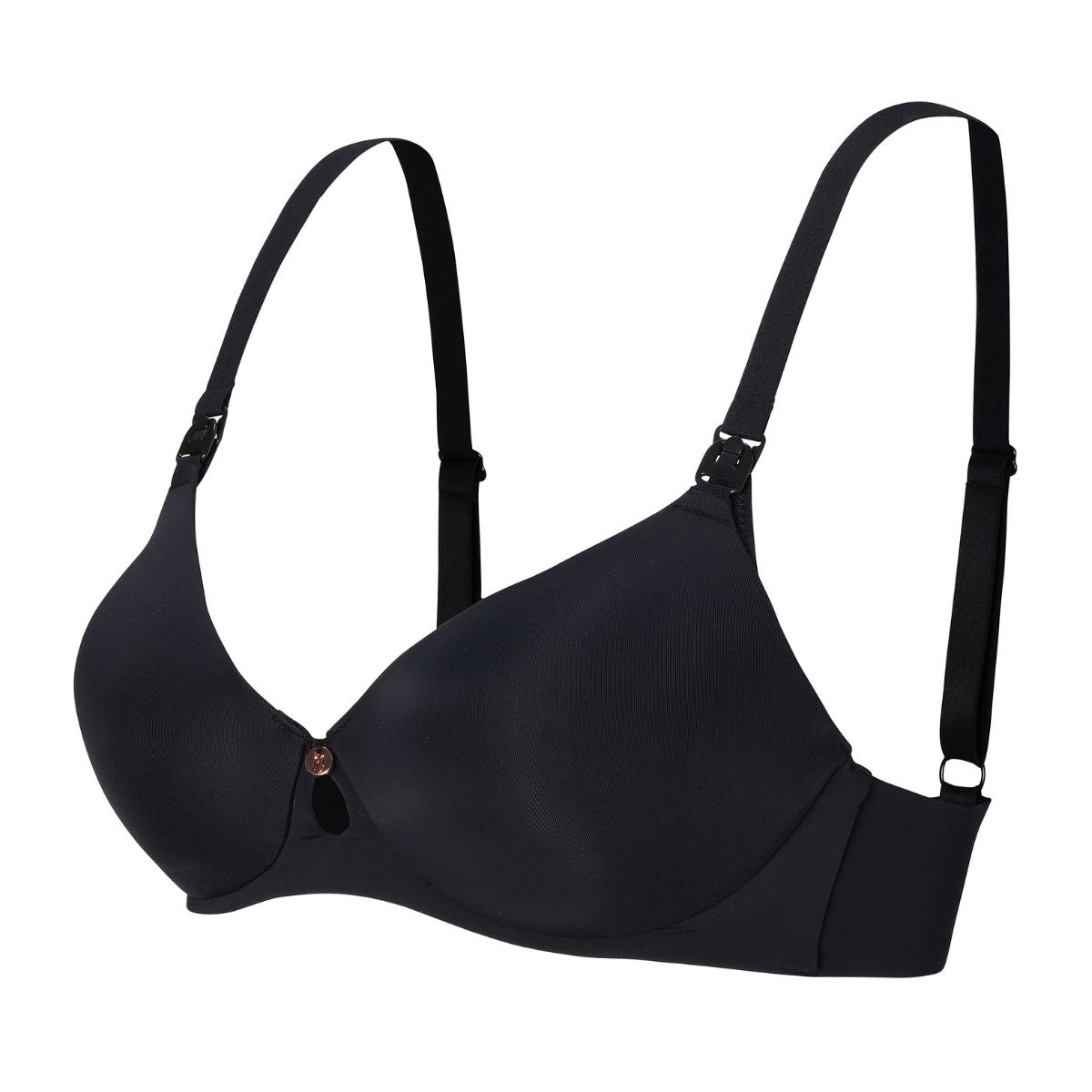
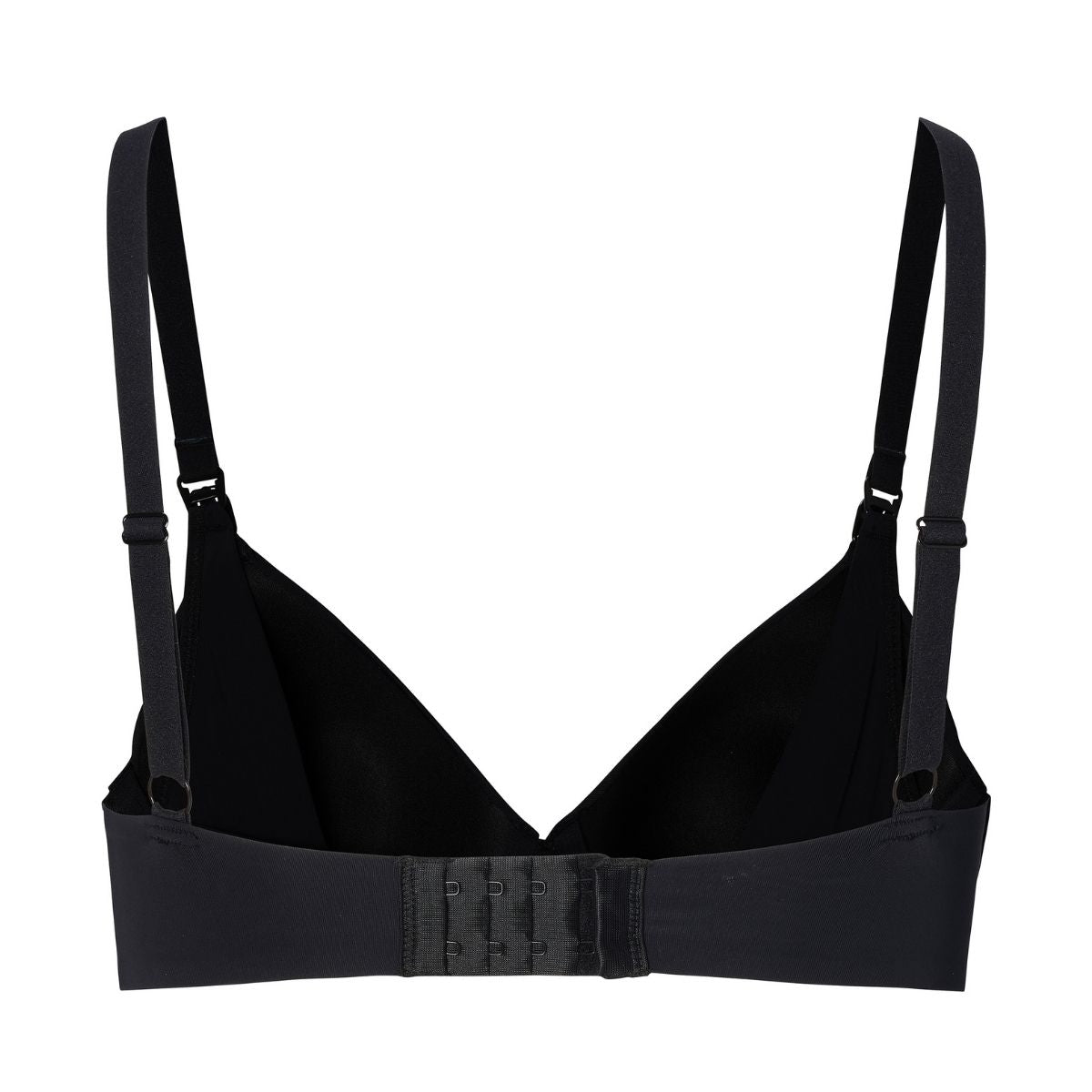
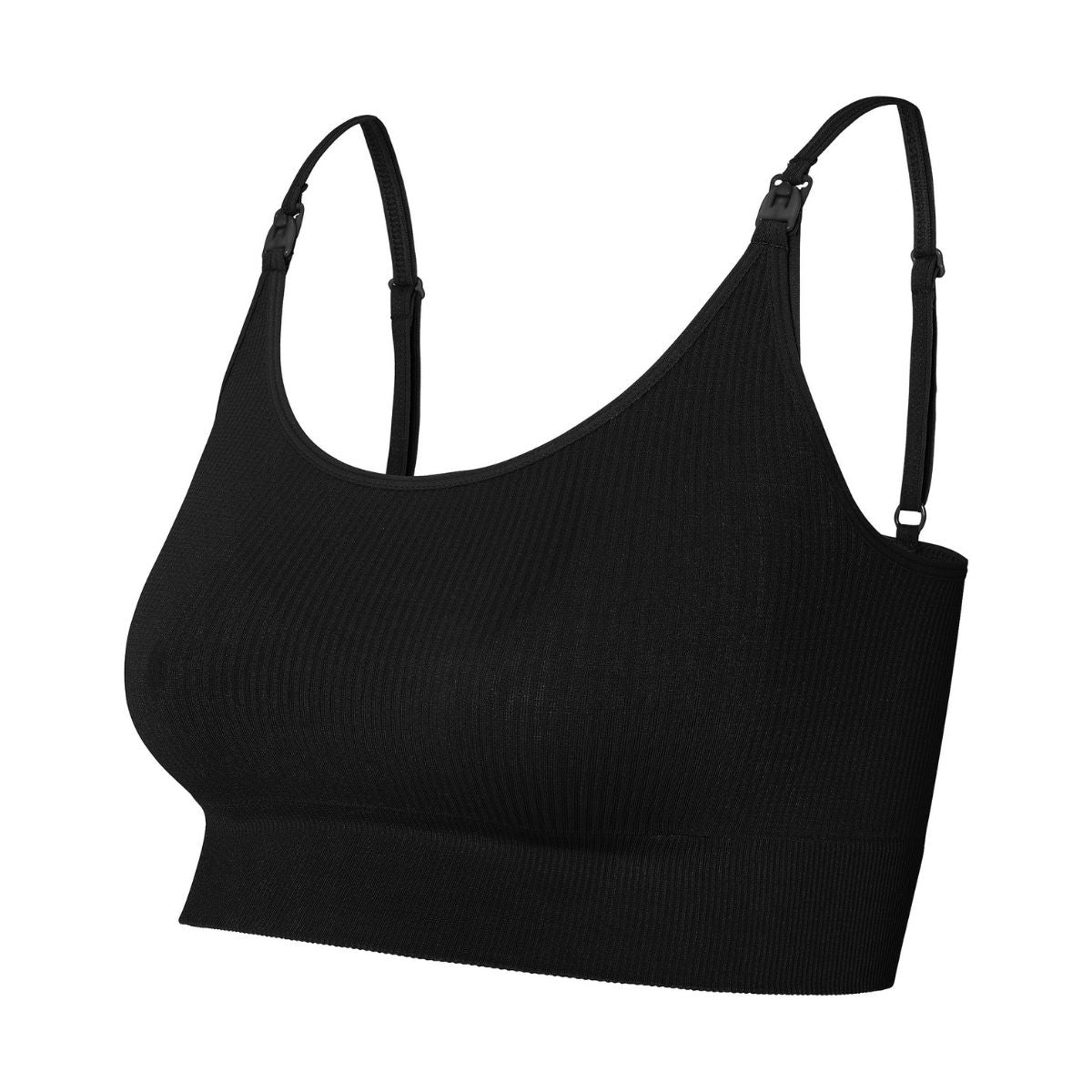
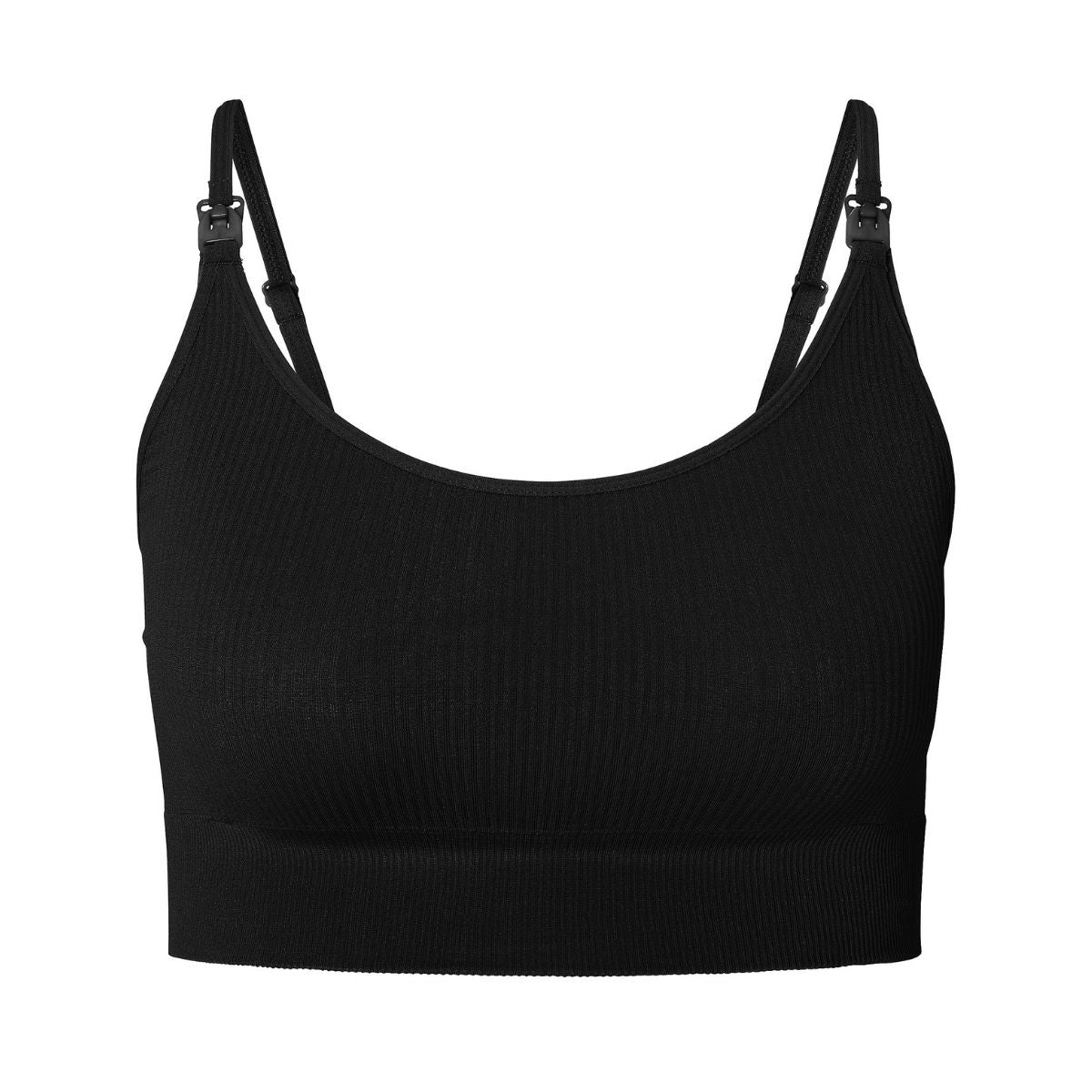
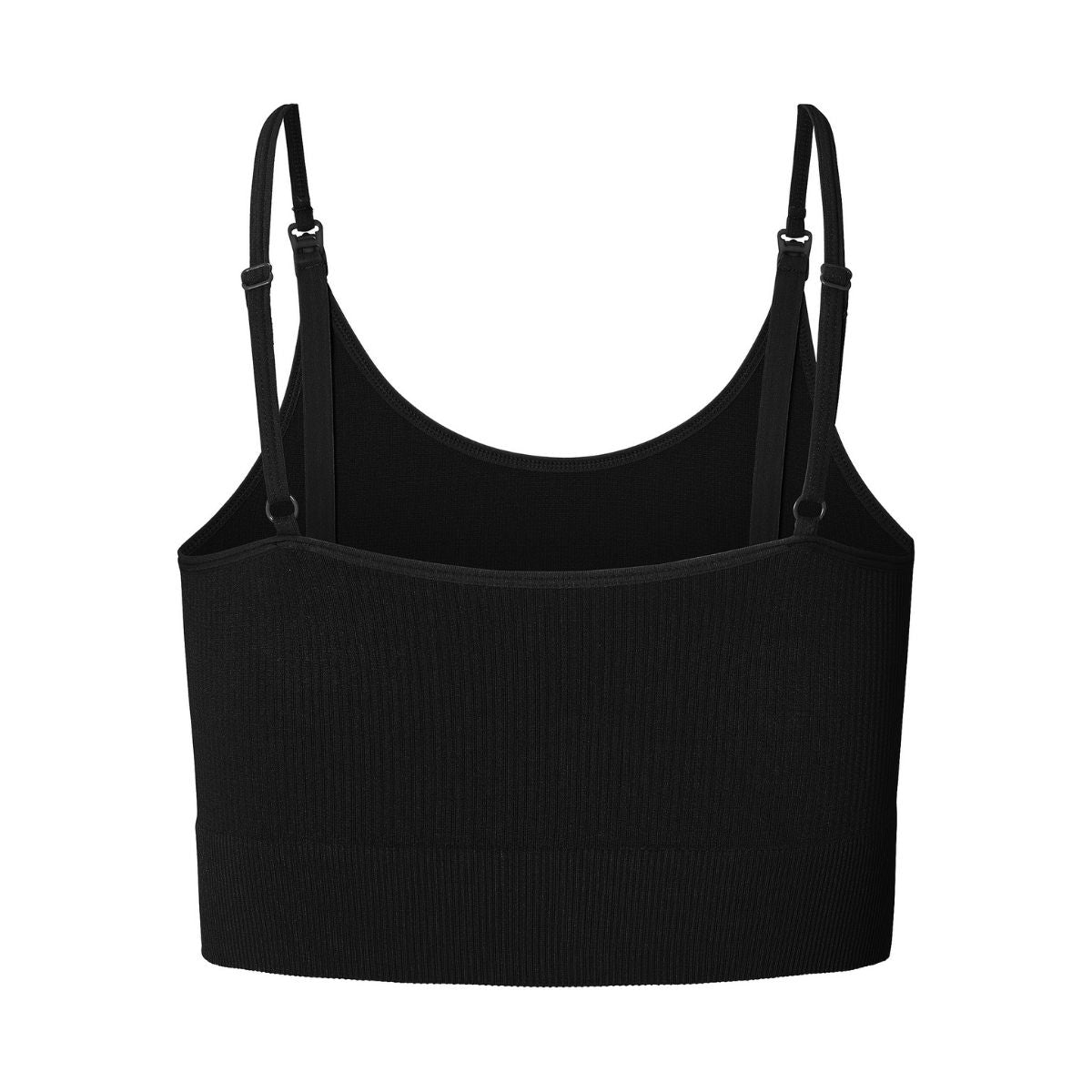
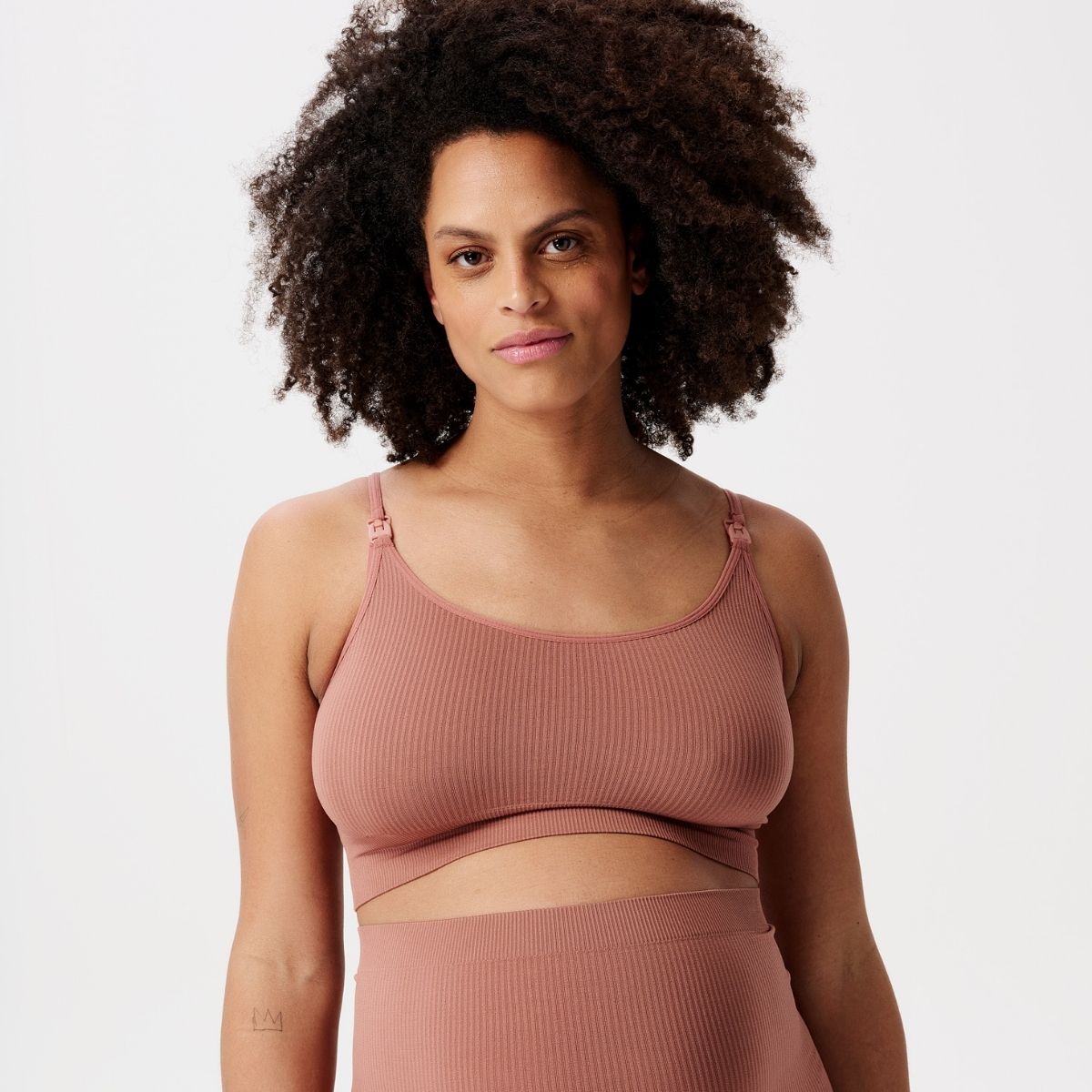
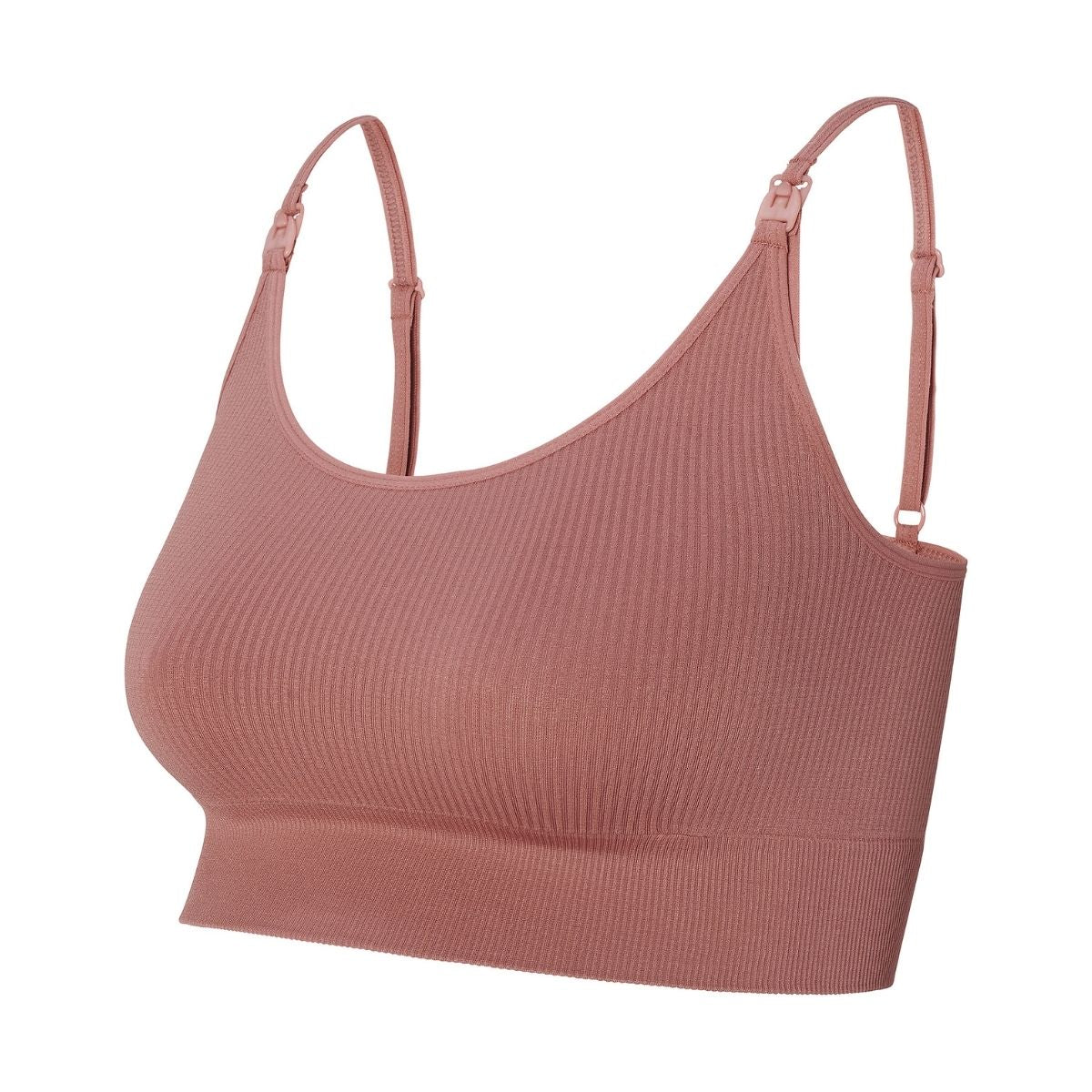
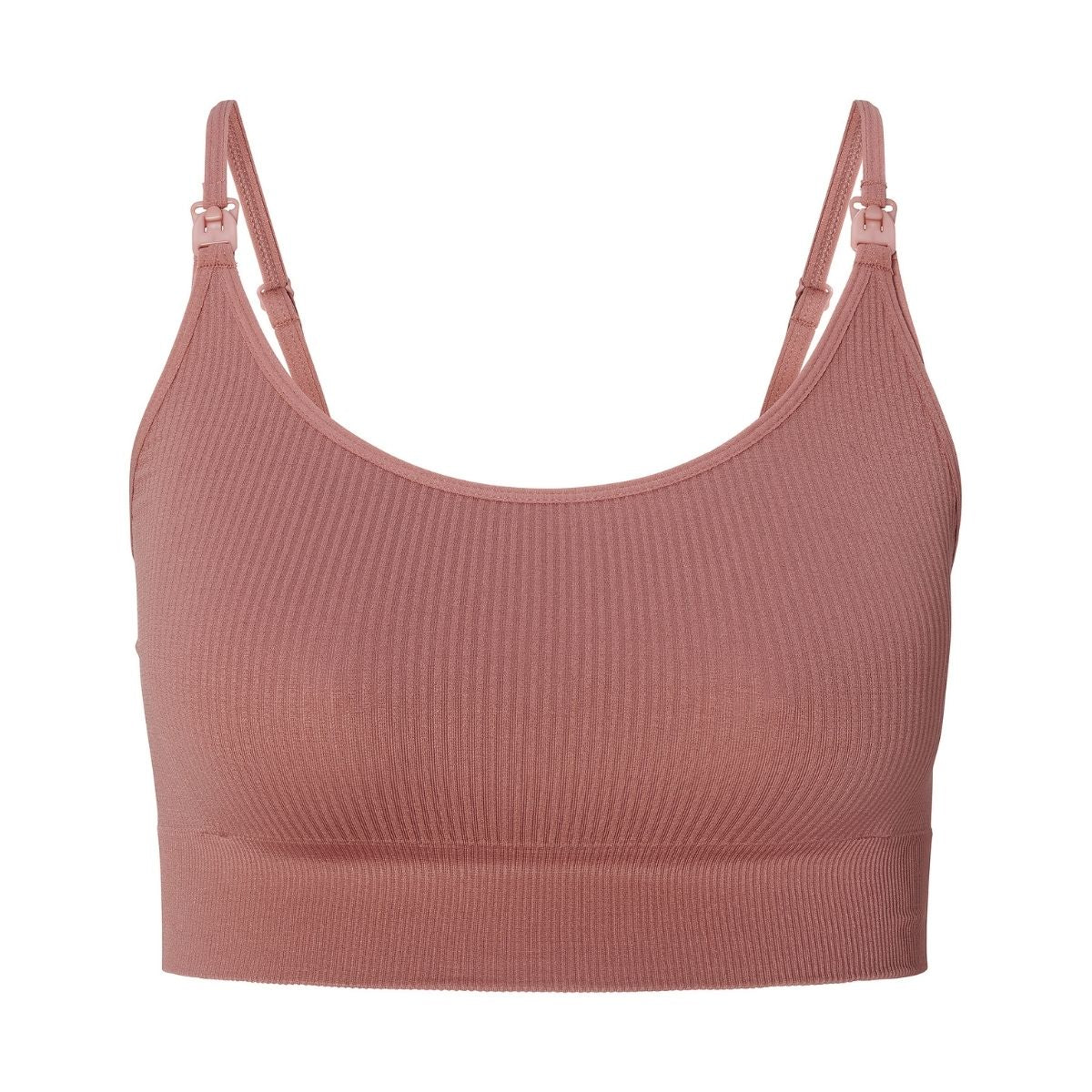
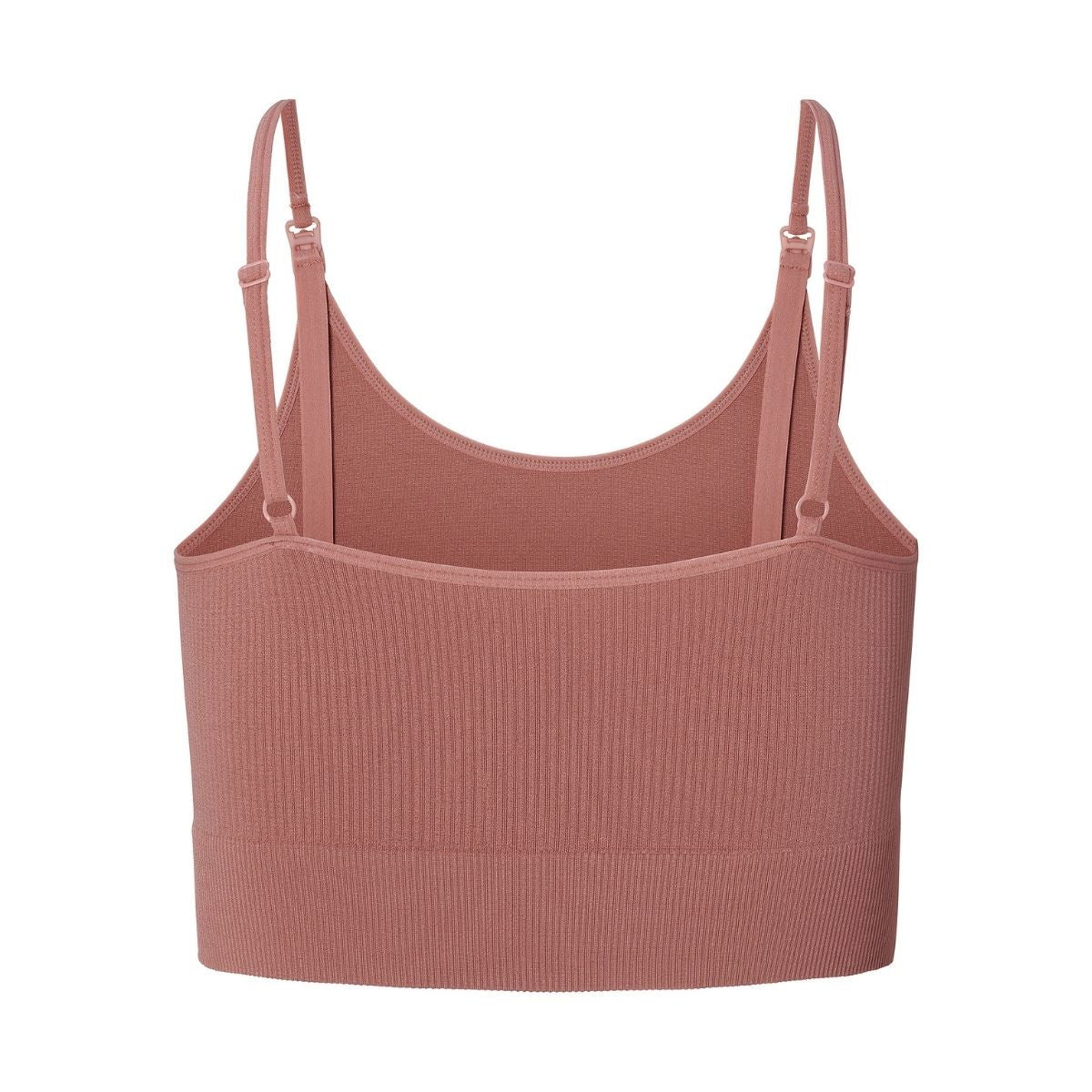
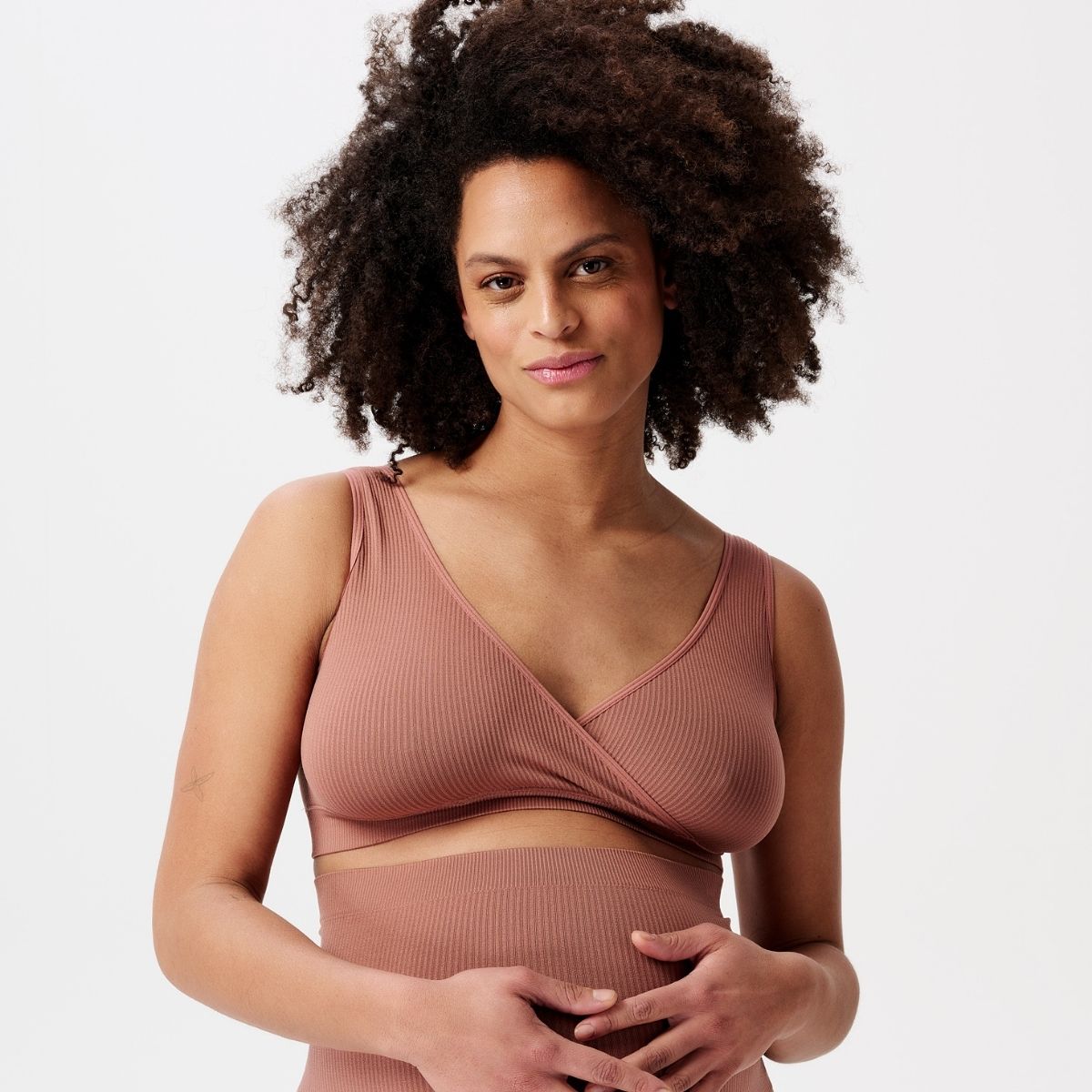
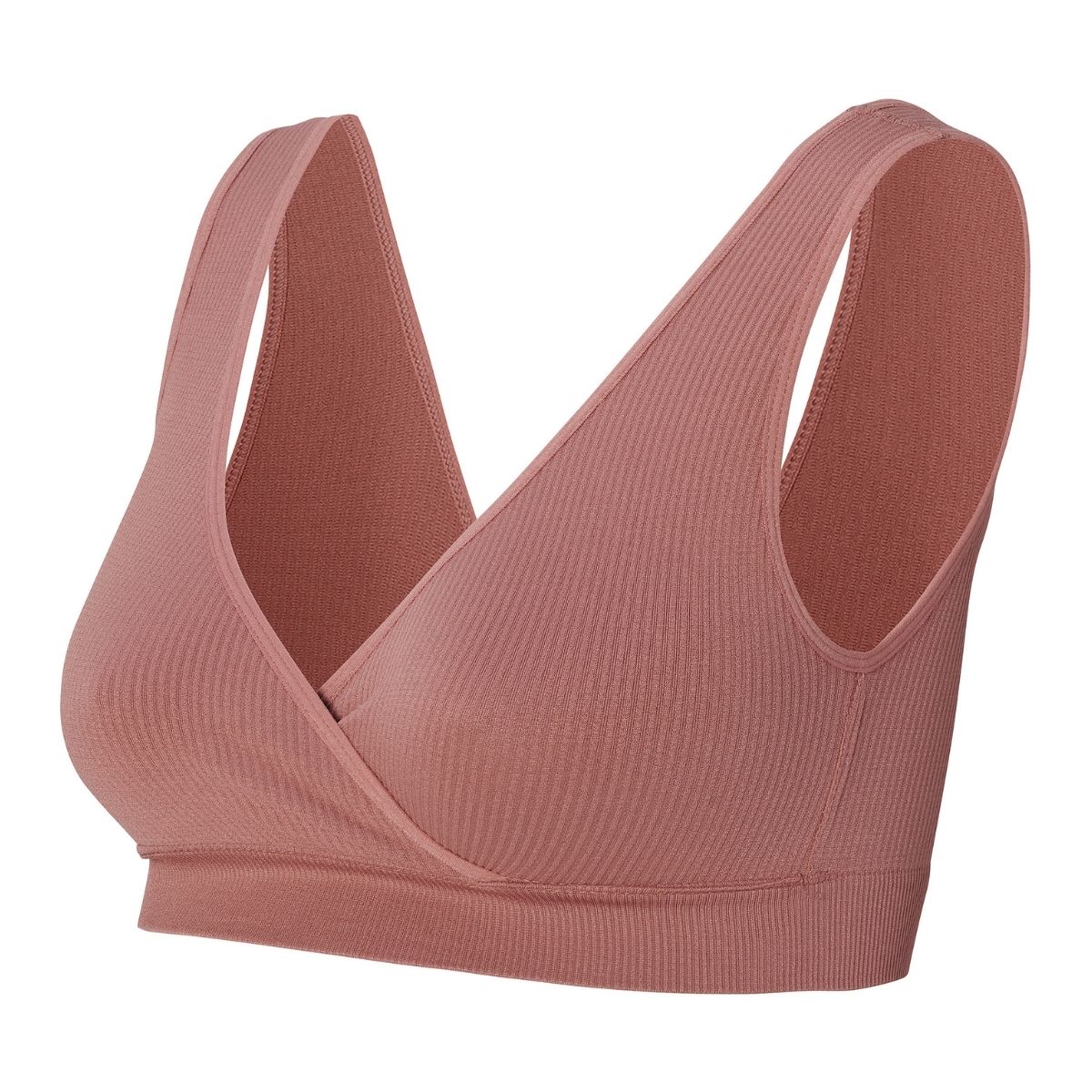
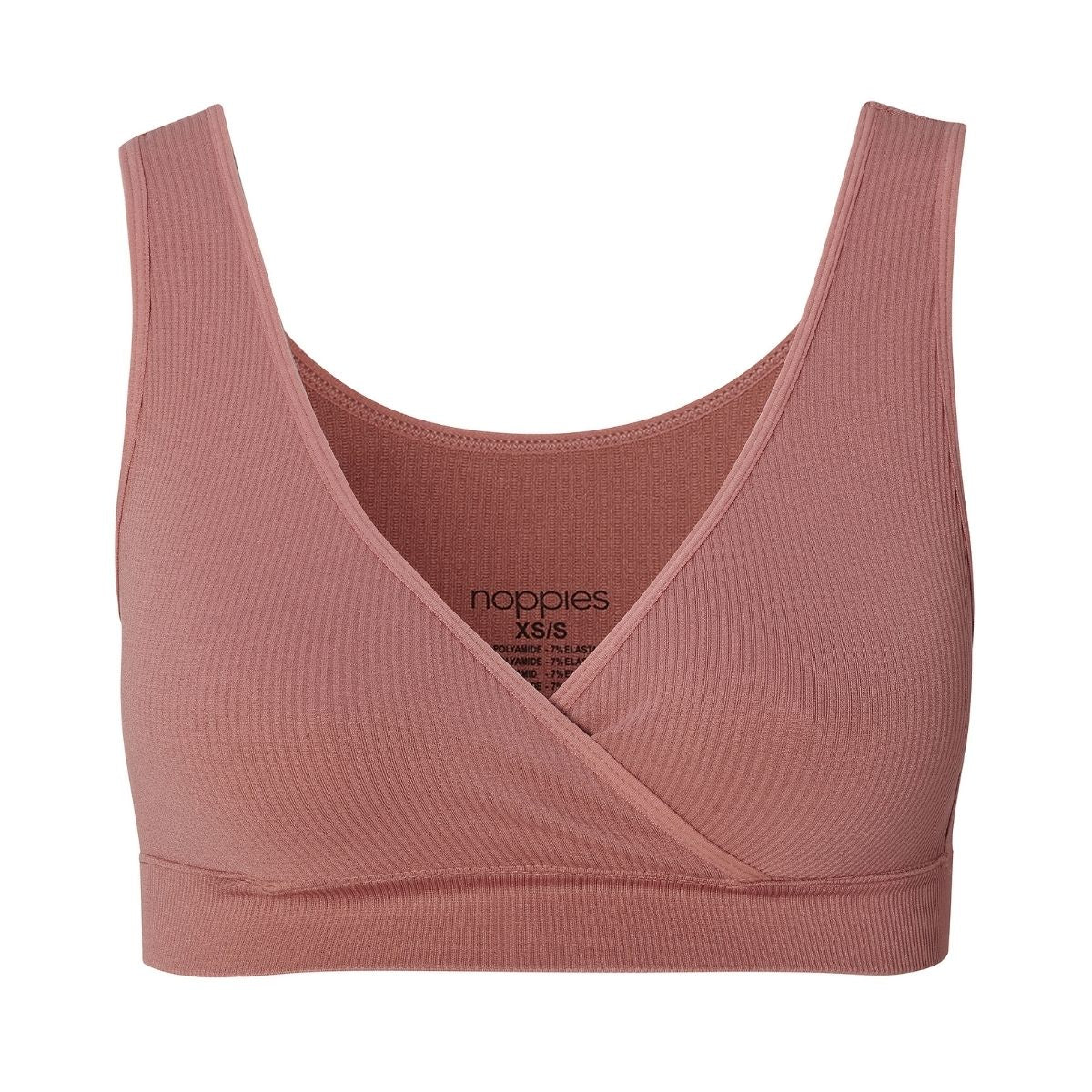
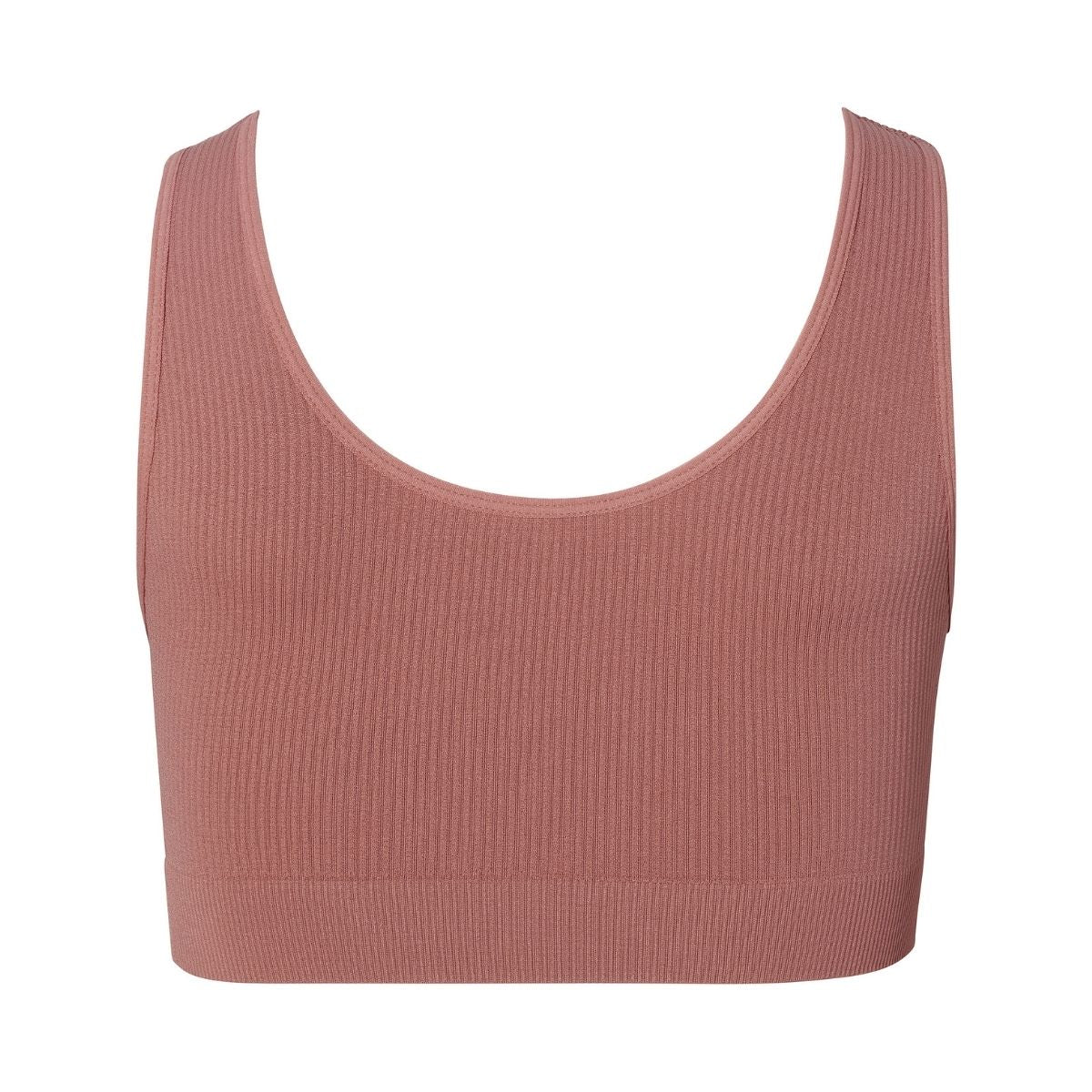
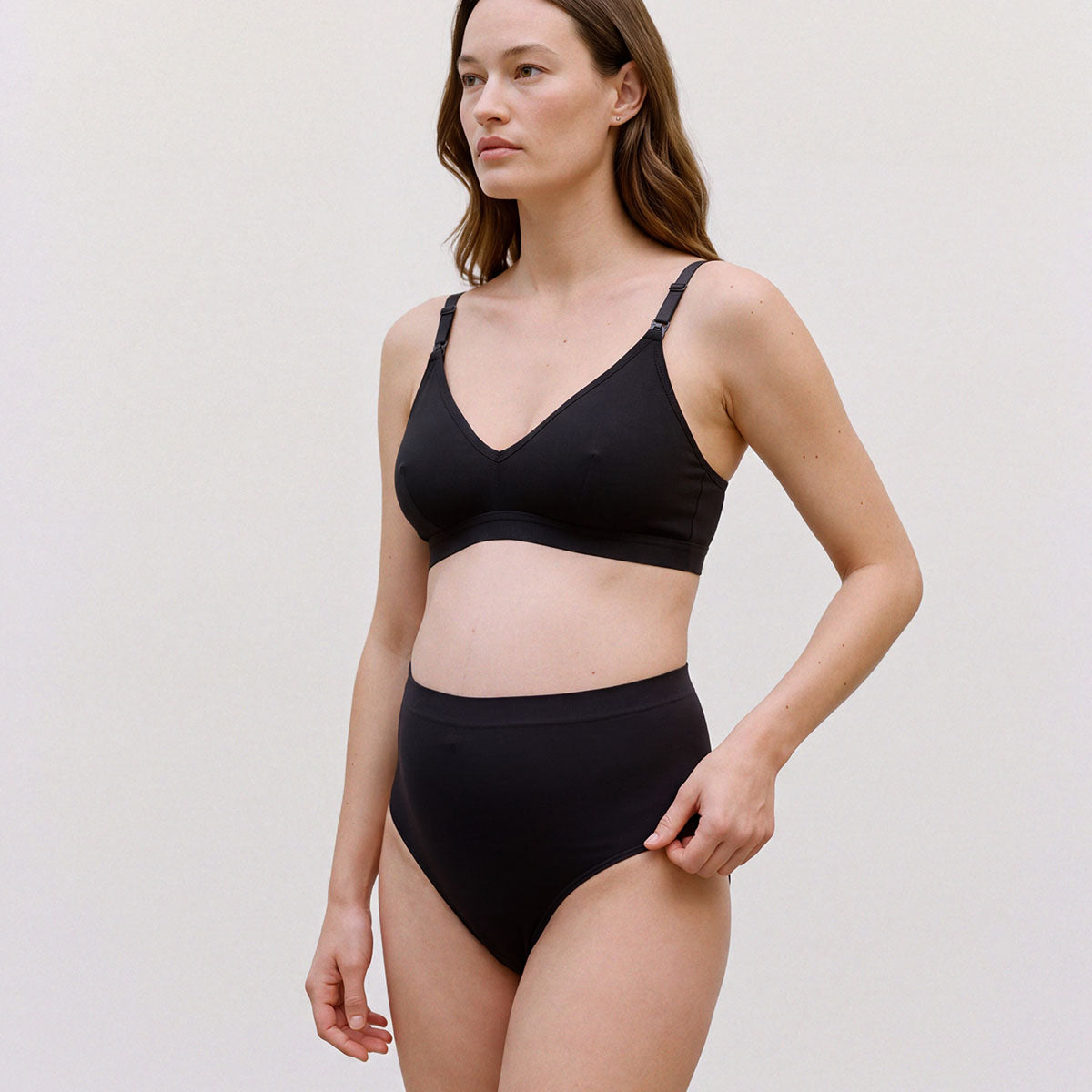
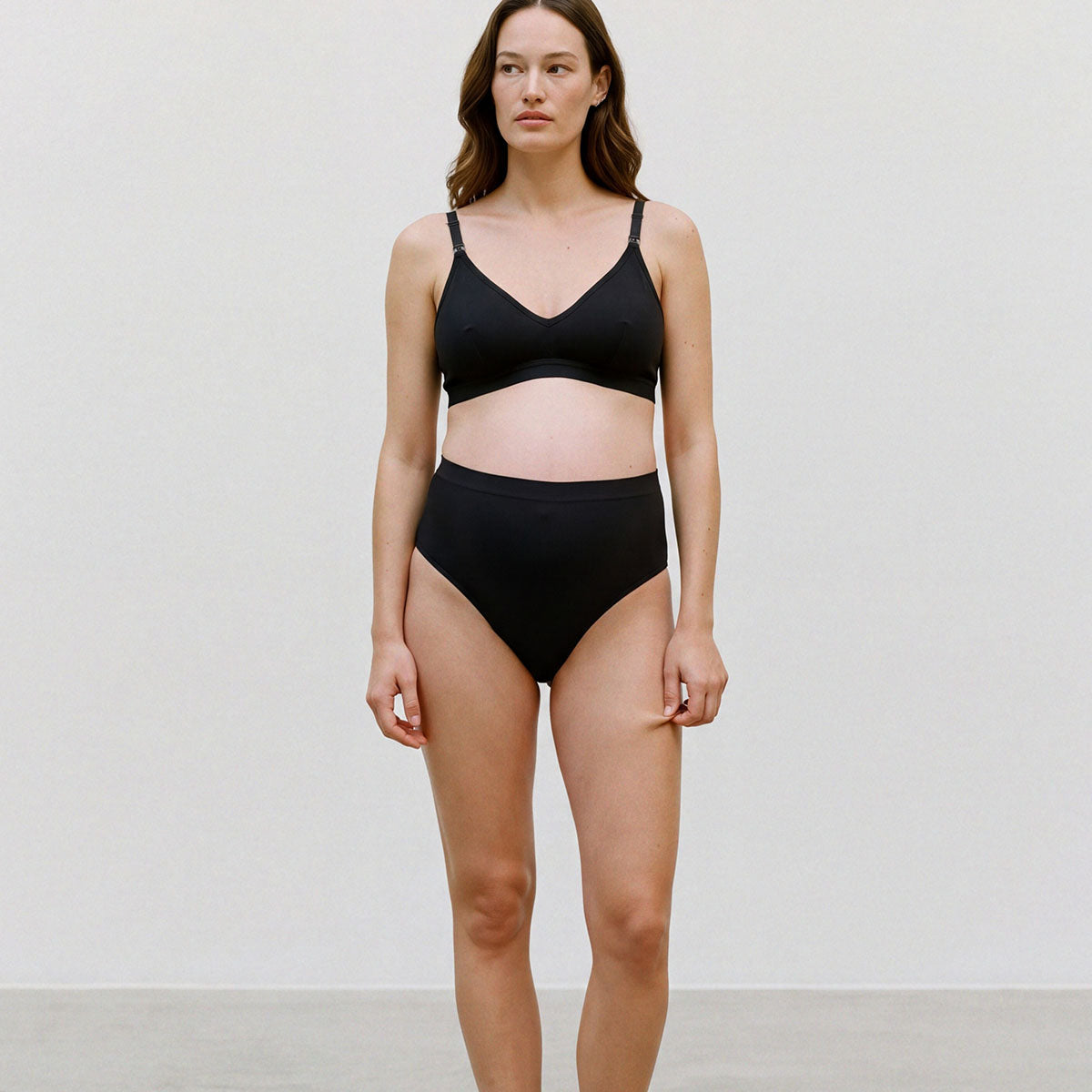
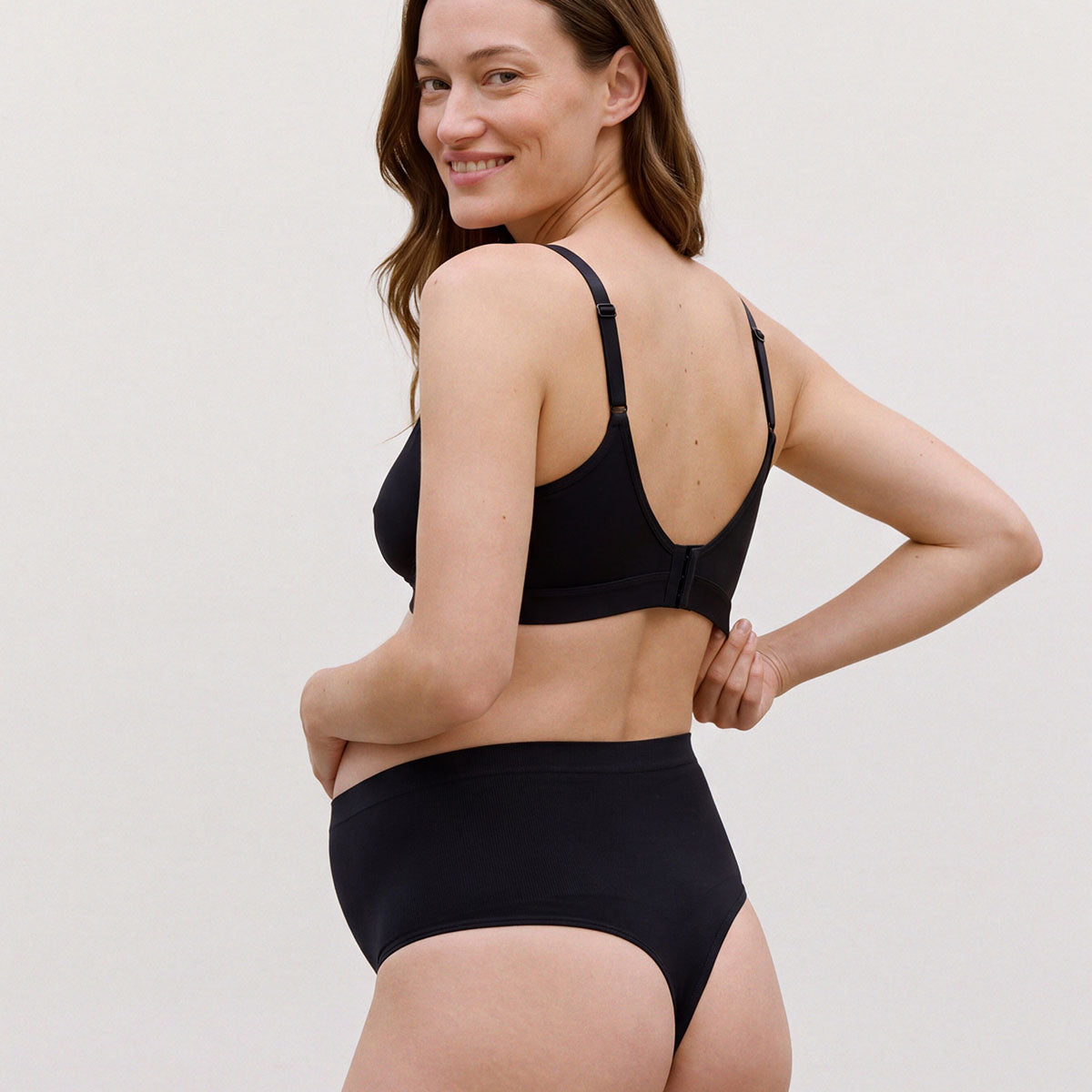
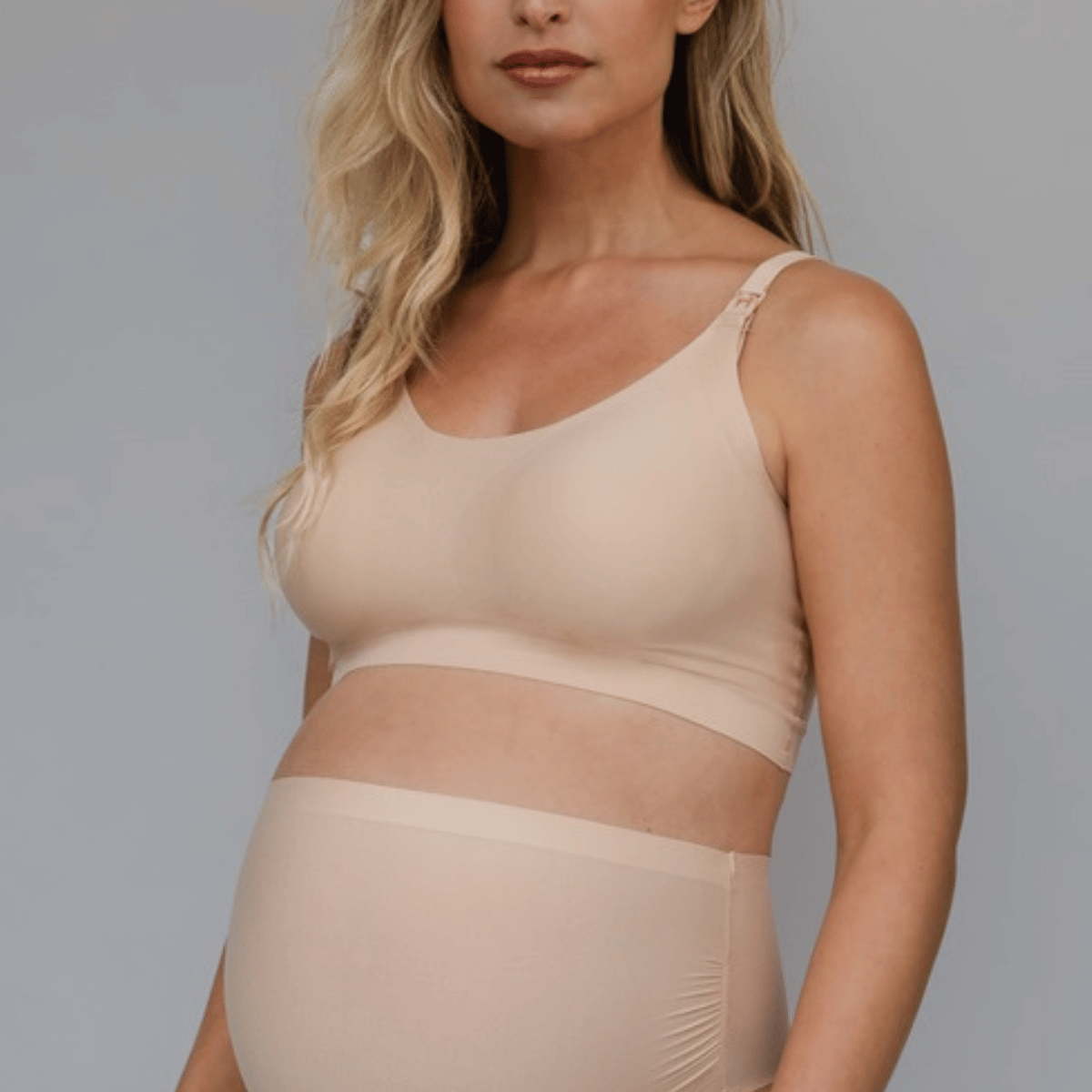
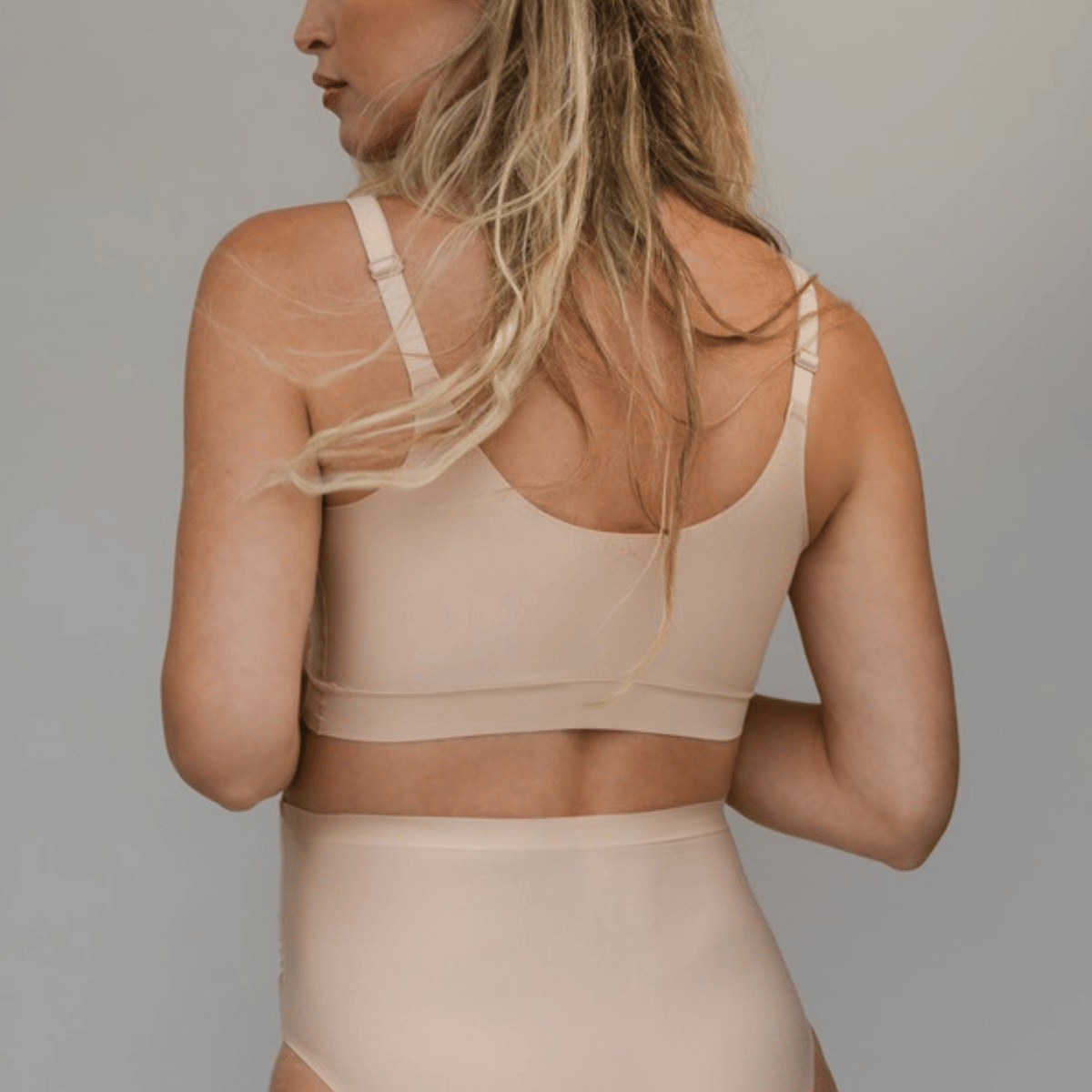
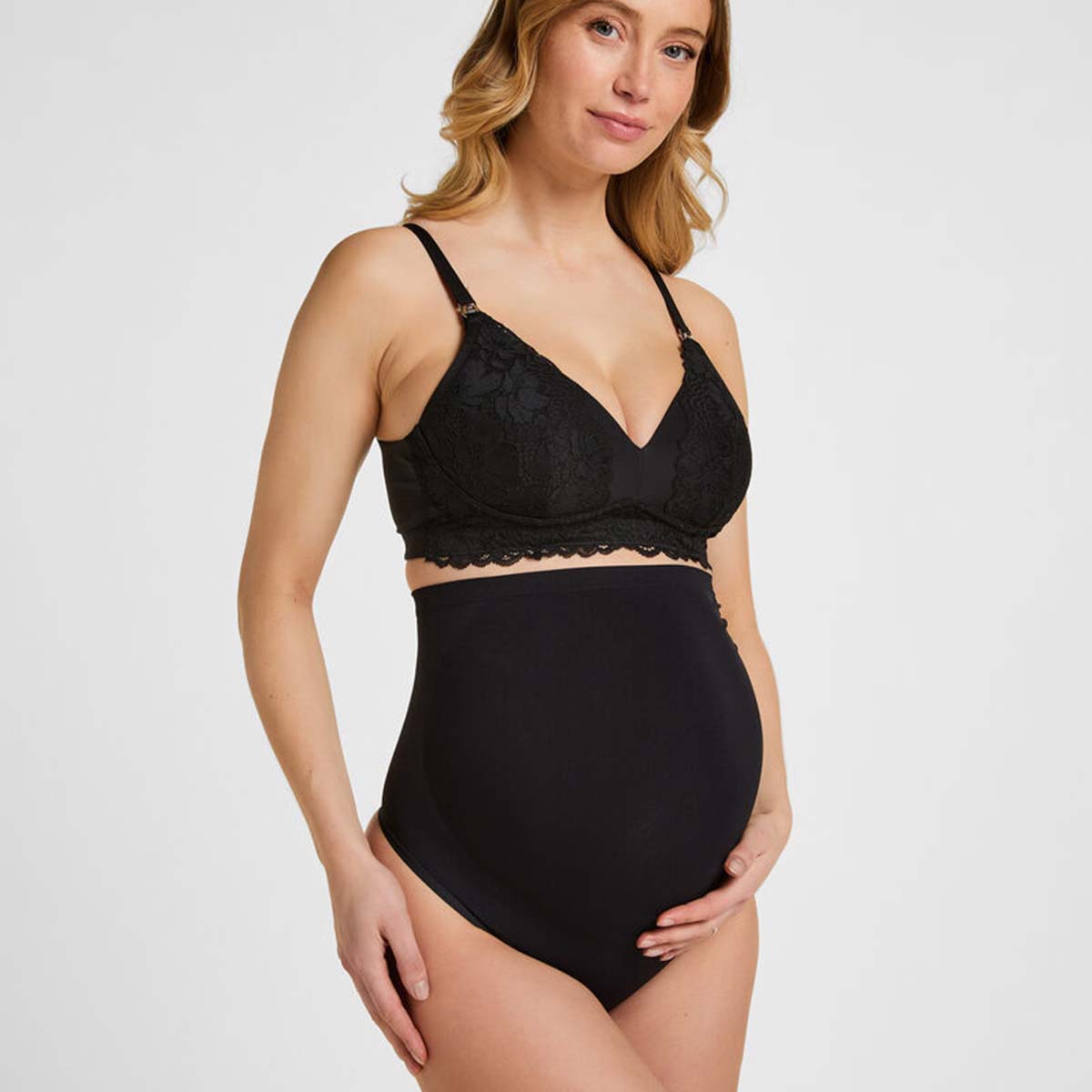
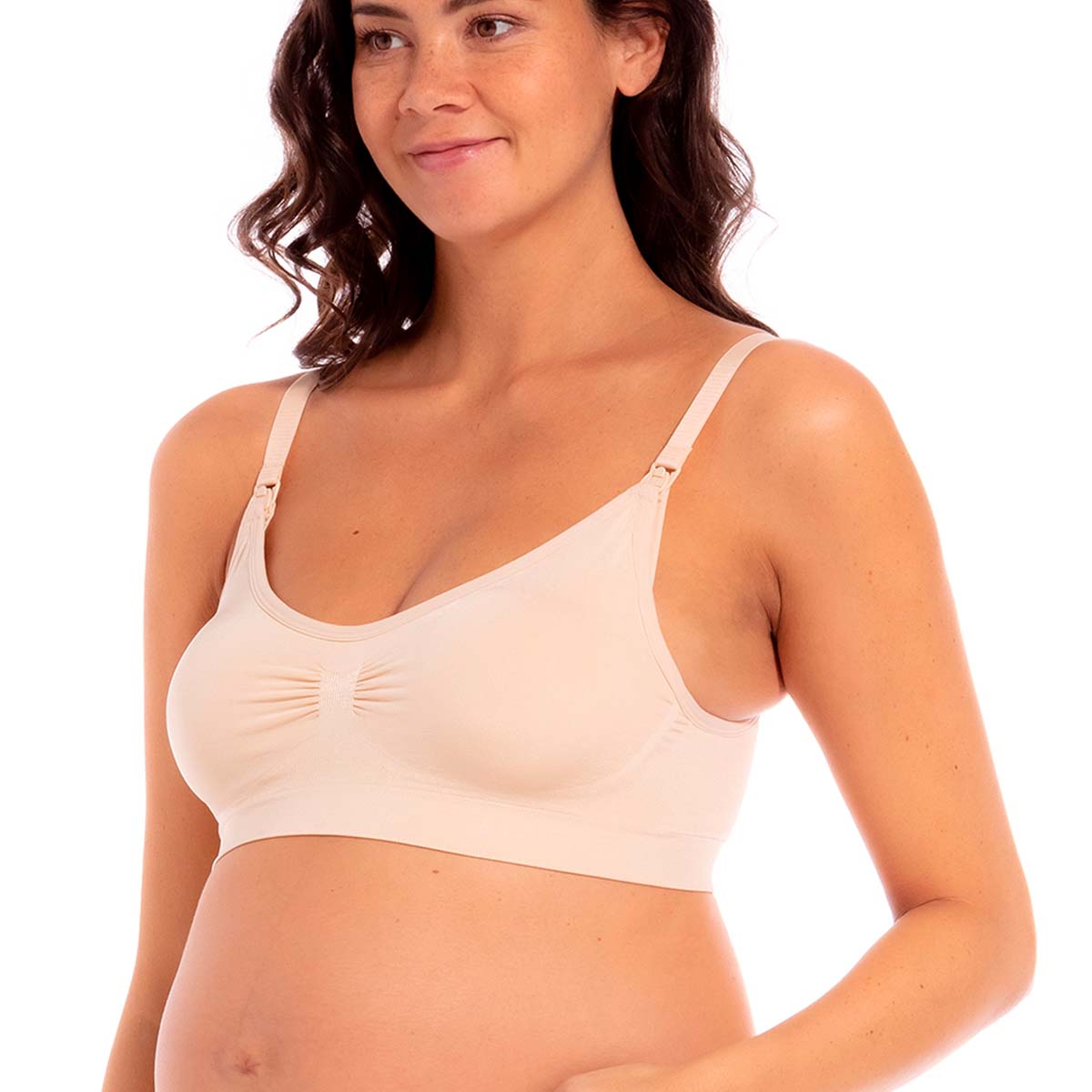
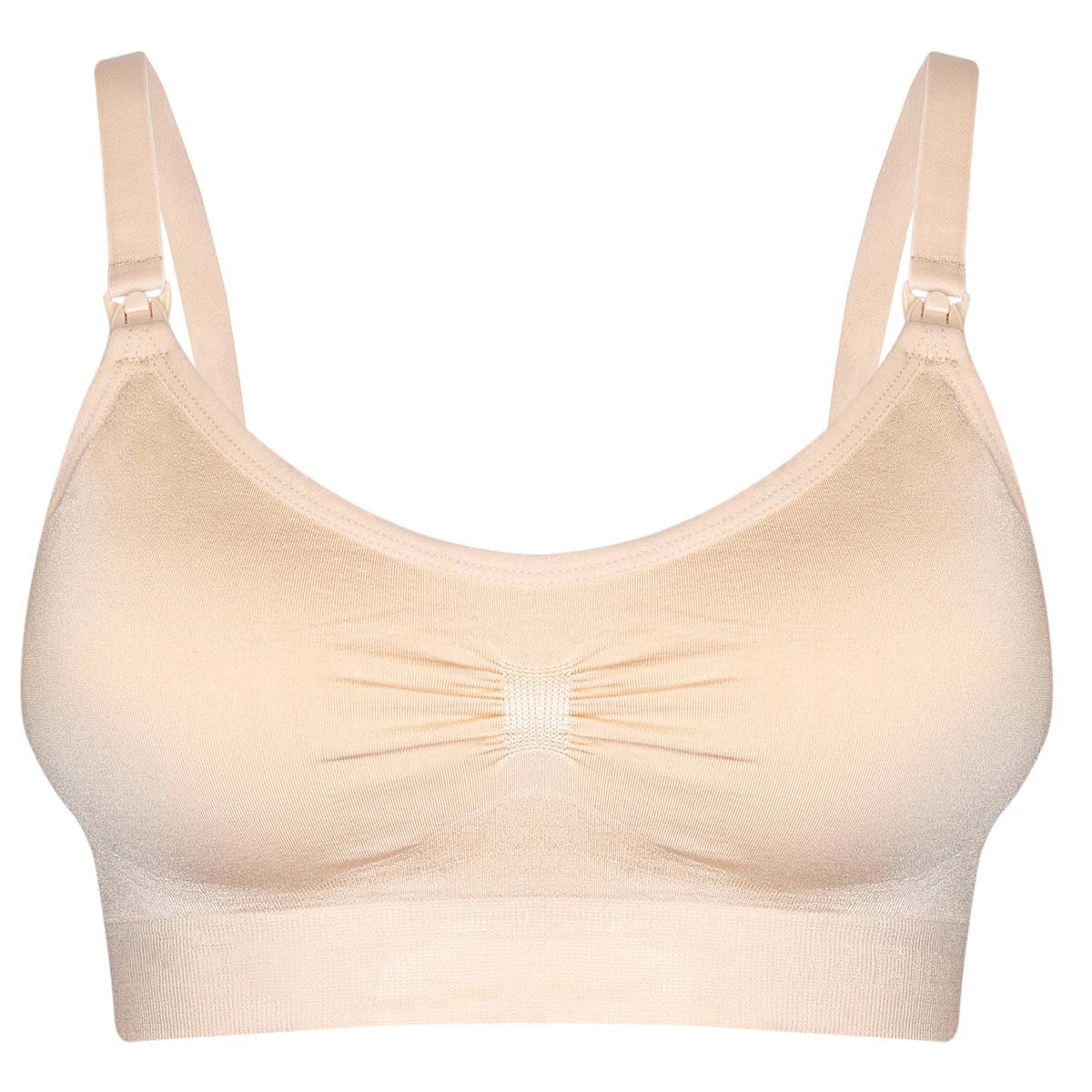
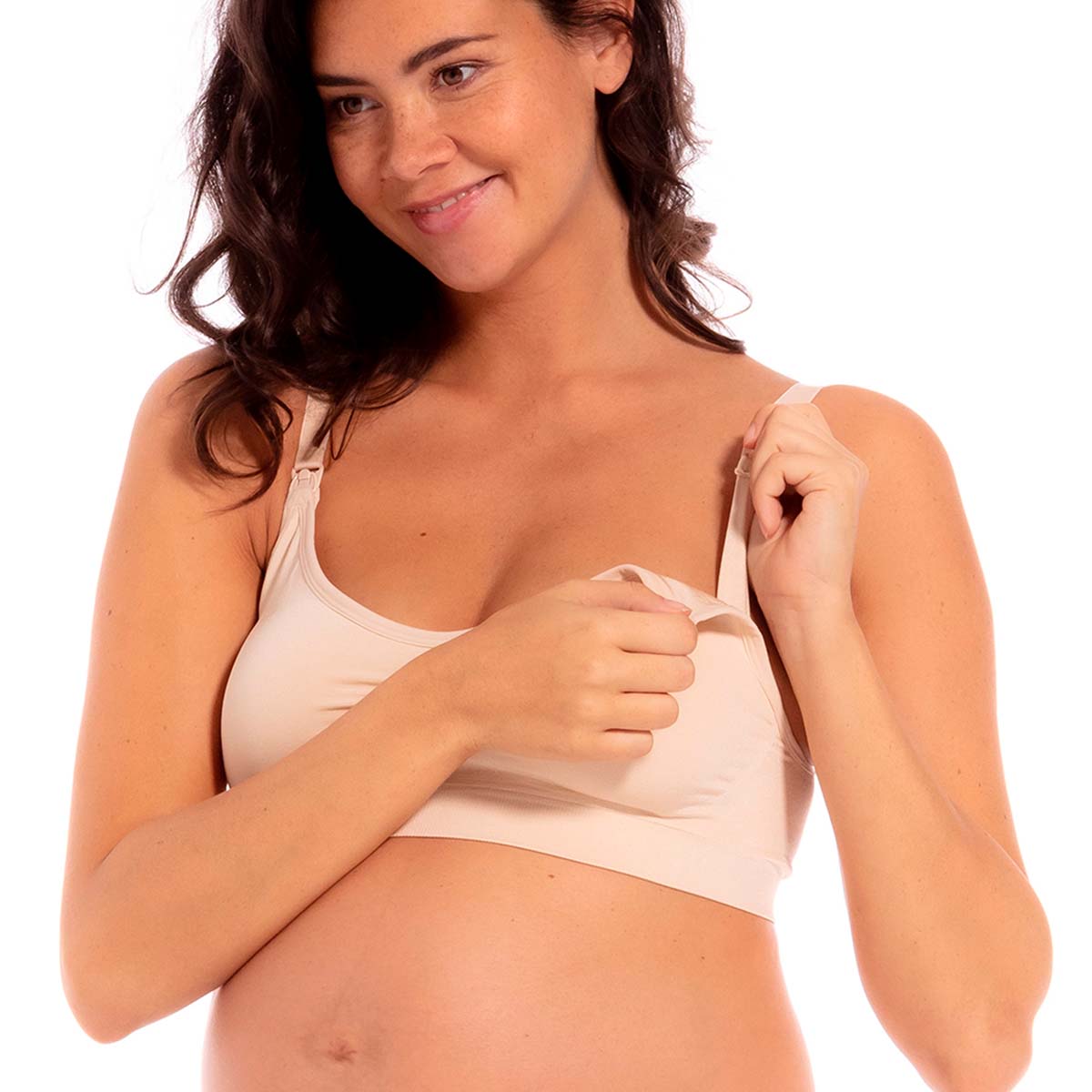
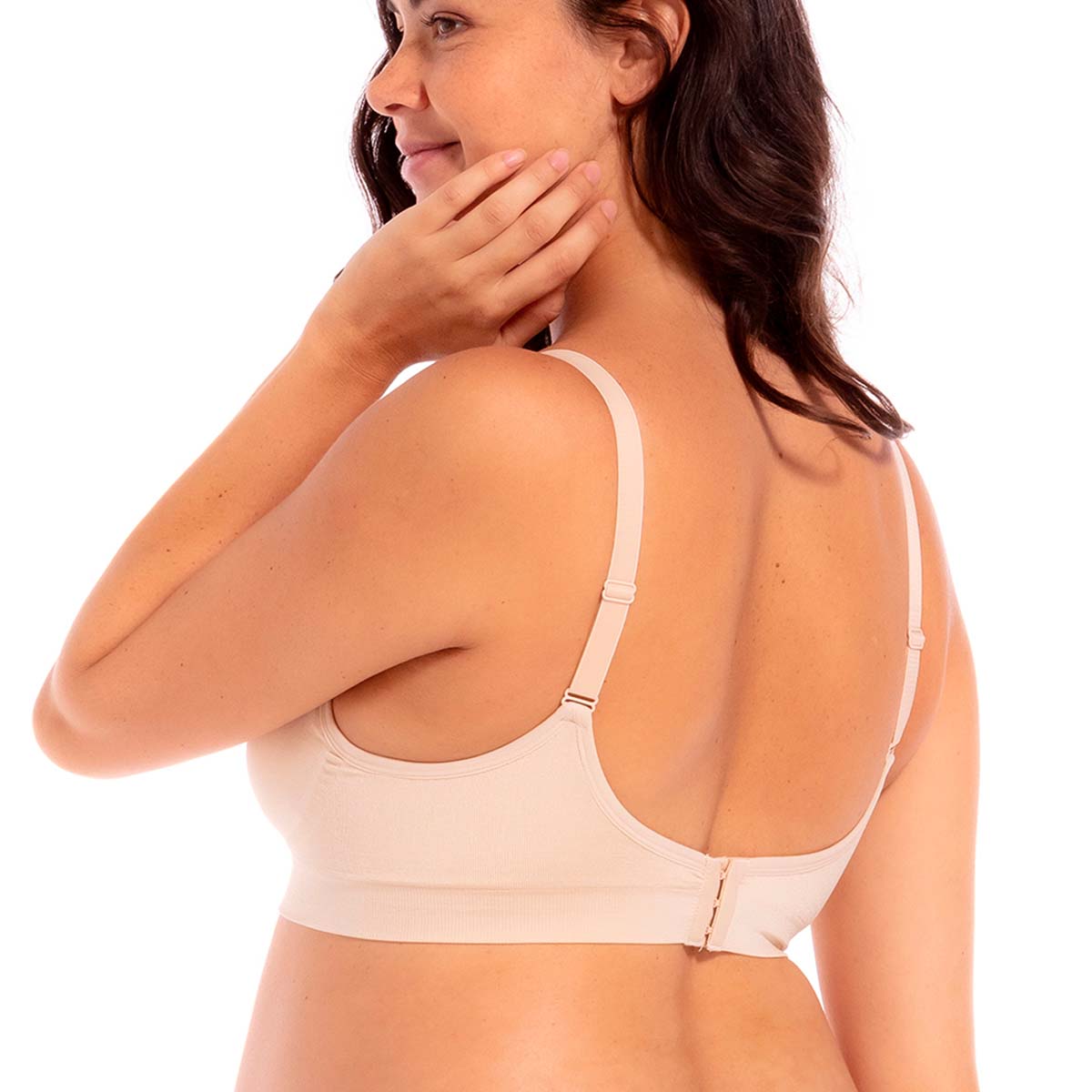
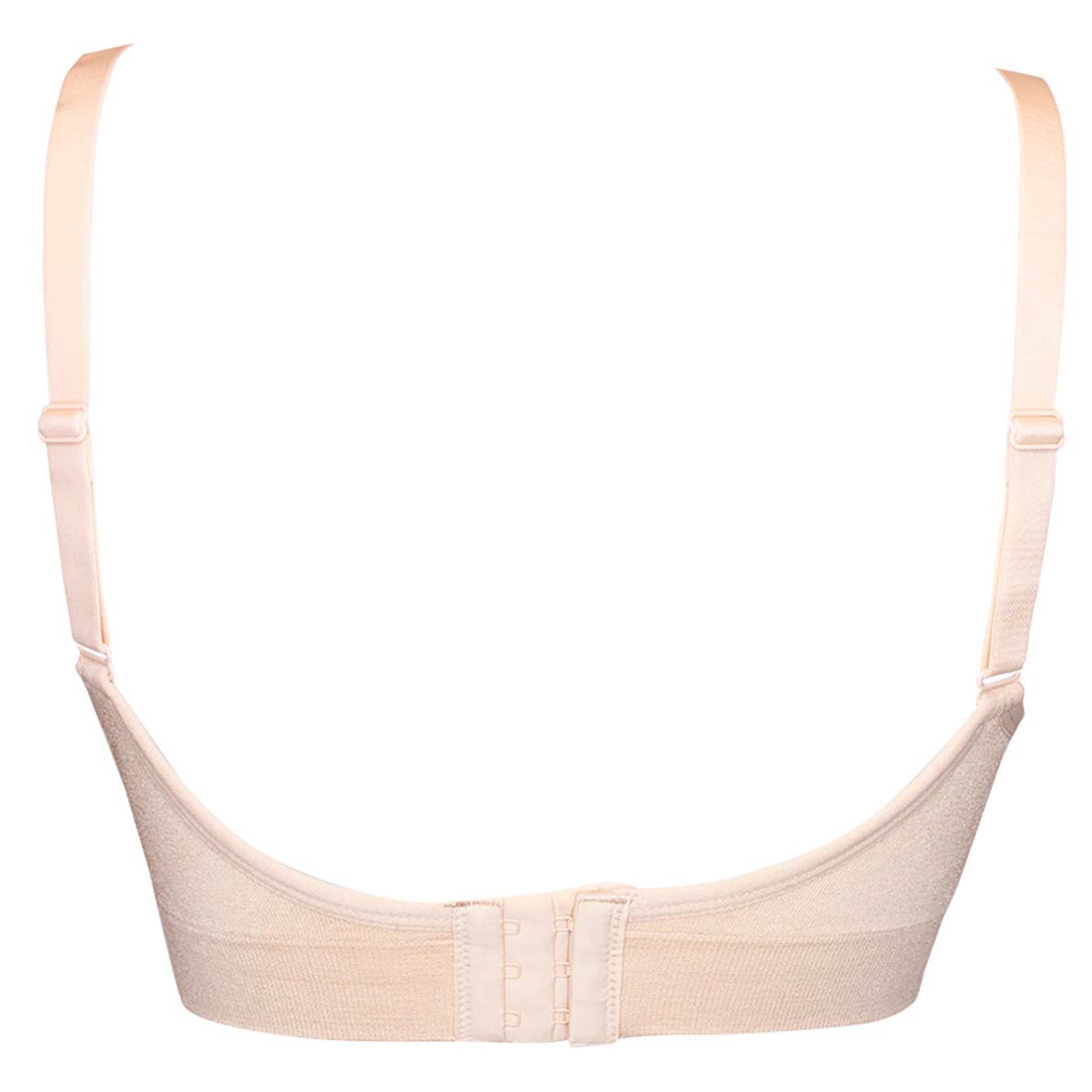
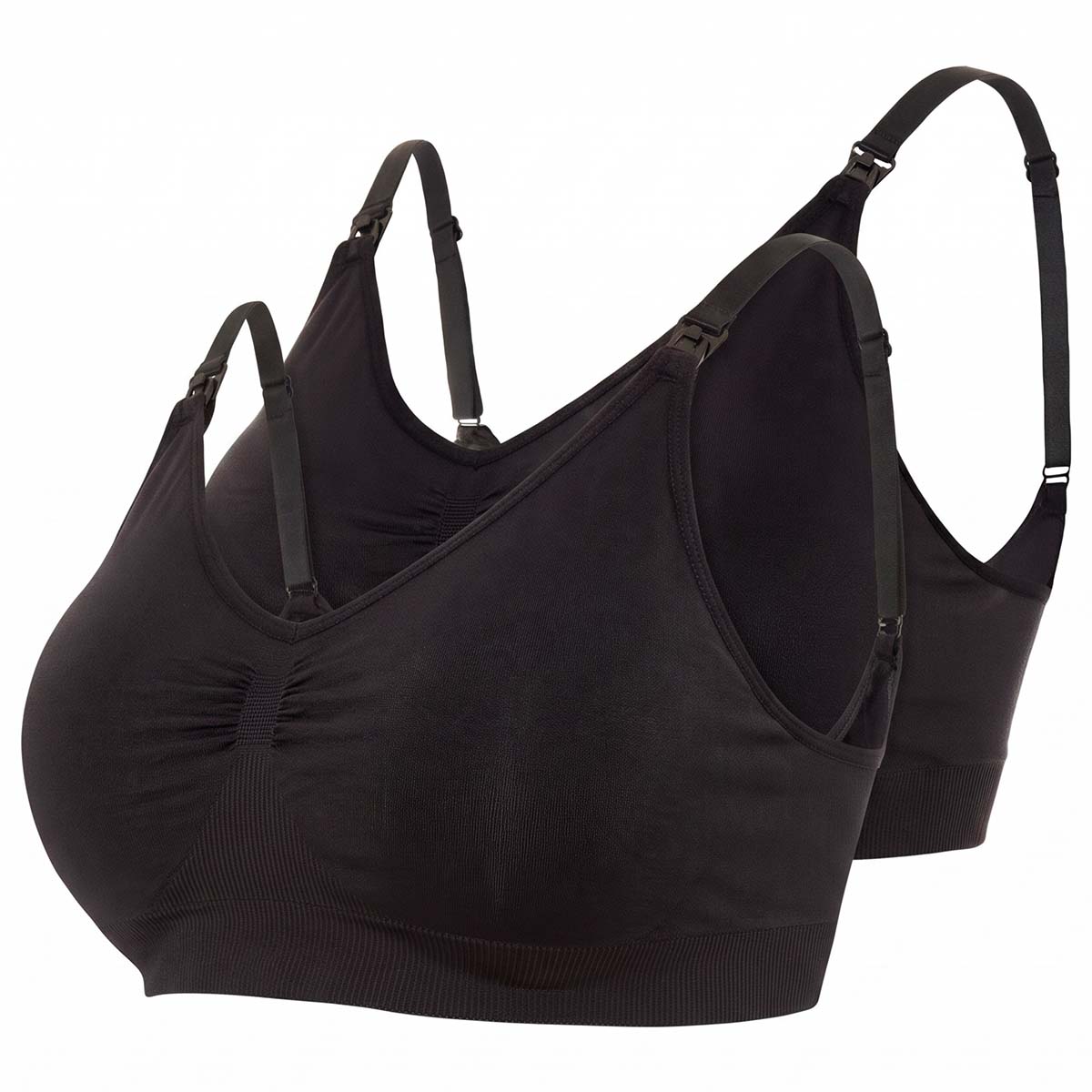
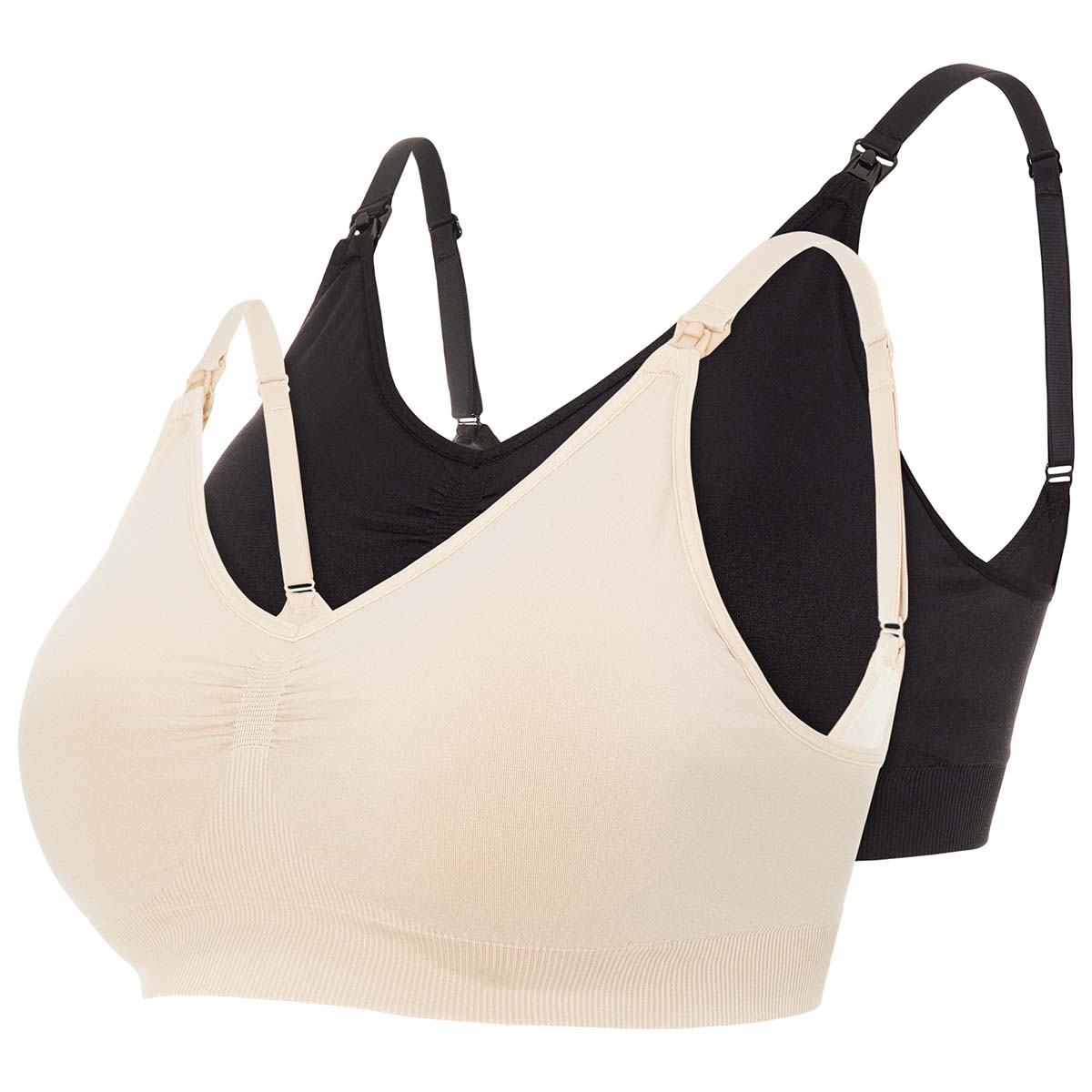
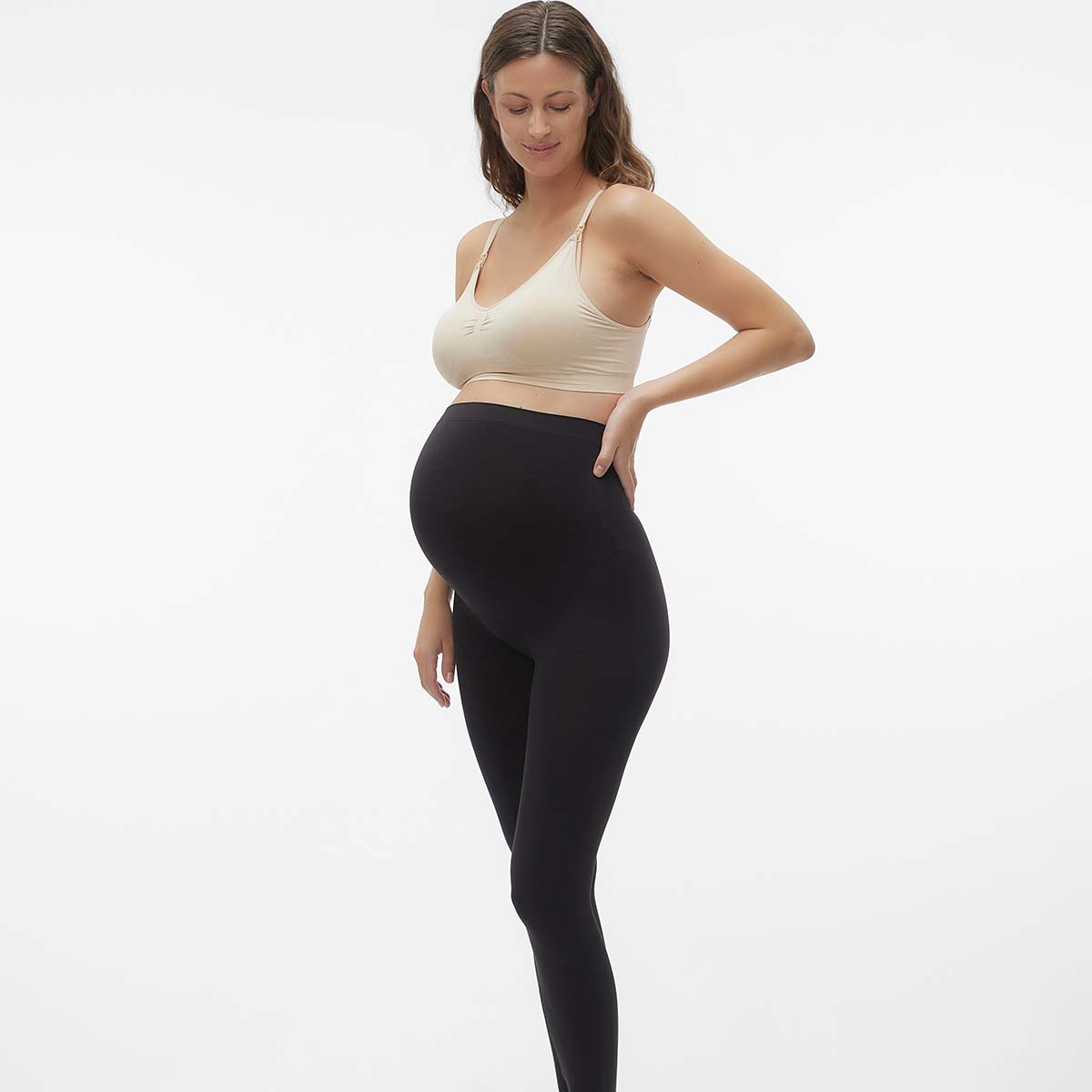
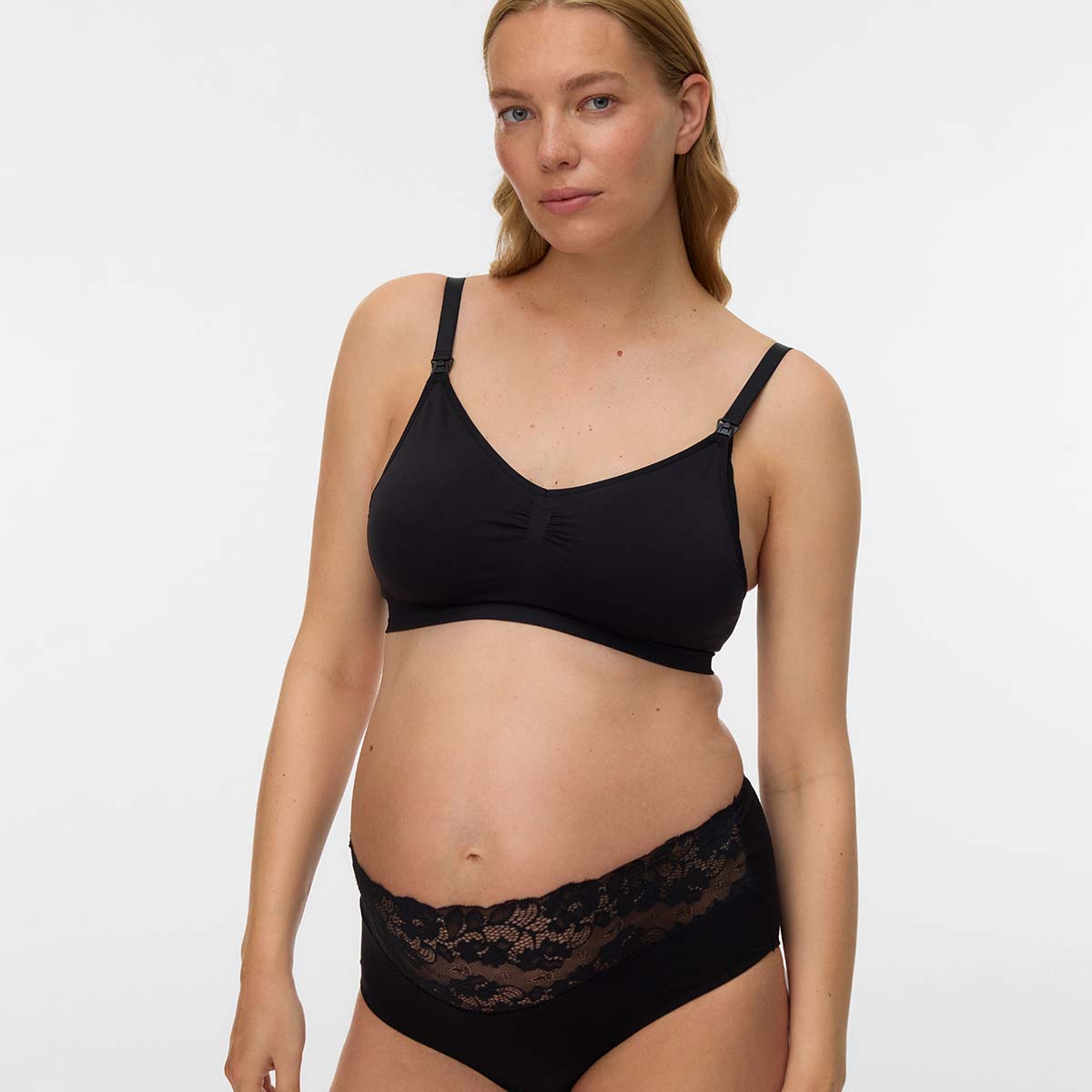
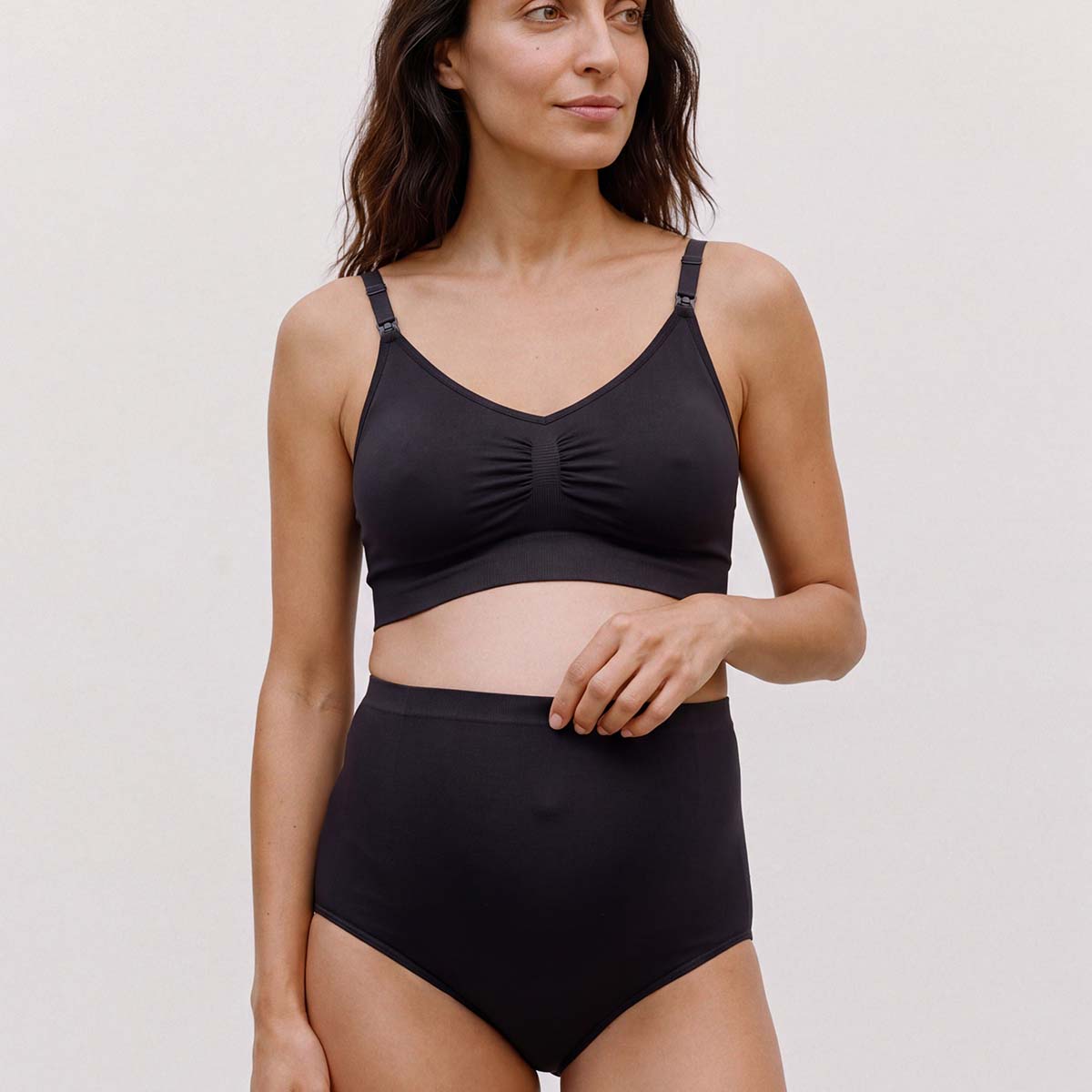
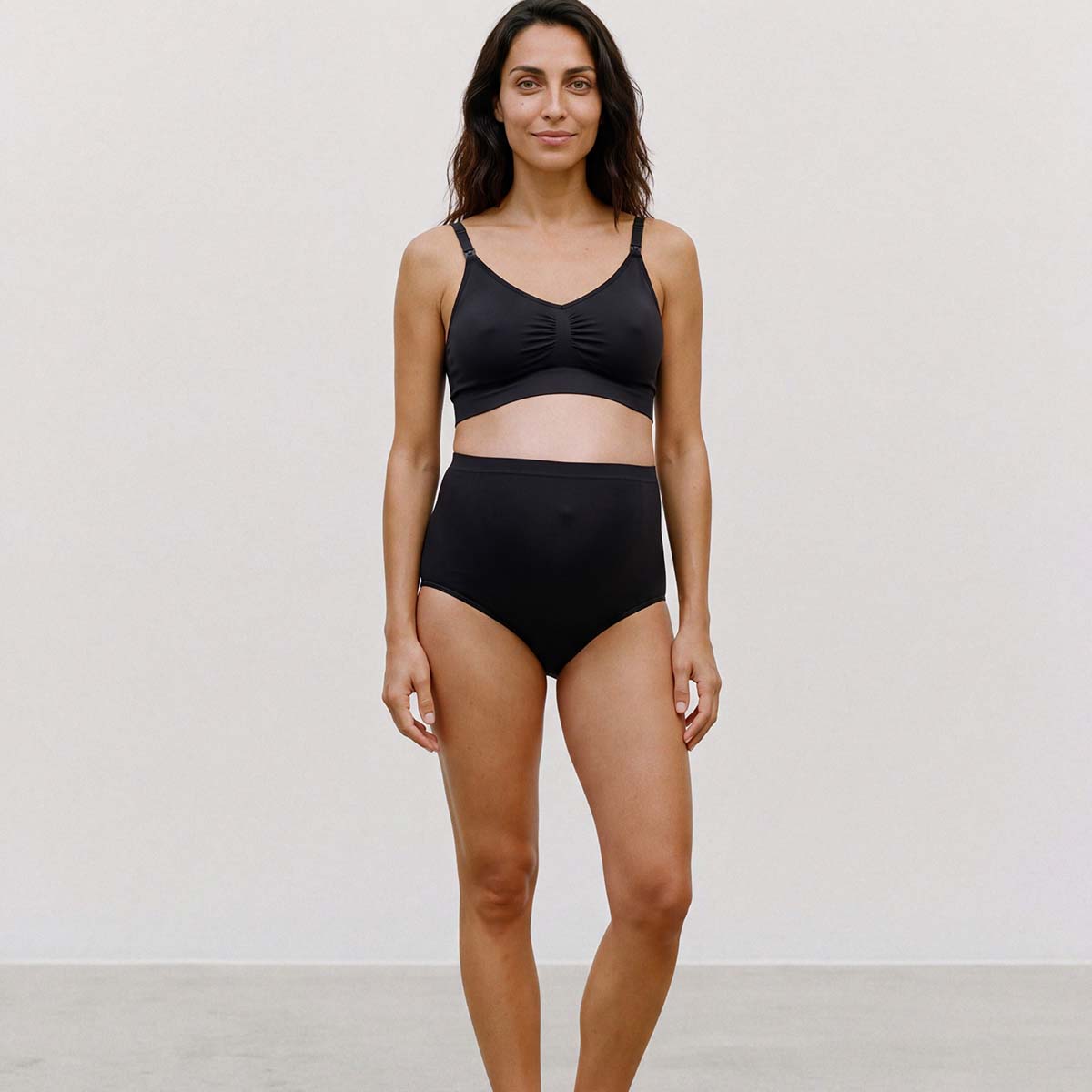
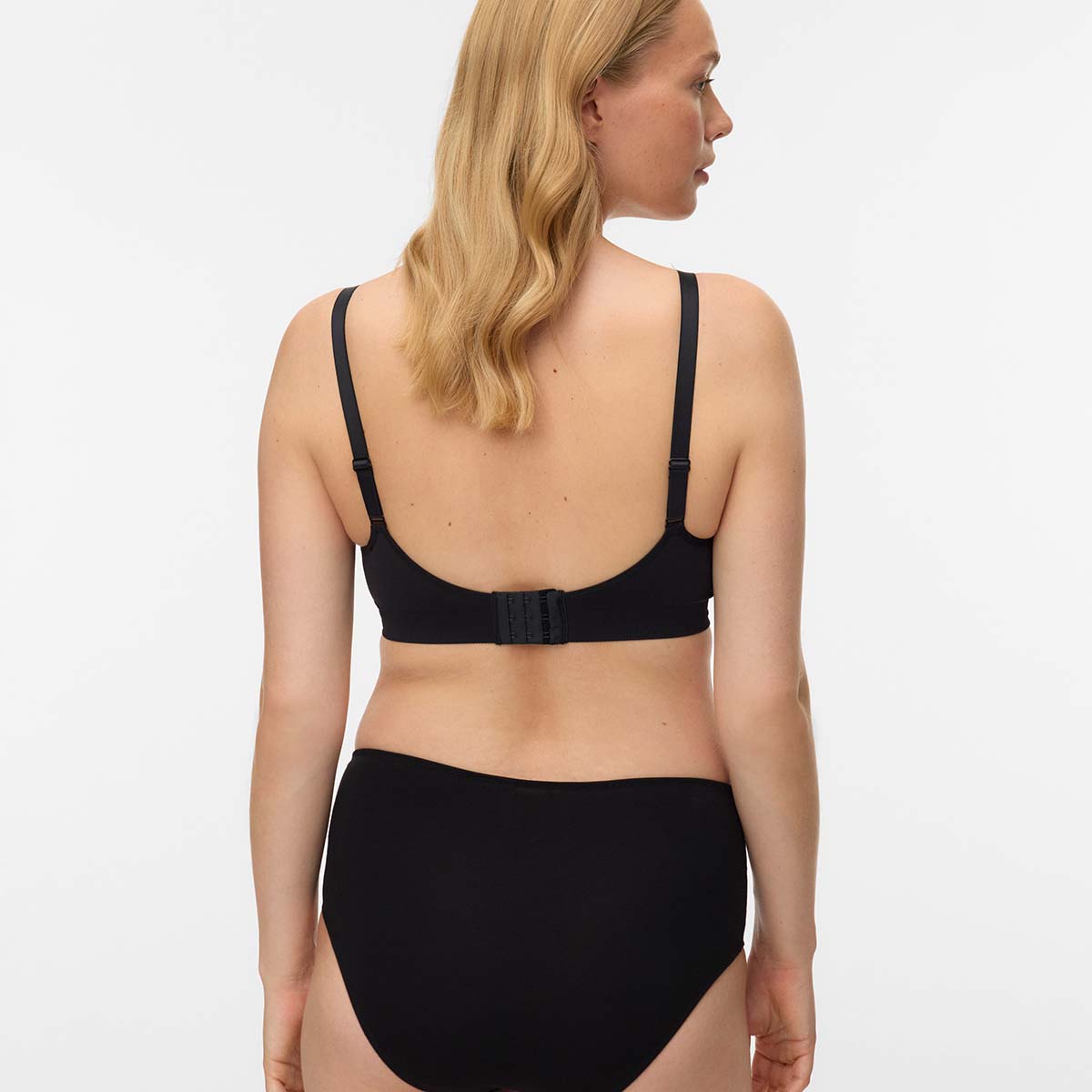
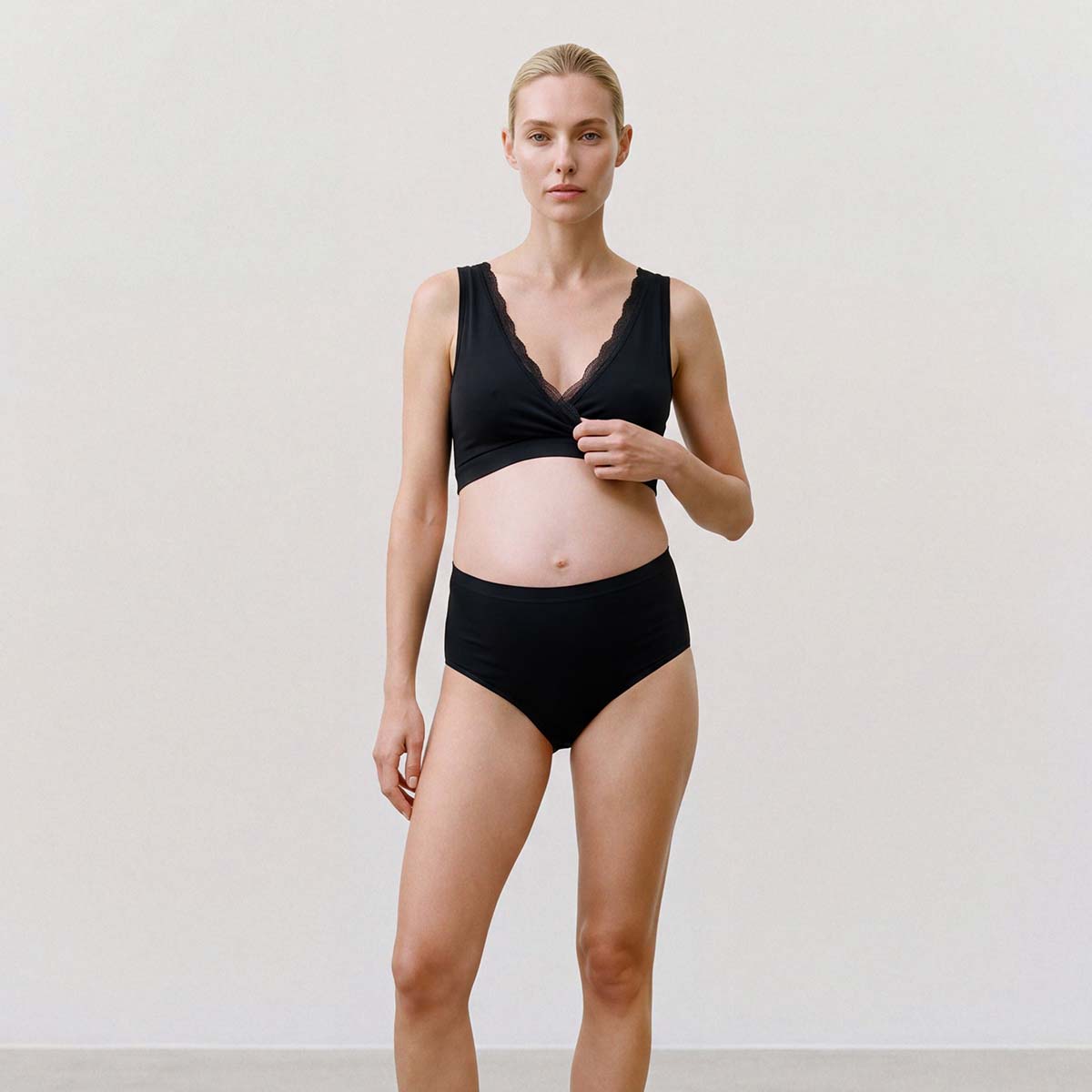
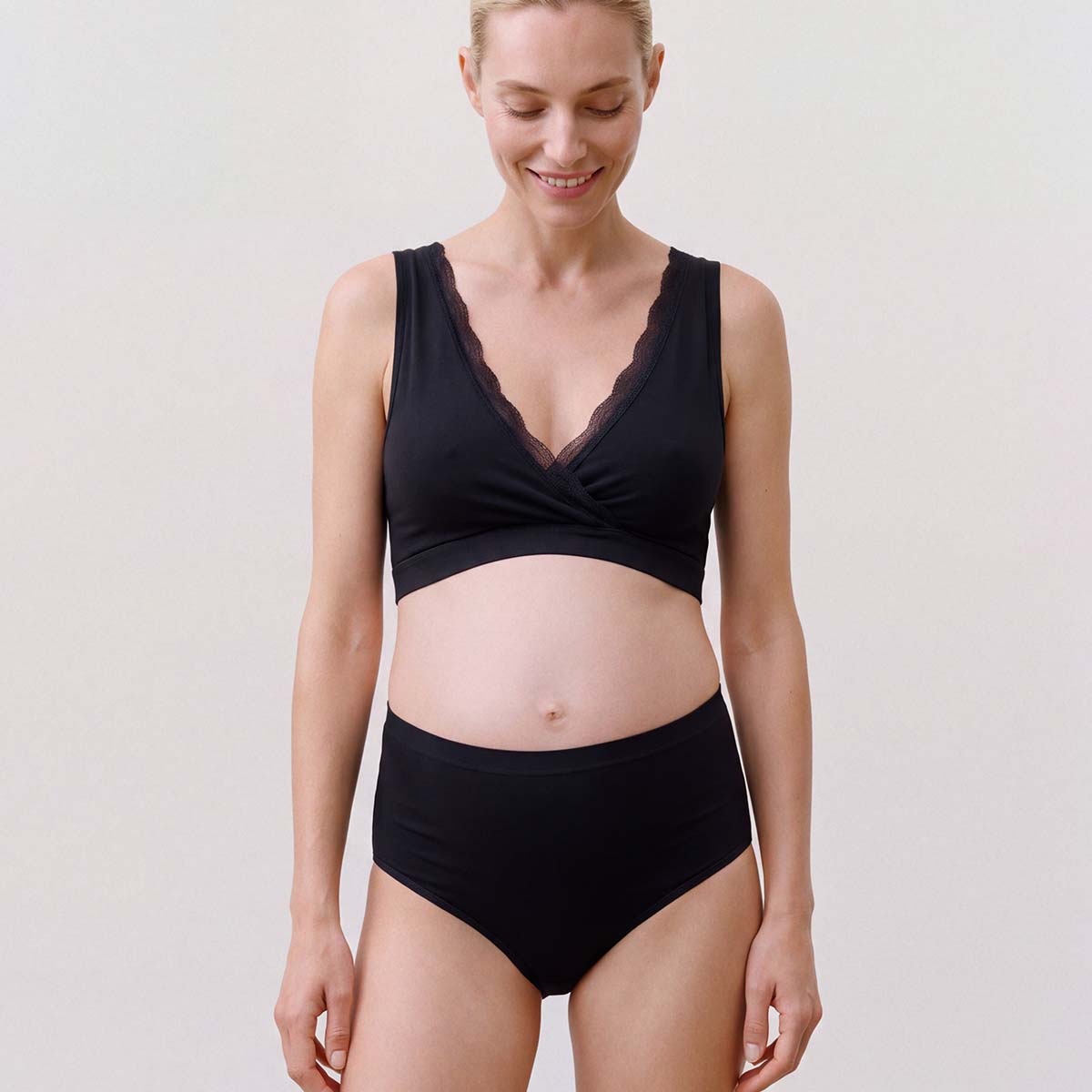
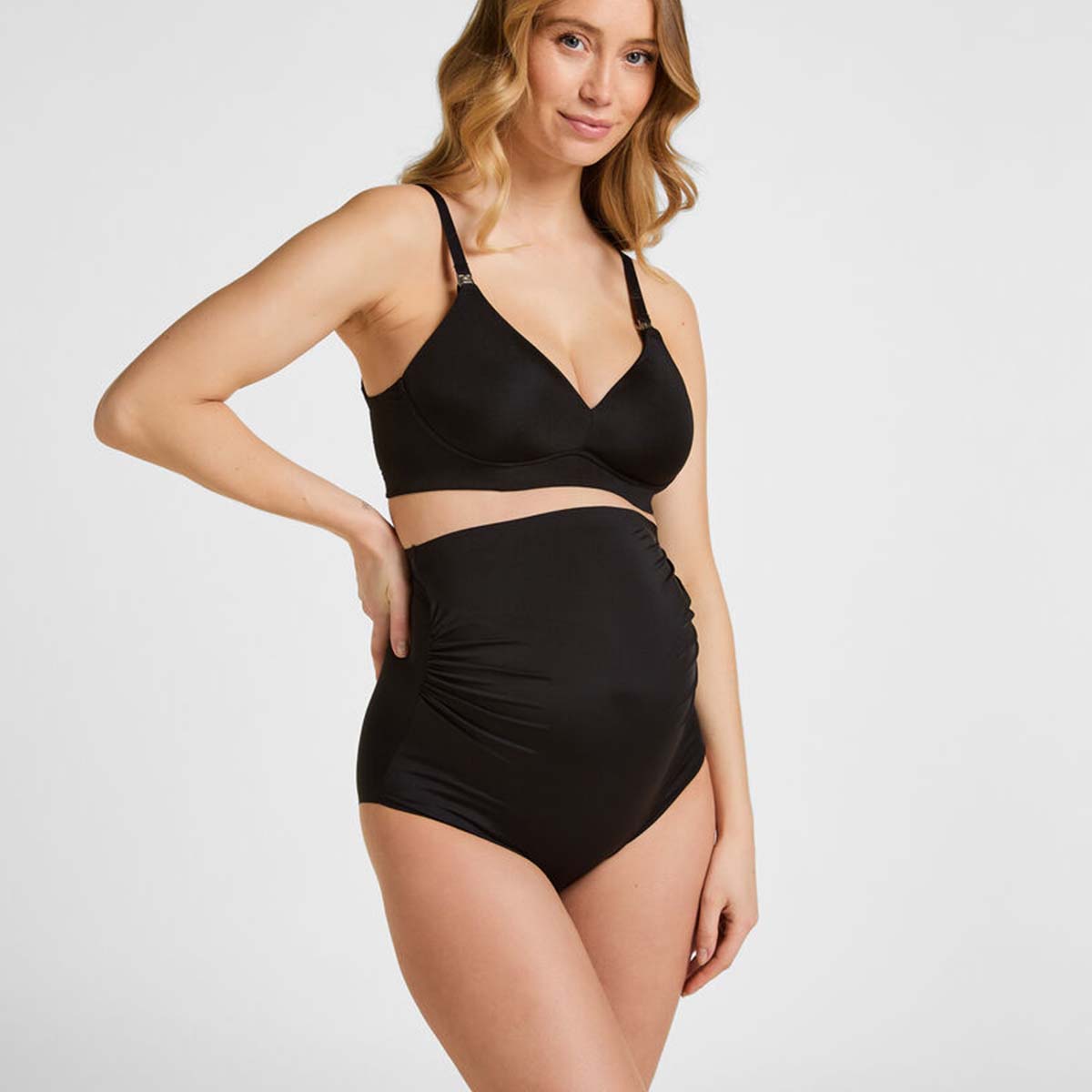
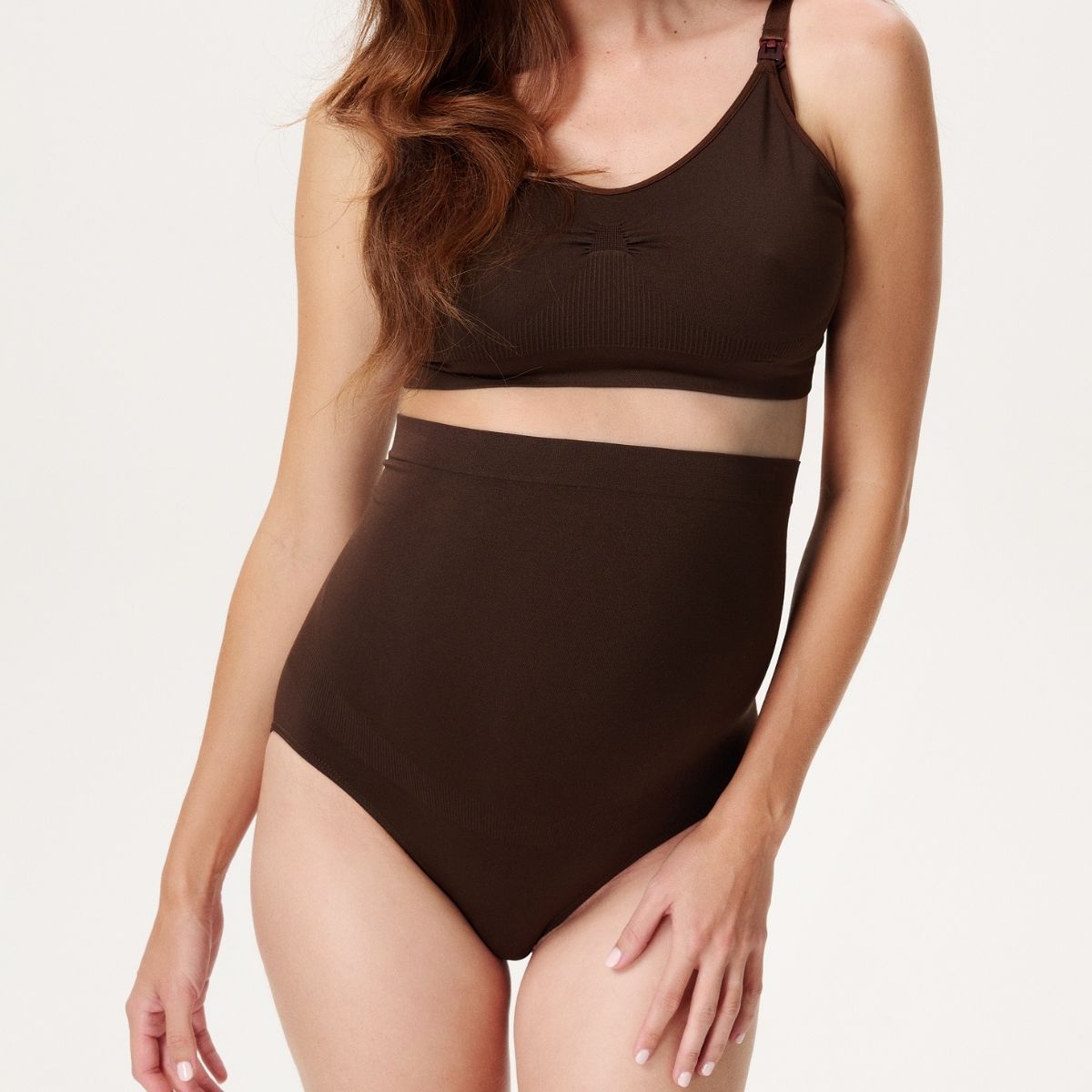
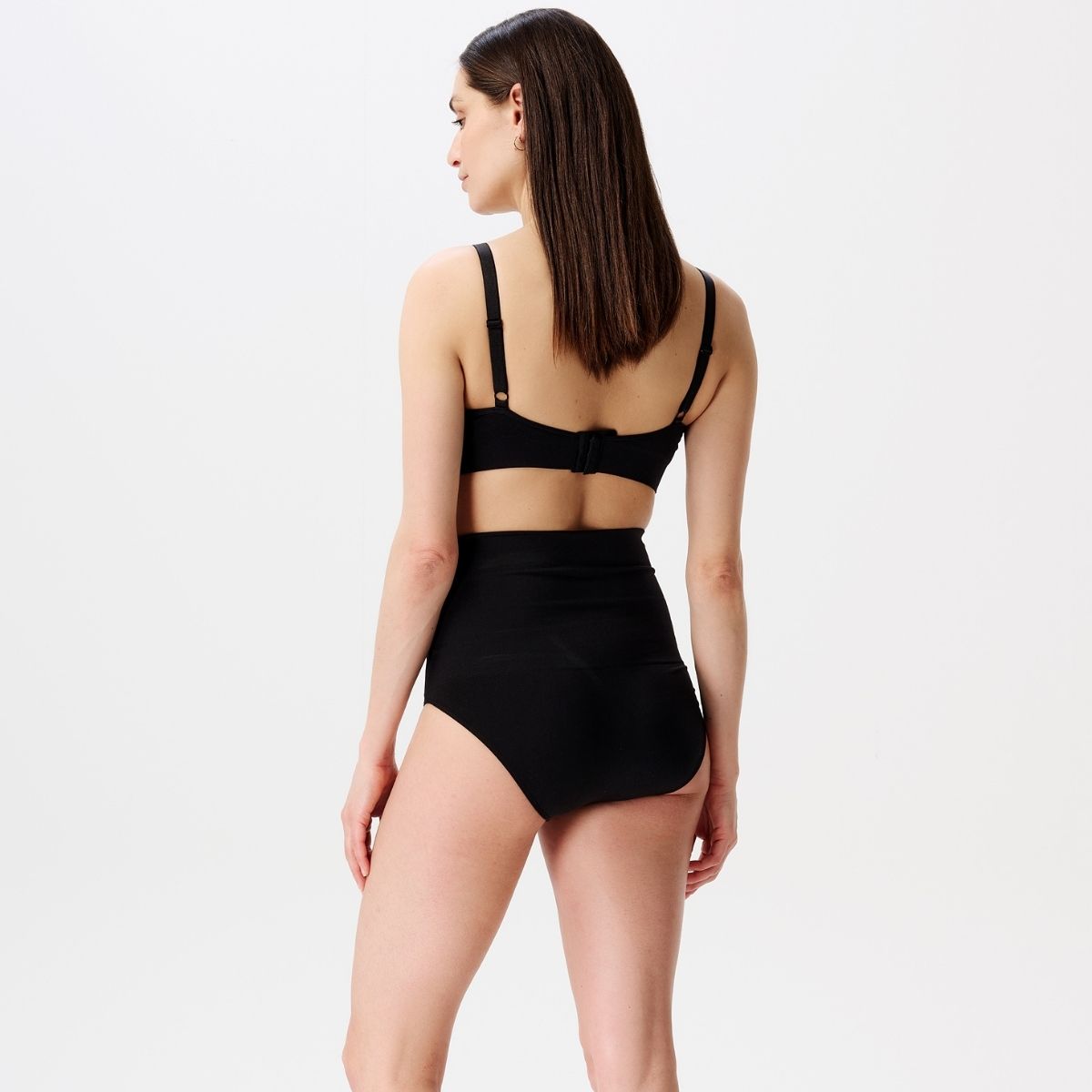
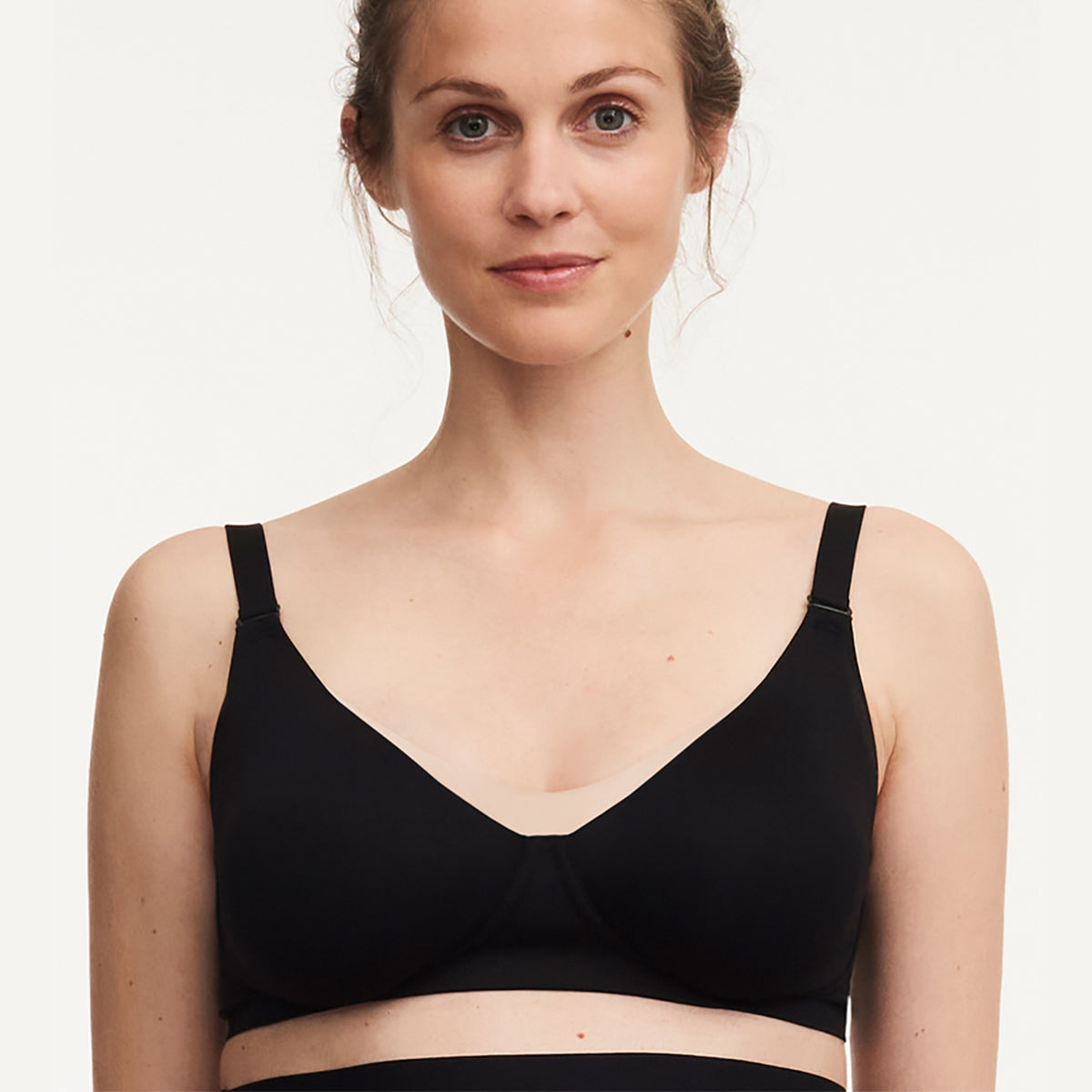
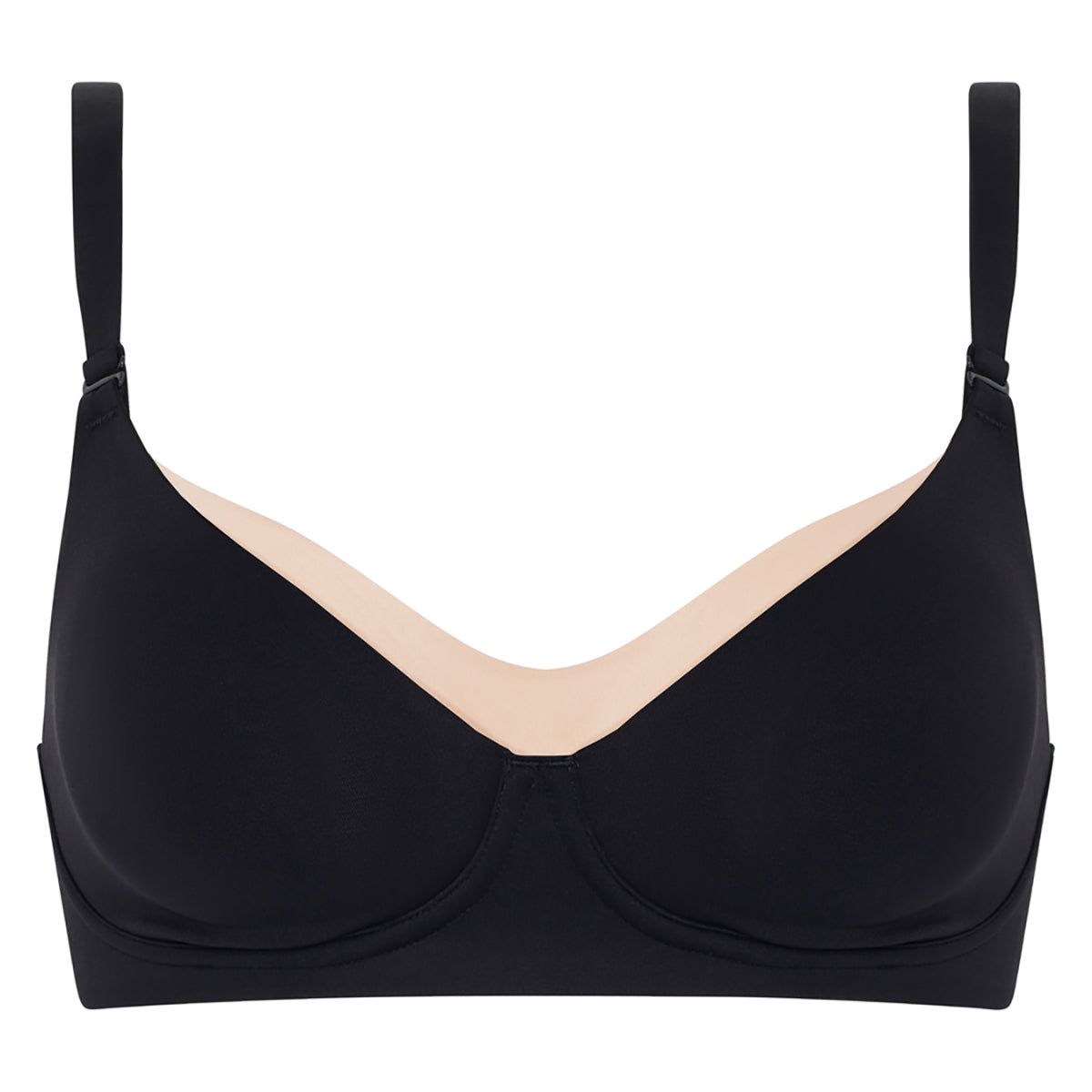
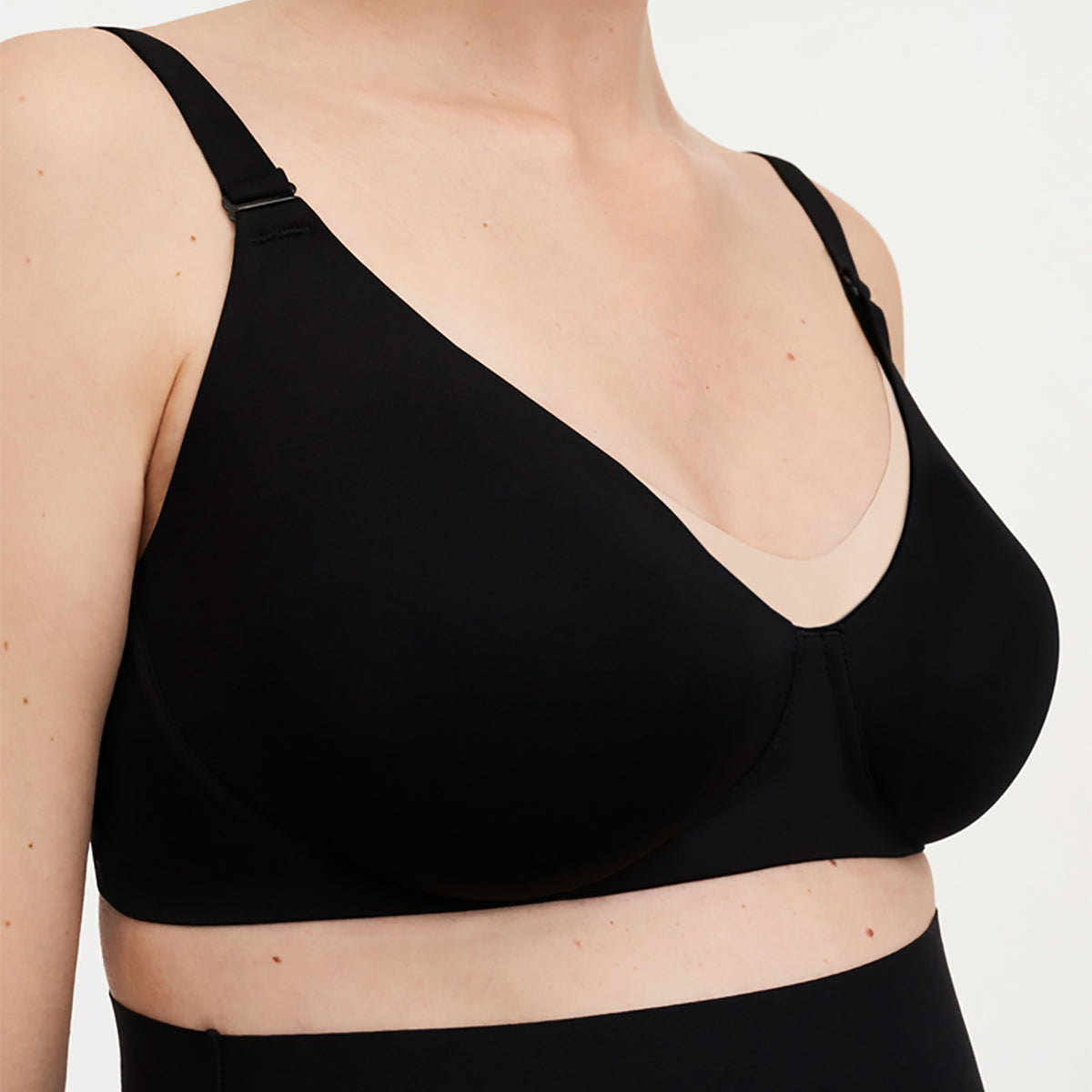
A bra needs to fit correctly both around your bust and underneath it. Cup shape, band size and strap positioning are therefore important details when comparing styles. Some women prefer a non-wired bra, while others favour a more structured design. Certain maternity bras offer adjustable features, but these vary between styles, and no single construction will necessarily suit everyone.
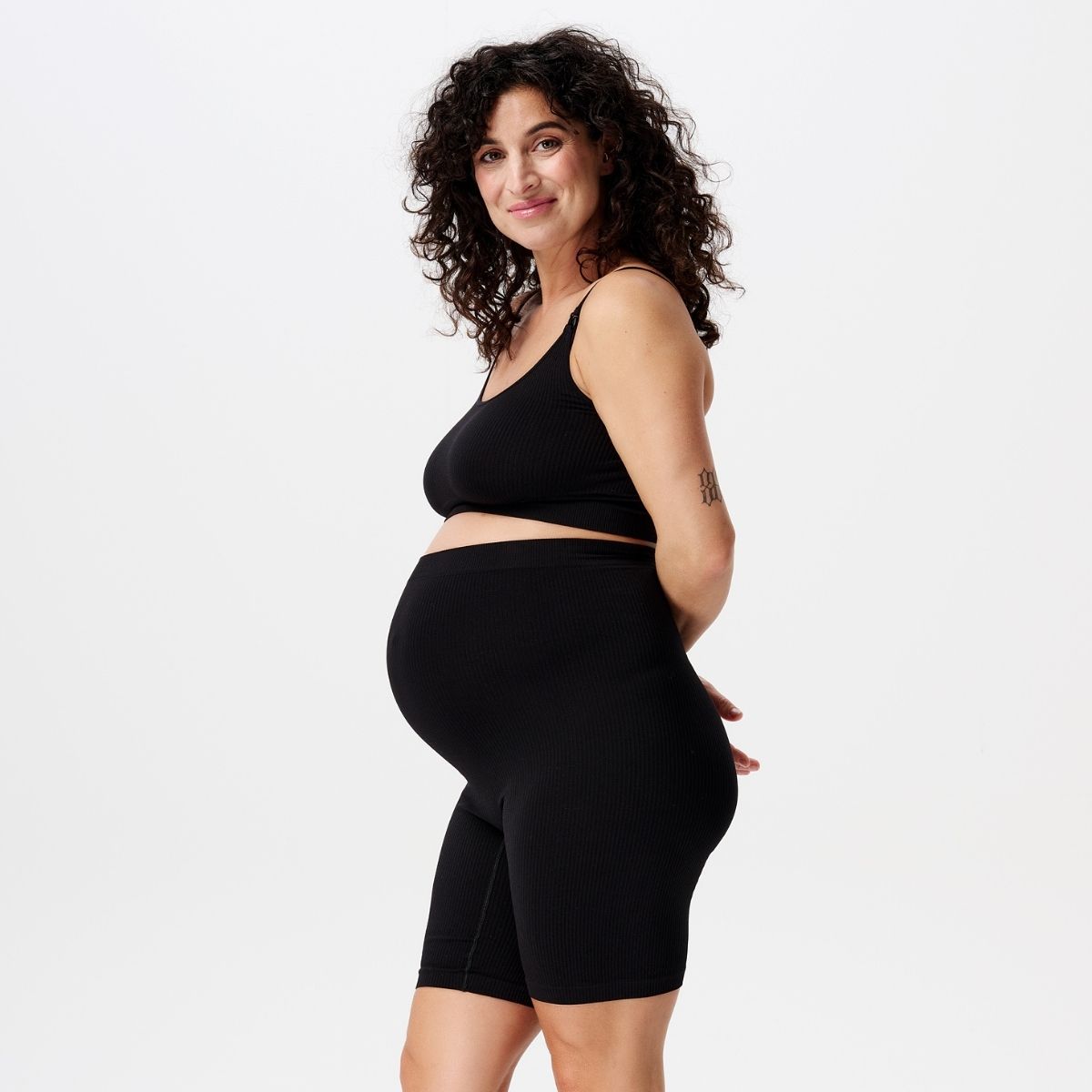
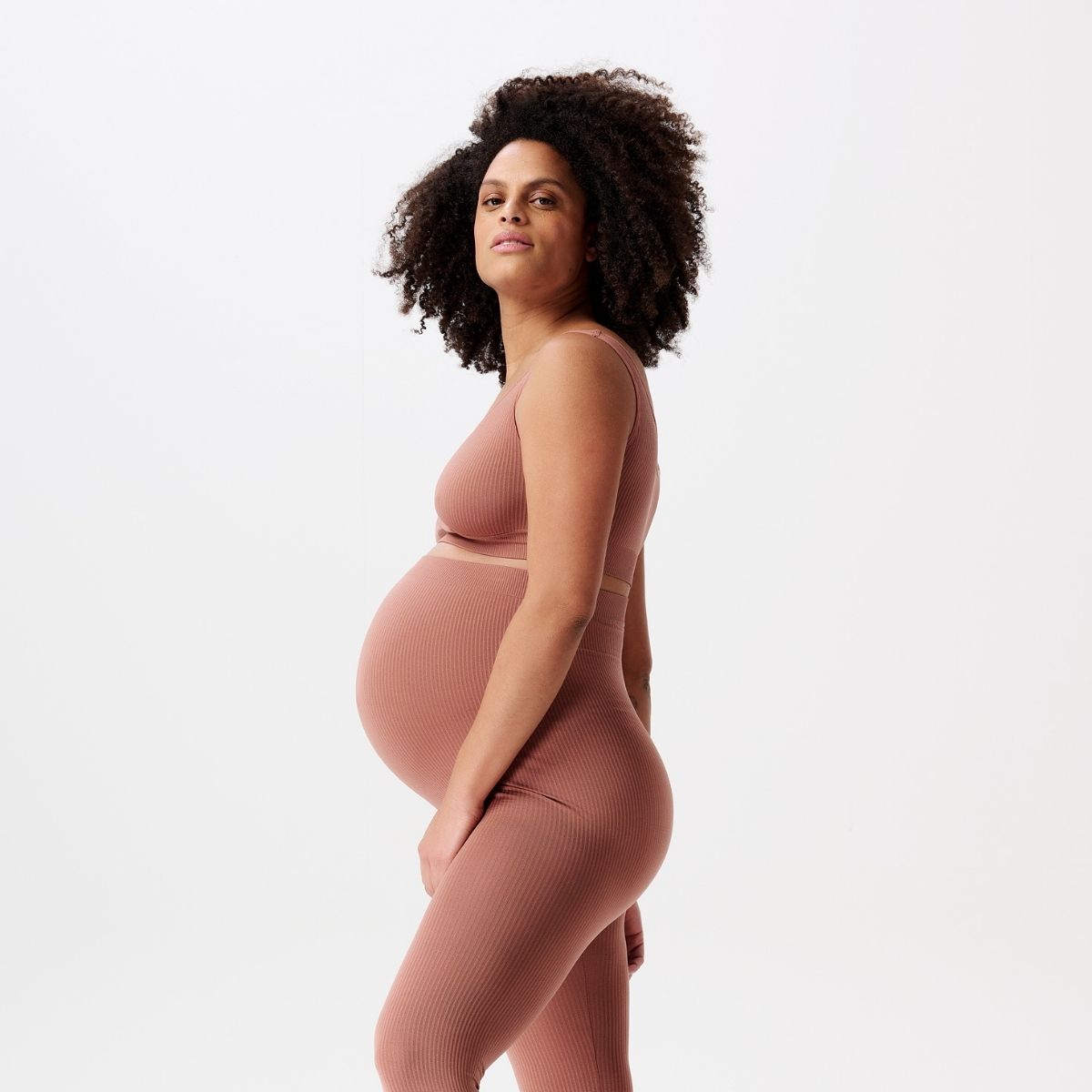
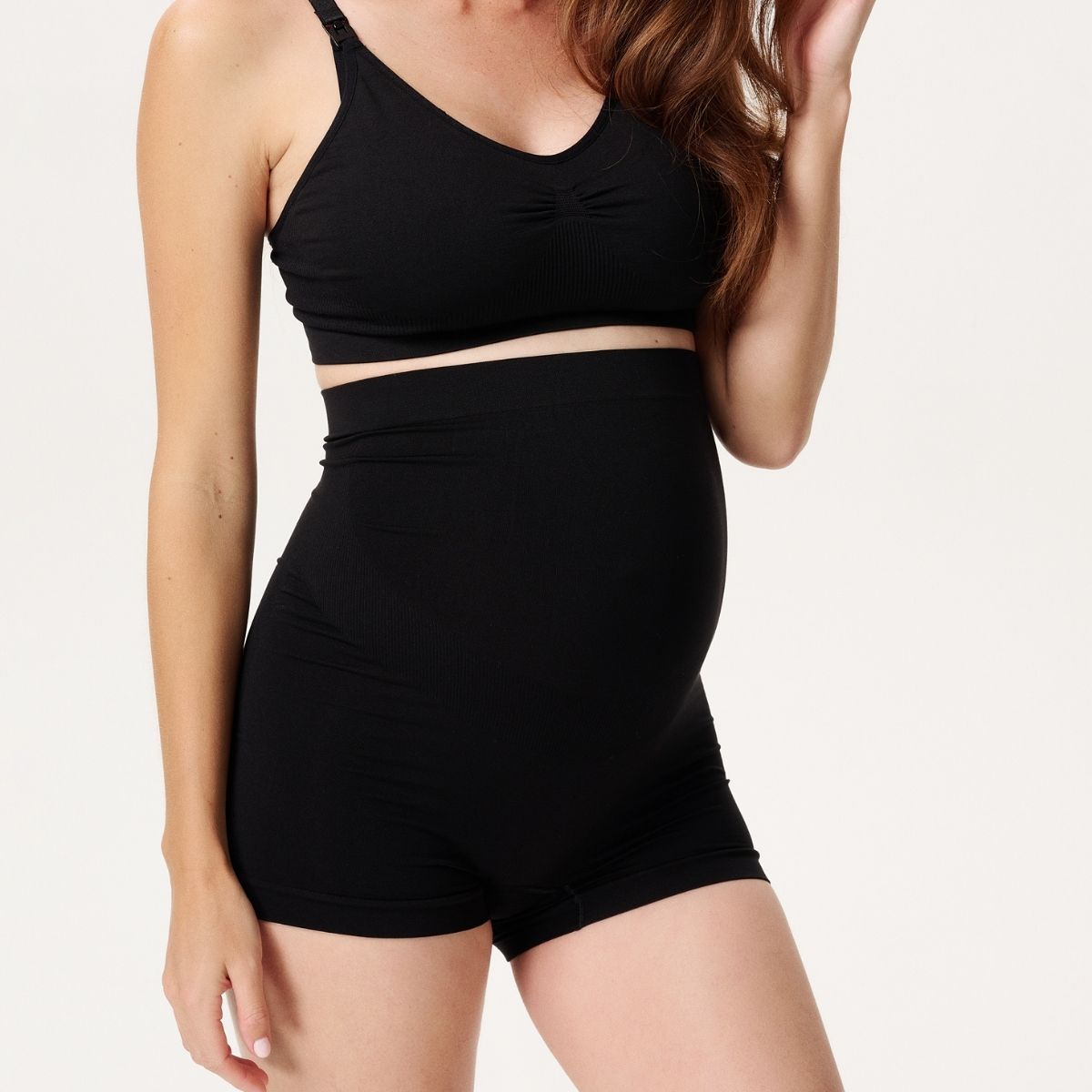
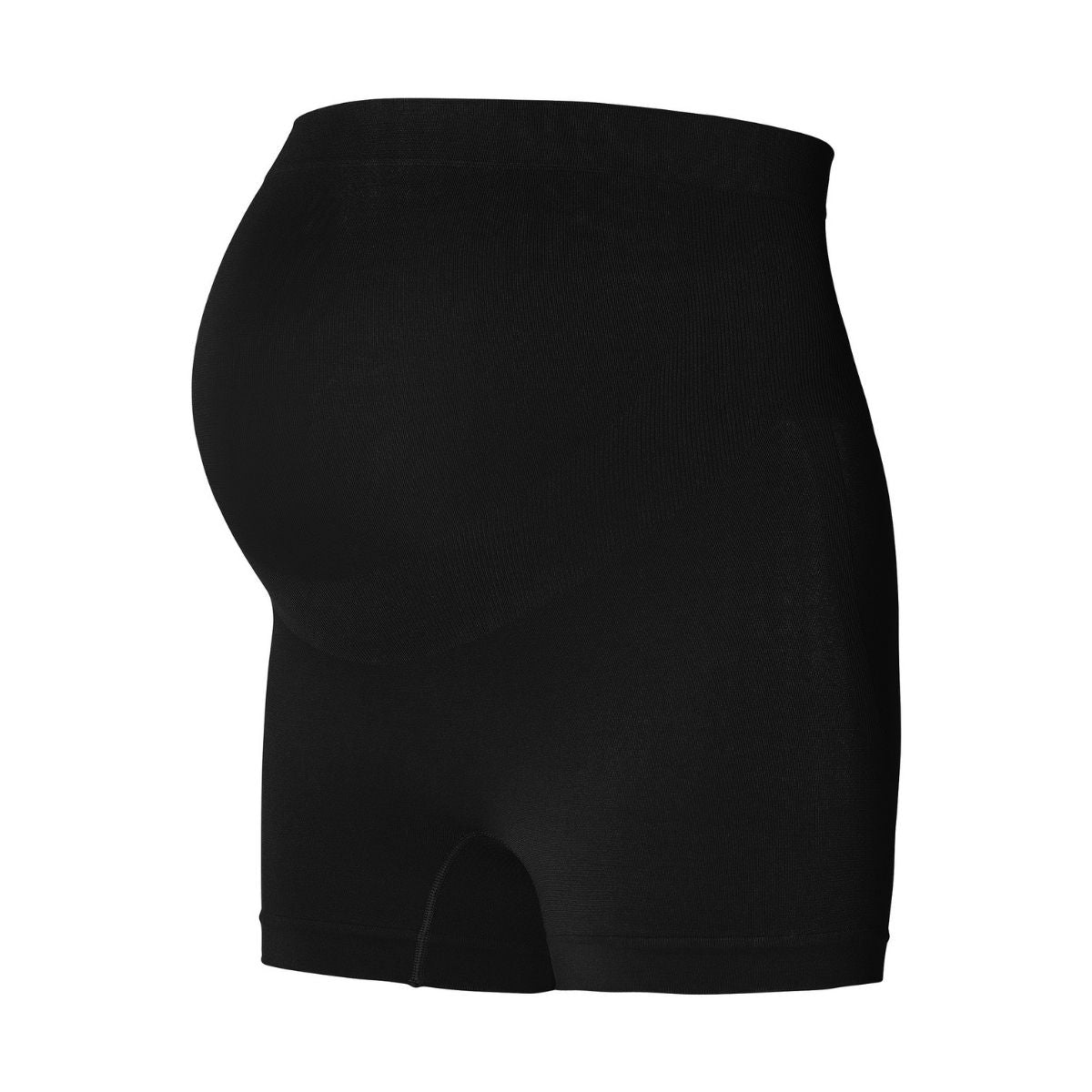
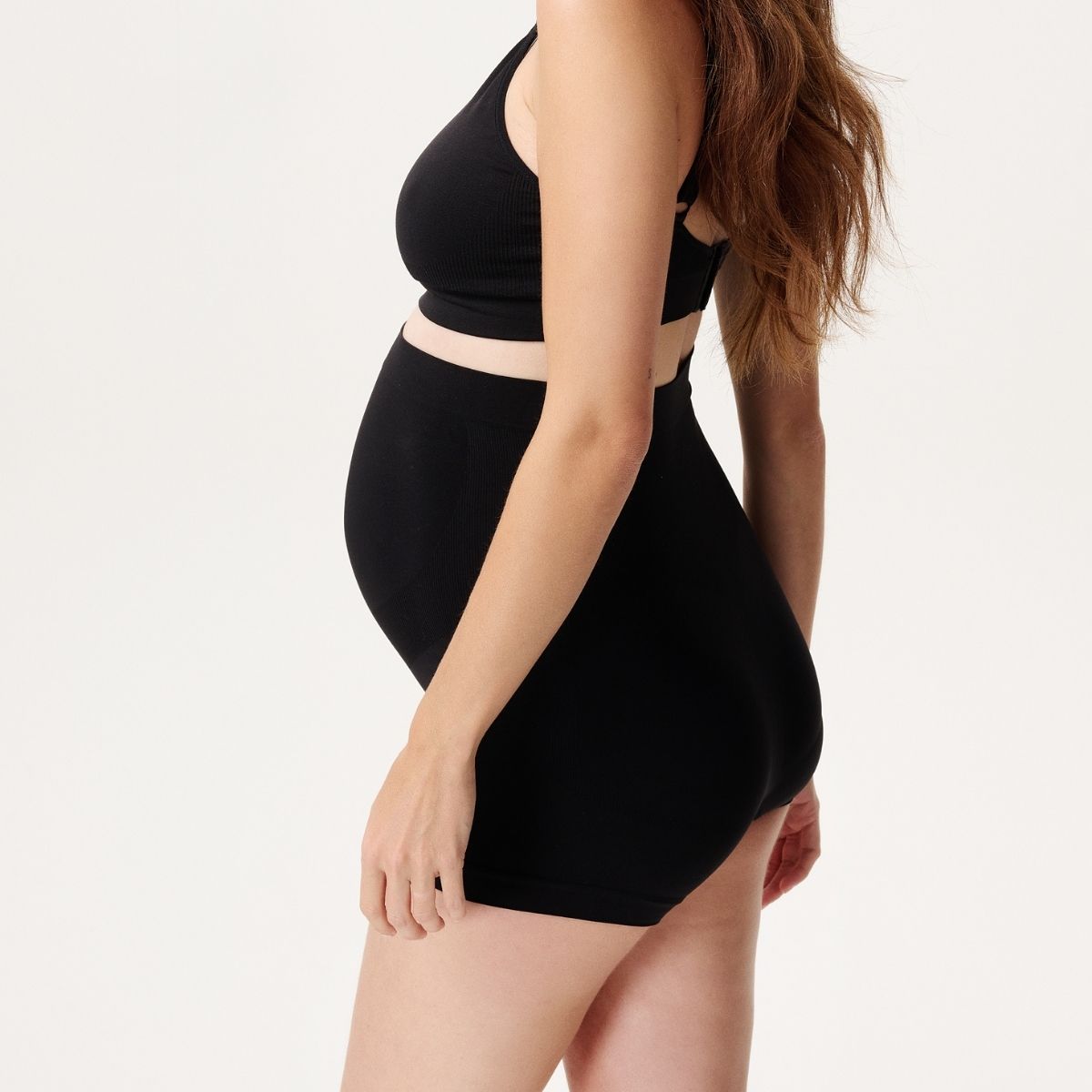
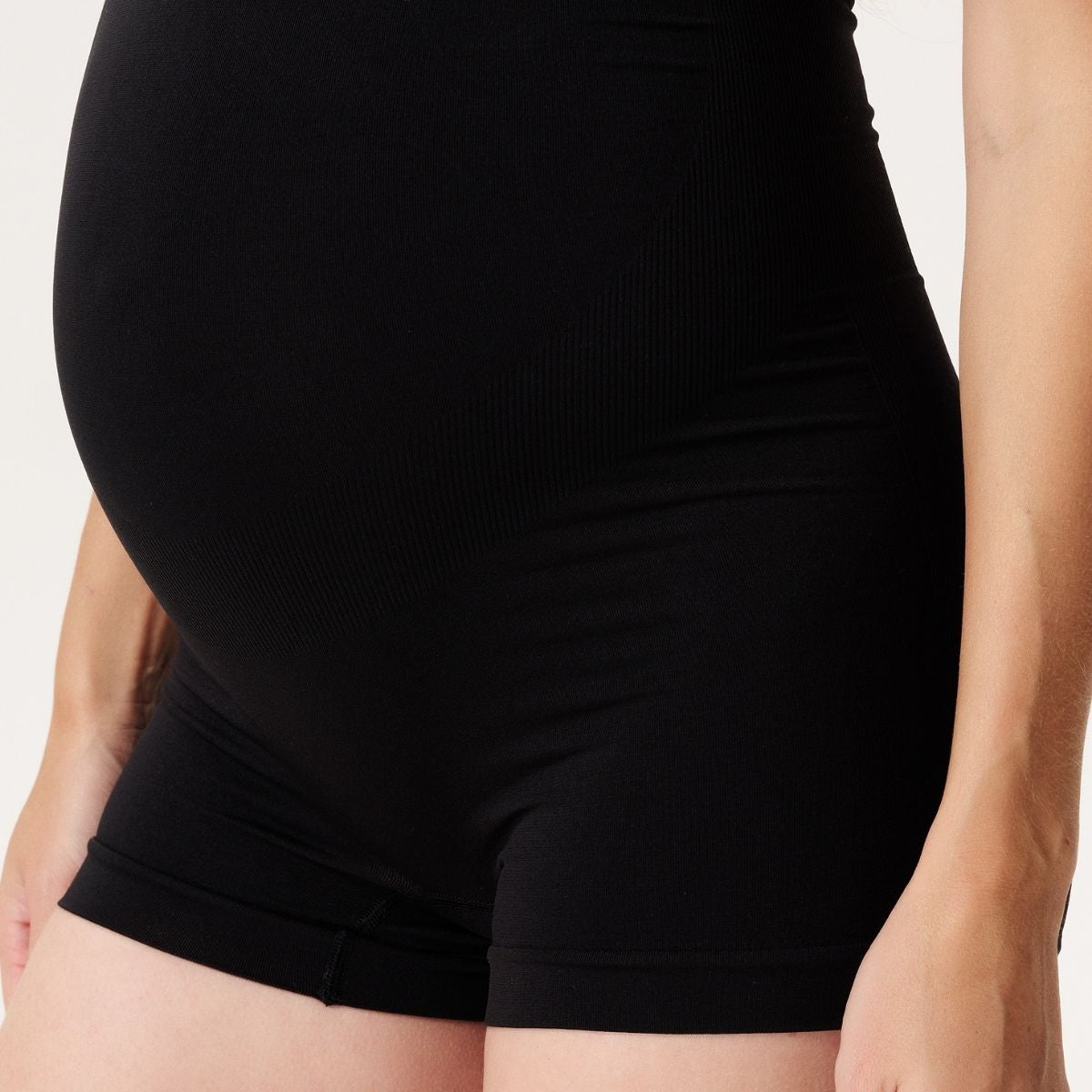
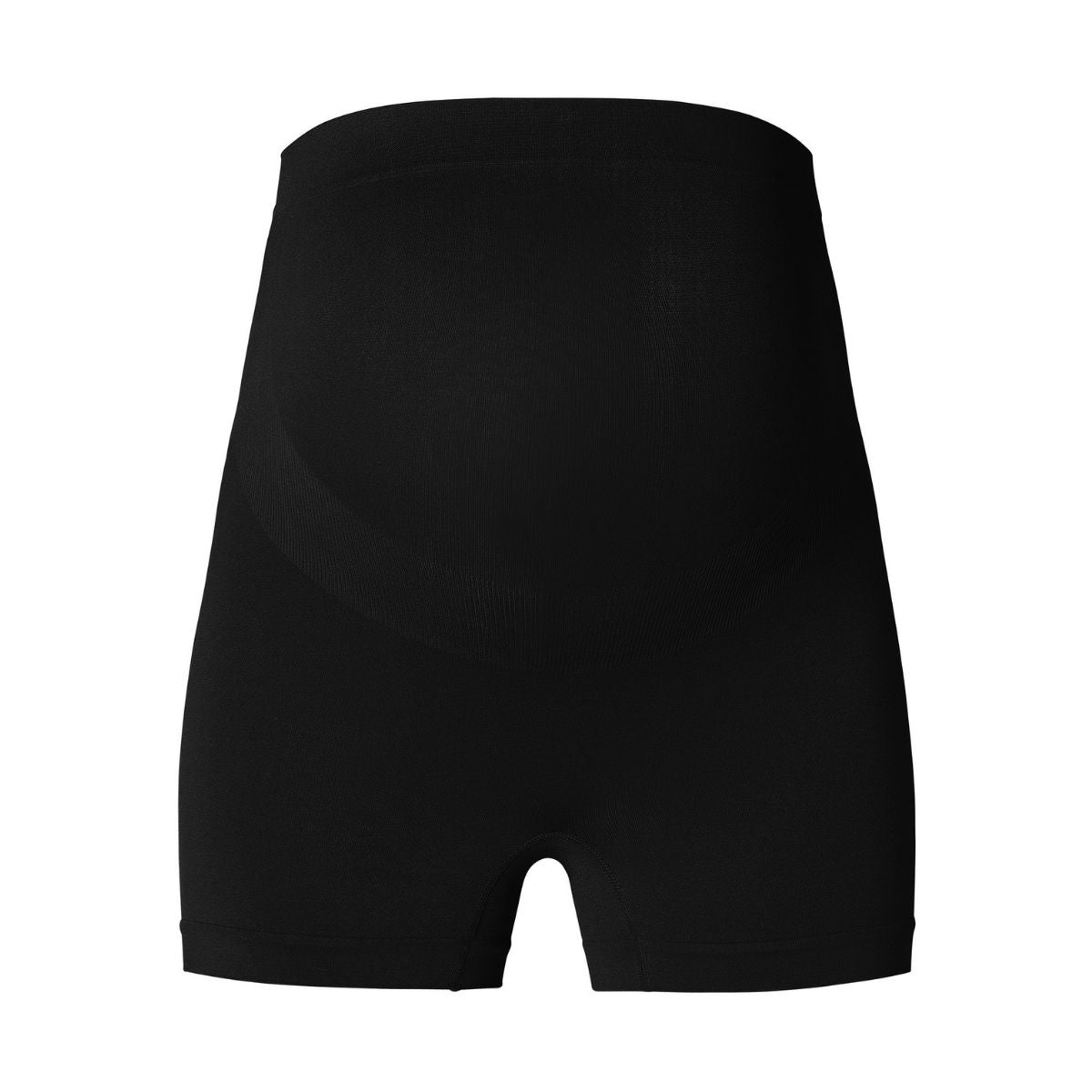
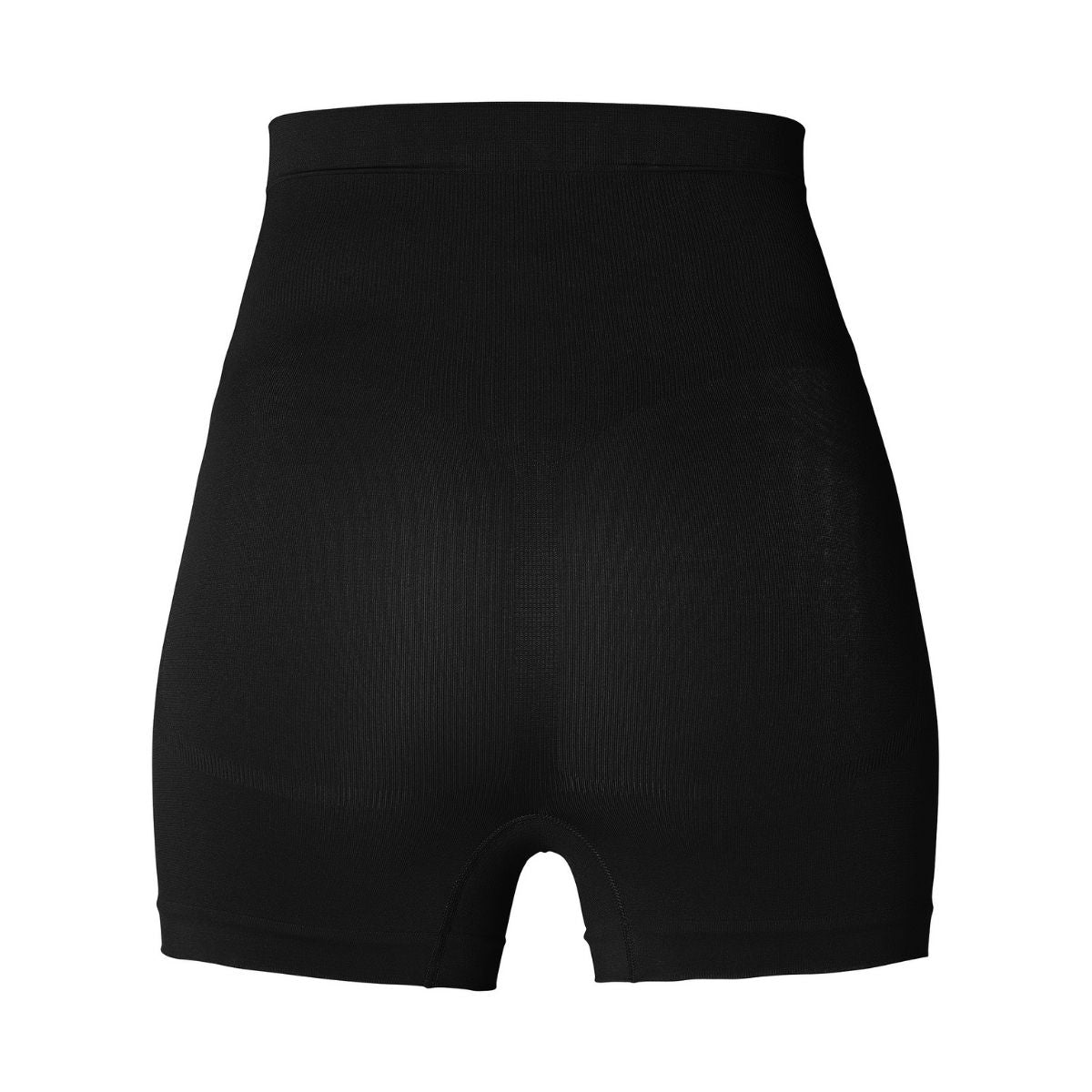
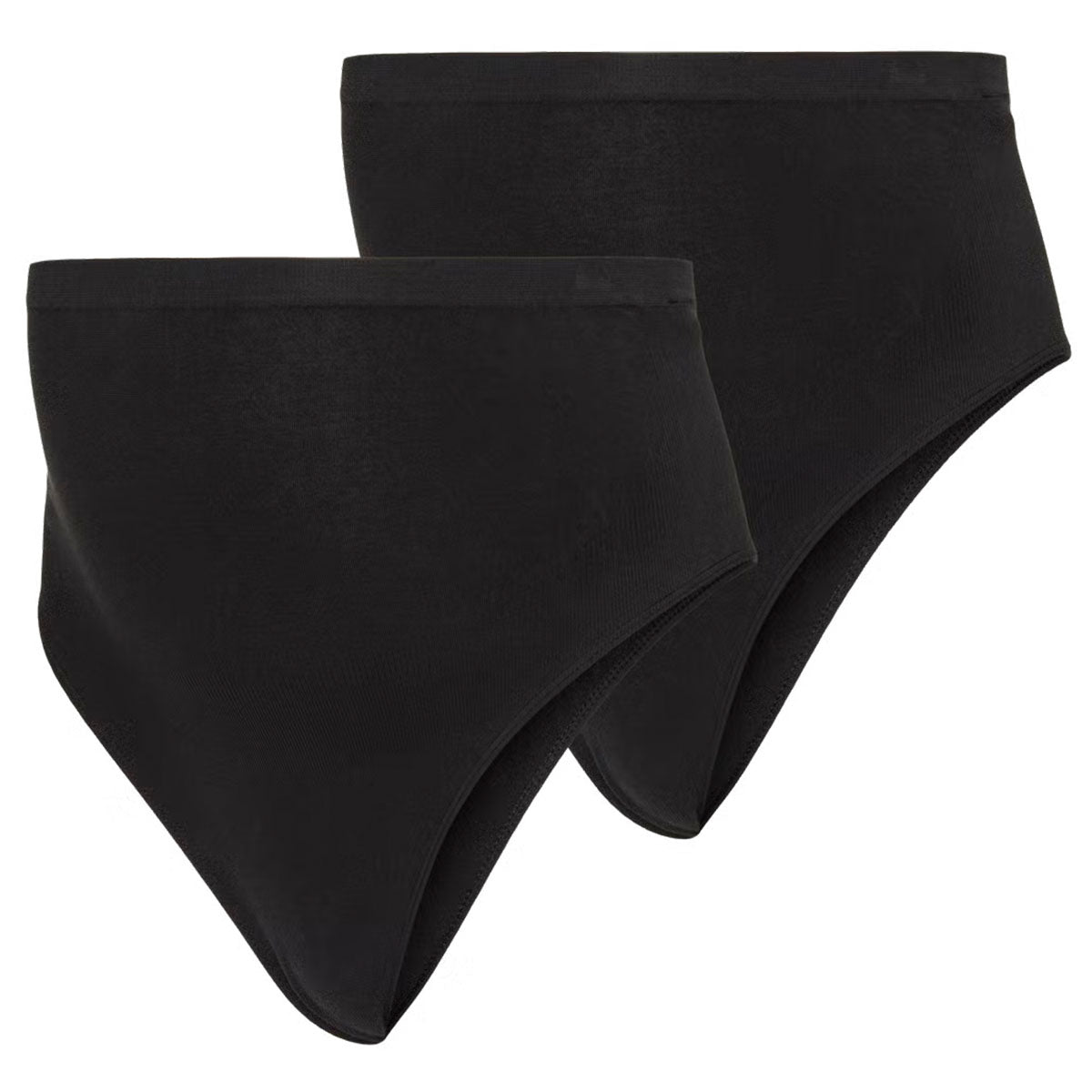
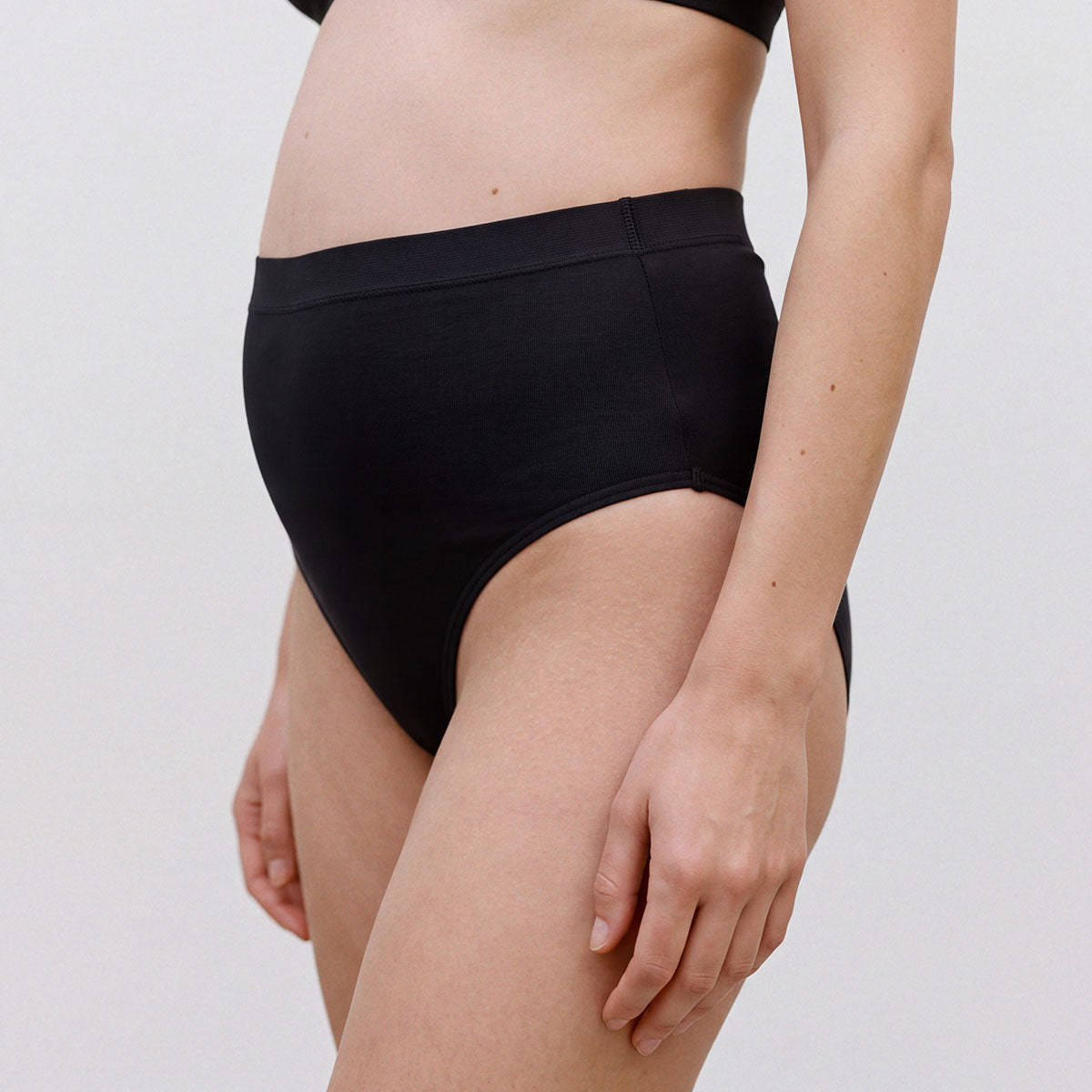
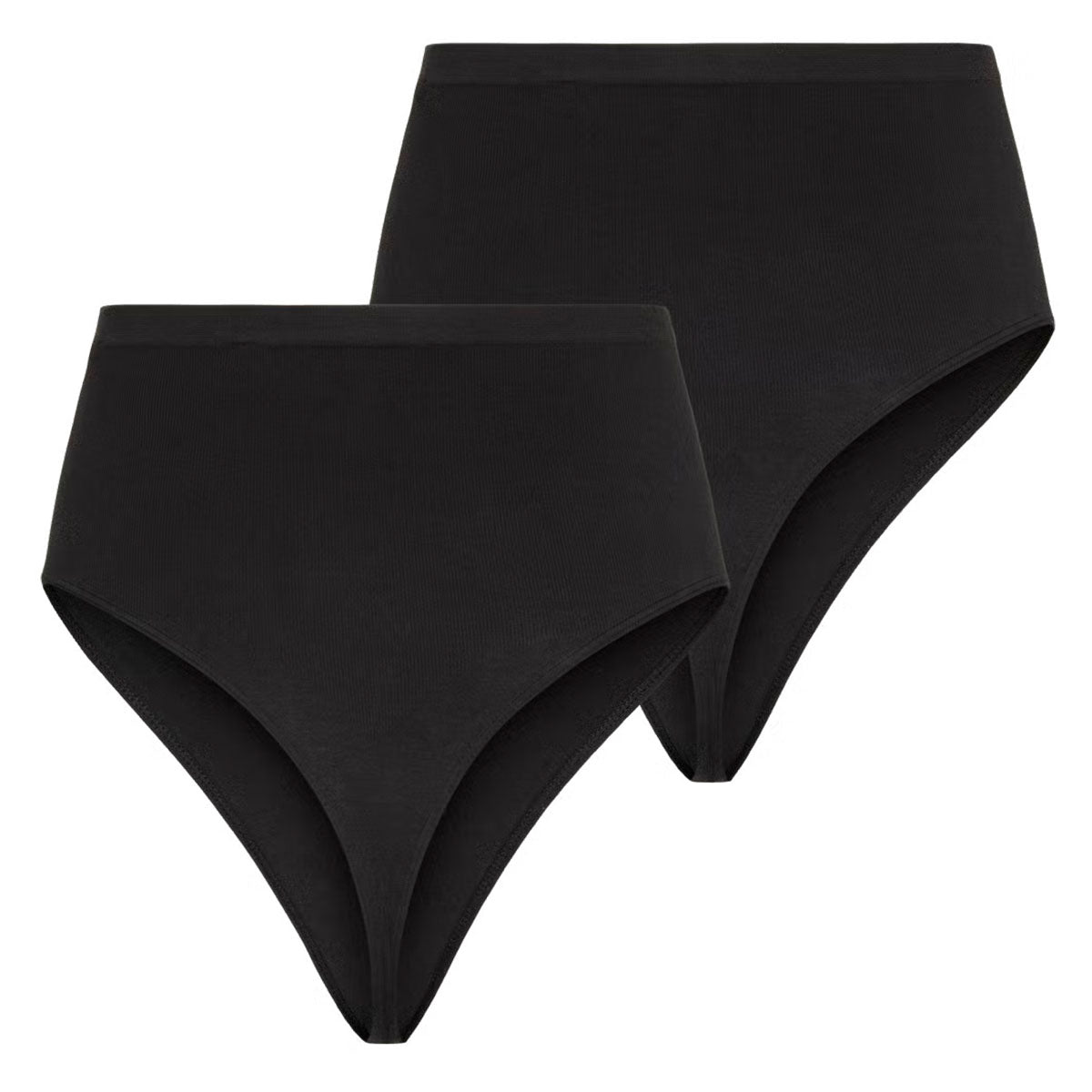
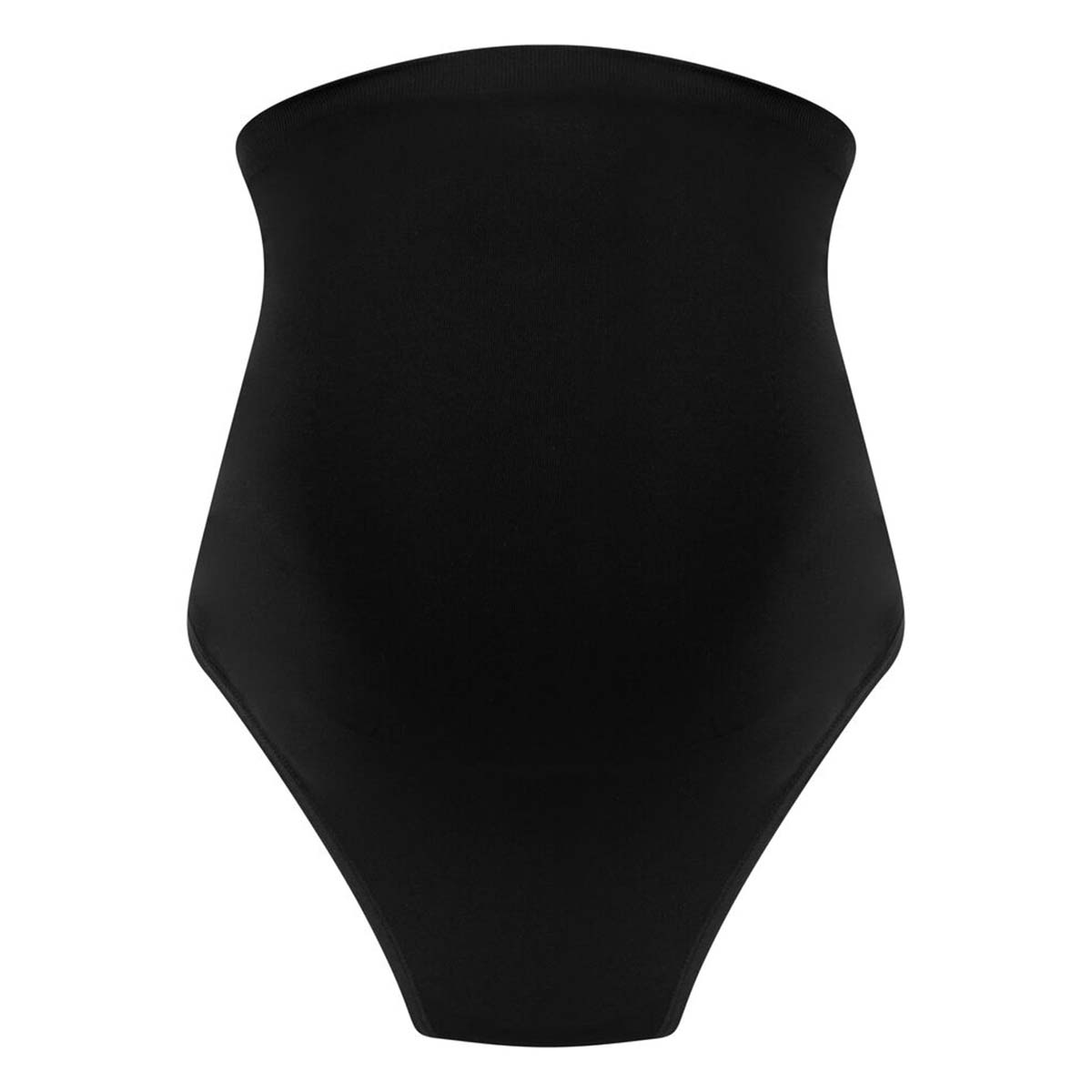
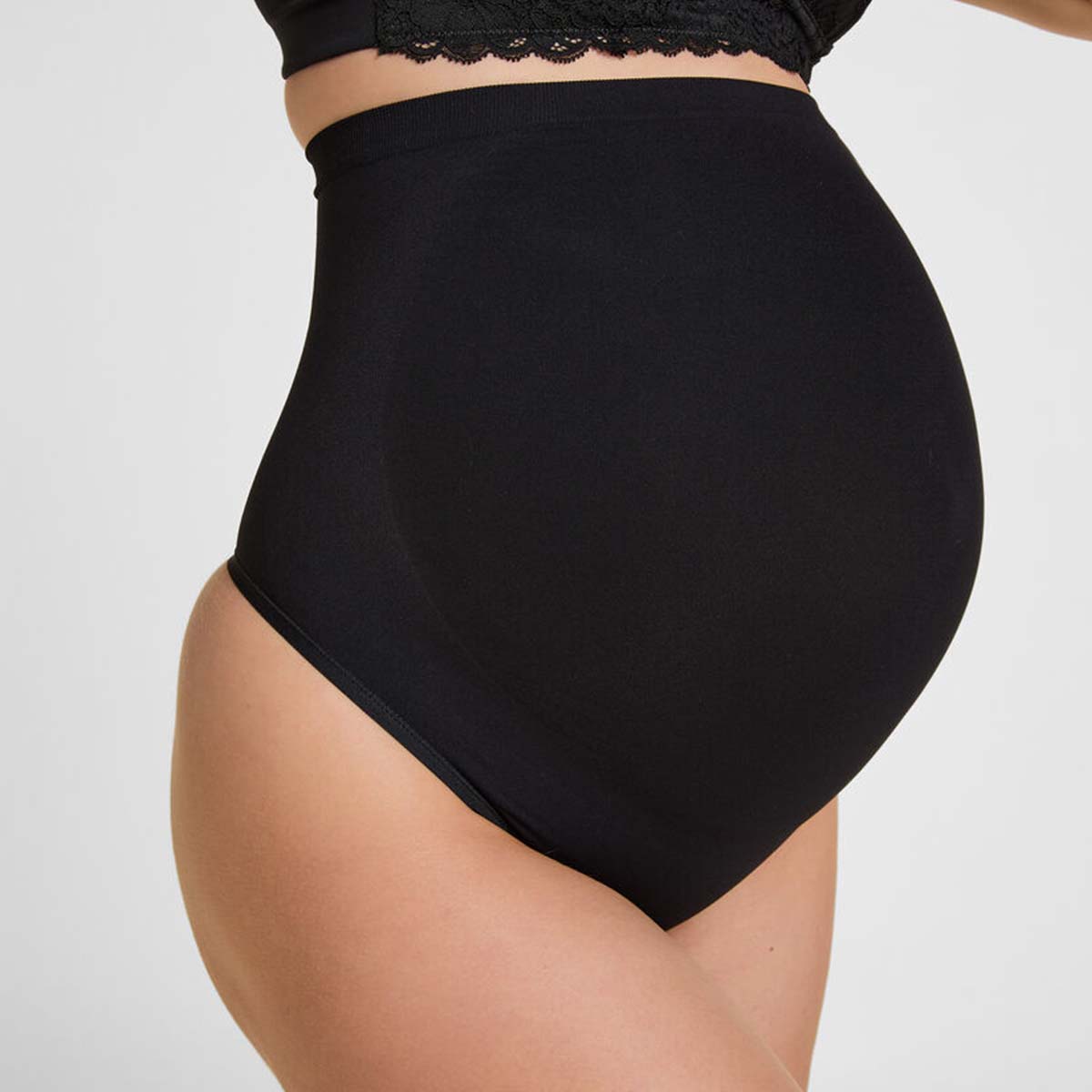
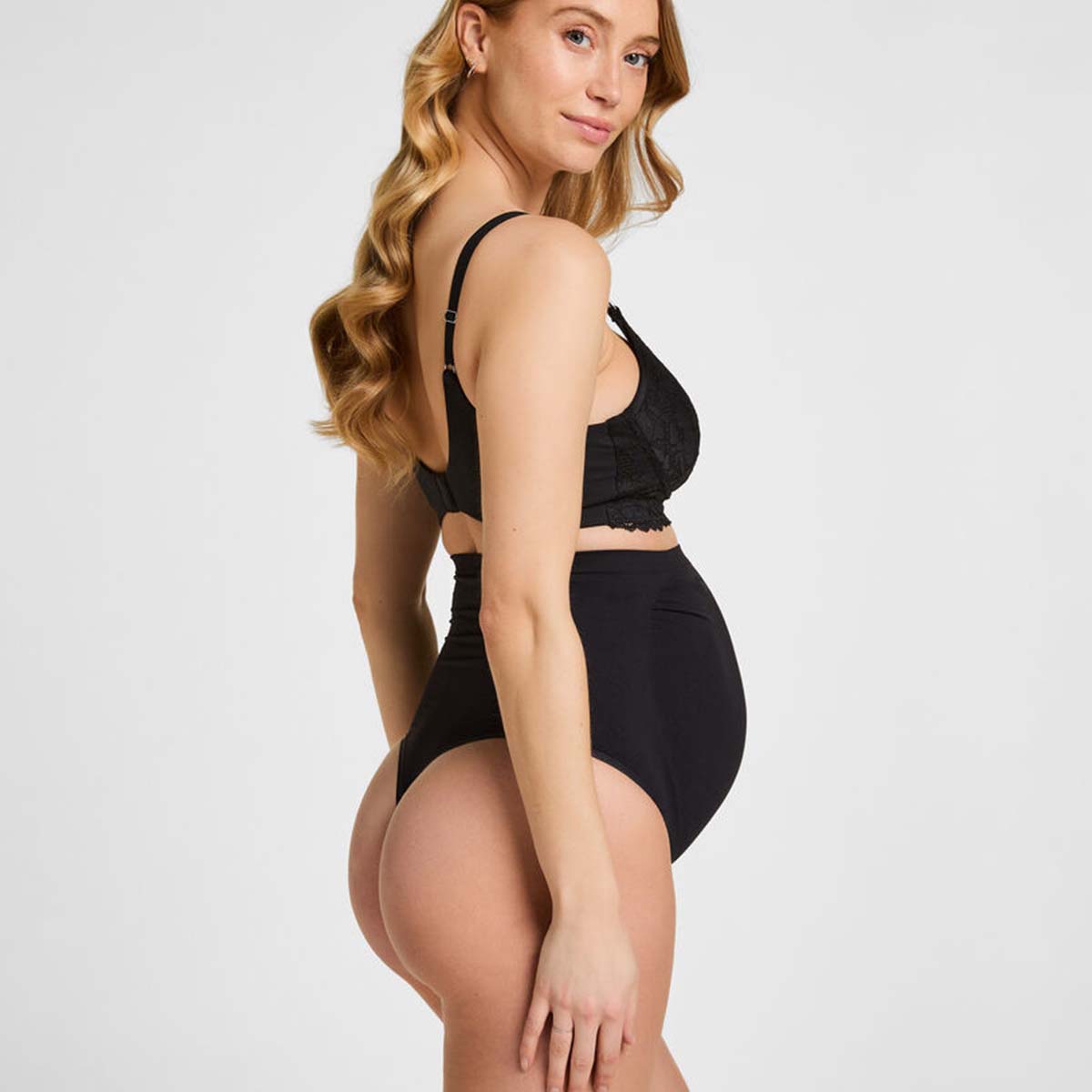
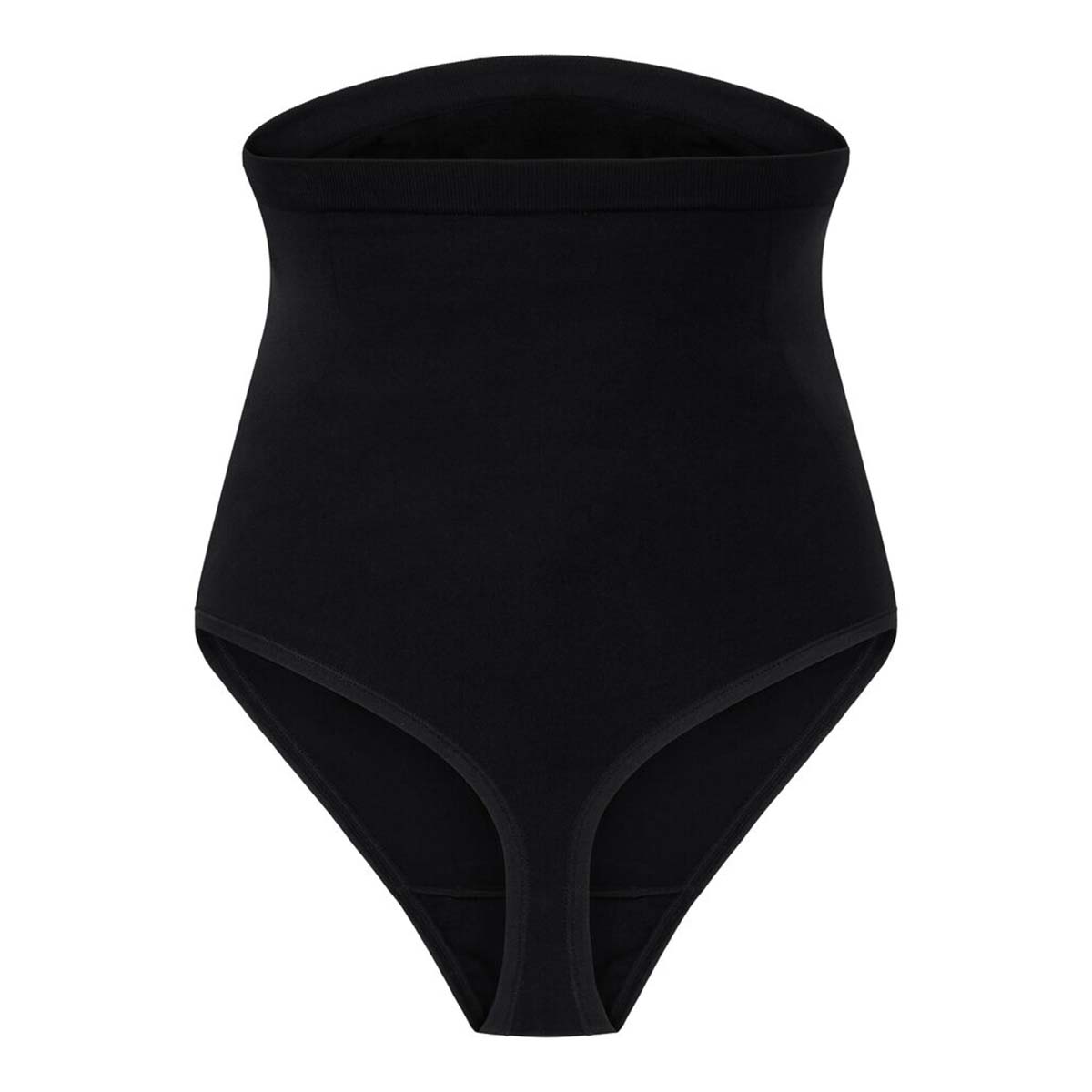
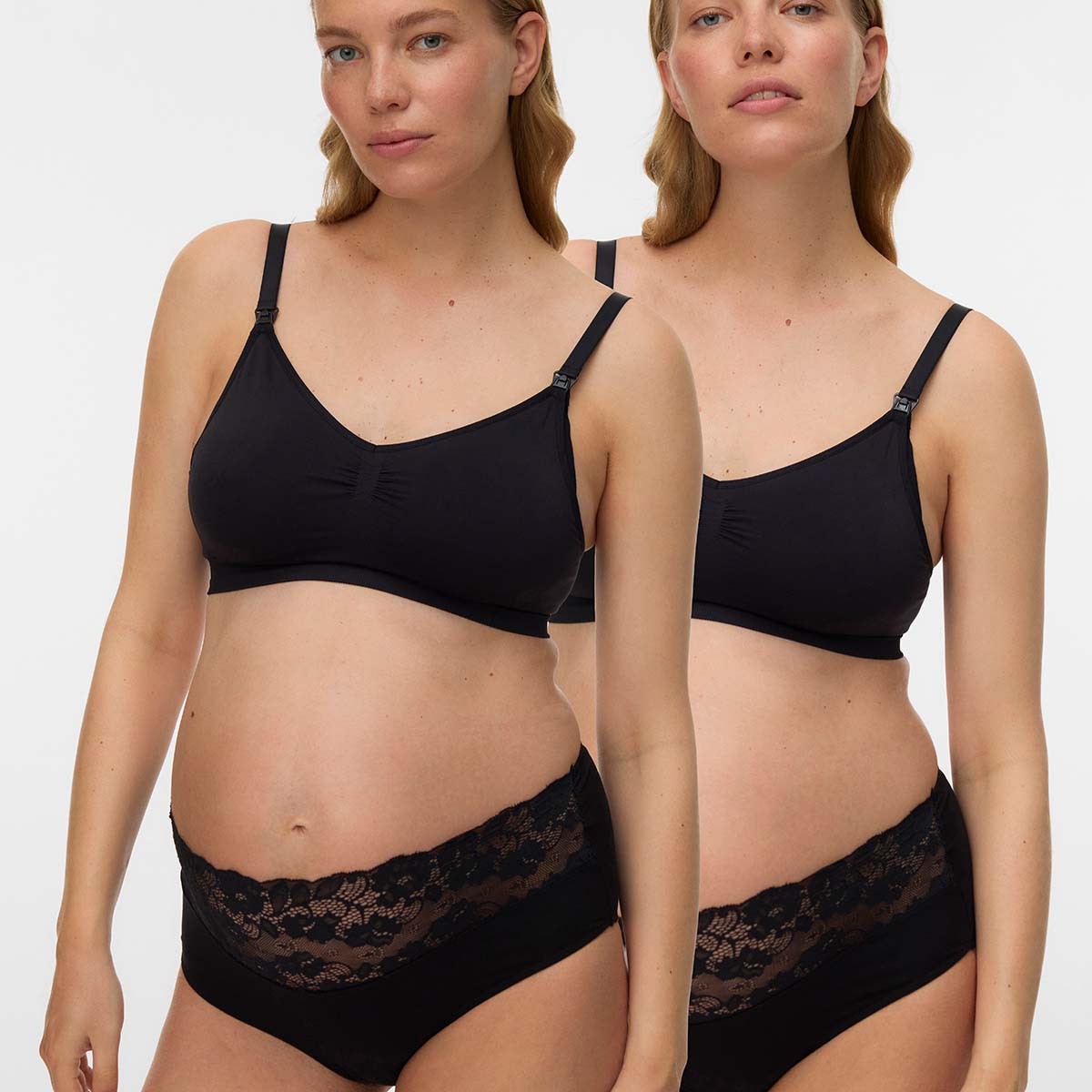
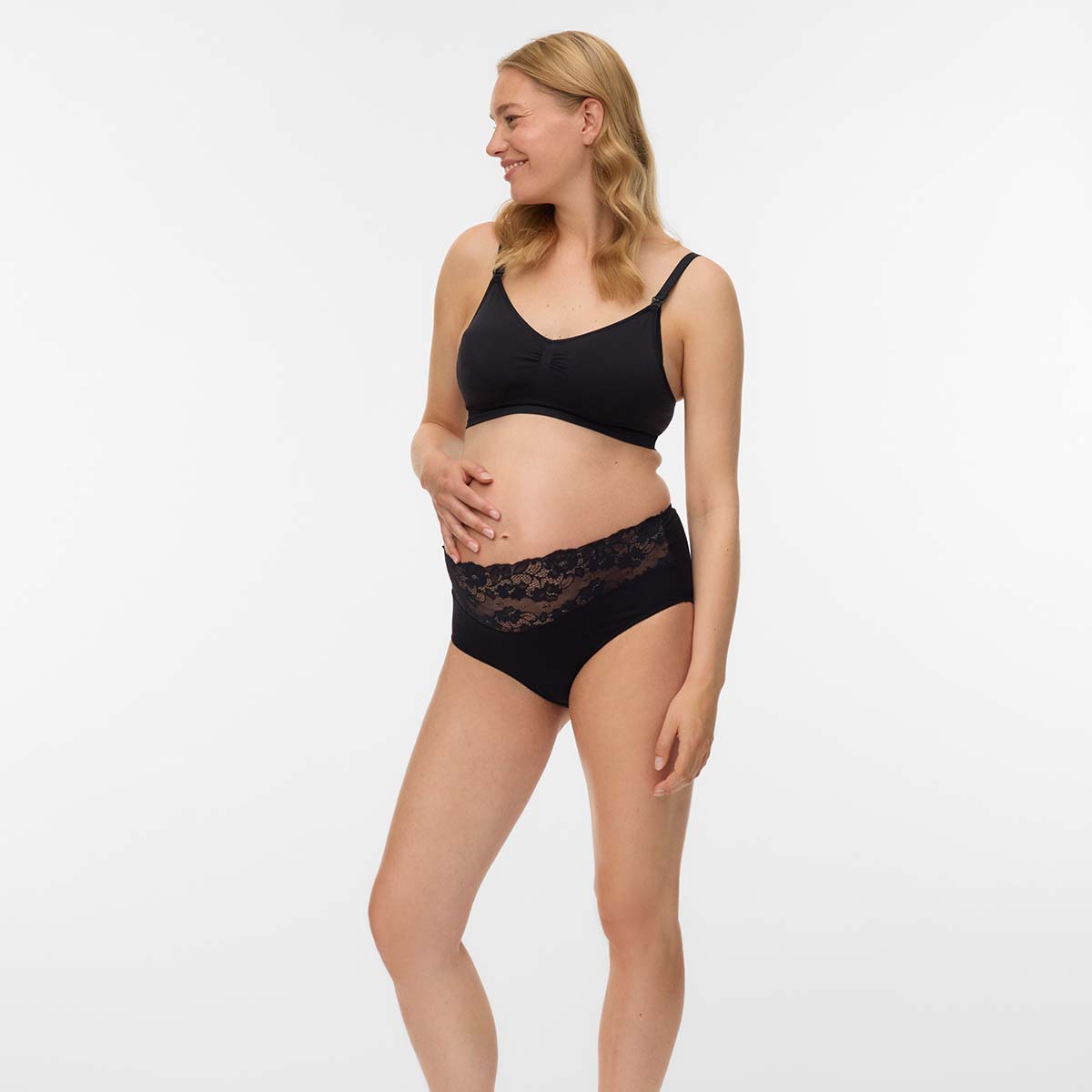
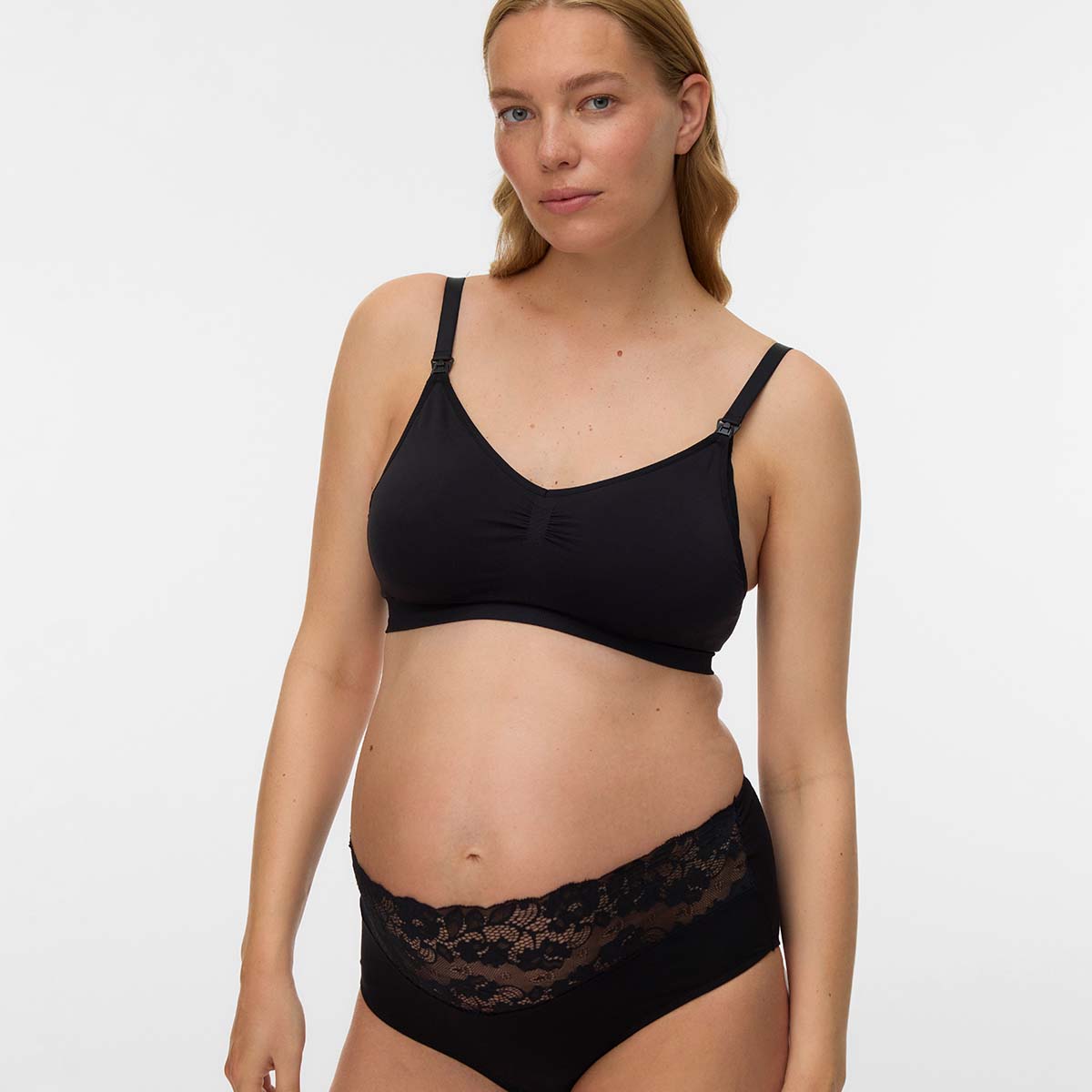
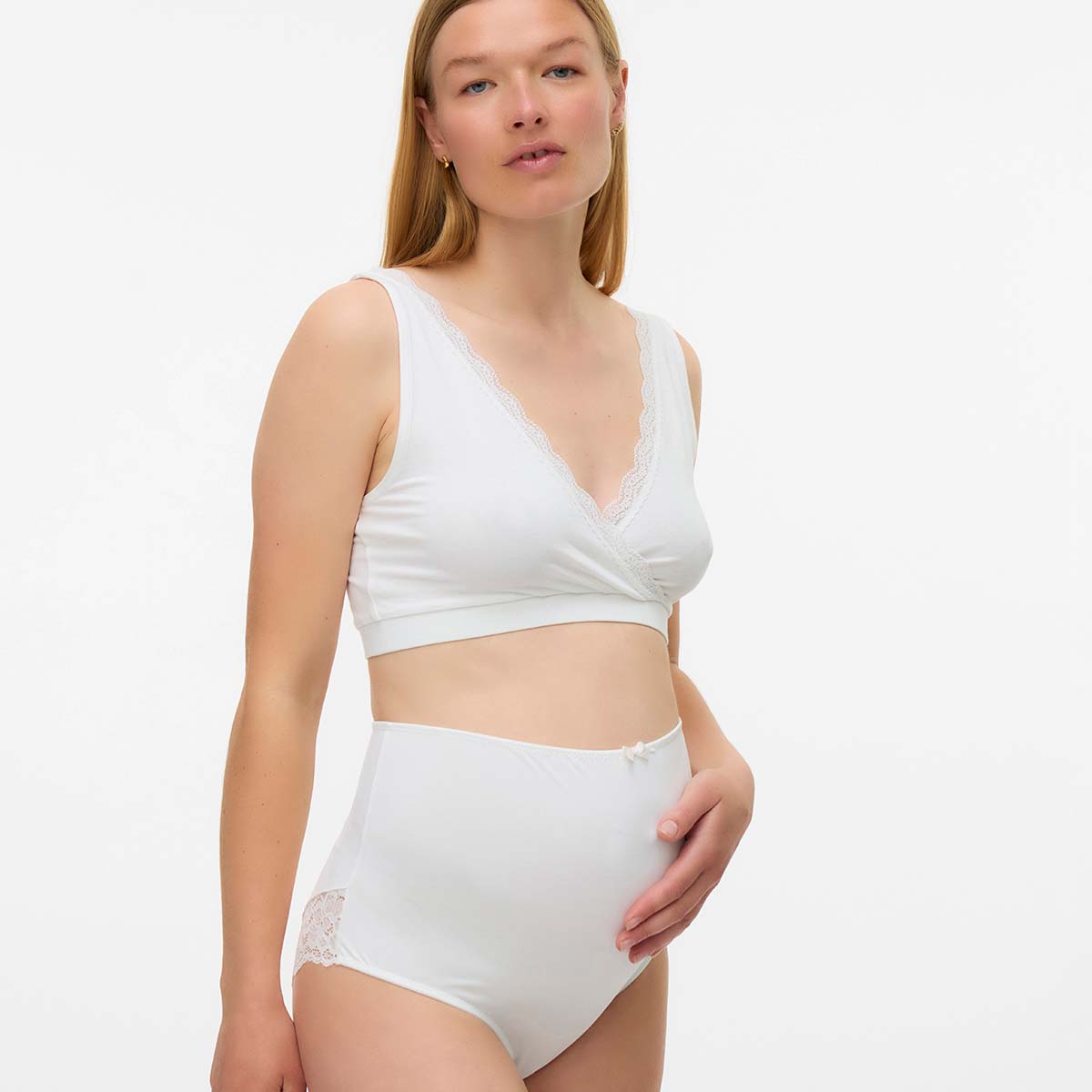
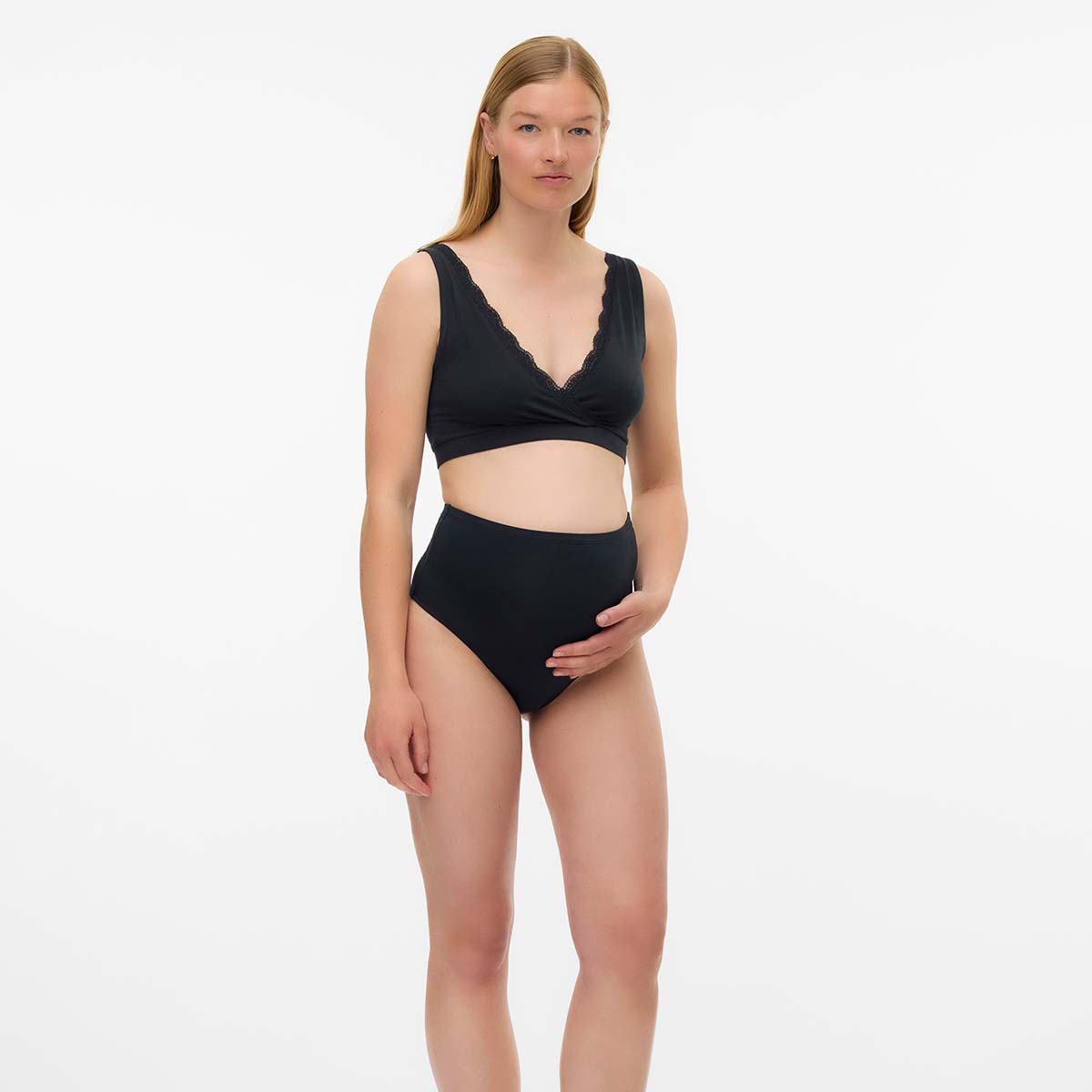
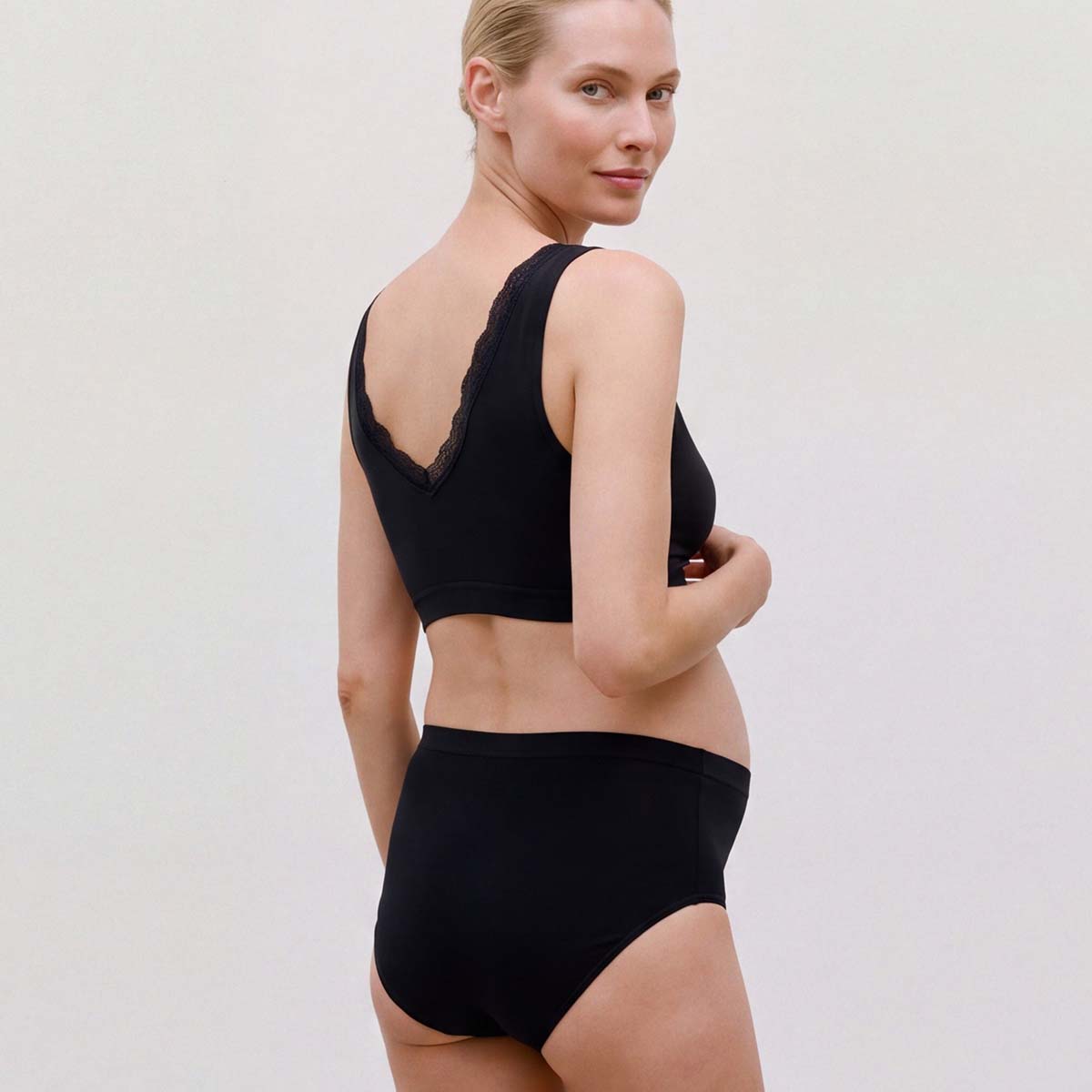
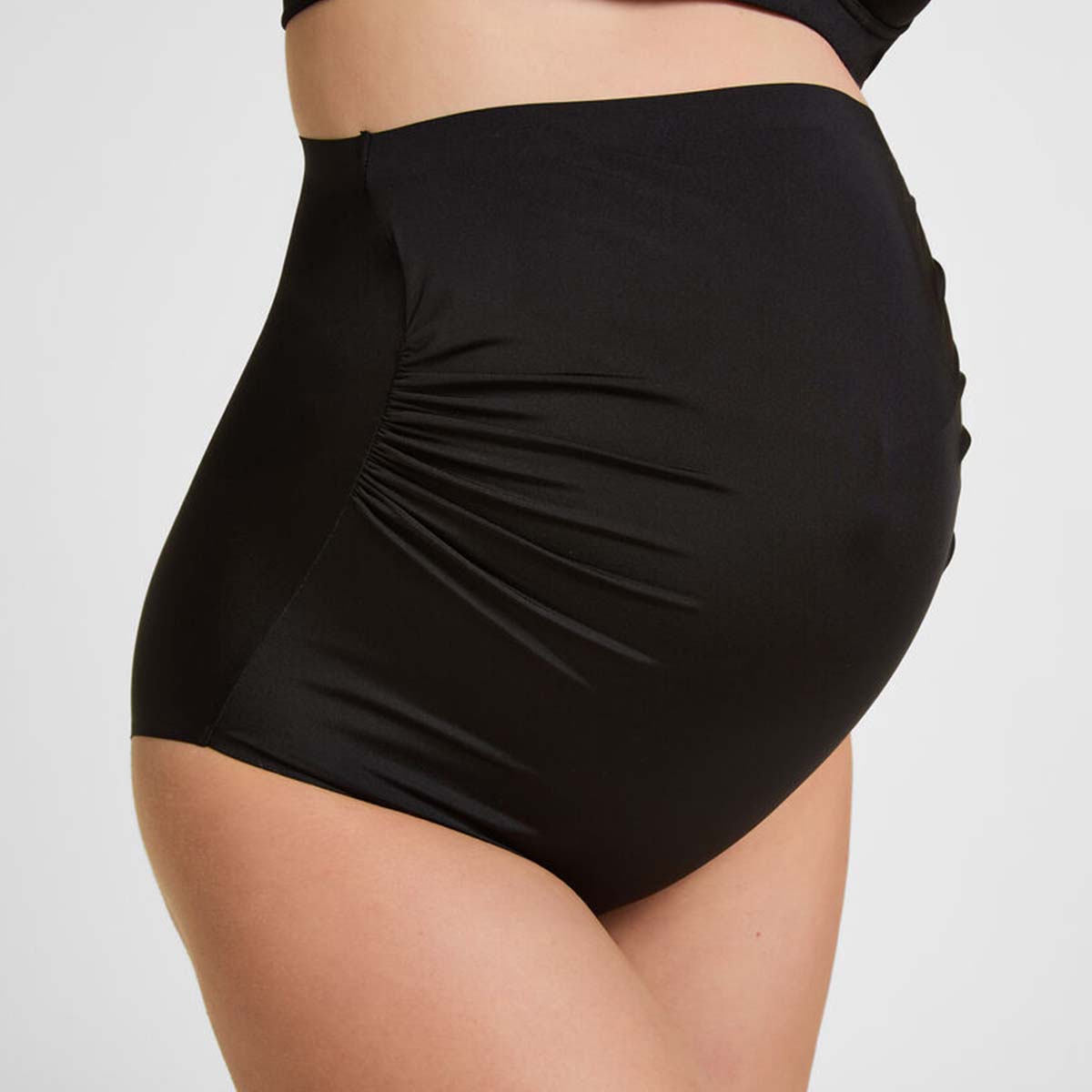
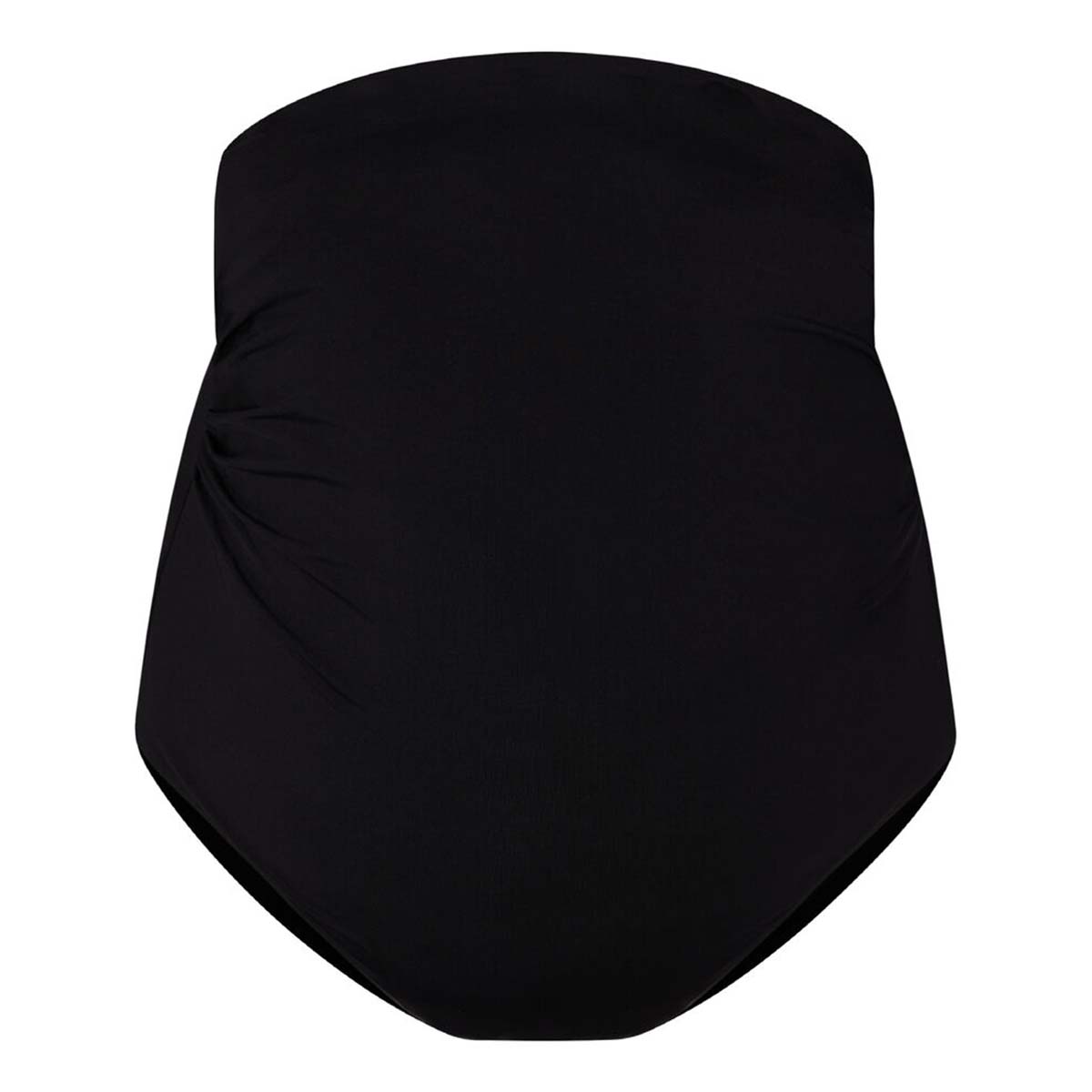
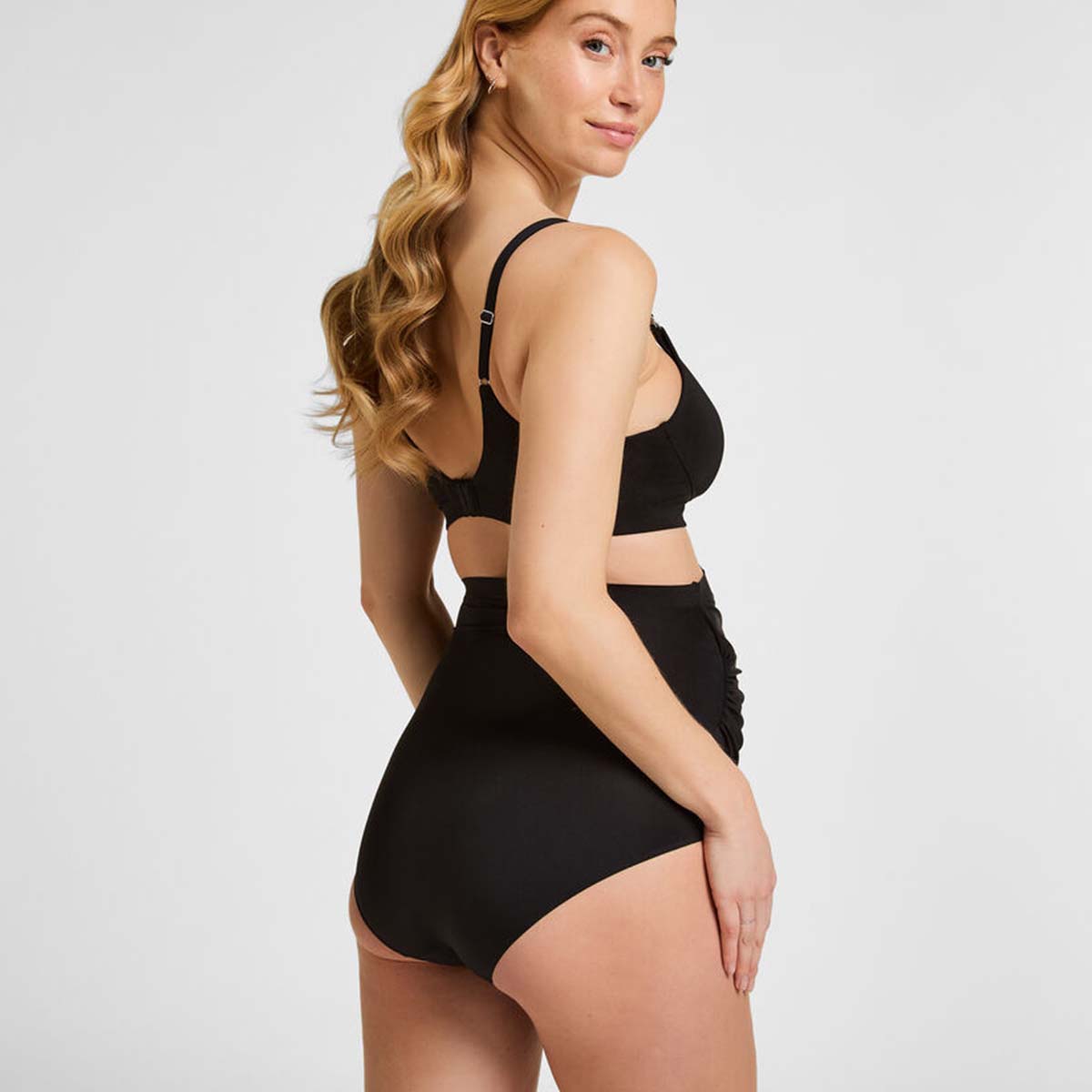
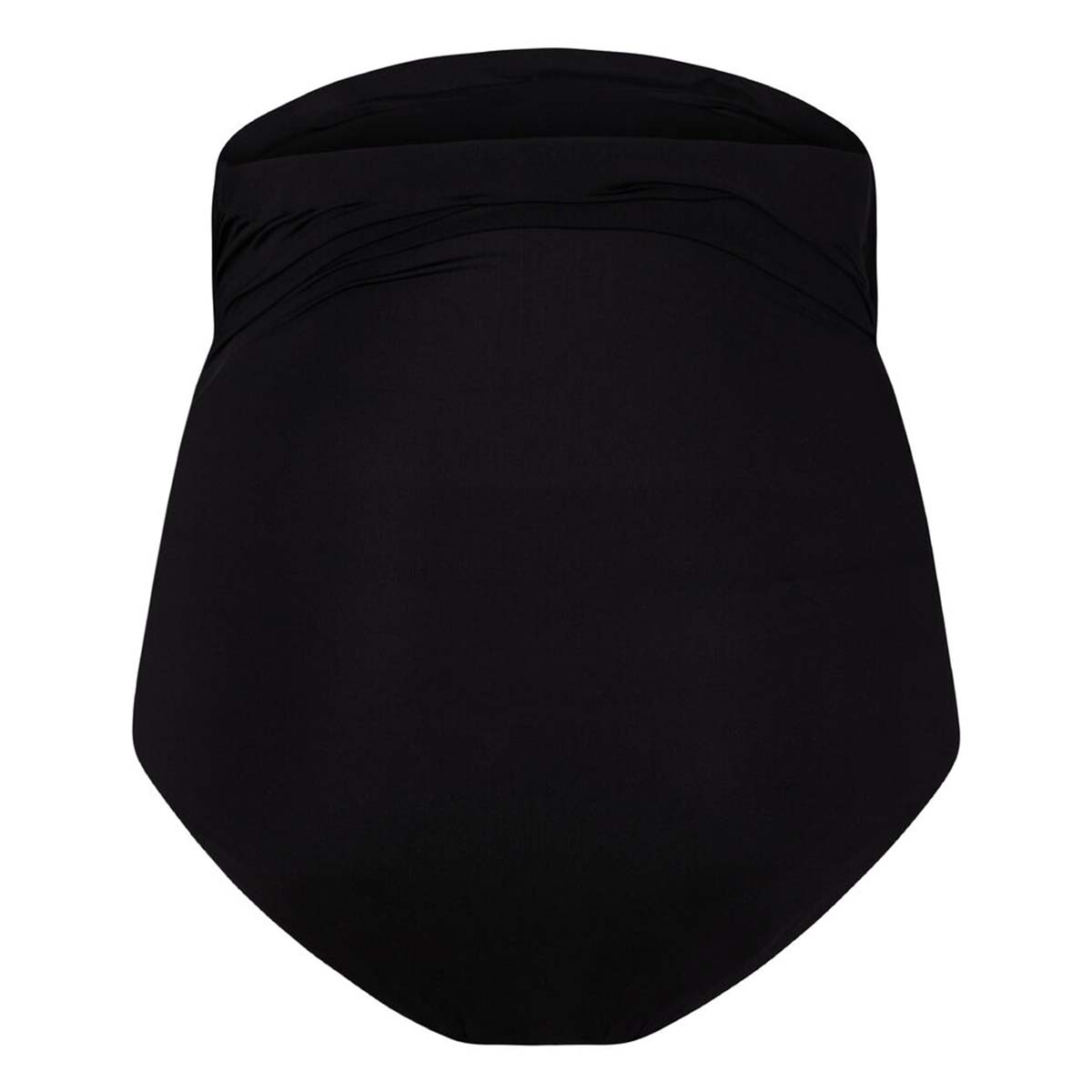
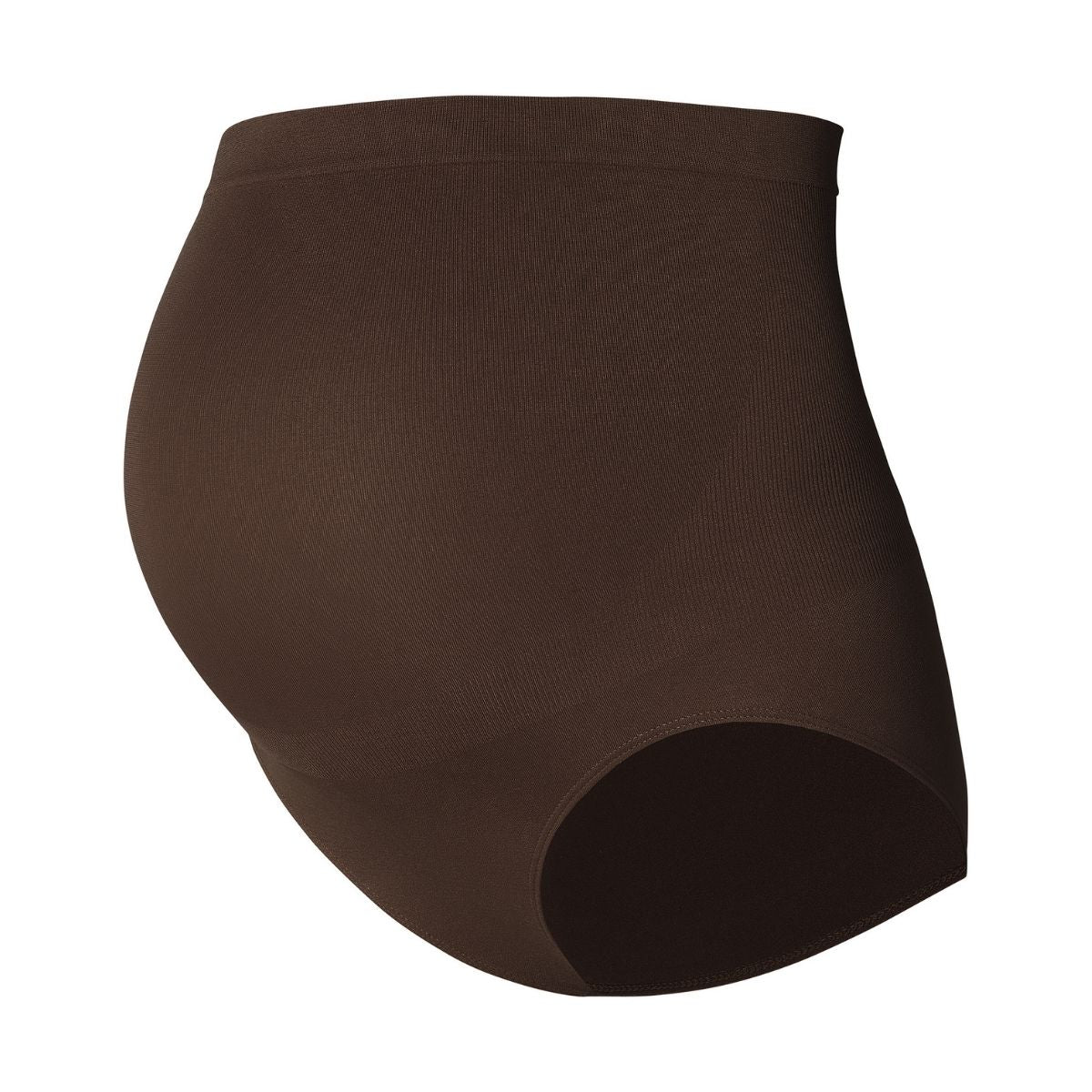
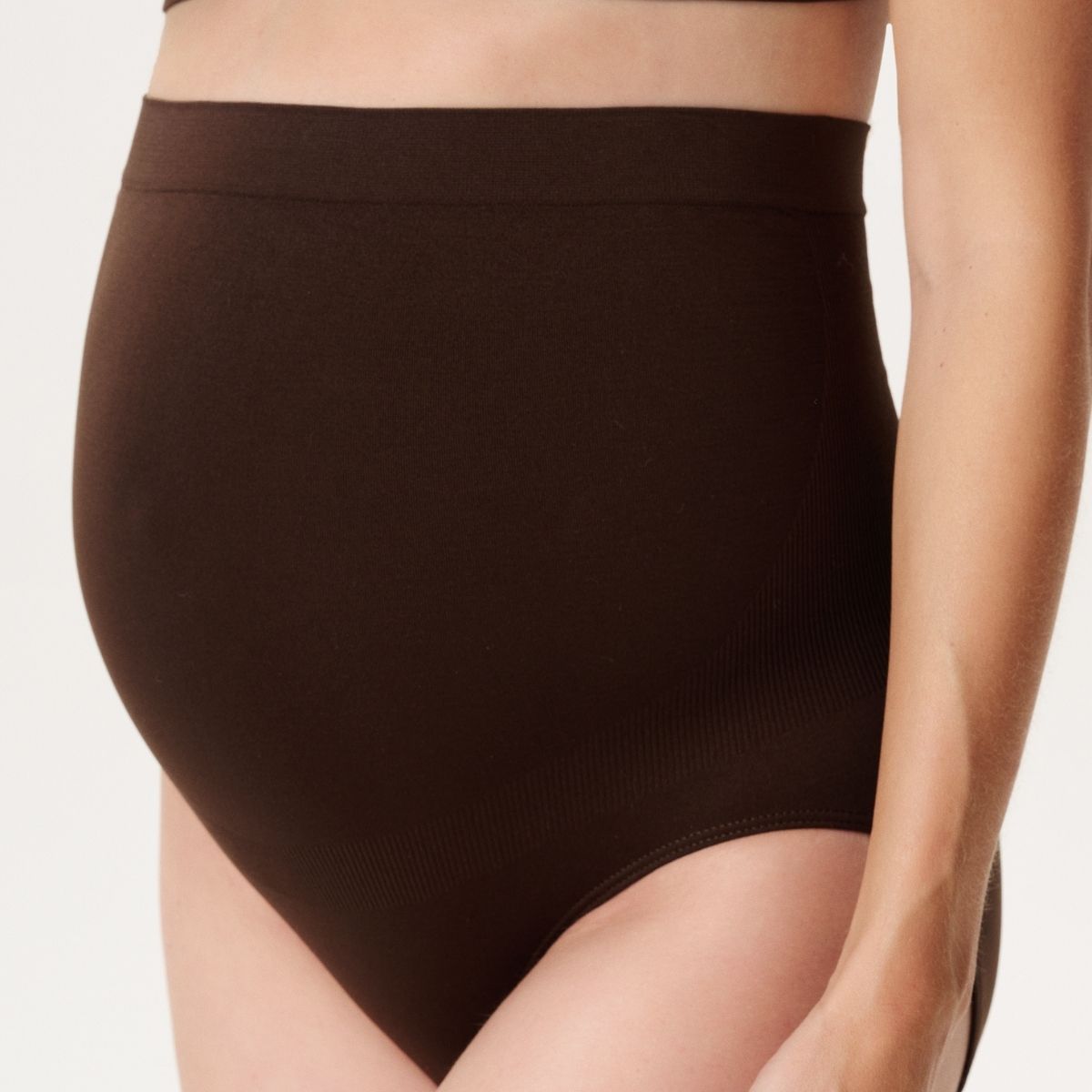
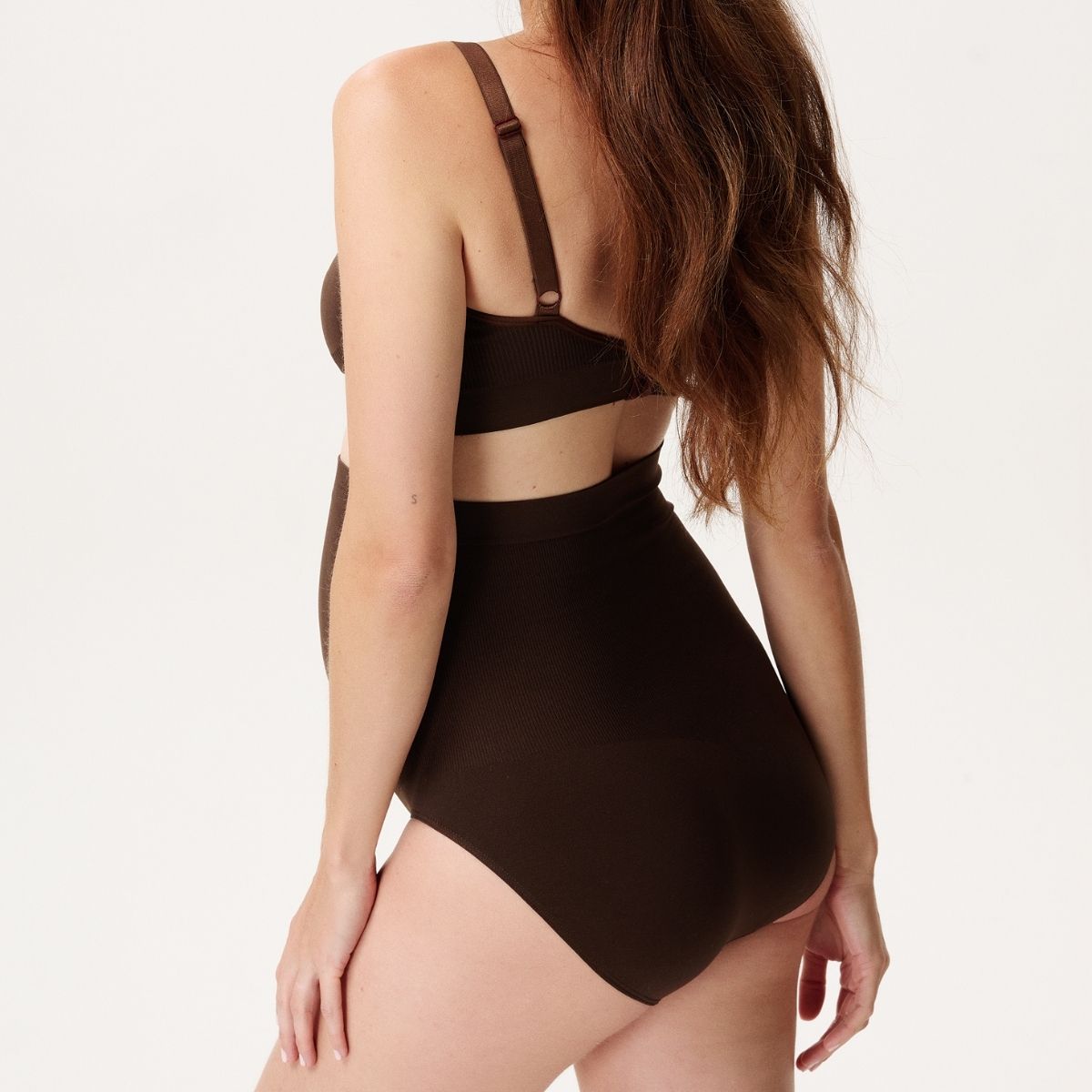
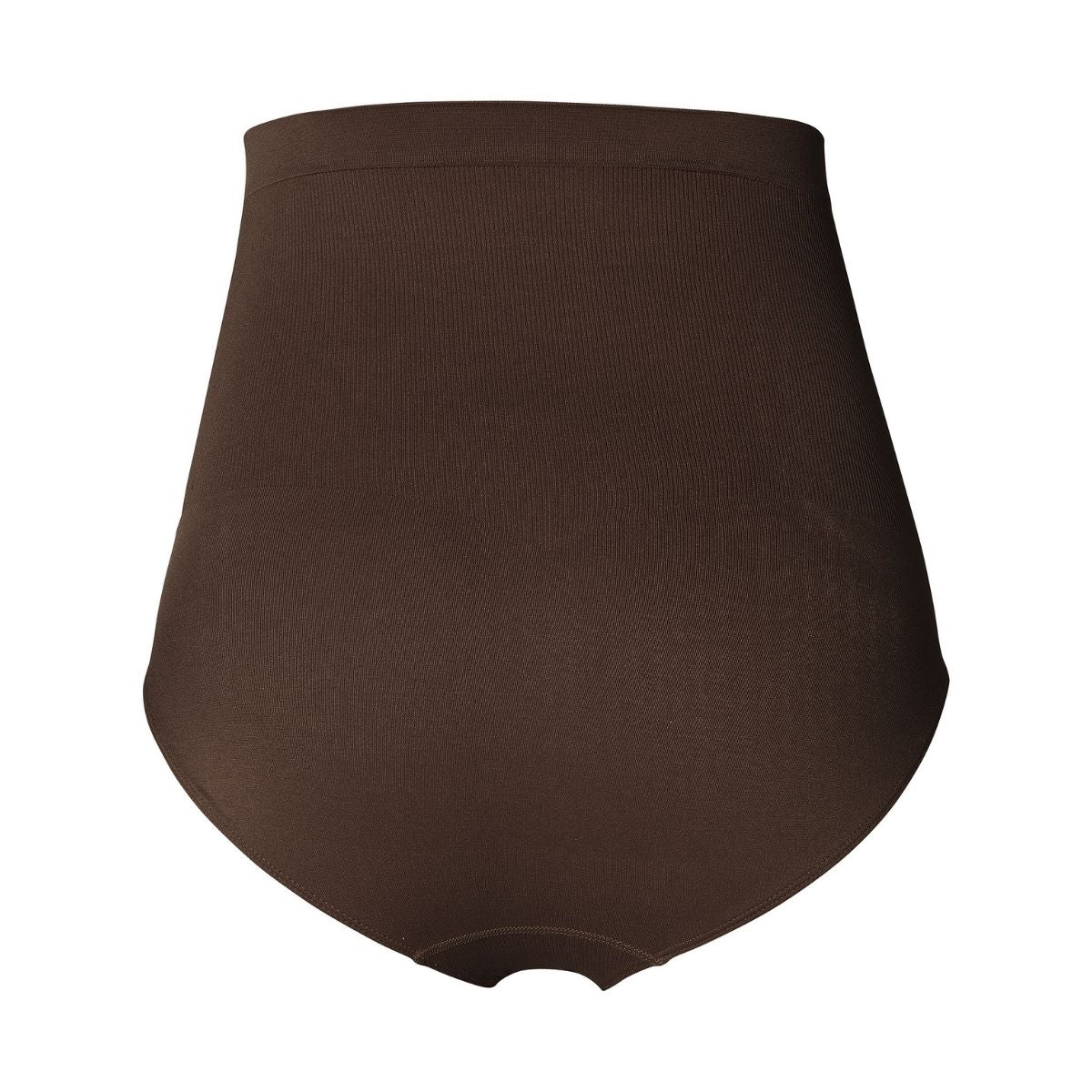
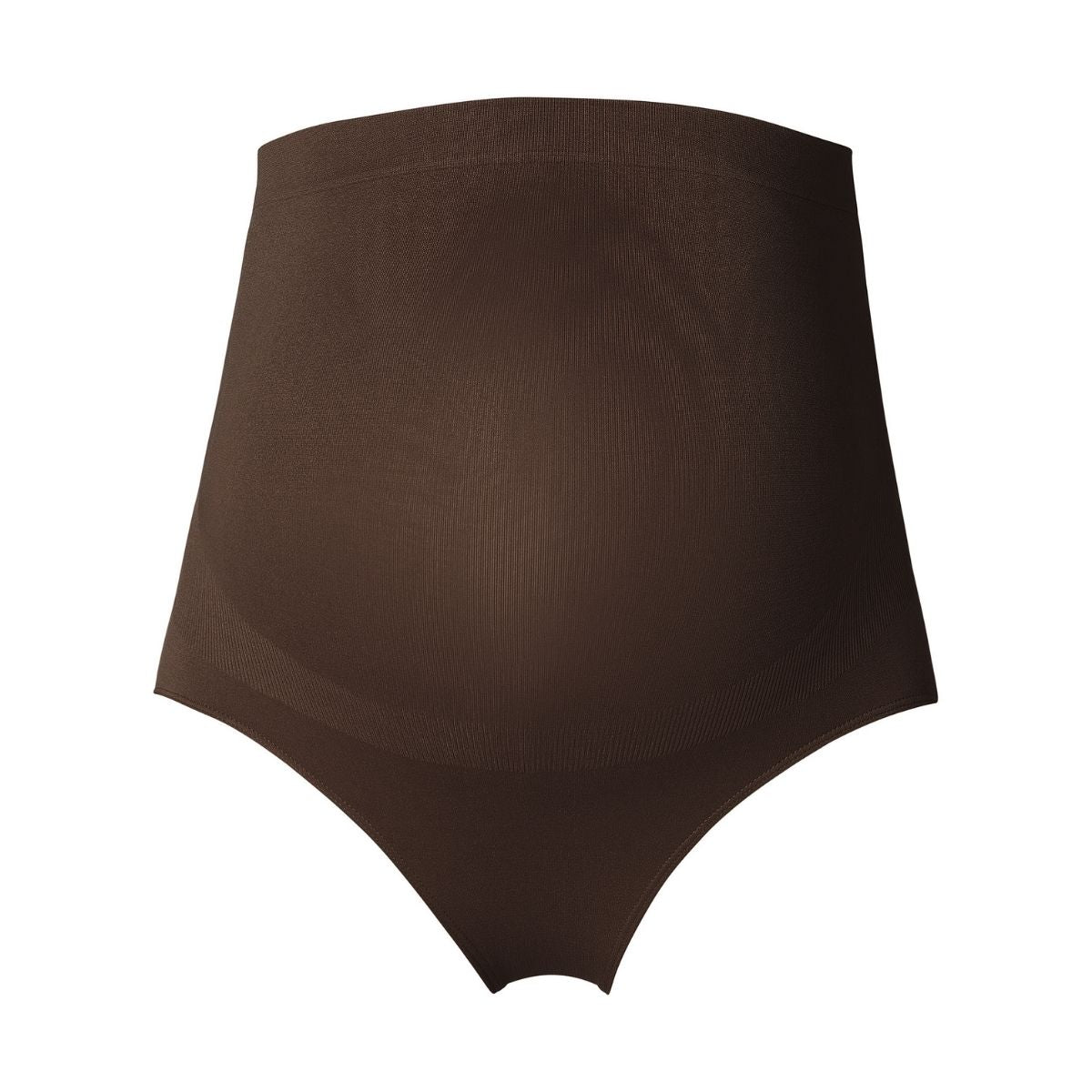
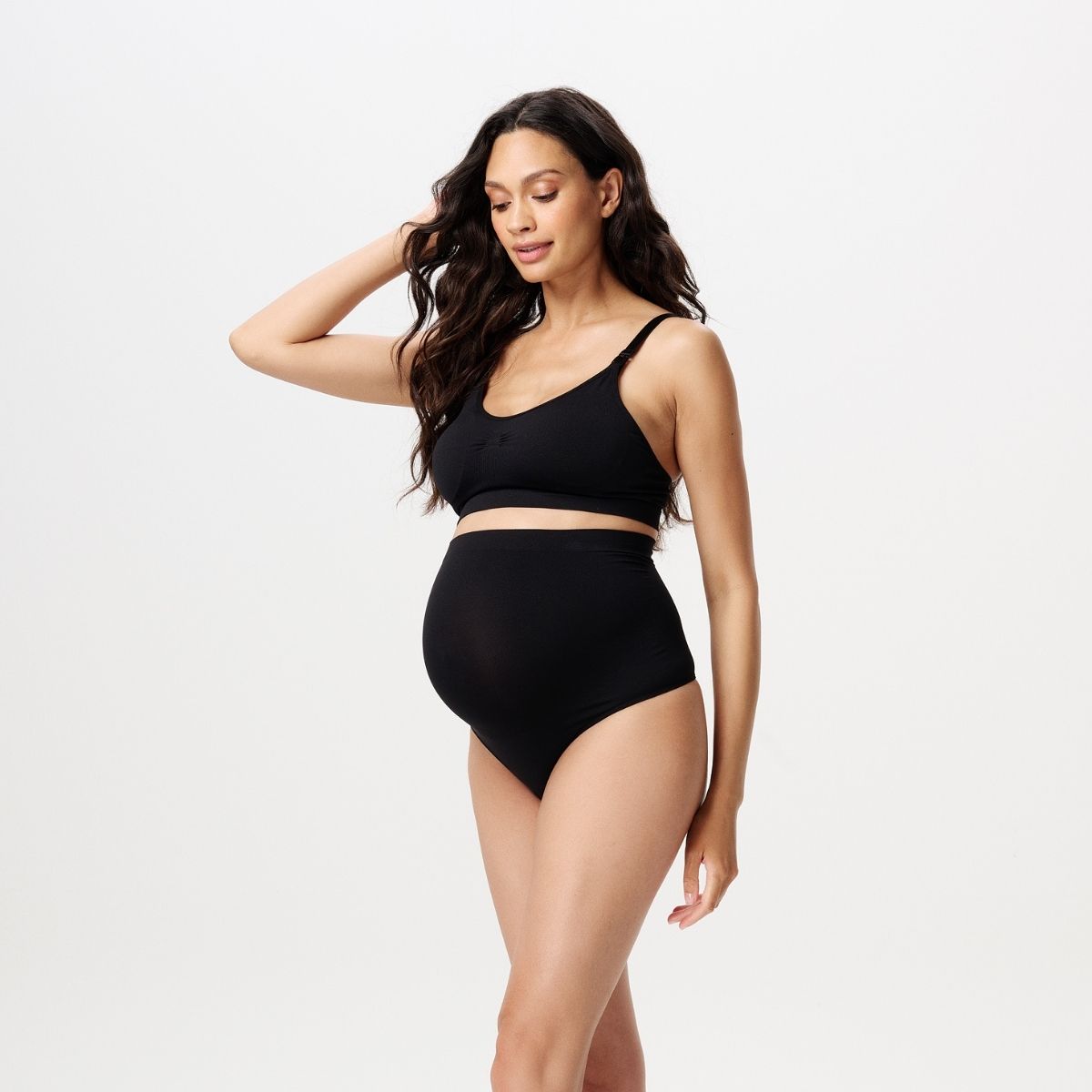
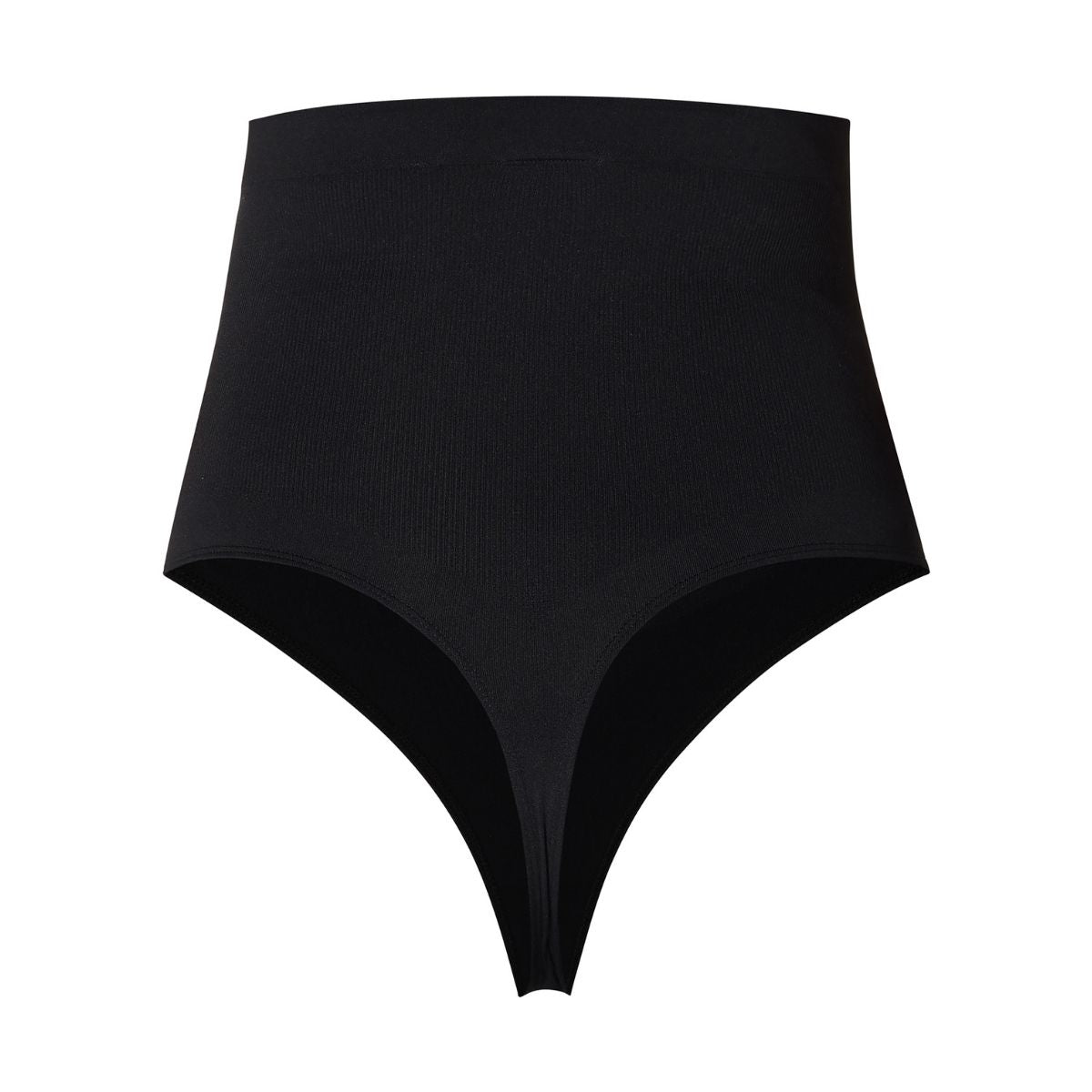
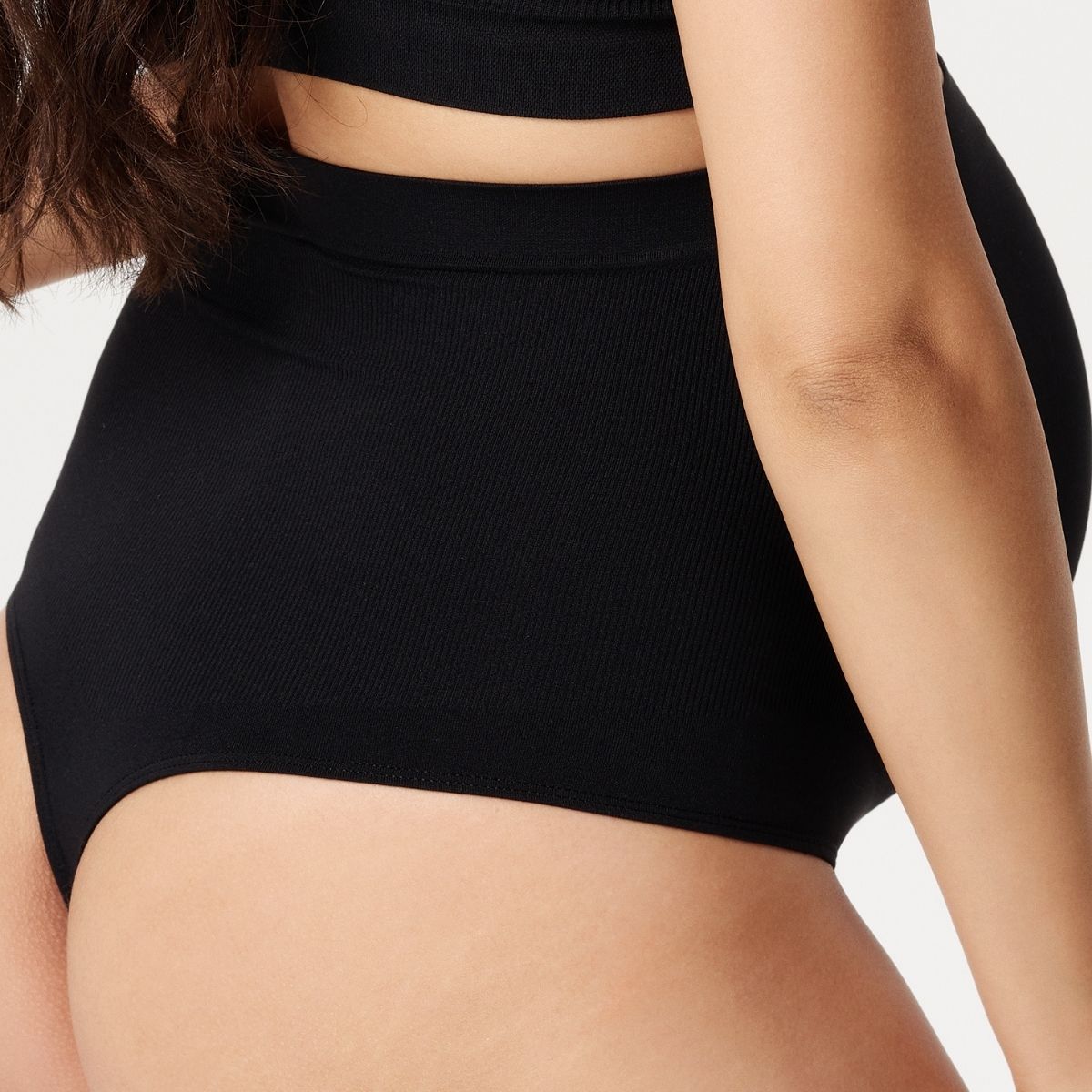
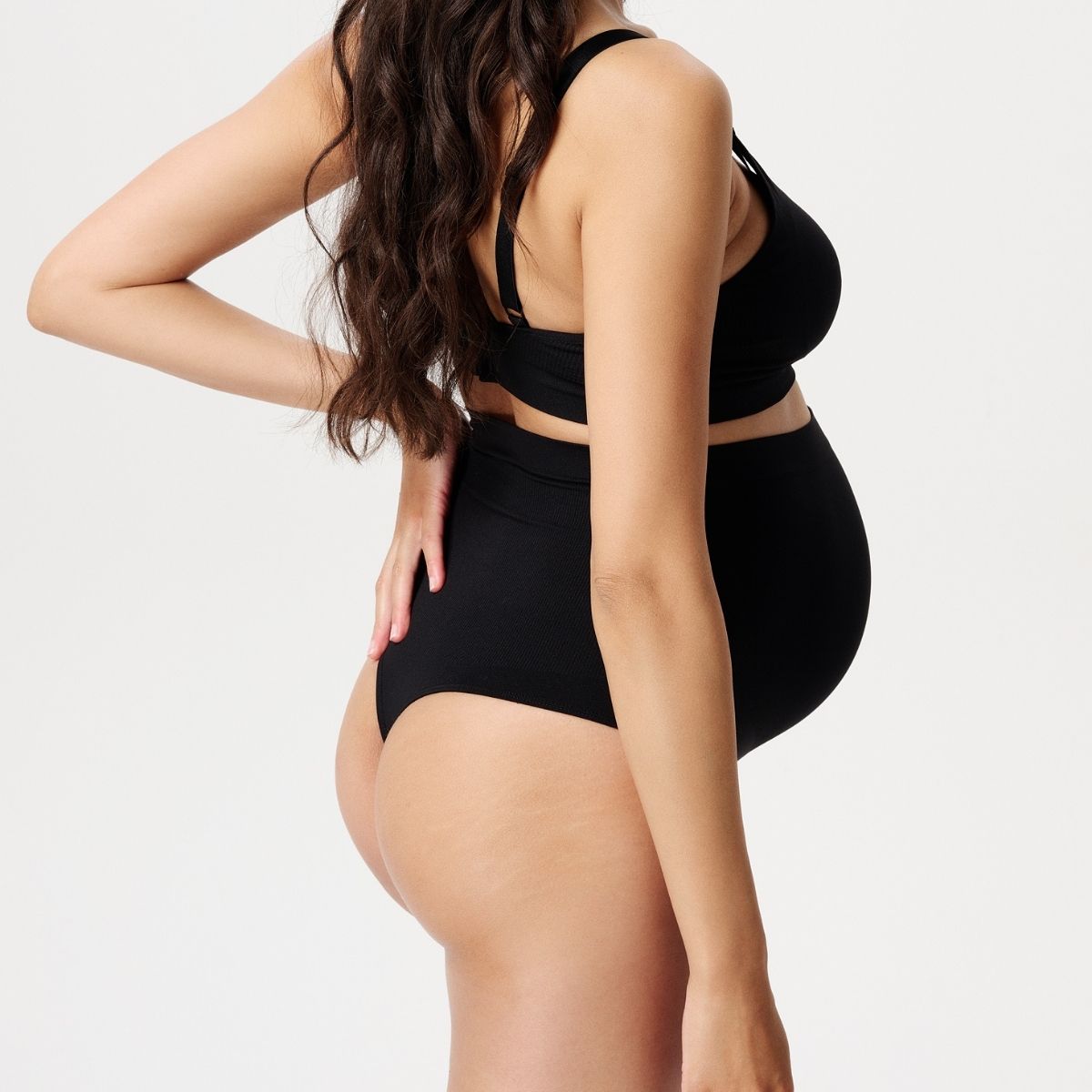
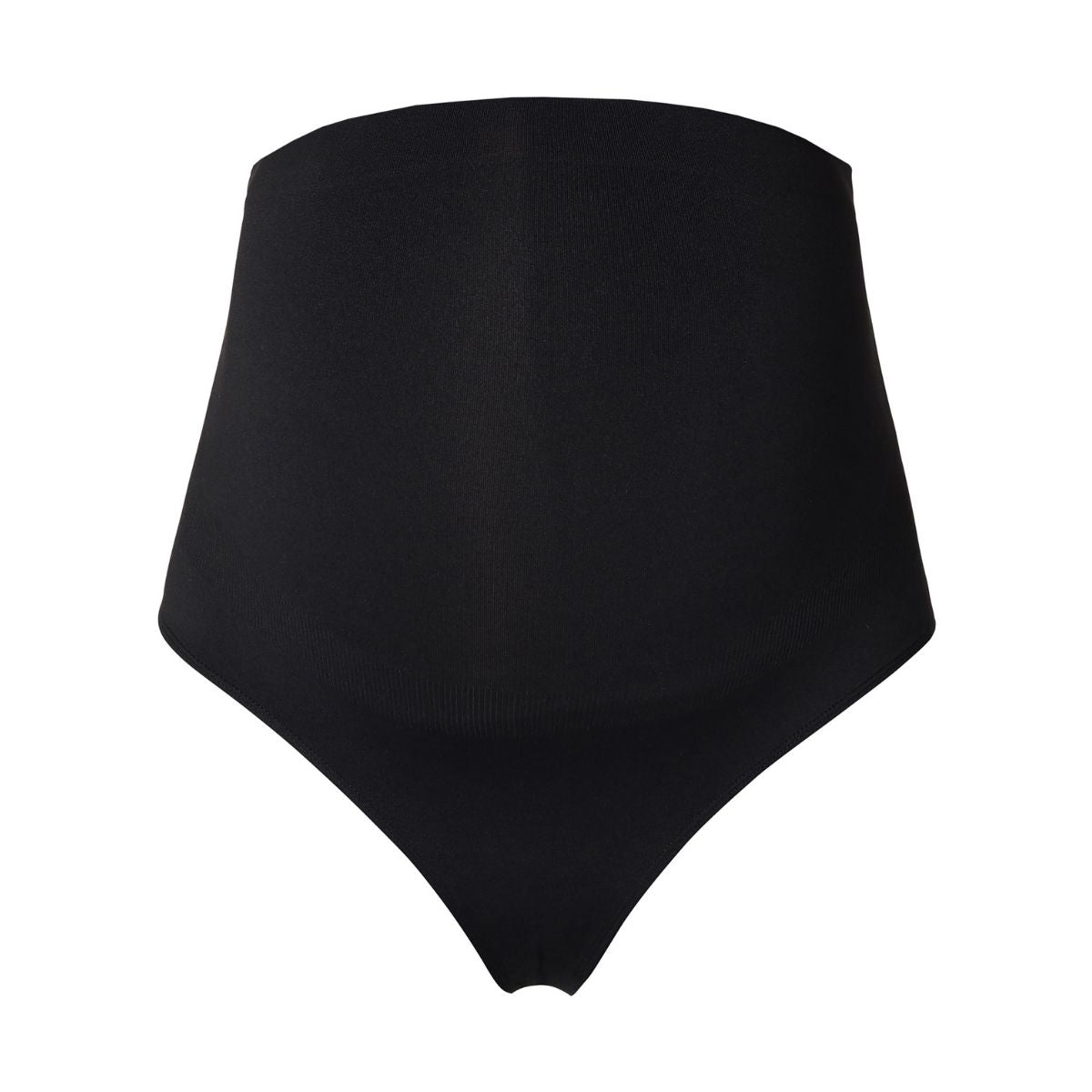
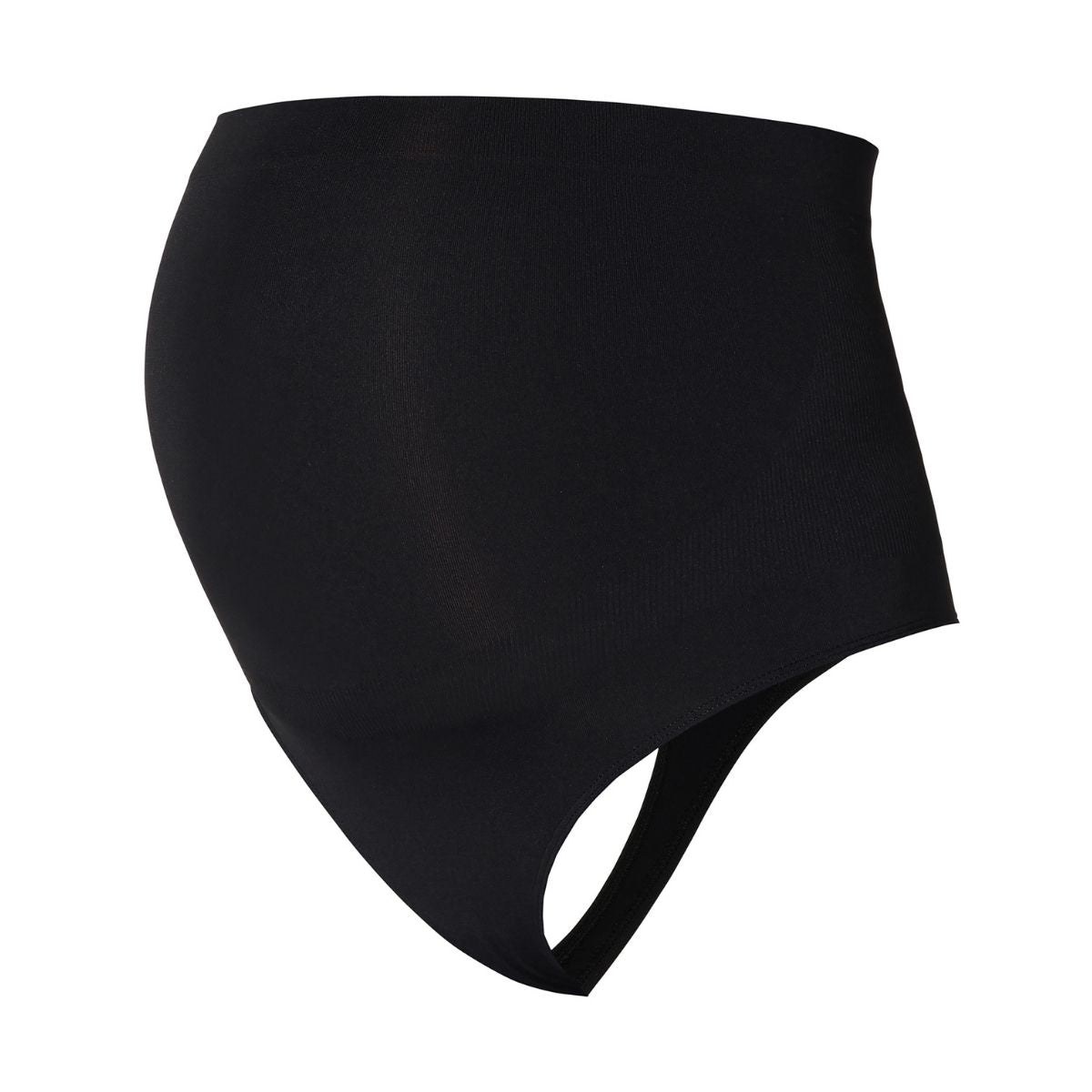
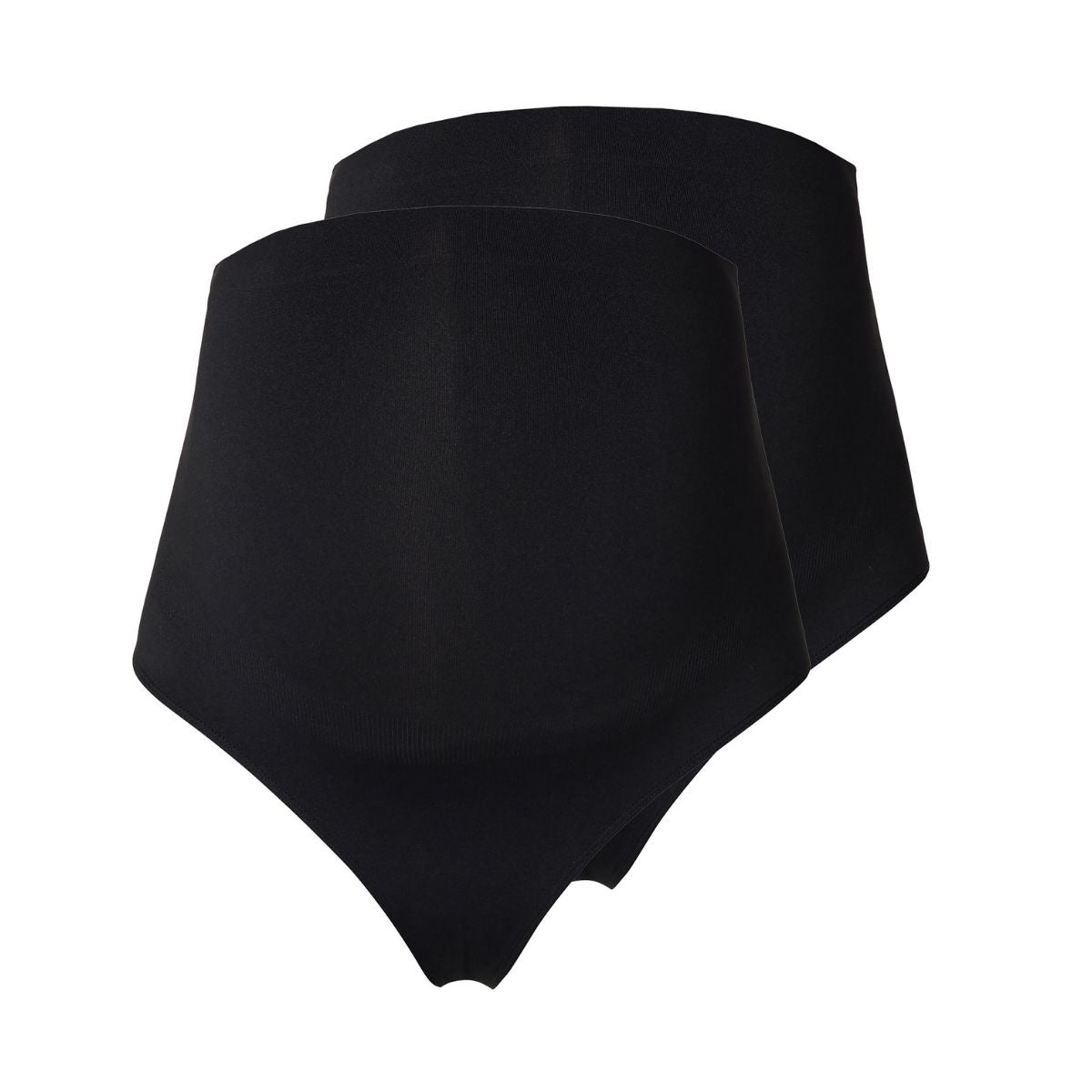
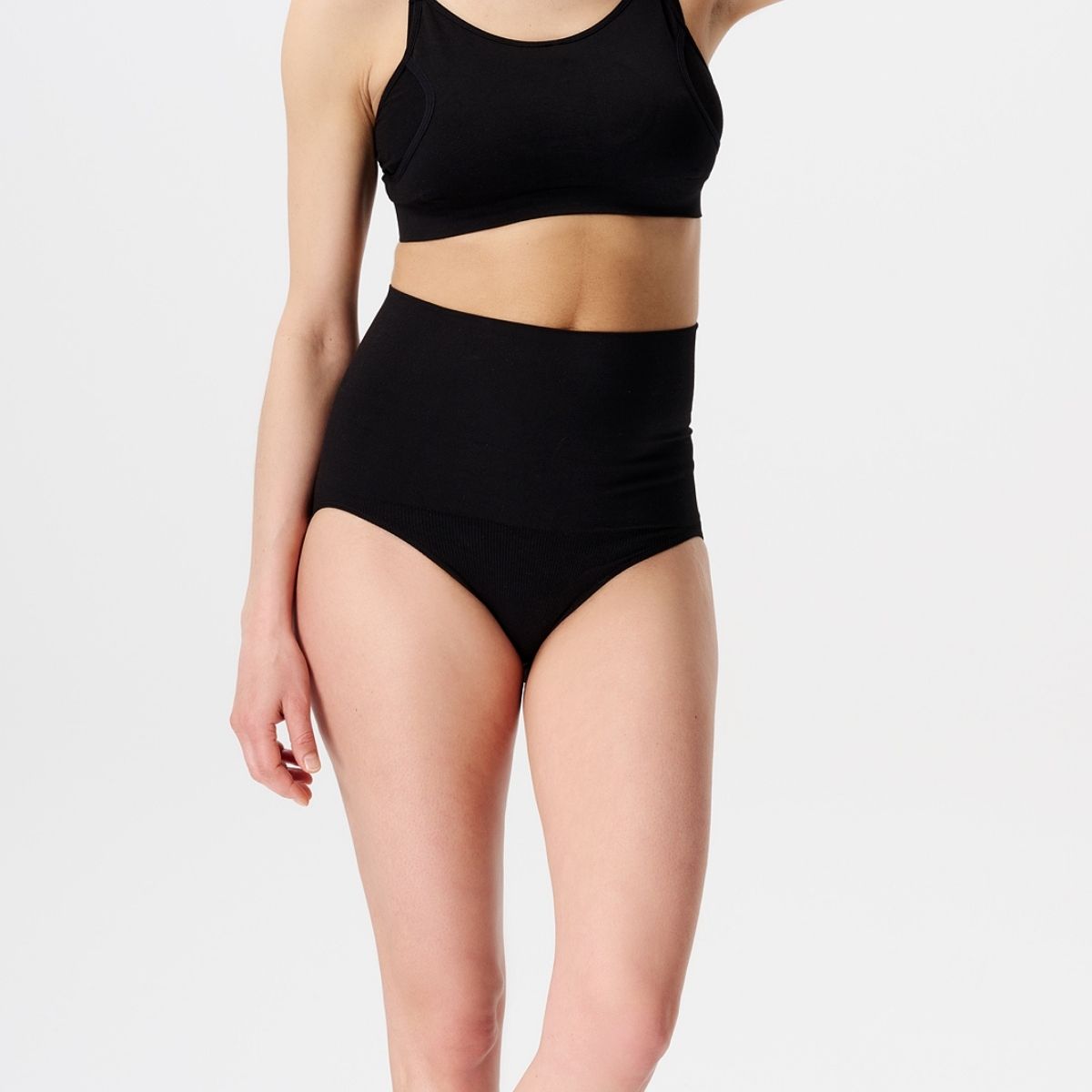
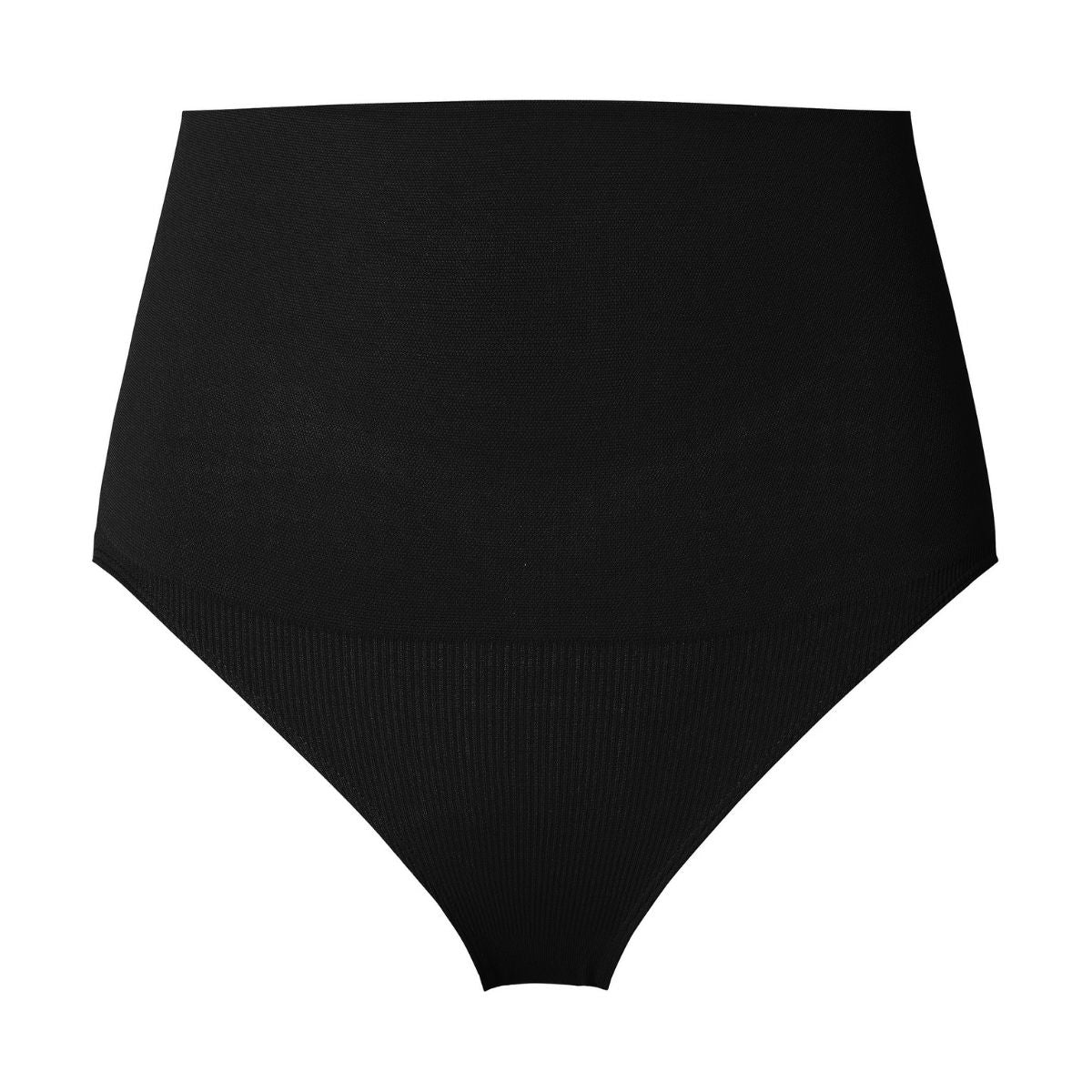
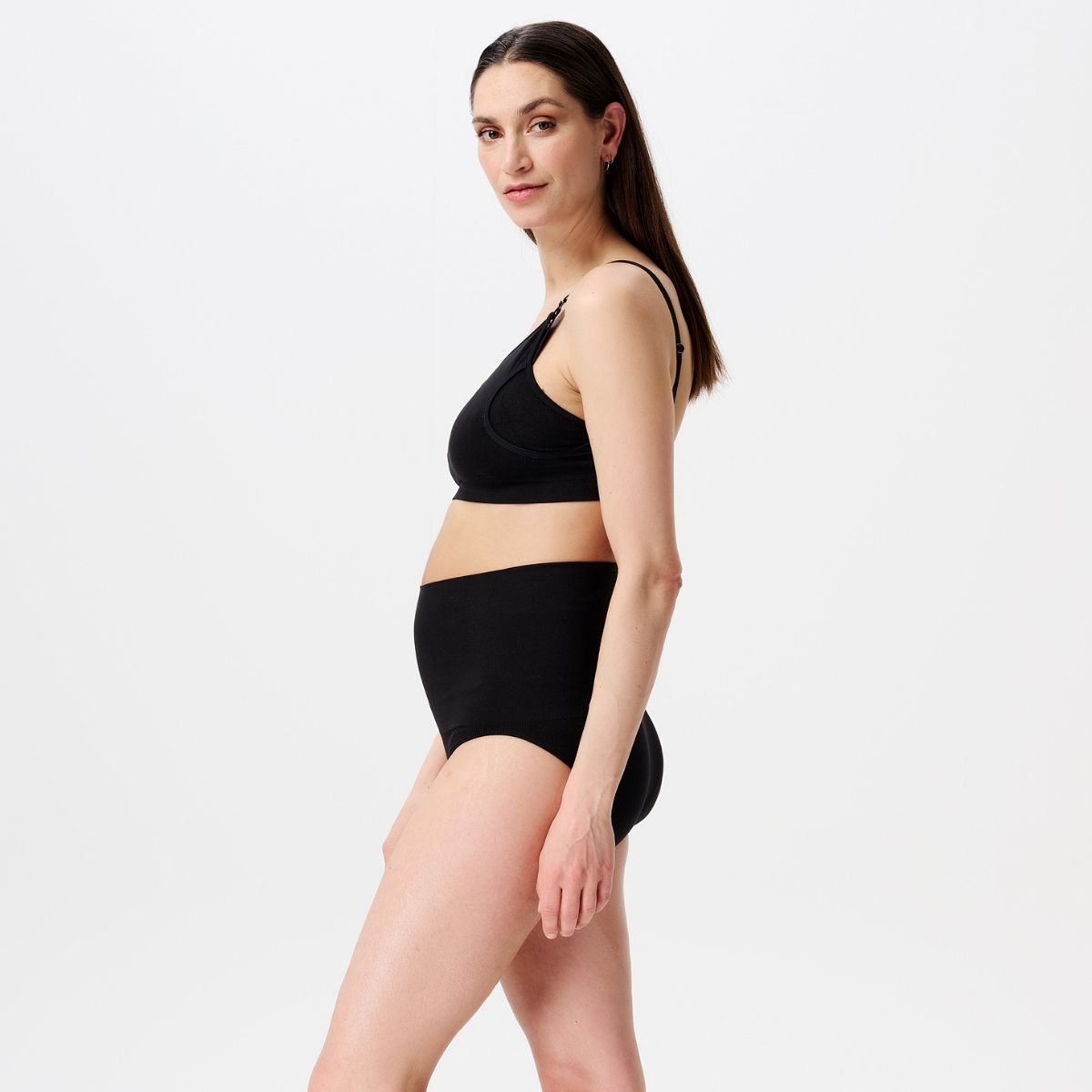
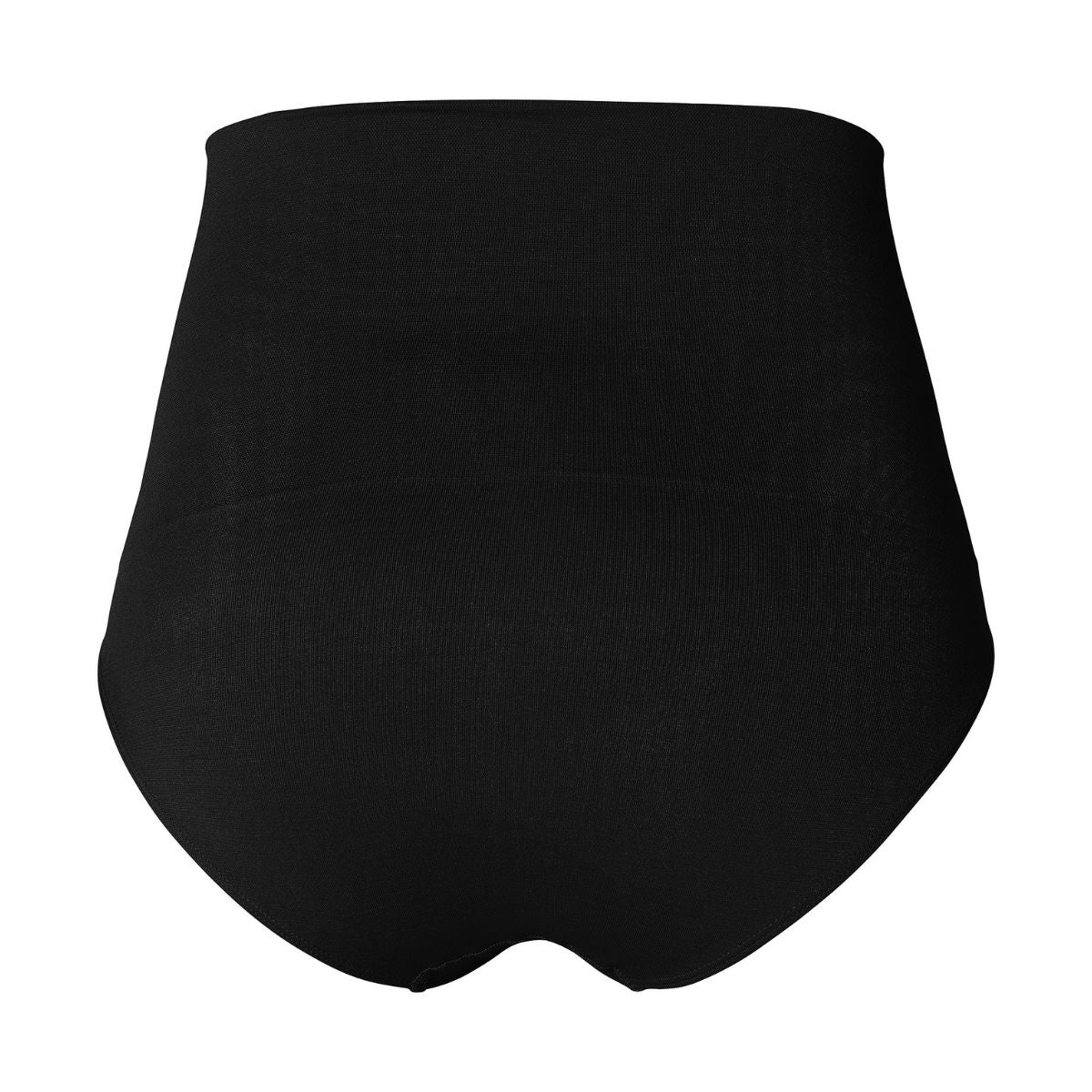
With maternity panties, the cut around your bump and hips is particularly worth considering. Styles designed to sit over the bump are constructed differently from those that sit underneath it. The leg openings and the amount of coverage can also influence which style you prefer. Rather than relying on the product name alone, it is worth looking more closely at these differences.
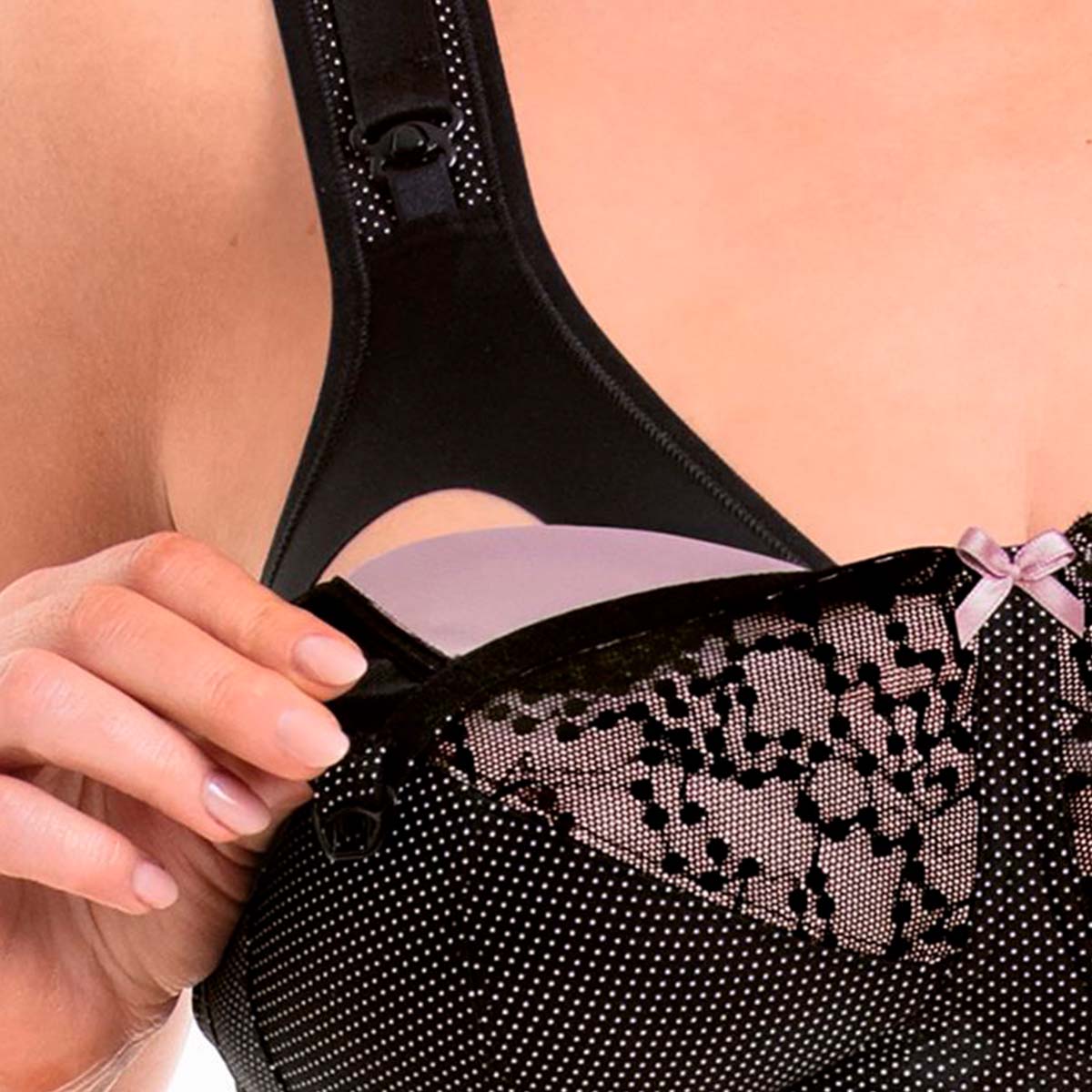
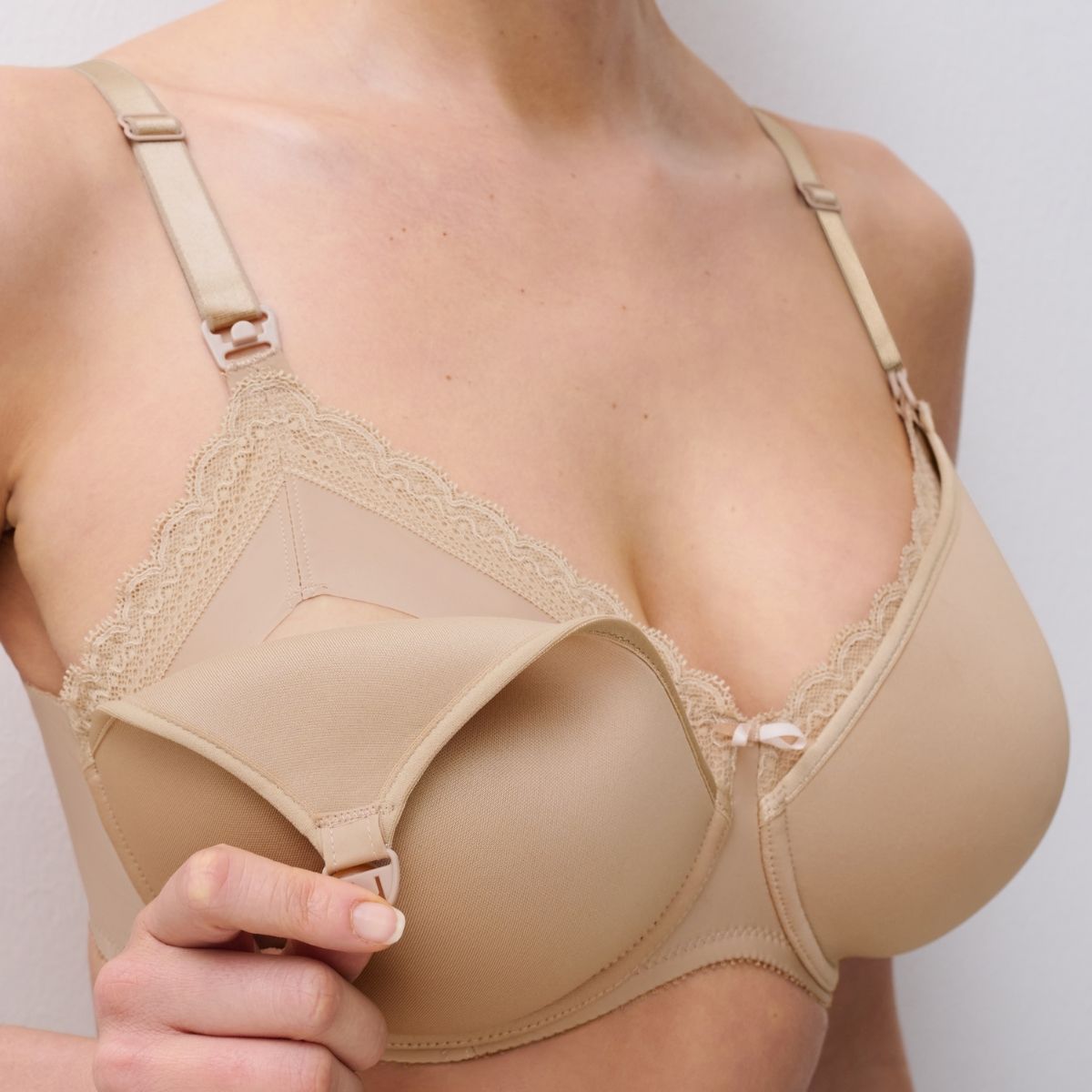
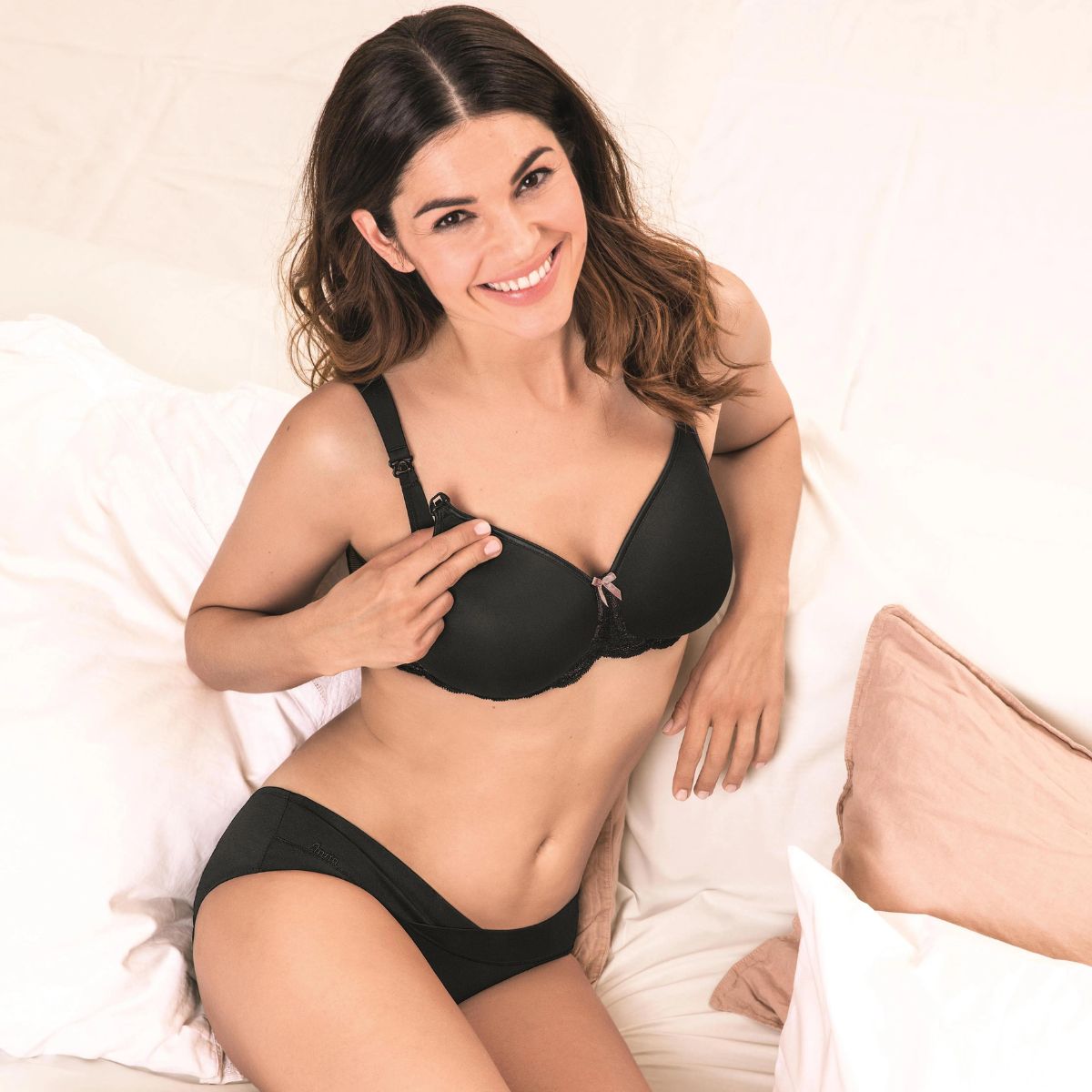
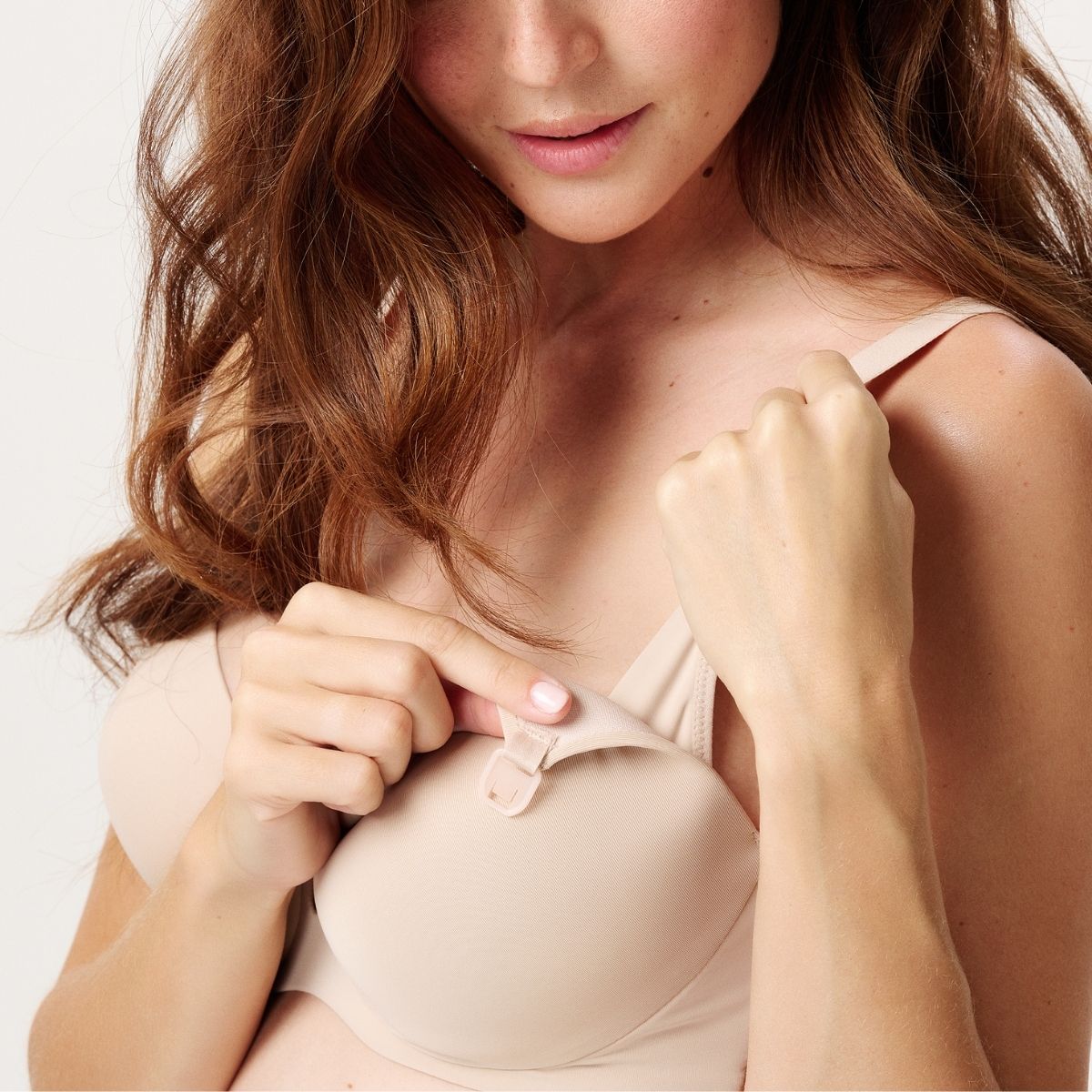
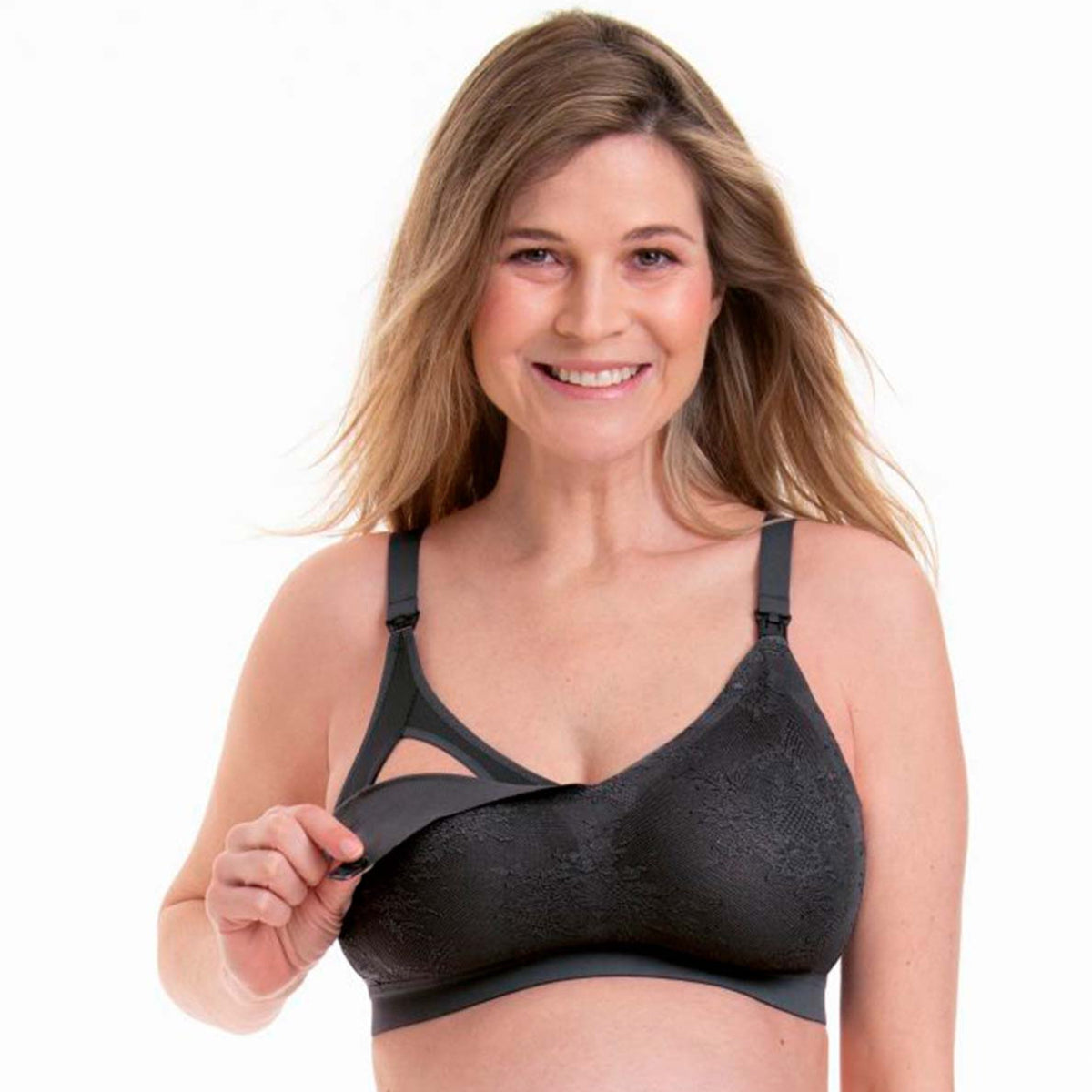
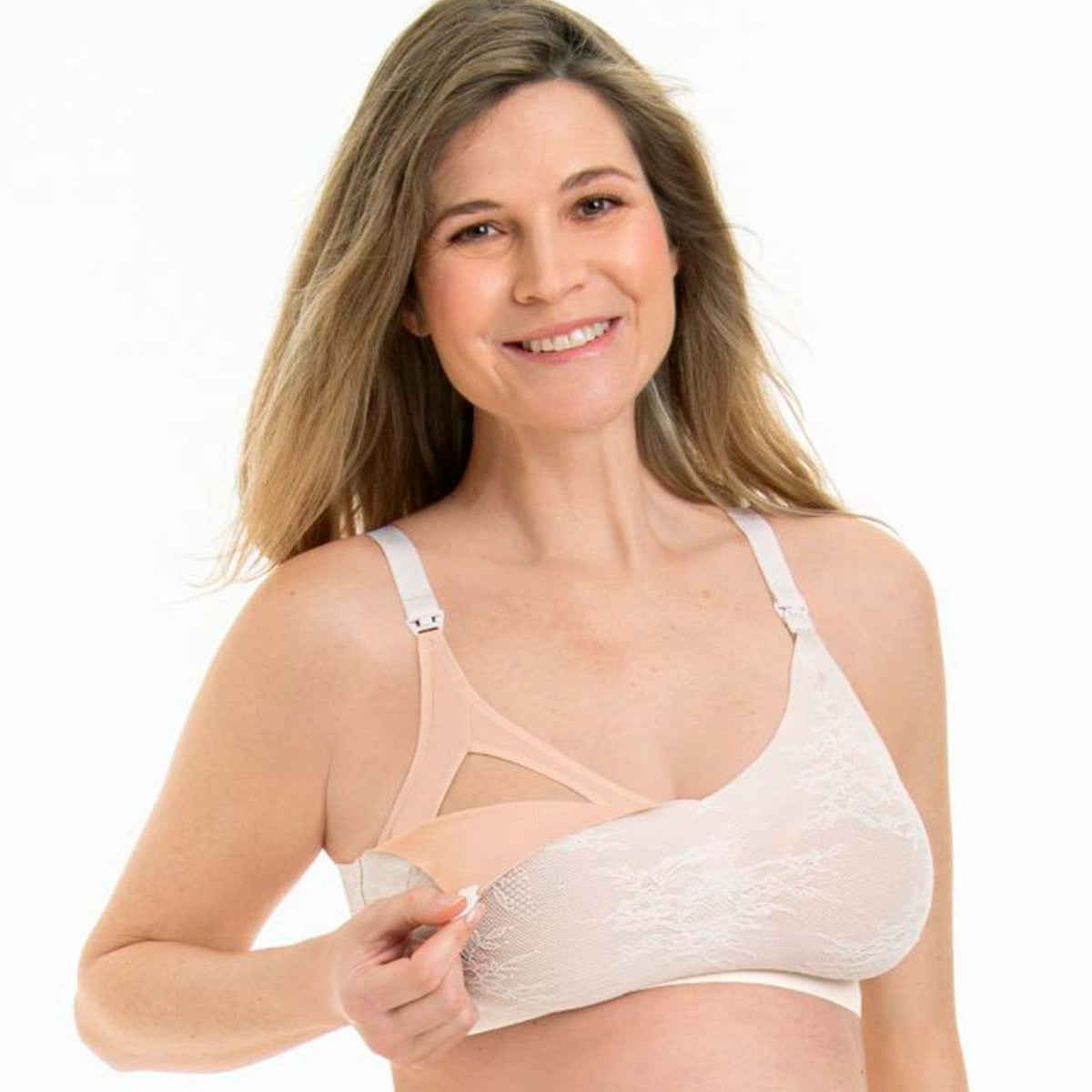
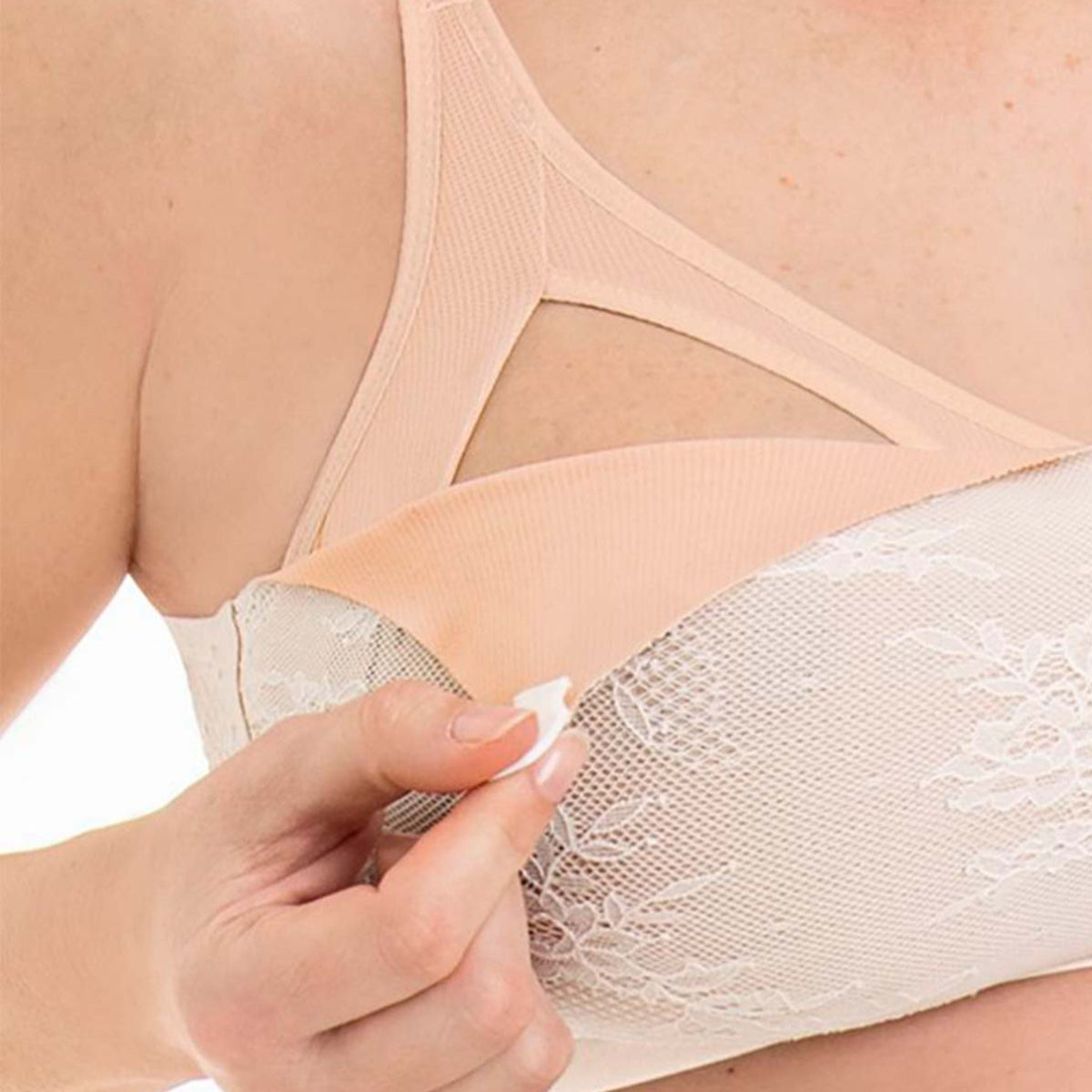
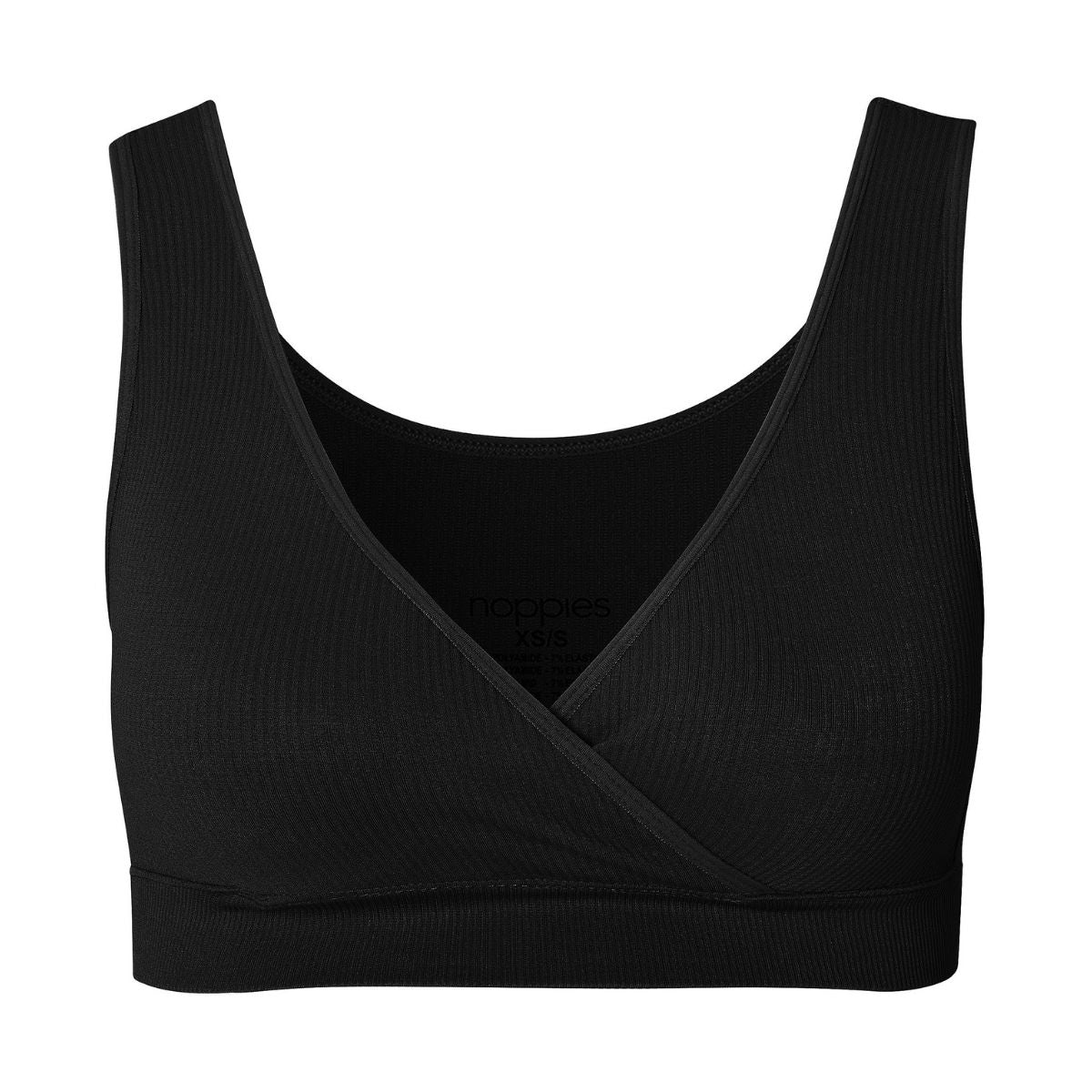
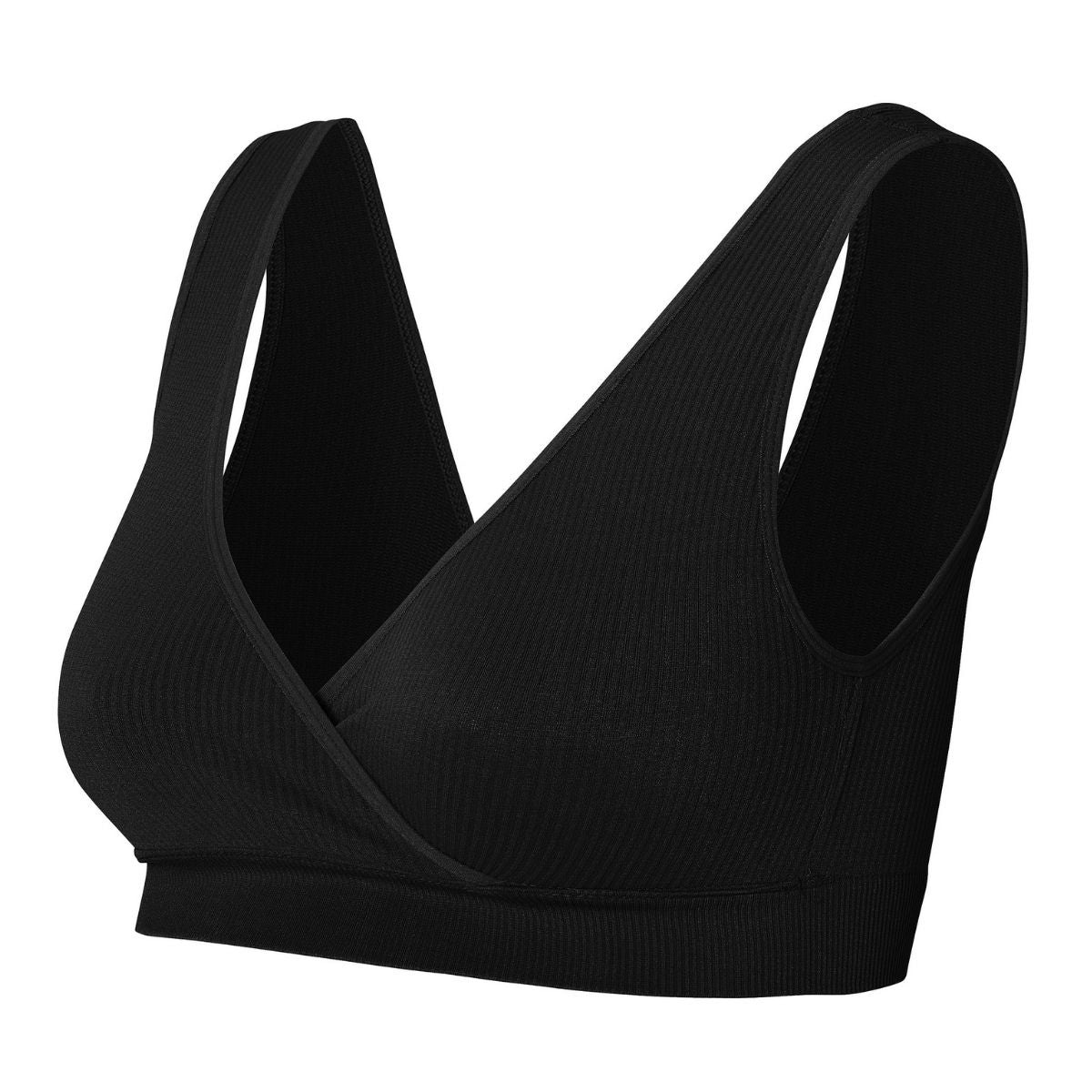
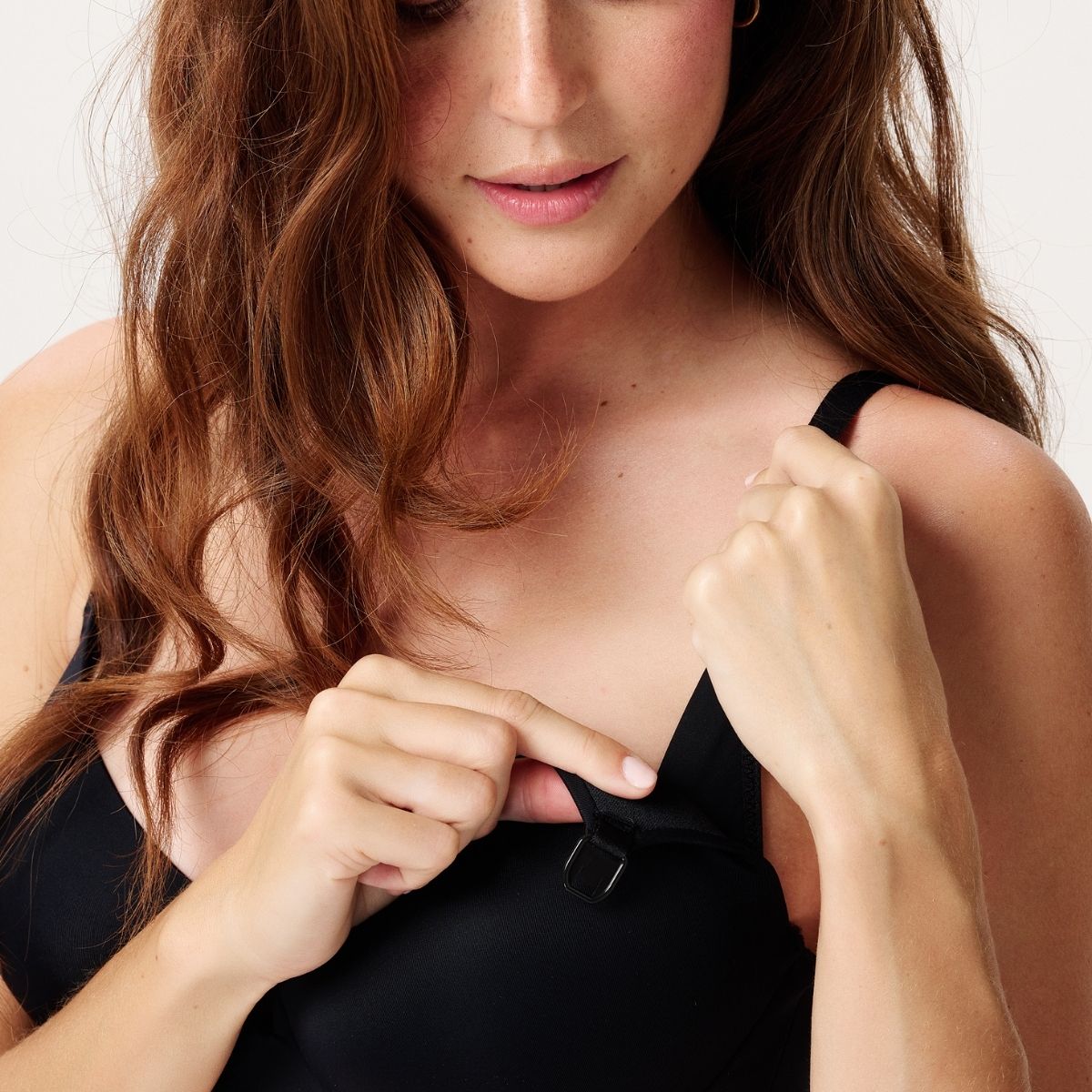
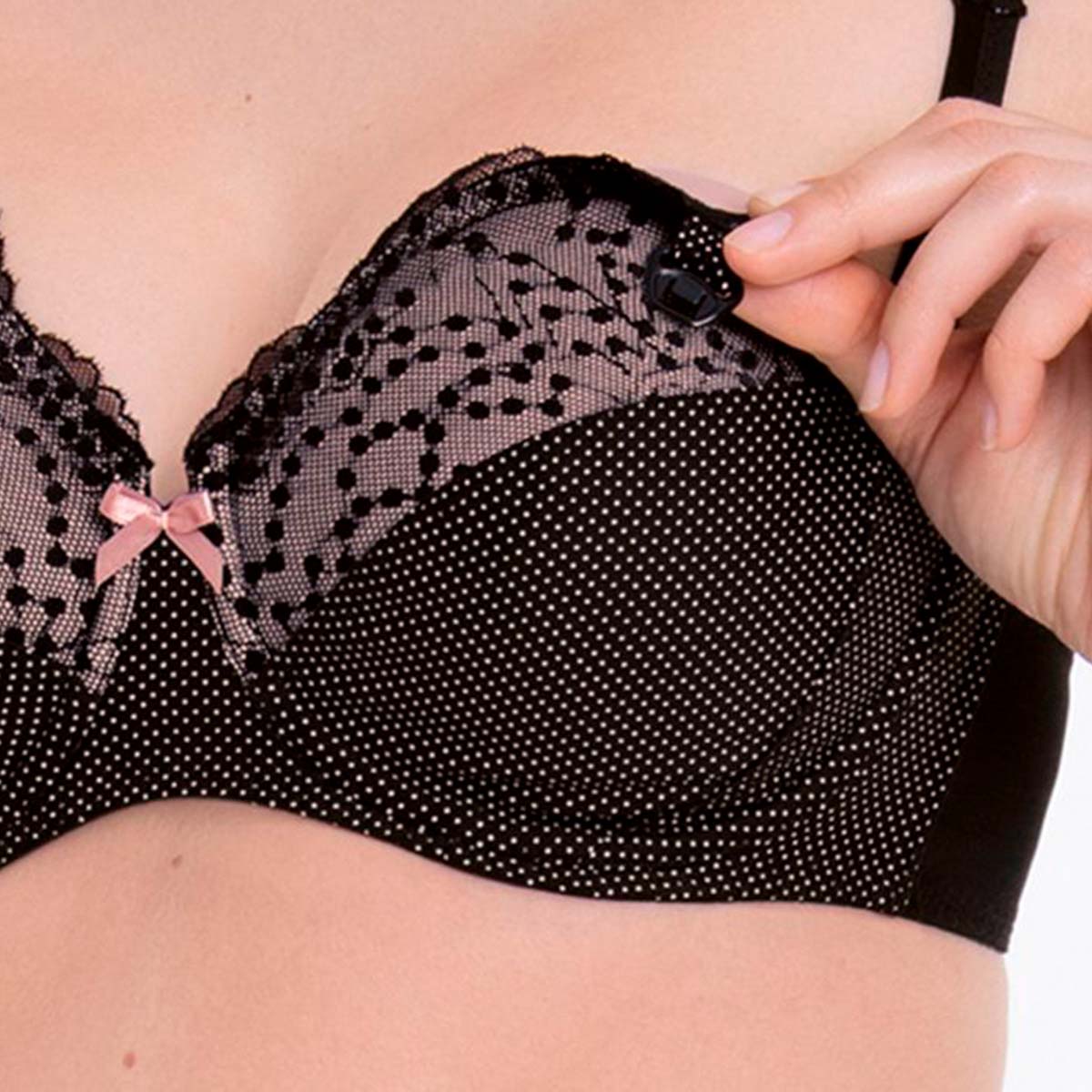
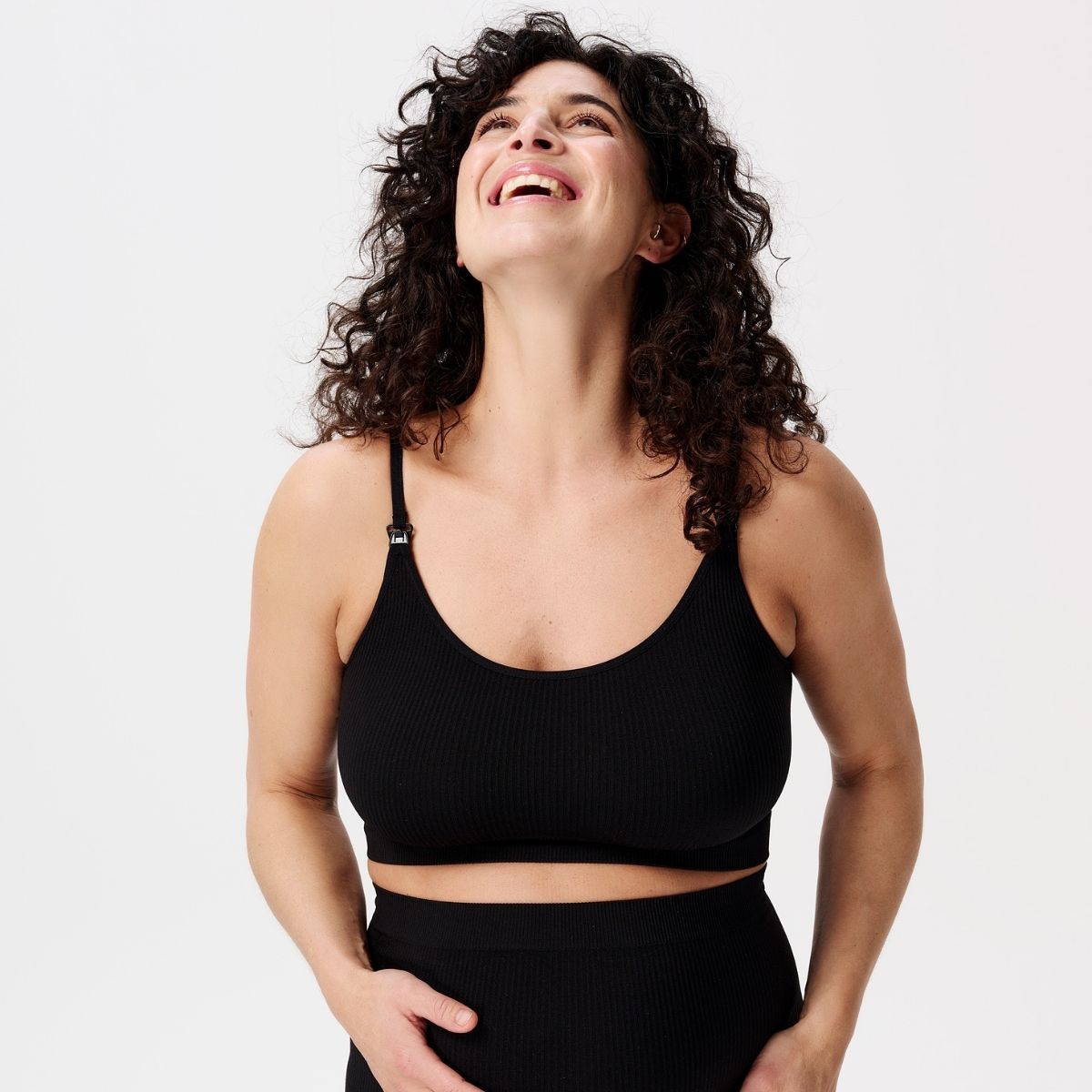
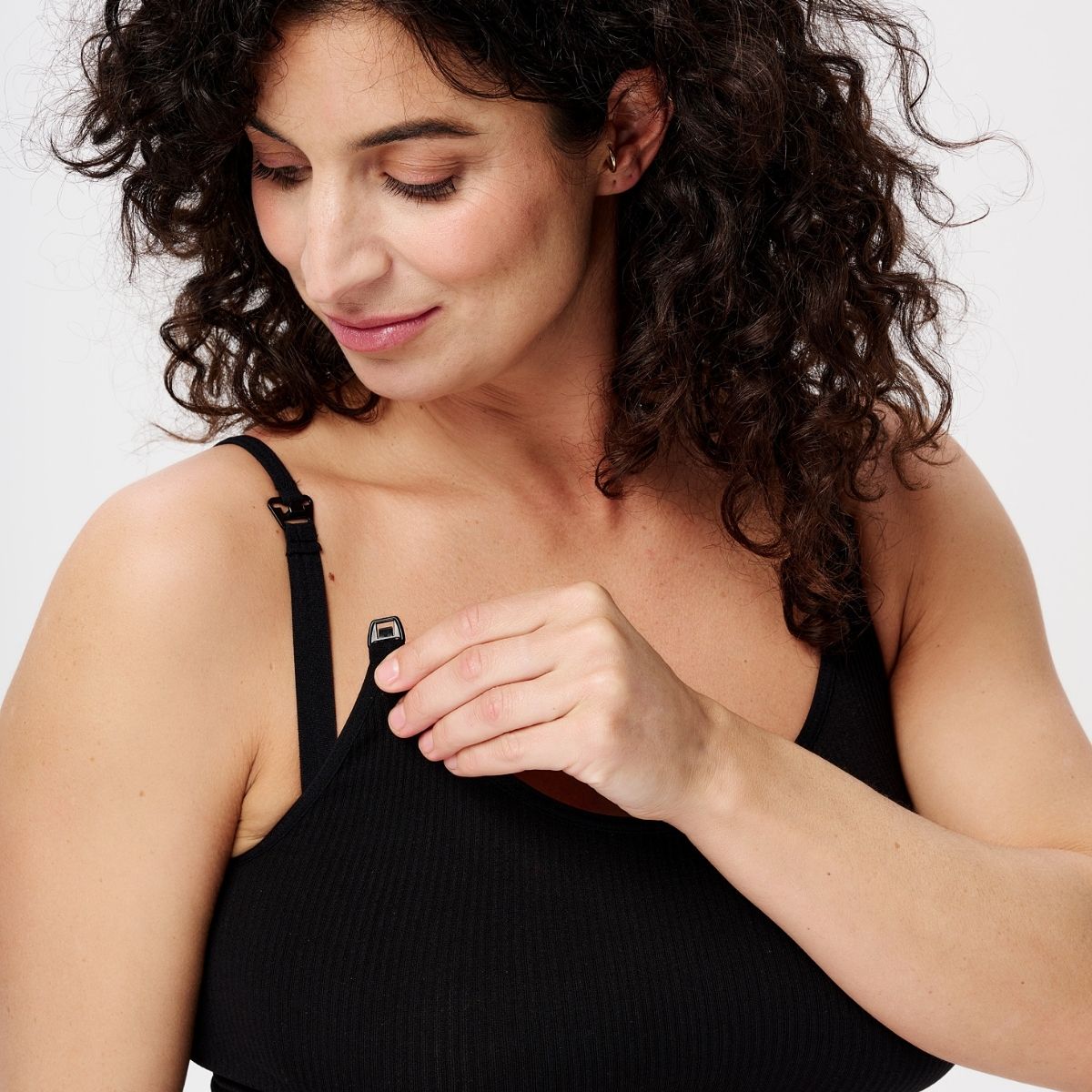
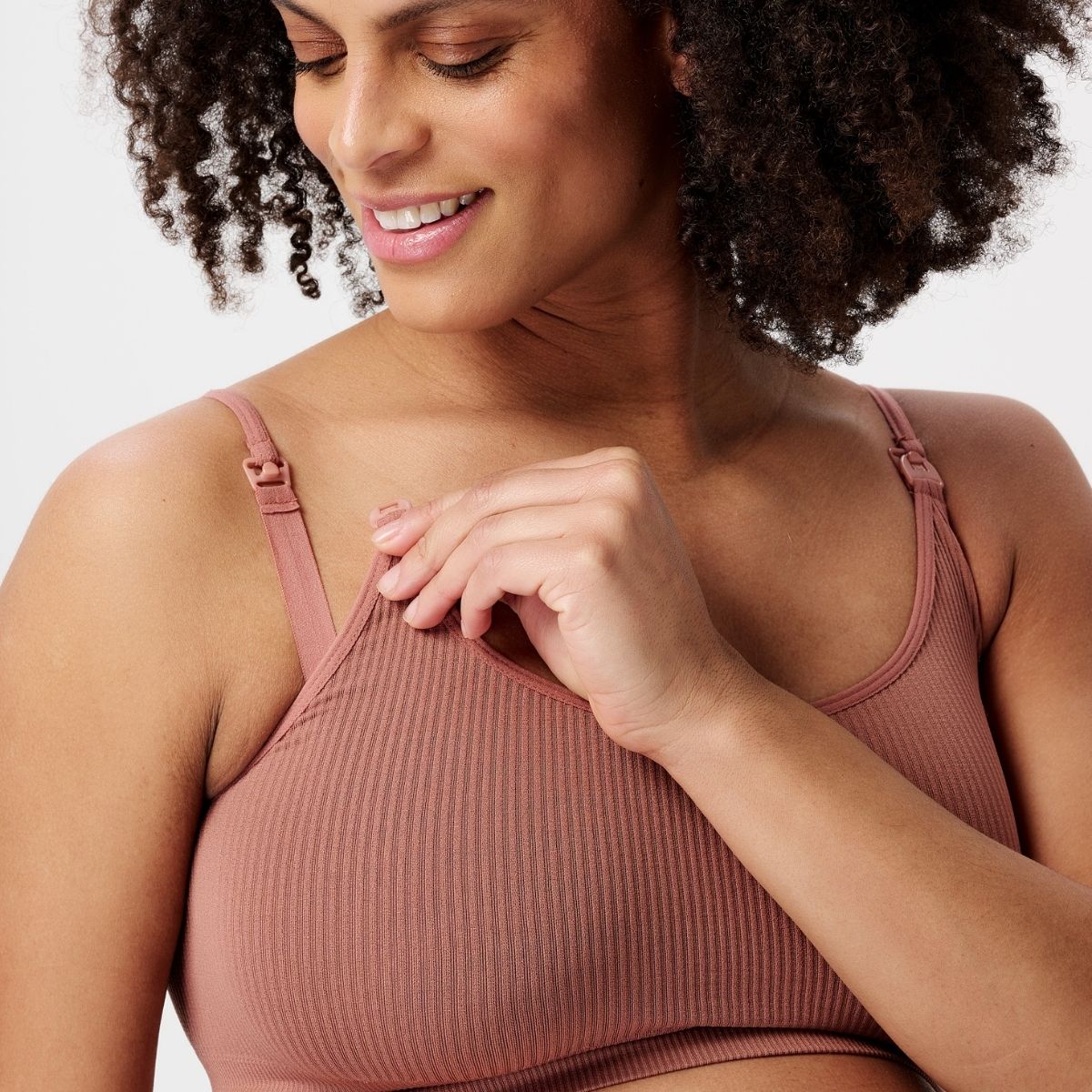
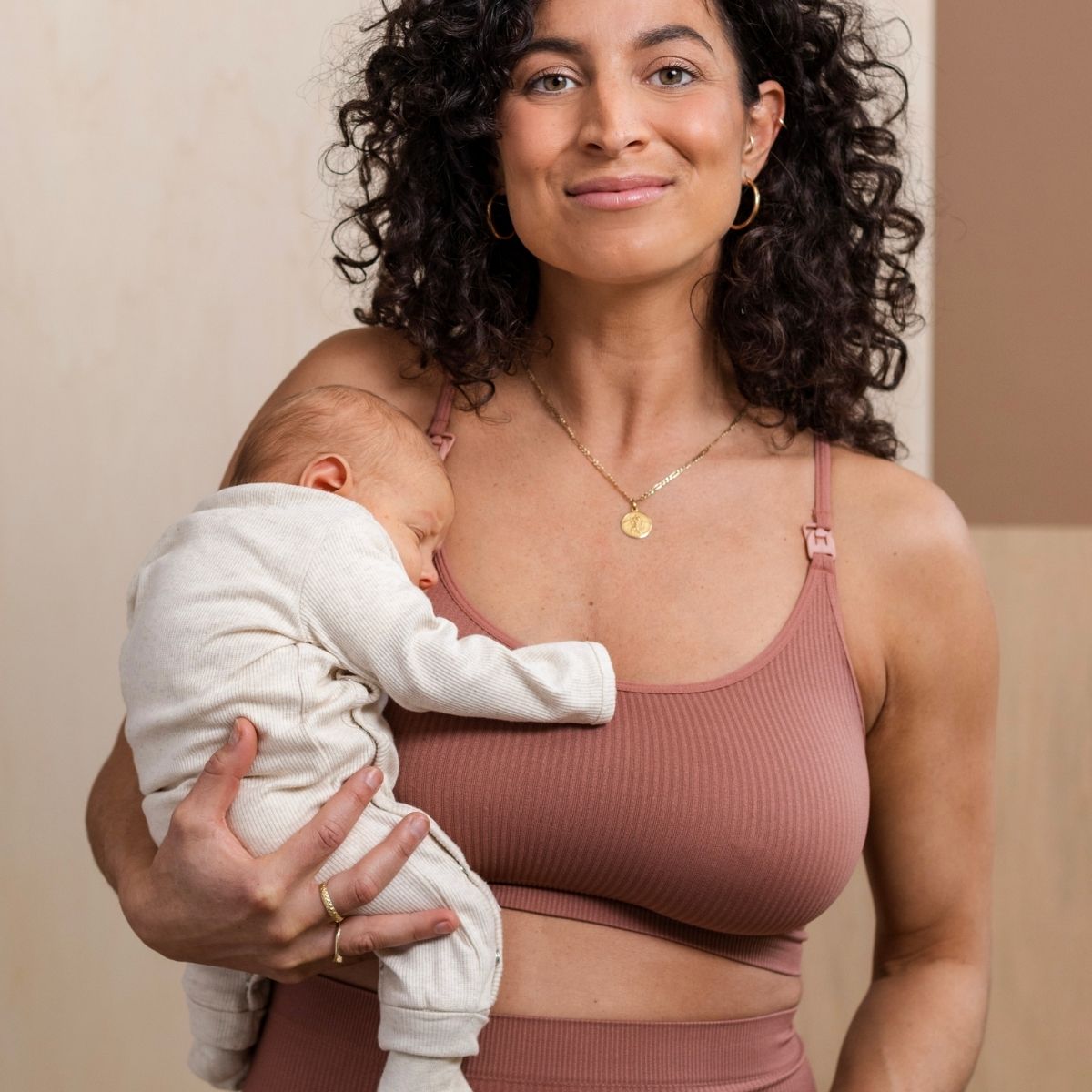
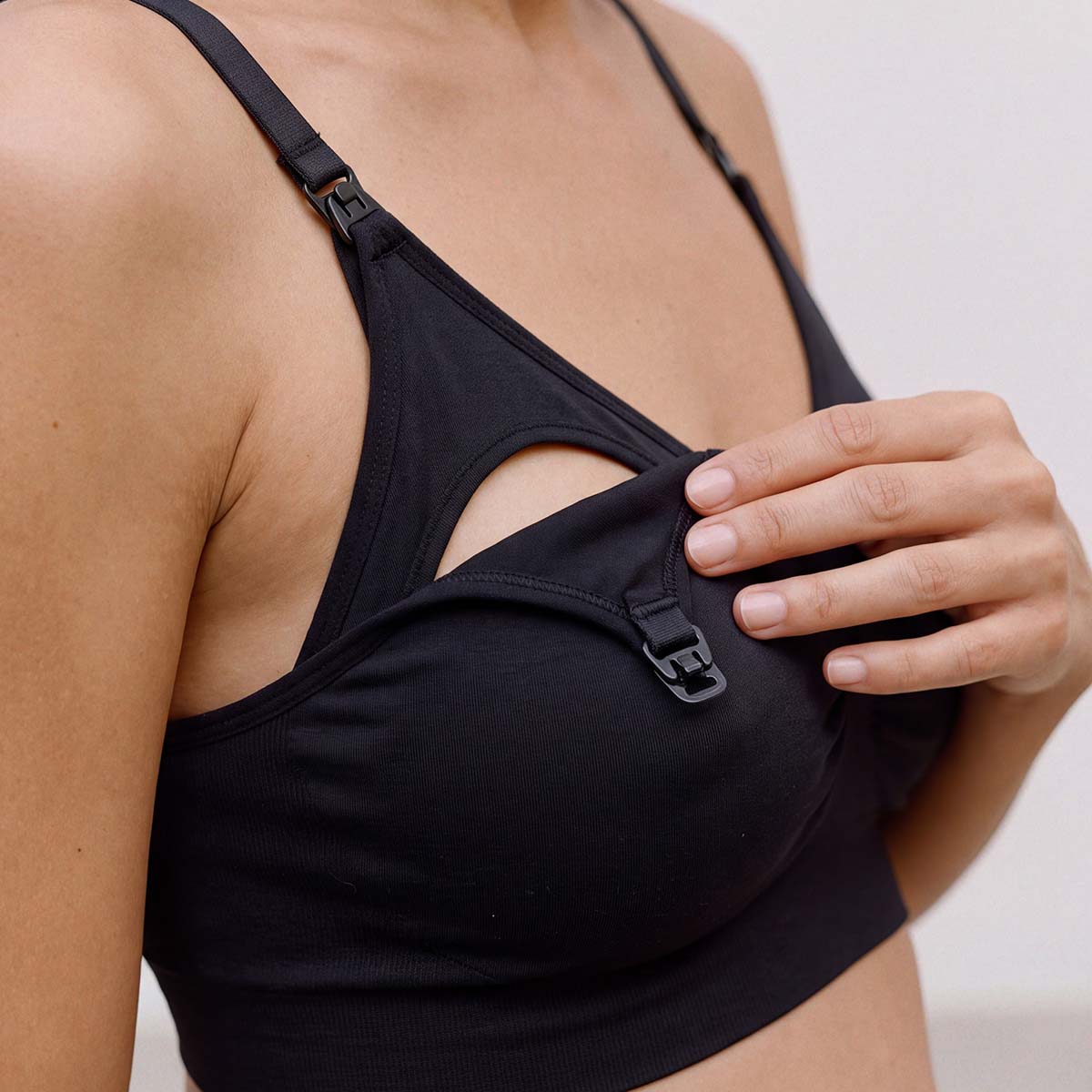
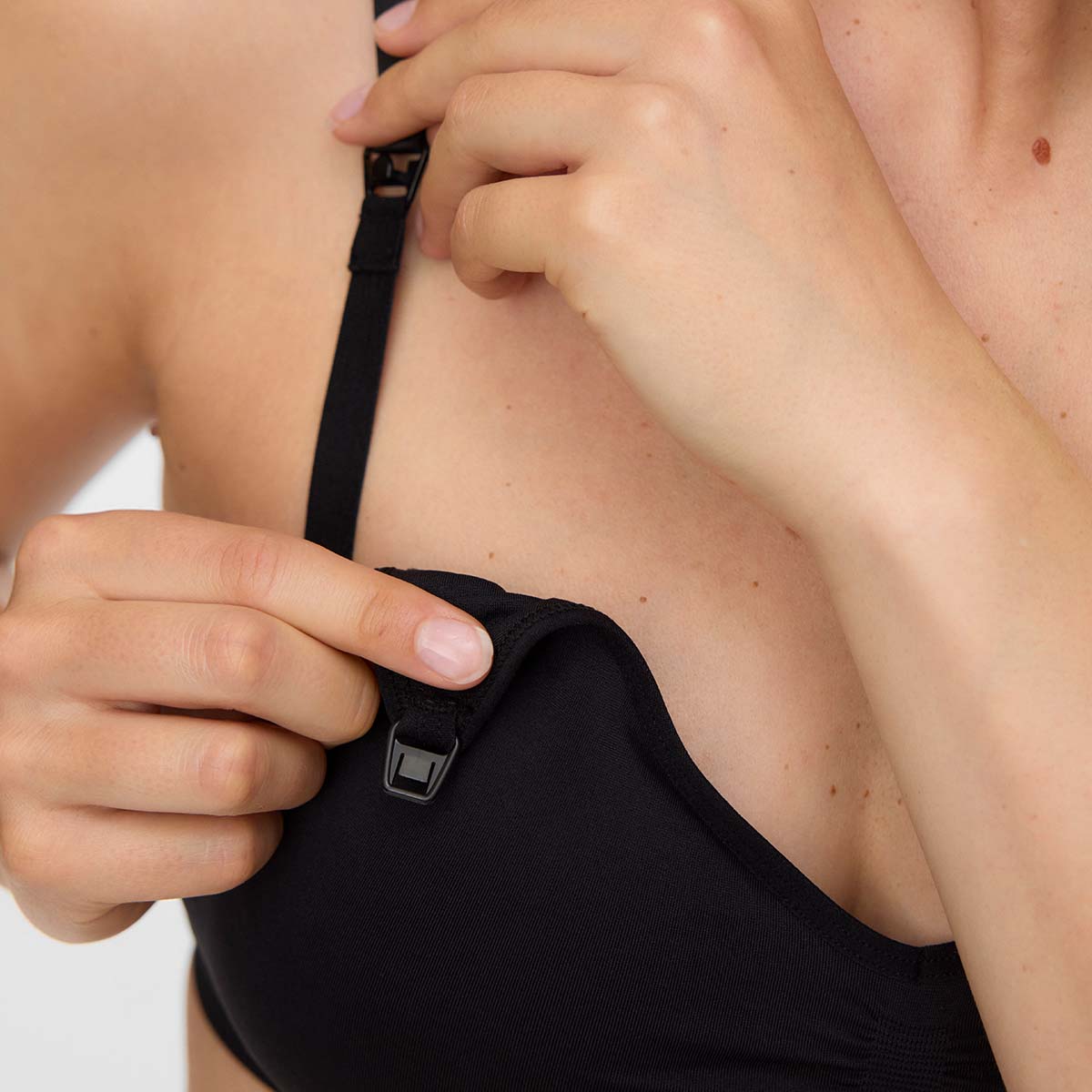
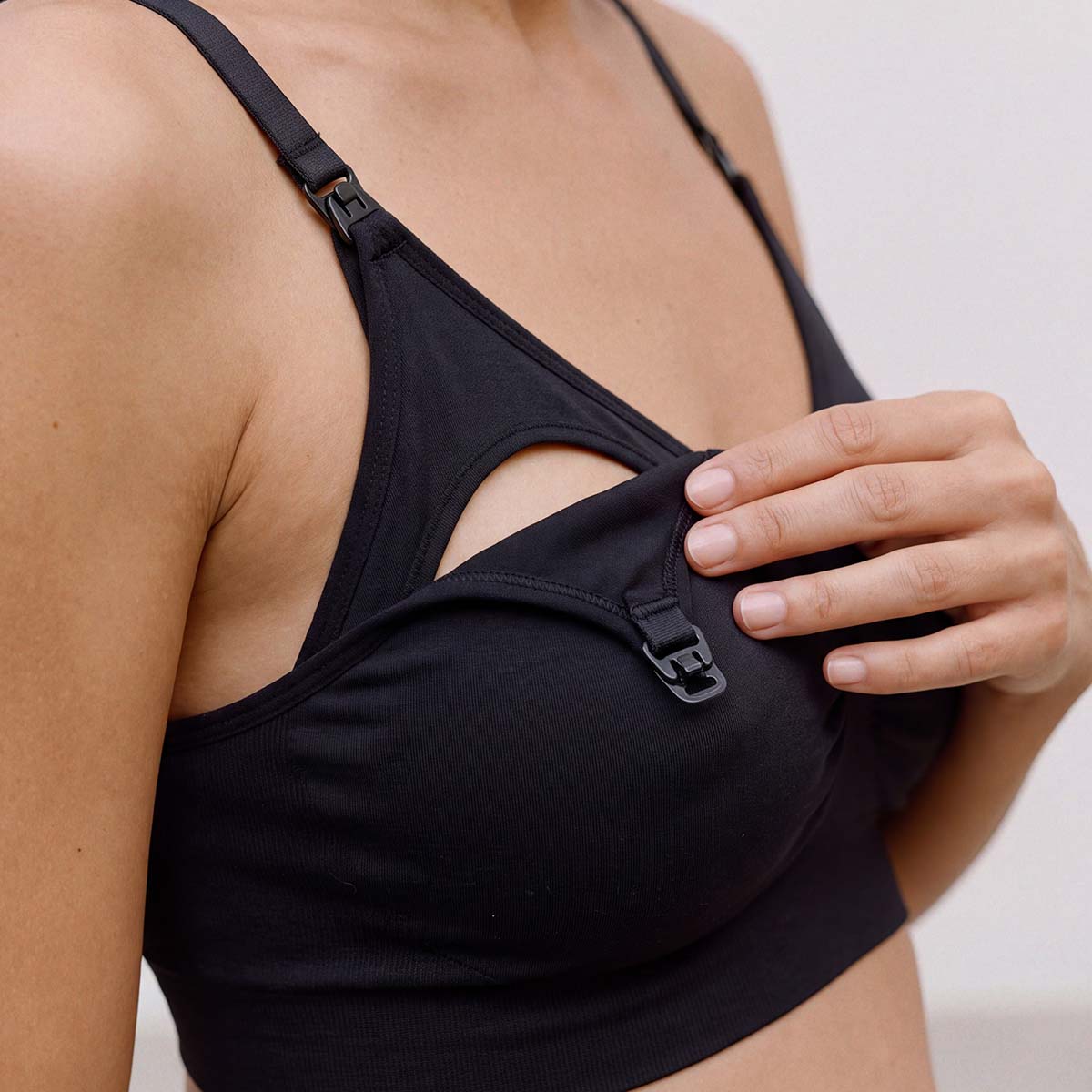
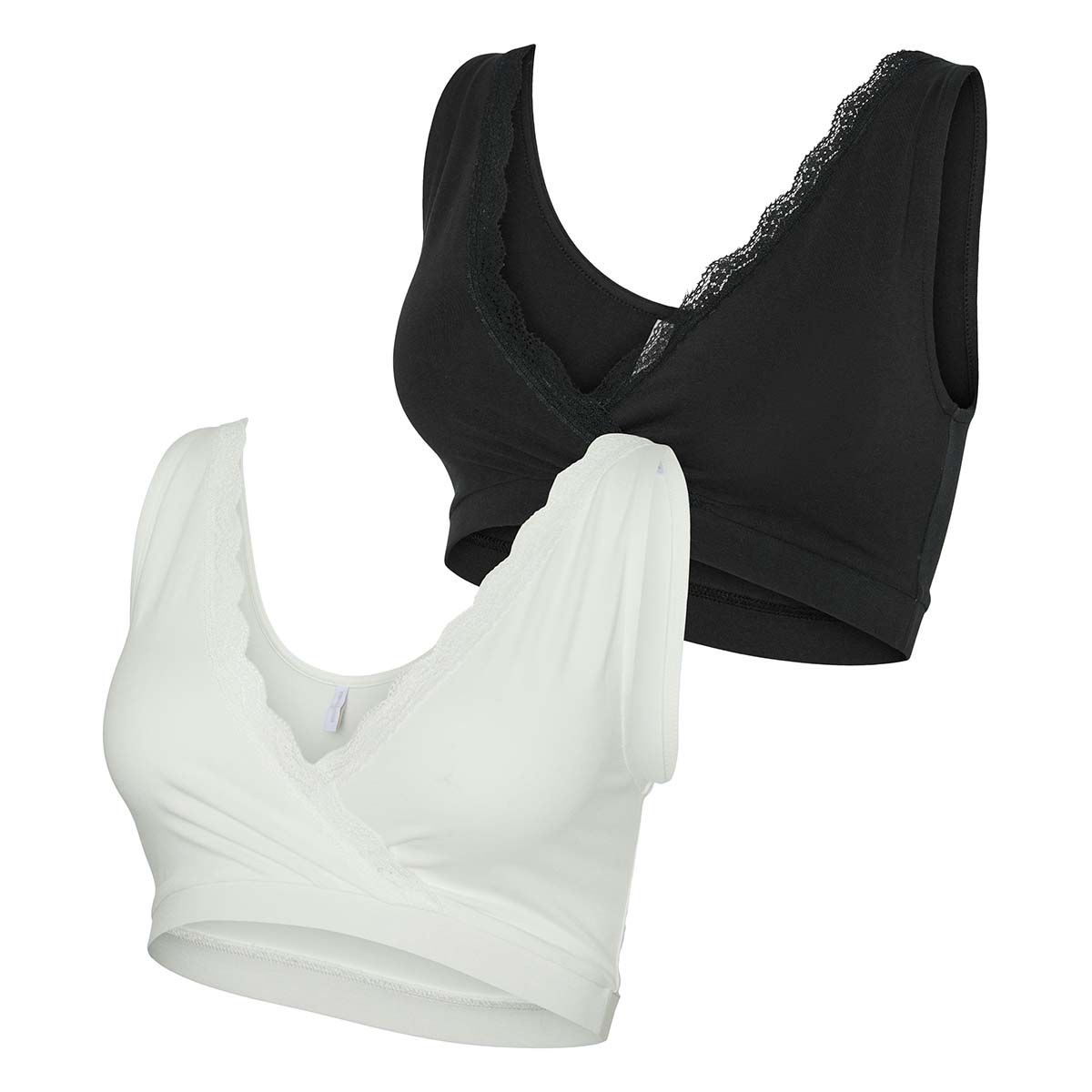
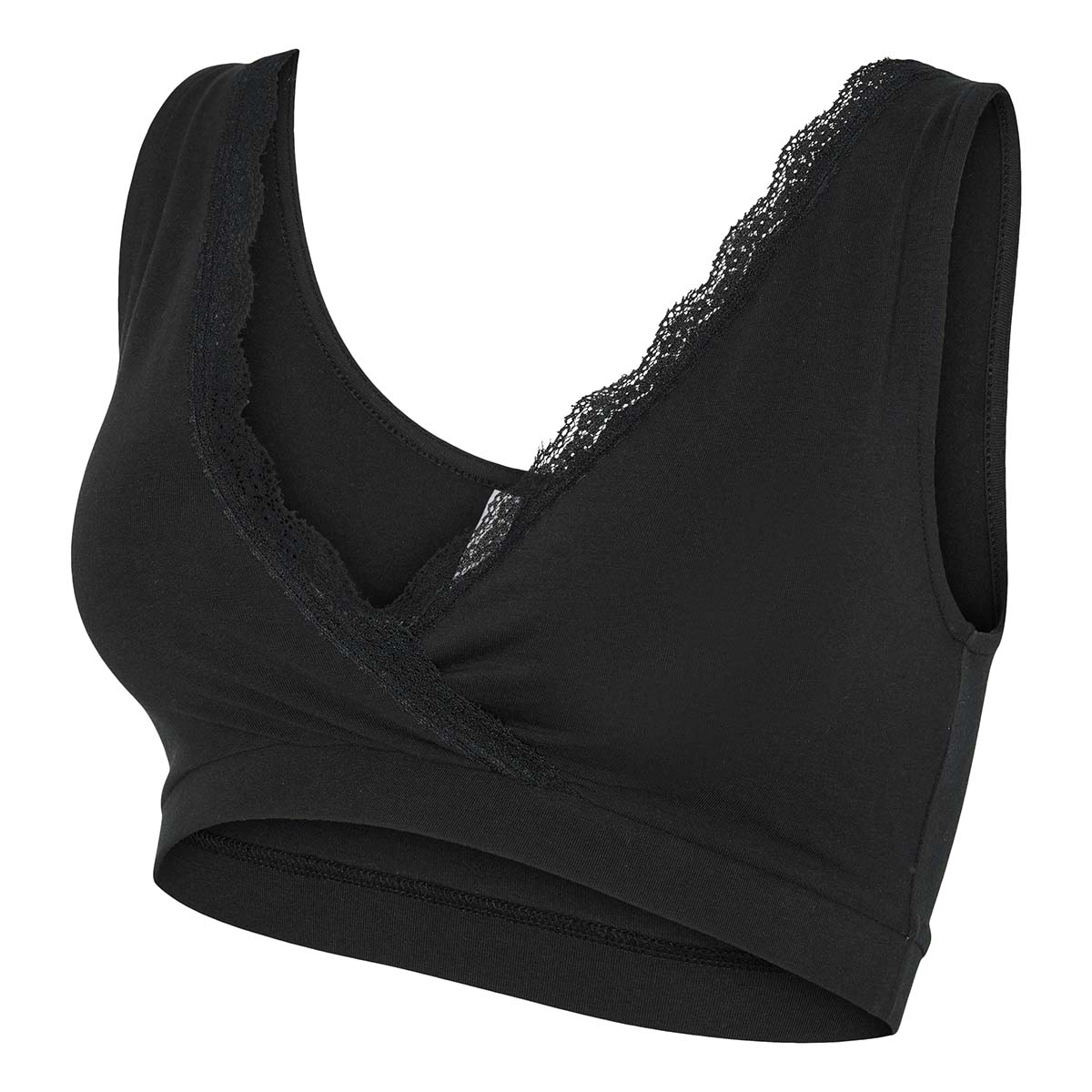
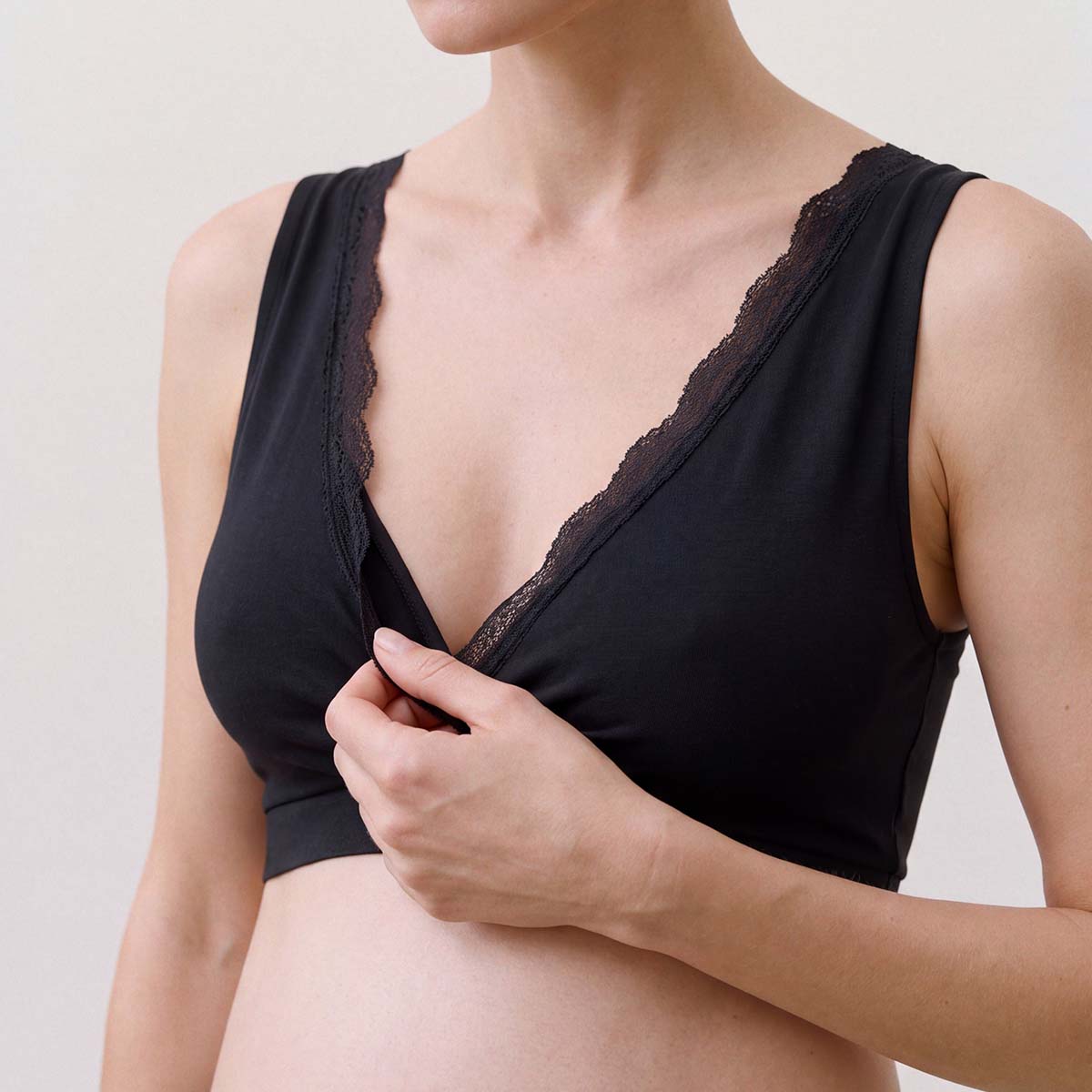
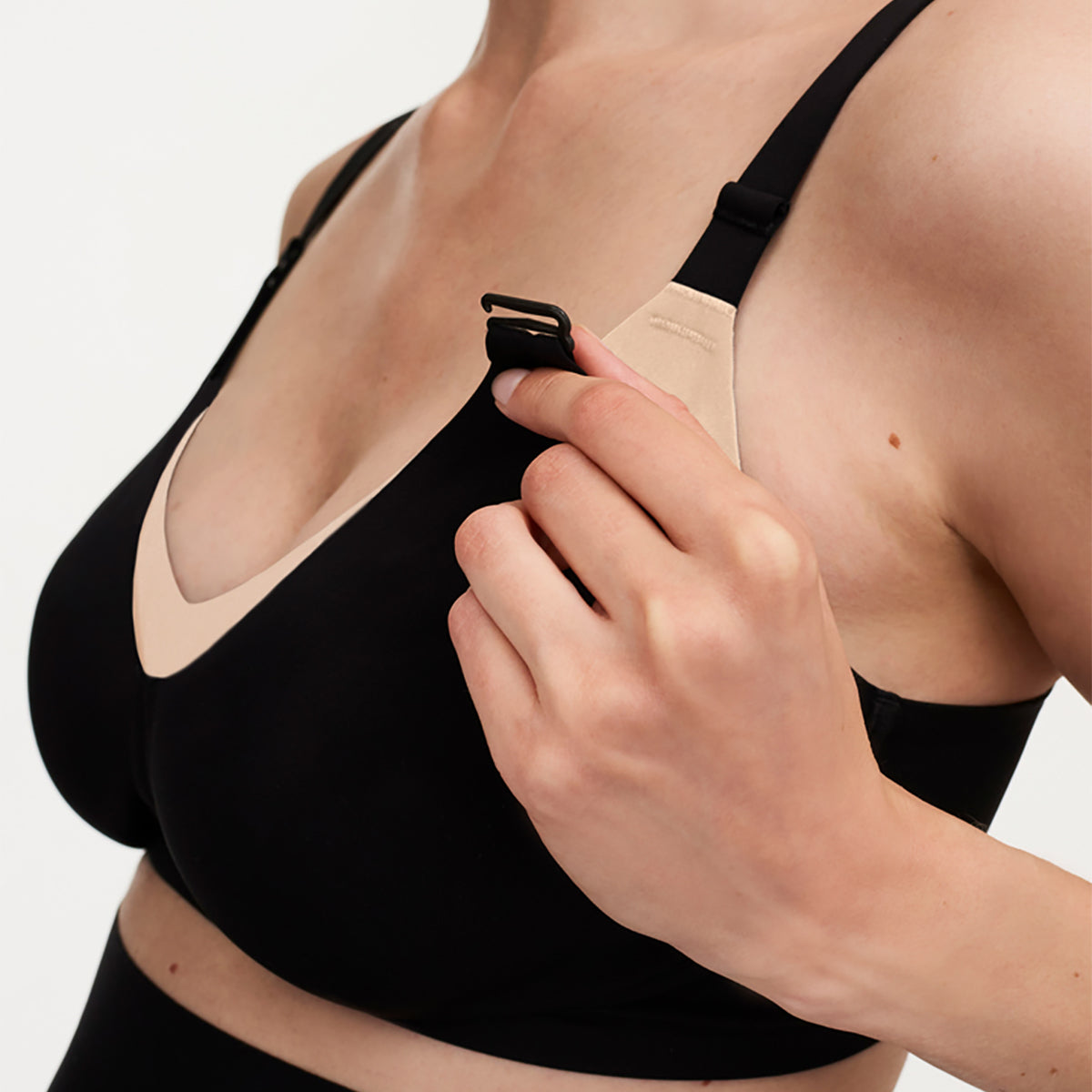
Nursing bras may also be worth considering during pregnancy if you want a design that provides access to the breast for feeding and could potentially be used after birth. However, the presence of a nursing opening does not tell you whether a bra fits well right now. Size and fit need to be assessed separately, and there is no guarantee that the same bra will work throughout pregnancy and afterwards.
Materials and construction details that affect comfort
Maternity underwear sits directly against your skin and is often worn for many hours at a time. Both the fabric and the way a garment is made are therefore worth examining. Even two styles with the same fibre composition can feel different because of variations in fabric structure, cut and finishing details.
Cotton is a common fibre in underwear and may be a natural choice if you prefer natural fibres. Viscose and various synthetic fibres are also used, although their characteristics depend on the specific fabric construction. Elastane is often blended with other fibres to add stretch. The flexibility of a finished garment, however, cannot be determined from its elastane content alone.
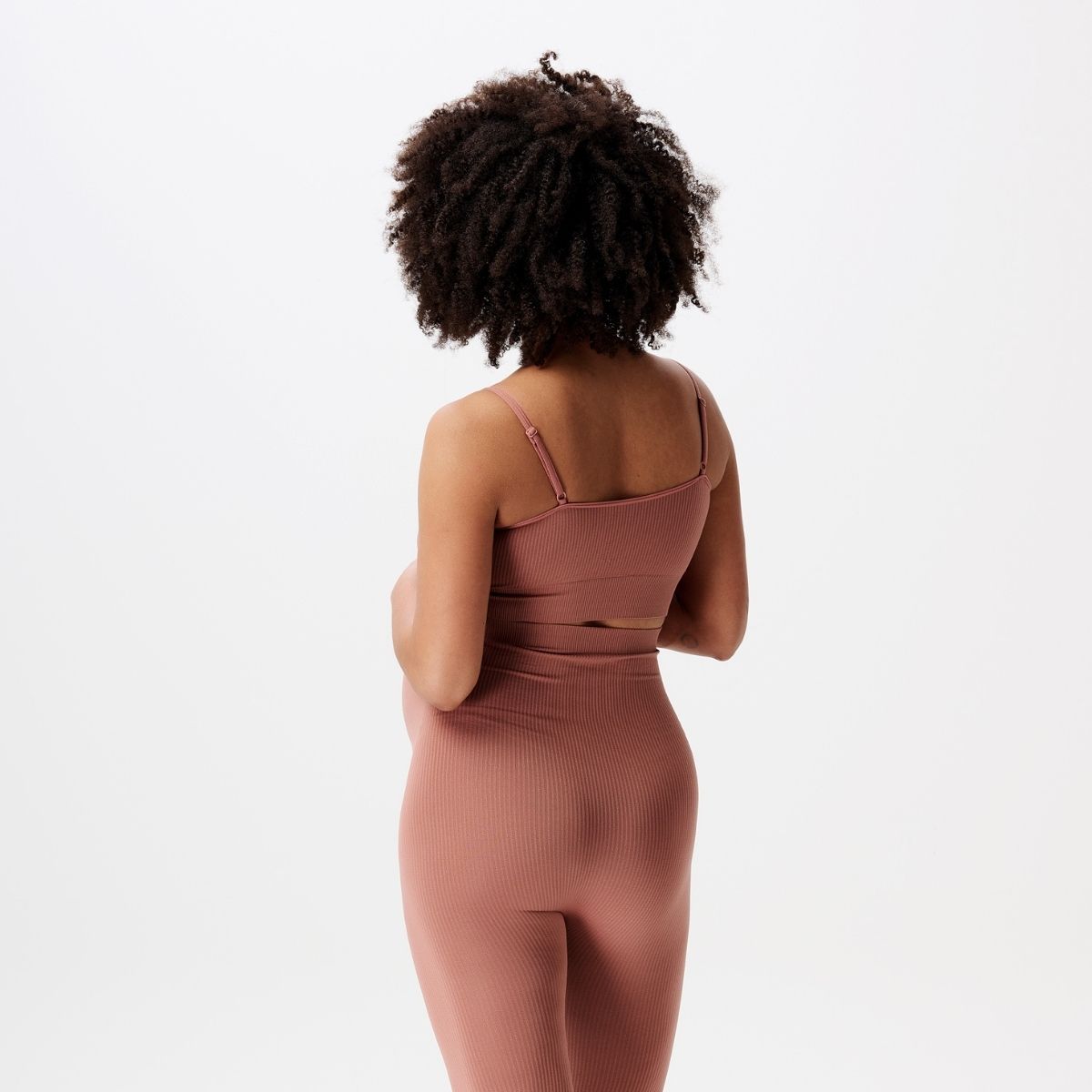
Seams, edges and elastic finishes can affect how maternity panties sit around your bump and hips. With bras, it is also worth checking the straps, fastenings and any adjustable features, as these influence the fit around your upper body. Words such as soft or comfortable in a product description may give you an idea of what a garment is like, but they cannot tell you exactly how it will feel when worn. Use the detailed fabric information alongside the construction and sizing details when making your choice.
Adding to your maternity underwear collection as your needs change
There is rarely a need to predict your underwear requirements for the whole of pregnancy in advance. Bodies change in different ways, and a size that fits now may not be the right size later. Instead, you can start by replacing the underwear that no longer fits or works as you would like.
If you need new bras, try to establish a suitable combination of band and cup size before buying several of the same style. Likewise, you can check whether a particular cut of maternity panties suits your preferences before purchasing more. This provides a more useful basis for future purchases than automatically choosing the same sizes and quantities you bought before pregnancy.
The number of bras and panties you need also depends on how frequently you do laundry and how you wear your underwear. Some women prefer several pairs or styles of a familiar design, while others like to alternate between different cuts for work, relaxing at home and other activities. If you are also thinking about the period after birth, check whether an individual style has features you may need later. Some products can continue to be worn as long as they still fit correctly, while others are intended for a more limited period or a particular purpose.
How to compare maternity underwear online
When shopping online, the product name alone is not always enough to tell you how underwear will fit. Descriptions and photographs can highlight differences in cut and construction, but they do not replace accurate measurements and sizing information. With bras in particular, a difference in band or cup size can make one style less suitable, even if it initially looks similar to another.
Check the following information before placing an order:
- Size guide: Check whether the recommended size is based on your current measurements or your pre-pregnancy size. For bras, pay particular attention to band and cup size. For other types of underwear, waist and hip measurements may be relevant.
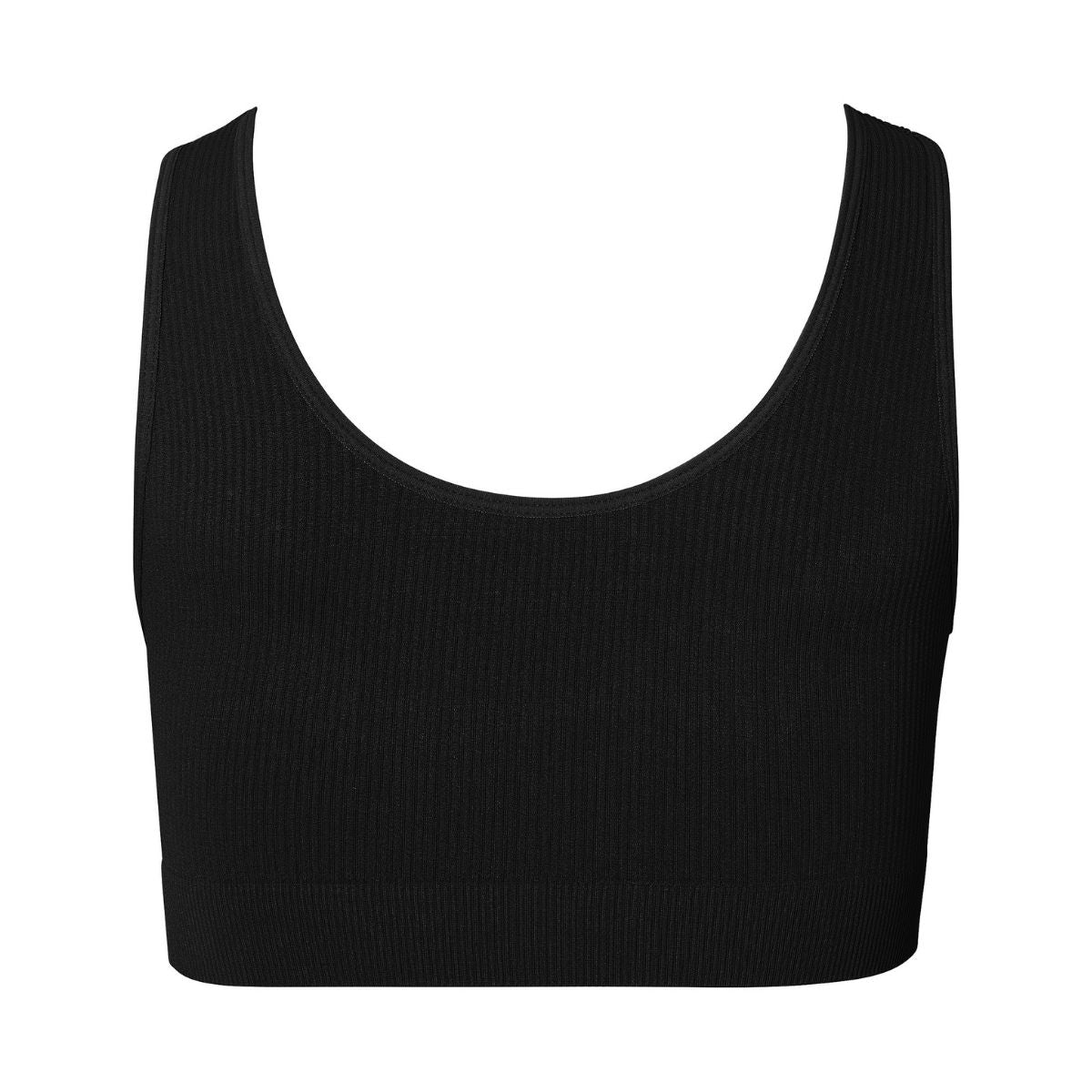
- Materials and construction: Compare fibre composition, cut, seams and any fastenings or adjustable features. Product photographs may reveal details that are difficult to explain in words, but they cannot show exactly how a style will fit your body.
- Care instructions: Look for any requirements for gentle washing or specific drying methods. This matters when underwear is worn frequently and needs to fit into your usual laundry routine.
- Returns and exchanges: Check the conditions before buying. Underwear may be subject to specific hygiene restrictions, and return eligibility may depend on whether a hygiene seal has been broken.
If you are deciding between two styles, compare their measurements and construction rather than relying only on photographs. Two products labelled with the same size can still fit differently. This applies to both bras and panties and is particularly relevant if you are considering ordering several styles to find the one you prefer. Read the returns policy before deciding how to compare your options.
