


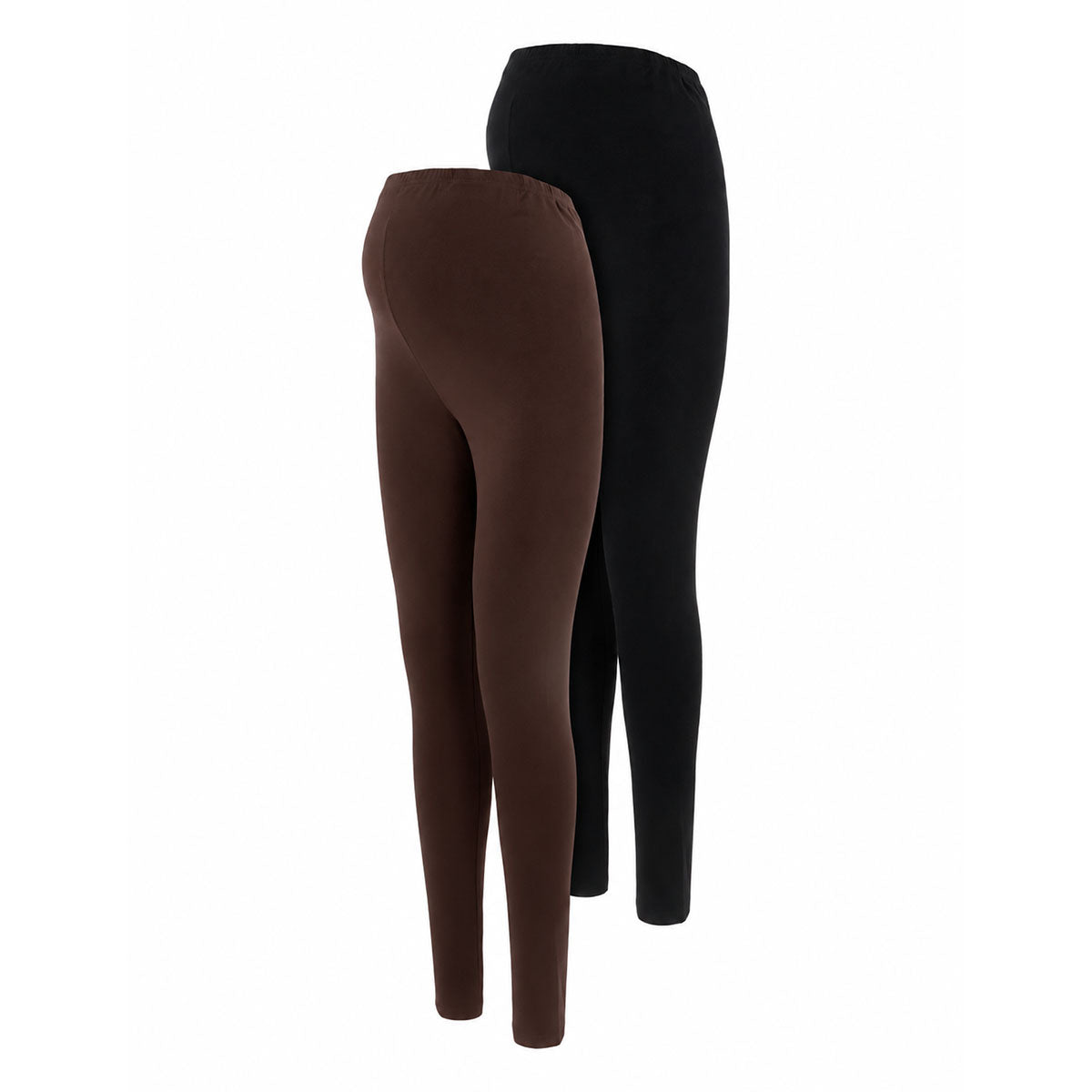
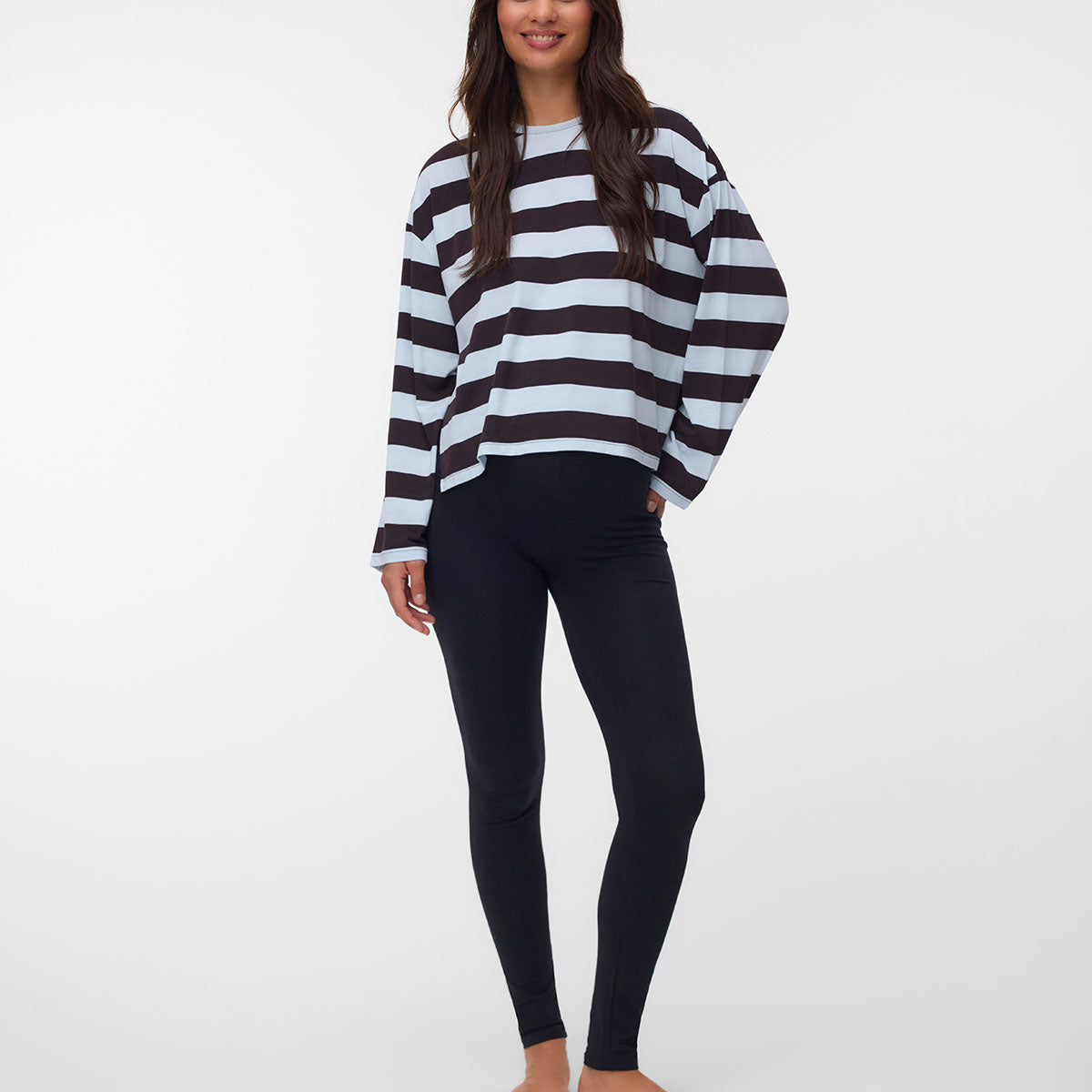

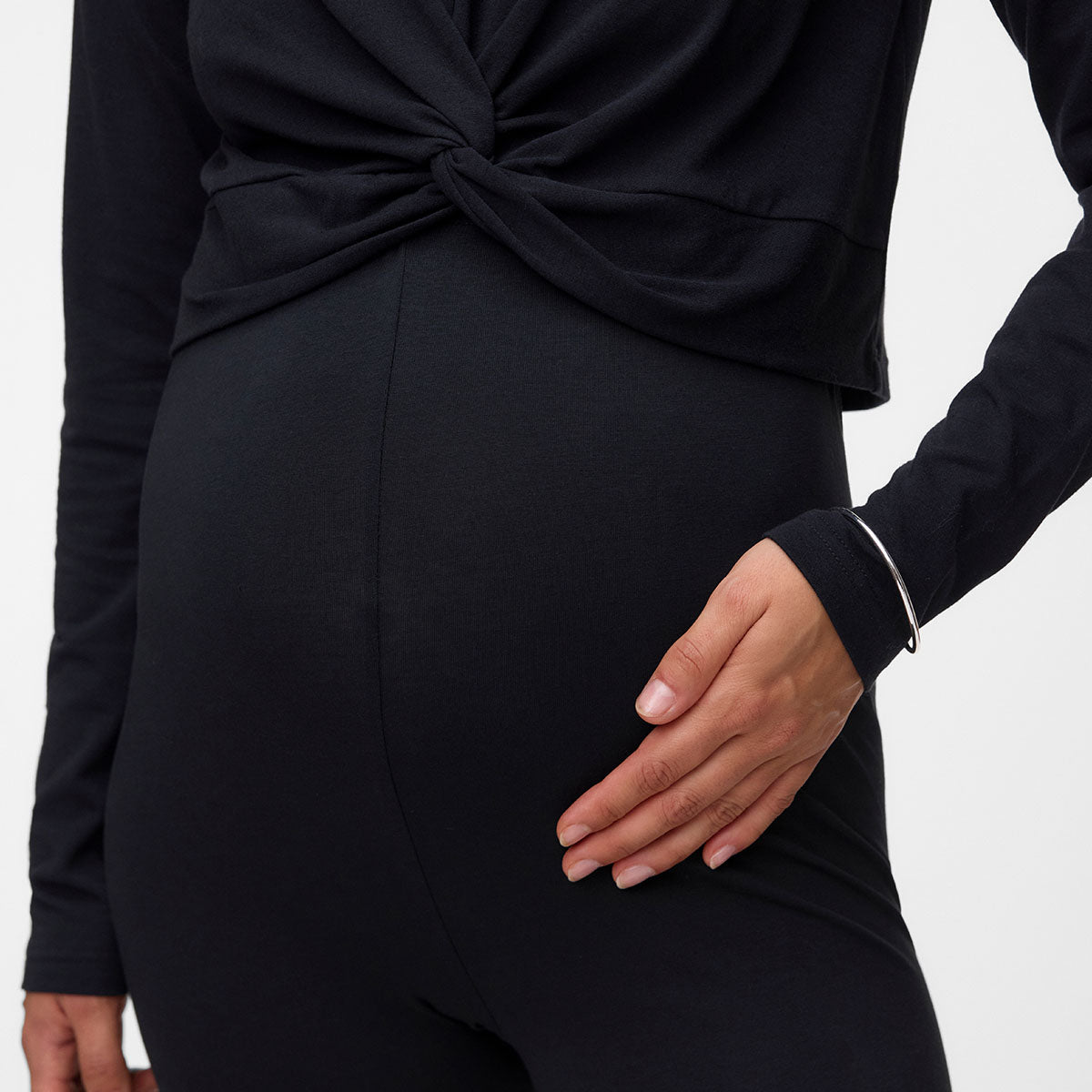


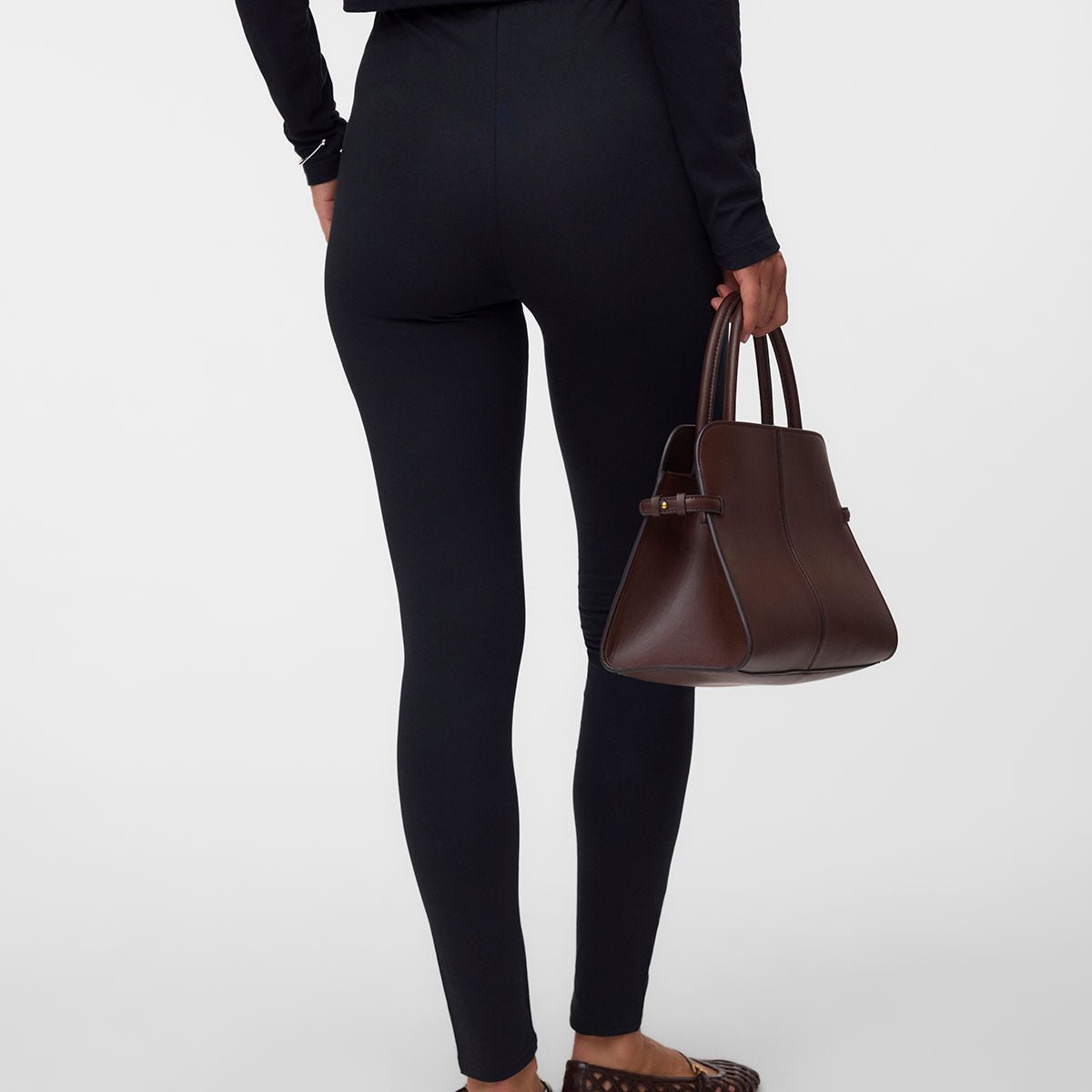


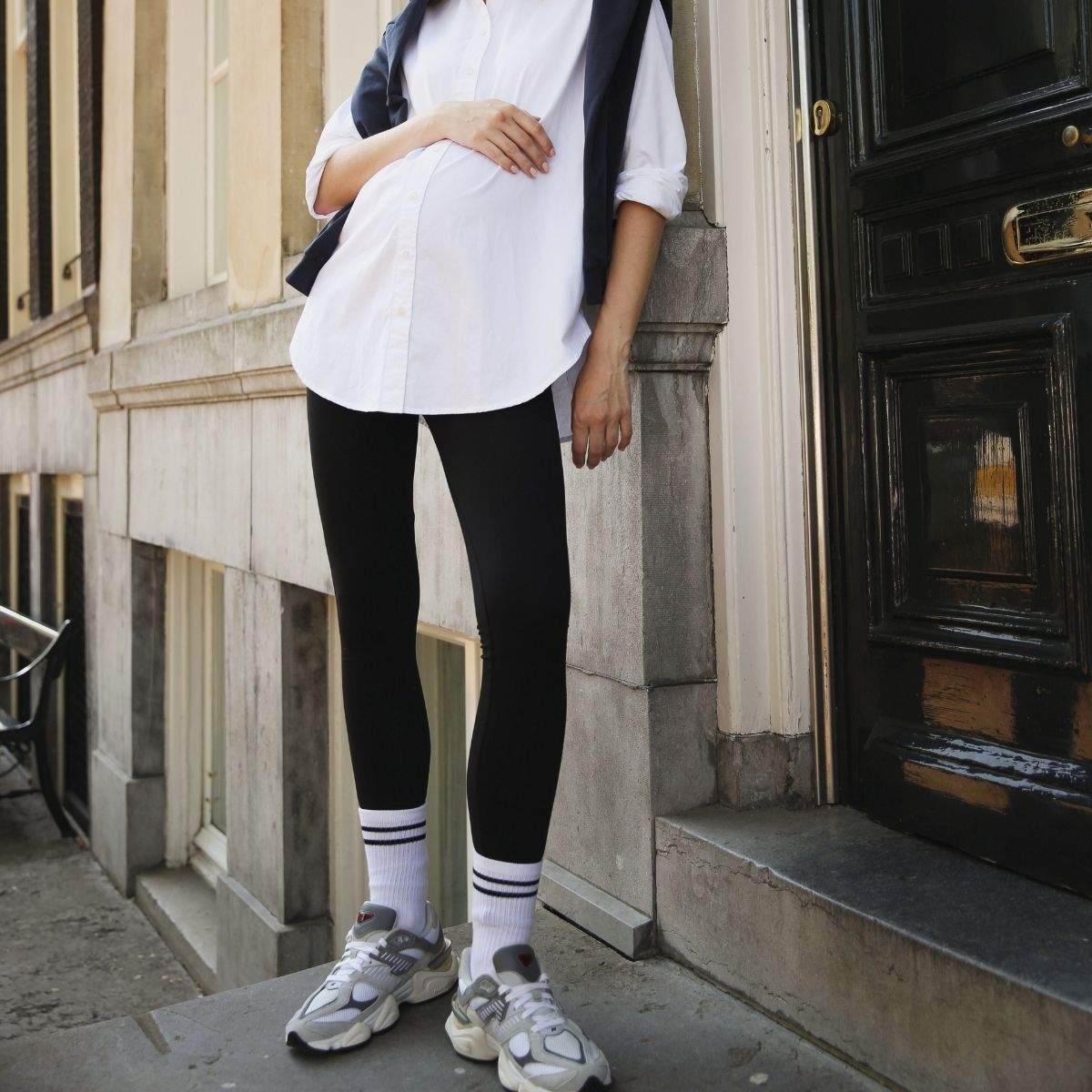
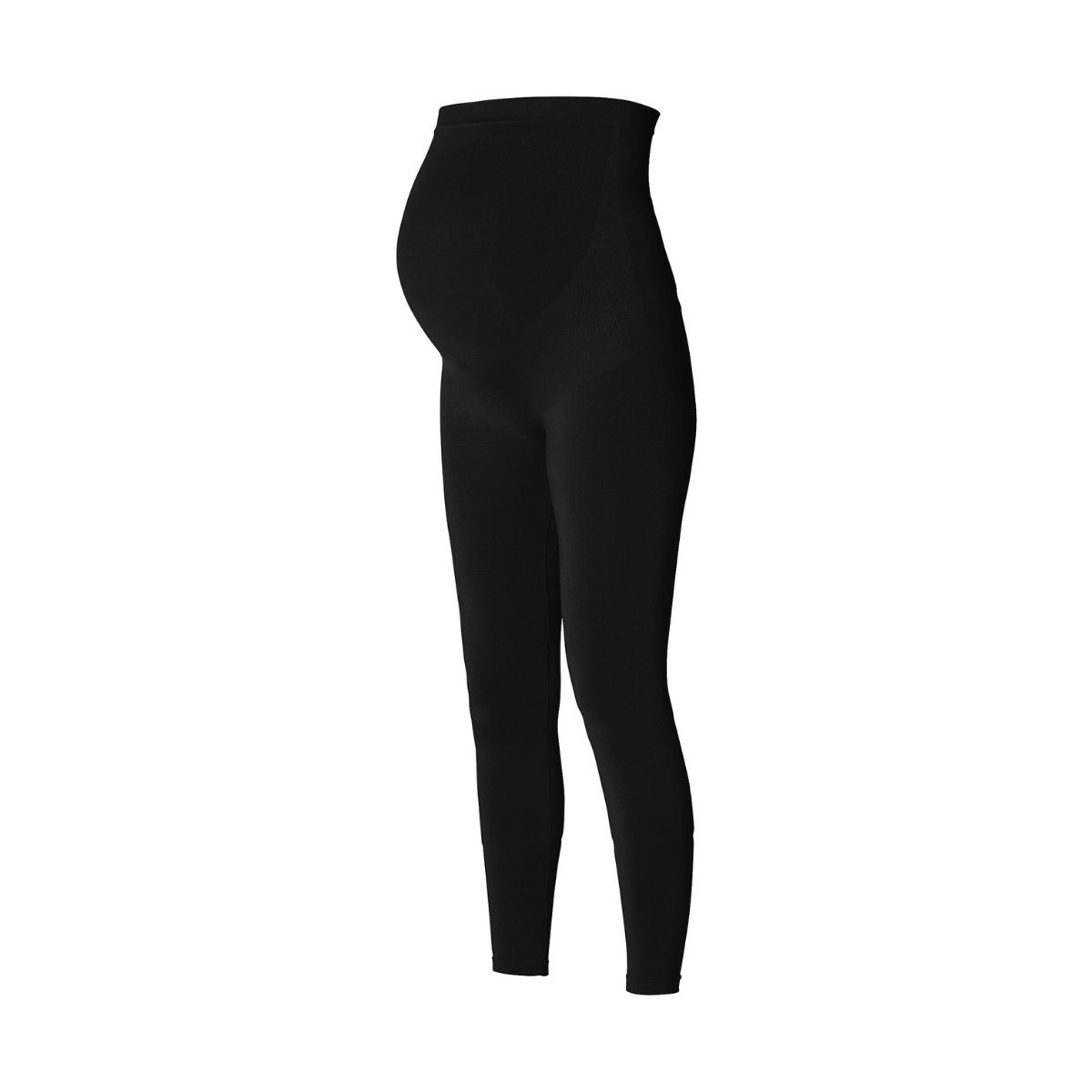
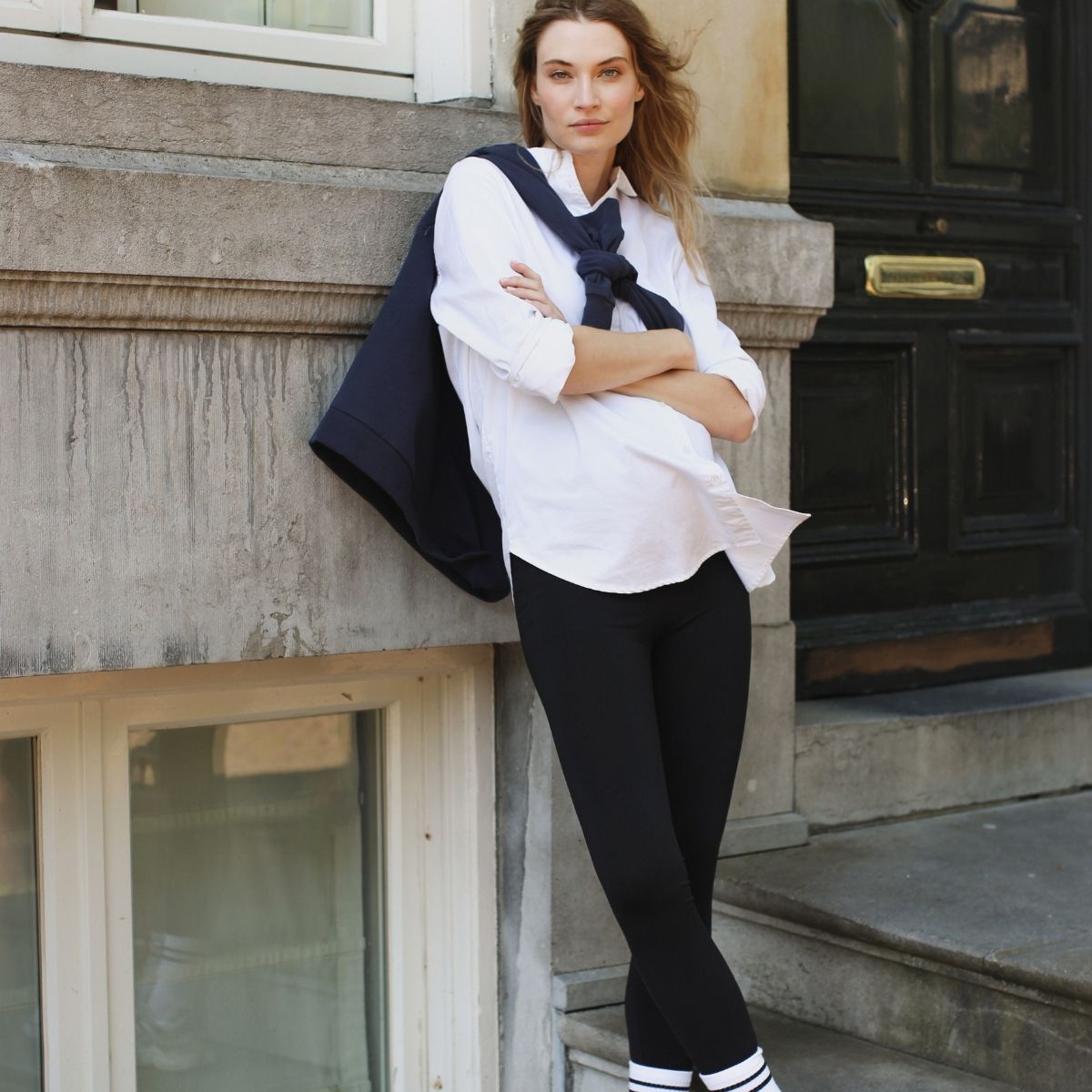
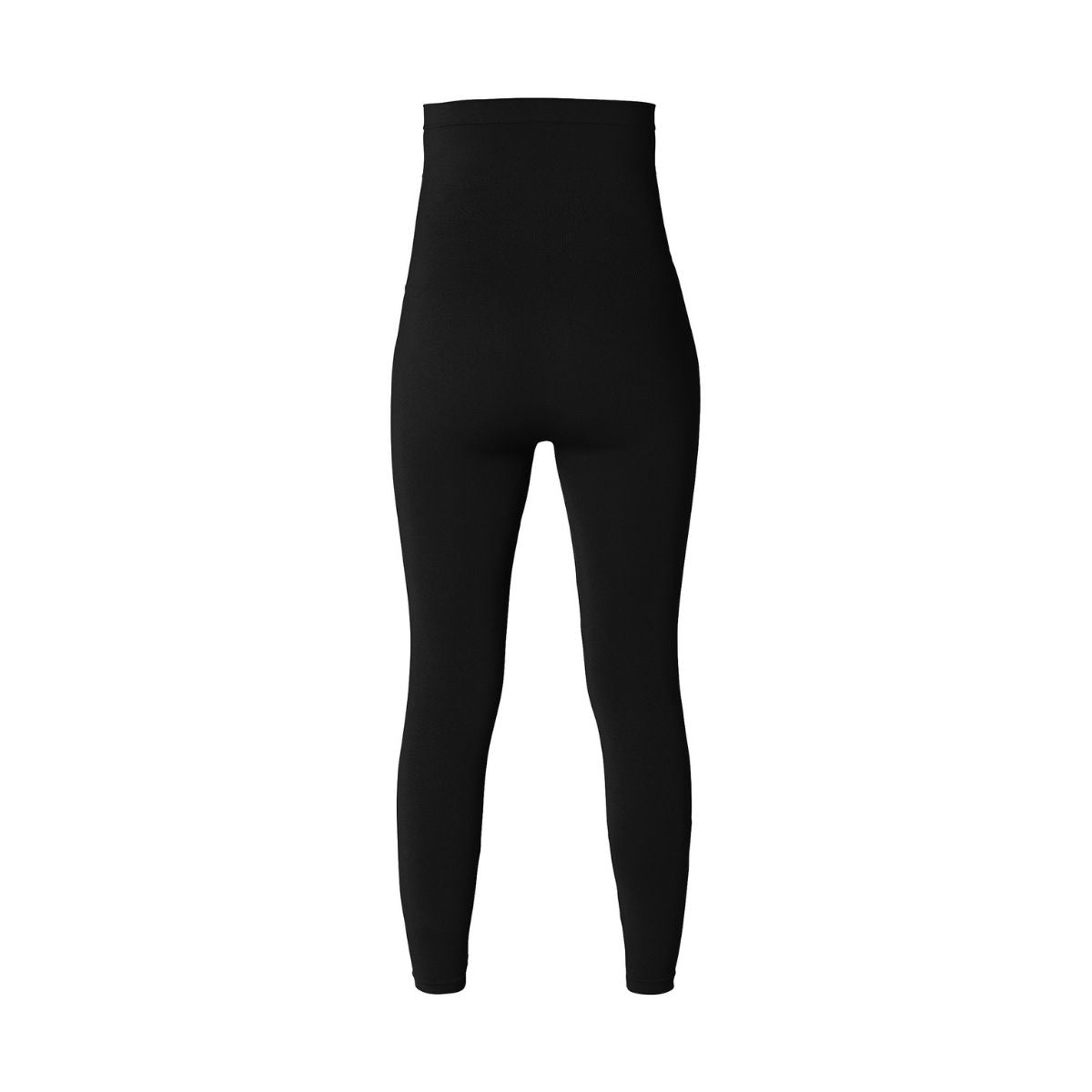
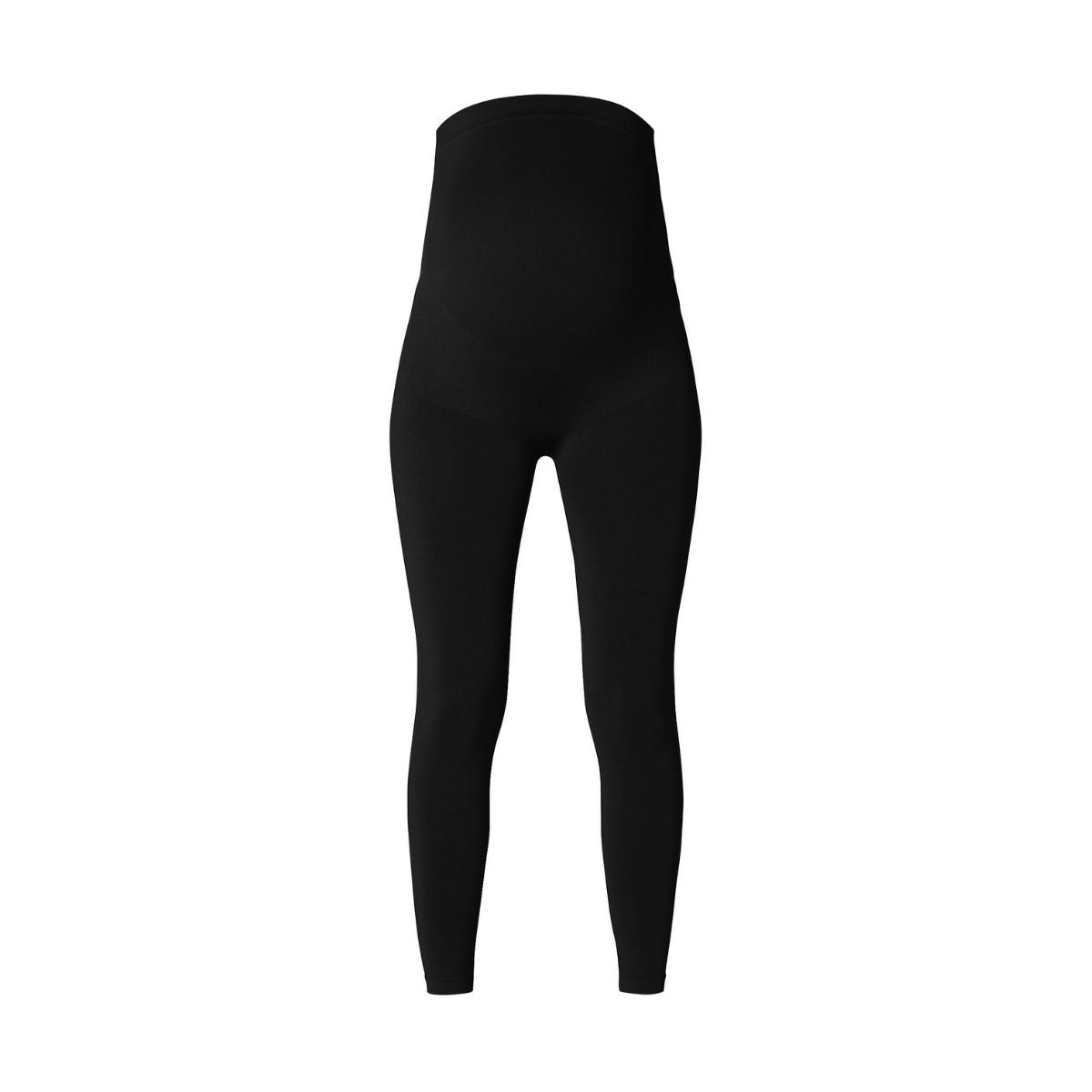

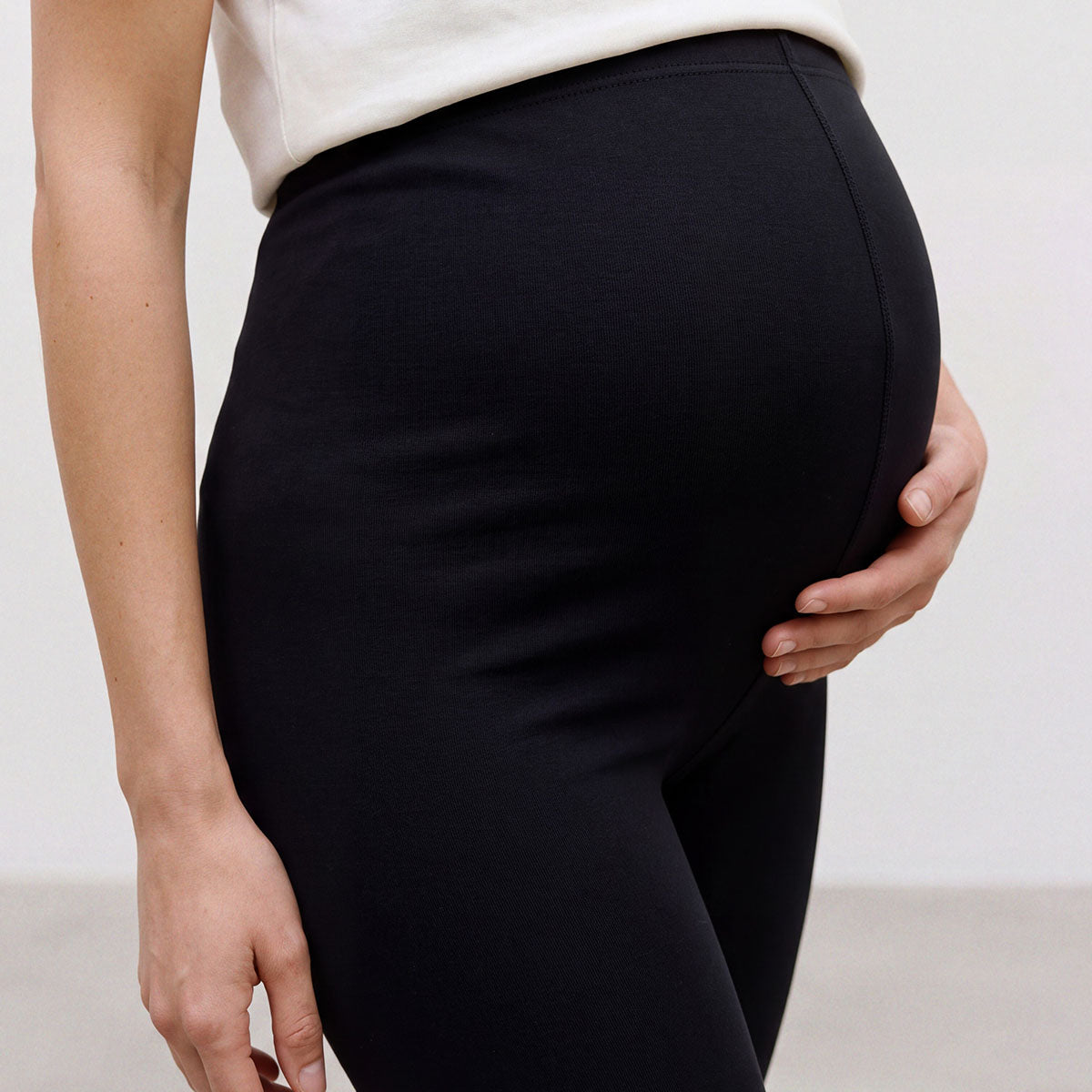

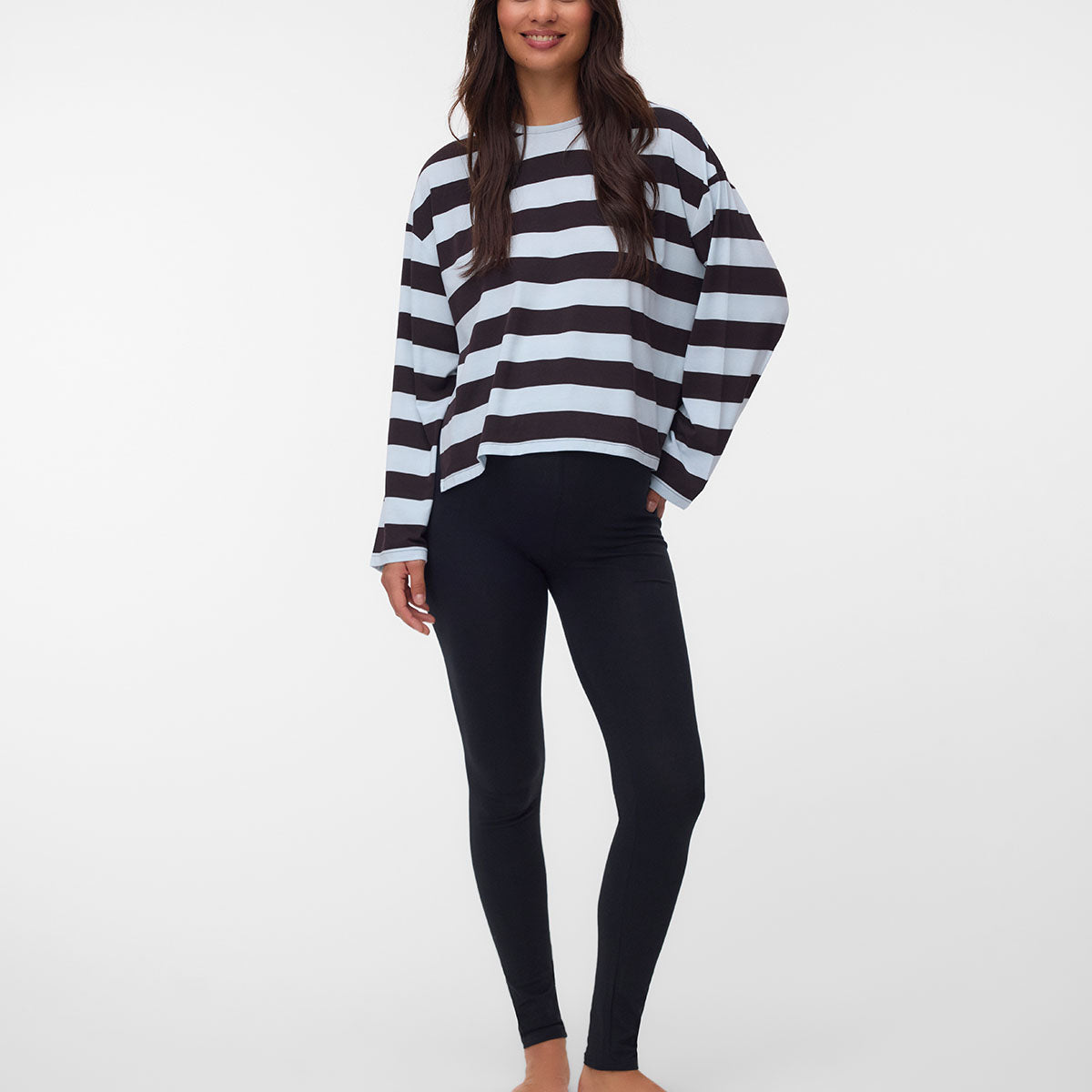
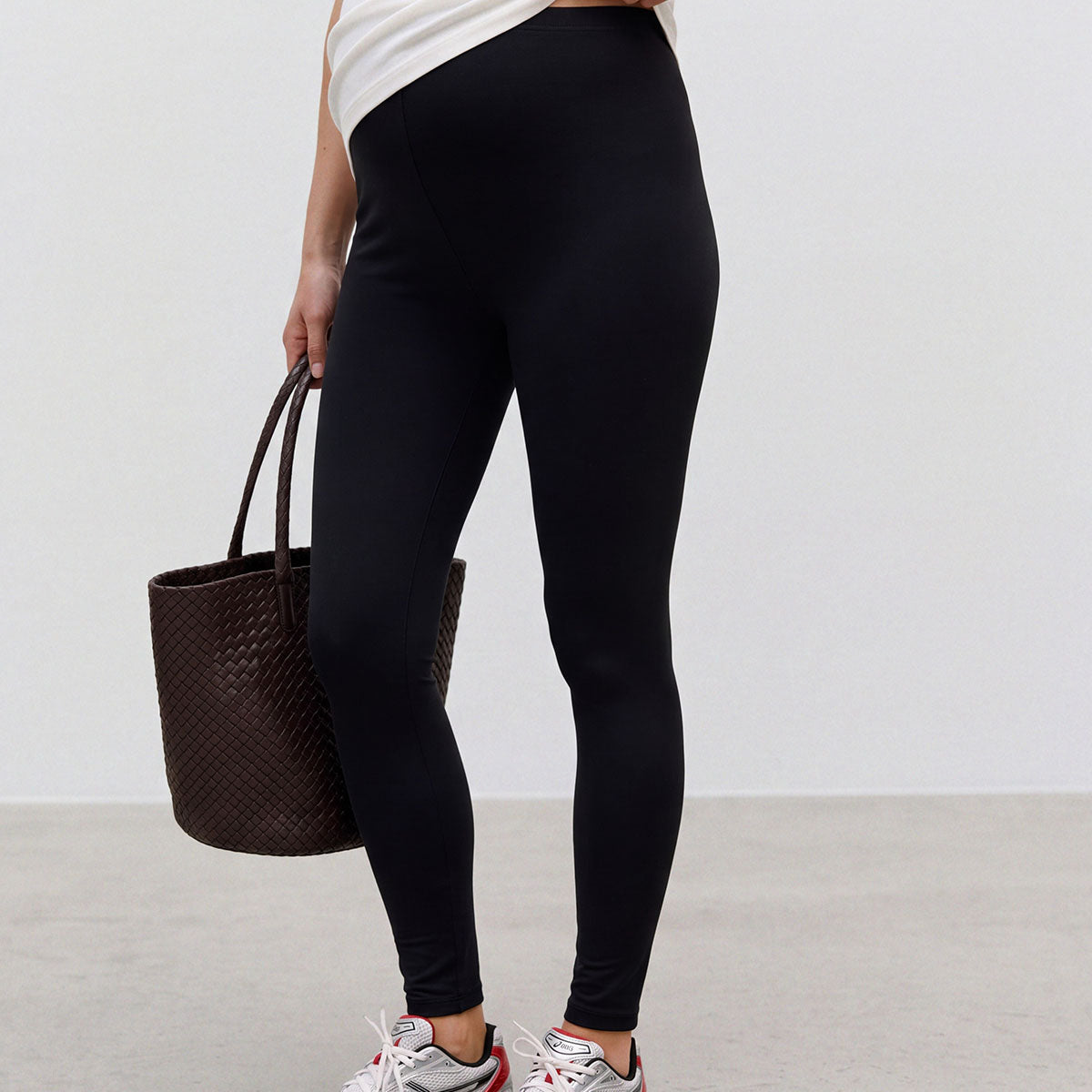


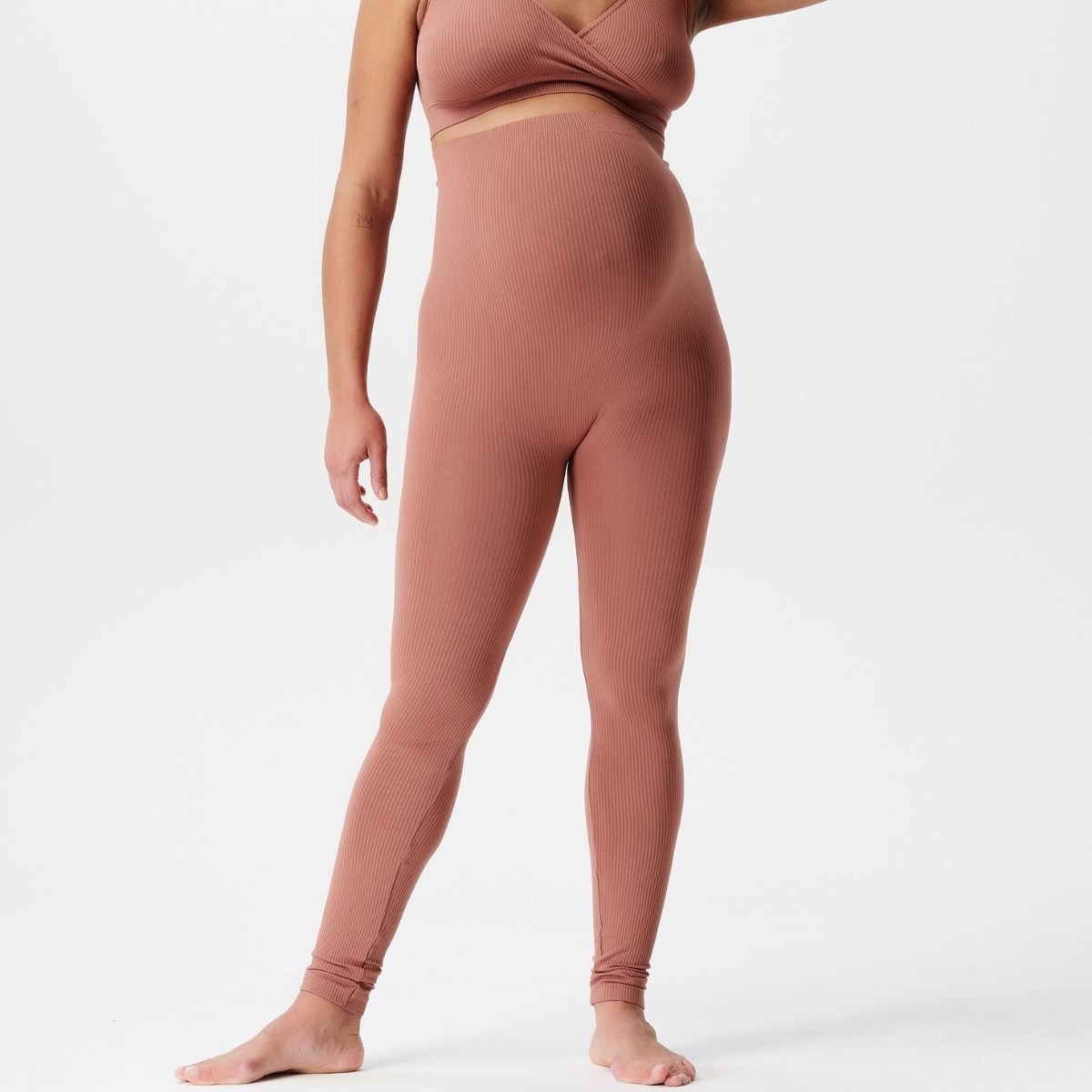
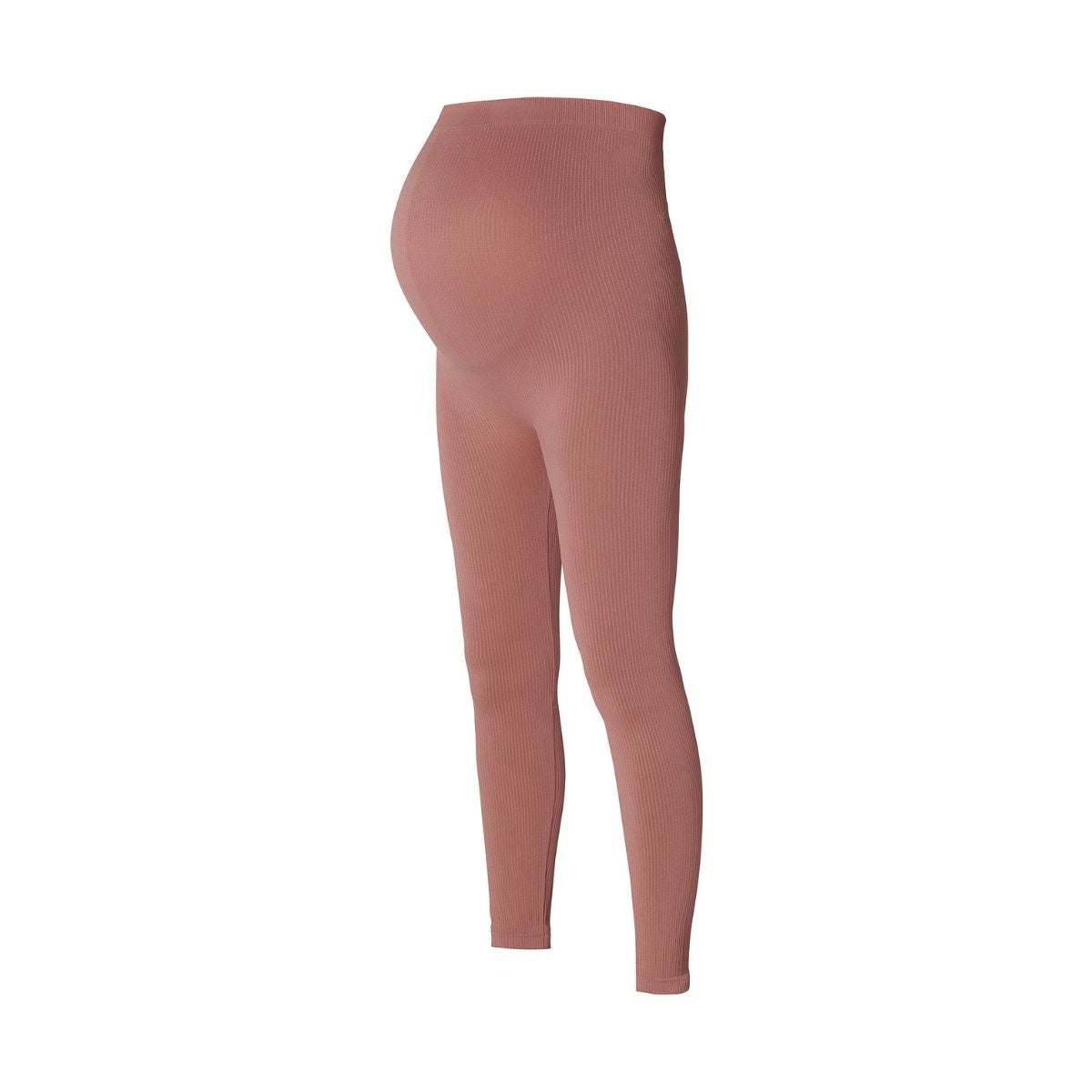
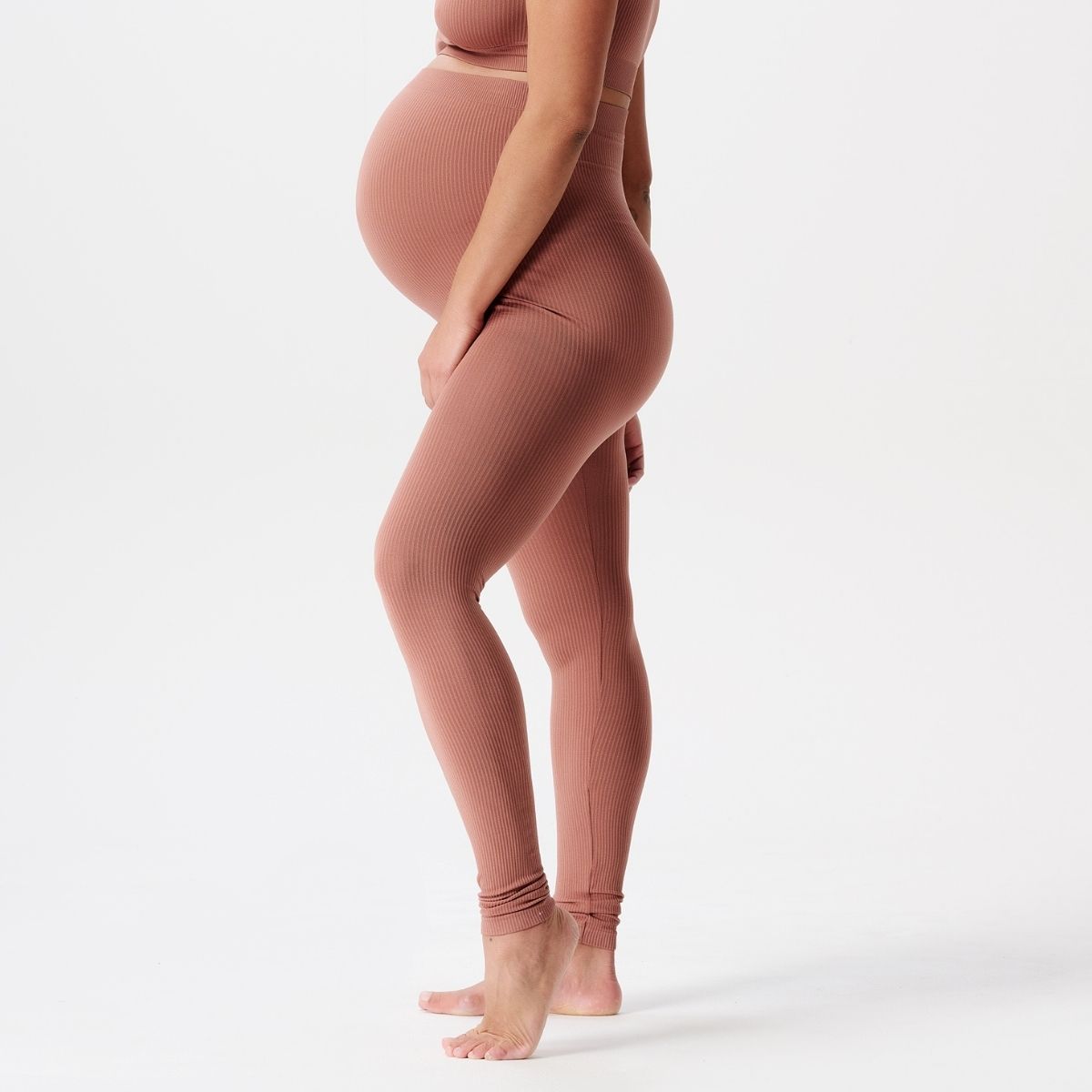
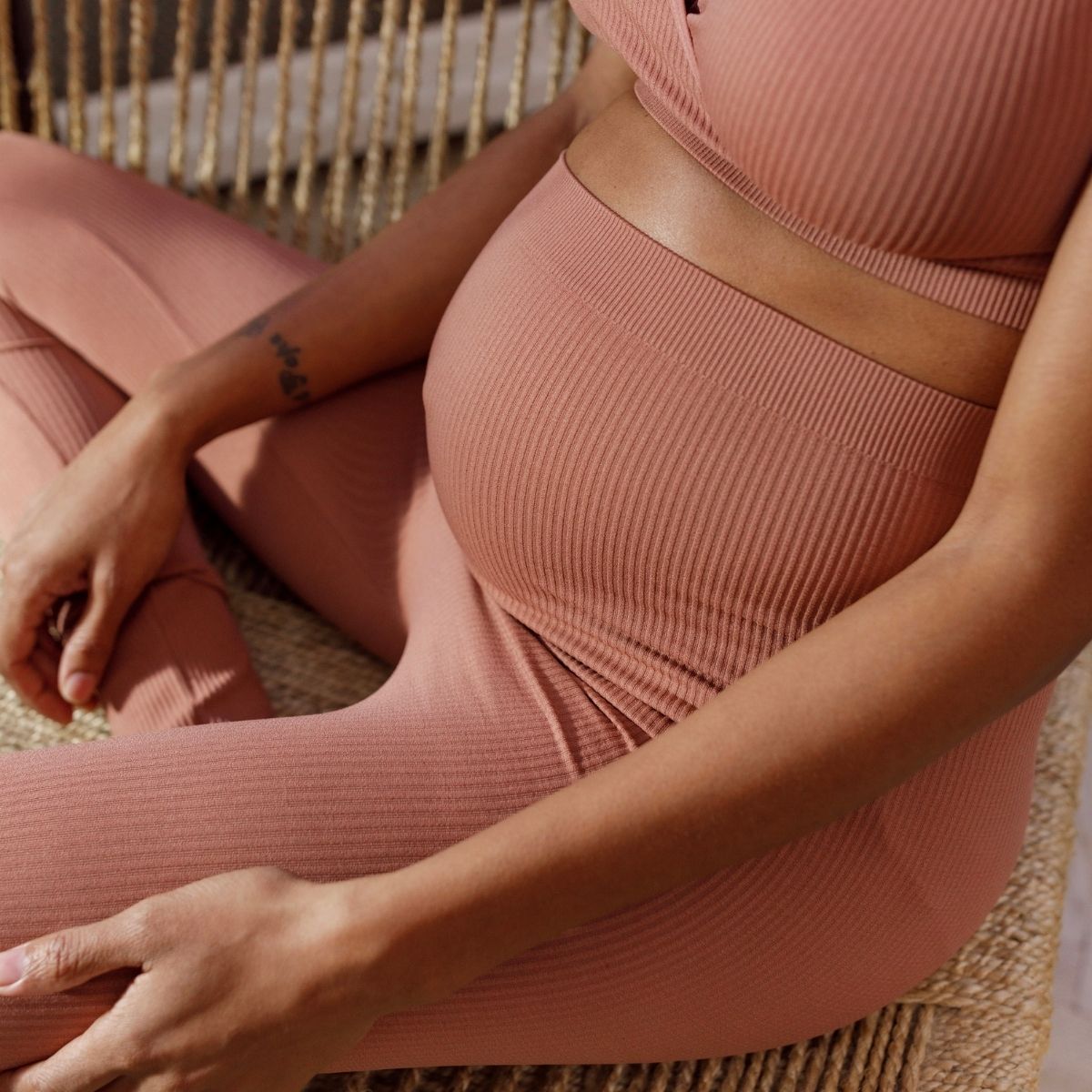
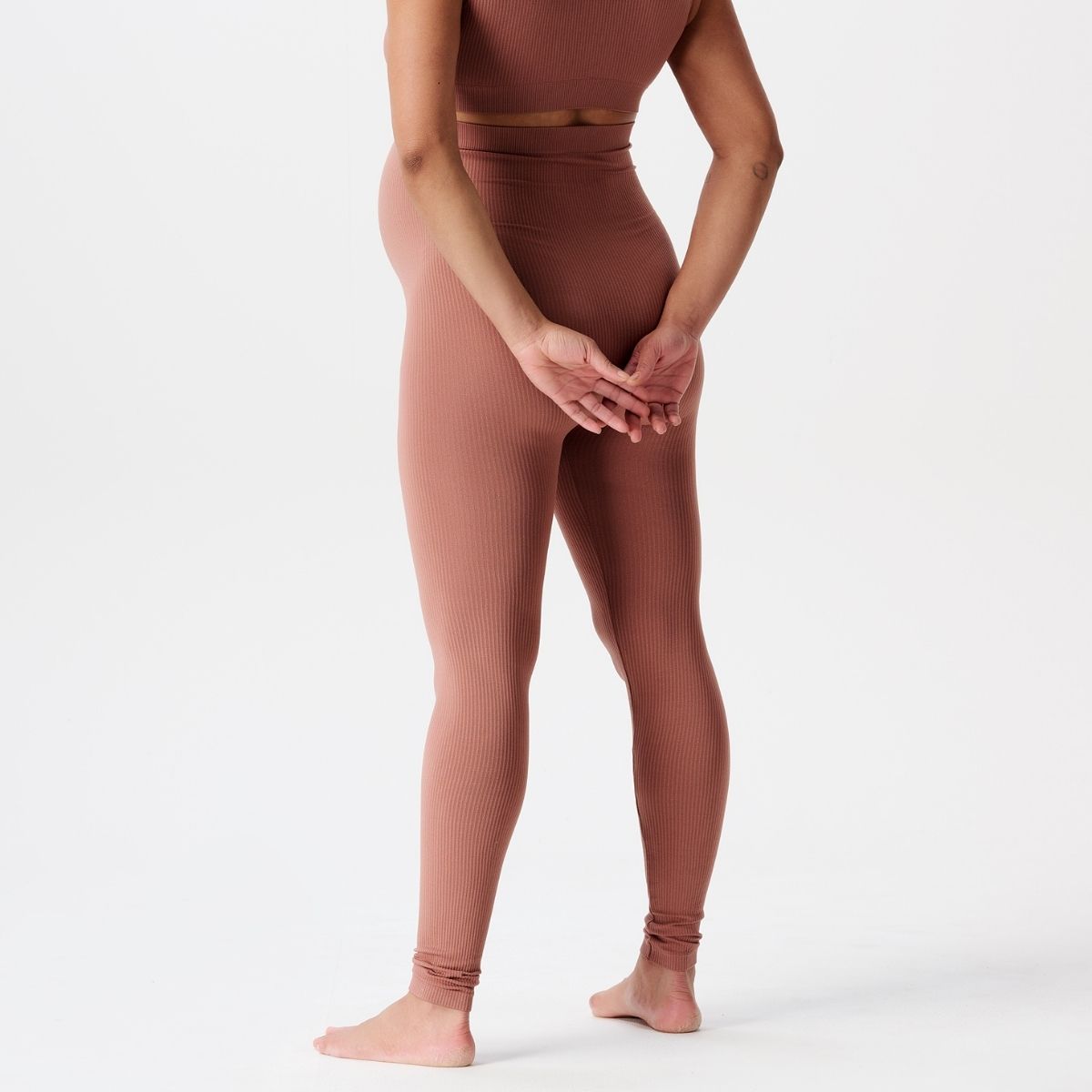
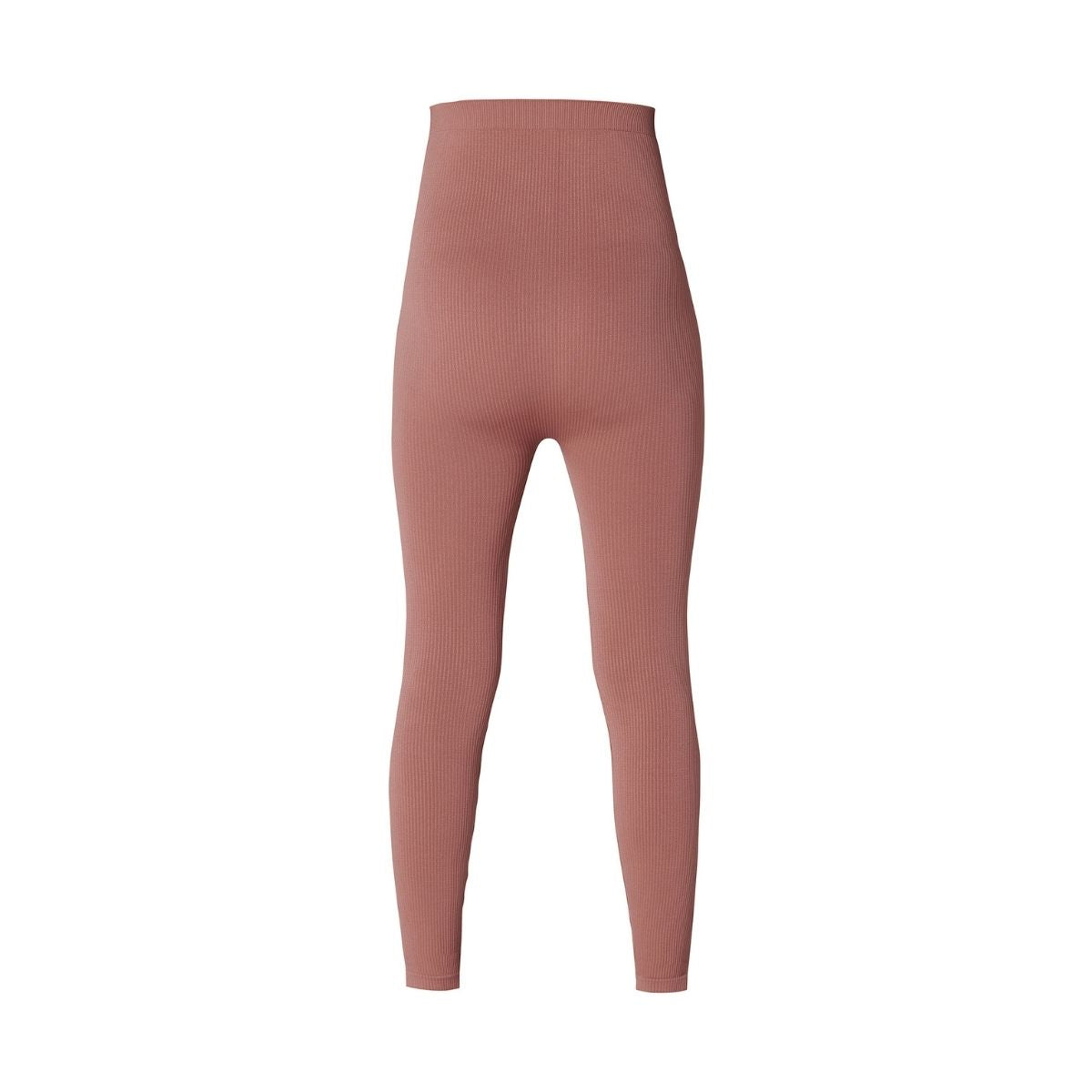
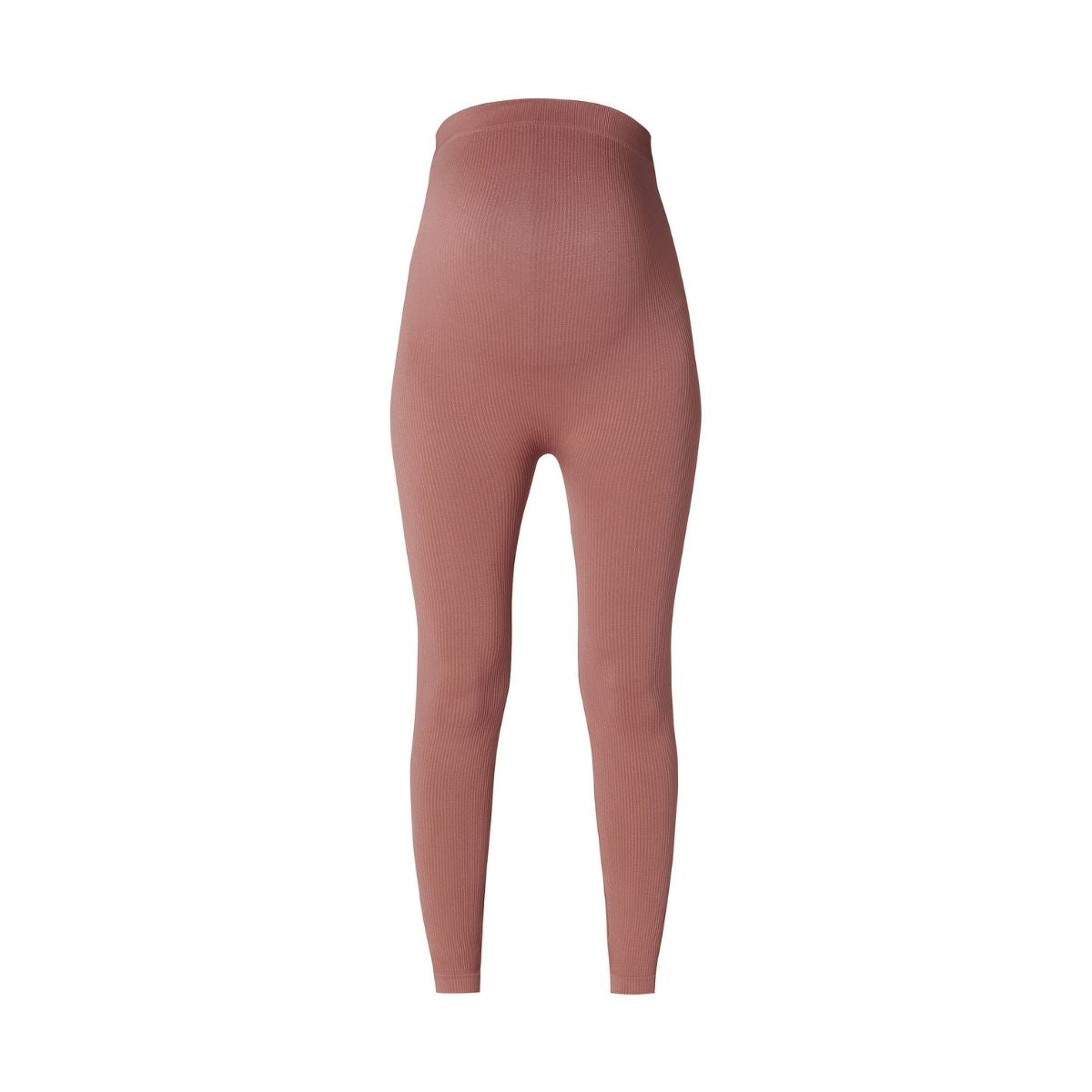
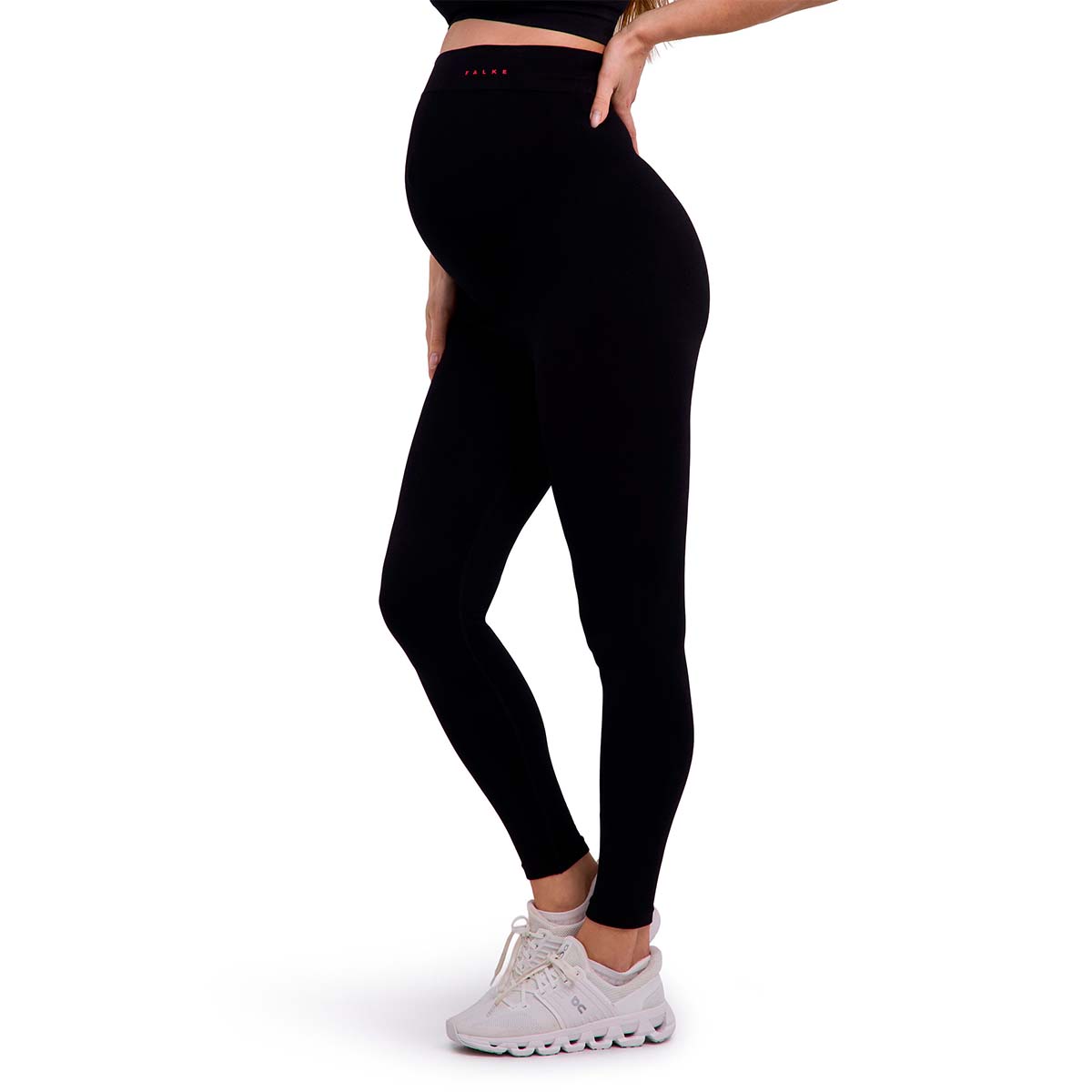
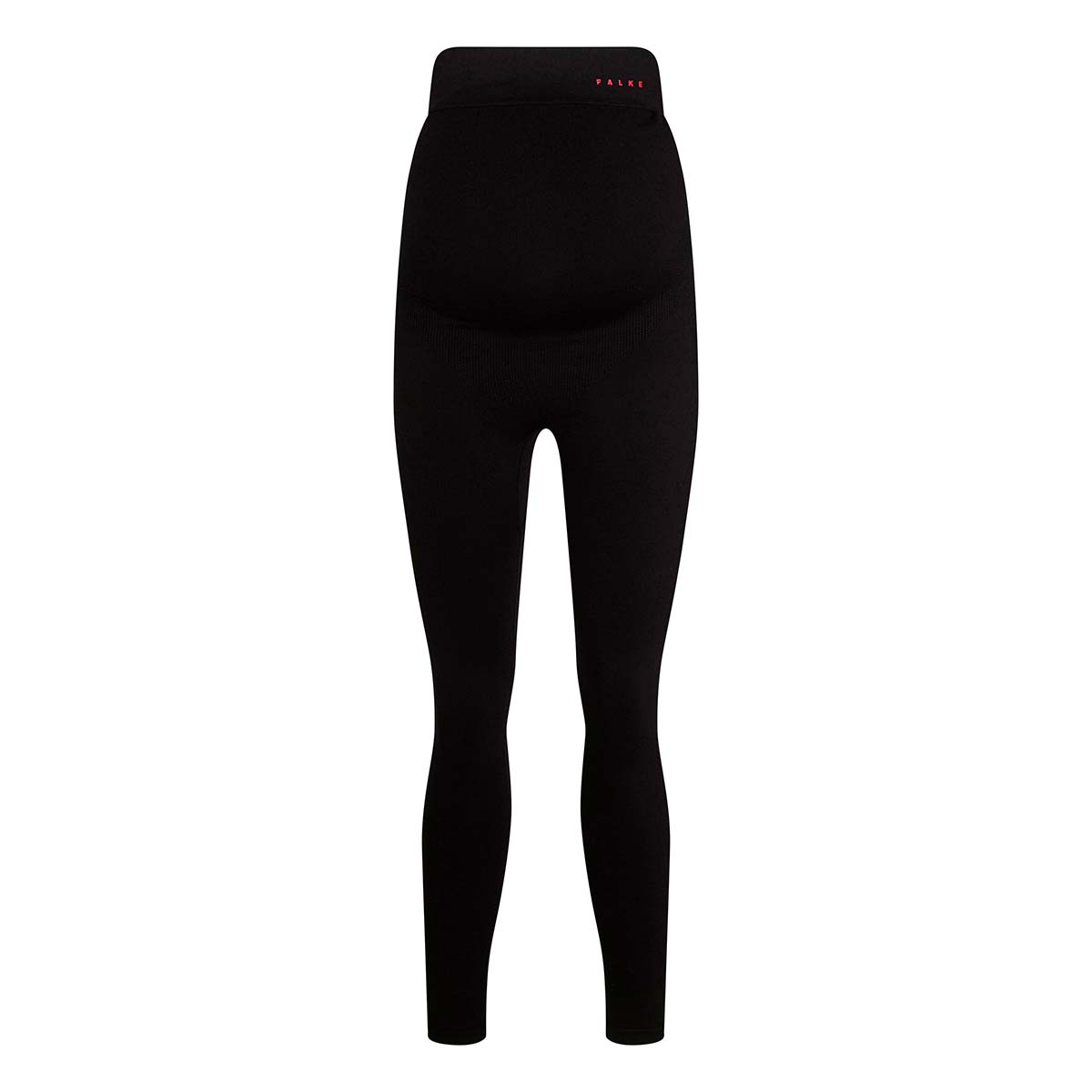
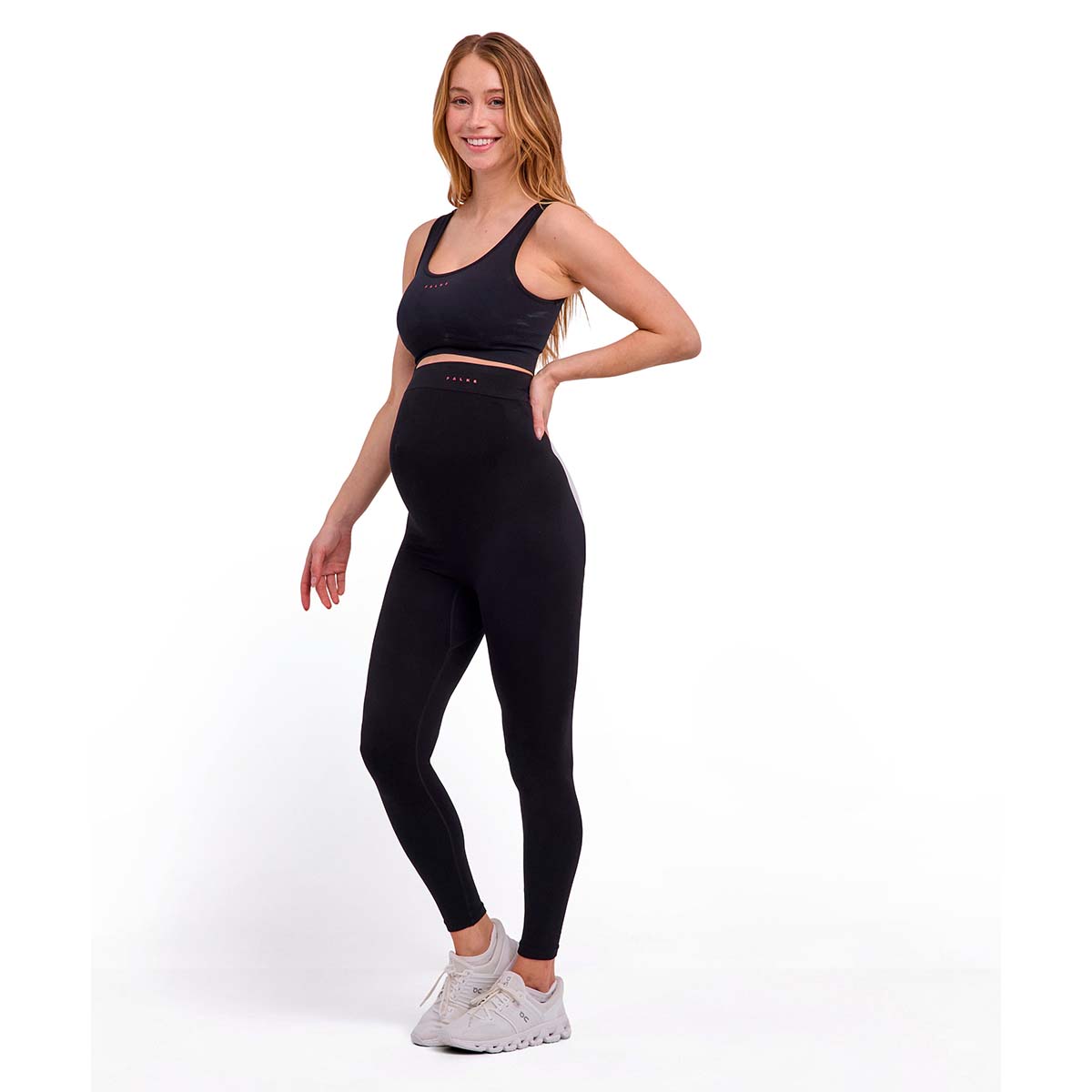
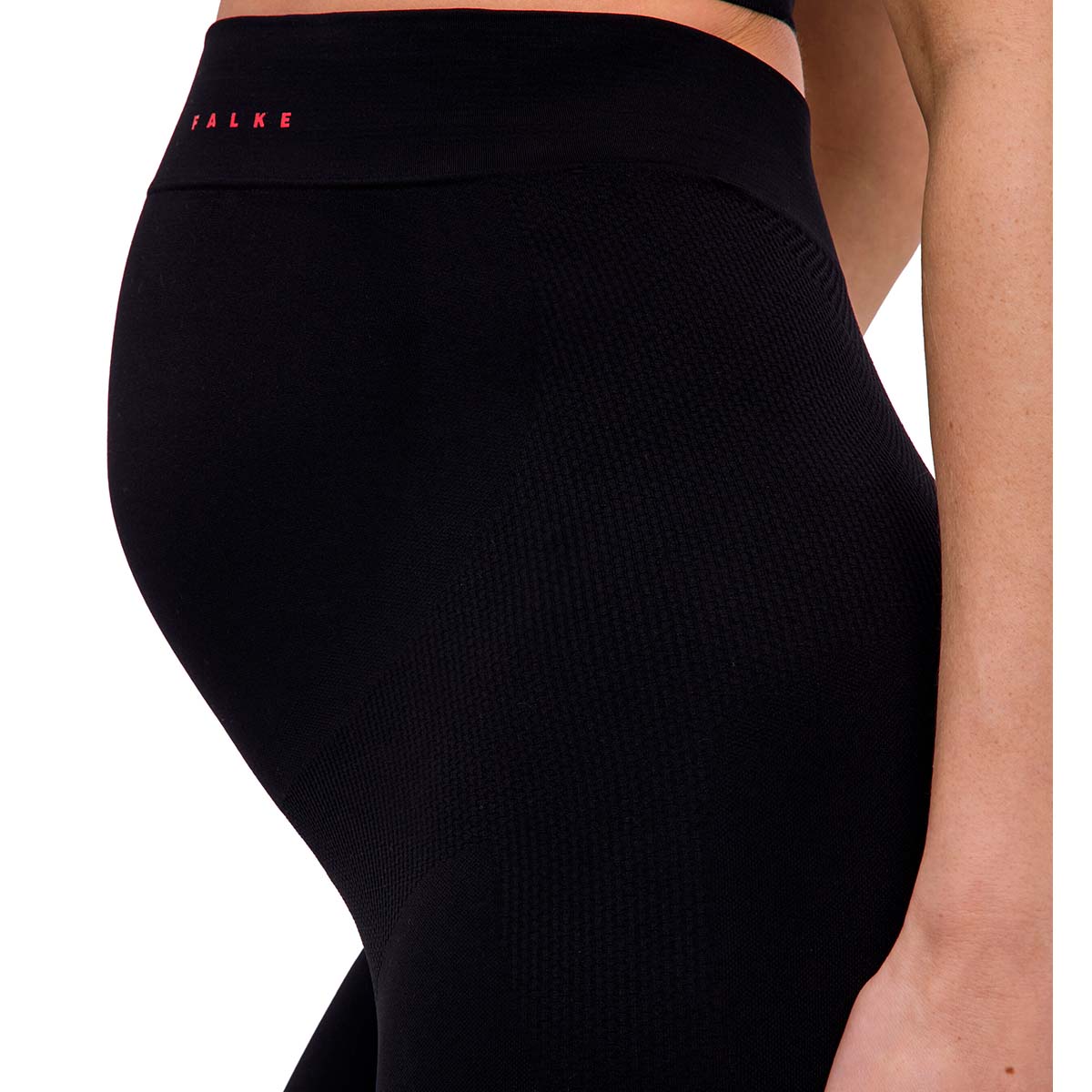
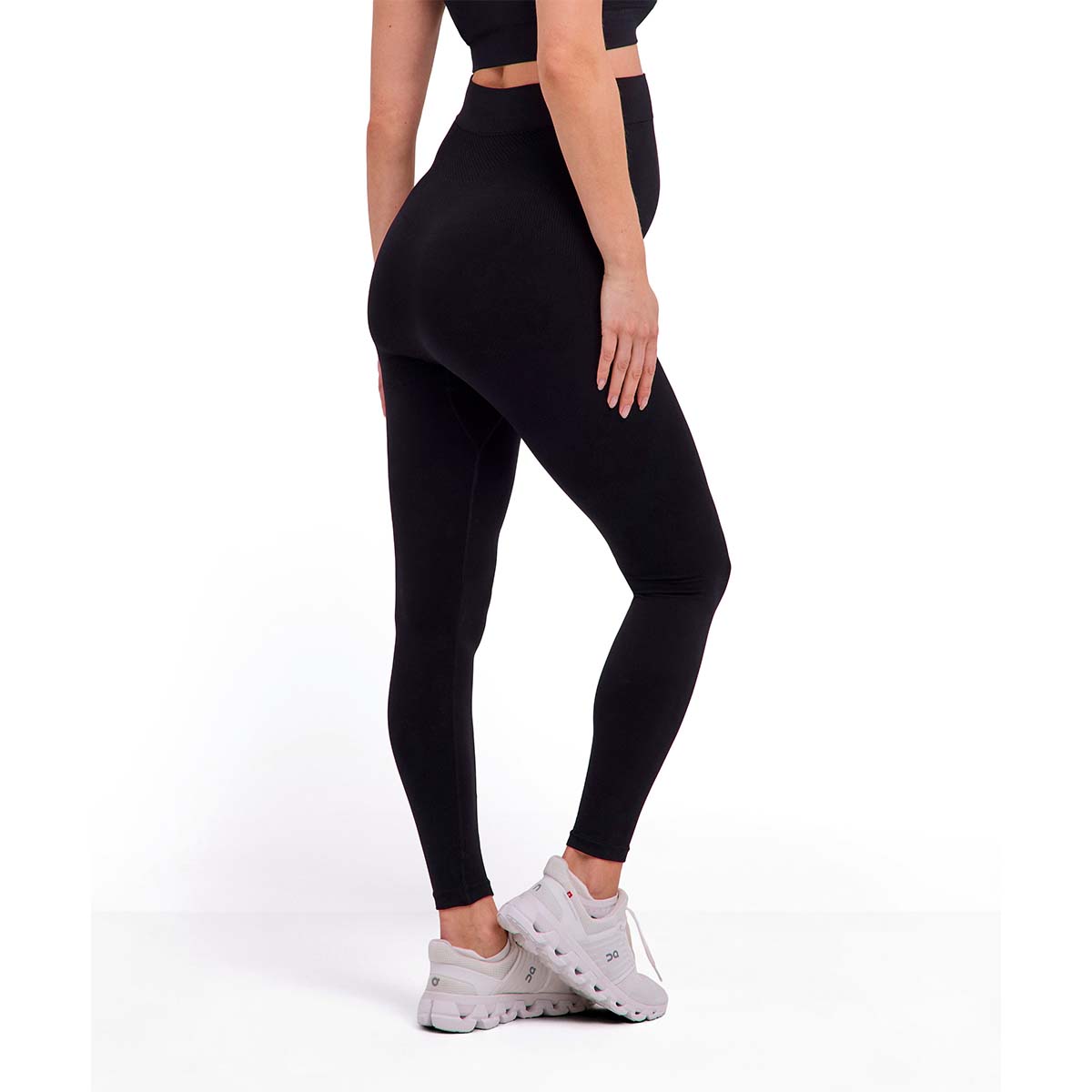


Maternity leggings for relaxing, everyday wear and light activity
Maternity leggings are close-fitting bottoms designed with a construction that may allow additional room around your bump. They can be worn at home, on walks and during other daily activities, although not every style is intended for the same purpose. For relaxing, a soft fabric surface and a flexible fit may be particularly useful, especially when sitting or lying down. If you plan to move around more, it is worth checking whether the fabric moves with your body and whether the leggings stay in place without needing to be pulled up or adjusted.
Workout leggings can differ from ordinary everyday styles in both fabric and construction. Some textiles, for example, have moisture-management properties, but these are not automatically a feature of all maternity leggings. A style that works well for gentle activities may not have the characteristics you want for exercise. Check the individual product description if you intend to wear your leggings for physical activity. Appearance alone does not tell you what a particular style has been designed for.
Ribbed and smooth maternity leggings: understanding the different textures
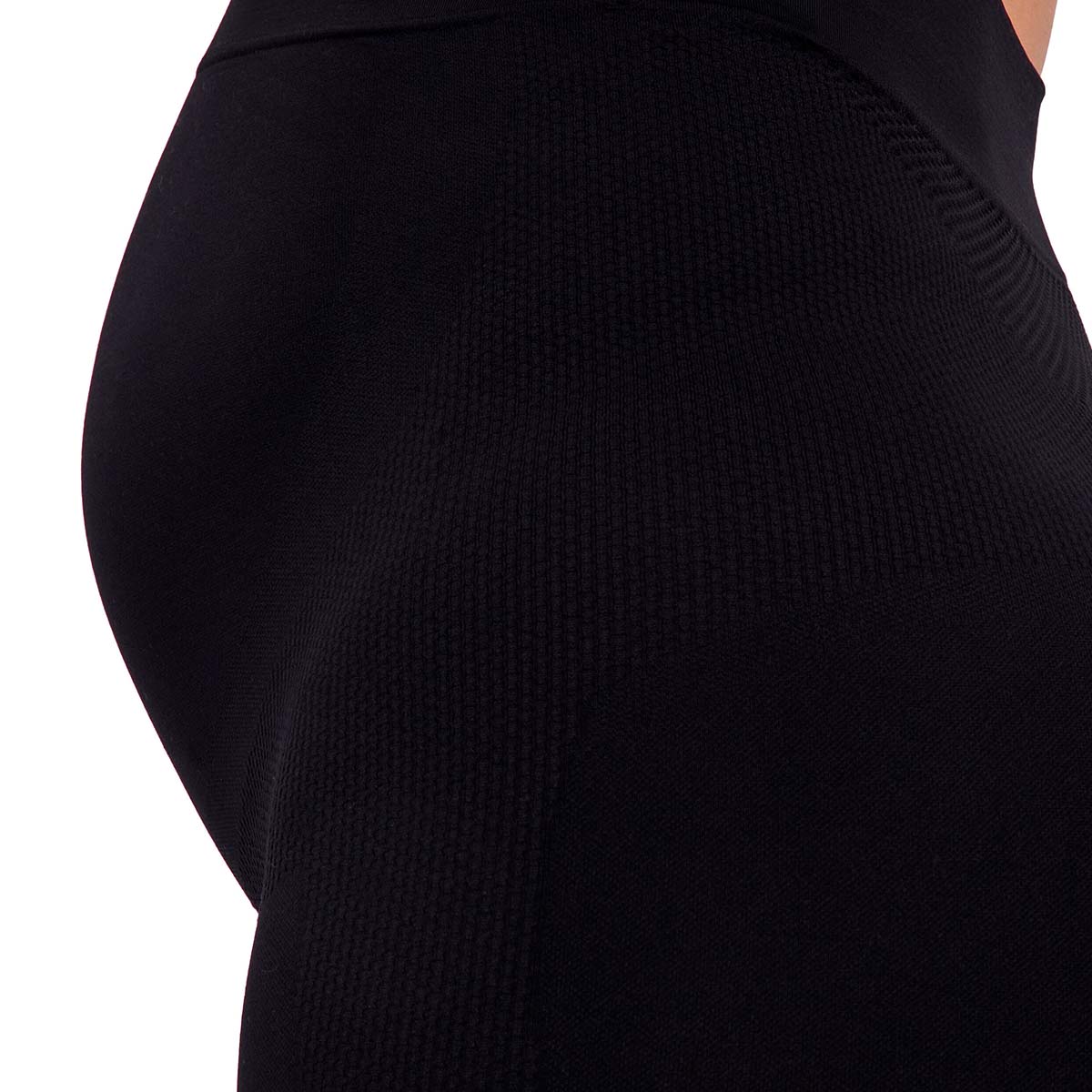
Ribbed maternity leggings are recognised by their lengthwise textured pattern. The ribs may be narrow or wide, and how prominent they appear depends on the fabric. Smooth leggings, by contrast, have a more uniform surface that may be matt or slightly shiny. Both styles can fit closely to the body, but they create different looks beneath a long blouse or tunic. Visible ribbing does not necessarily mean the fabric is more stretchy. Elasticity depends partly on the knitting method and the fibres used. Equally, a smooth surface does not indicate a particular fabric thickness or feel against the skin. Two ribbed styles may have different properties, just as two smooth fabrics can vary in texture and flexibility. If fabric performance matters to you, consider more than the surface appearance when making your choice.
How opaque should your maternity leggings be?
If you plan to wear maternity leggings as bottoms in their own right, fabric opacity can be an important consideration. A material may appear dense when laid flat but become more see-through when stretched across the hips and thighs. Leggings are typically made from knitted textiles, and stretching can open up the knit structure, making more of what is underneath the fabric visible.
Fabric thickness plays a part, but it is not the only factor. Colour, knit construction and surface finish also affect the overall appearance. Light and dark fabrics can look different, as can matt and glossy finishes. A higher fabric weight is therefore not a reliable guarantee that leggings will be opaque. Stretch also matters because the same fabric may be stretched to different degrees depending on size and fit. Simply comparing how substantial two materials look in product photographs is not enough to judge their coverage.
If you mainly intend to wear your leggings underneath a dress or tunic, a thinner fabric may be sufficient. If you prefer pairing them with a shorter top, it may be more important to establish how opaque the material remains when stretched. It is also worth distinguishing opacity from specific features such as compression. These characteristics cannot be determined from thickness alone and should only be attributed to a product when they are stated in the product information.
Full-length, three-quarter and short maternity leggings
Length affects both how much of your legs the leggings cover and how they look with the rest of your outfit. The usual length descriptions refer to different finishing points:
- Full-length leggings: Usually reach approximately to the ankles and can be worn as close-fitting bottoms or beneath longer tops. Their exact length also depends on your height.
- Three-quarter-length leggings: Finish higher on the lower leg, often around the calf, leaving more of the lower leg exposed than full-length styles.
- Short leggings: May finish around the knees or higher on the thighs. They can be useful beneath a dress, for example, if you prefer shorter bottoms.
However, the style name alone does not always tell you exactly where the leggings will finish. The same close-fitting design may end above the ankle on one person and further down on another. Look for garment length measurements in the product description if the position of the hem matters to you. Also consider what you normally wear with your leggings. A short style worn under a dress serves a different purpose from full-length leggings worn on their own as bottoms. Different lengths can therefore complement one another, although you may not need every type in your wardrobe.
Washing and caring for stretchy maternity leggings
Maternity leggings are repeatedly stretched around the hips, knees and legs. How well they retain their shape and surface appearance depends on the fabric quality, how frequently they are worn and how they are washed. Many stretchy textiles contain elastane, which contributes to the fabric's ability to stretch. Heat and unsuitable care can affect the fibres, however, so always follow the garment's care label rather than assuming all leggings can withstand the same washing temperatures or drying methods.
Friction can also leave visible signs of wear. When fabric rubs against other textiles or surfaces, certain materials may develop small balls of tangled fibres, known as pilling. This depends partly on the fibre type and textile construction and cannot be judged simply by whether the surface is smooth or ribbed. If the care instructions allow, turning your leggings inside out before washing may help reduce some direct friction on the outer surface. Pay attention to rough fastenings and other details on garments washed in the same load. If you expect to wear and wash your leggings frequently, checking the material's care requirements before buying can be particularly worthwhile.
Drying should also follow the instructions for the individual garment. Some textiles can be tumble-dried, while others require a gentler method. Proper care can help limit unnecessary wear, although it cannot prevent every change caused by repeated use.
