



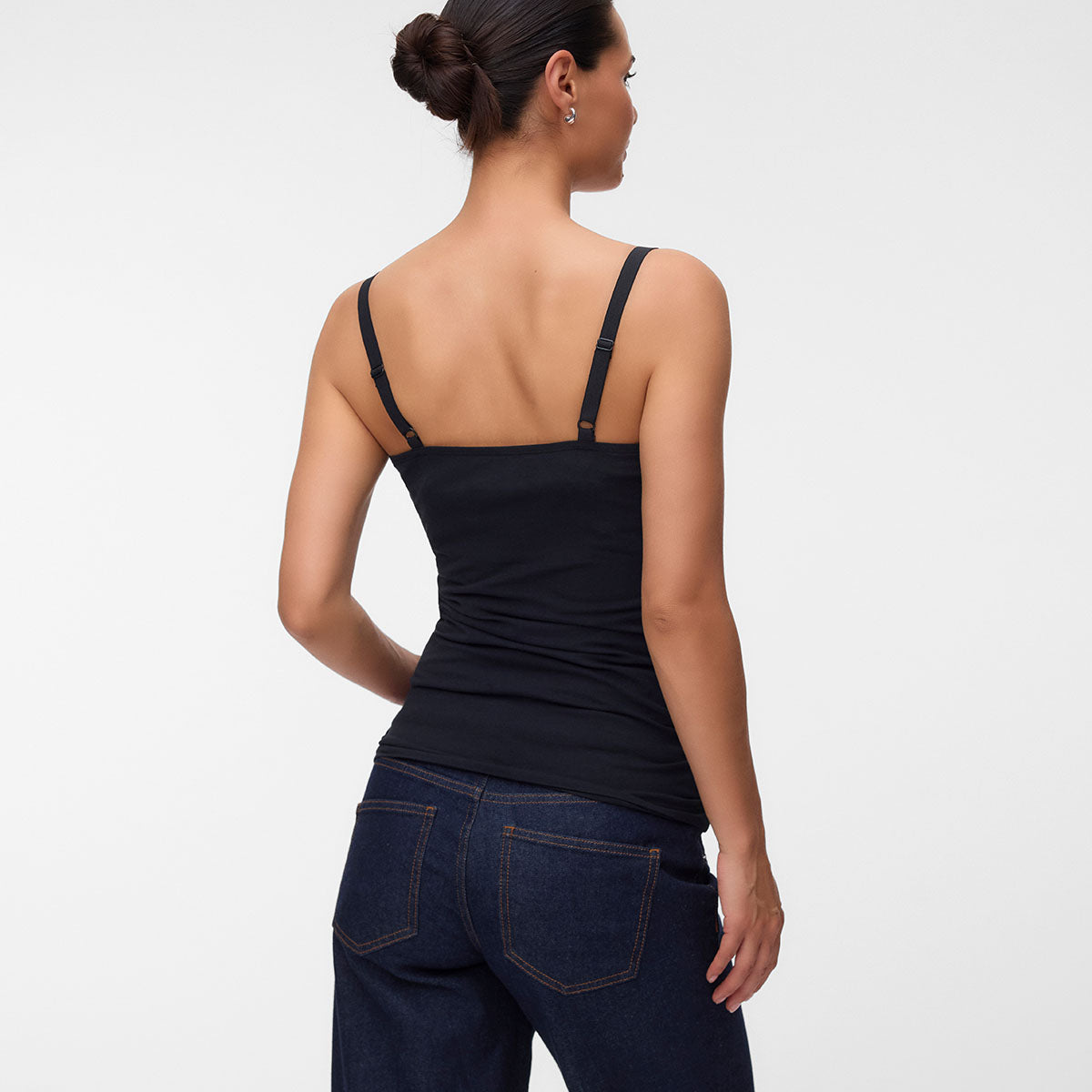
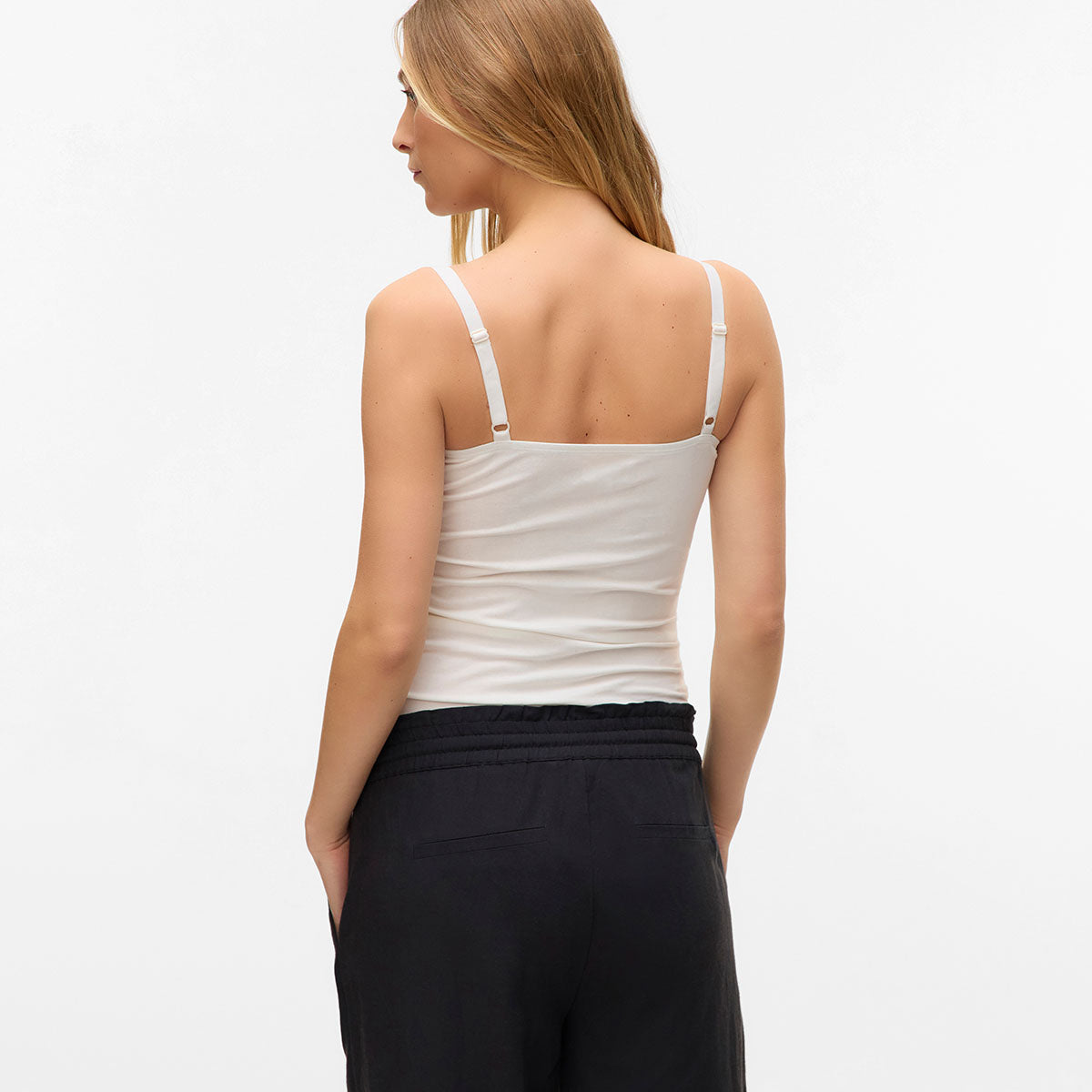
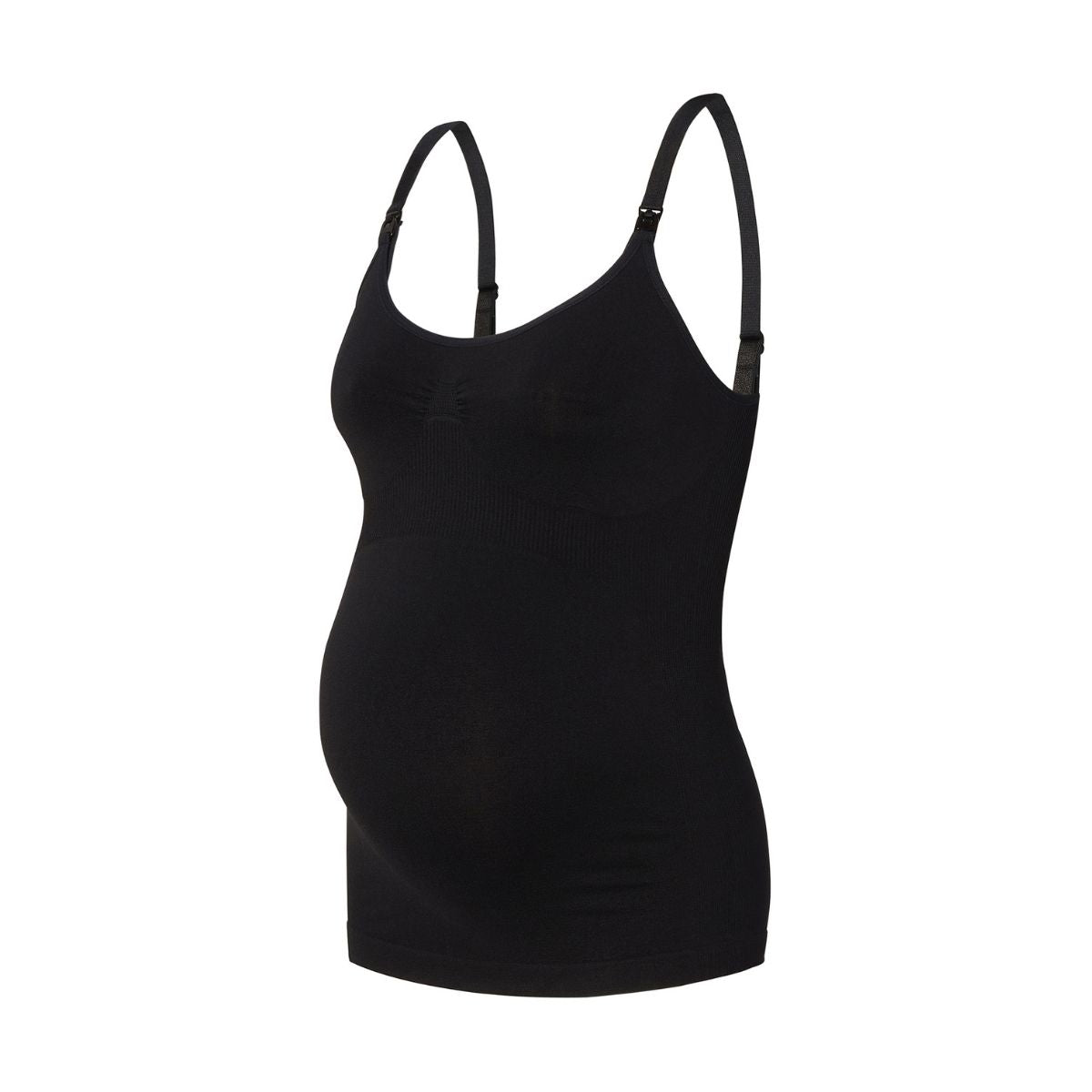
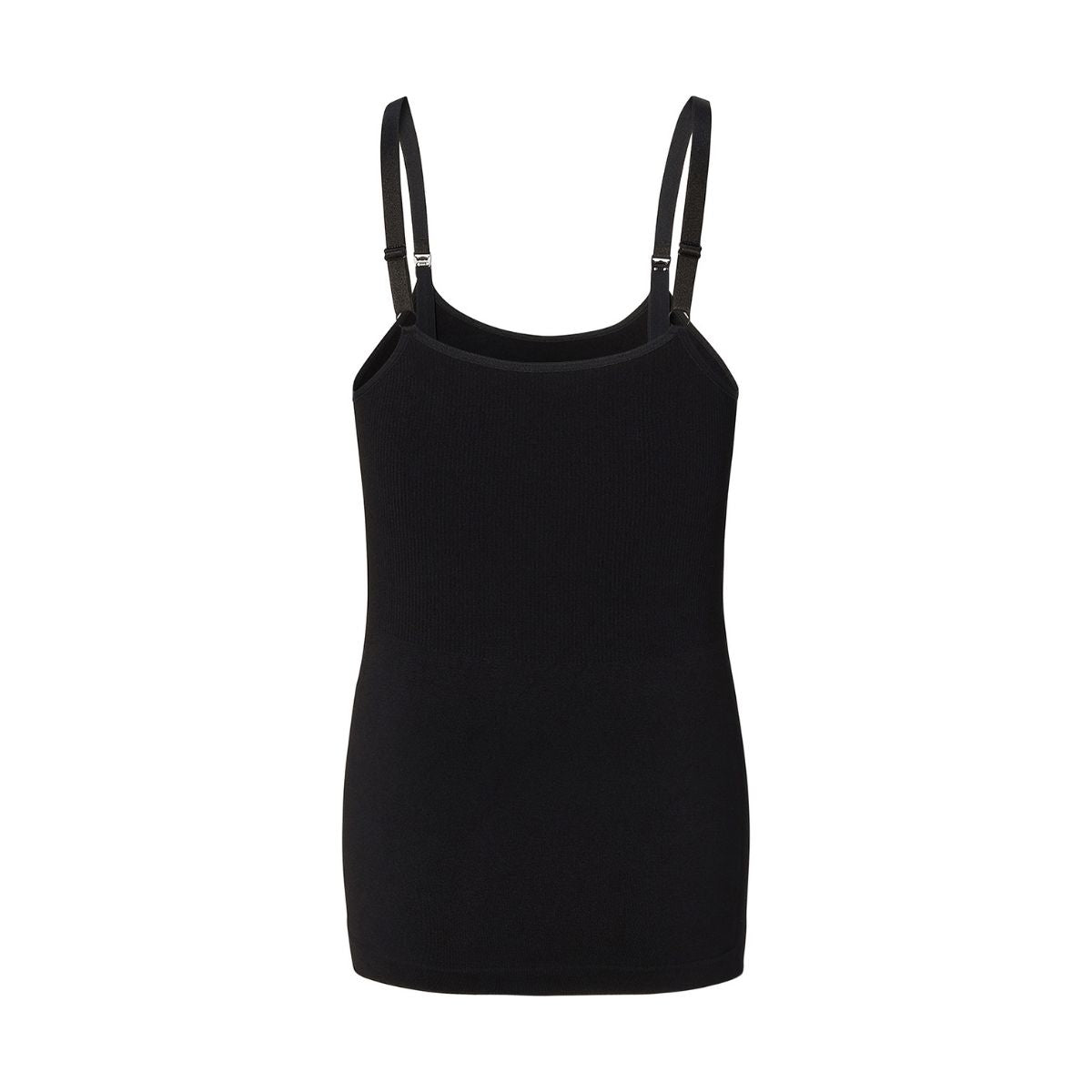
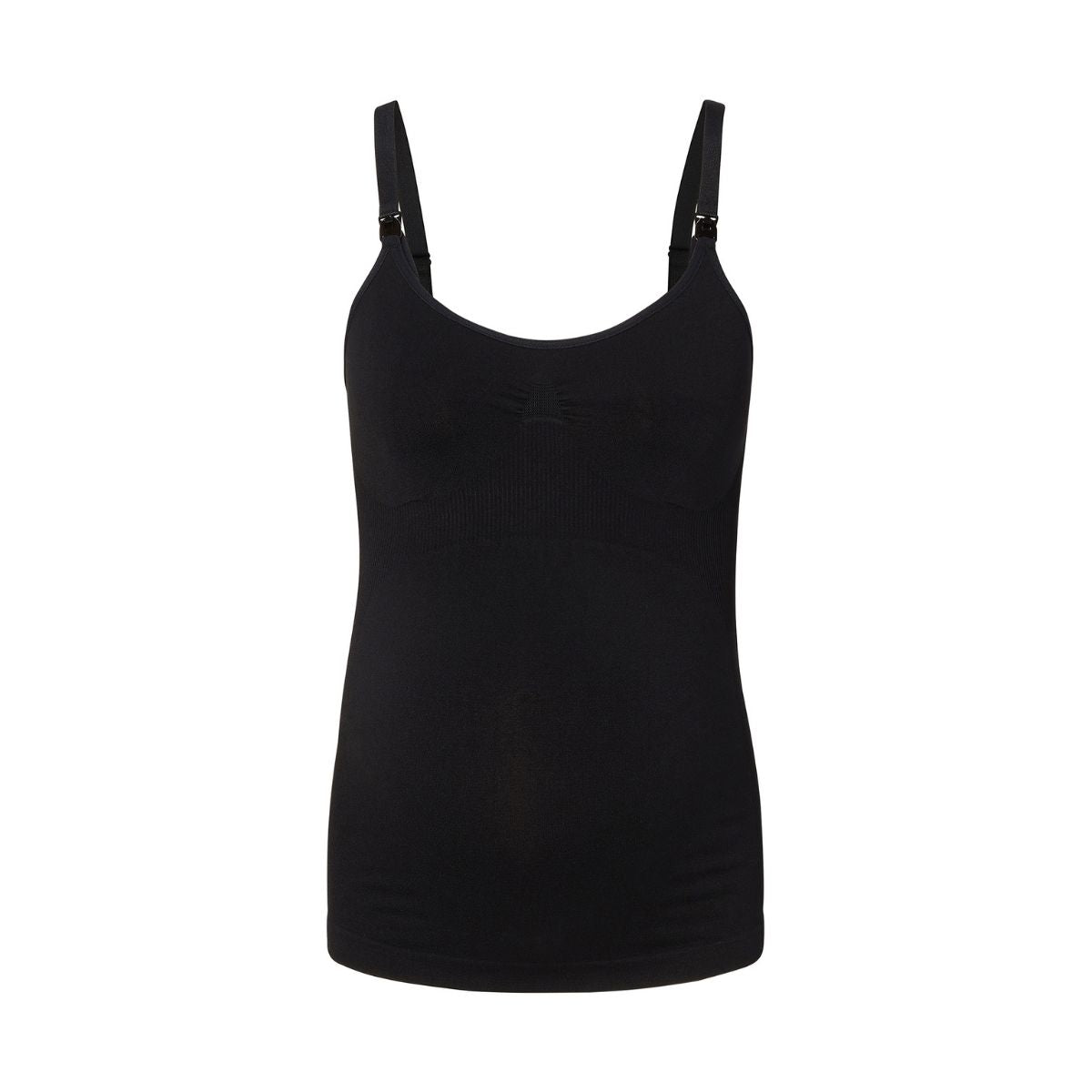
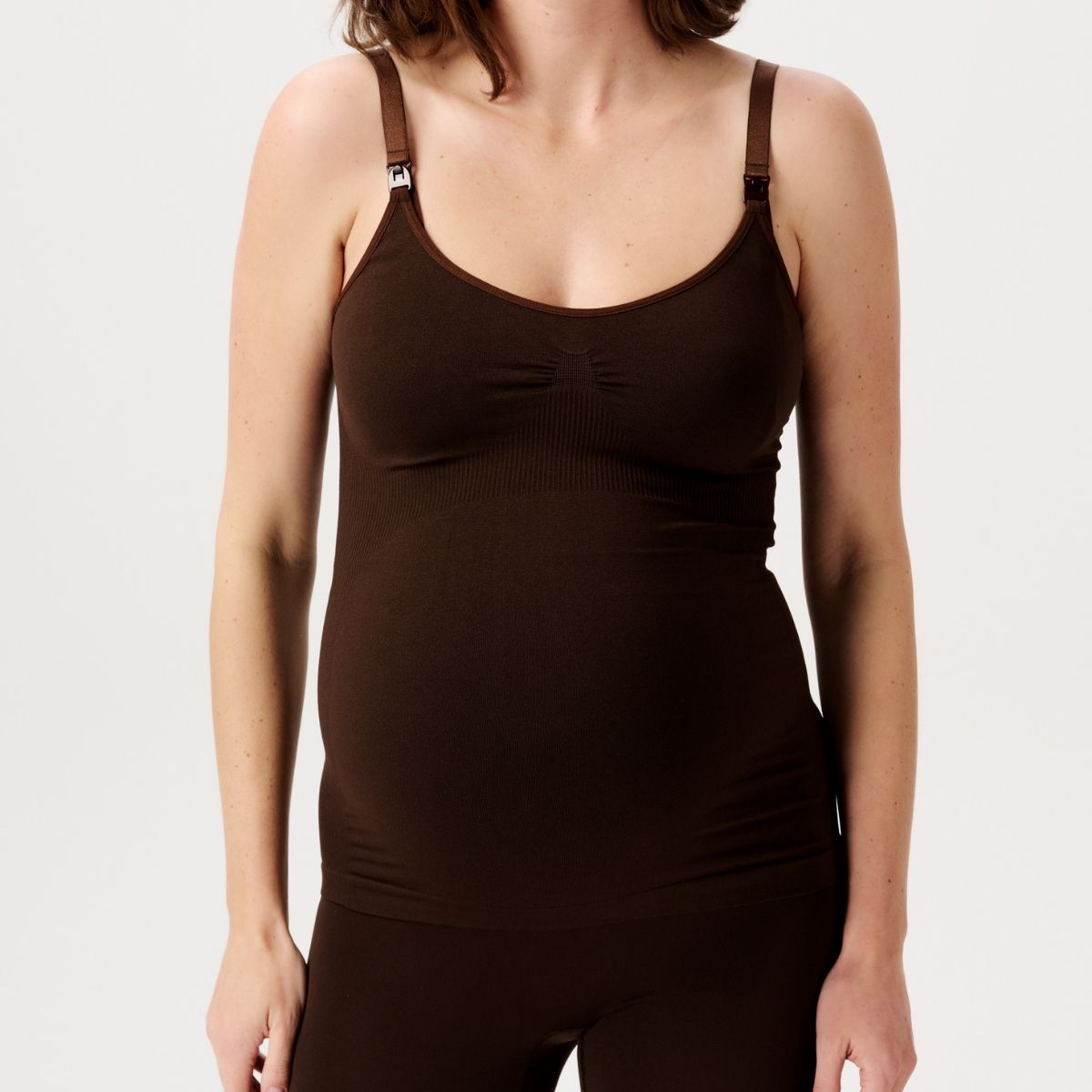
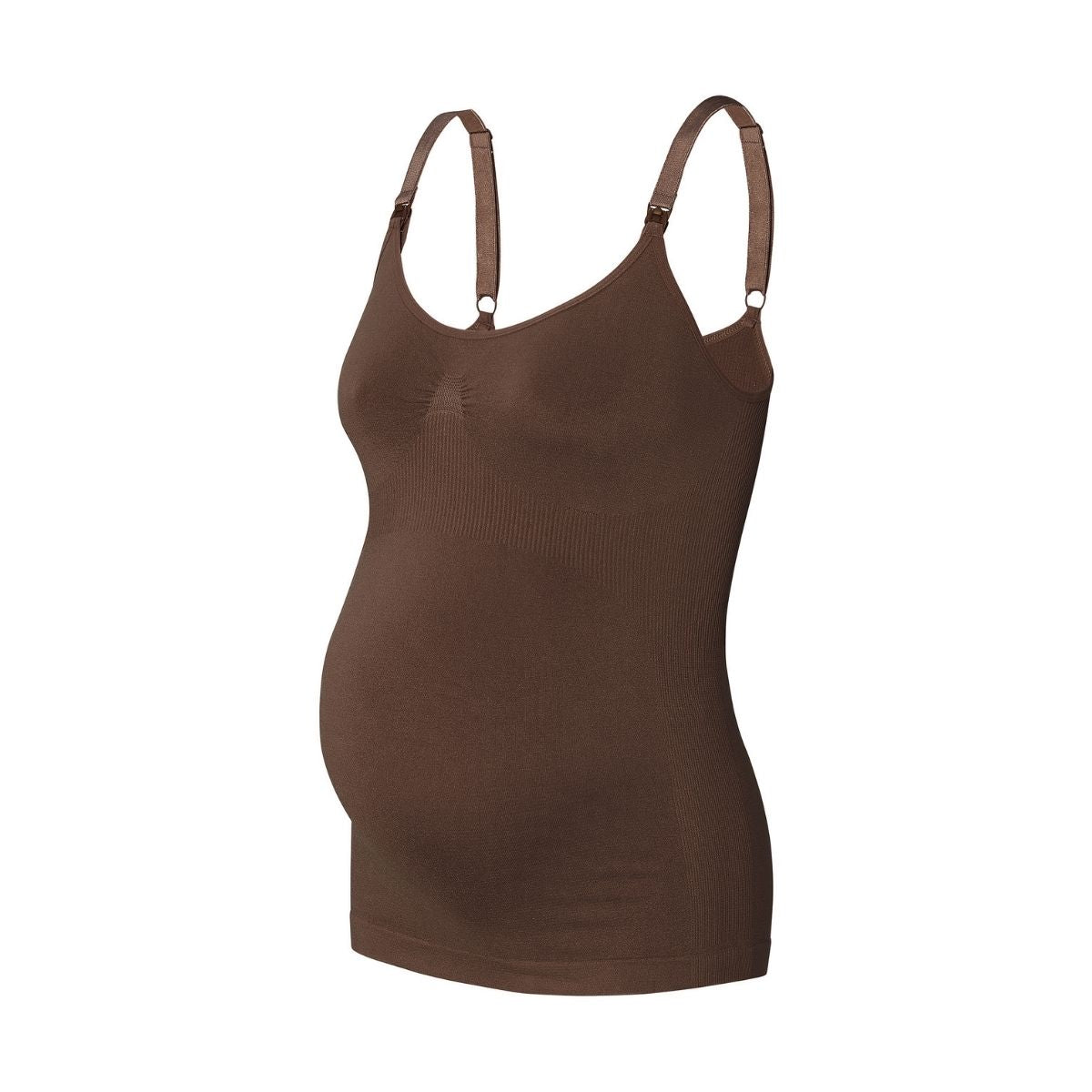
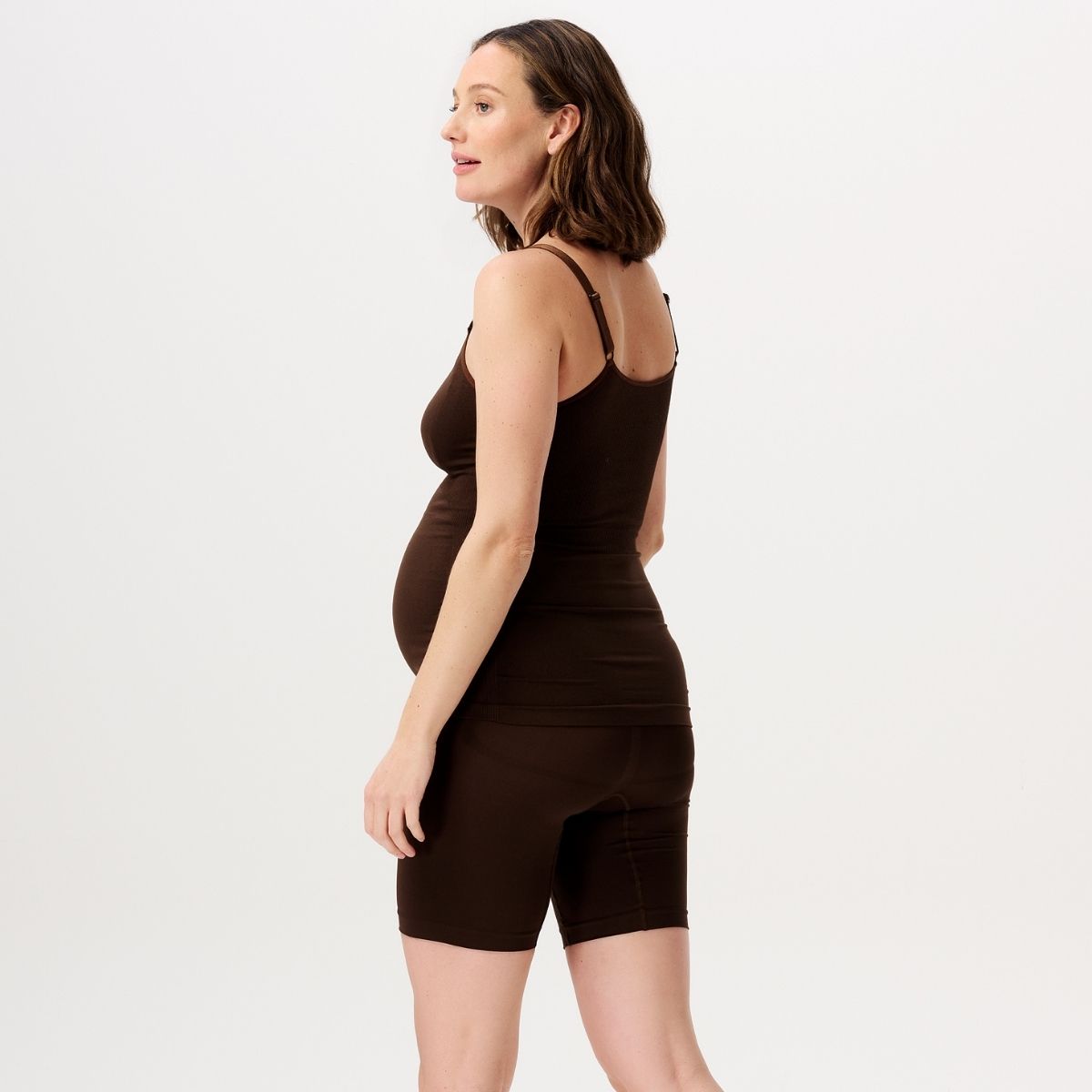
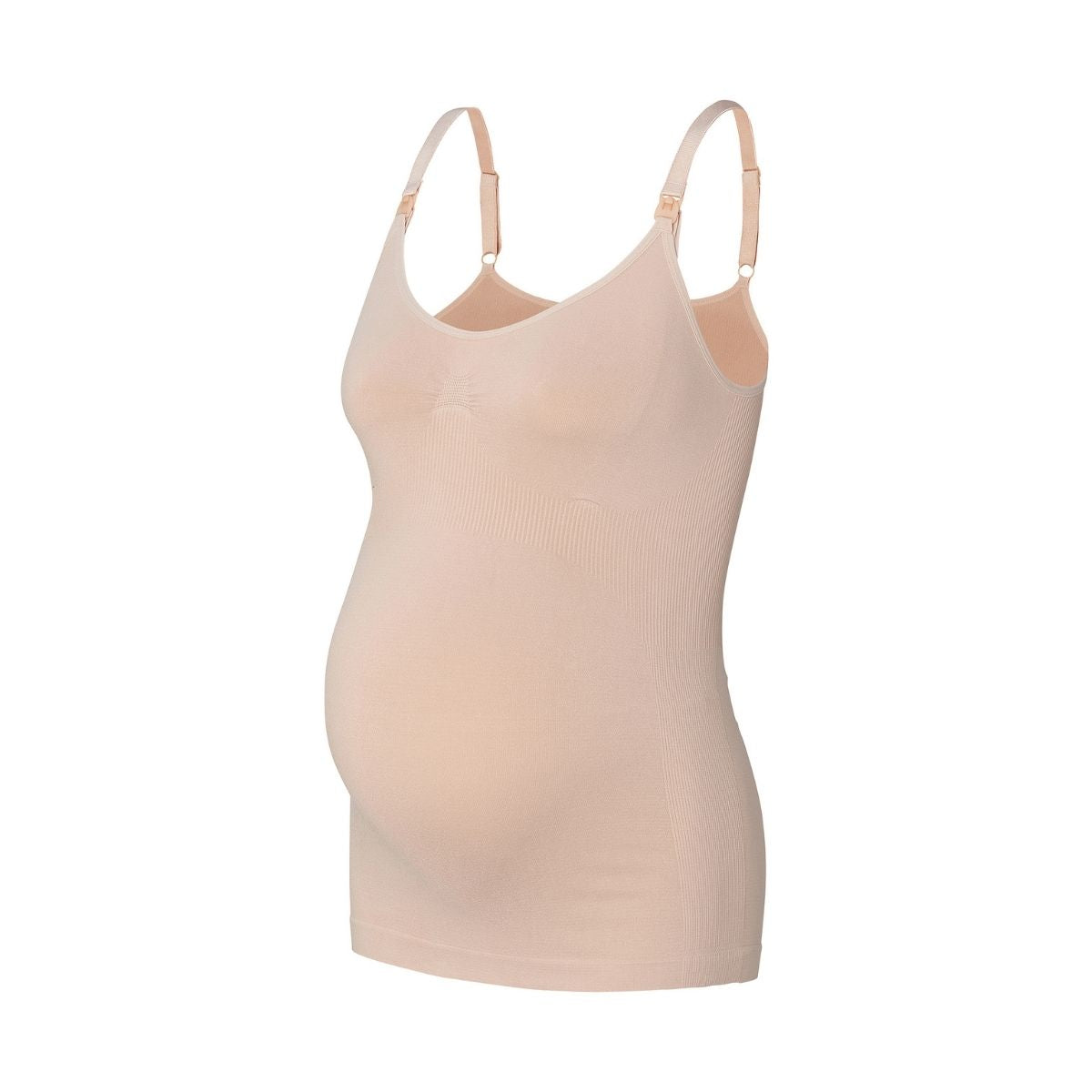
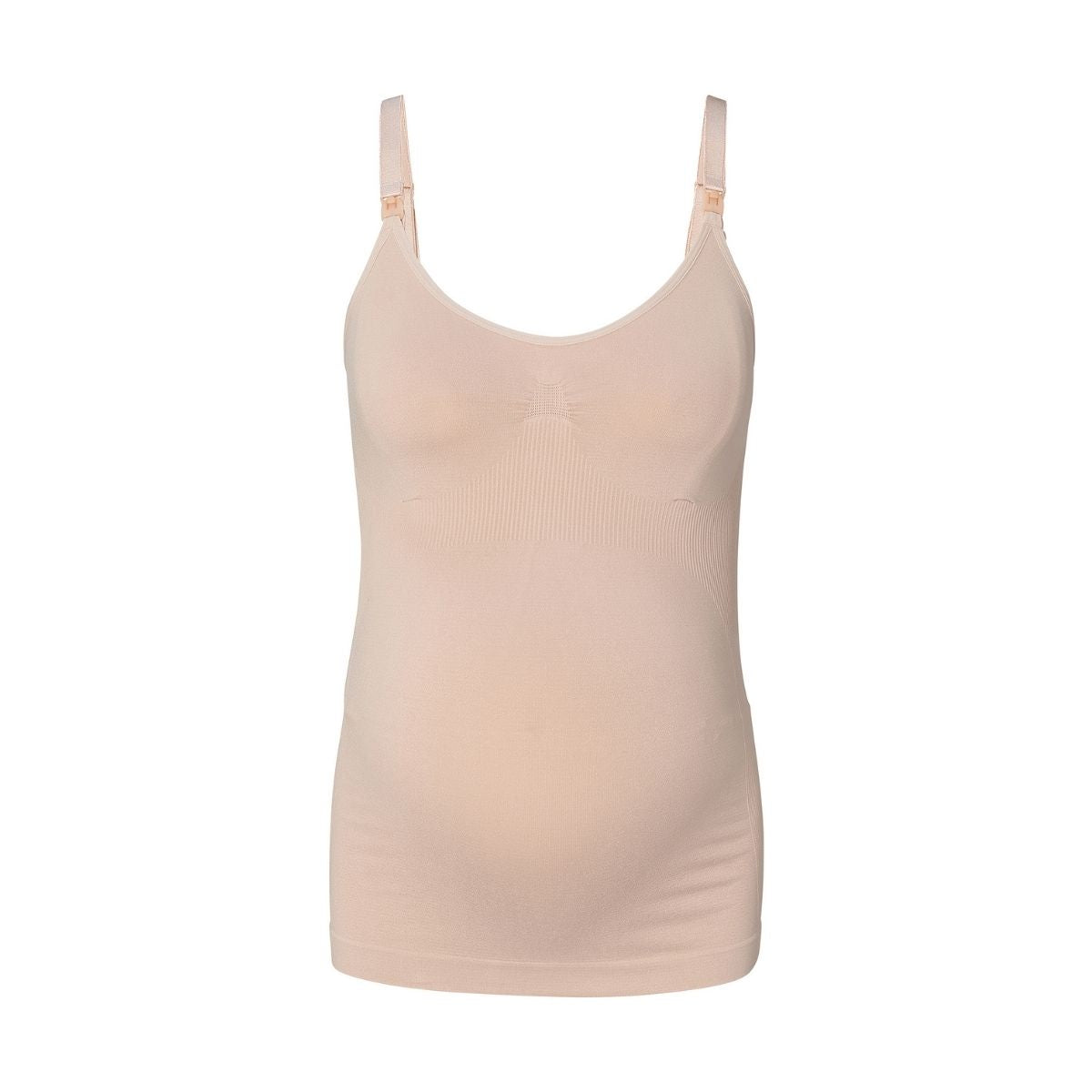
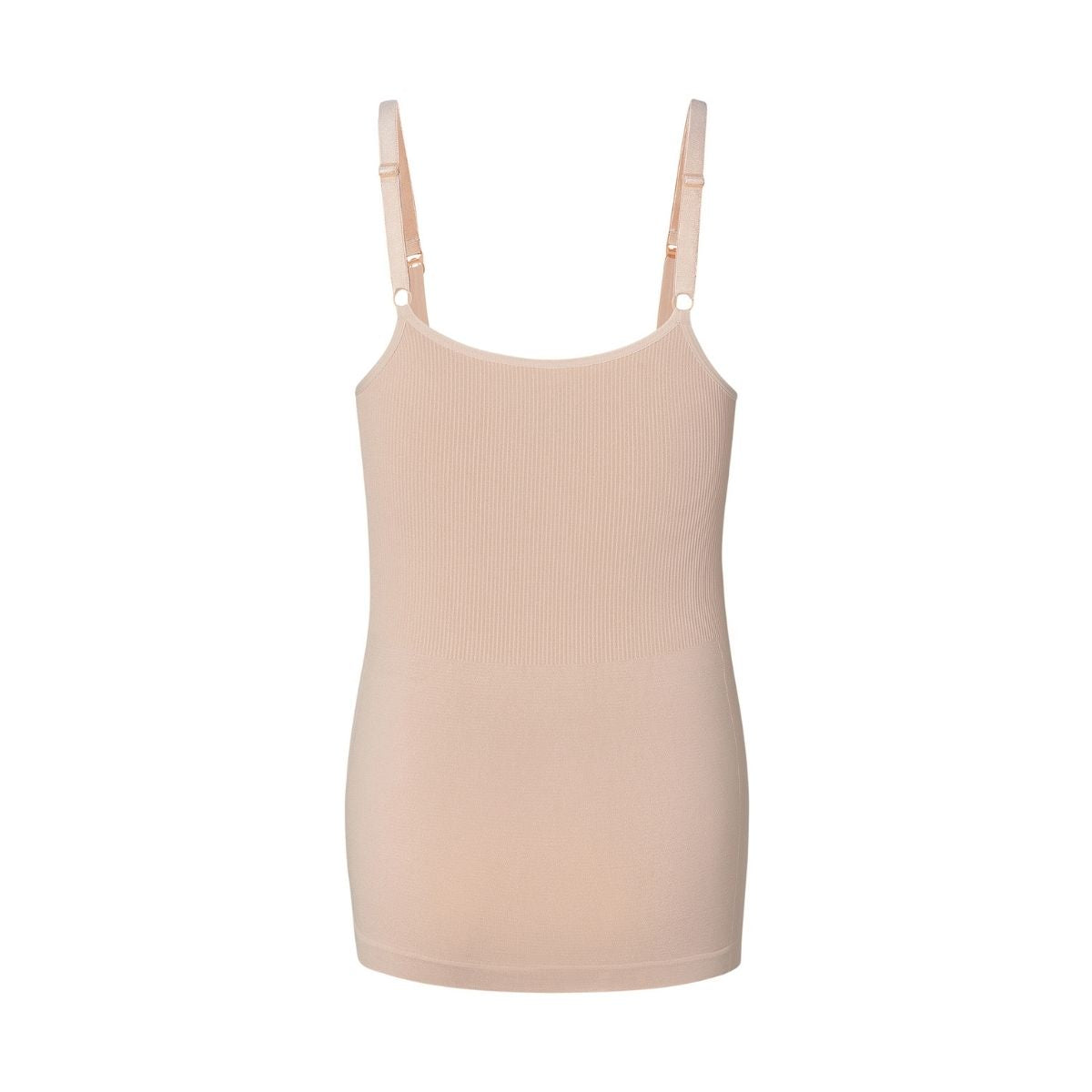
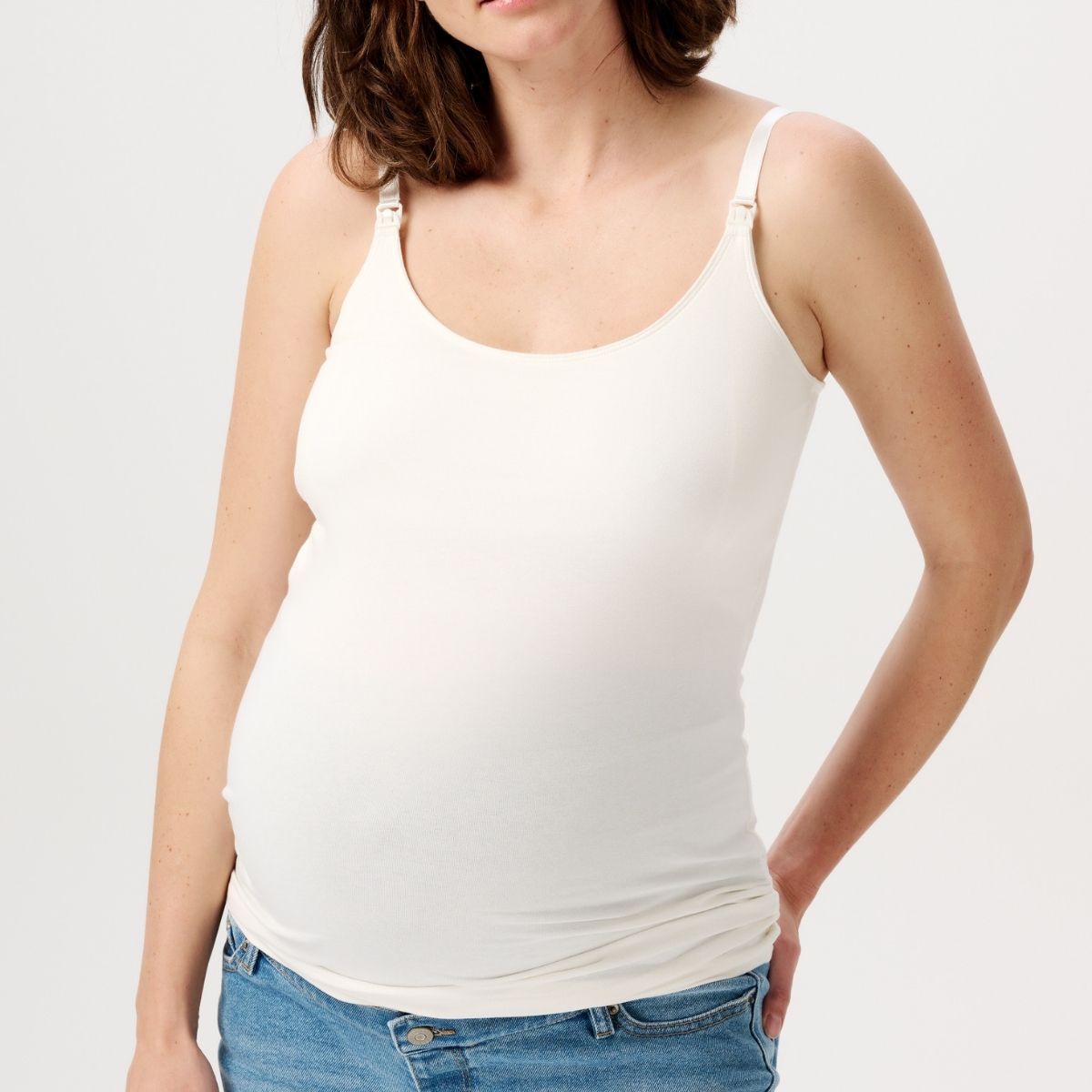




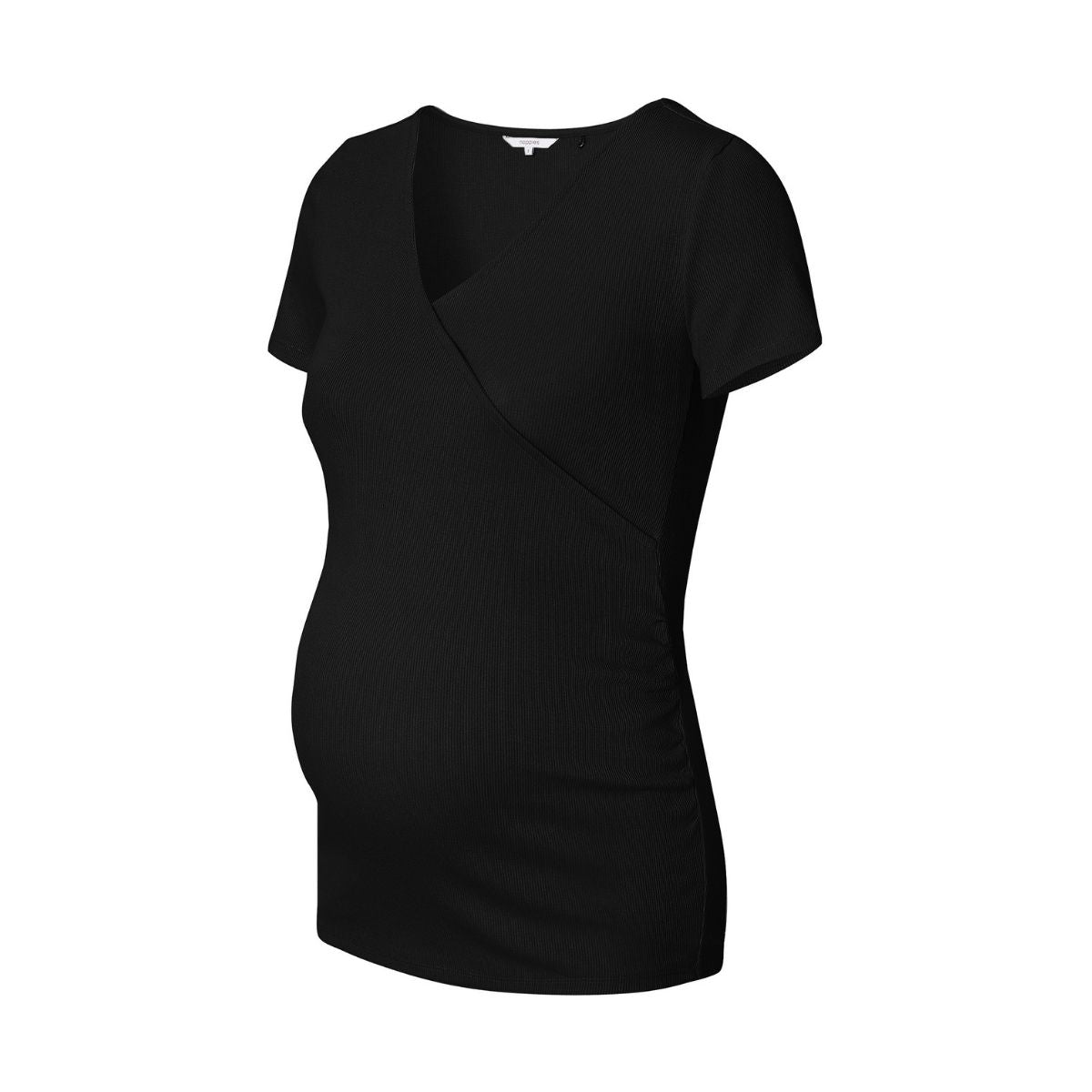
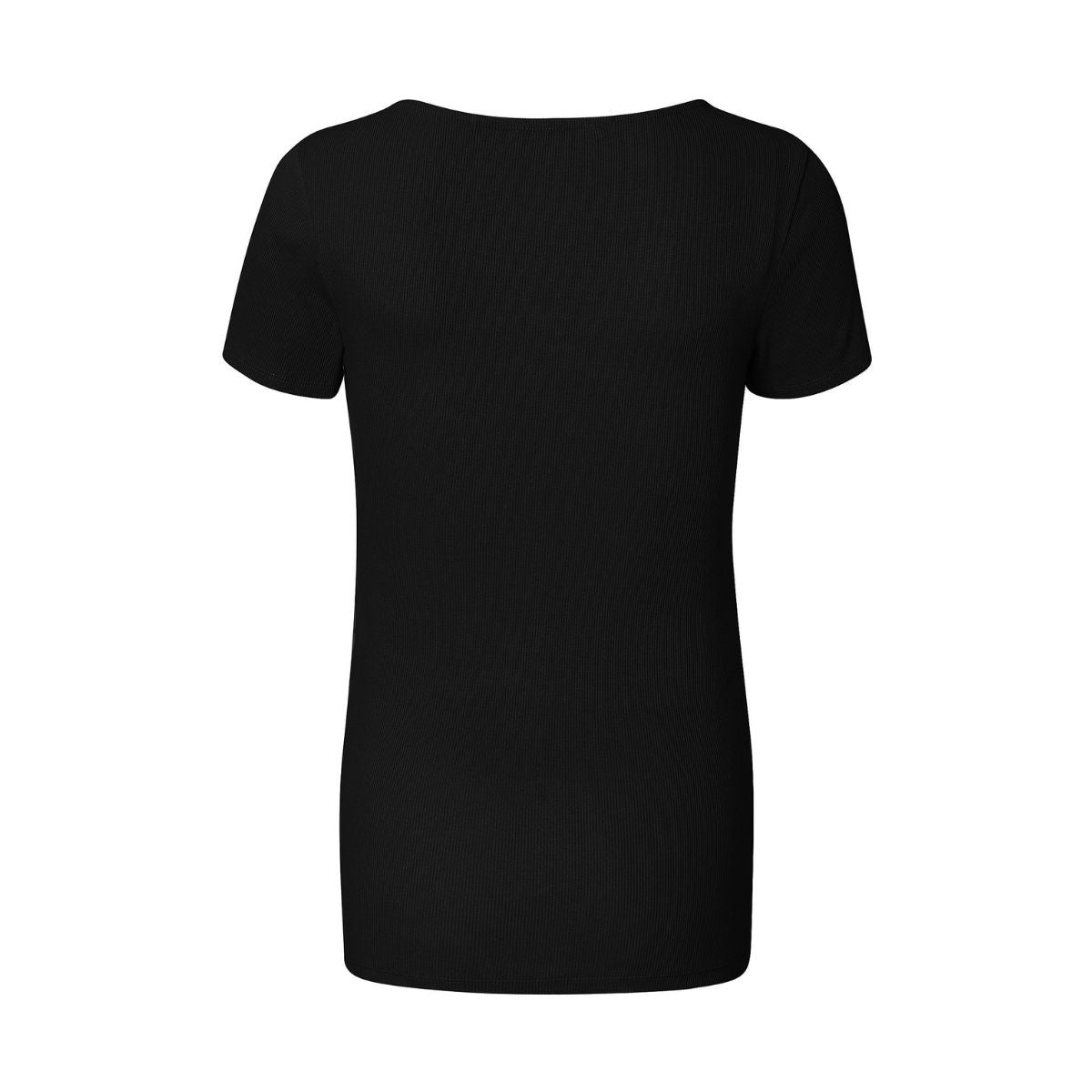


Maternity tops with extra length and room for your bump
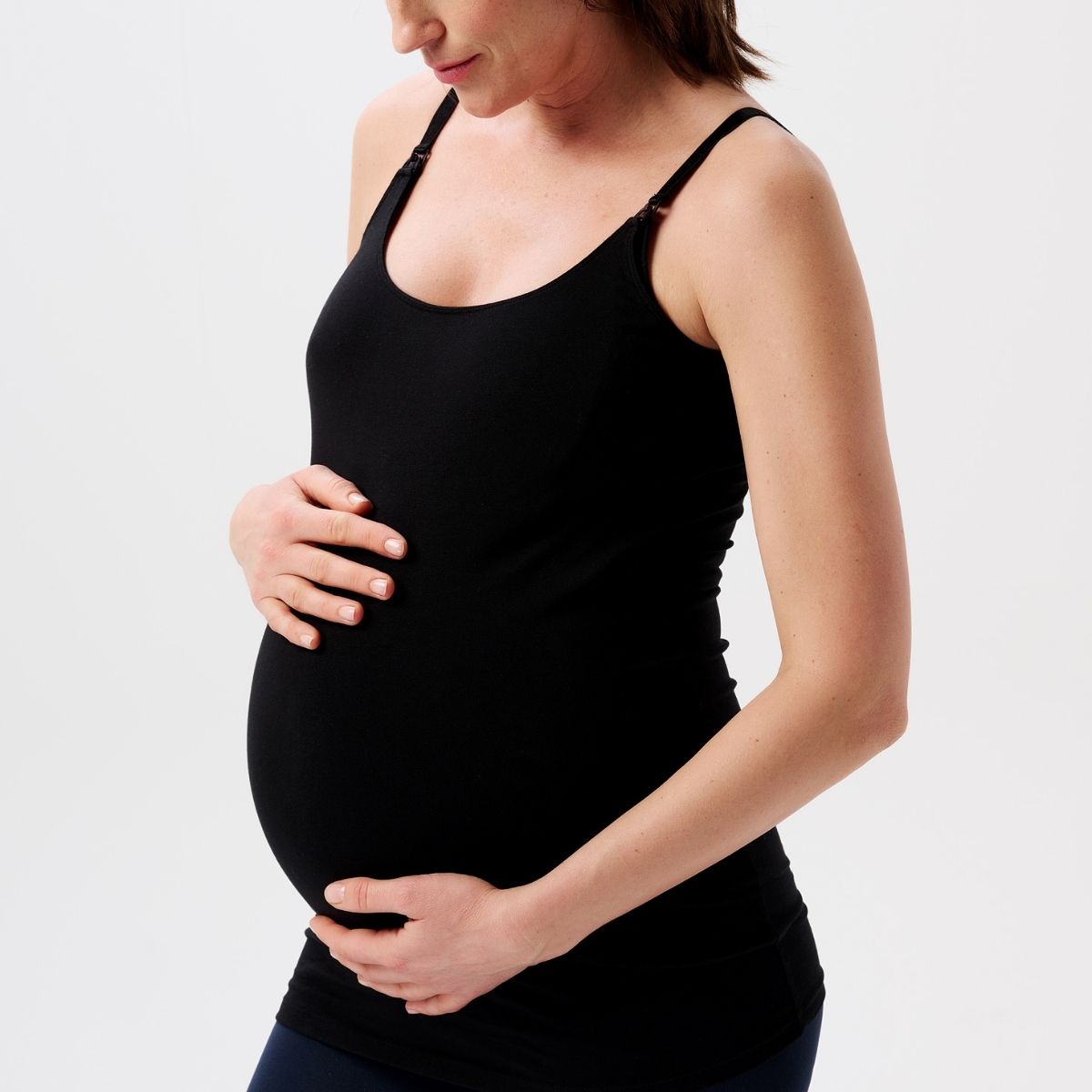
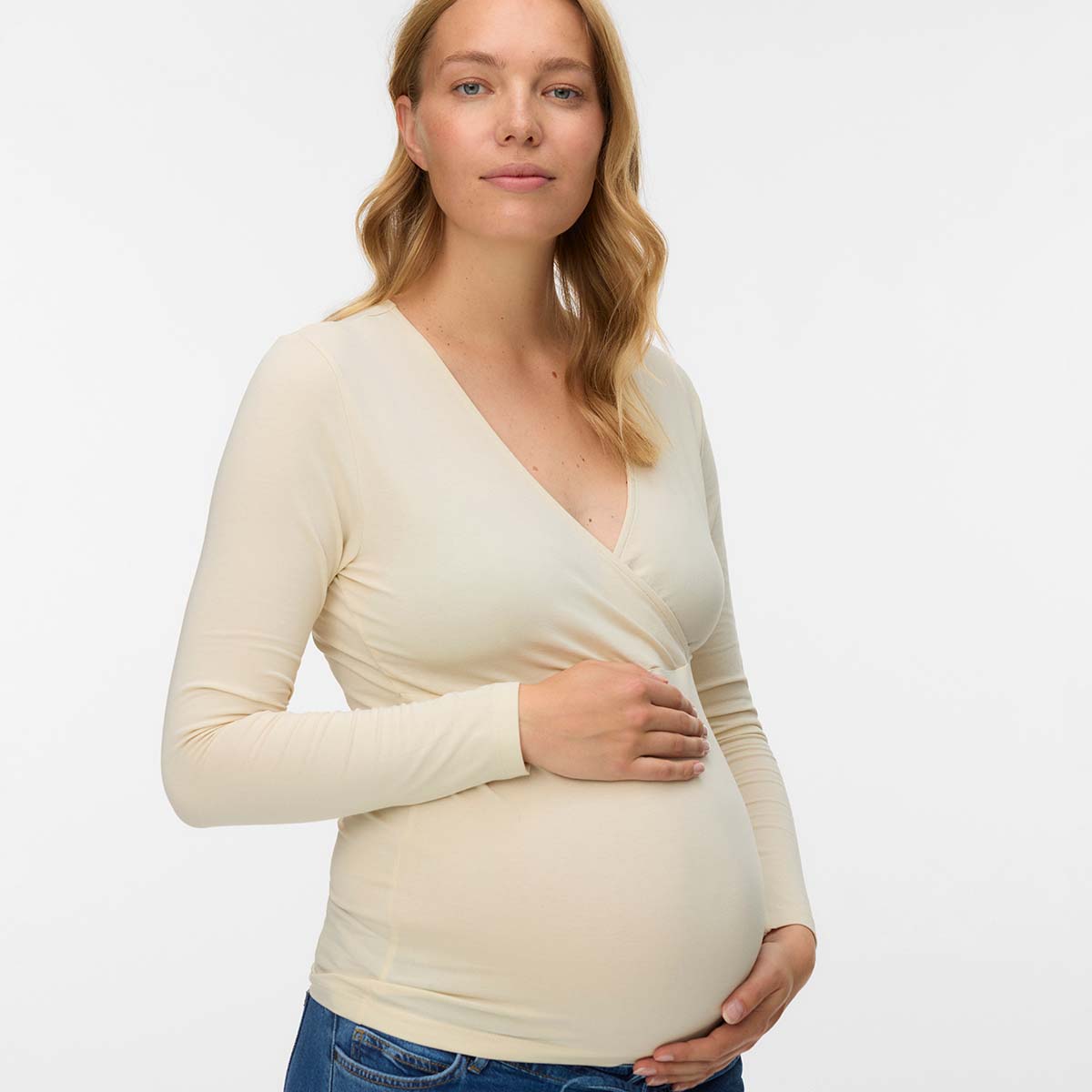
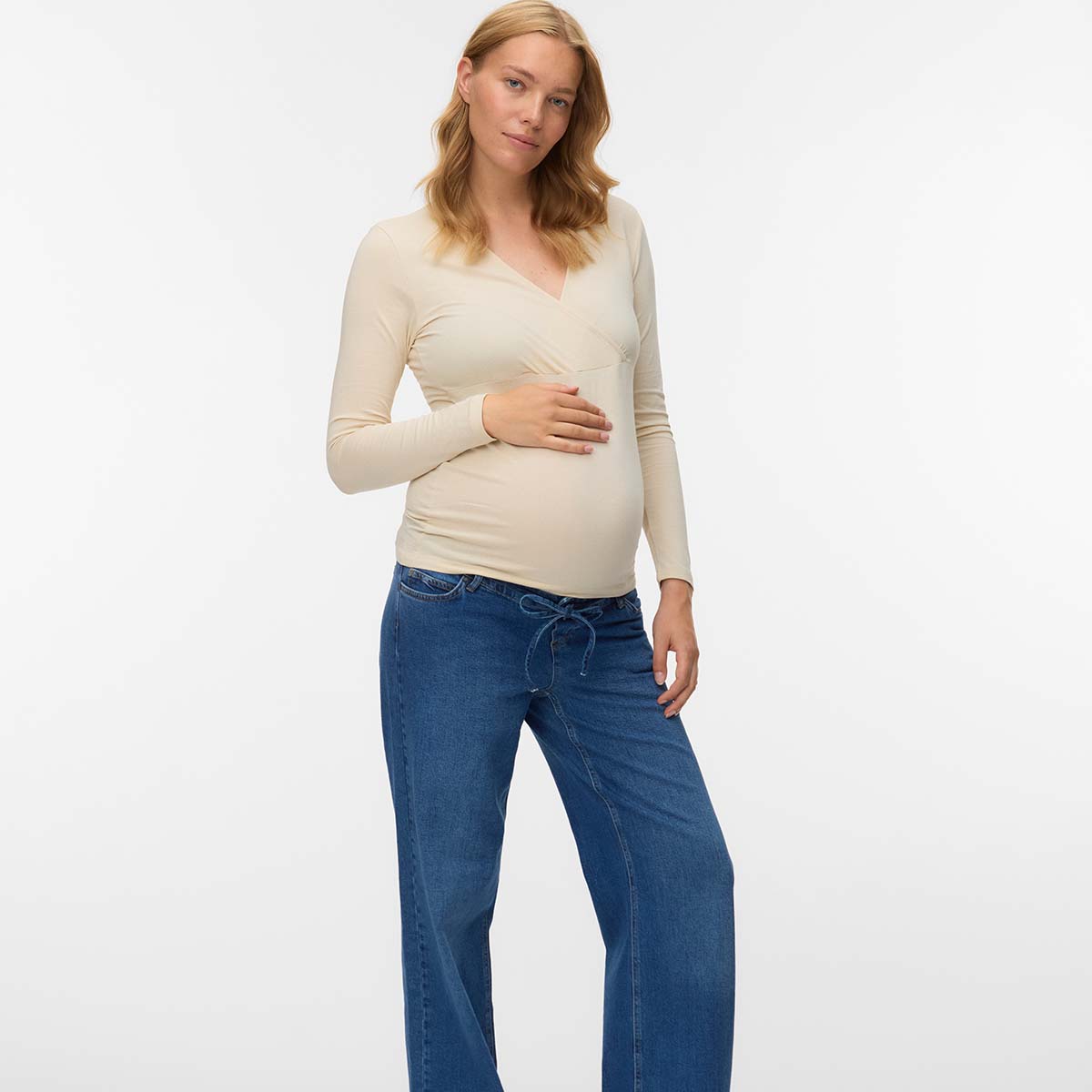
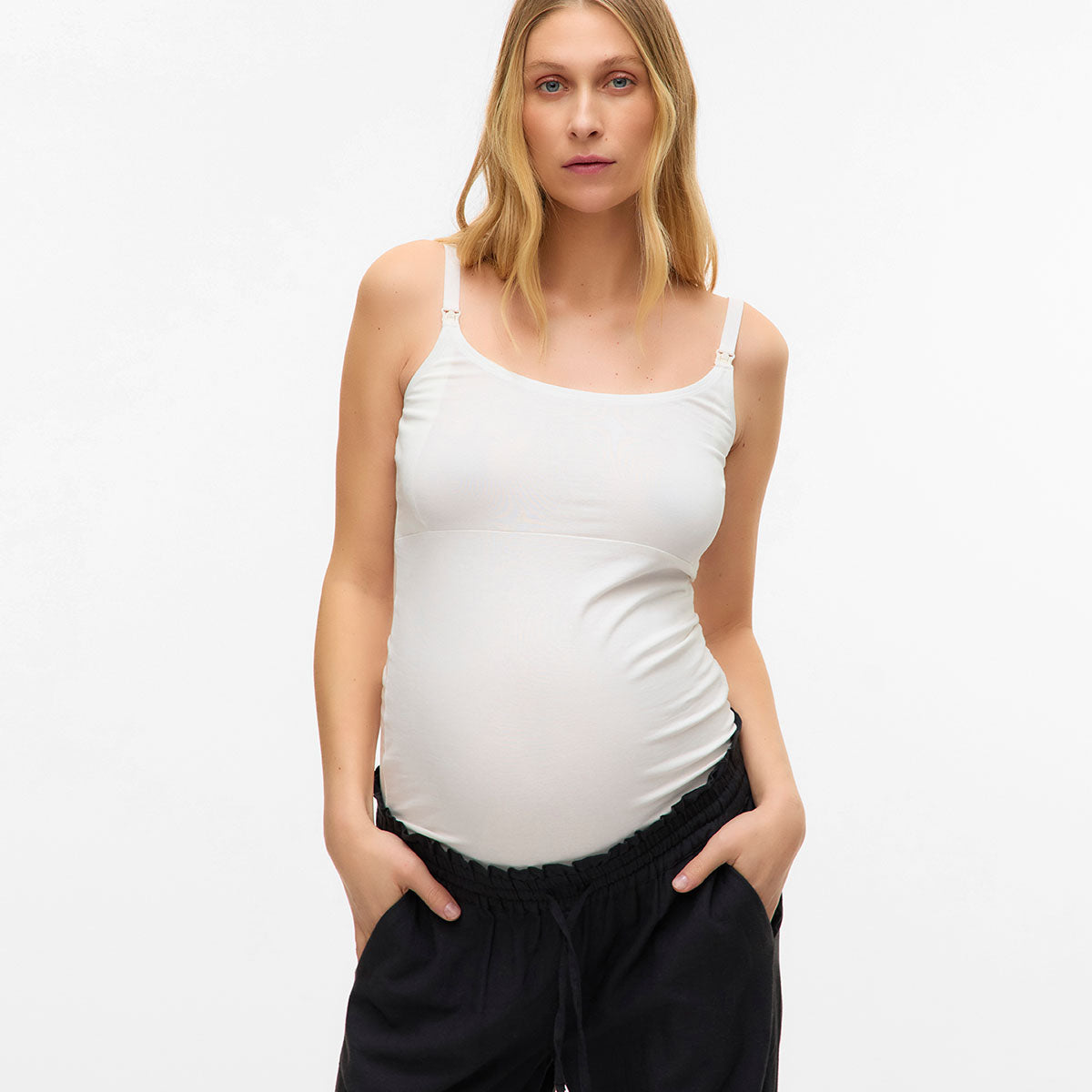
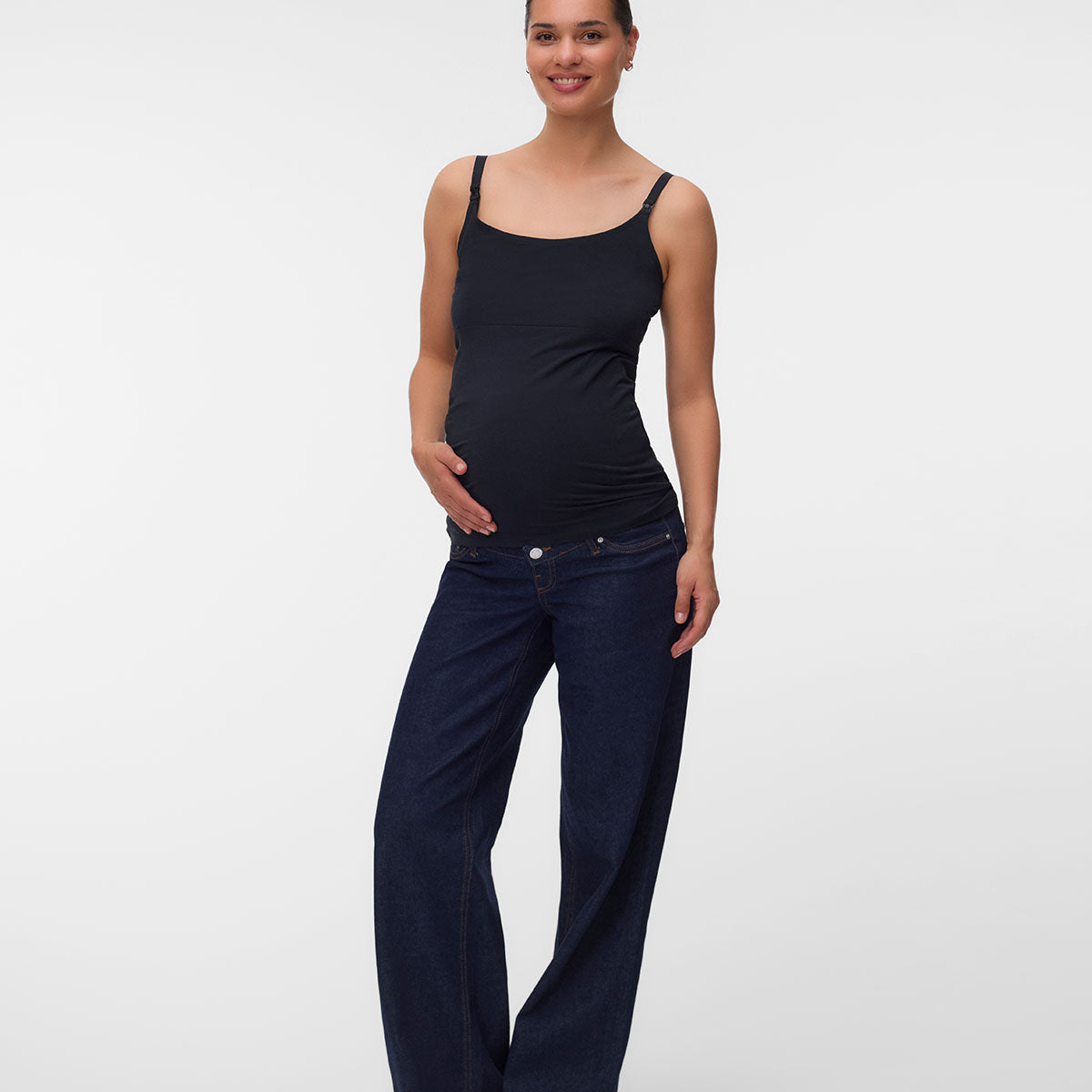
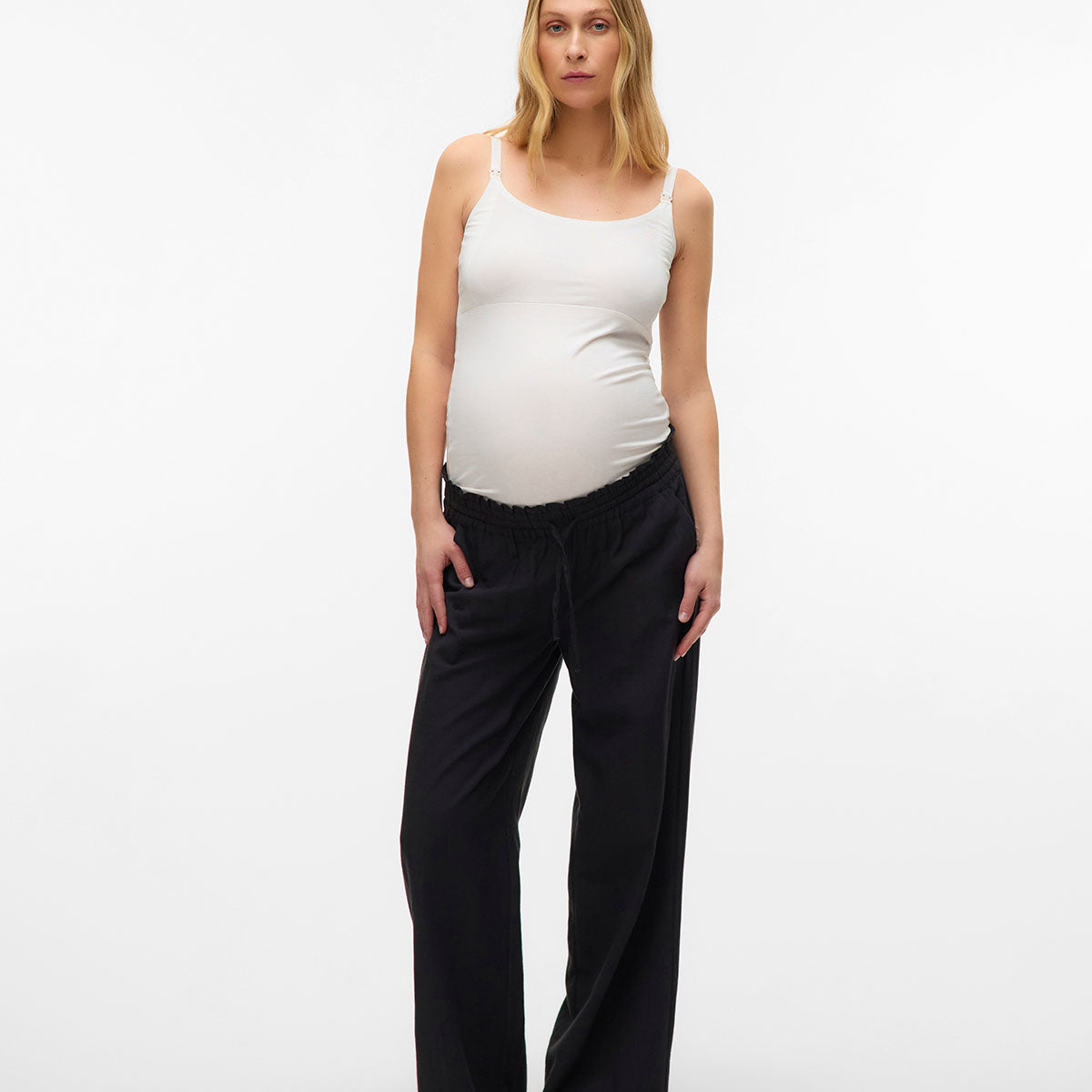
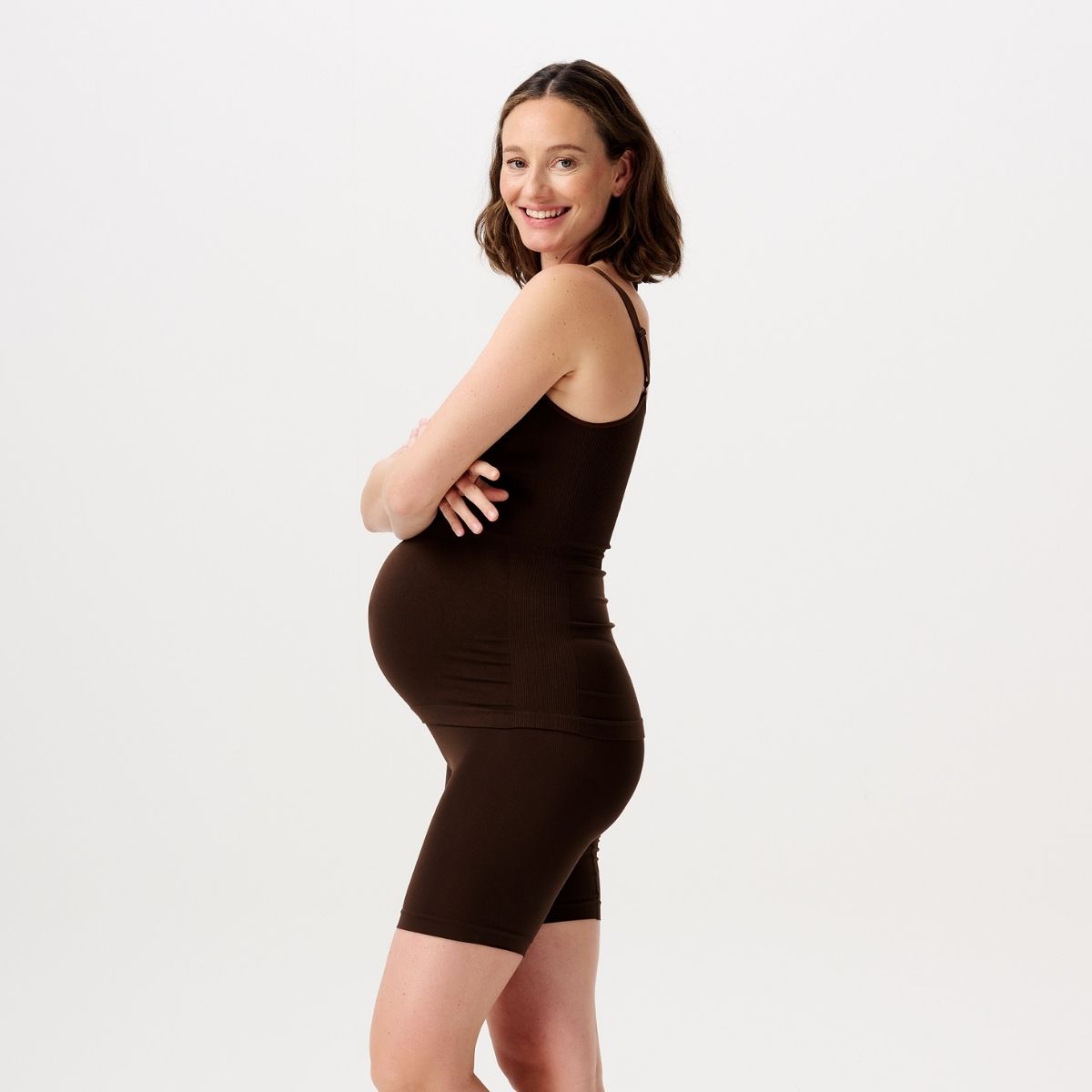
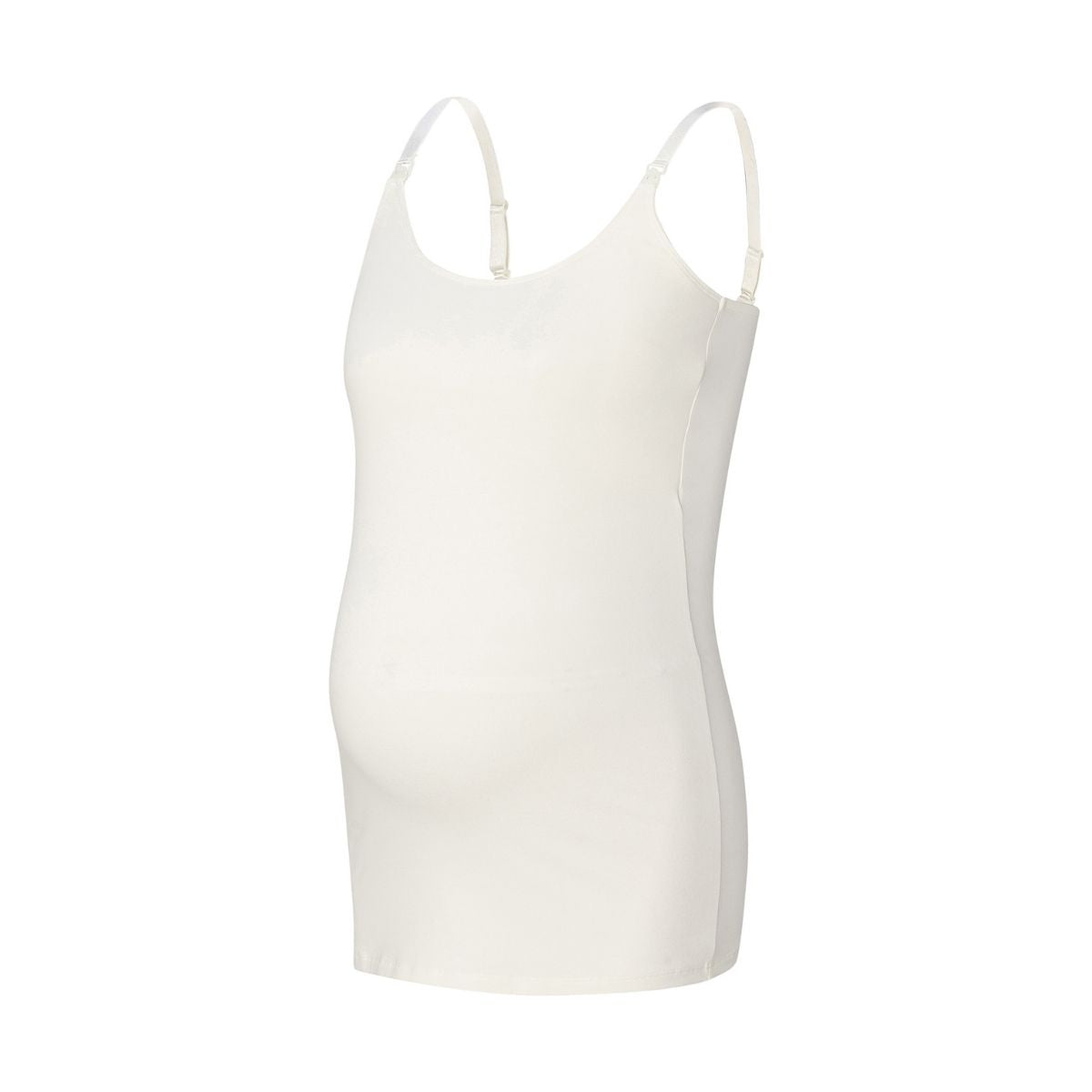
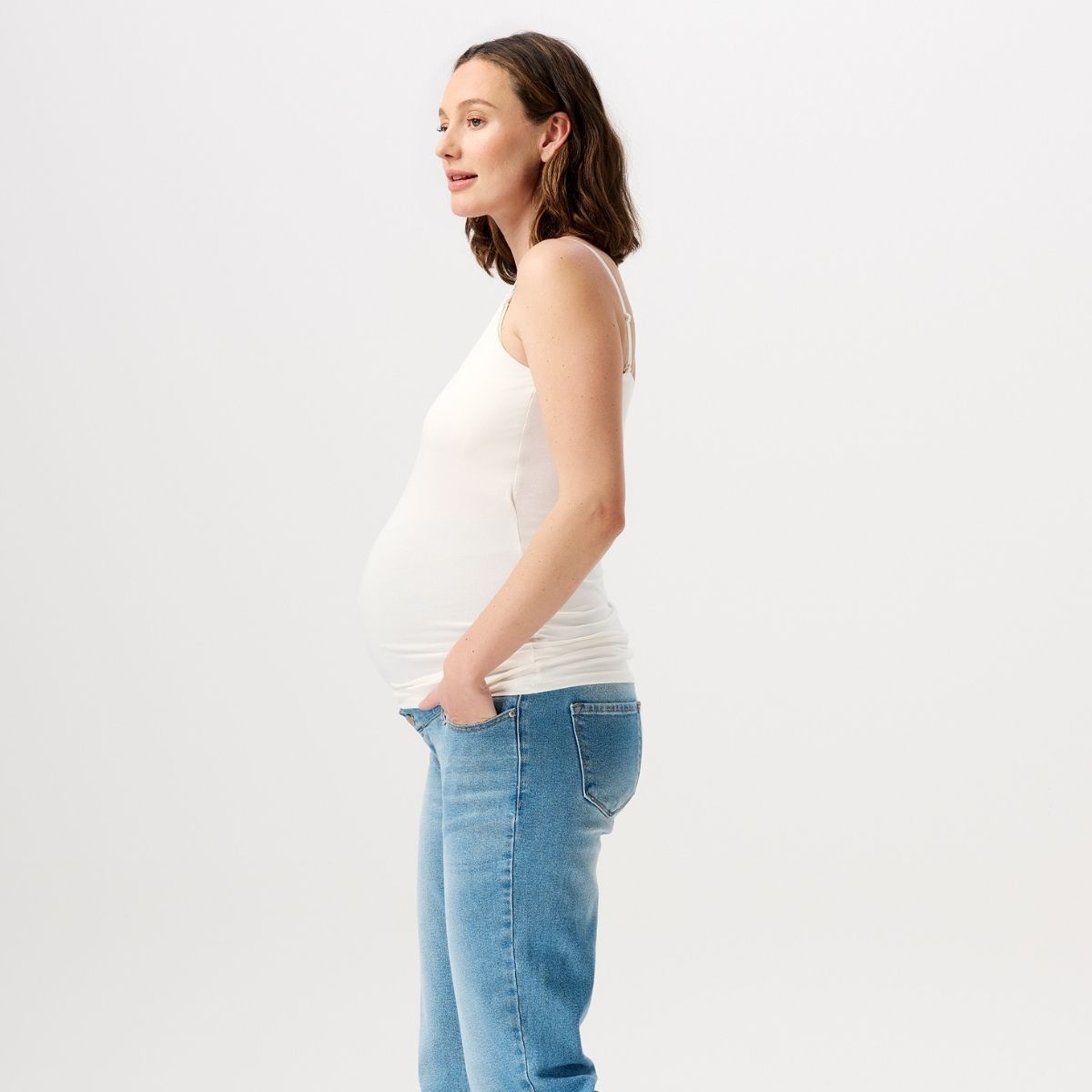
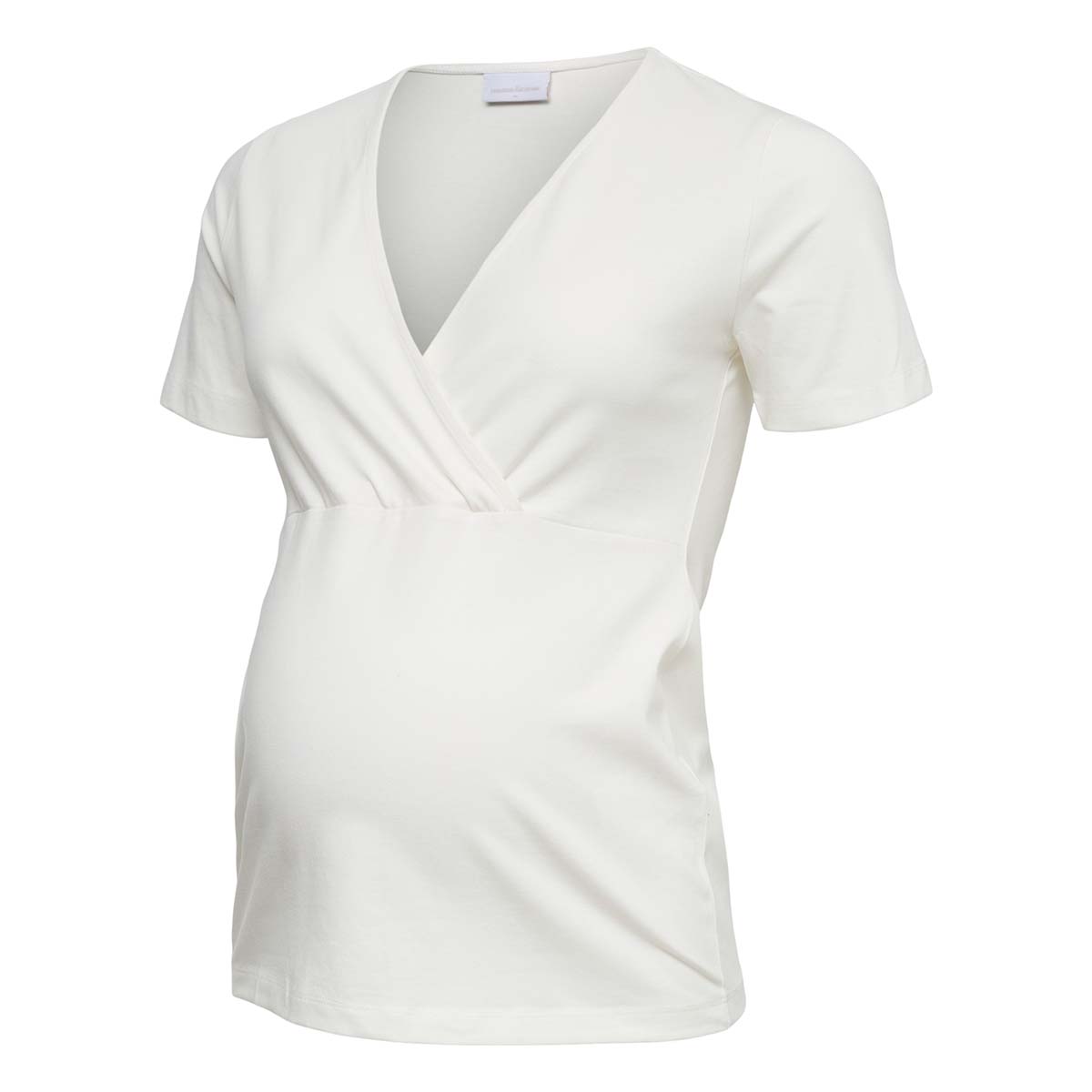
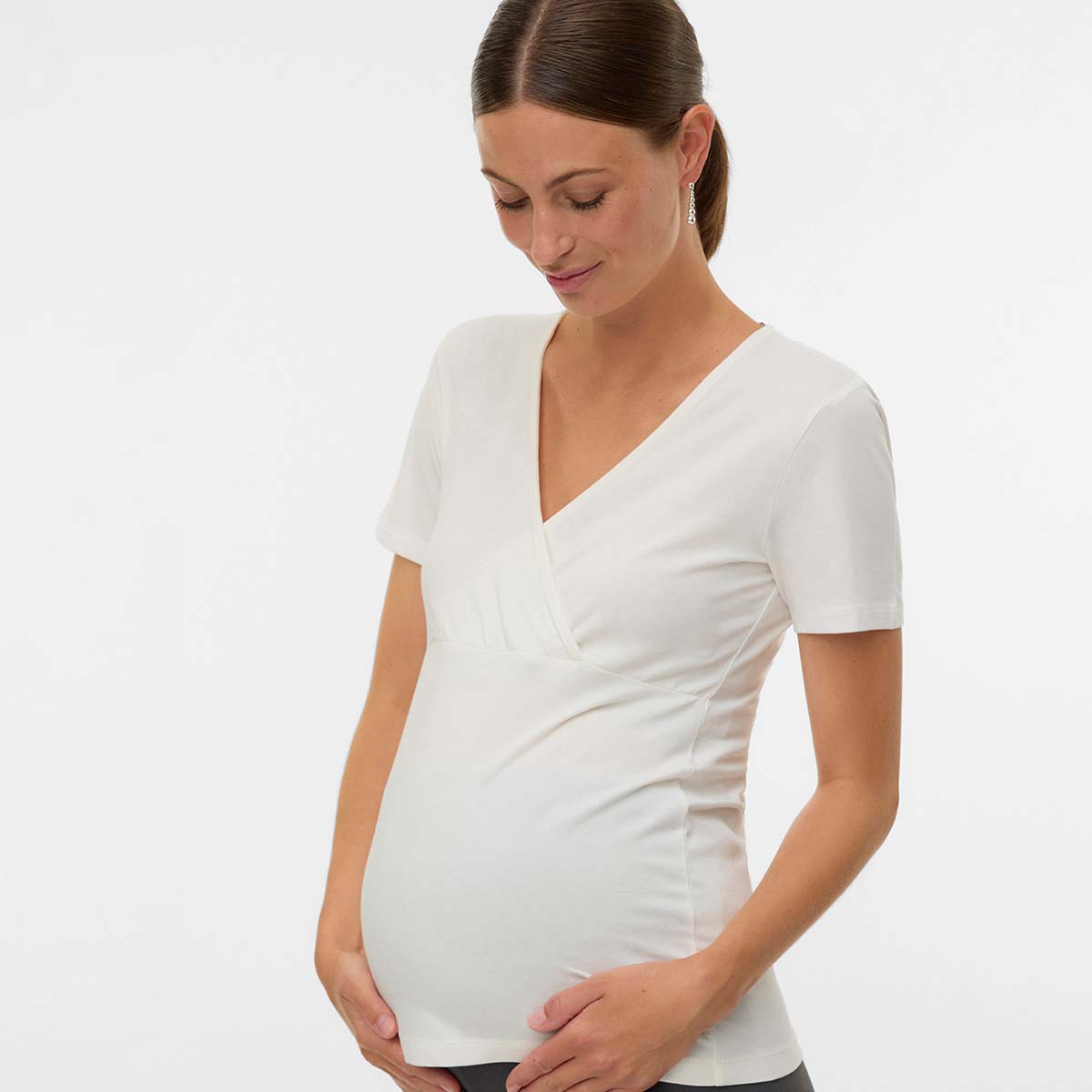
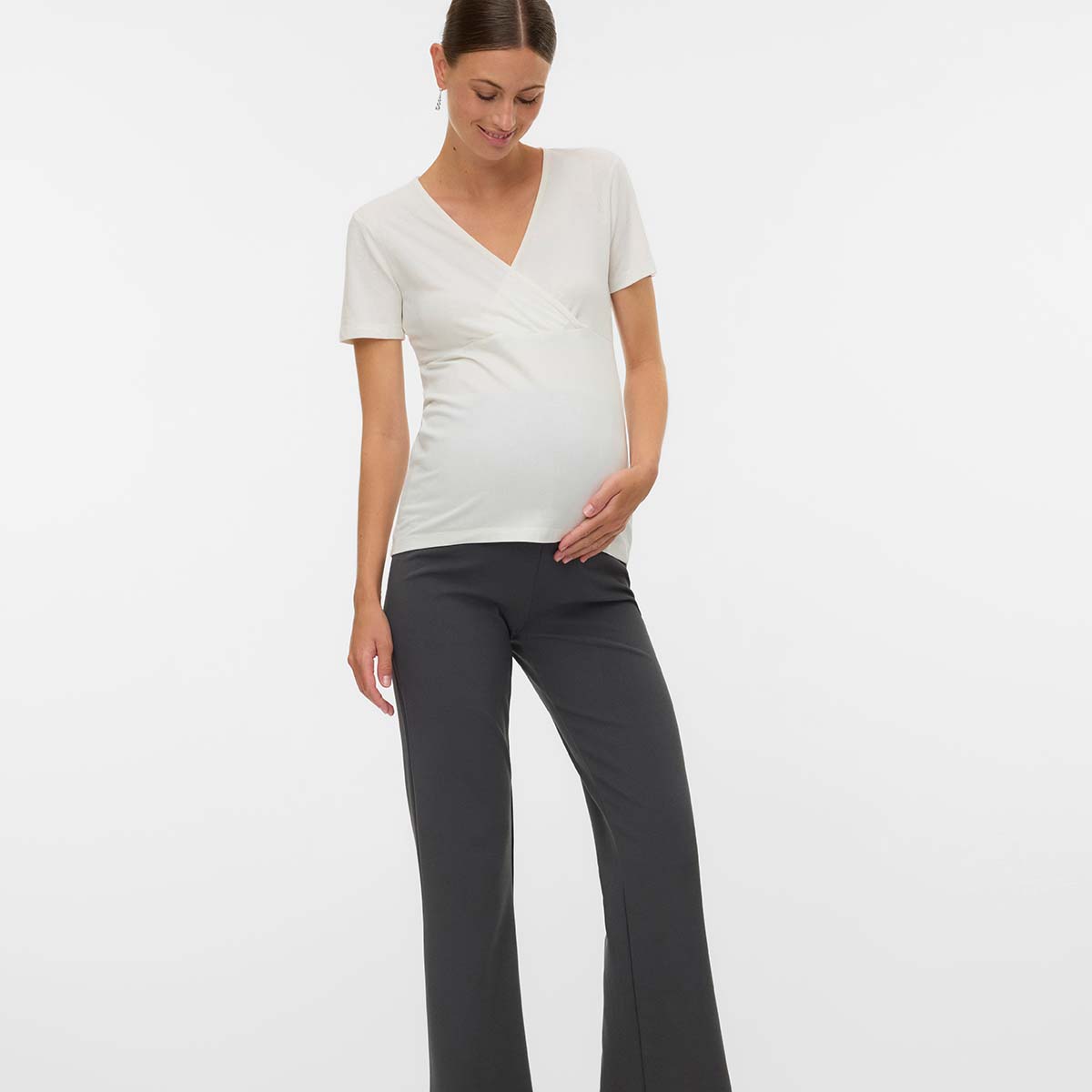
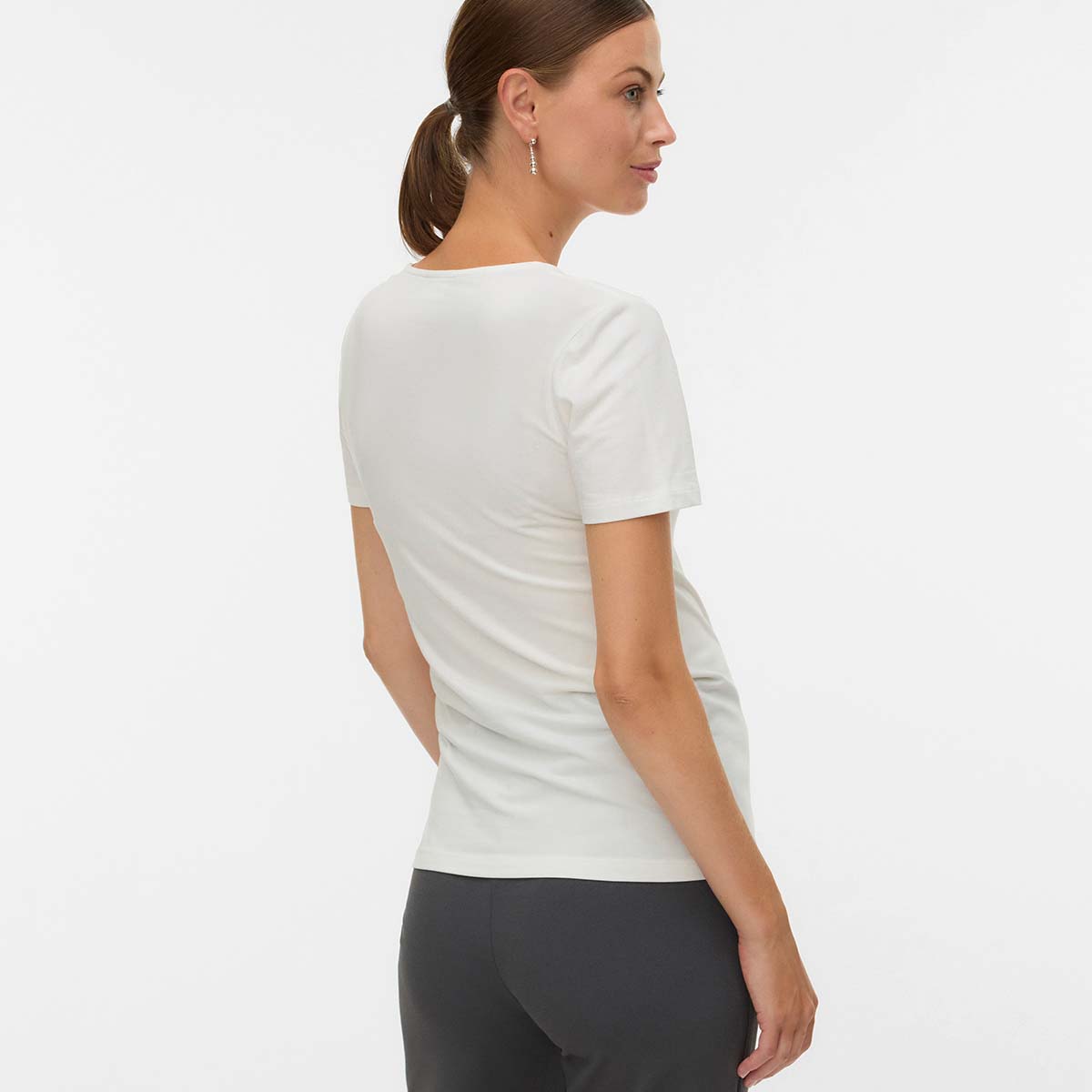
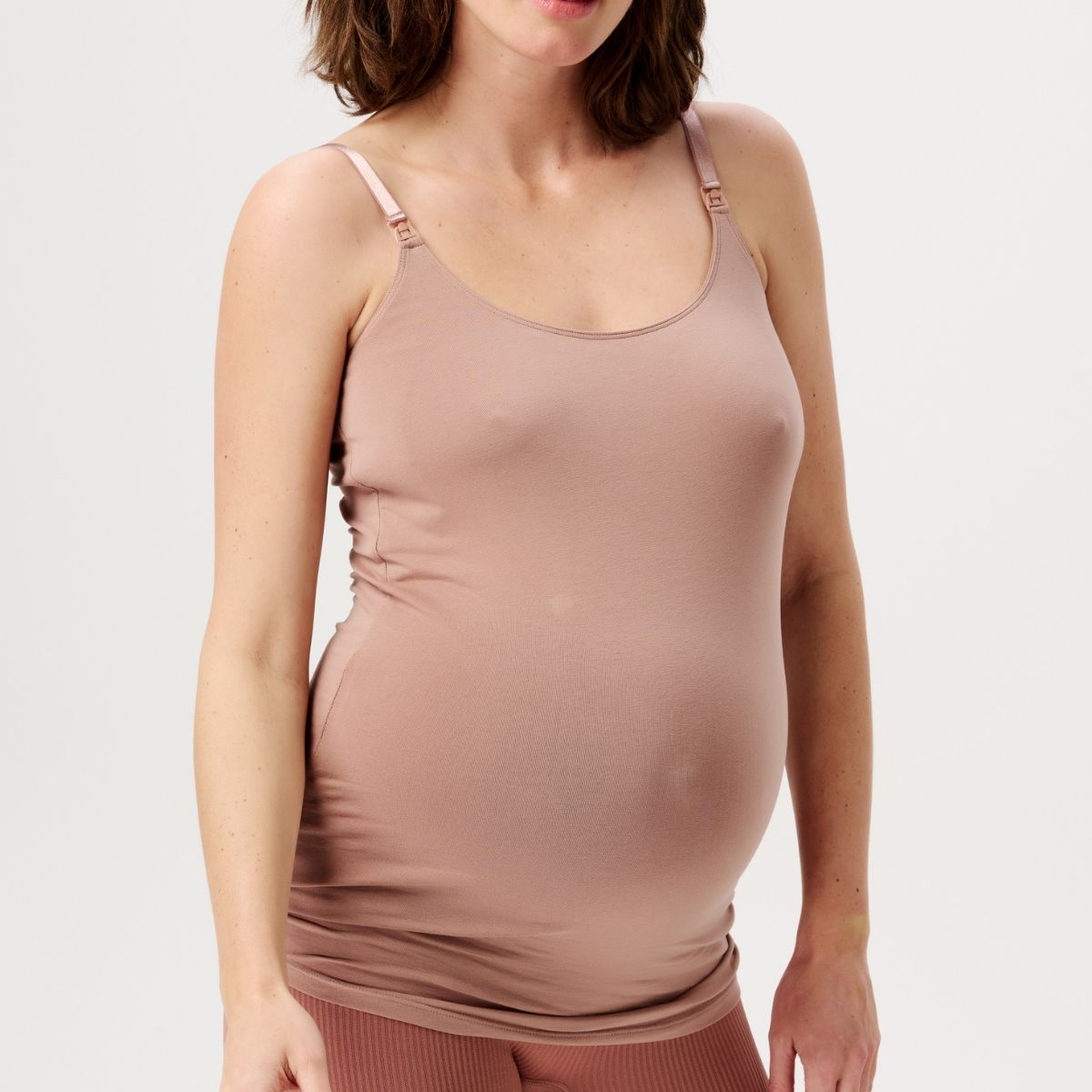
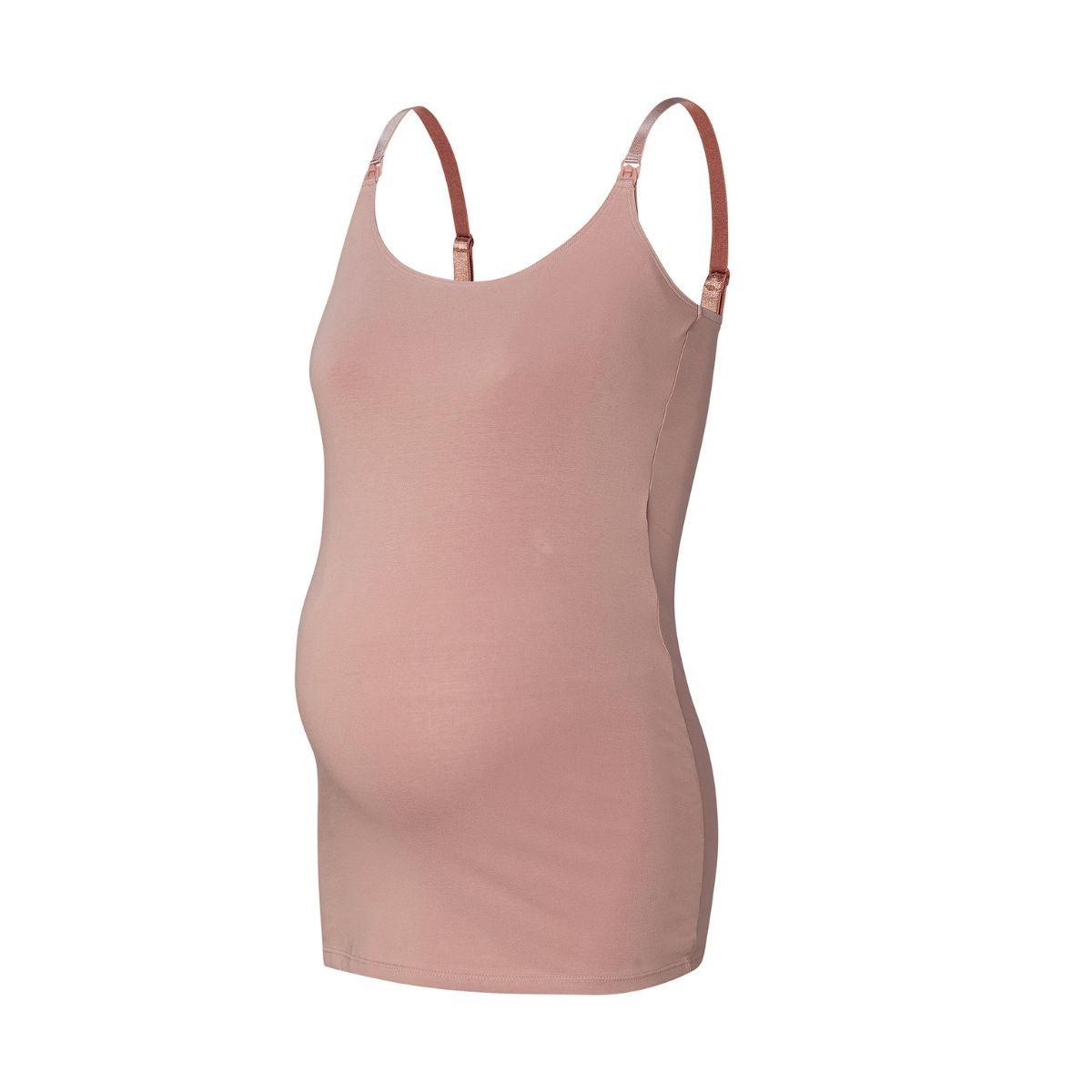
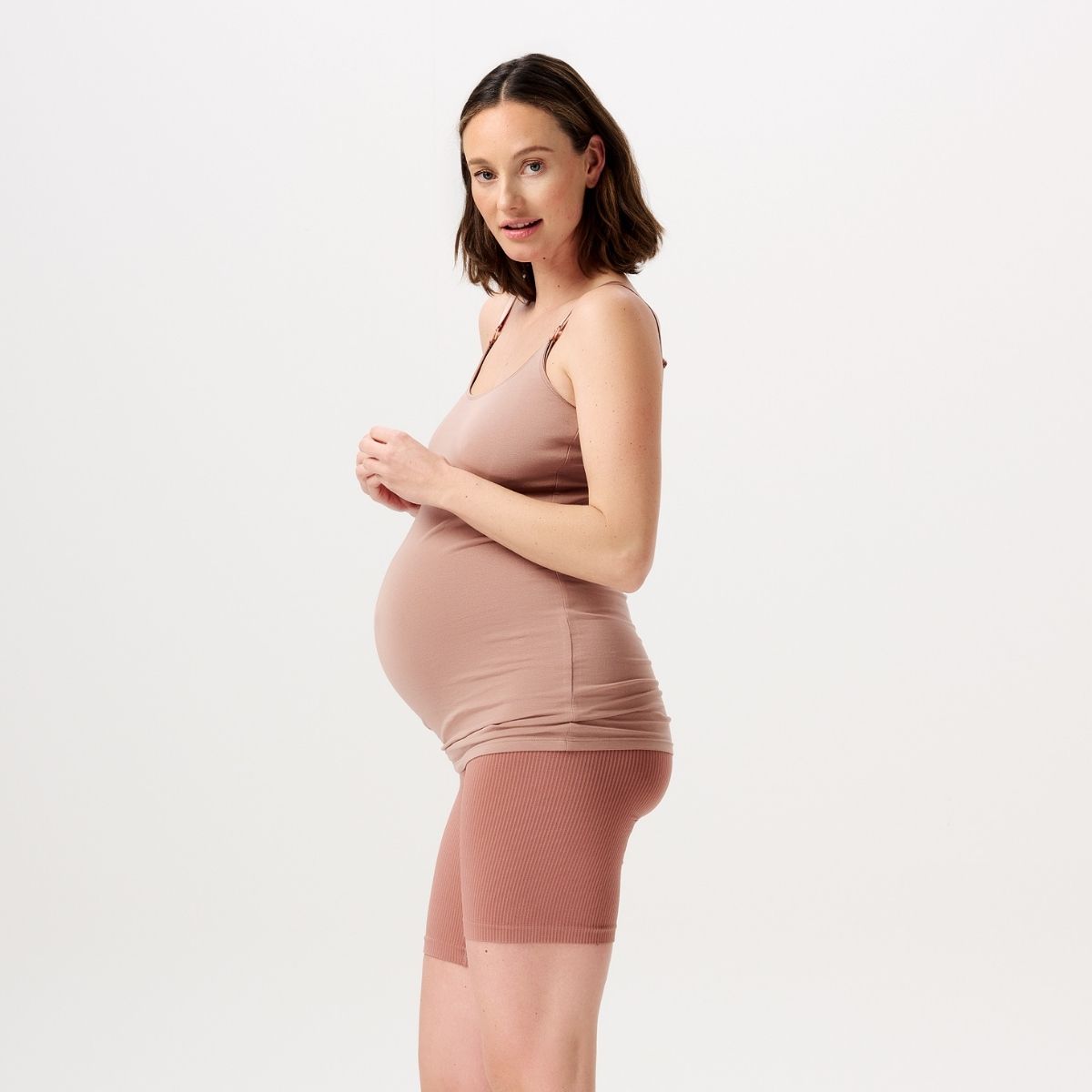
An ordinary top can start riding up at the front as your bump grows, even when it still fits around your bust and shoulders. Maternity tops may therefore feature a longer front panel, additional width or design details that allow the fabric to sit differently around your bump. This does not mean that every style has the same length or fit. On some tops, the length is distributed to help the bottom hem sit more evenly when worn. Others have a noticeably curved or extended hem that also forms part of the overall design.
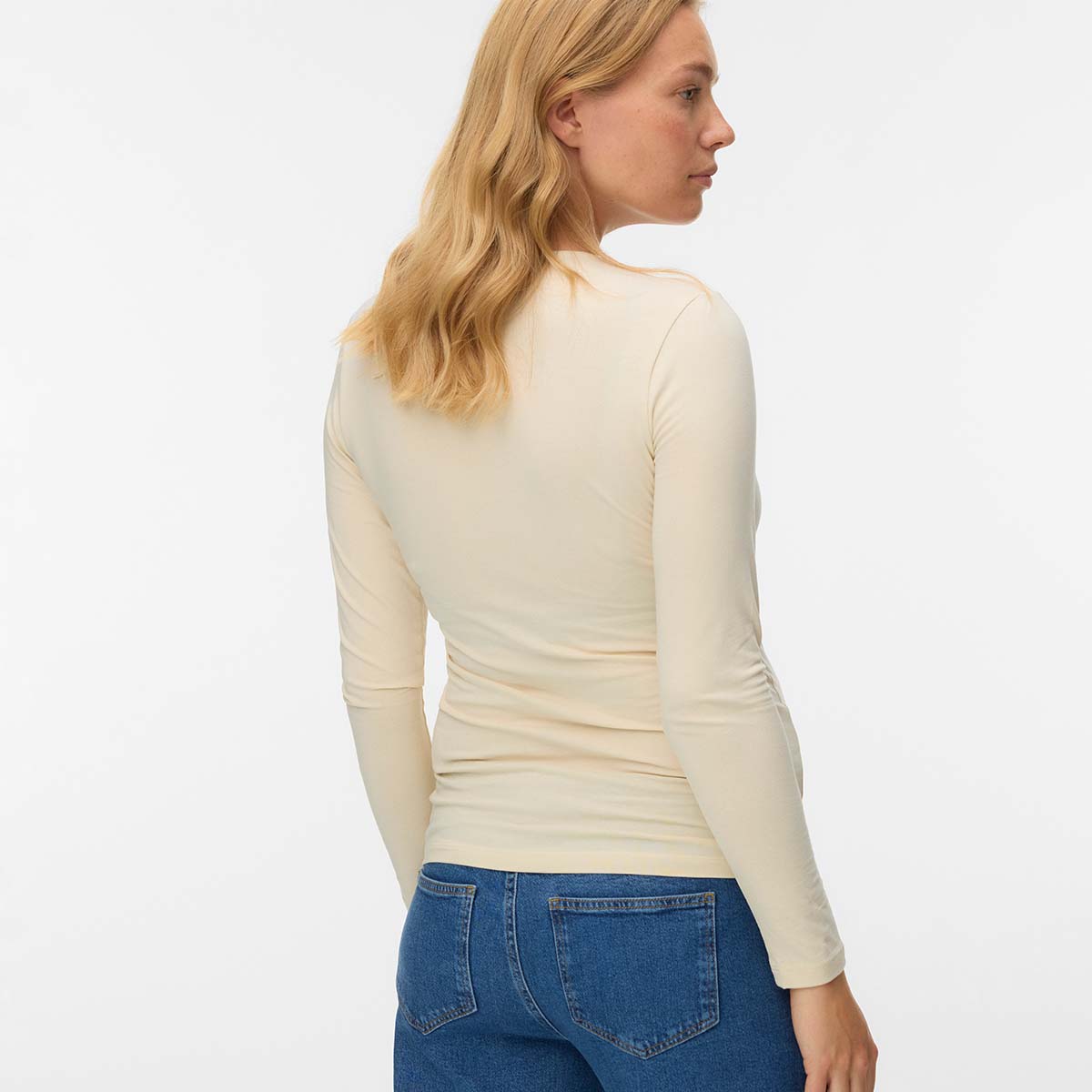
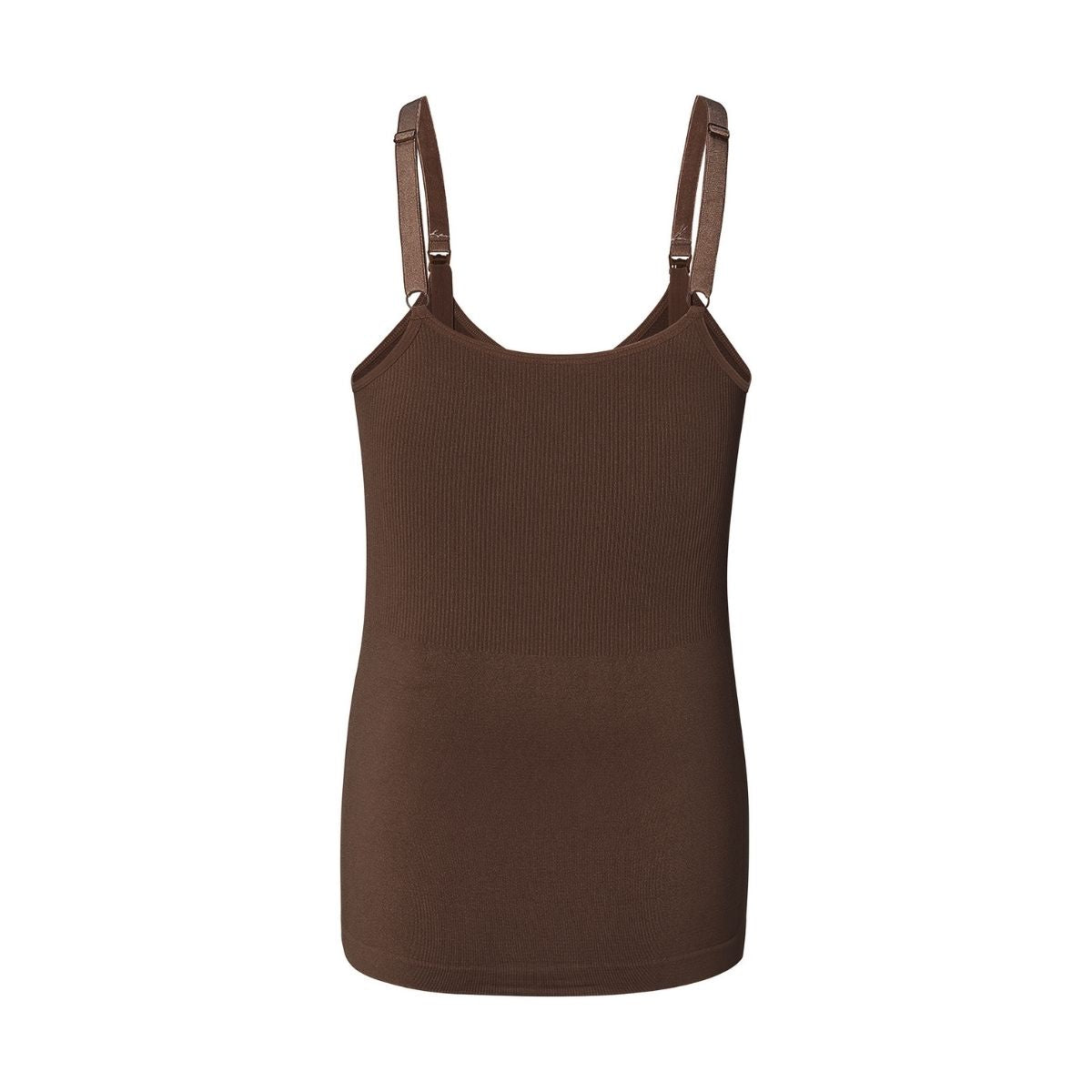
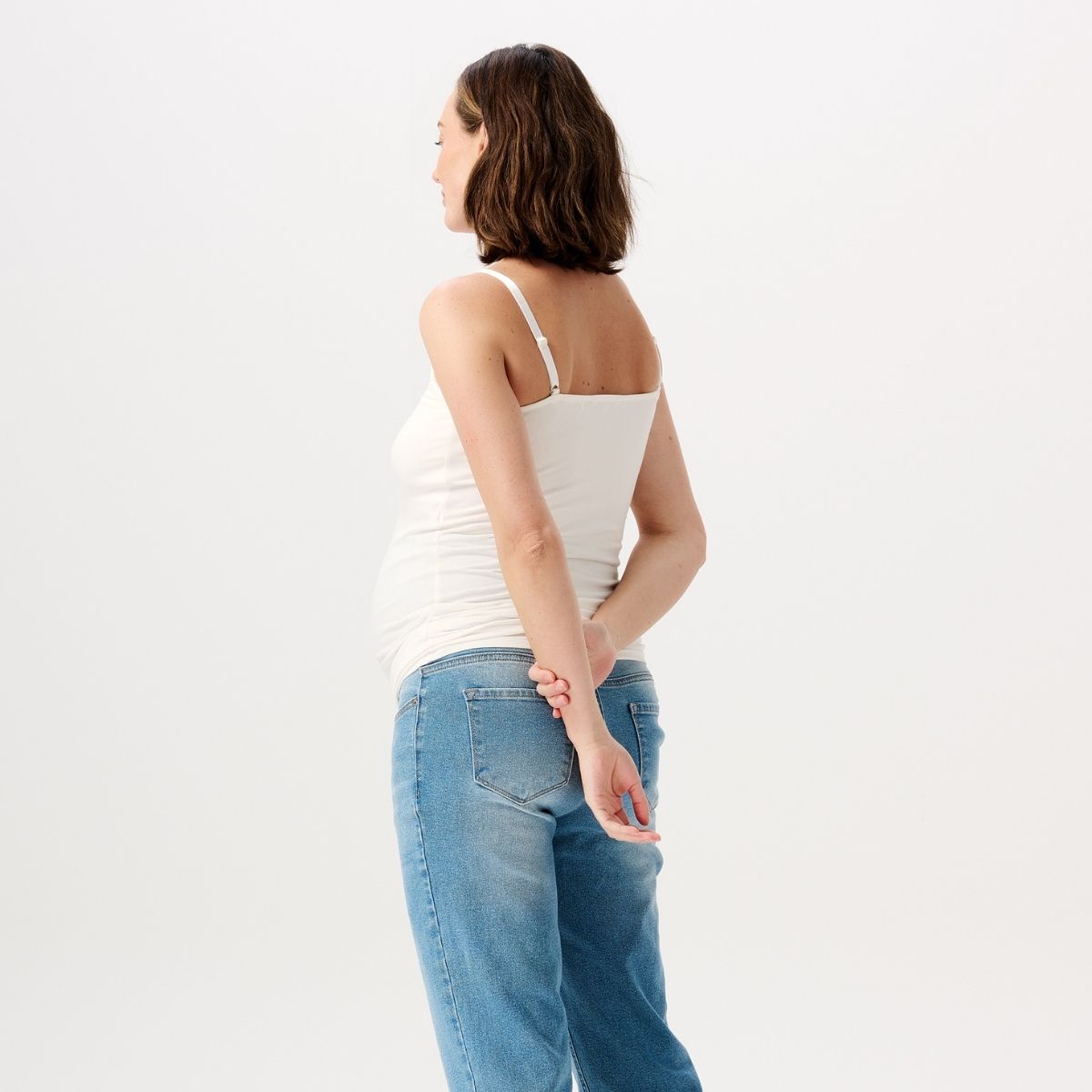
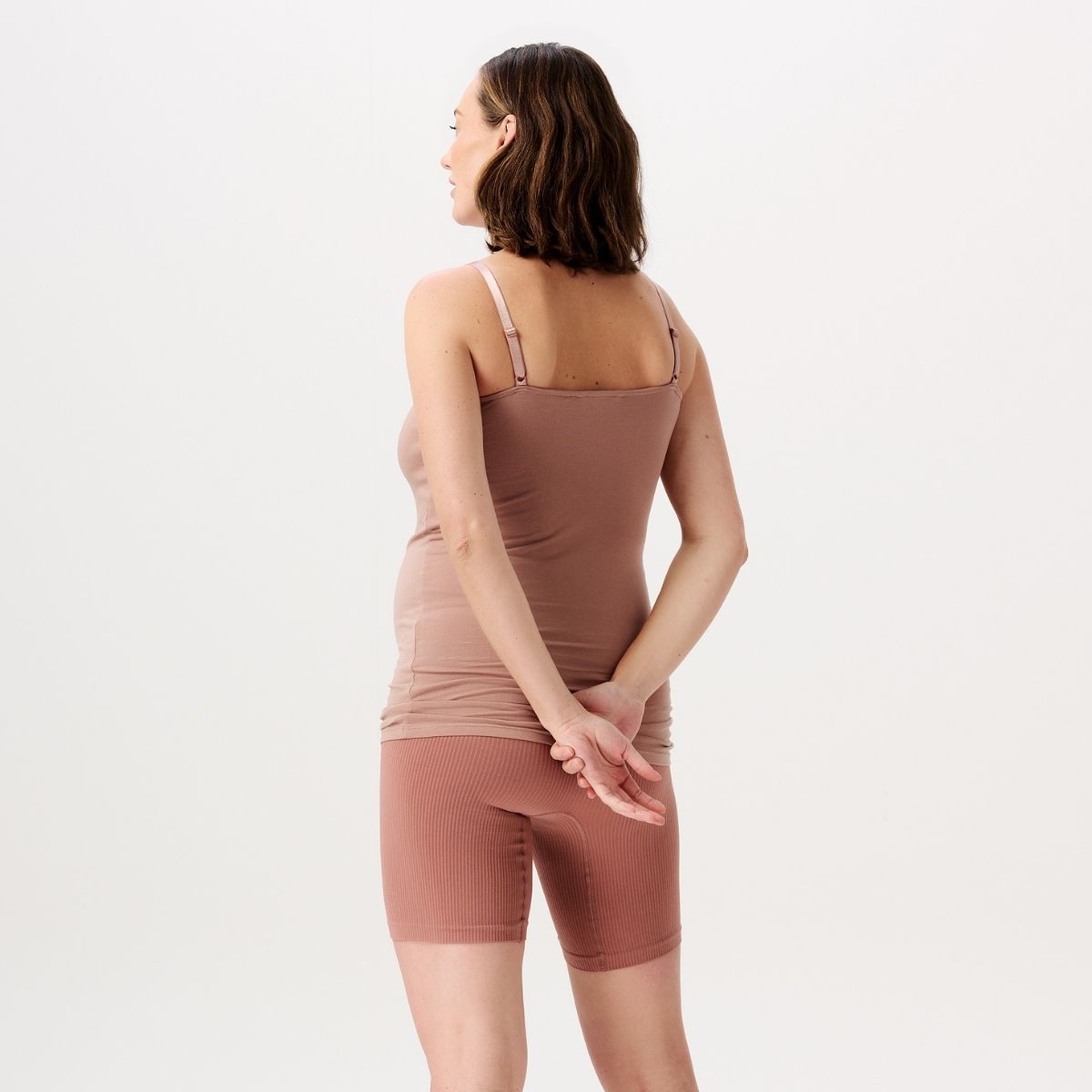
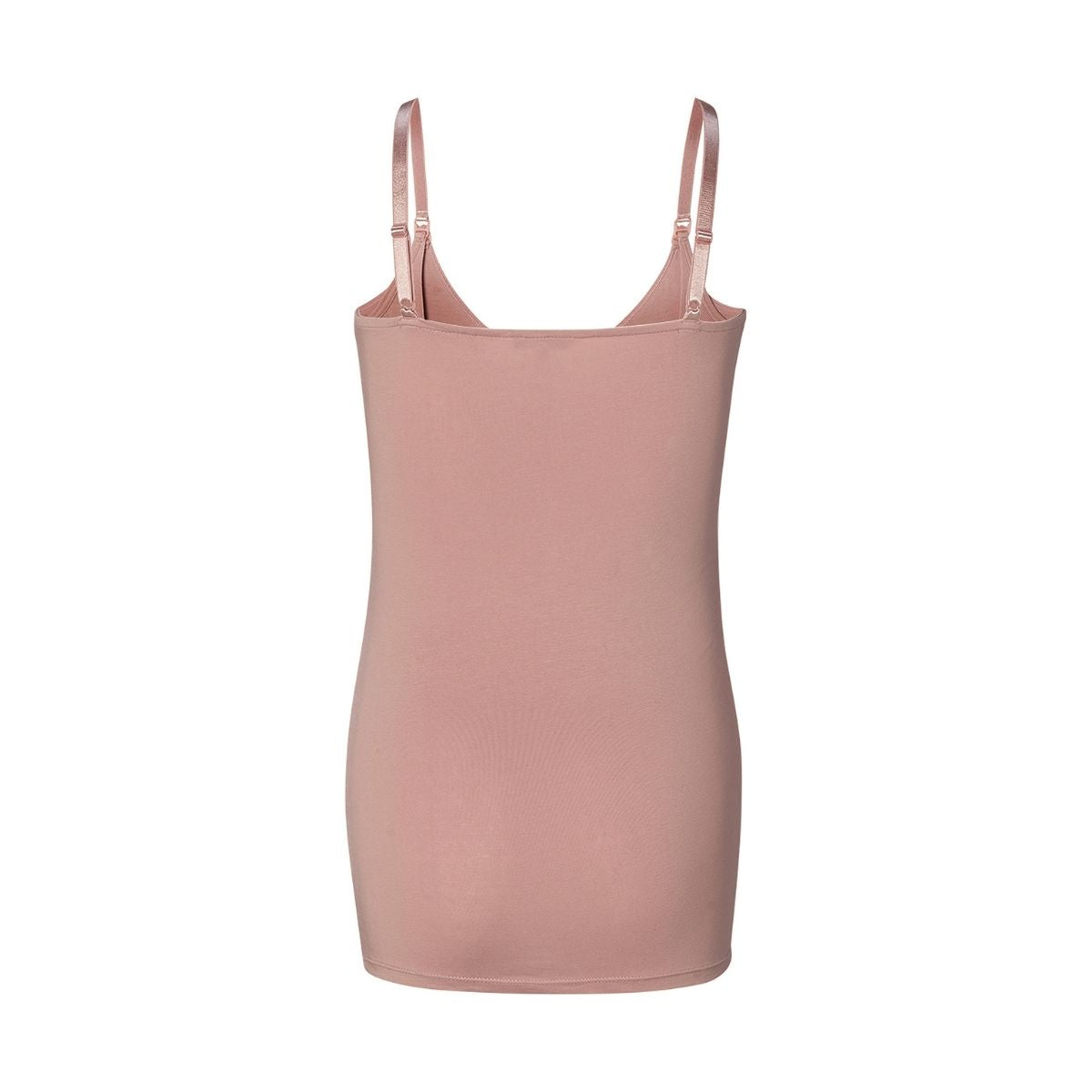
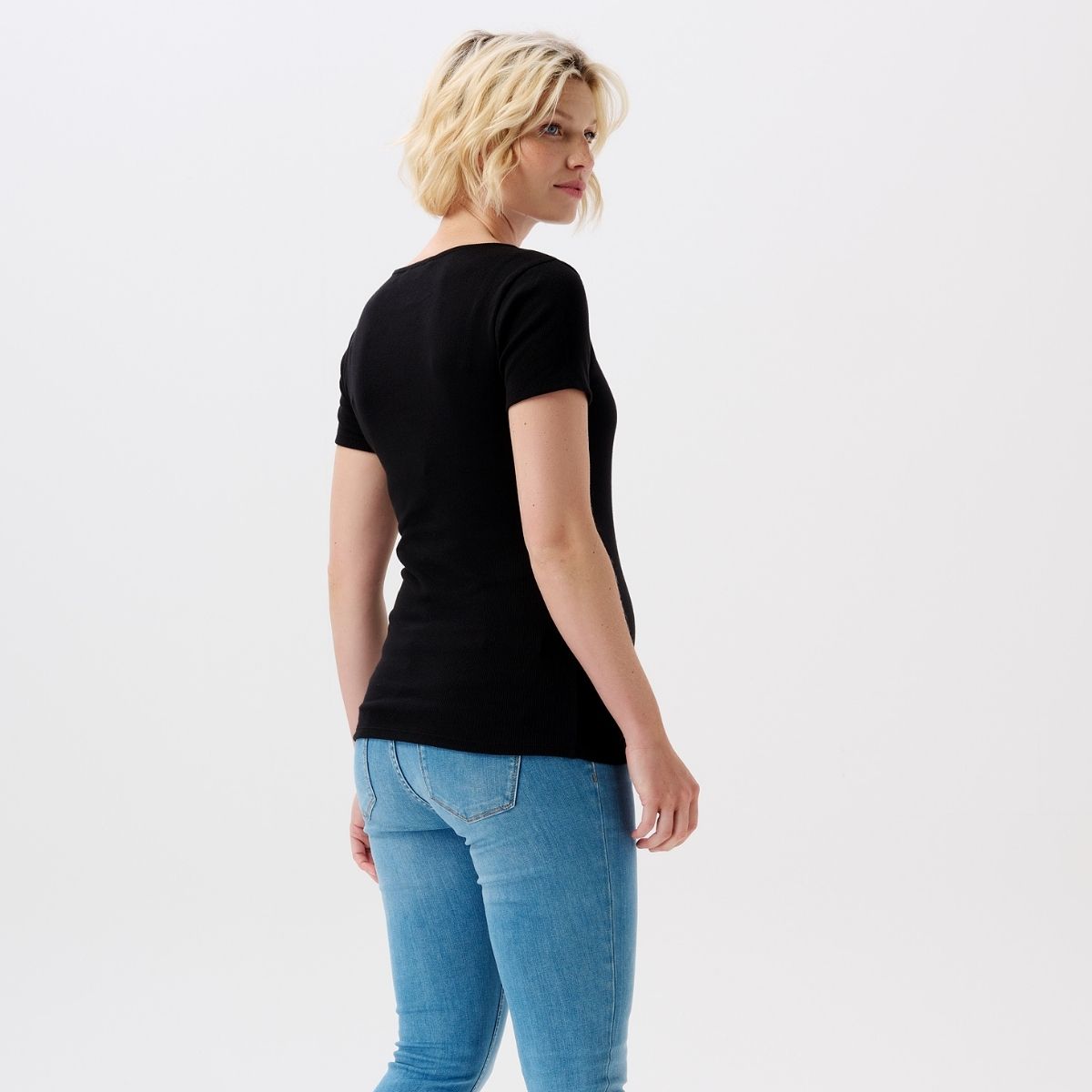
A close-fitting maternity top follows the shape of your bump more closely, while a looser style creates extra room through its cut. Length and width are two separate features: a long top is not necessarily particularly roomy, and a loose top does not always have additional length at the front. When comparing ordinary long tops with designs specifically made for pregnancy, the difference is often most apparent in how the fabric falls against the body. Look at the shape of the front panel, the side seams and the overall cut. The length at the back is worth checking too, as a longer front does not always mean that the entire top is longer. It is primarily the difference between the front and back panels that determines how the lower hem sits around your bump.
Sleeveless maternity tops, T-shirts and long-sleeved styles
Sleeve length affects how much of your arms and shoulders a top covers, but it also influences the proportions of the garment. Three common styles differ in several important ways:
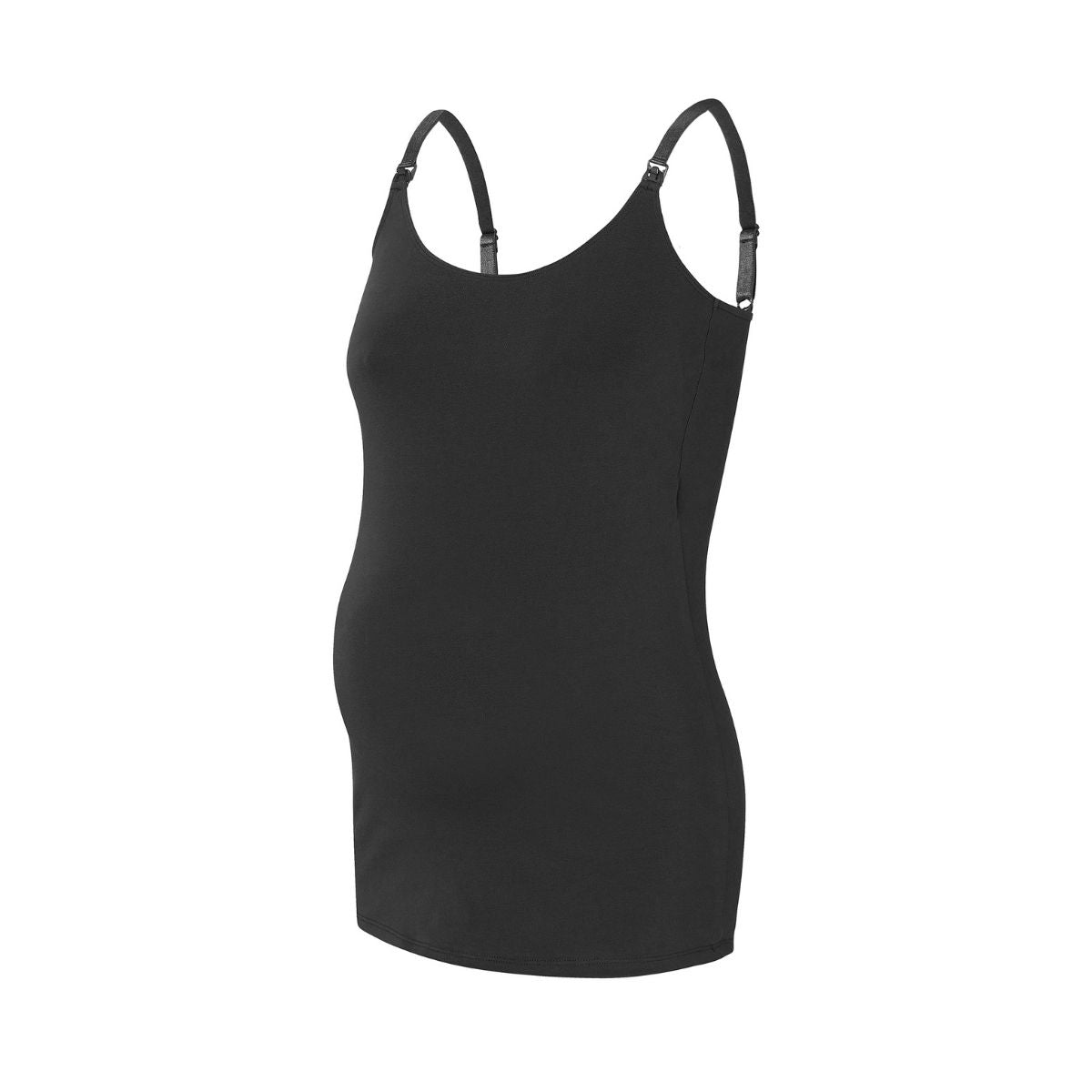
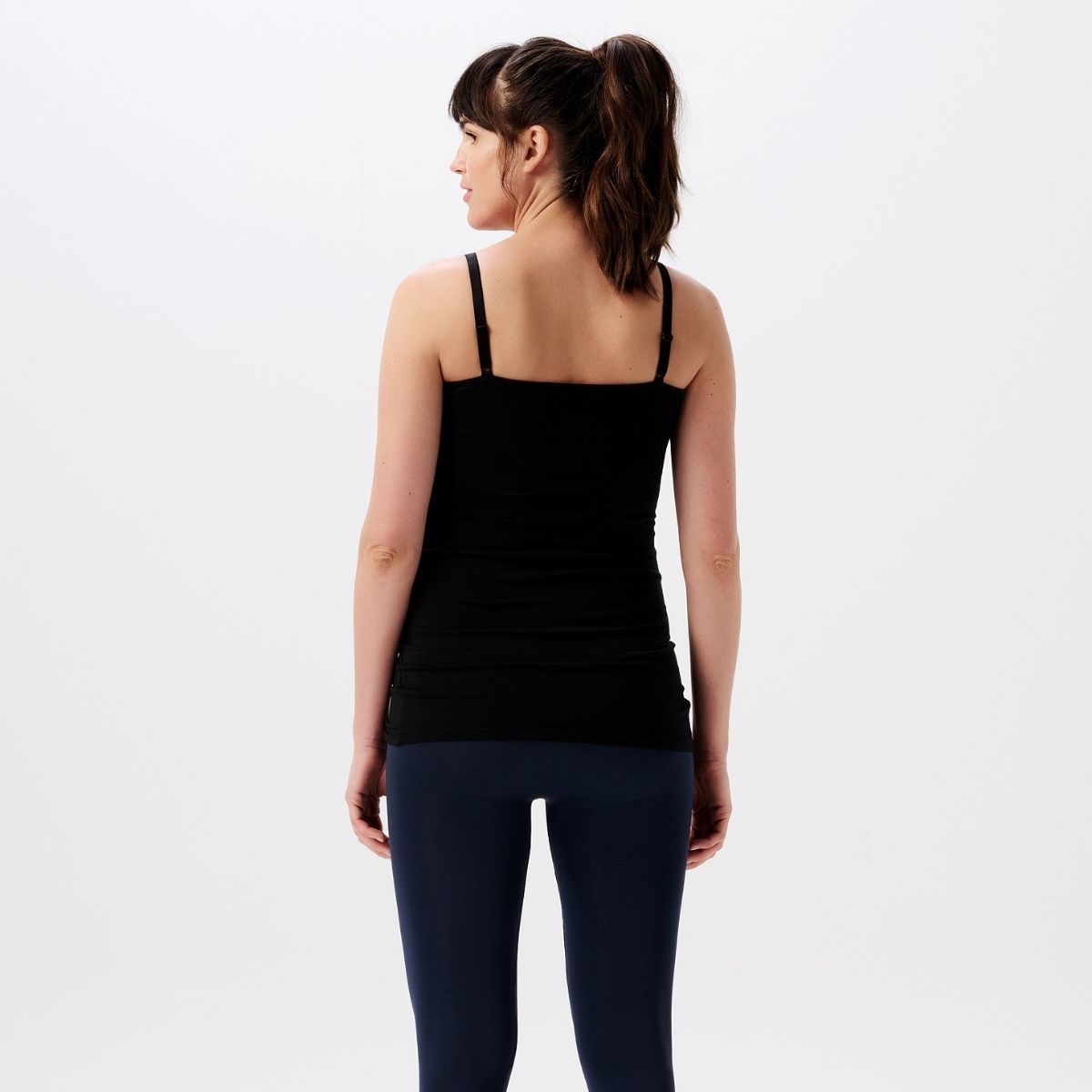
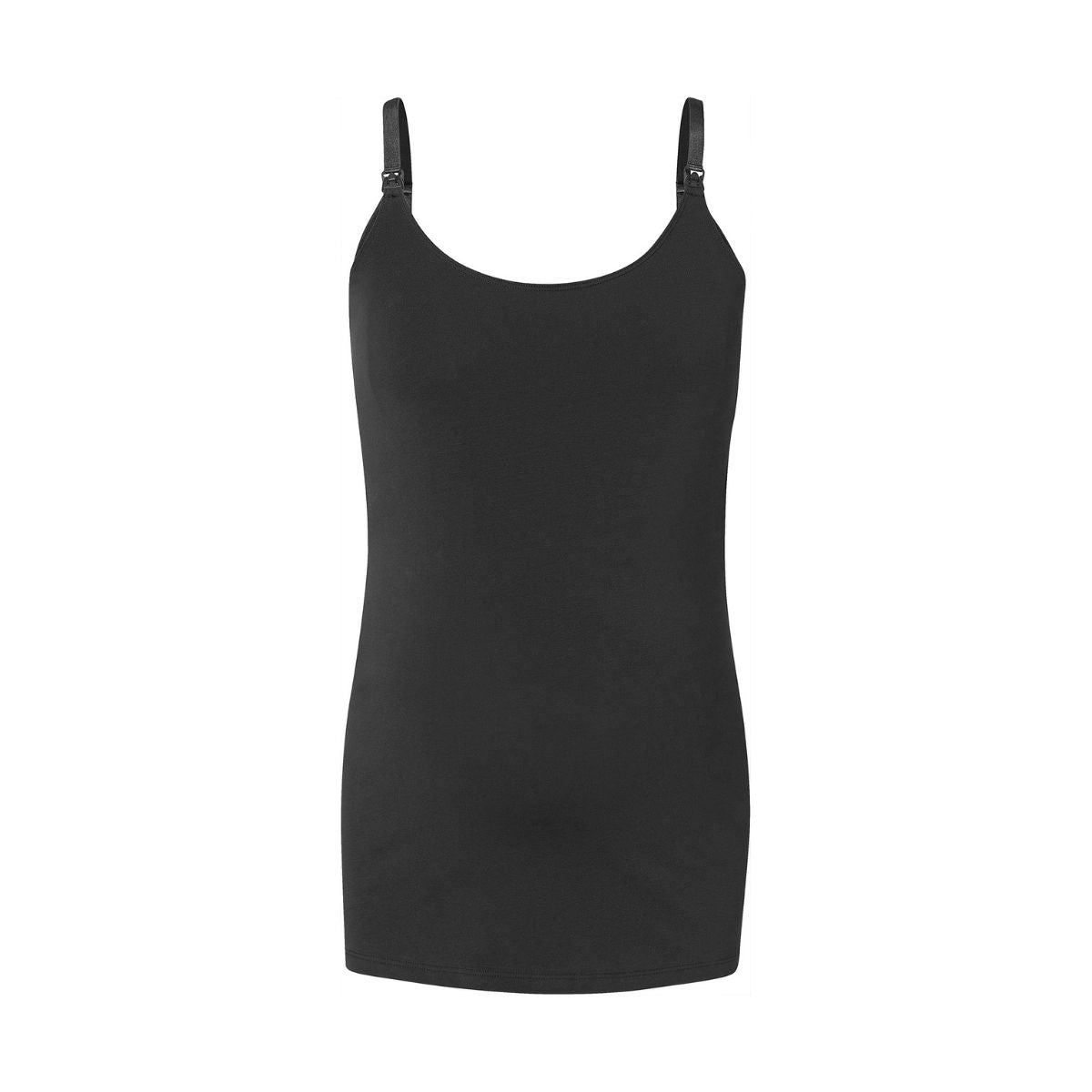
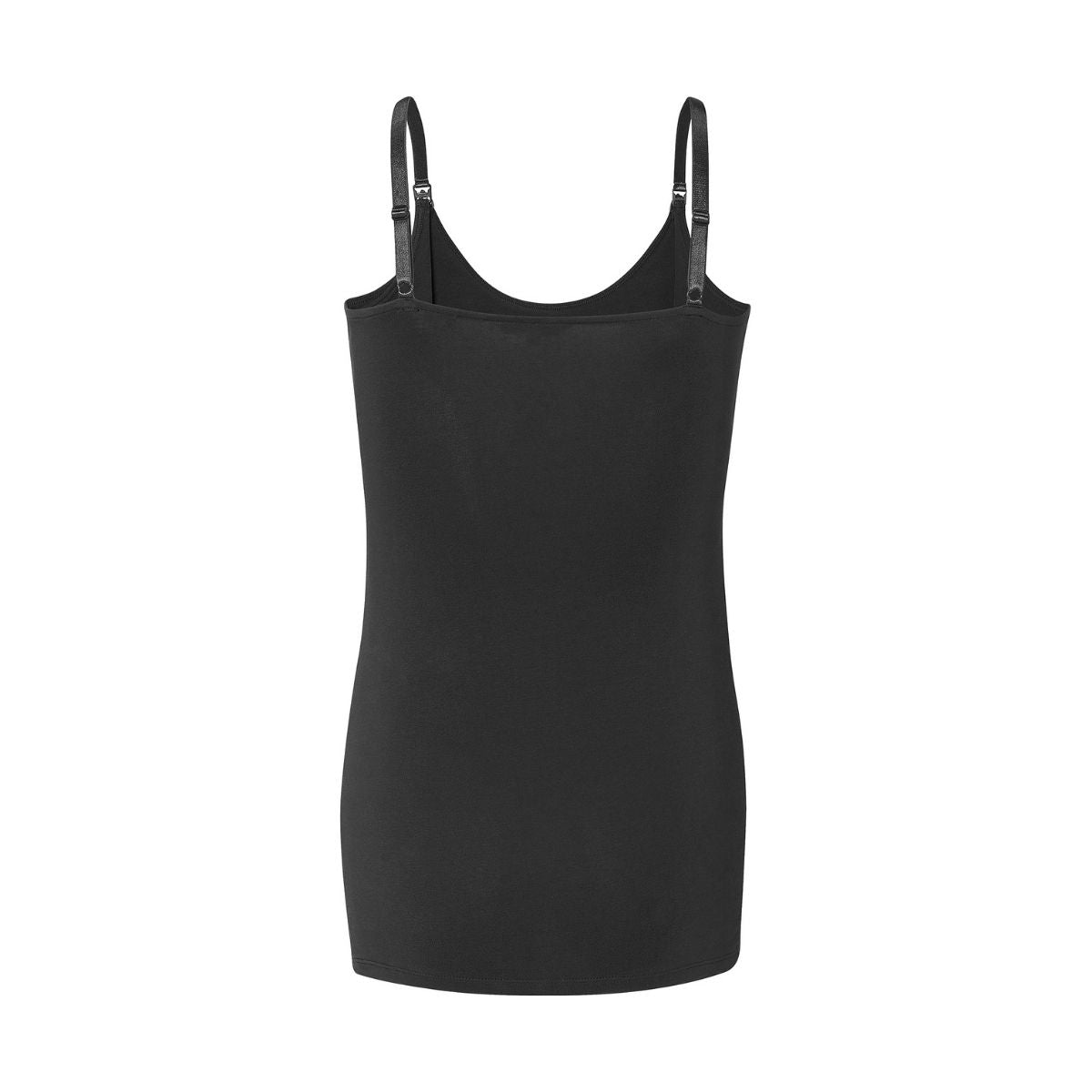
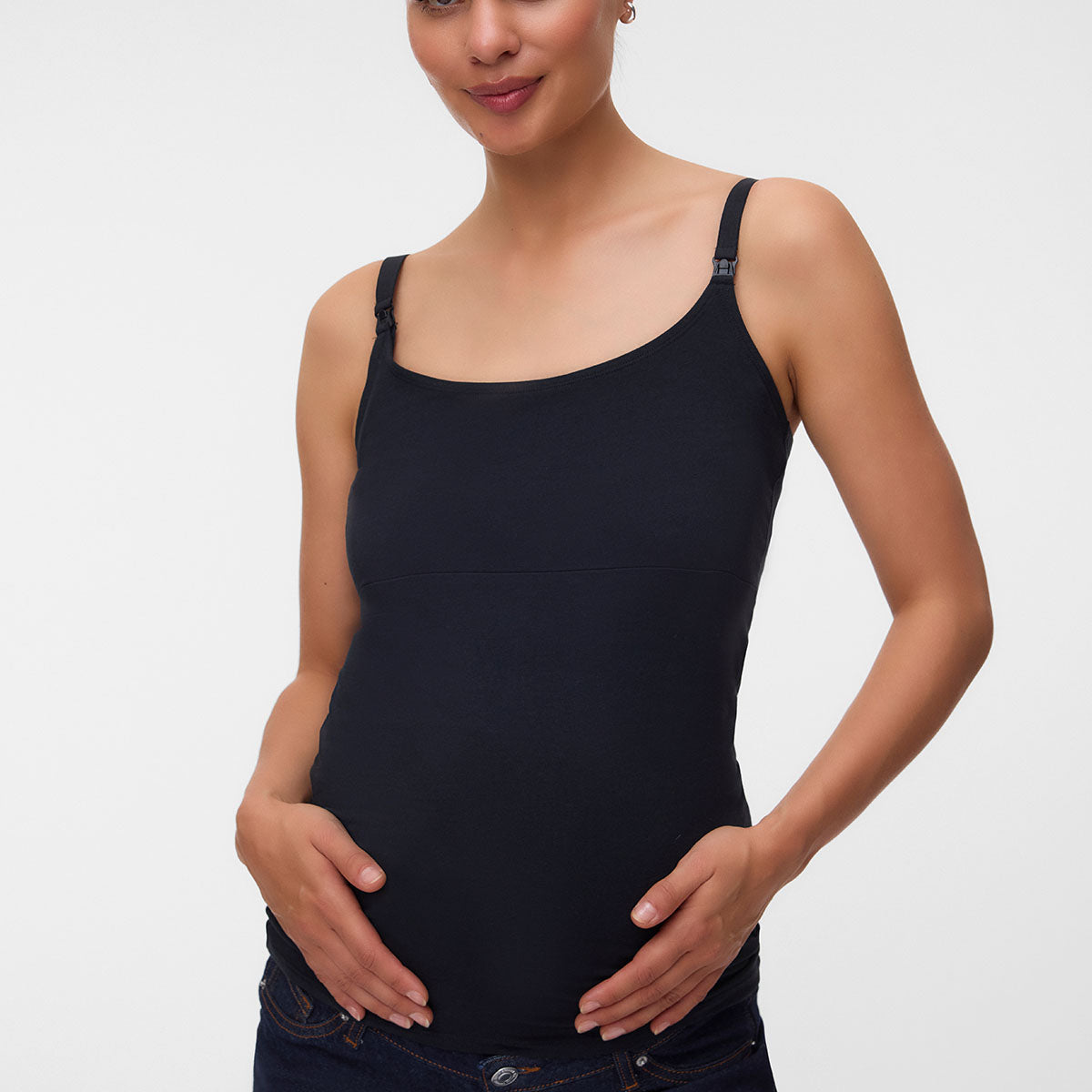
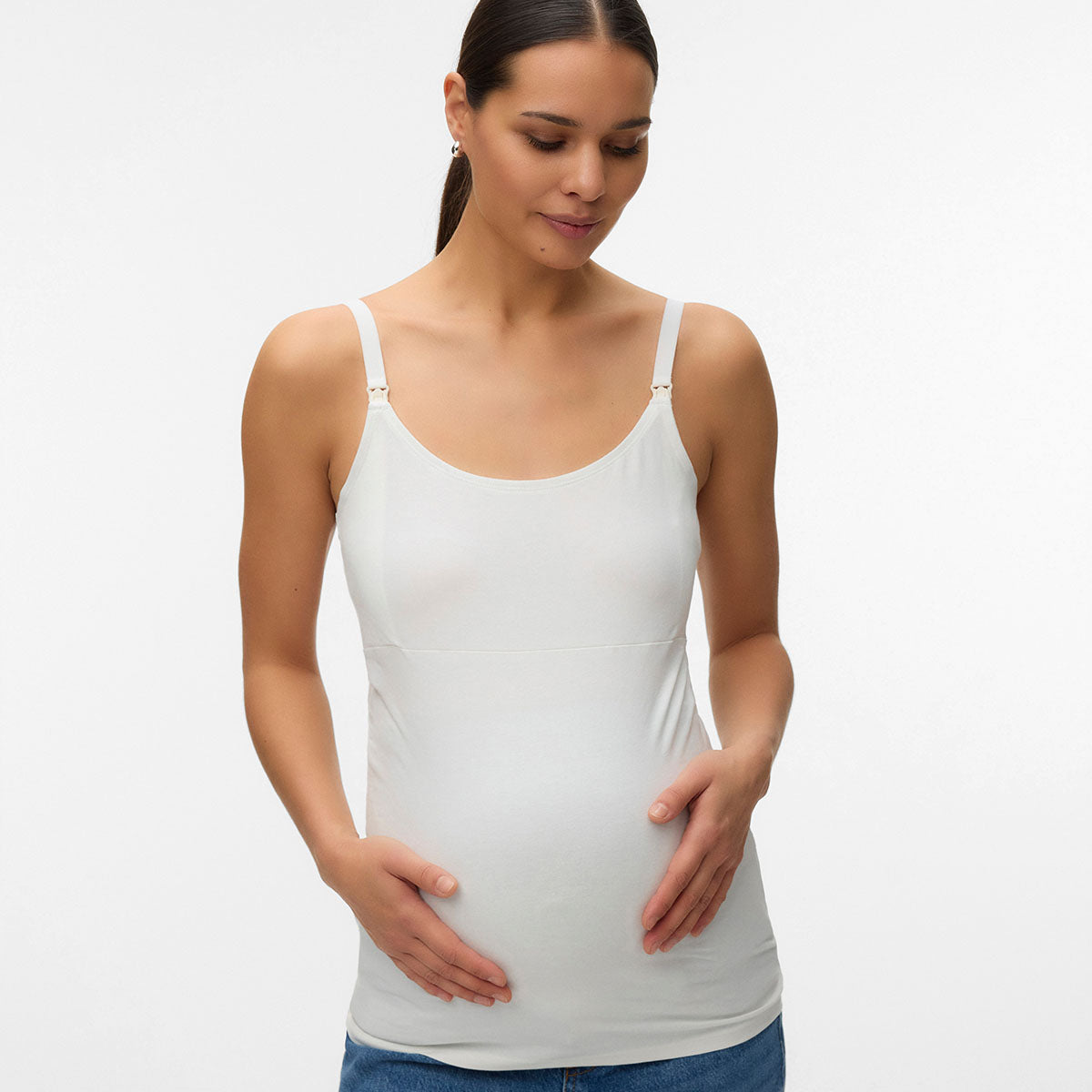
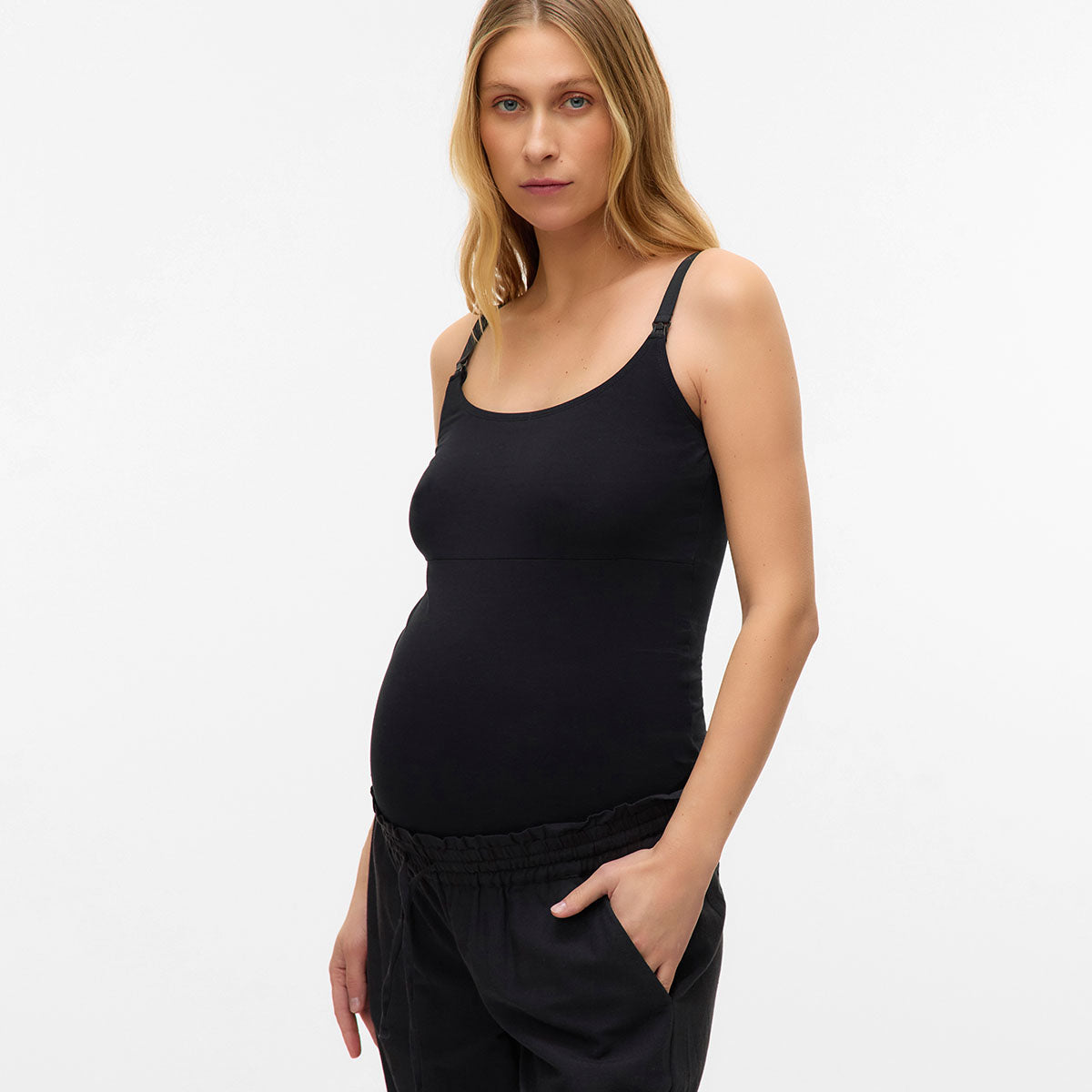
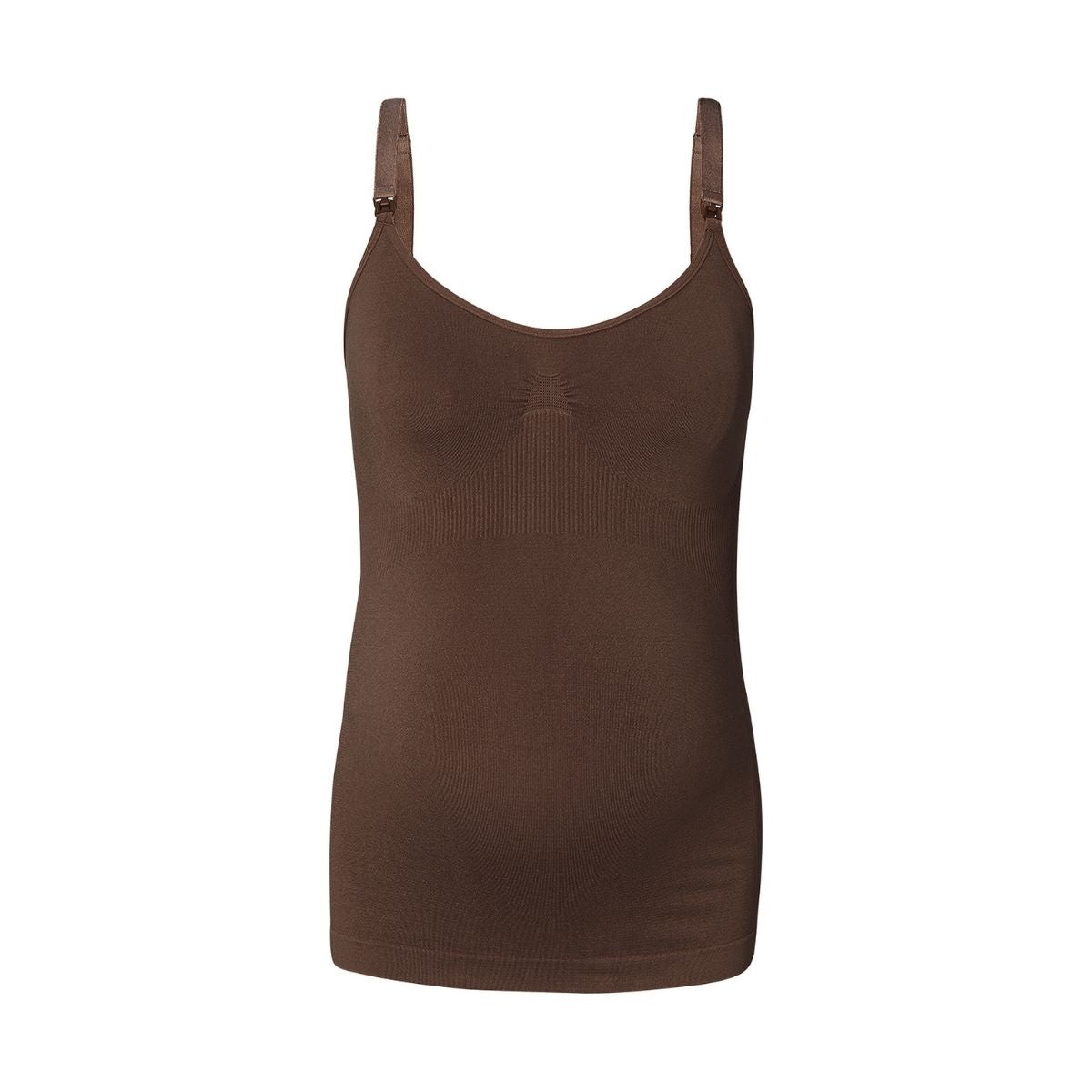
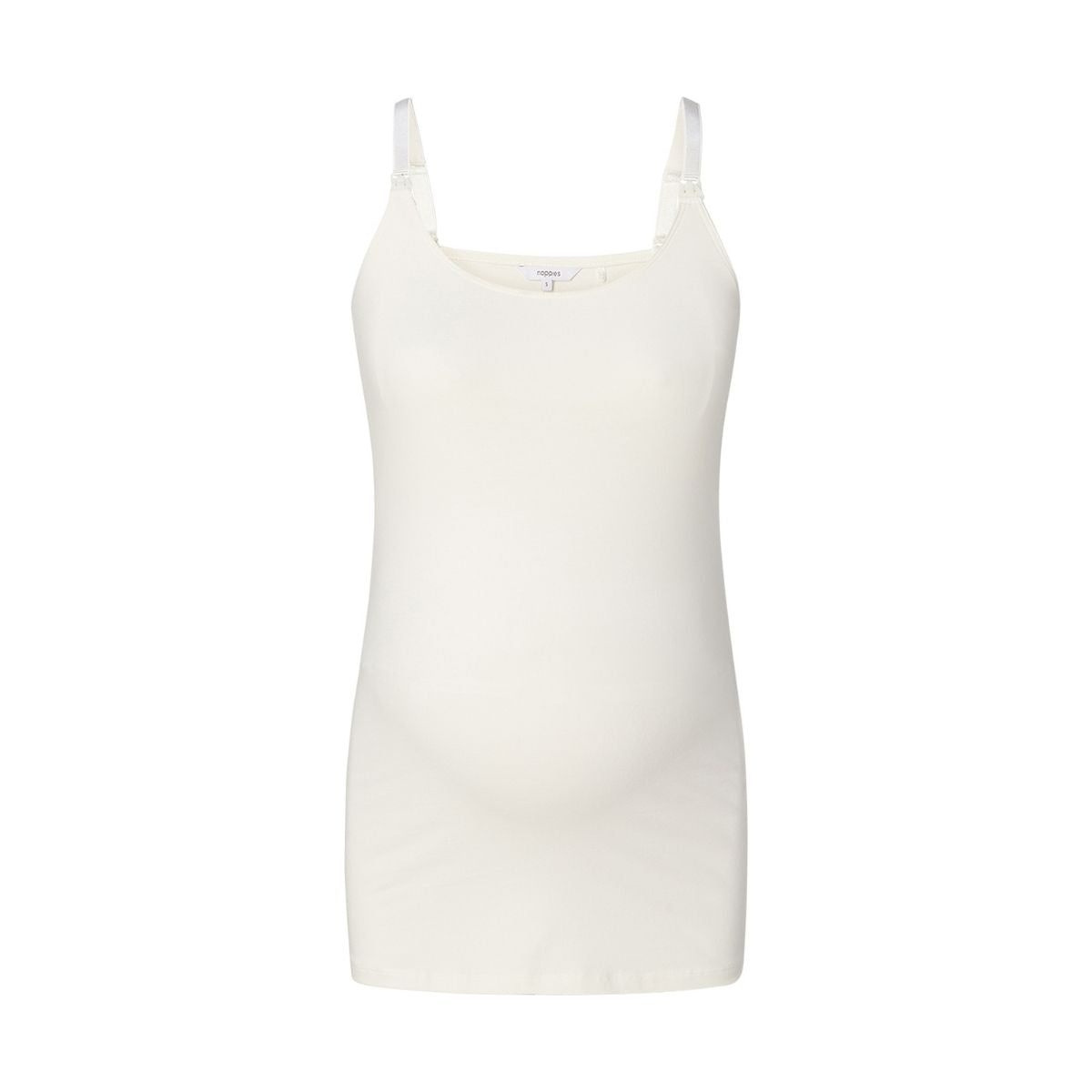
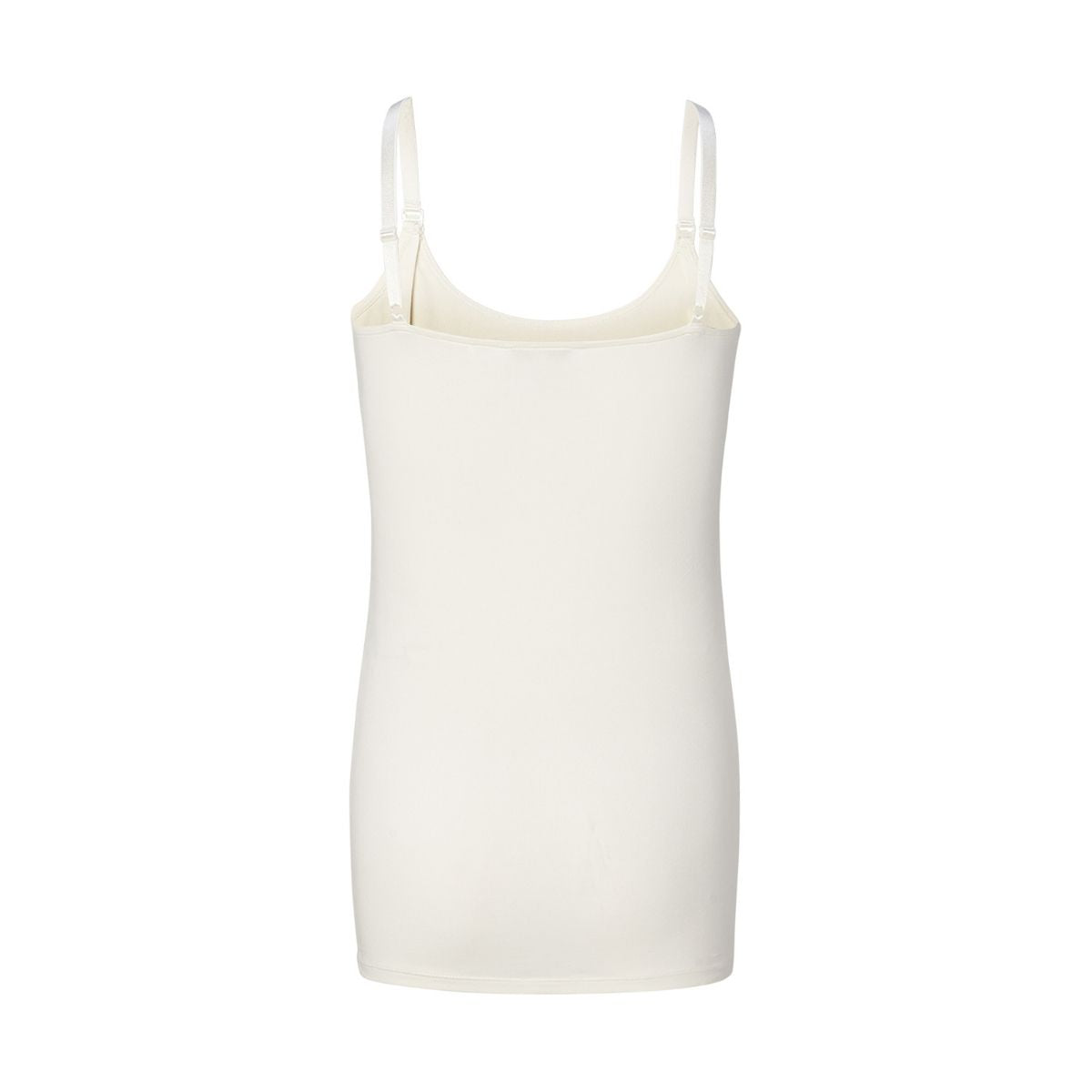
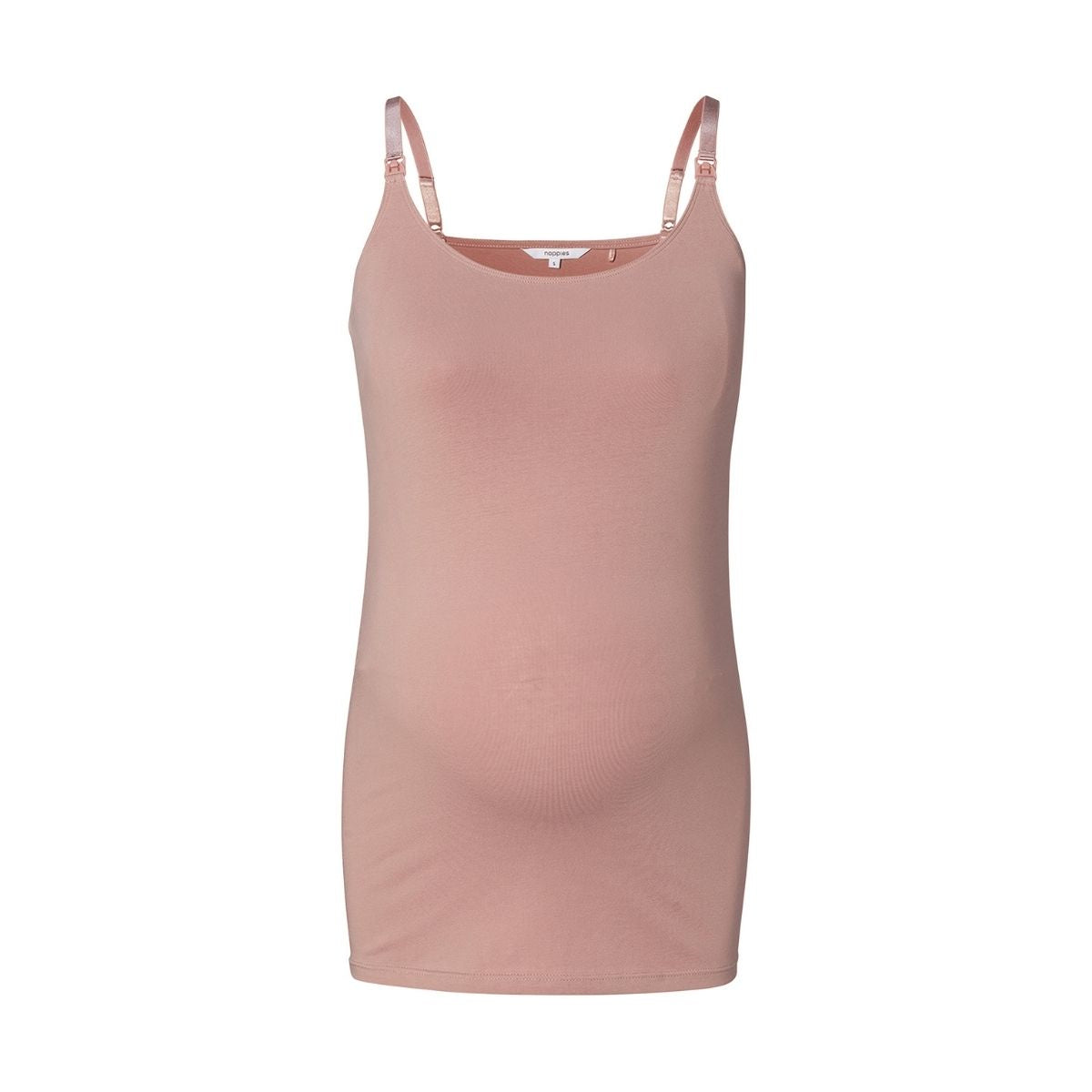
- Sleeveless maternity tops: The width of the shoulder straps and the shape of the armholes are particularly noticeable. Wide straps provide different shoulder coverage from narrow shoulder sections.
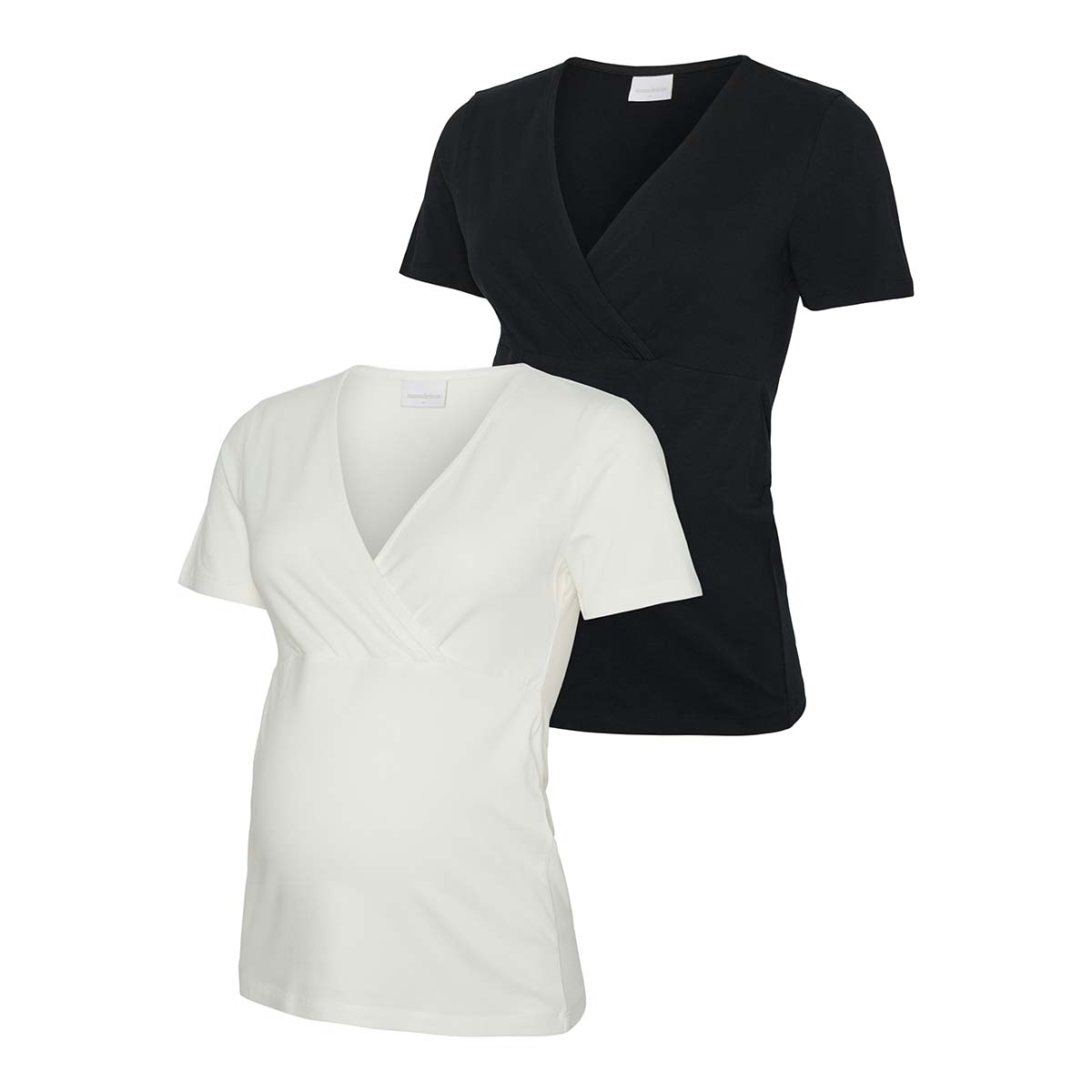
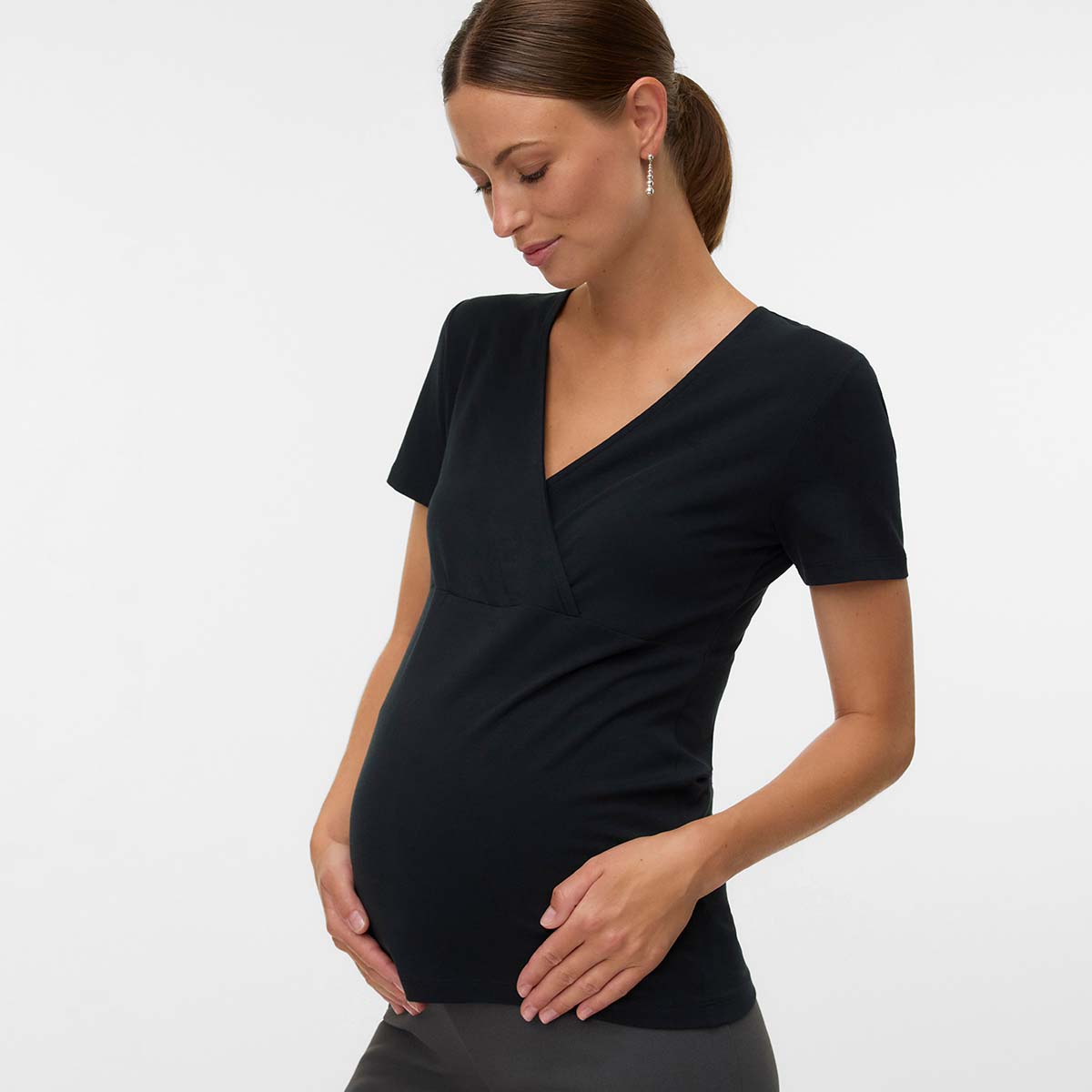
- Maternity T-shirts: Short sleeves may be closely fitted or cut with more room around the upper arm. The position of the shoulder seam also affects the overall shape.
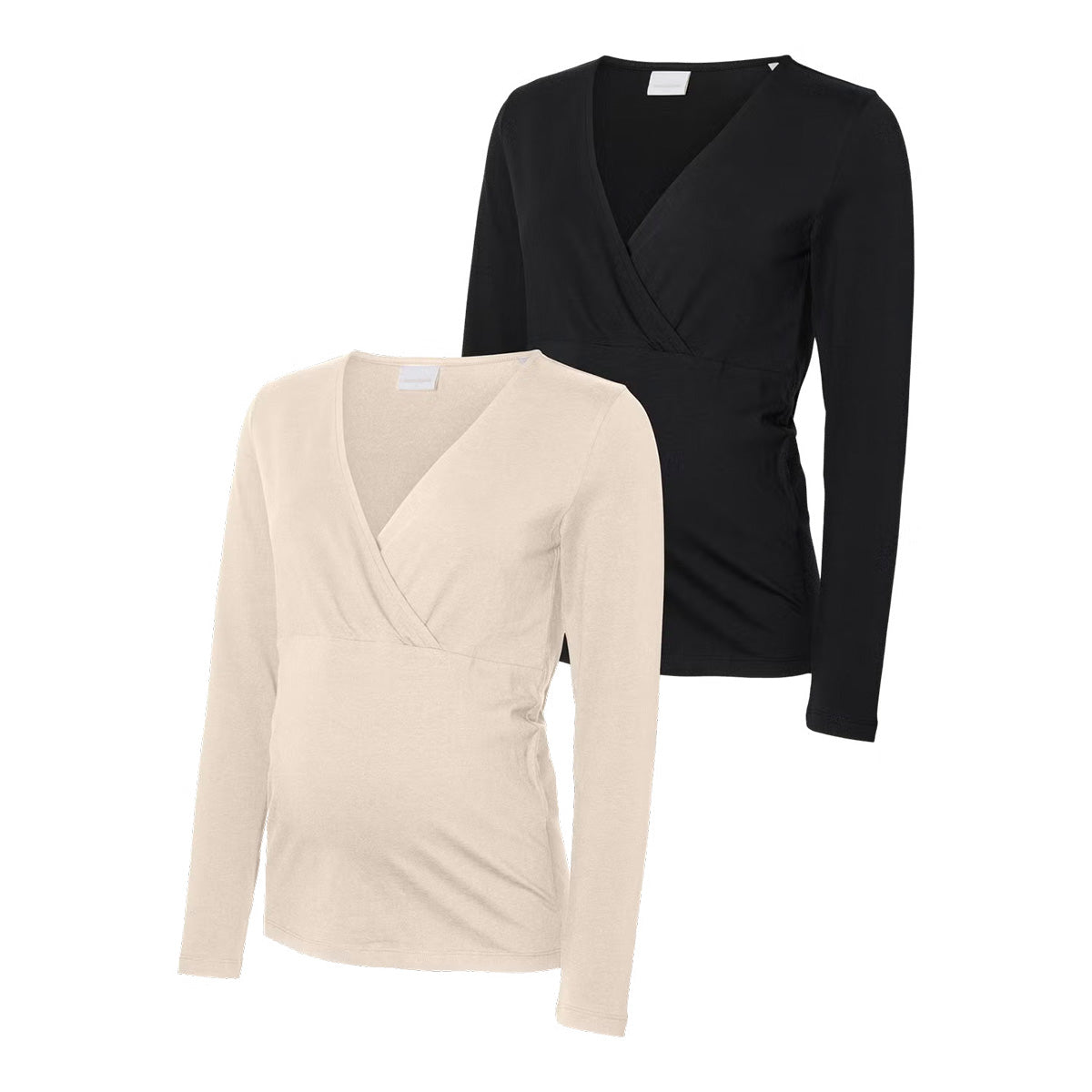
- Long-sleeved maternity tops: These may have straight sleeves, narrower cuffs at the wrists or three-quarter-length sleeves that leave part of the forearm uncovered.
Two tops with the same sleeve length can therefore look quite different. A wide armhole and loose sleeve create a different shape from a more fitted shoulder with narrow sleeves. When choosing a top to complement your existing wardrobe, consider the types of tops you normally prefer and check that the style also provides the amount of room you want around your bump.
Maternity tops with nursing access – what should you look for?
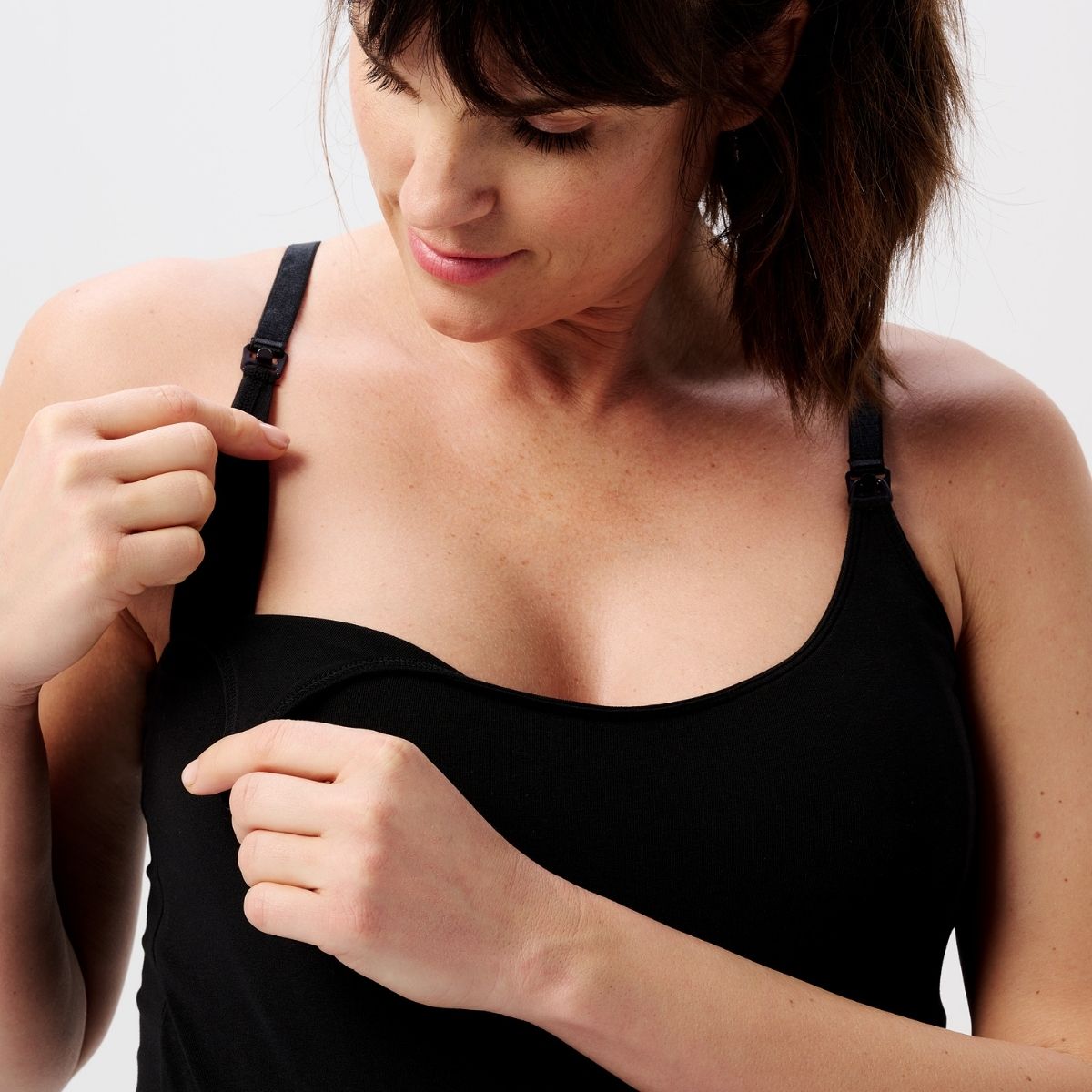
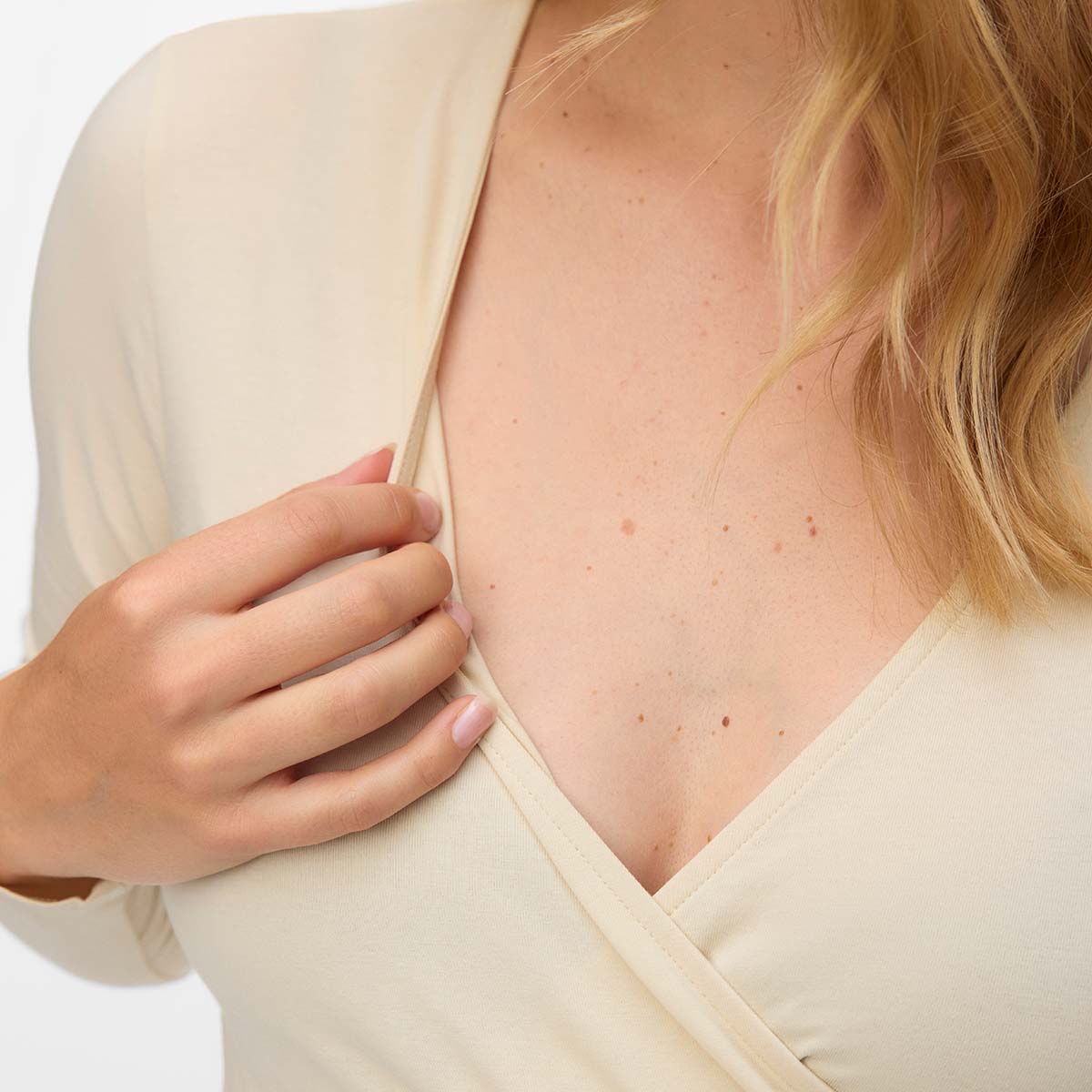
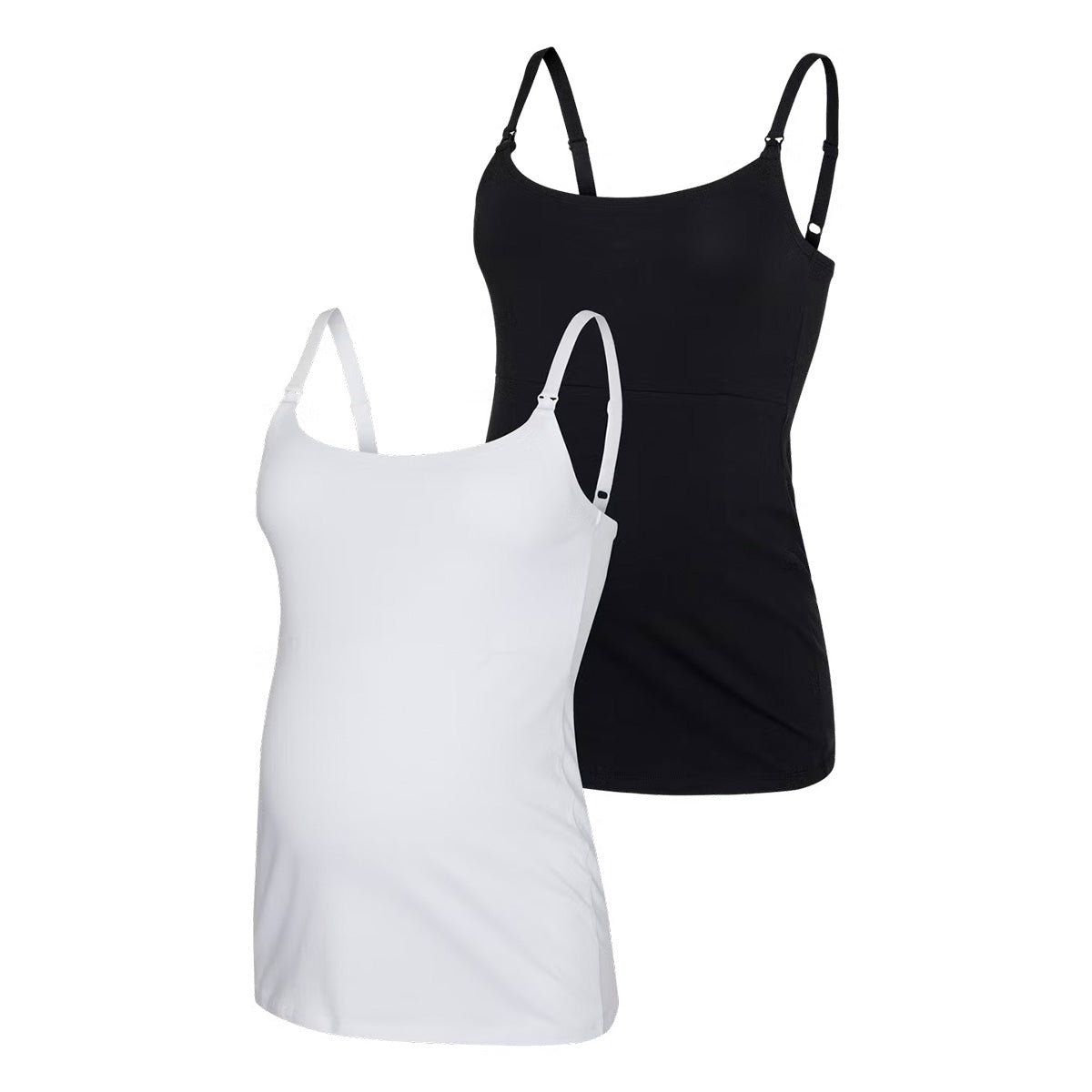
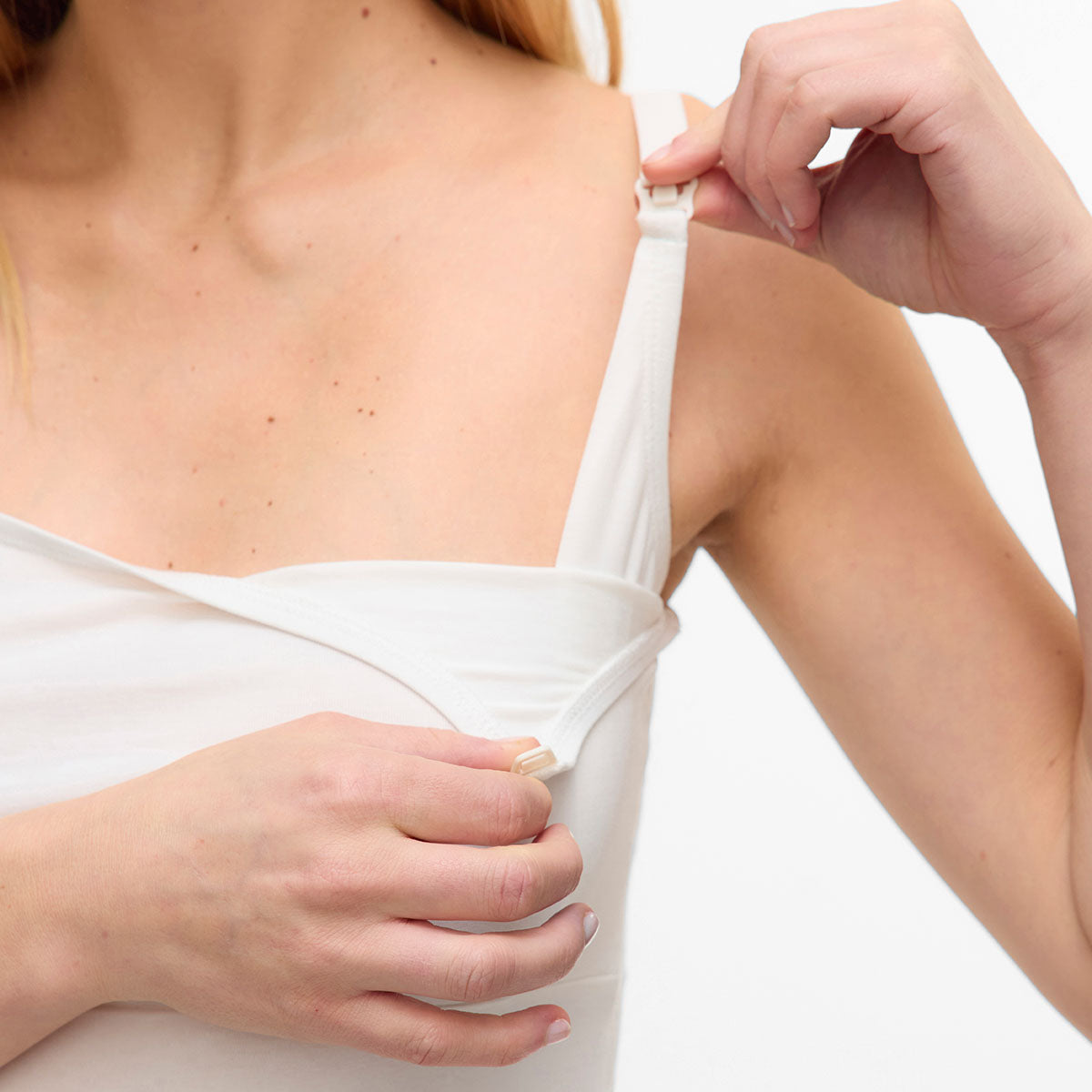
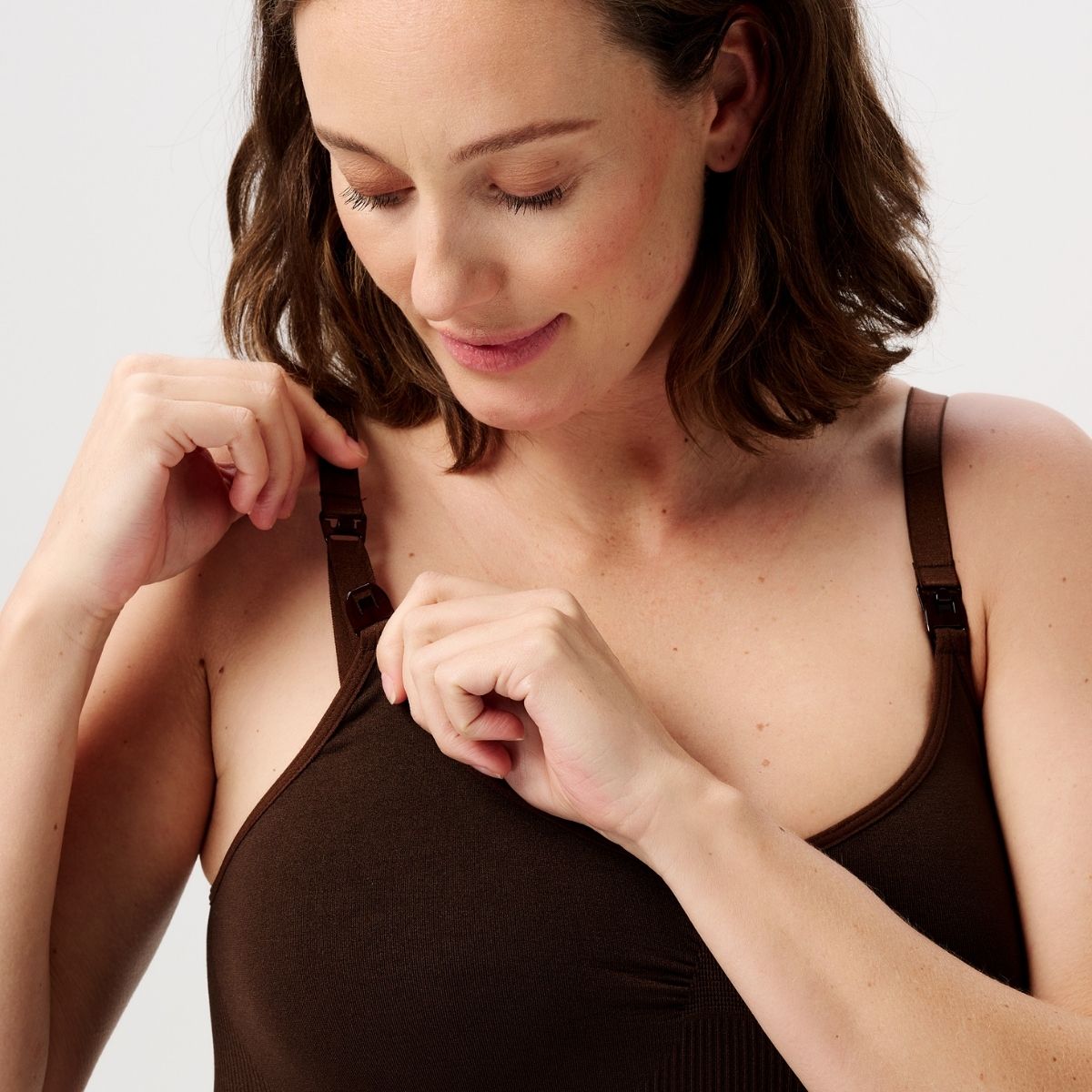
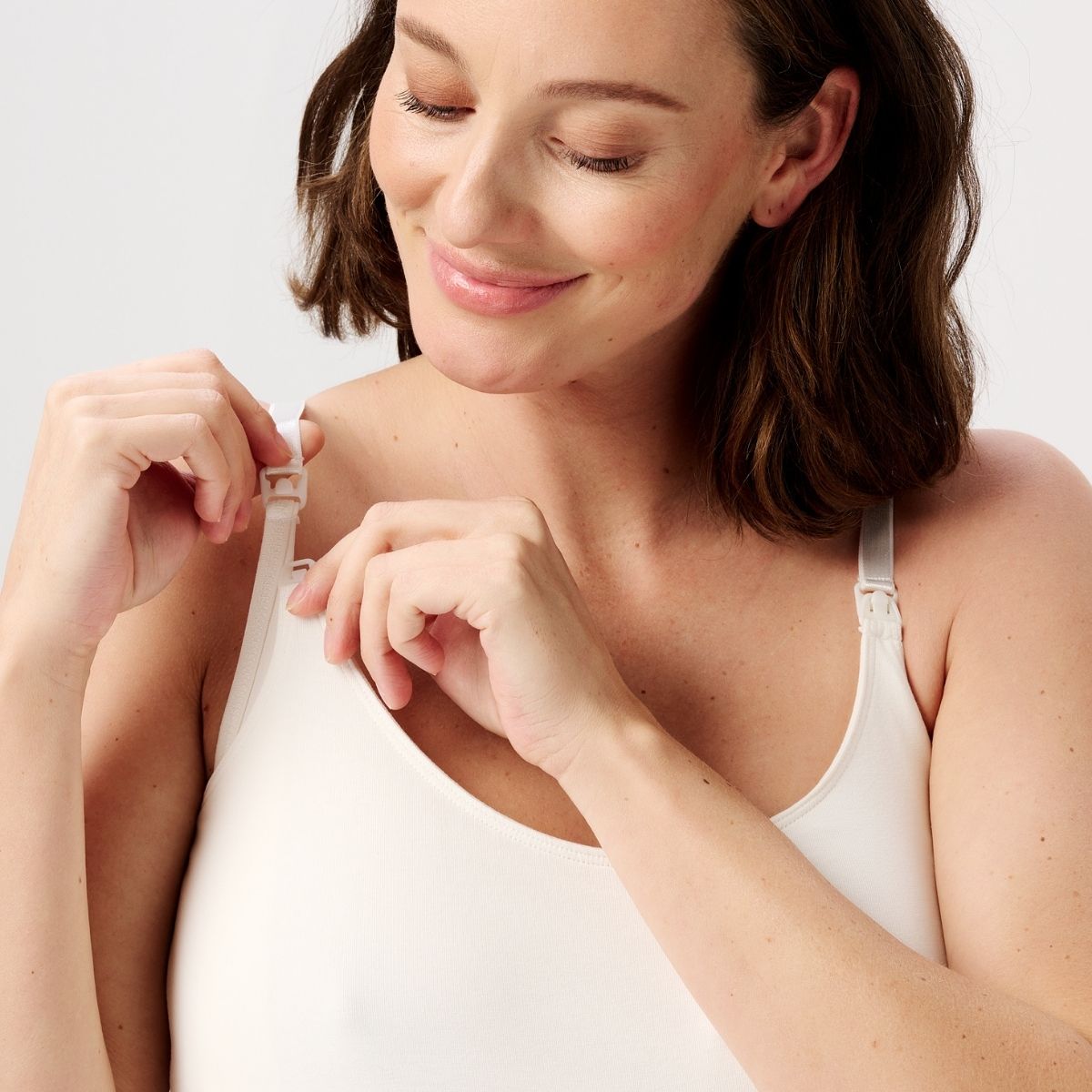
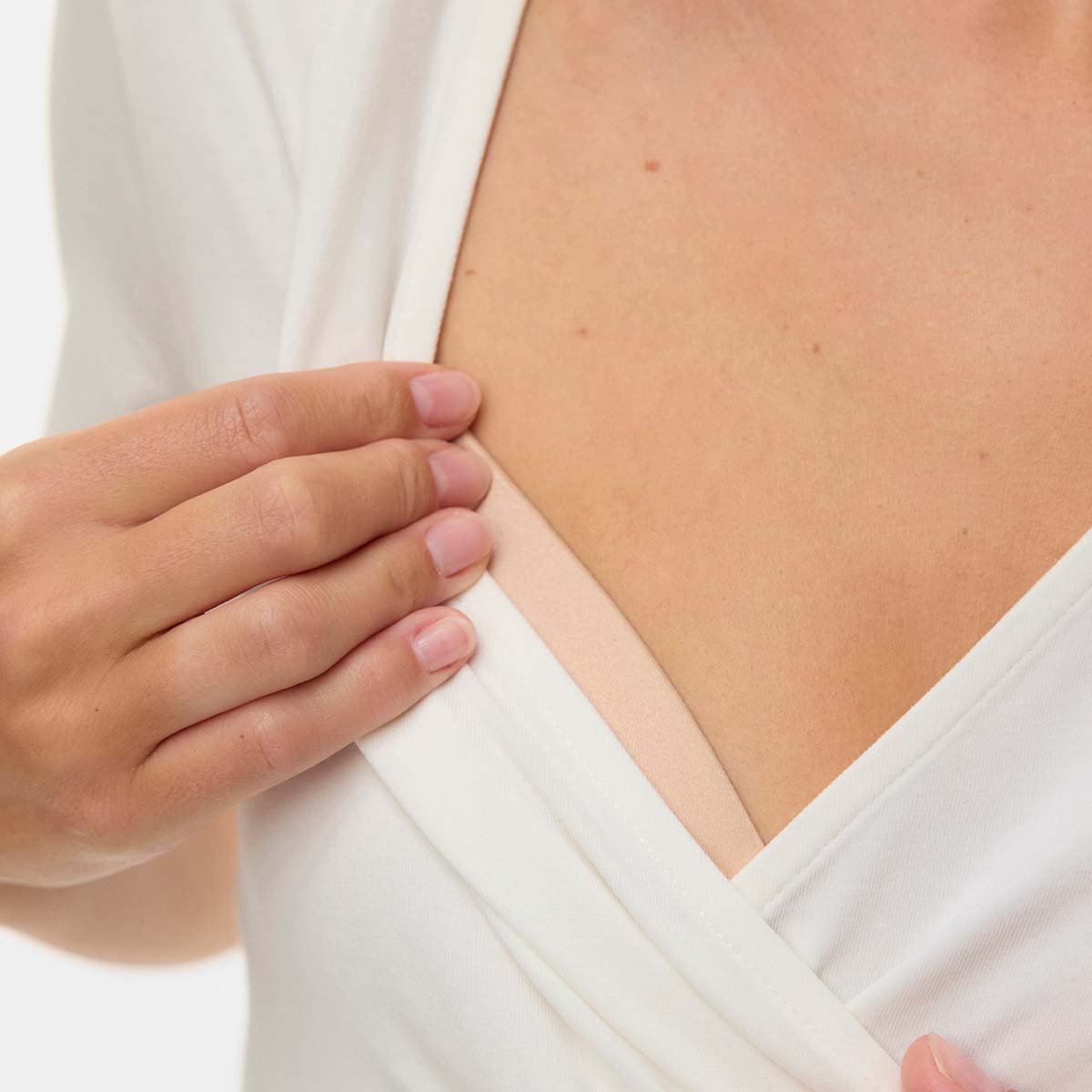
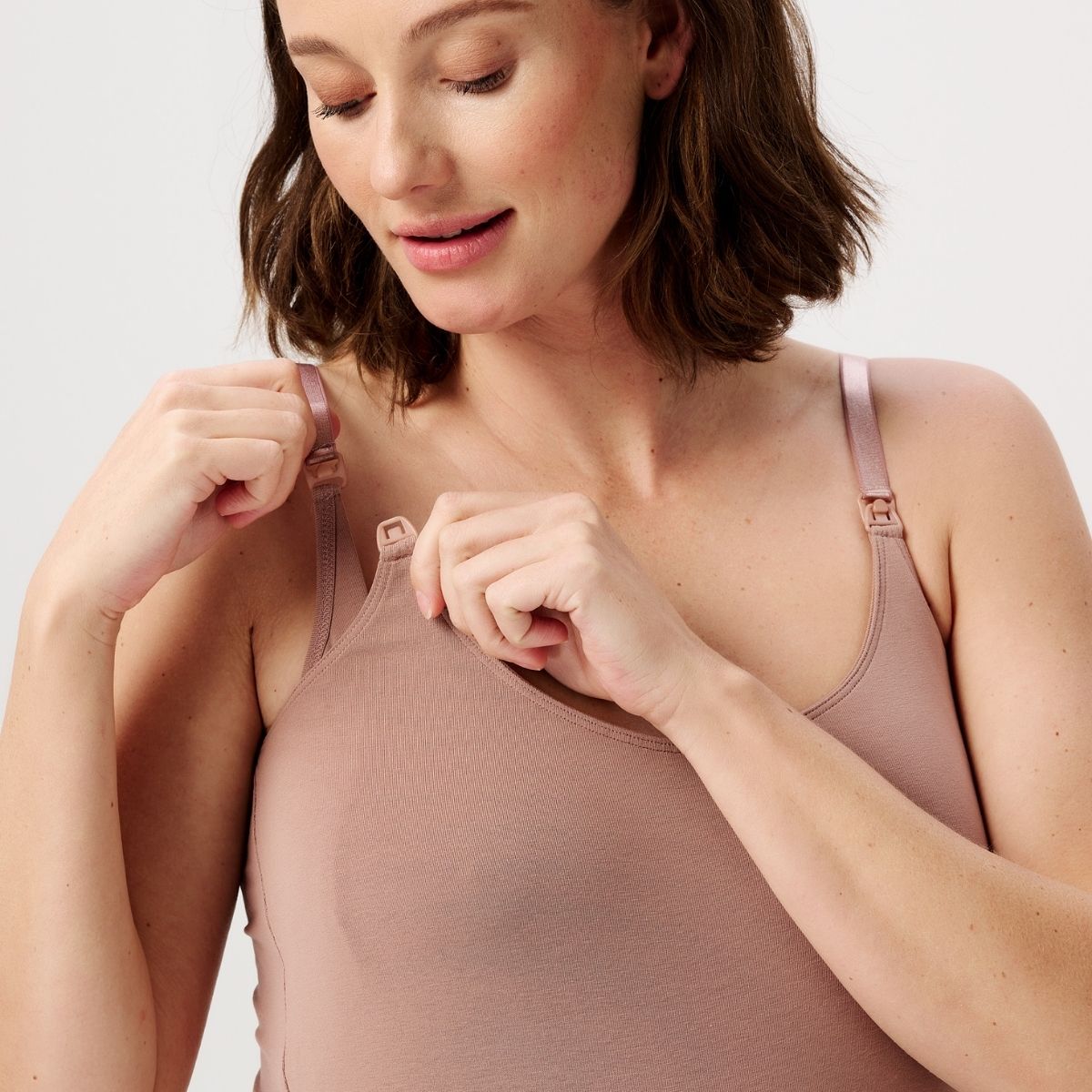
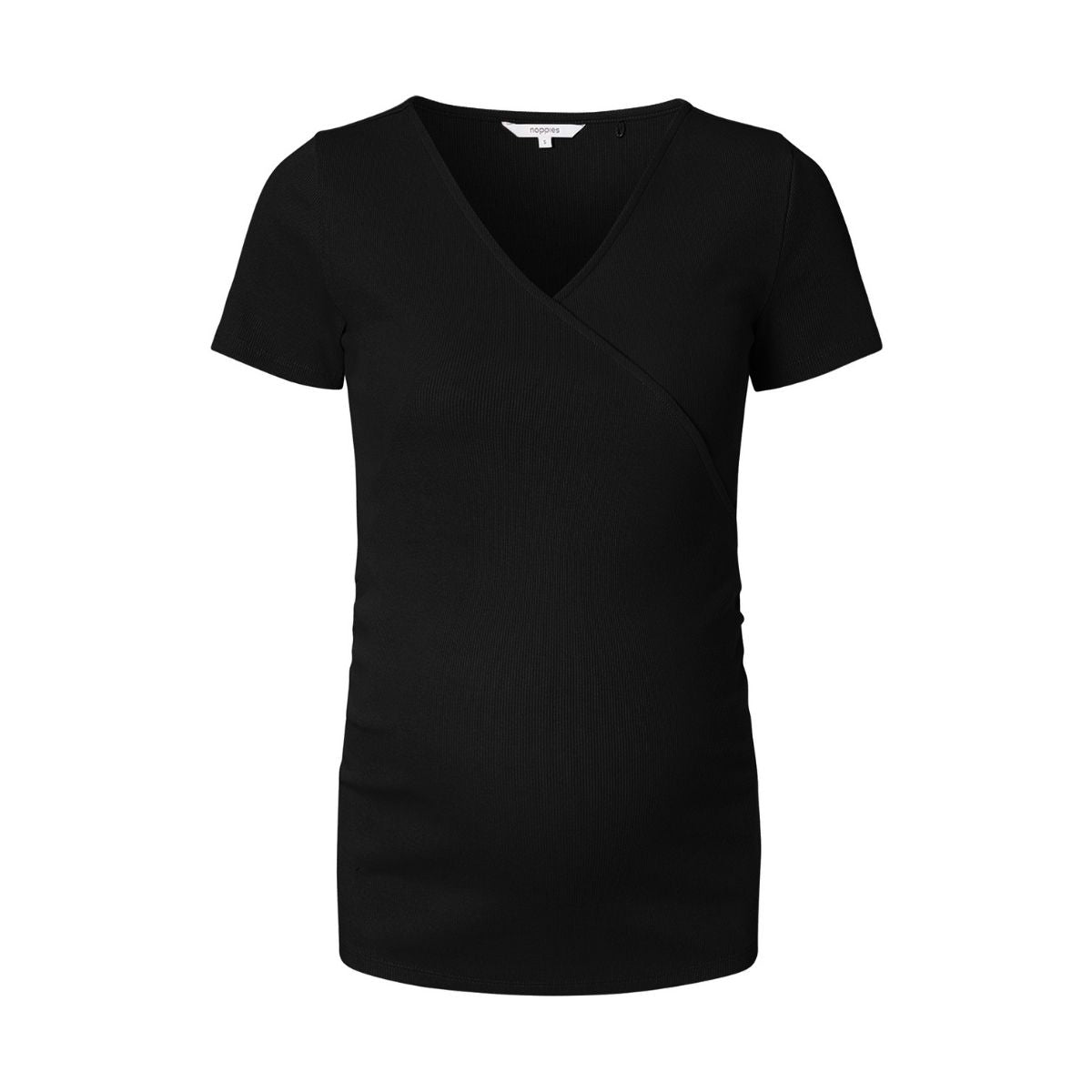
Some maternity tops are designed to be suitable for breastfeeding after birth as well. However, an ordinary maternity top does not automatically offer this feature simply because it has a loose fit or is made from stretchy fabric. Nursing tops may have a concealed opening or overlapping layers of fabric to provide access to the breast. One layer might lift or move aside, for example, while other styles incorporate a more discreet opening into the design.
If you want a top that can be worn during both pregnancy and breastfeeding, it is important to distinguish between the fit of the garment and its nursing access. A functional opening does not tell you whether the top will fit your body throughout pregnancy or after birth. Body proportions and requirements around the bust can change, so sizing still needs to be assessed for each individual style.
There can also be differences between specialist designs with an internal section serving a particular purpose around the bust and styles that simply function as ordinary tops. You should not assume that a garment has built-in support unless the product description specifically states this. Look for details about the nursing access and any internal construction when deciding between a maternity top, a nursing top and a design intended for both uses. Whether nursing access is integrated into the top depends on the construction of the individual garment.
How necklines affect the look of maternity tops
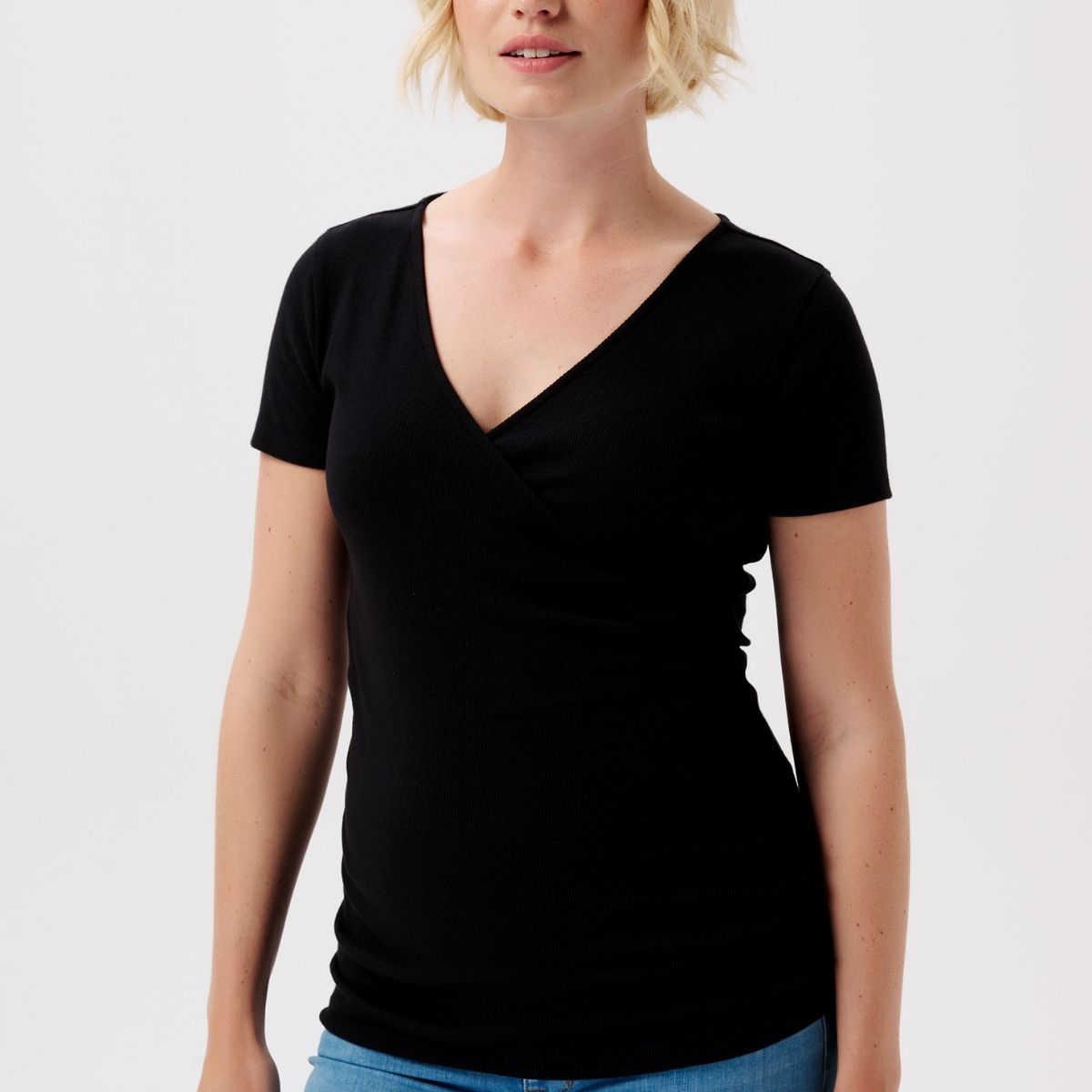
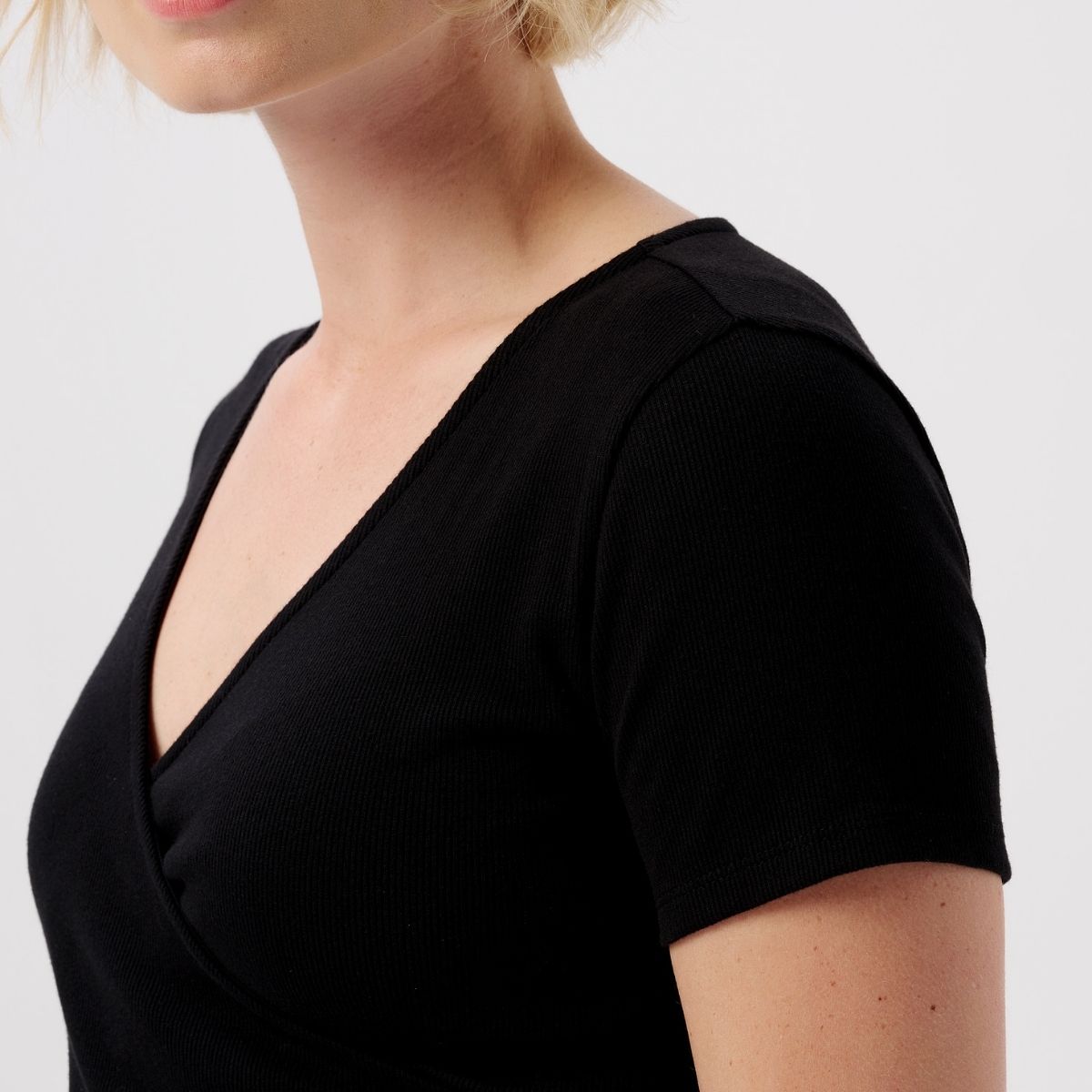
A crew neckline can sit close to the neck or be cut lower. A V-neck creates an angled opening at the front, although its depth also varies between styles. Square necklines and wider neck openings change the lines around the shoulders and upper bust, giving a maternity top a different appearance from more traditional shapes. Pay attention to the neckline finish too. A narrow binding may appear more understated, while a wider sewn-on trim can emphasise the shape of the opening. Descriptions such as crew neck or V-neck therefore tell you only part of the story. The exact depth, width and edge finish matter if you prefer a particular level of coverage or intend to wear the top beneath other garments. Even two tops with the same neckline style can differ more in depth and trim width than their names suggest. Product photographs can provide a clearer impression of where the opening sits in relation to the neck and shoulders.
Side ruching, pleats and draping on maternity tops
Fabric folds on maternity tops can contribute to the fit as well as serve as visible design details. Side ruching is often found on close-fitting styles, where fabric is gathered along the side seams. This can create extra fabric length at the front and change how the top sits around your bump. Some designs have pronounced gathers, while others feature much subtler detailing. These differences depend partly on the material and how the fabric is sewn together.
Pleats work differently. The fabric is folded to create additional width or a particular shape, for example at the front or where different sections of the top meet. Draping involves fabric falling into visible folds, which can change the silhouette without necessarily providing more room. A draped top is therefore not automatically more spacious around your bump.
Details that look similar can sometimes be difficult to distinguish. A ruched side seam may be designed to provide extra length around the bump, while folds elsewhere may be mainly decorative. If the construction matters to your choice, compare photographs showing the top from both the front and the side. Notice where the folds begin and end, as this can affect how the fabric hangs when the top is worn.
