

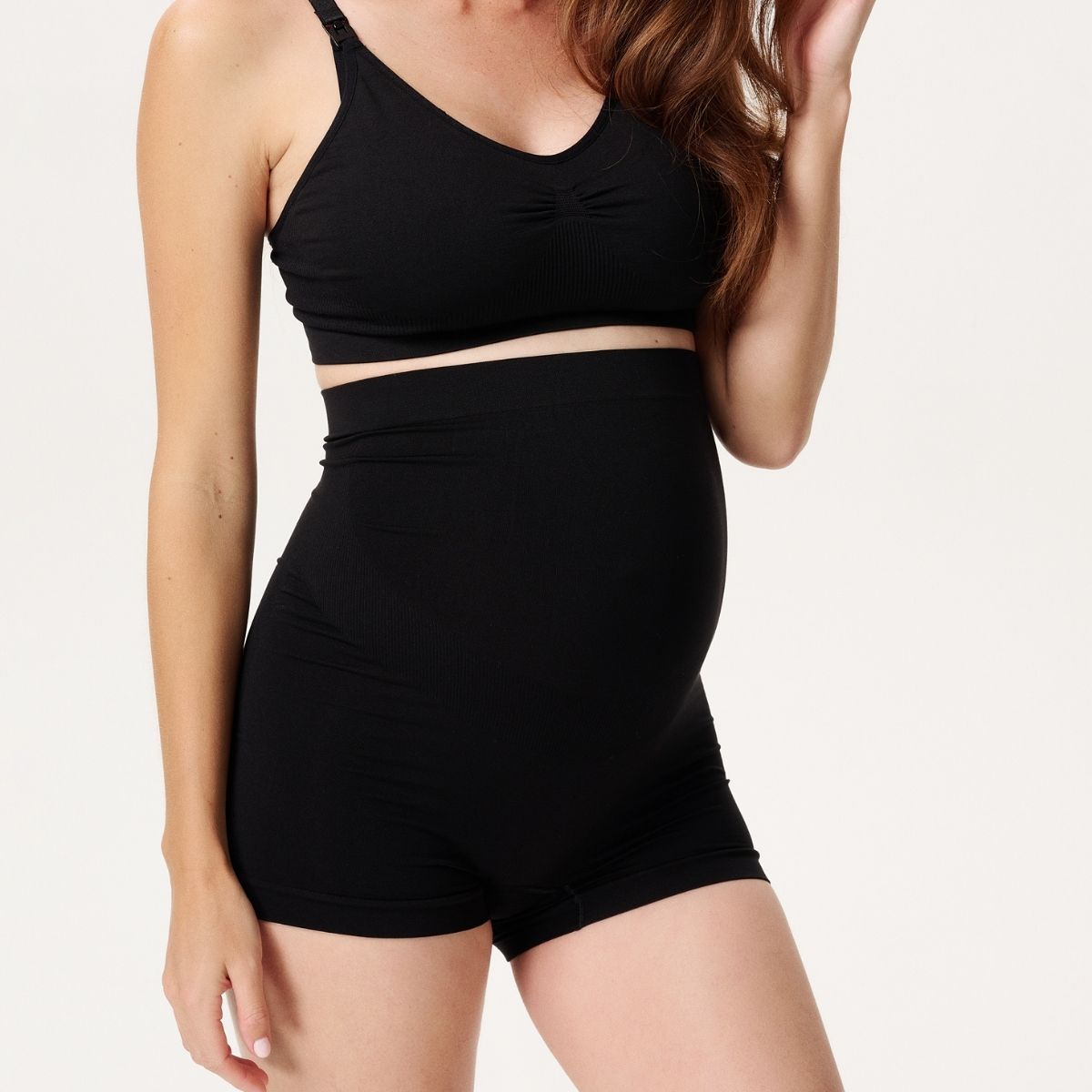
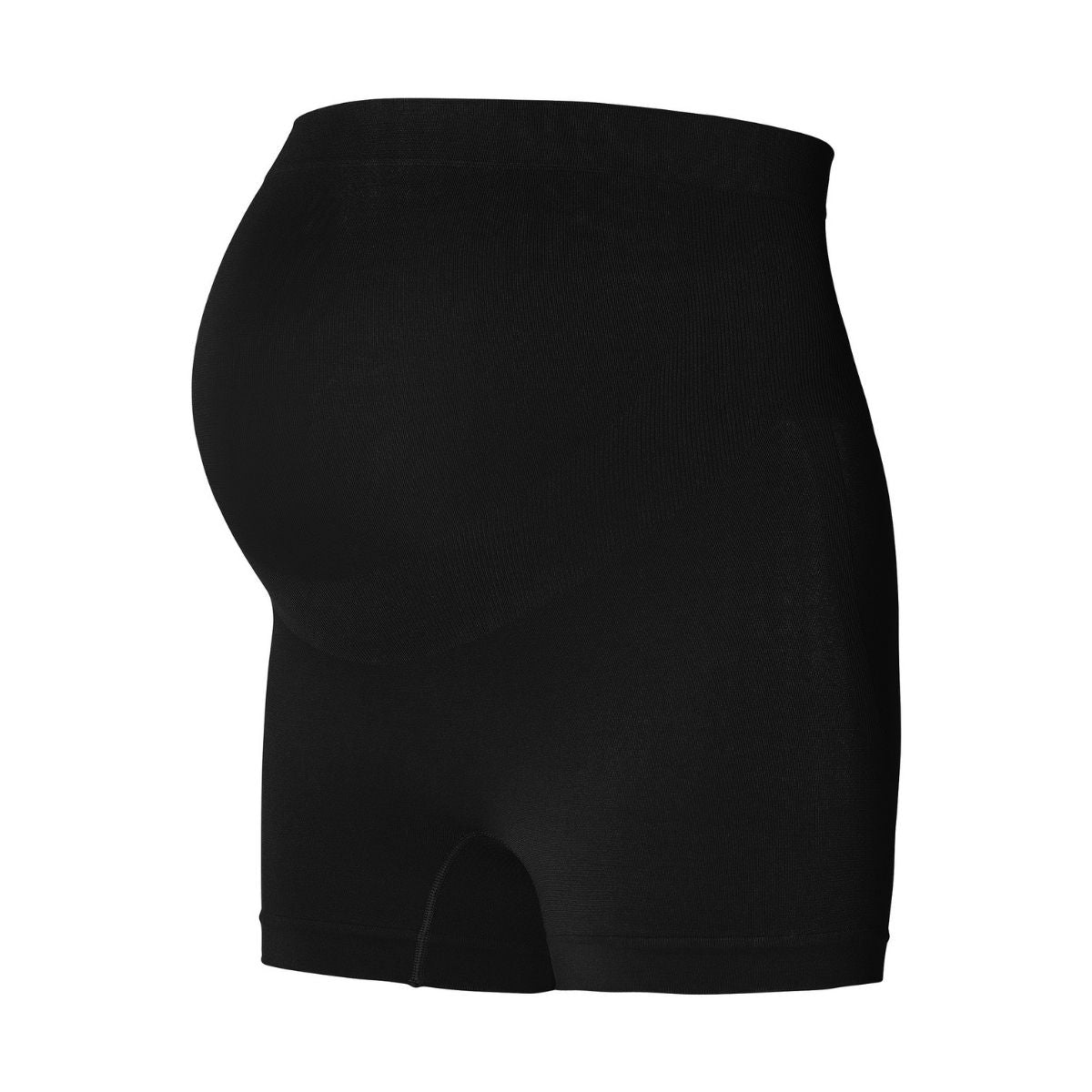
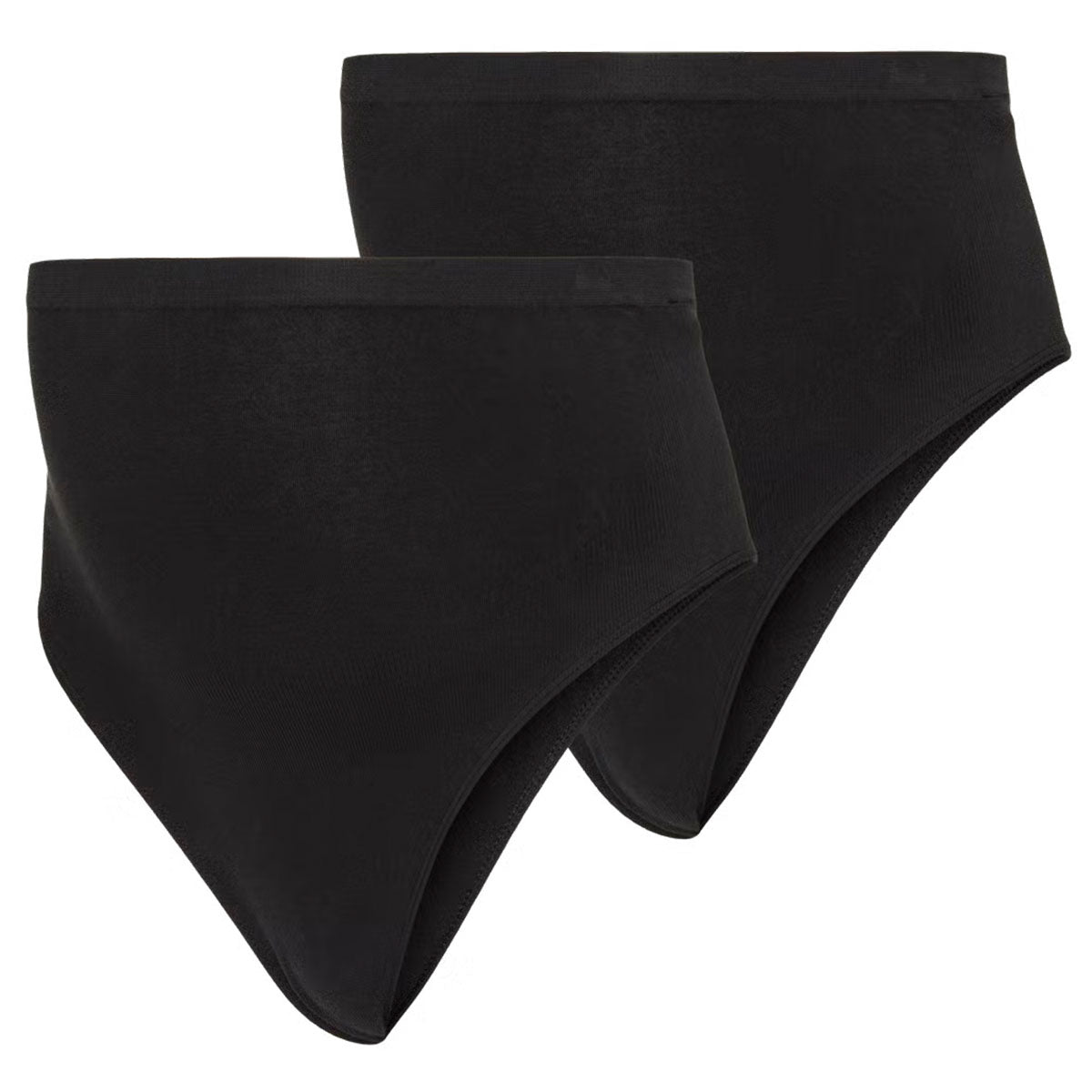
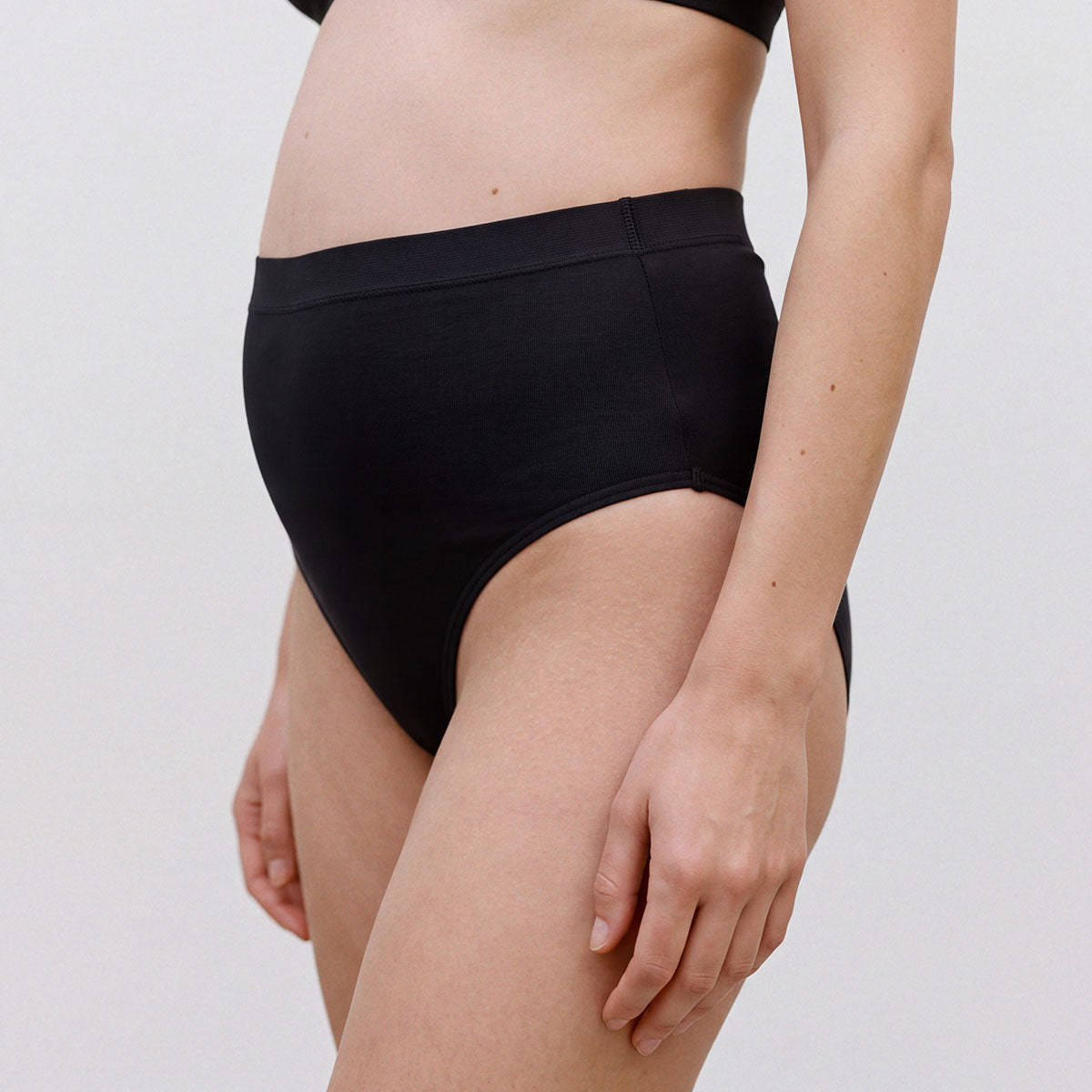
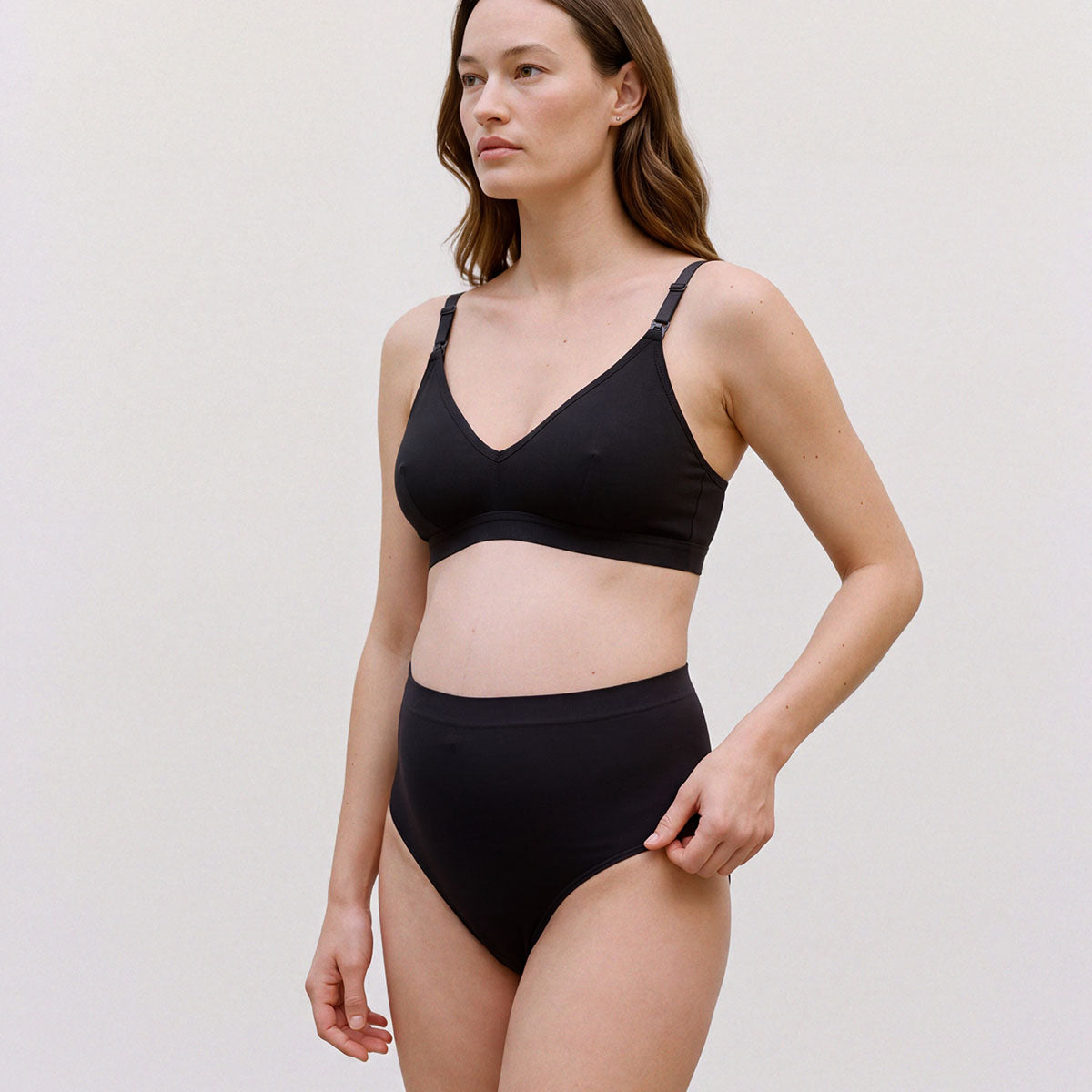
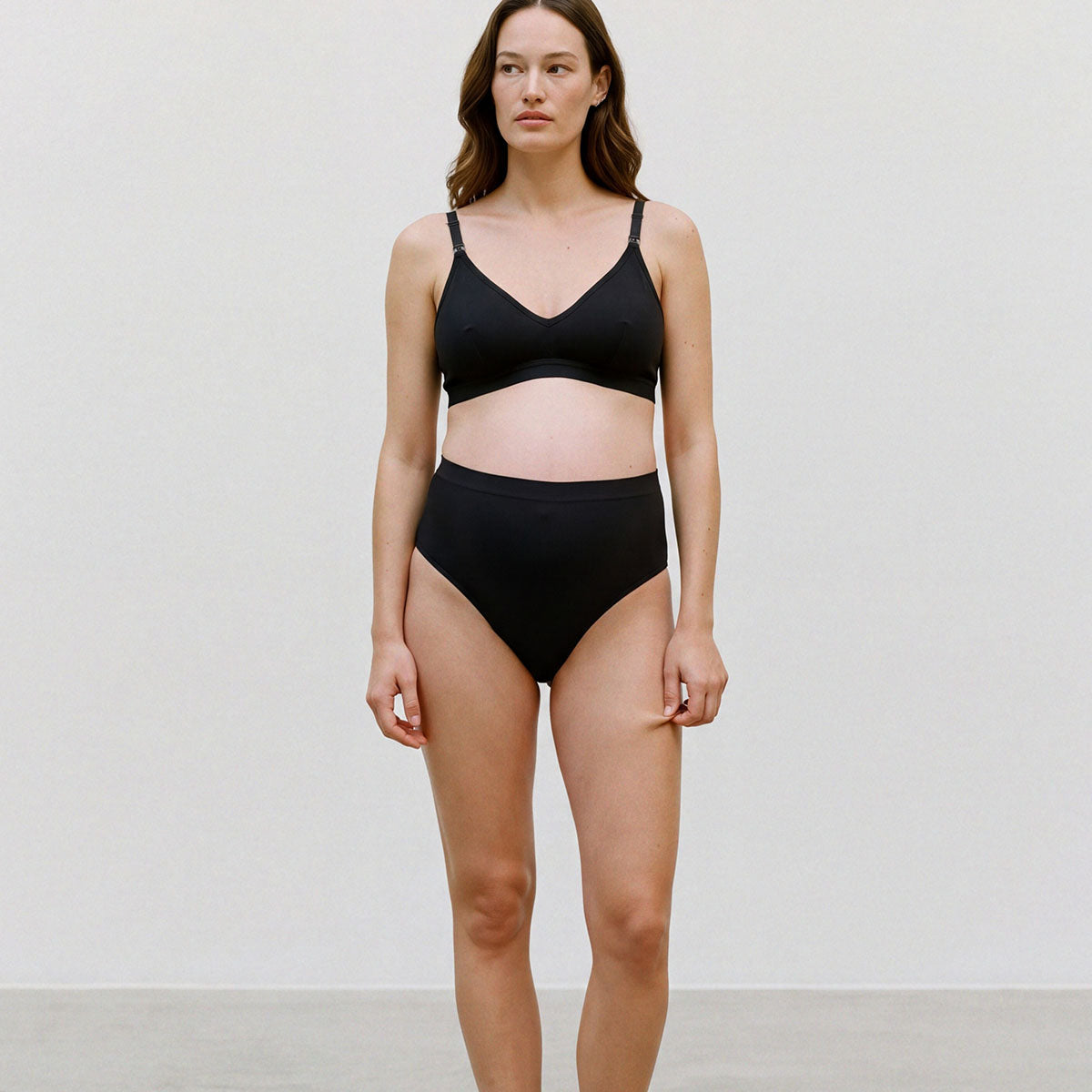


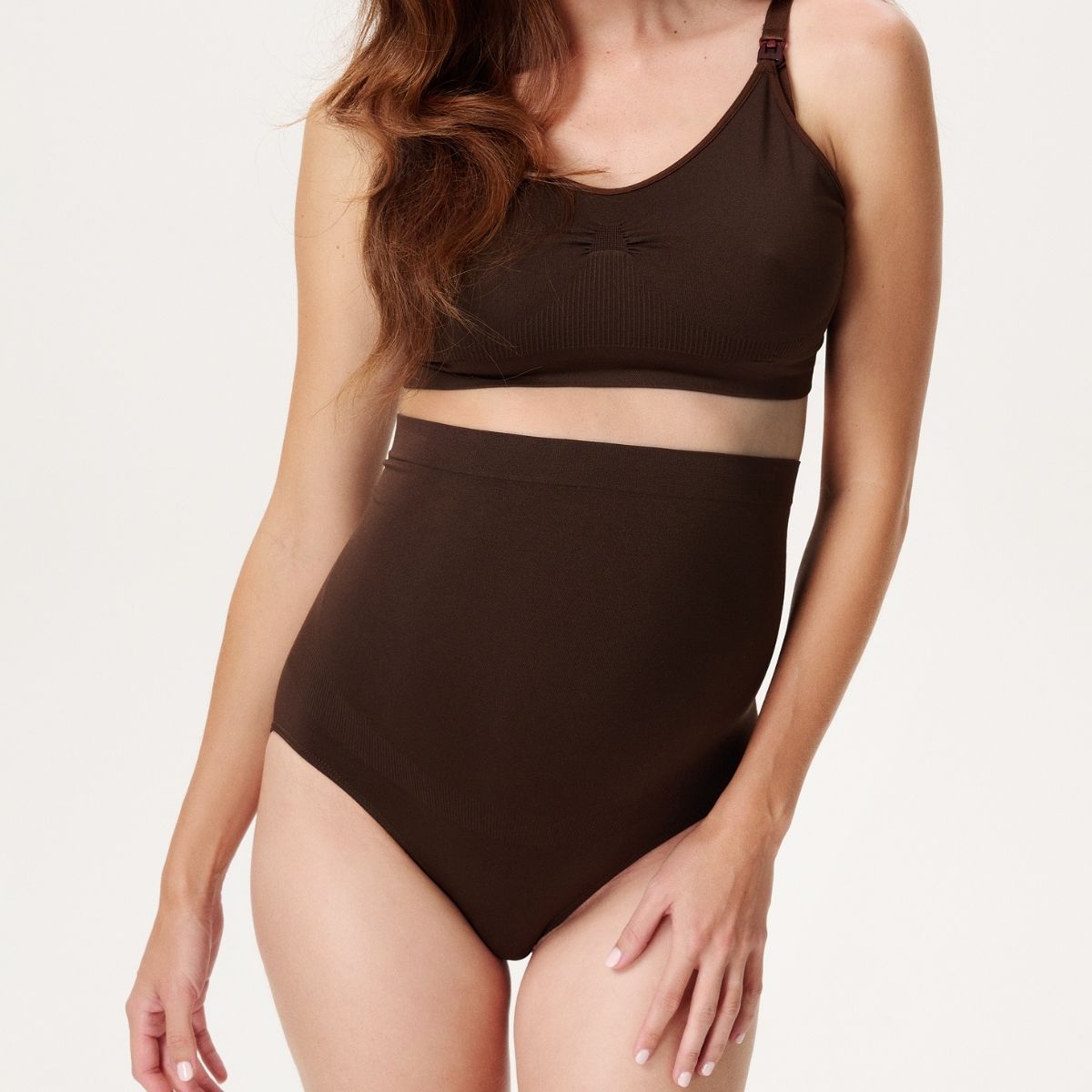
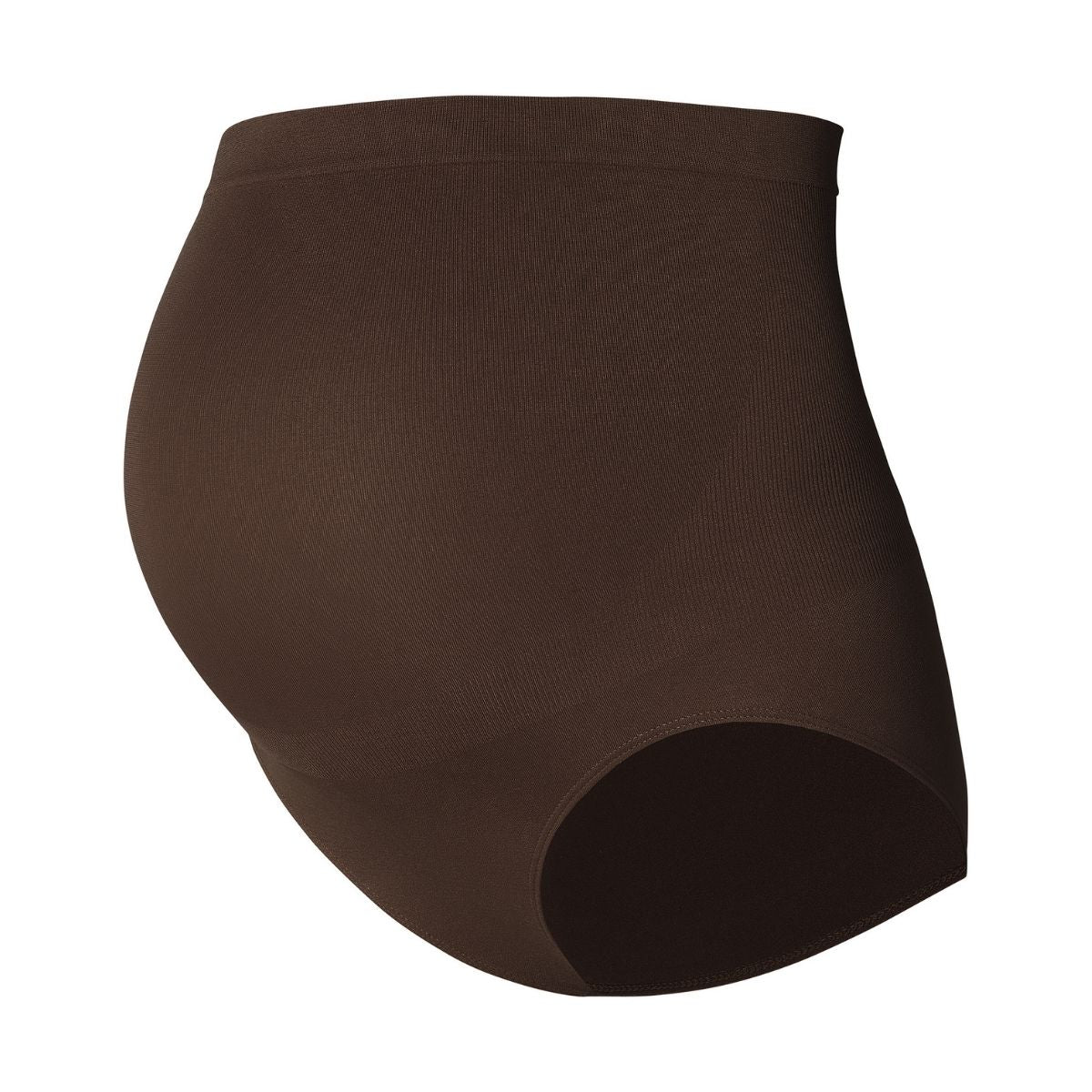
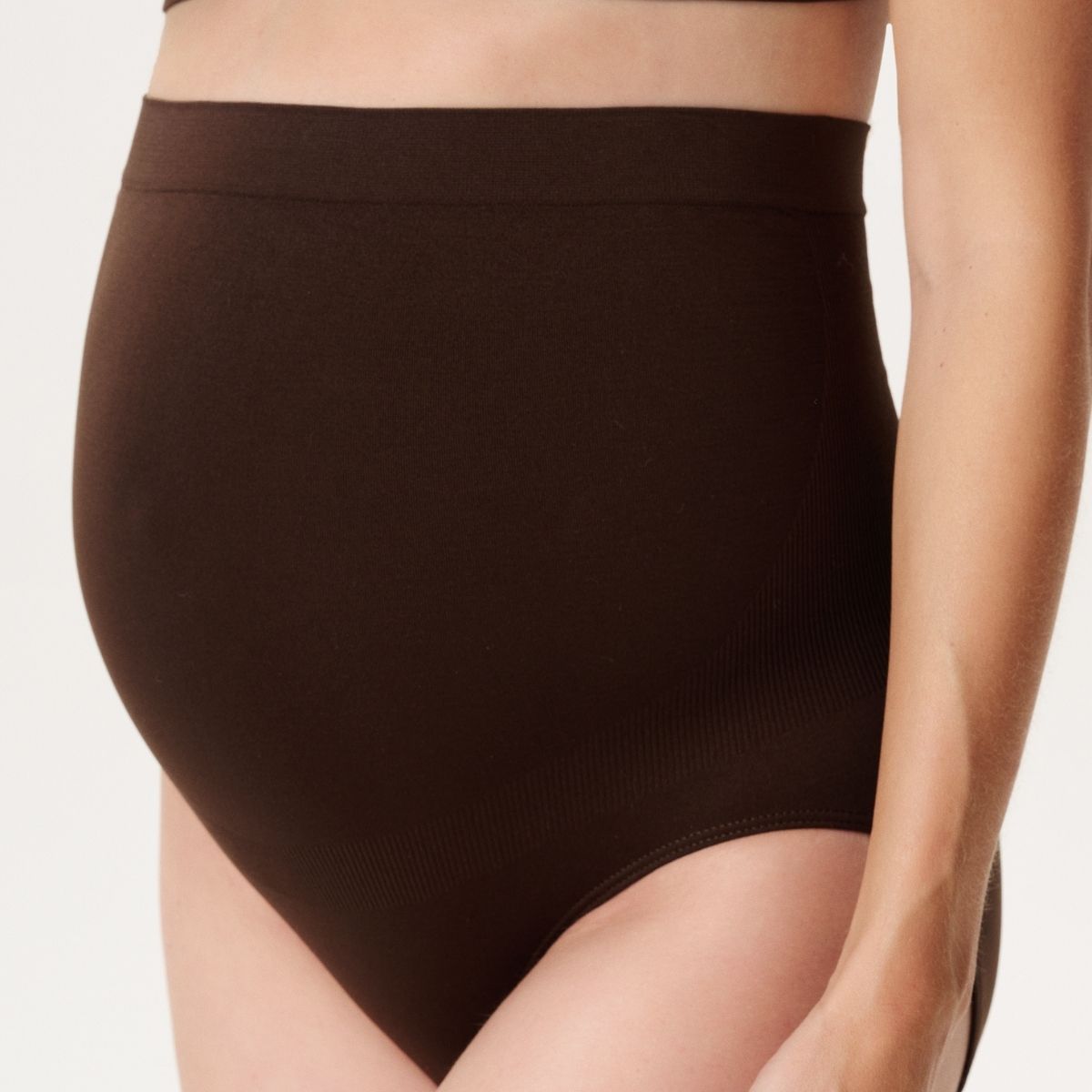
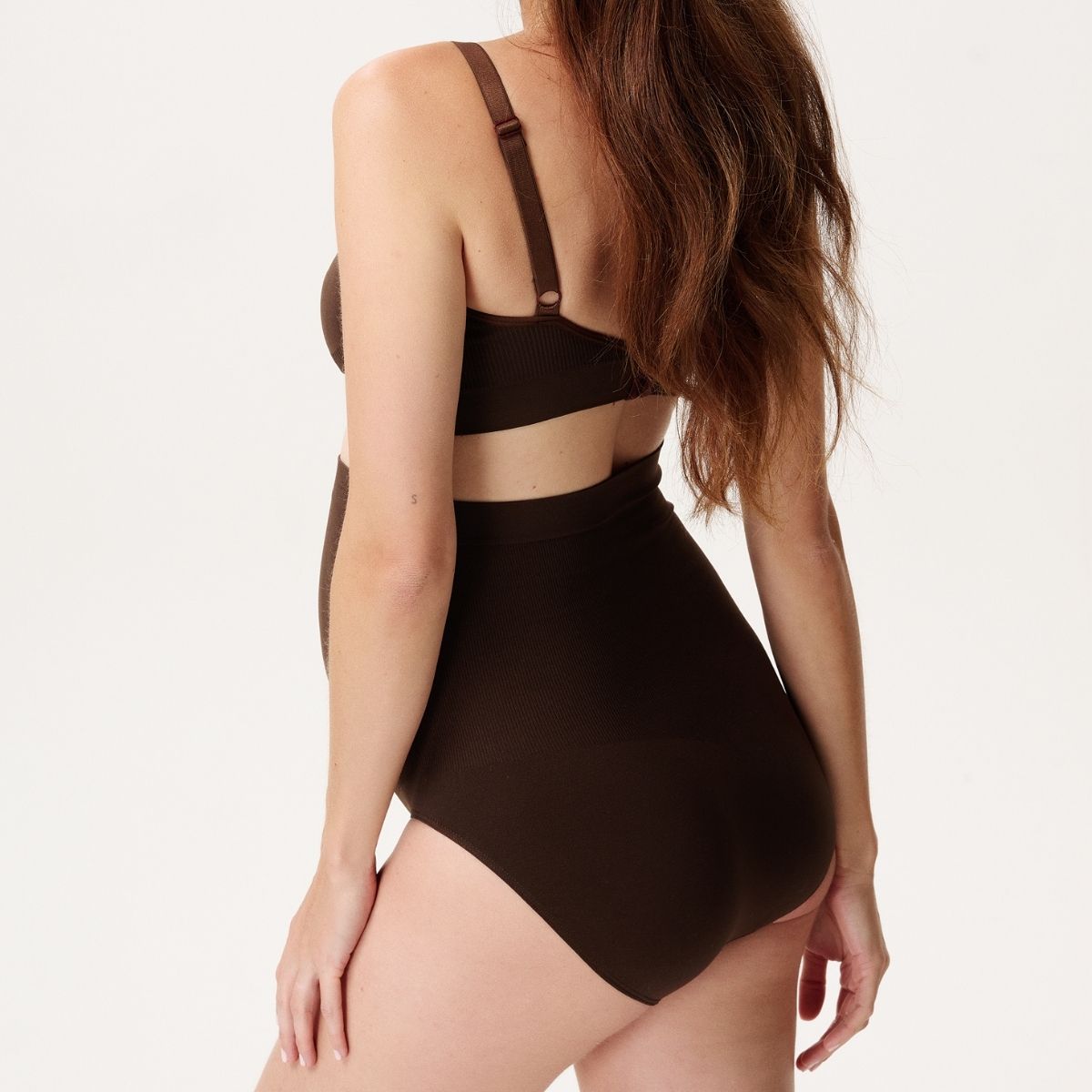
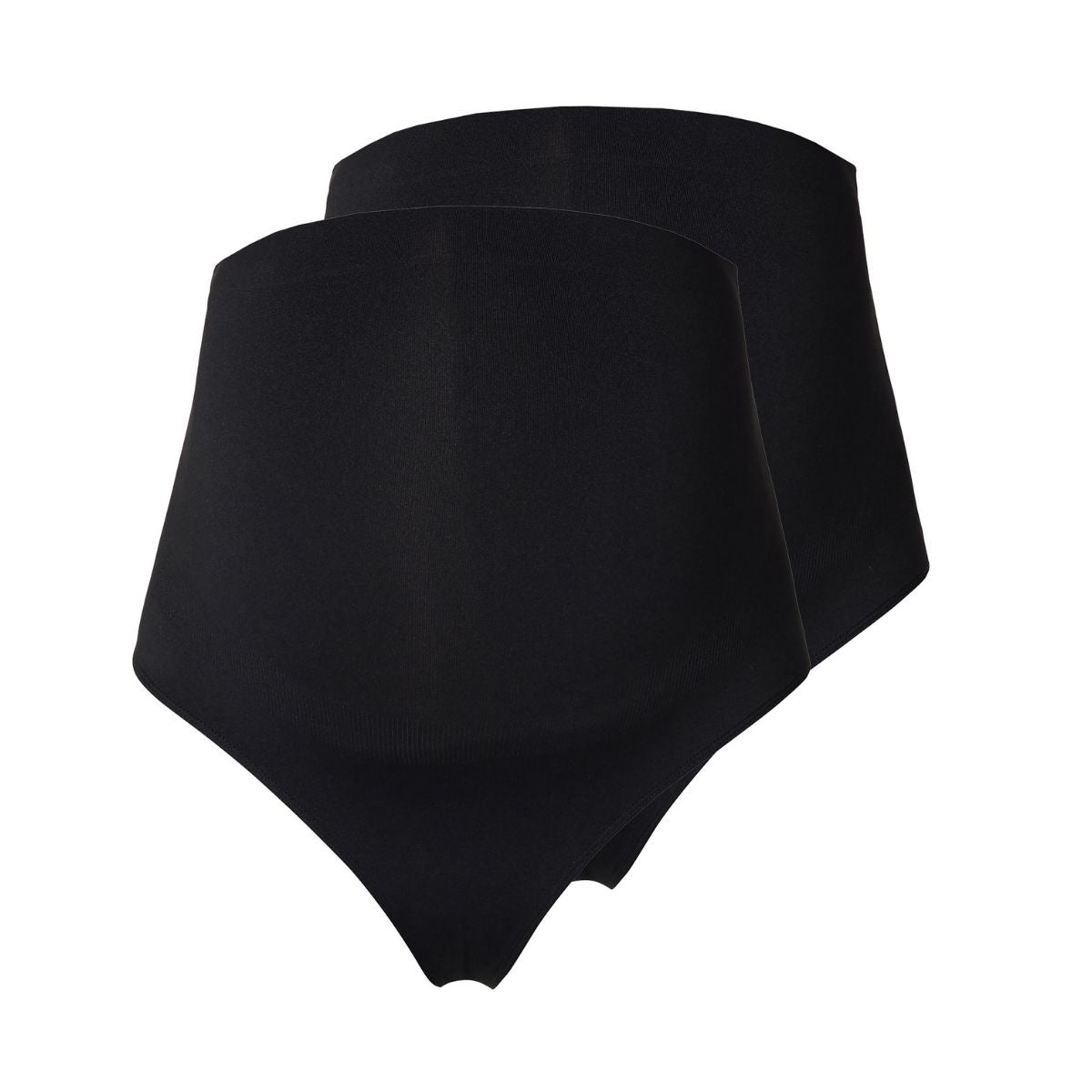
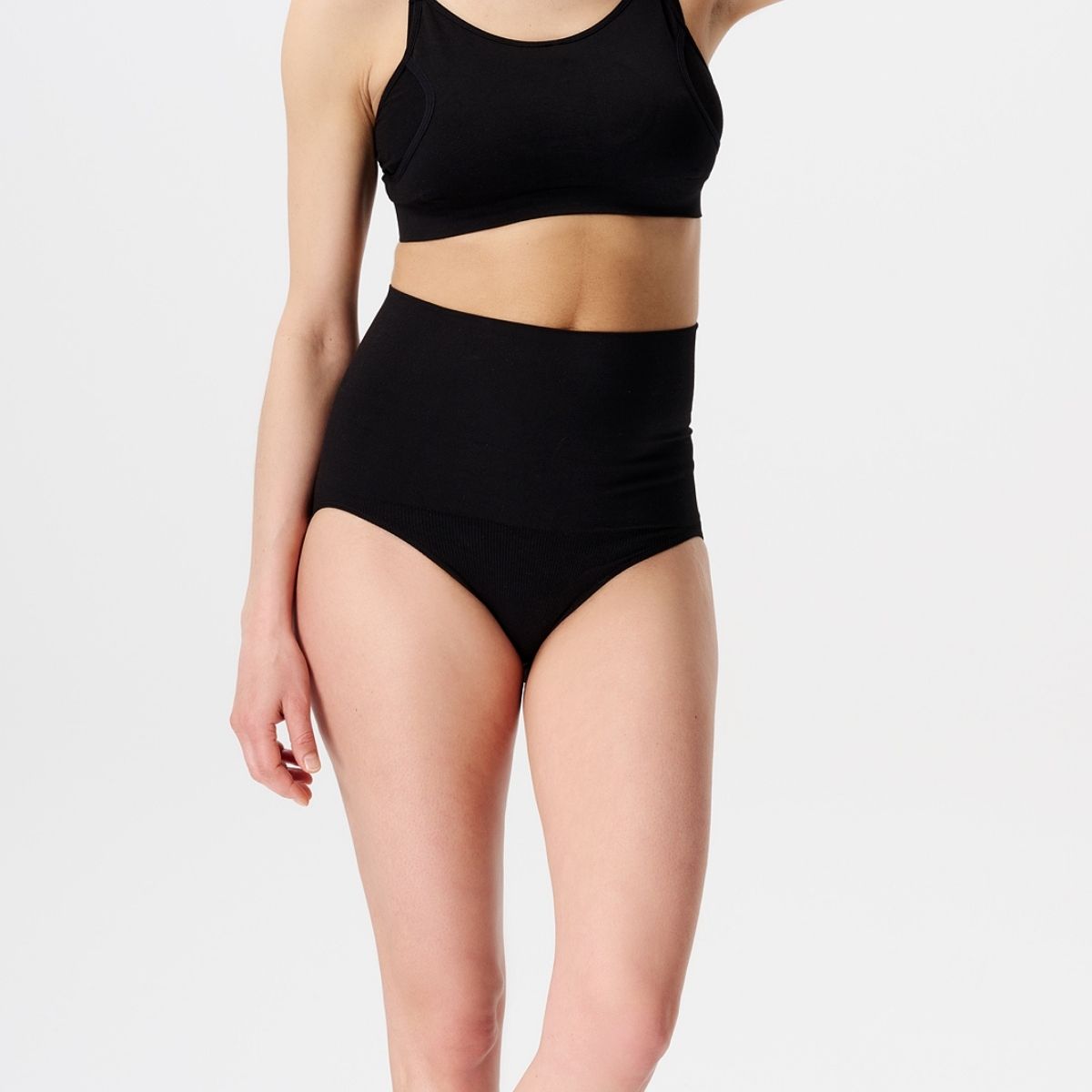
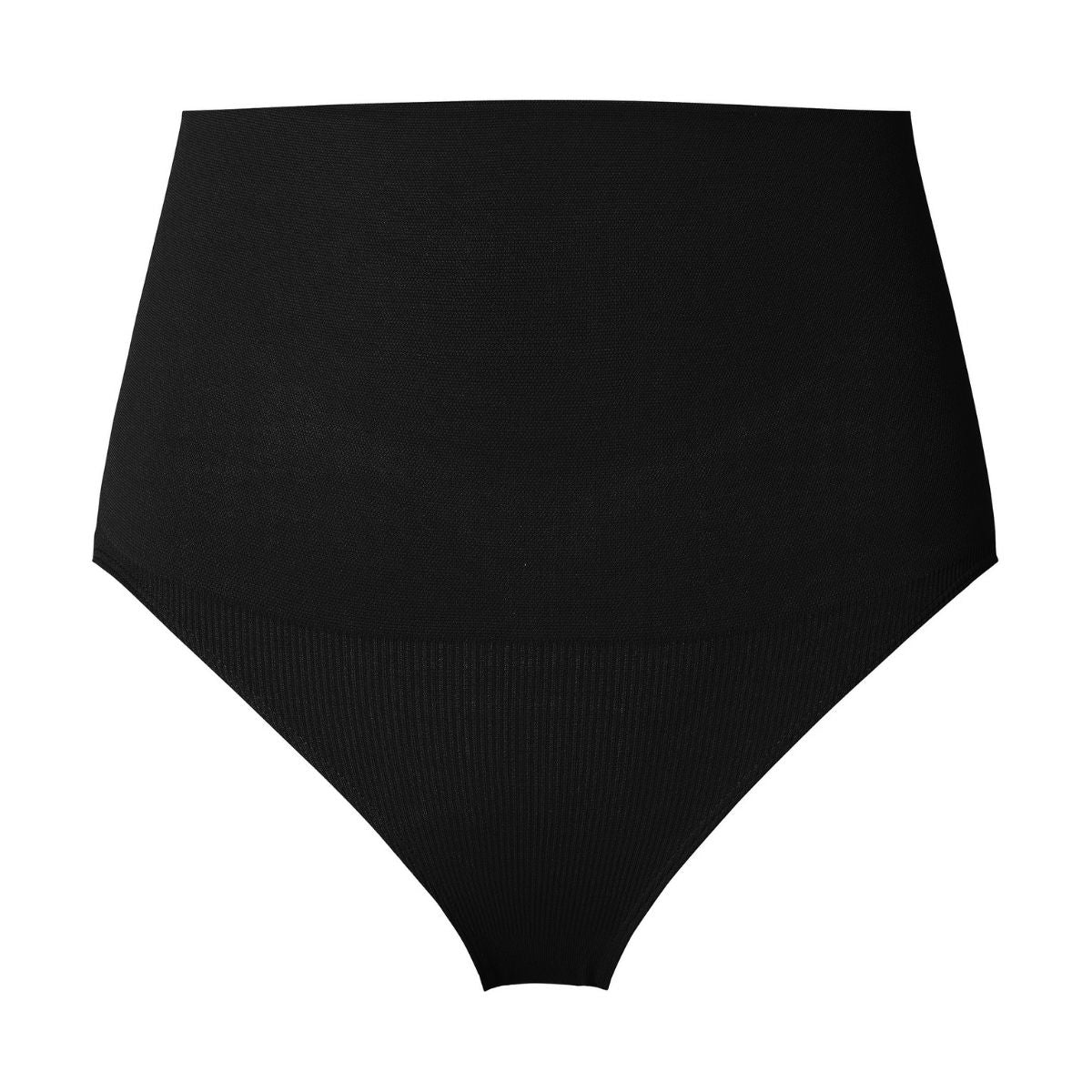
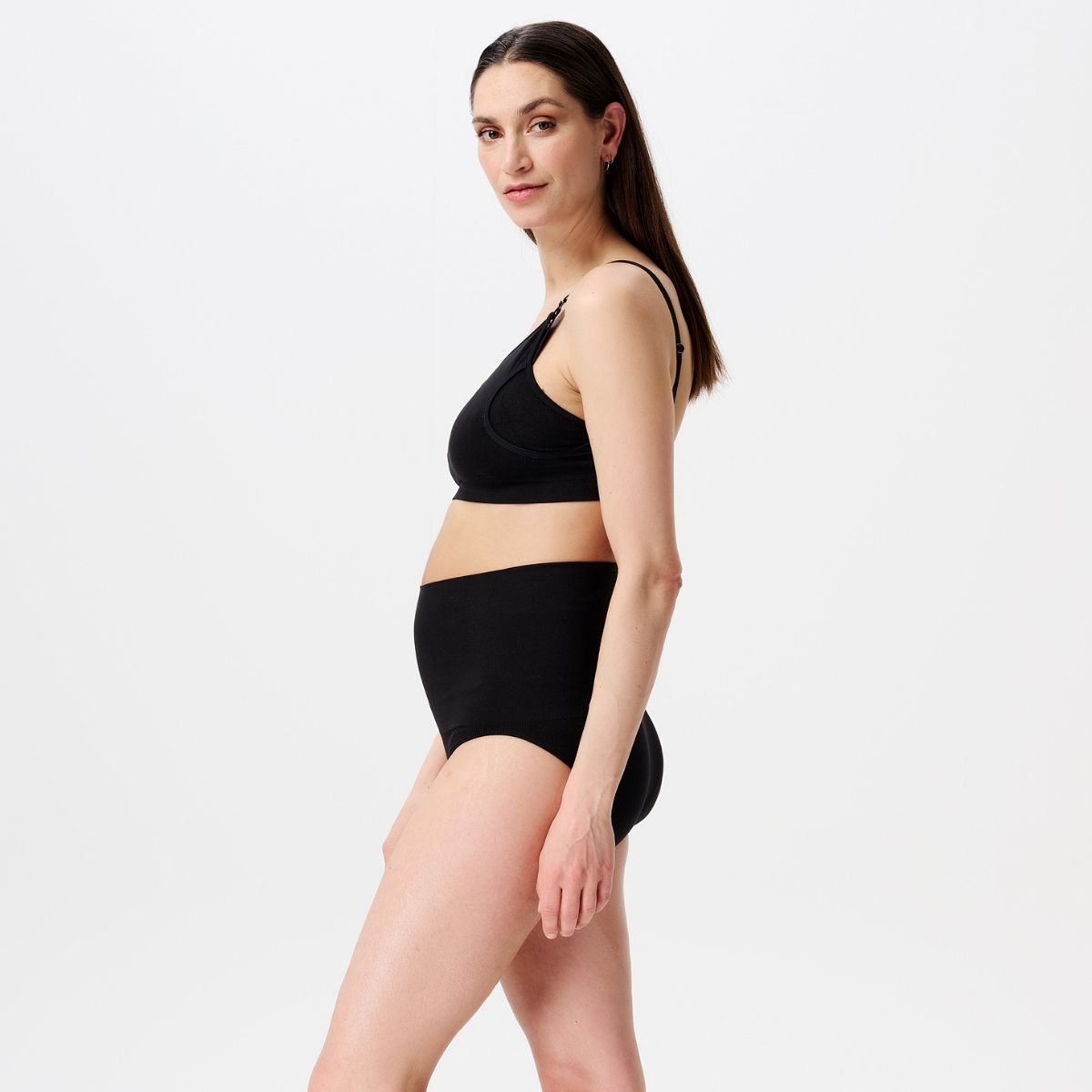


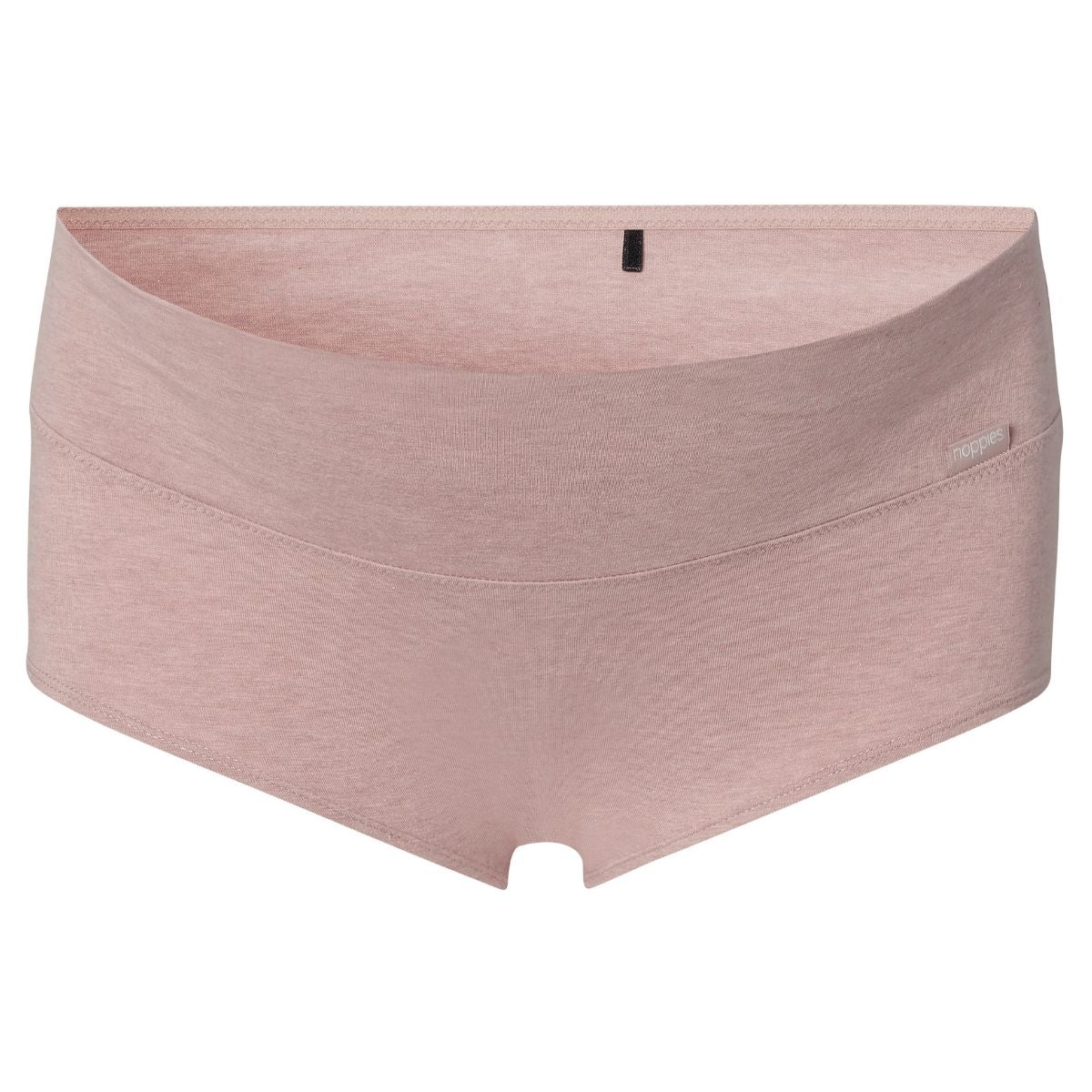
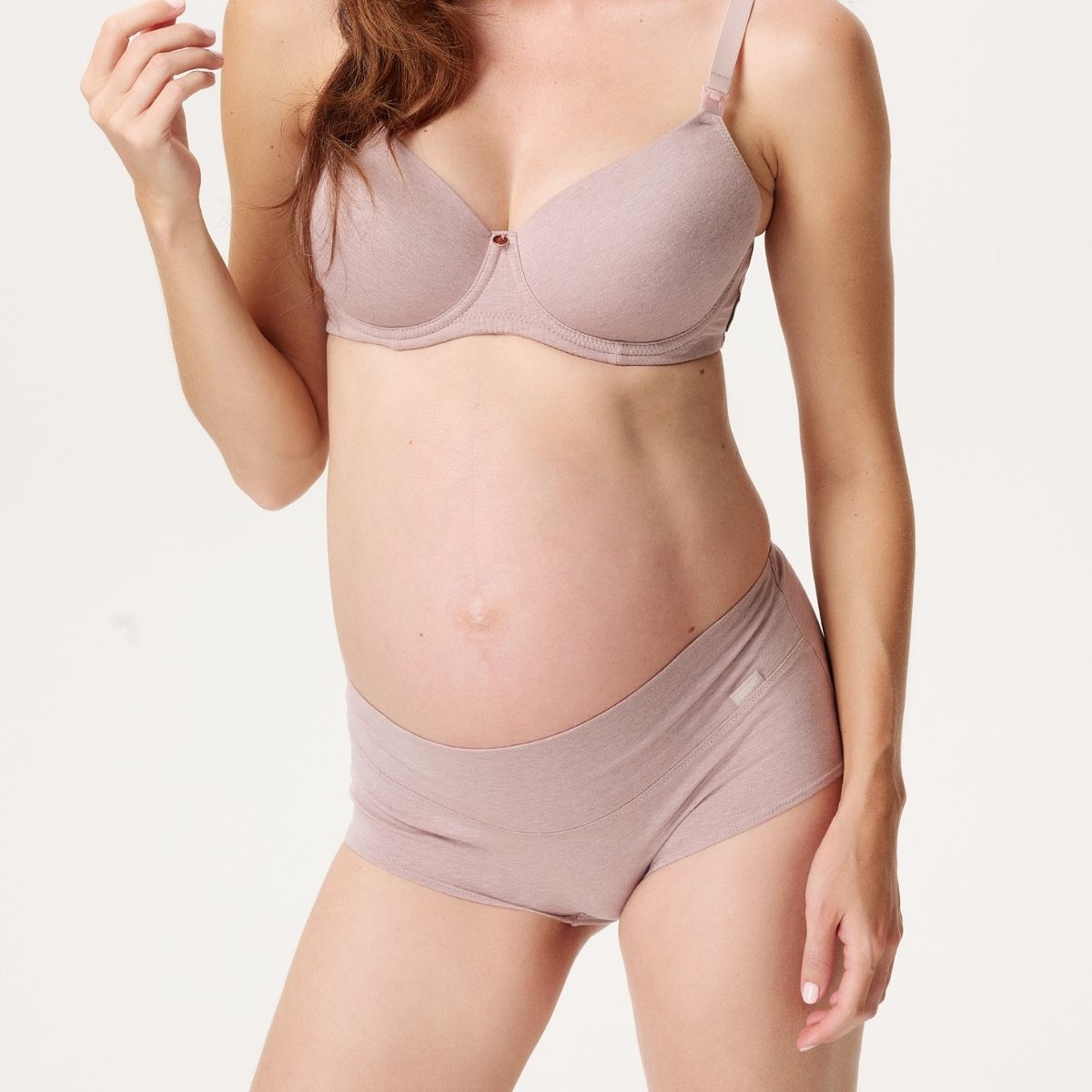
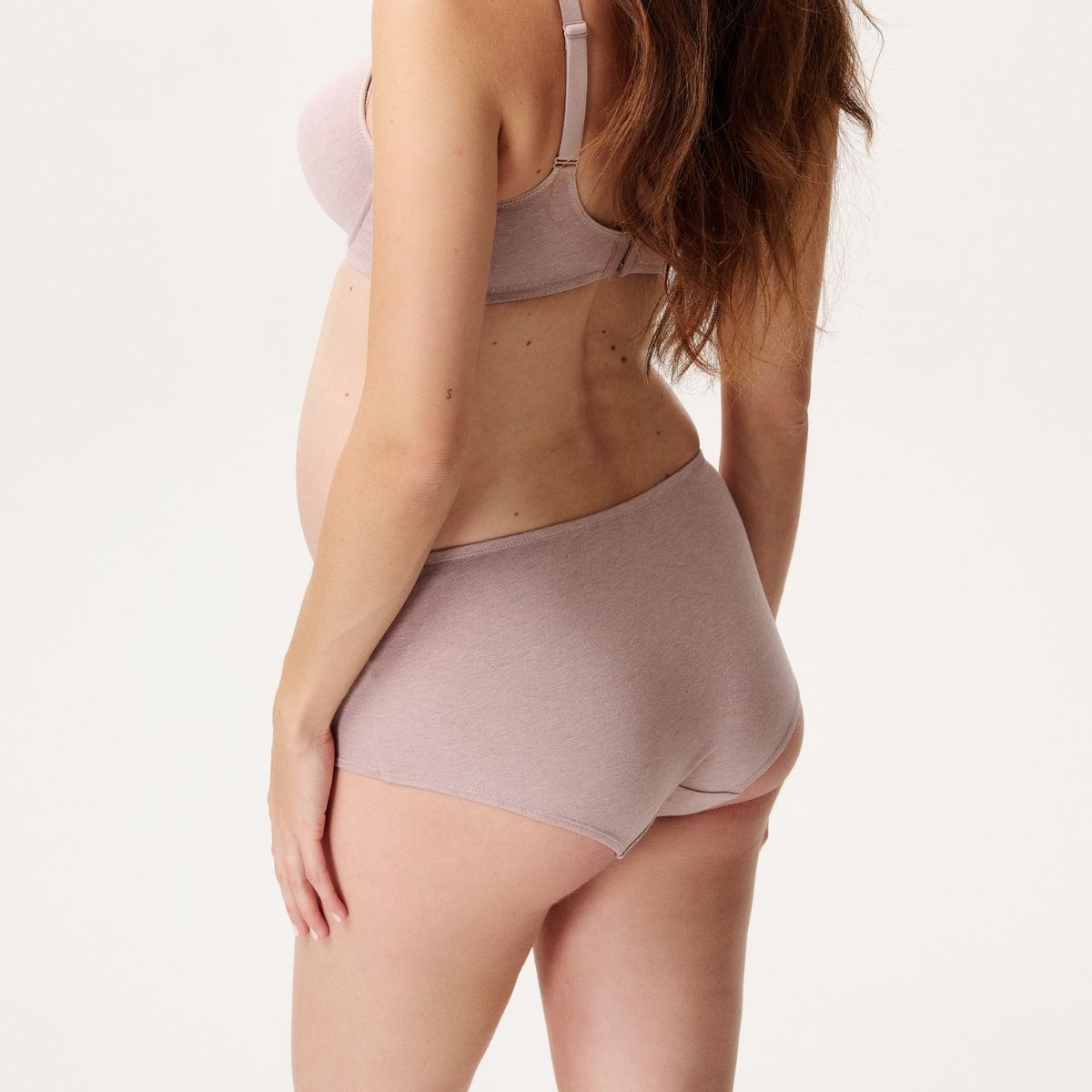
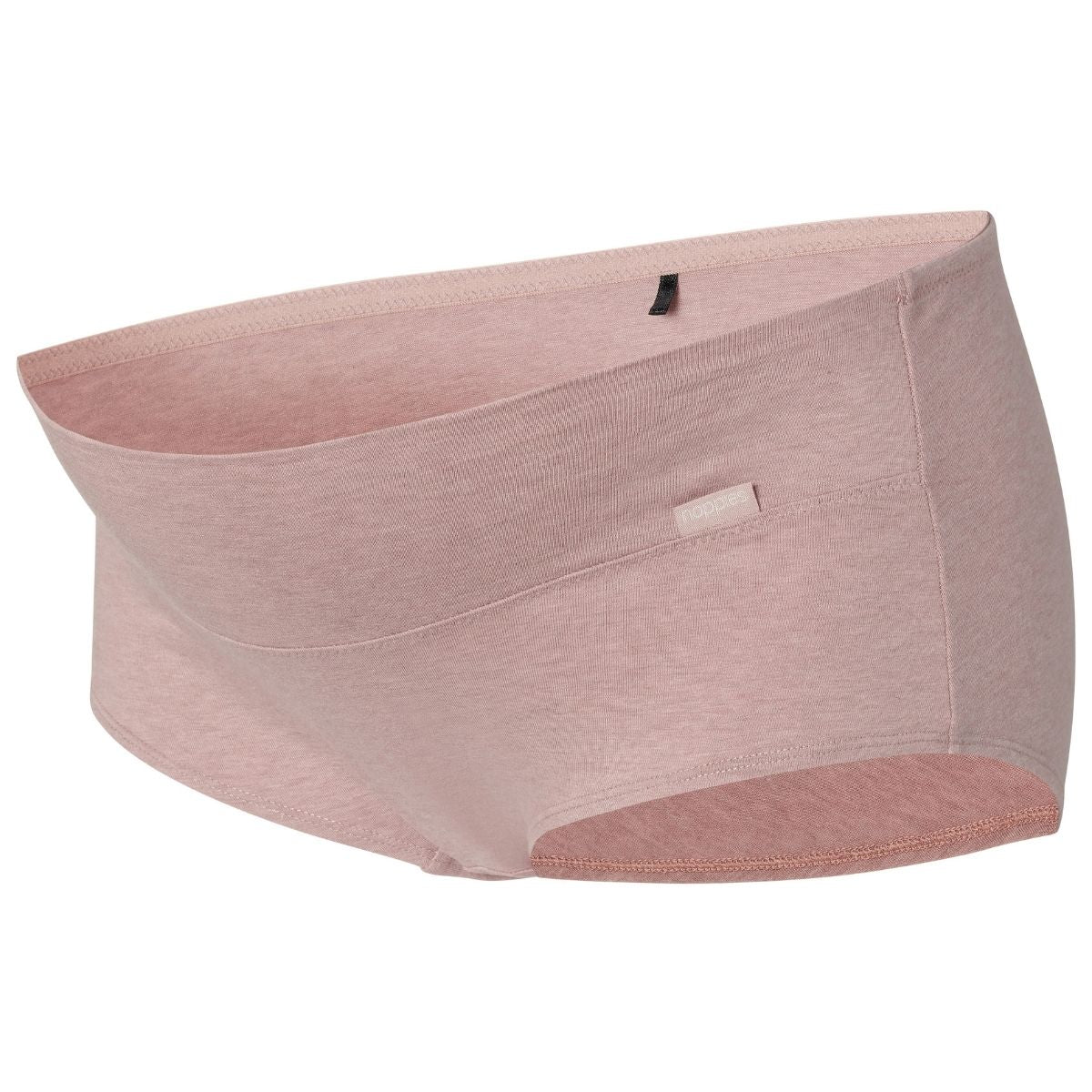
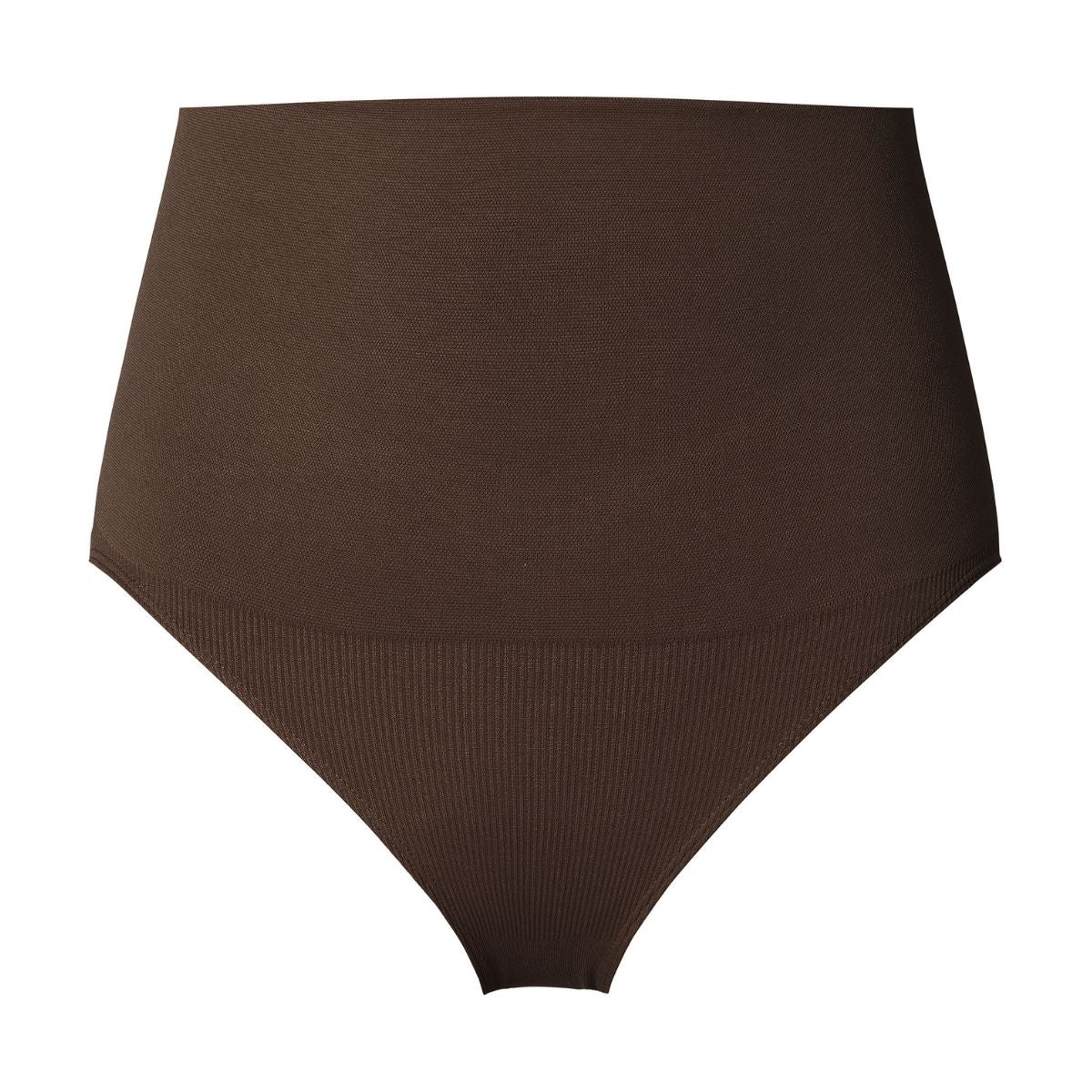
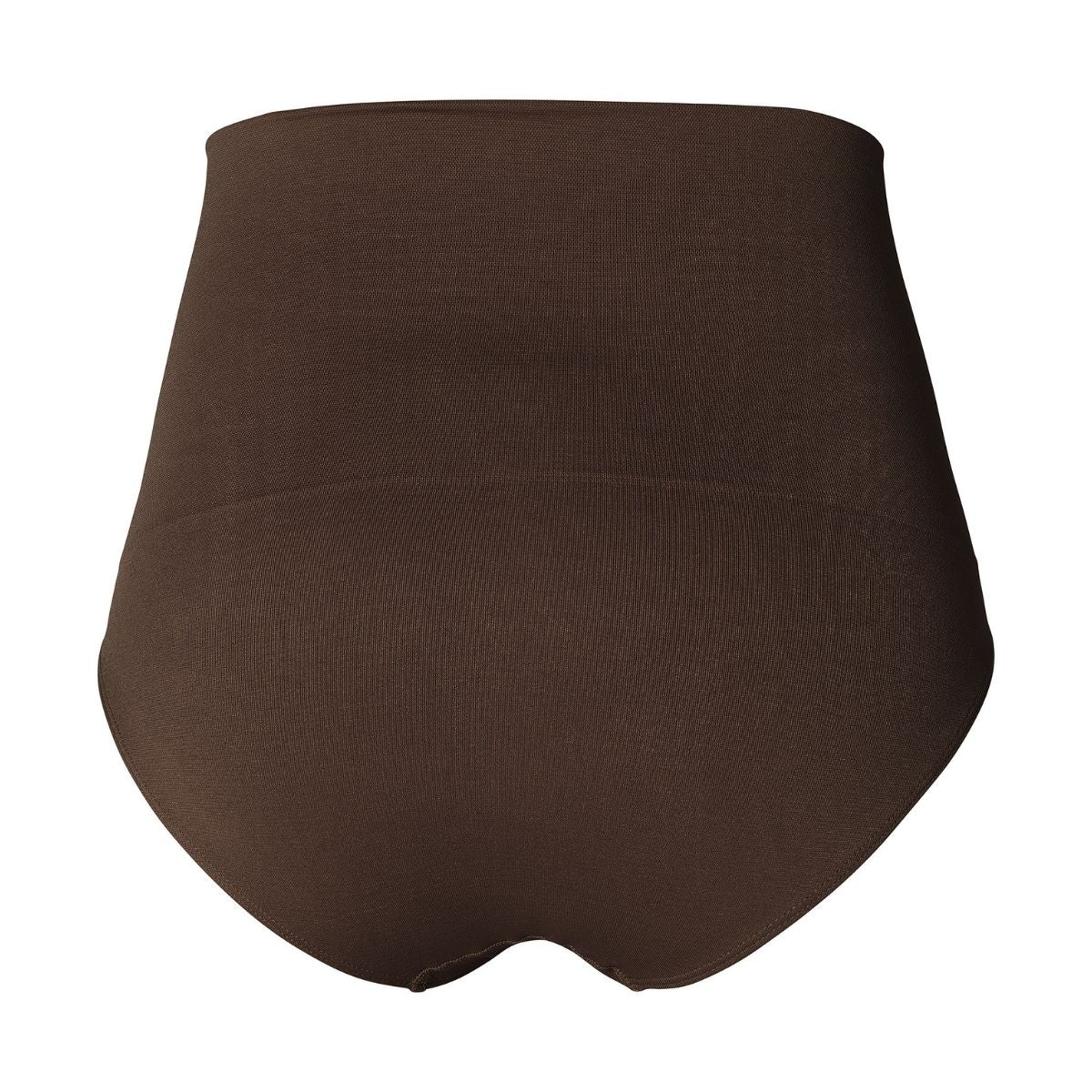
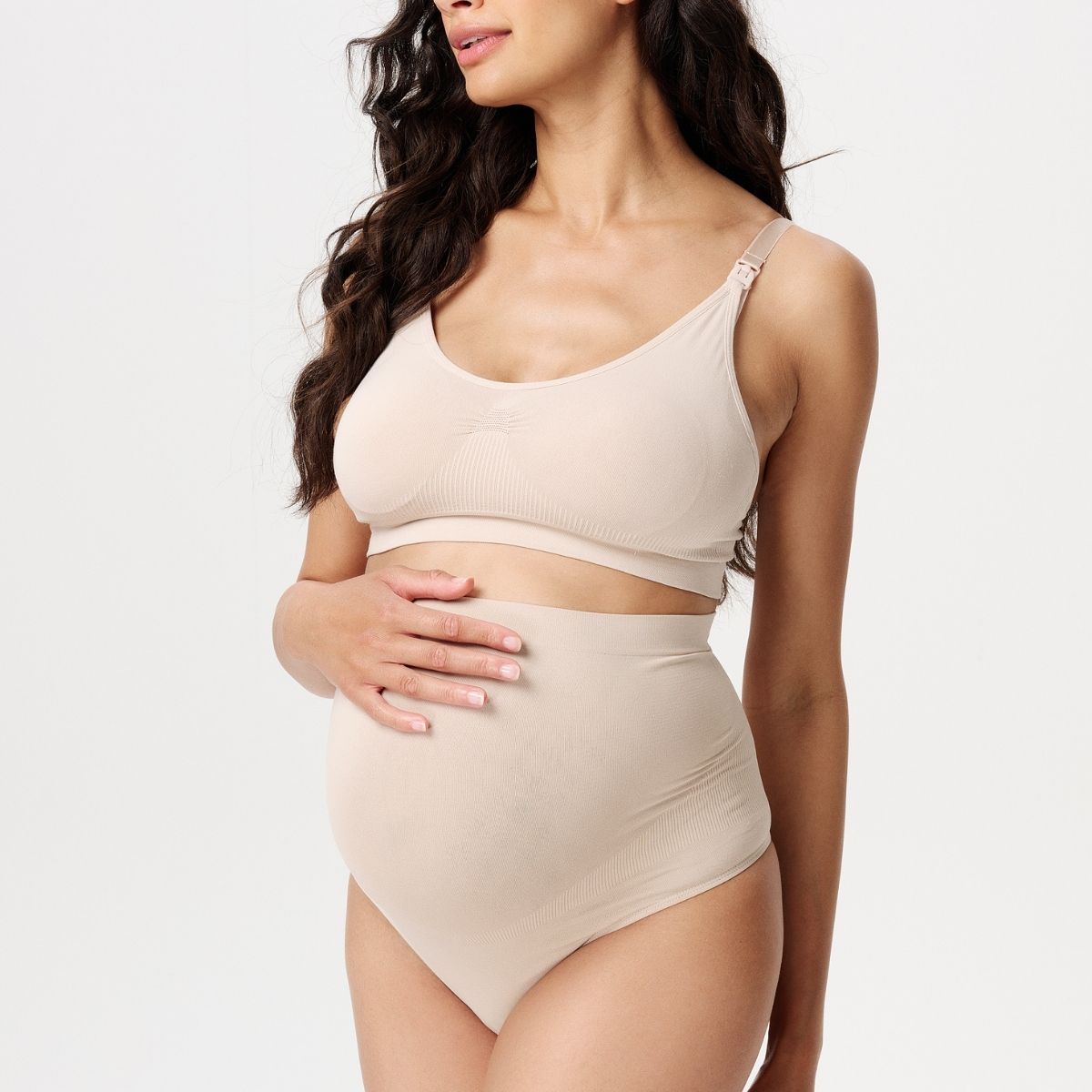
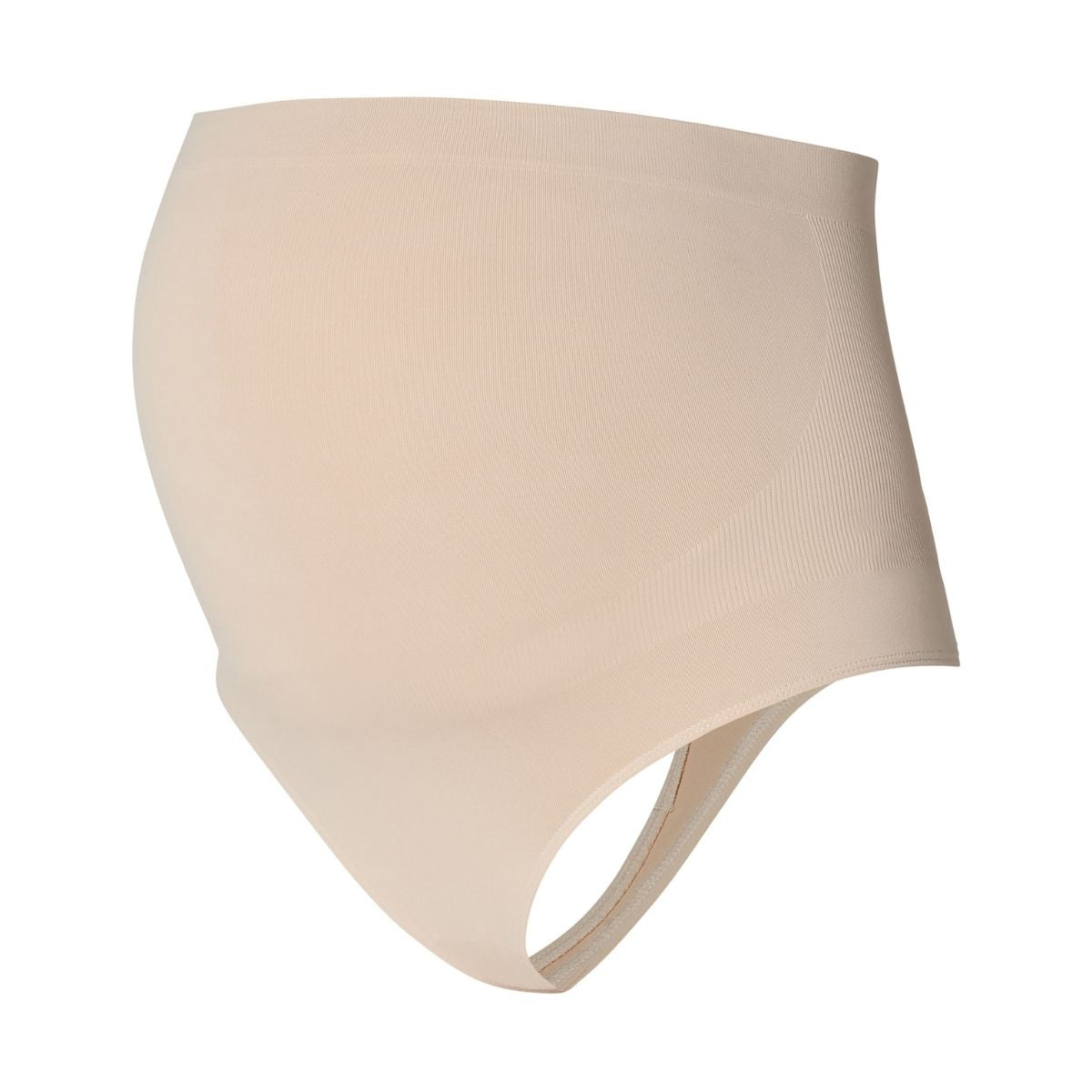
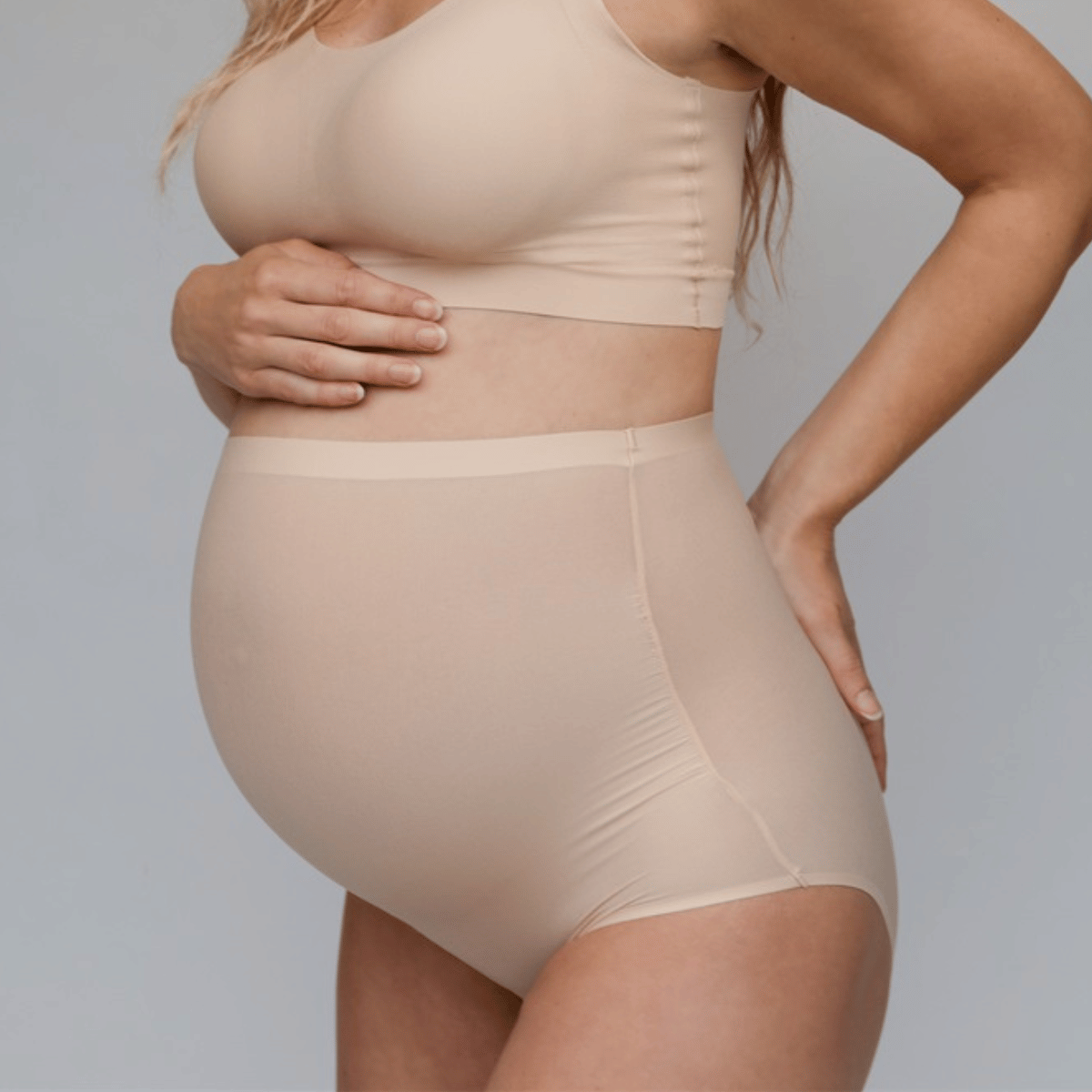
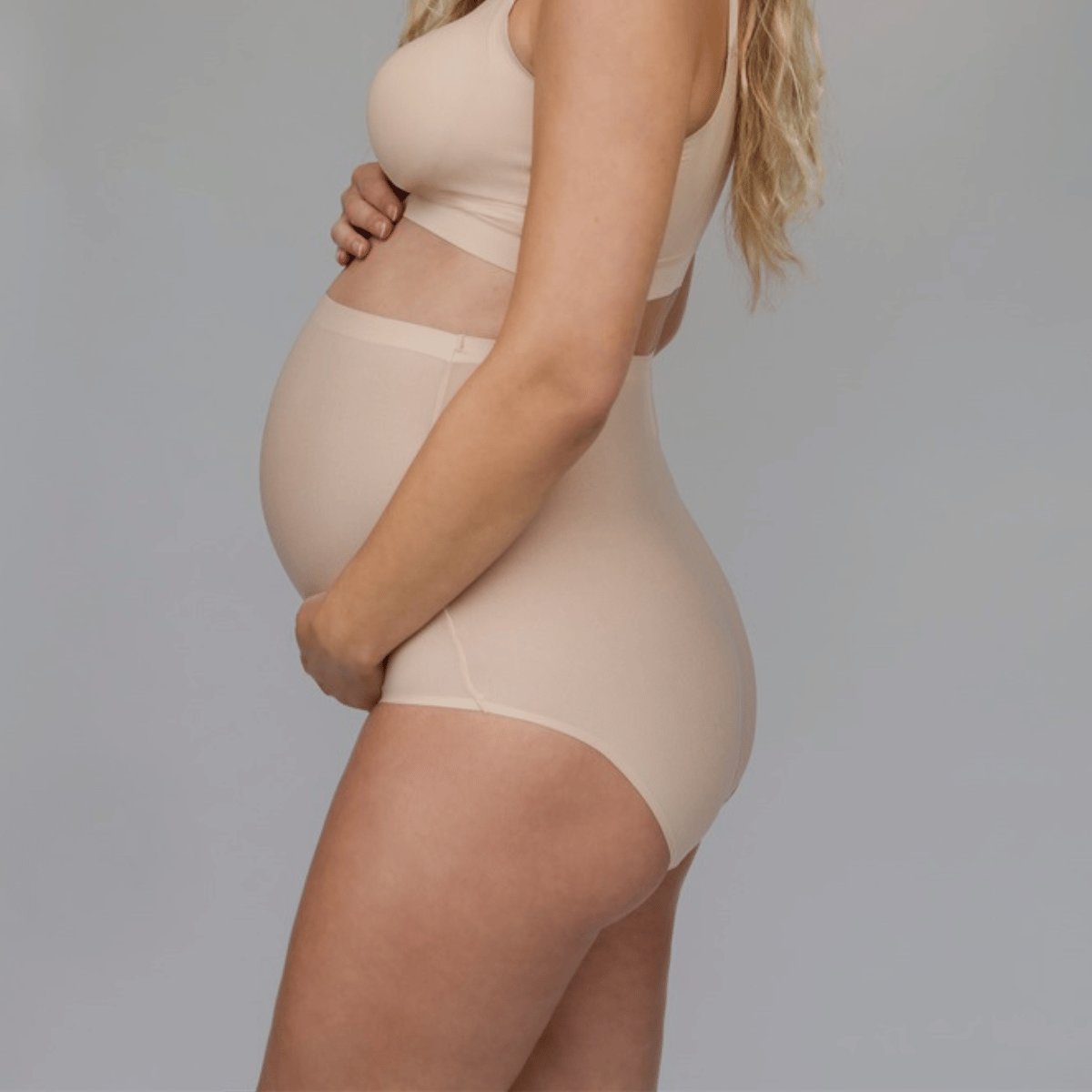


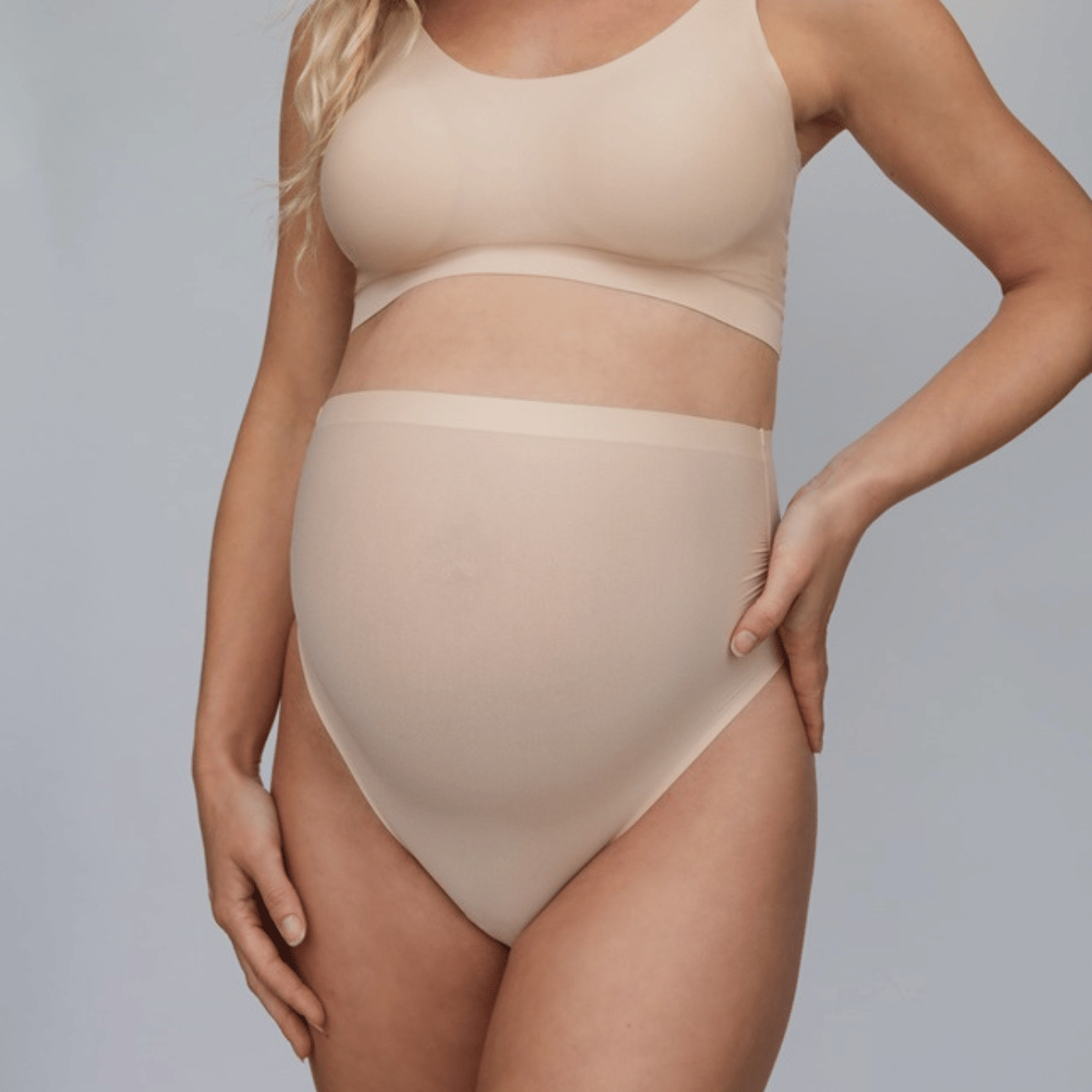
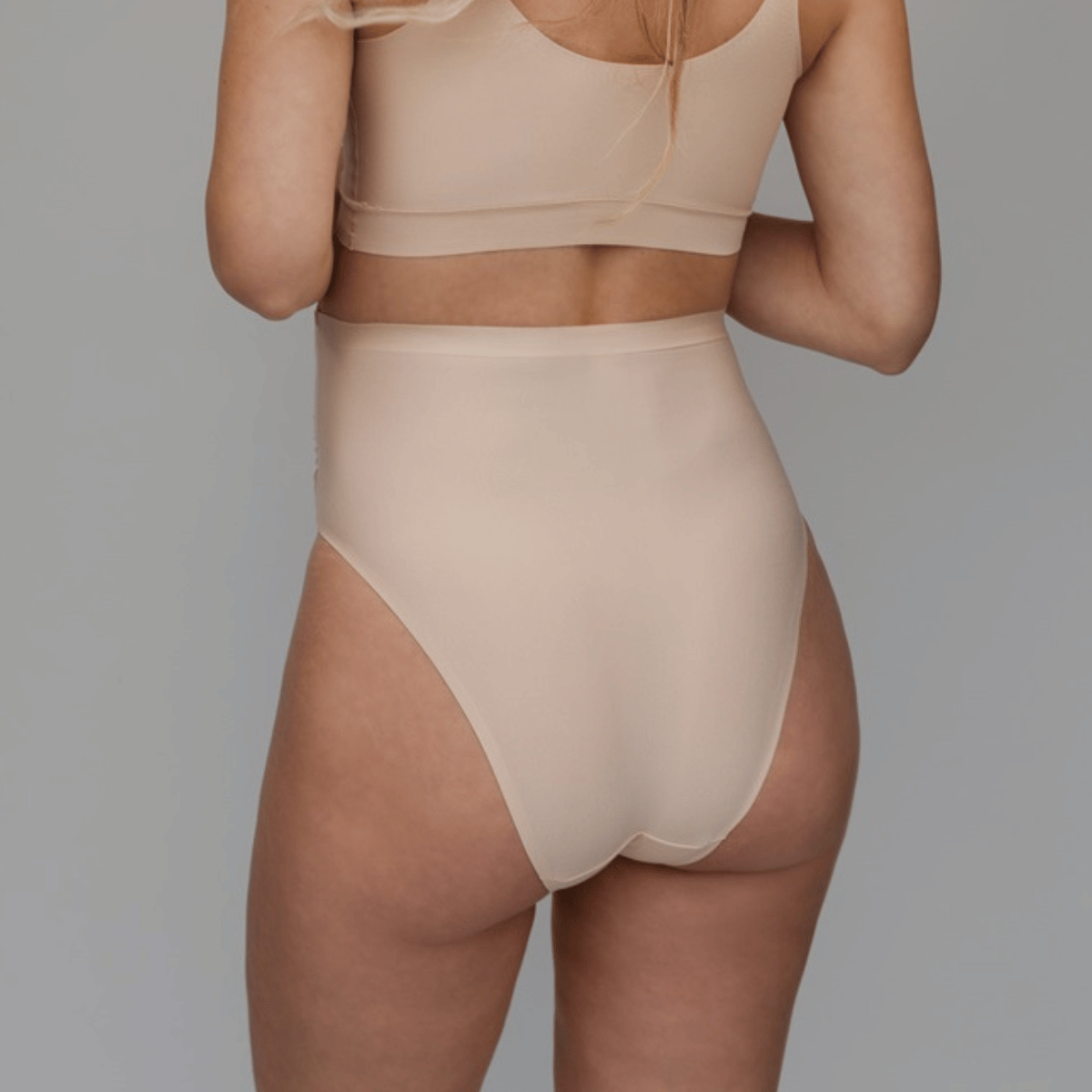
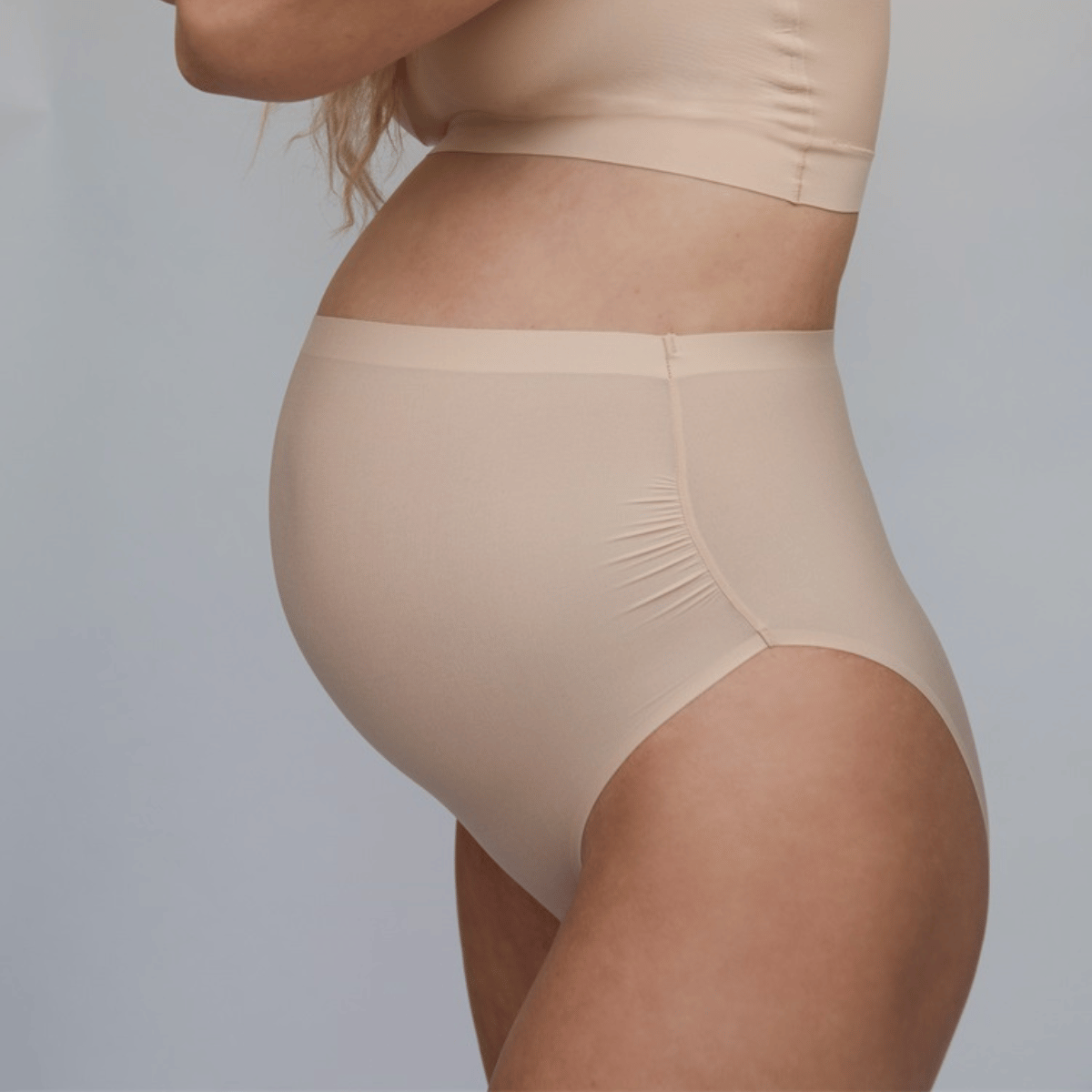


Maternity panties designed with room for your bump
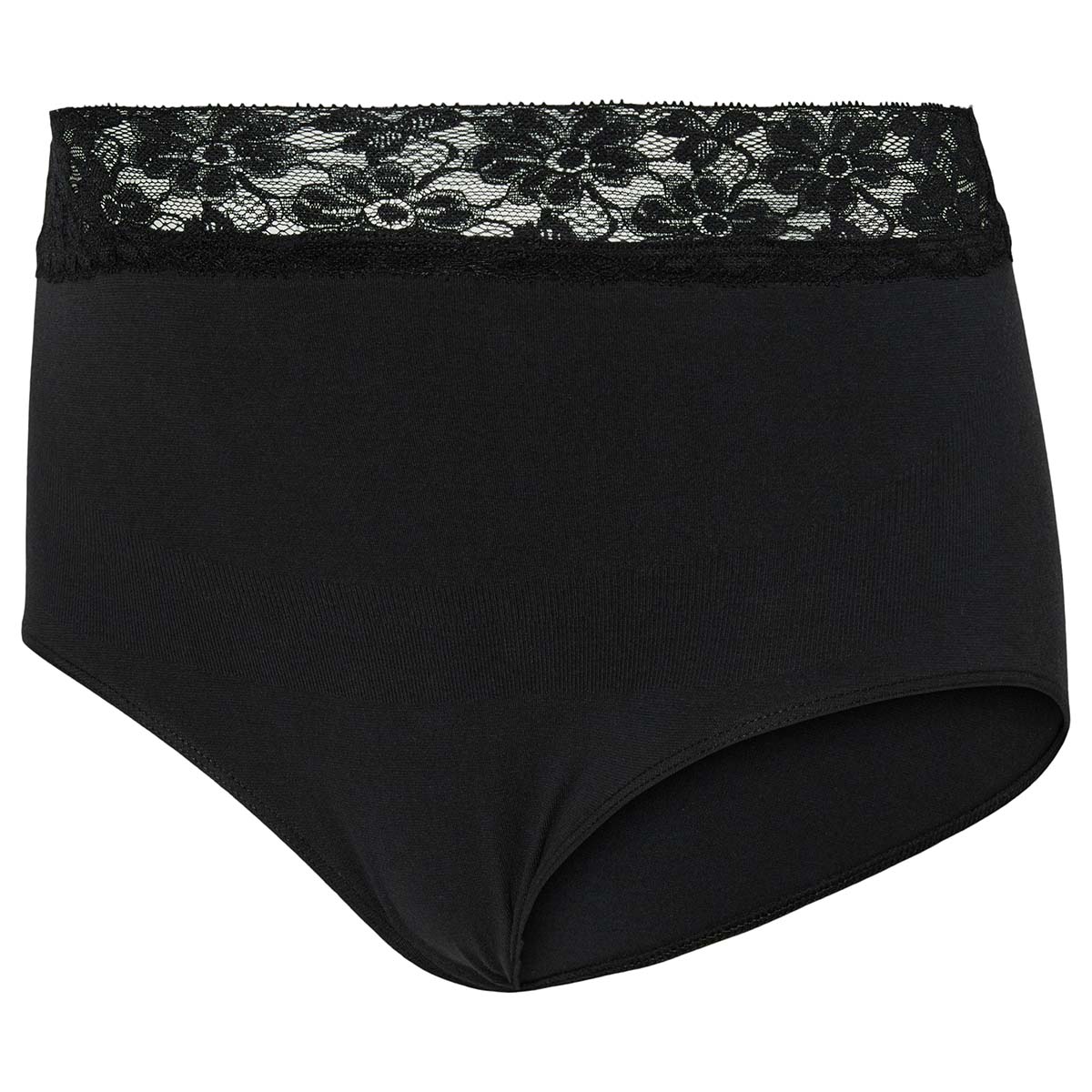
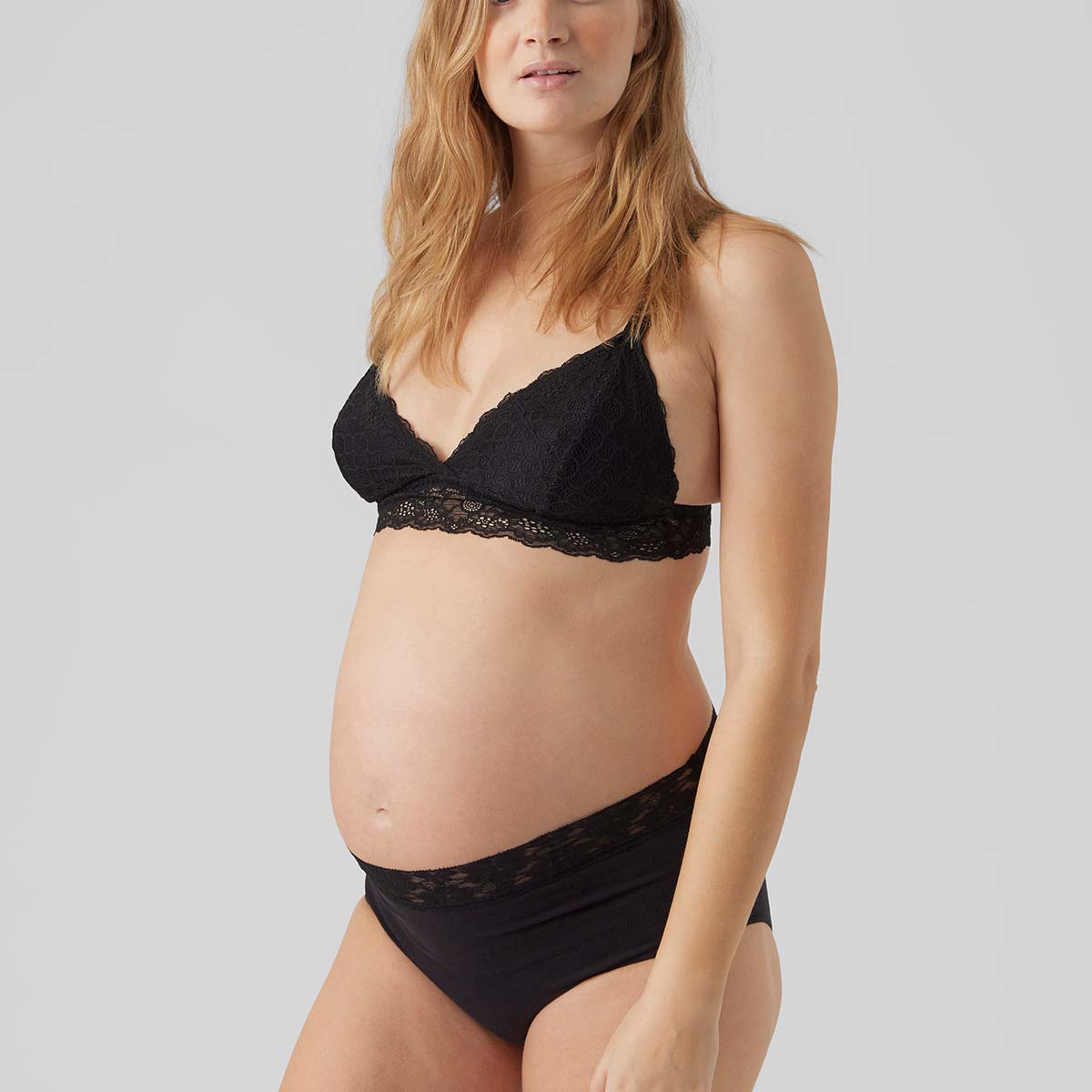
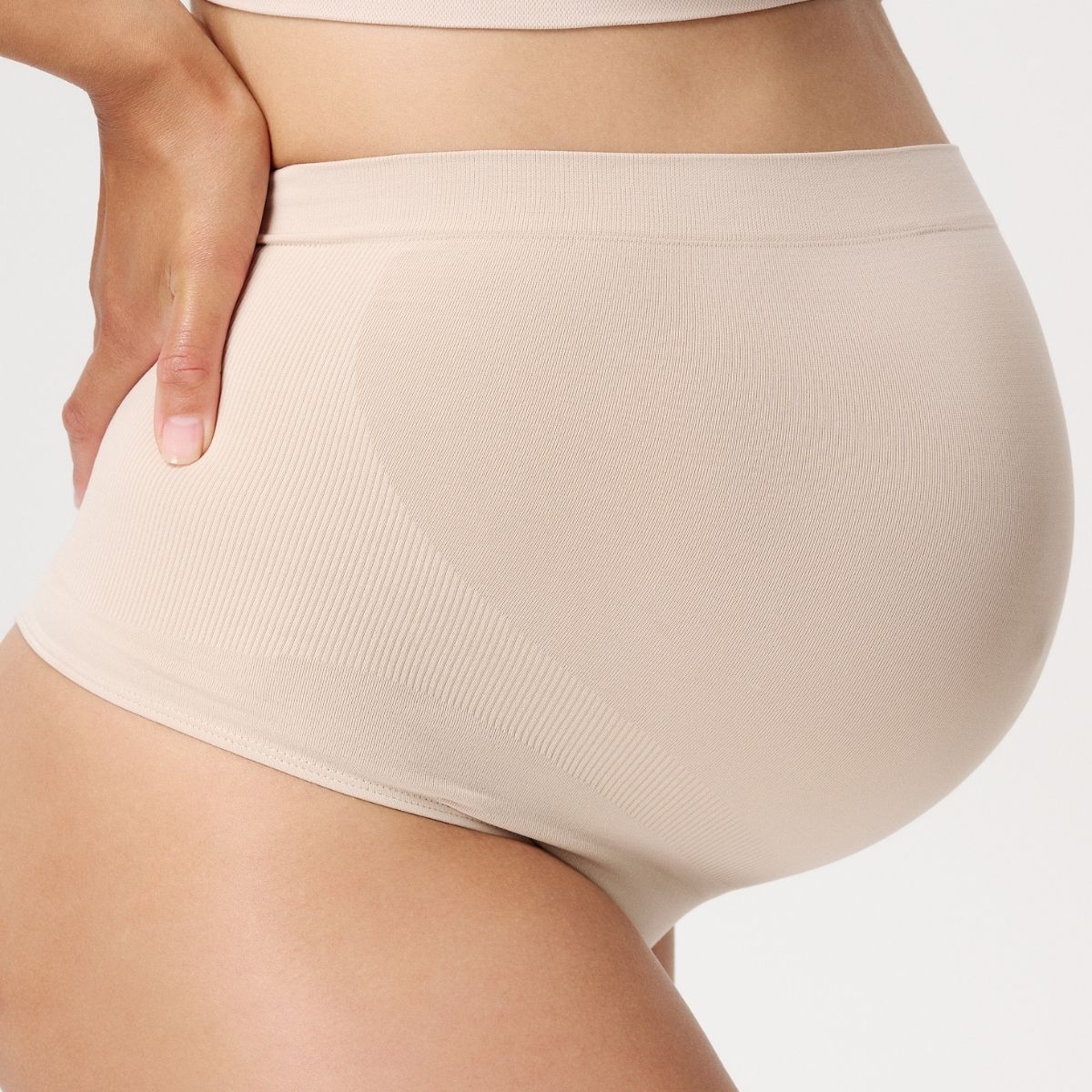
Maternity panties differ from regular underwear in that their cut may be adapted to the shape of your bump and your changing body proportions. The main differences are often found in the front panel and the position of the waistband. How much room you need and where you prefer the top edge to sit are matters of personal preference. Some women favour the same style throughout pregnancy, while others change cuts as their bodies change.
The fit also needs to work when you move. A pair of panties may feel right around your hips but still bunch up at the front, slip down or become uncomfortable when you walk, bend over or sit for extended periods. Look beyond the stretch of the fabric: the height of the front panel, the shape of the back and the side panels all affect how the panties stay in place during everyday activities. Stretchy fabric does not necessarily mean a style will fit well.
High-waisted or low-waisted maternity panties?
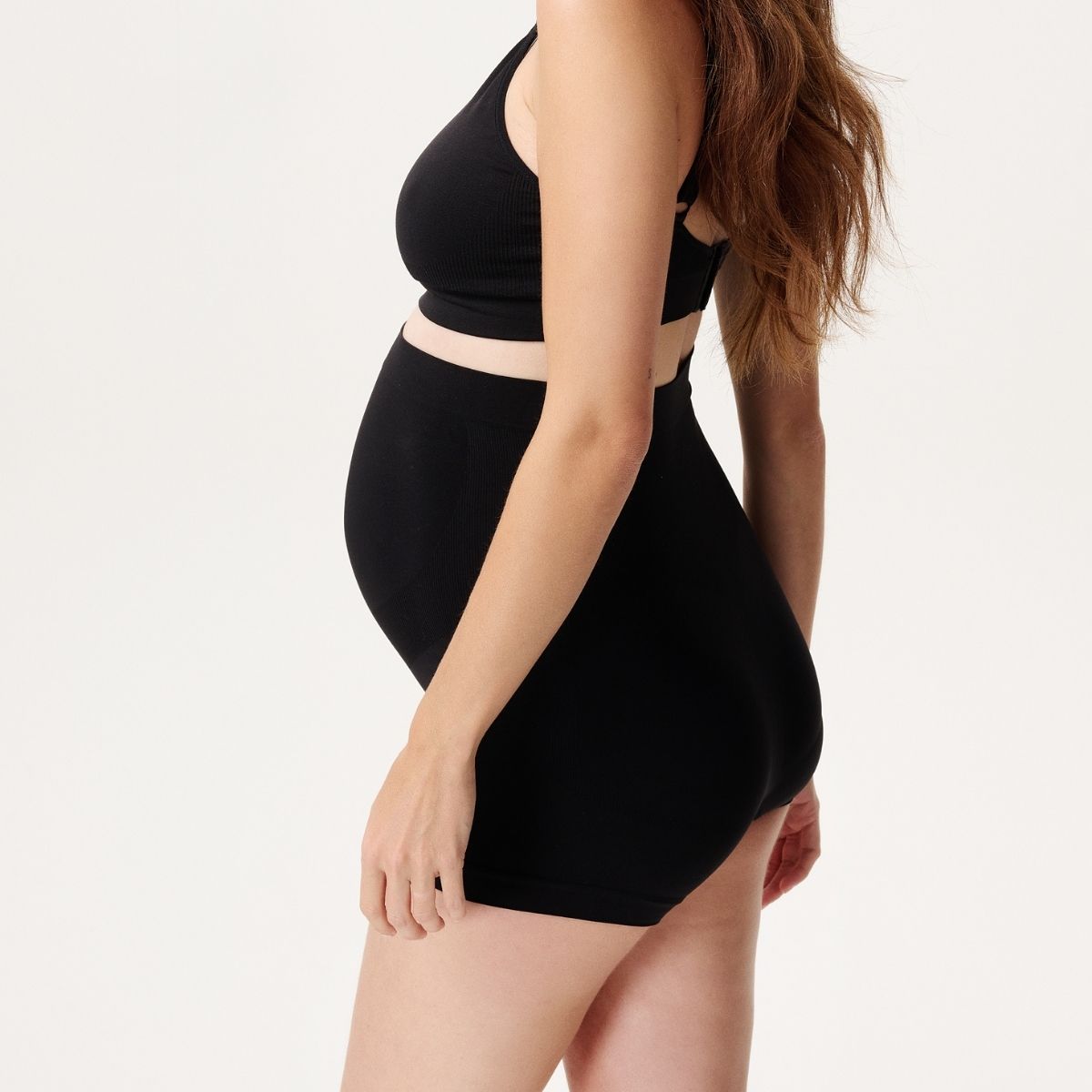
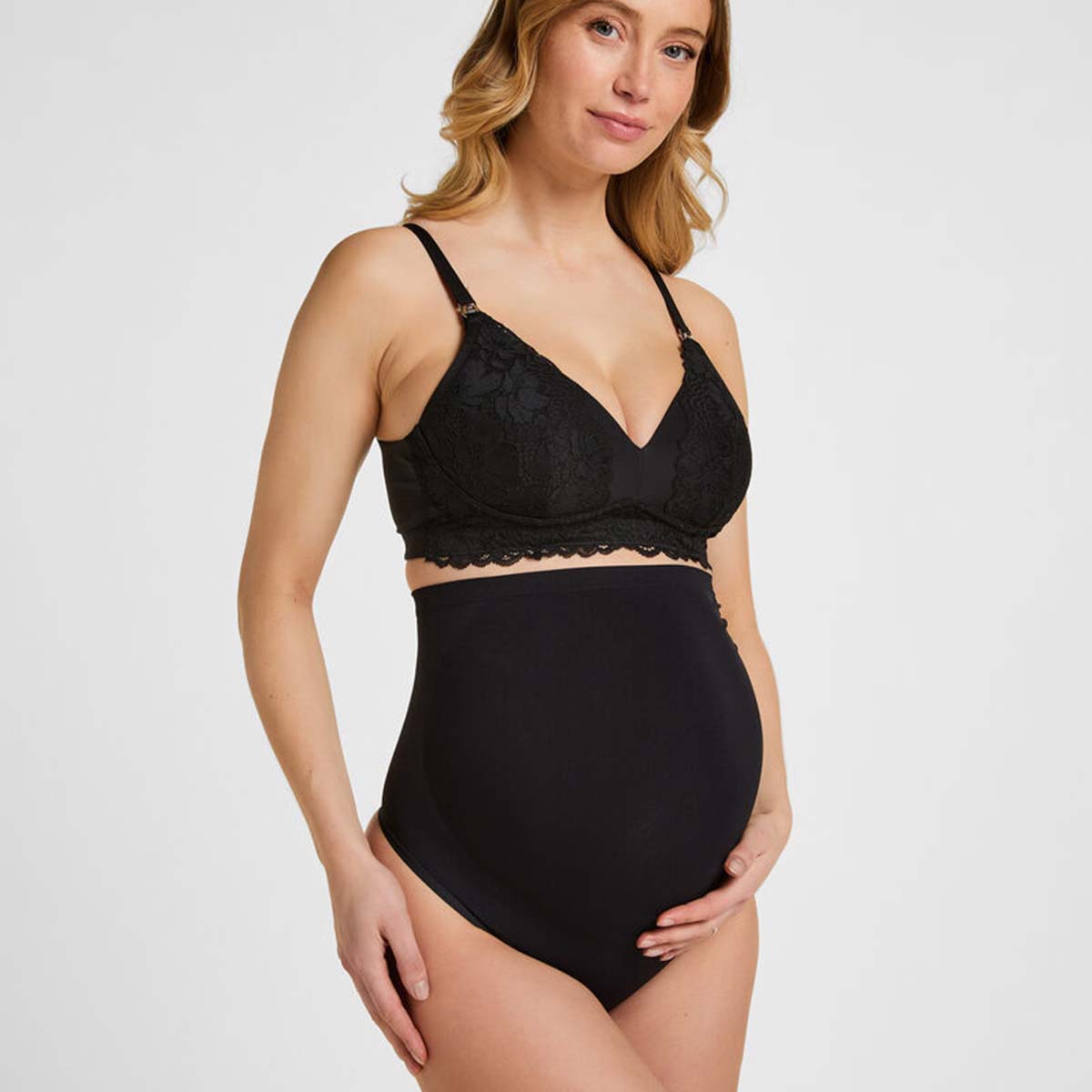
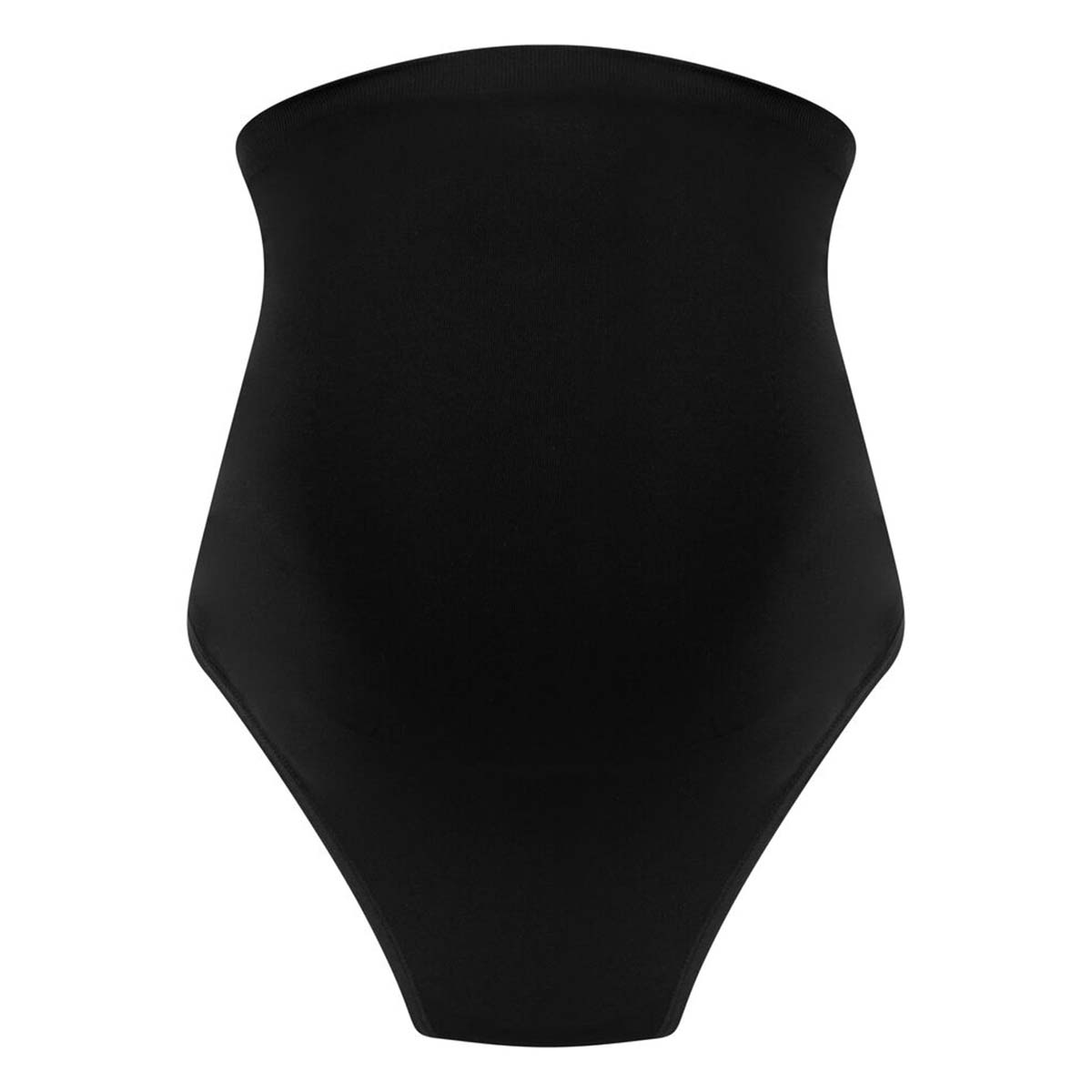
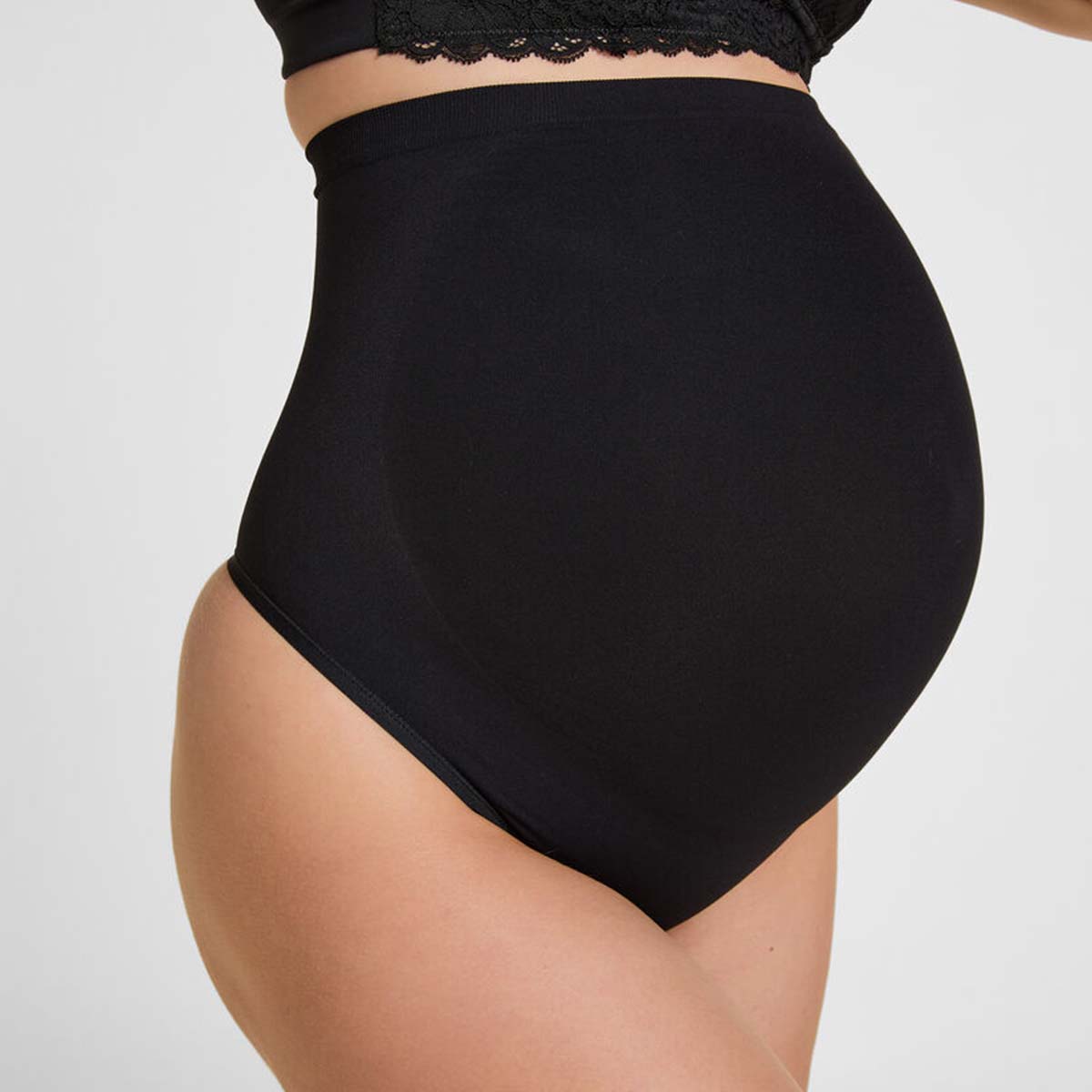
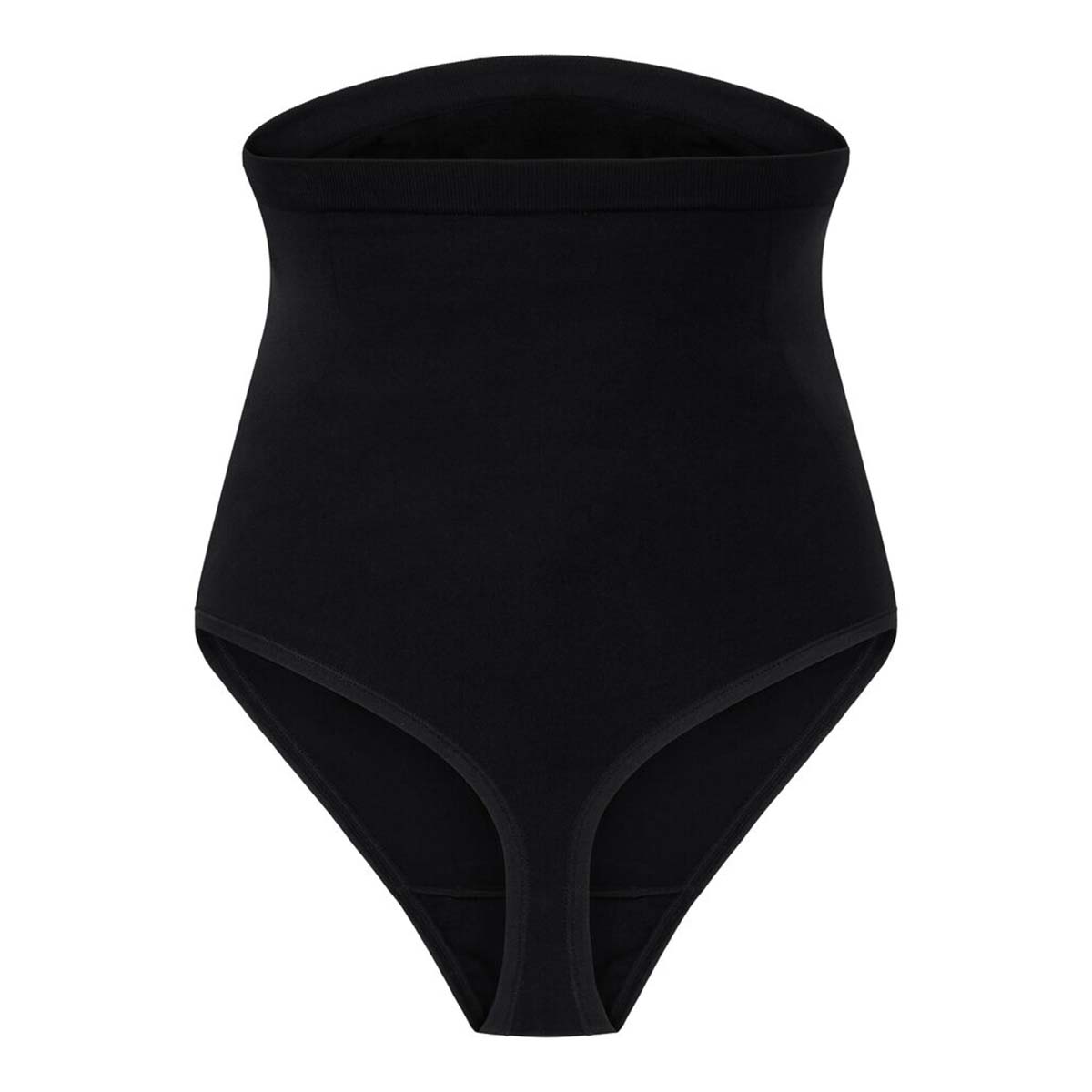
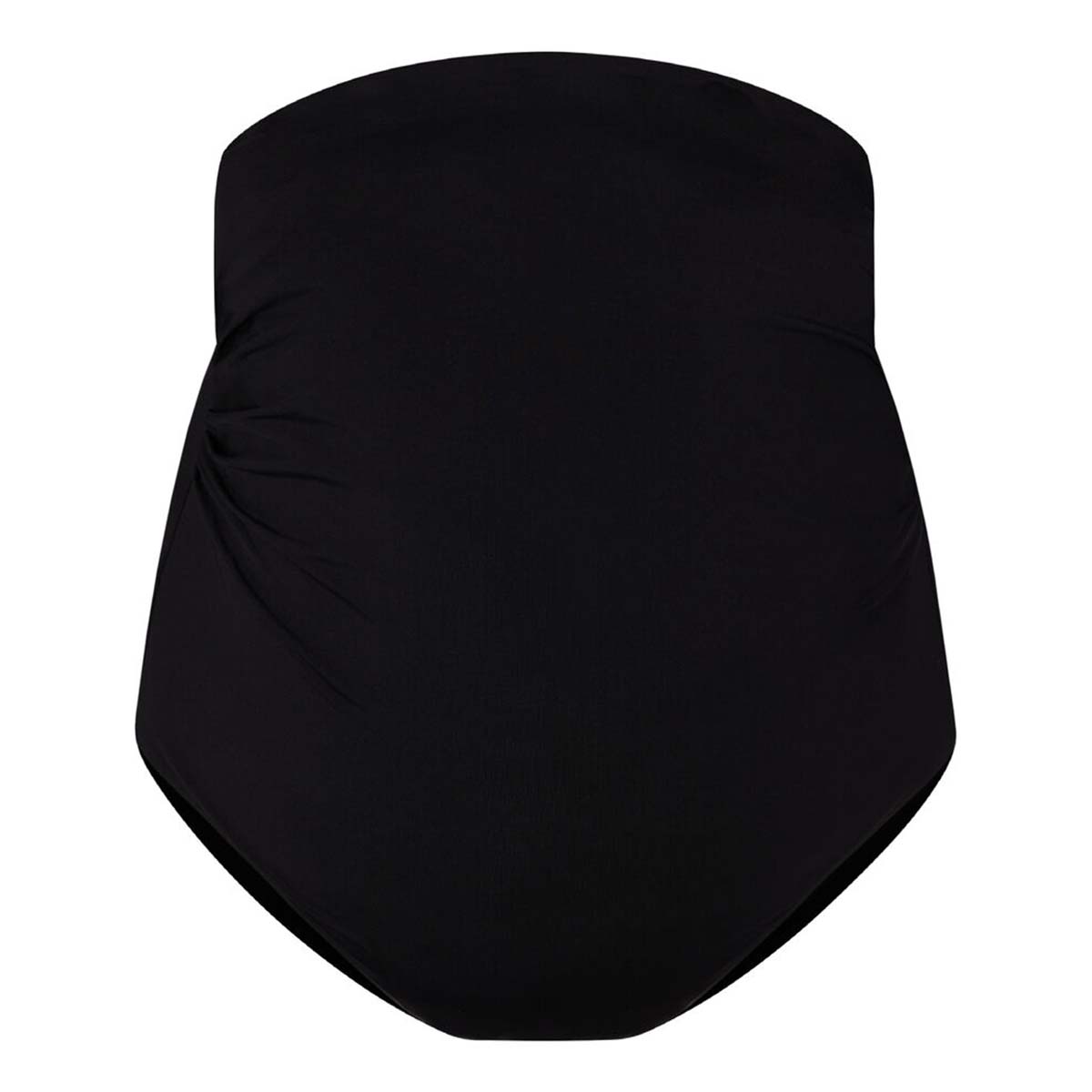
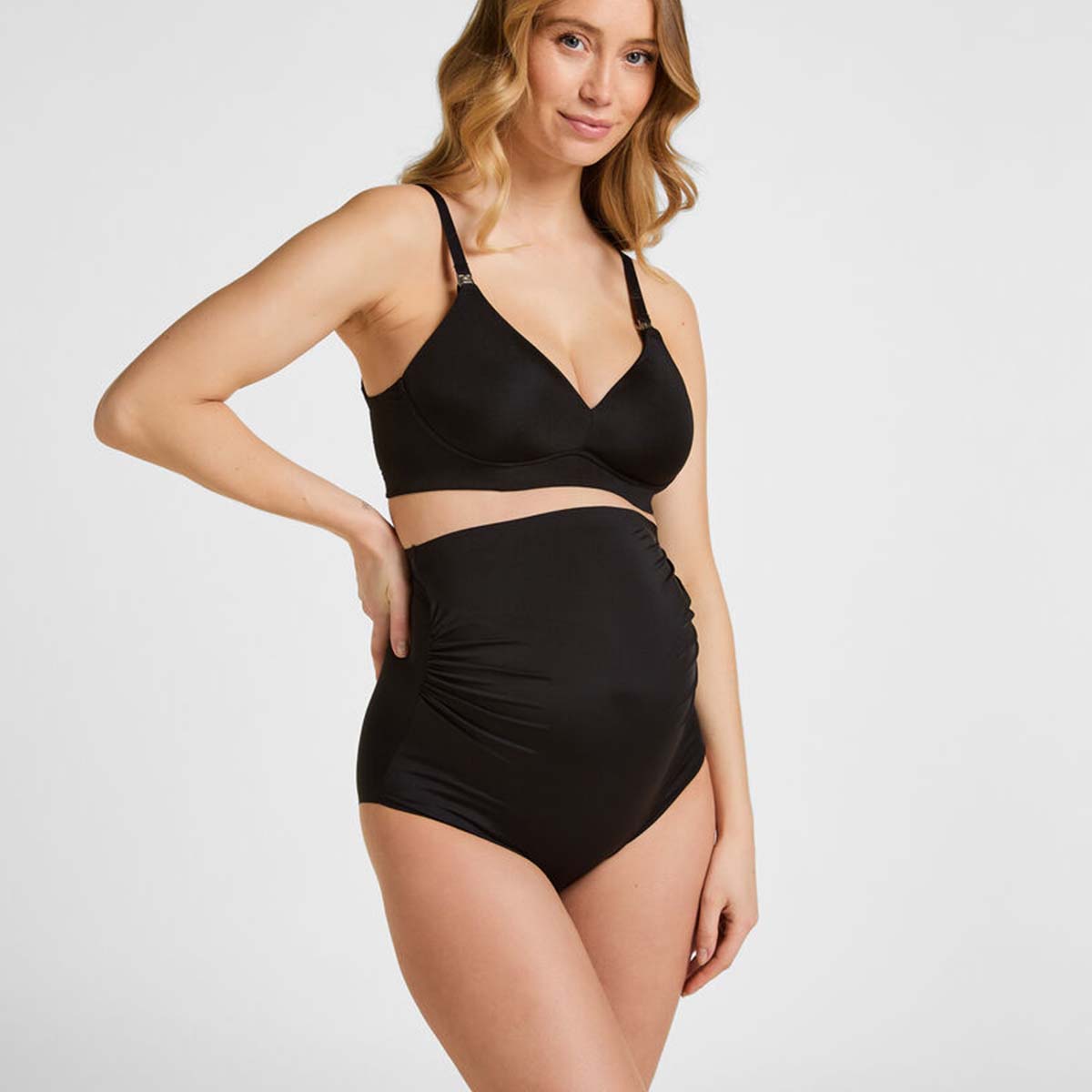
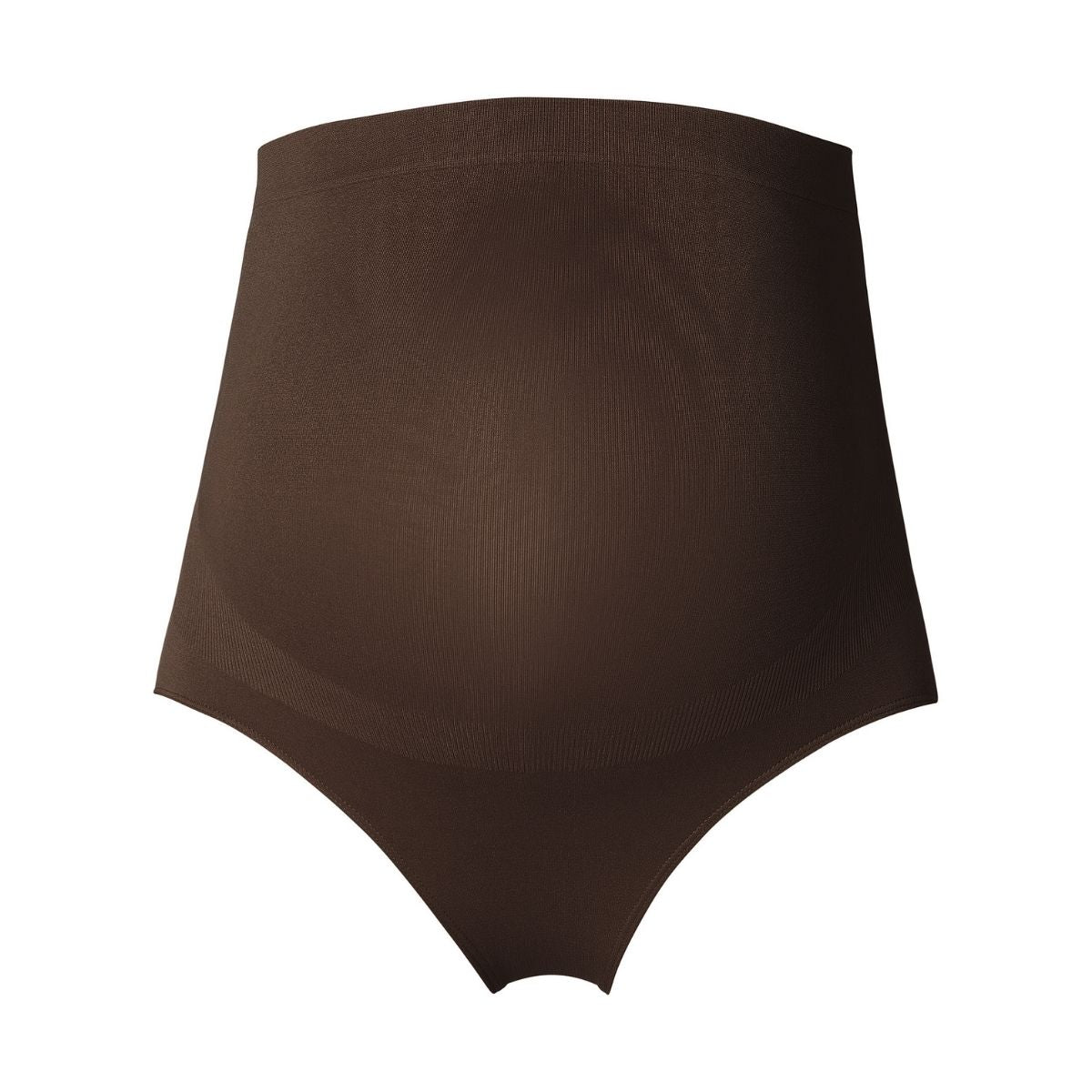
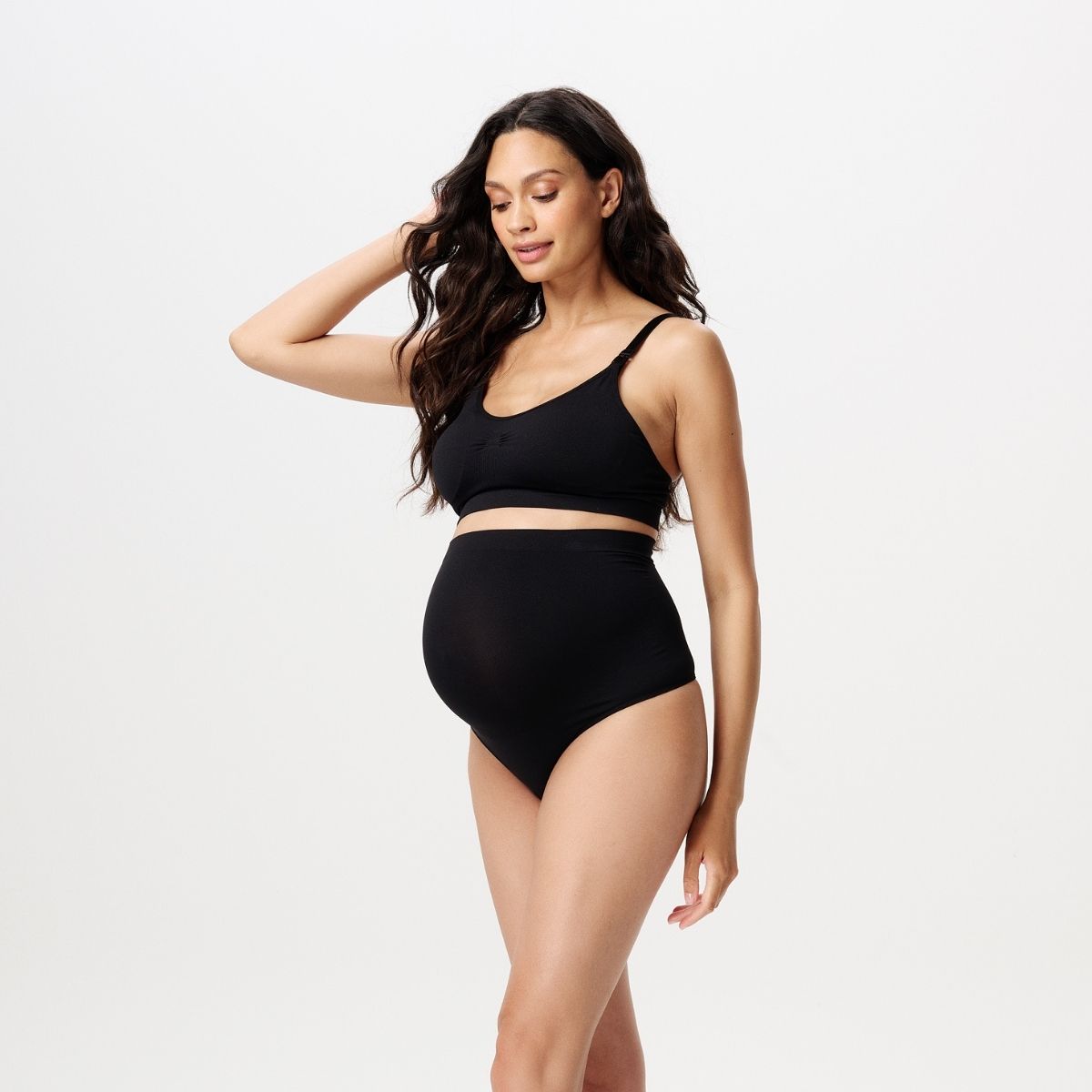
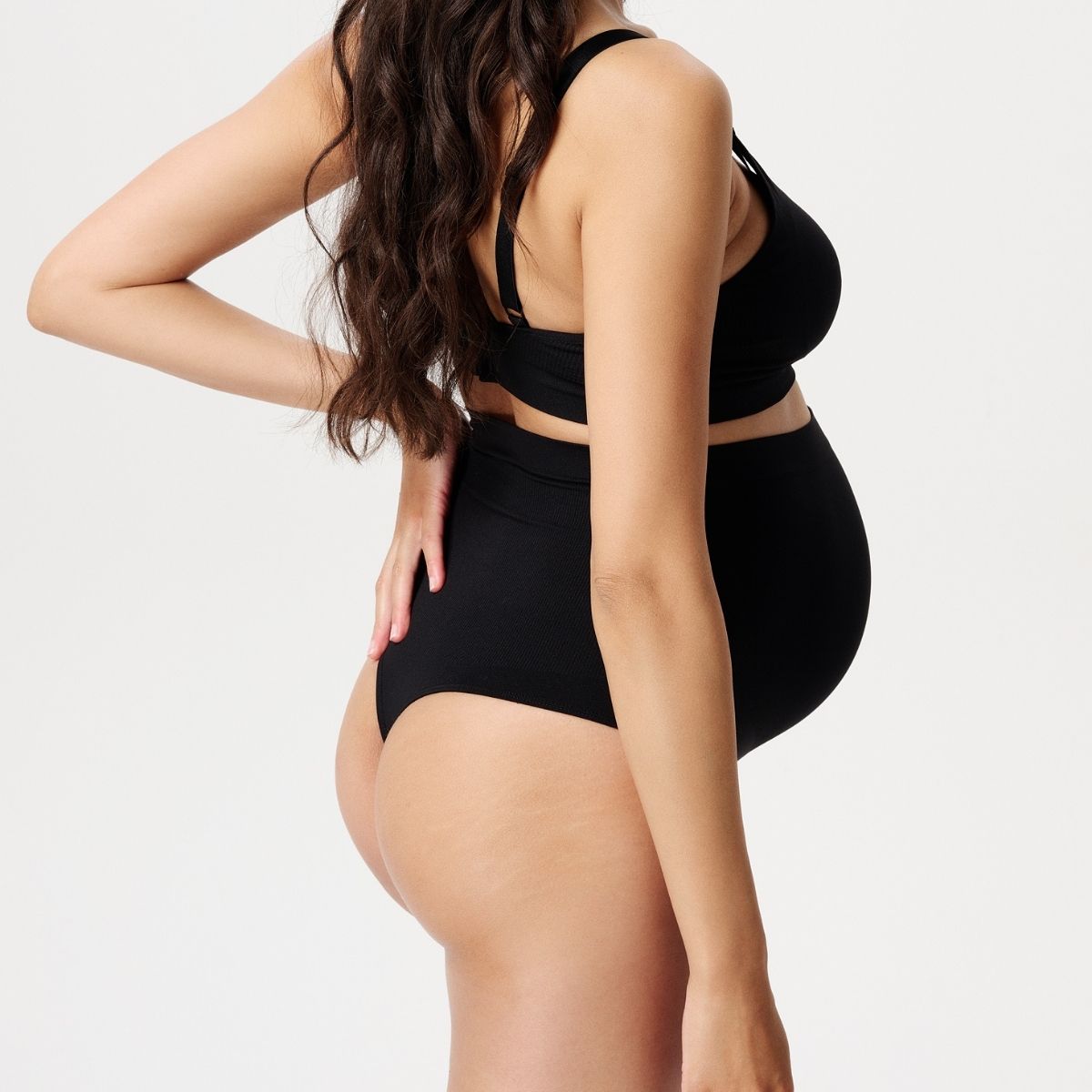
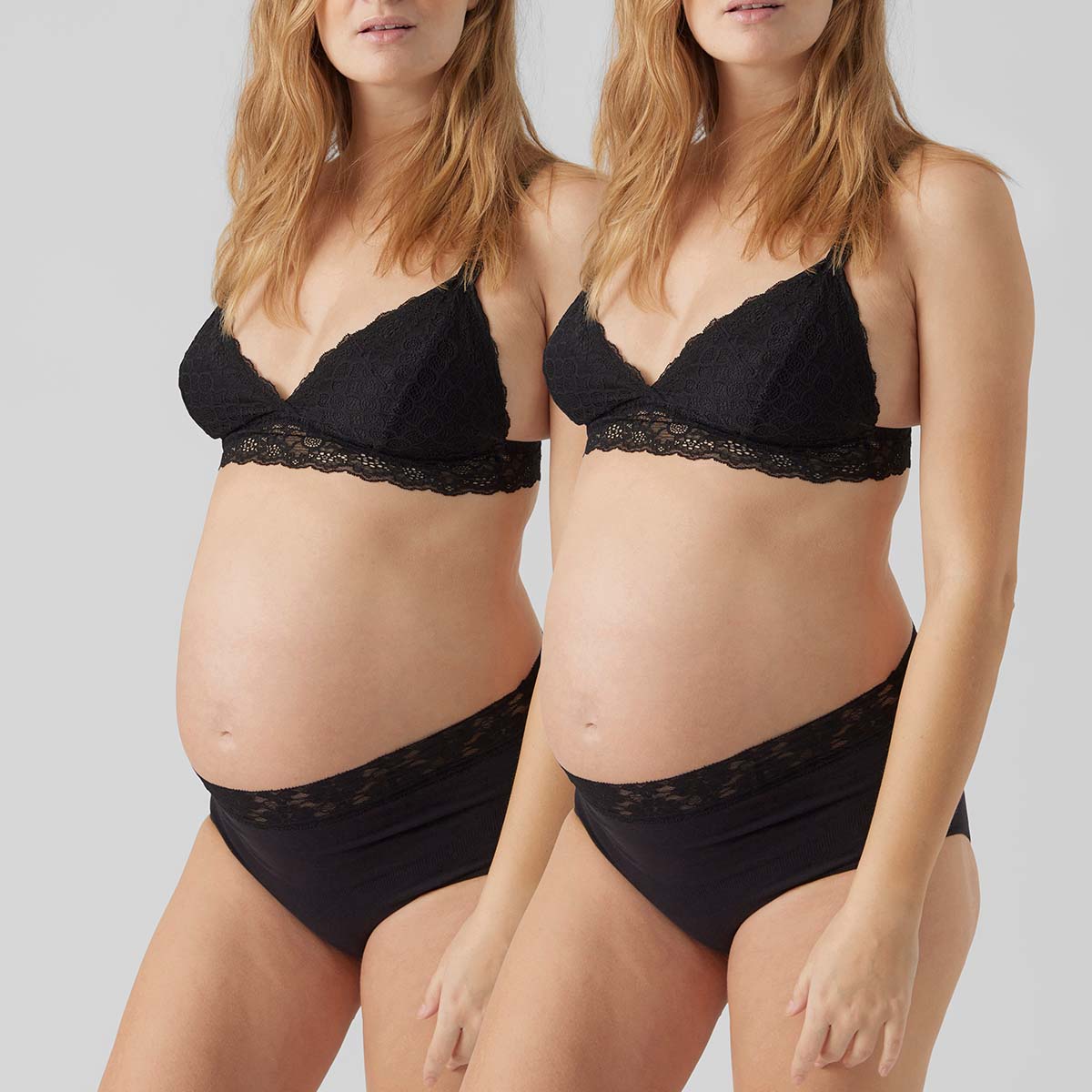
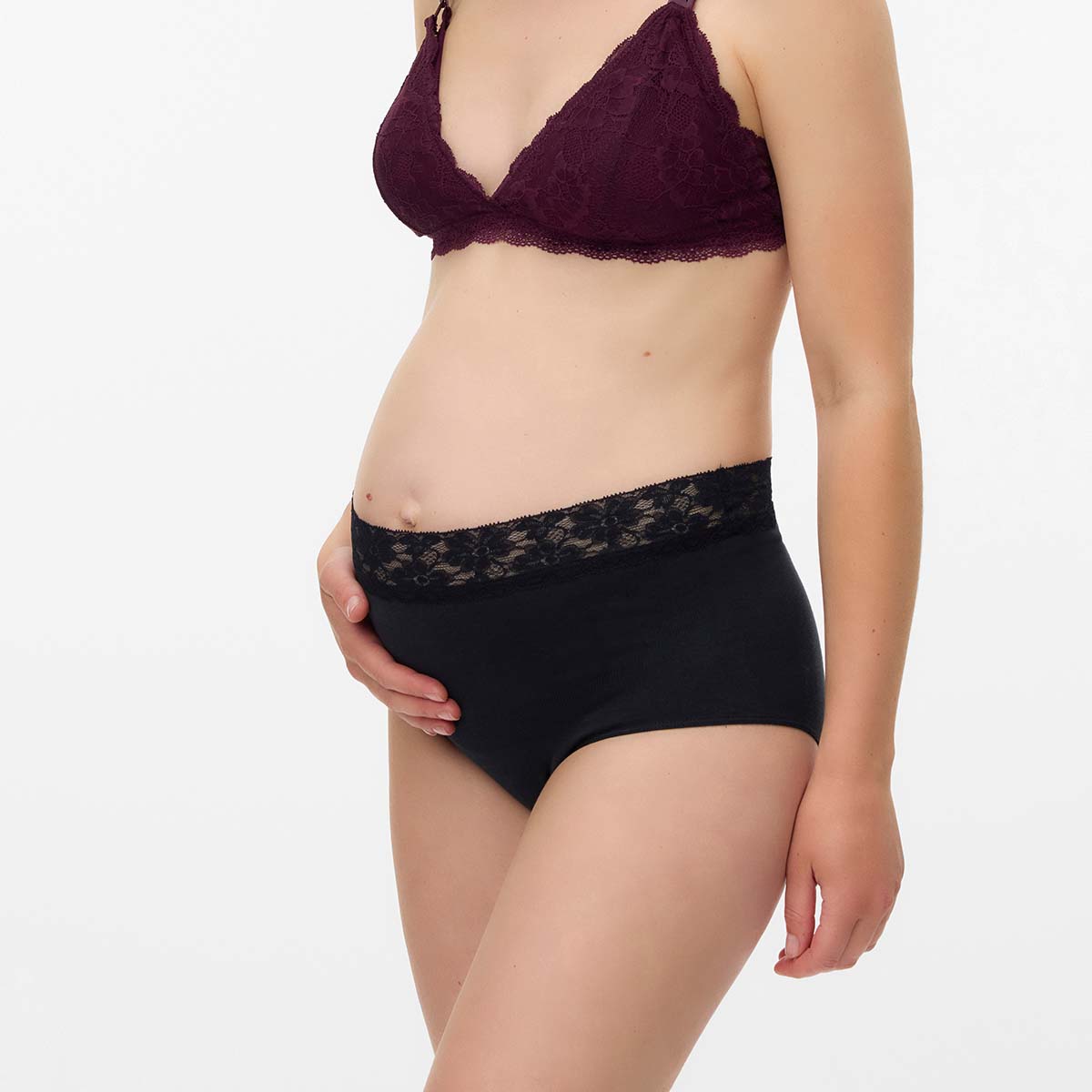
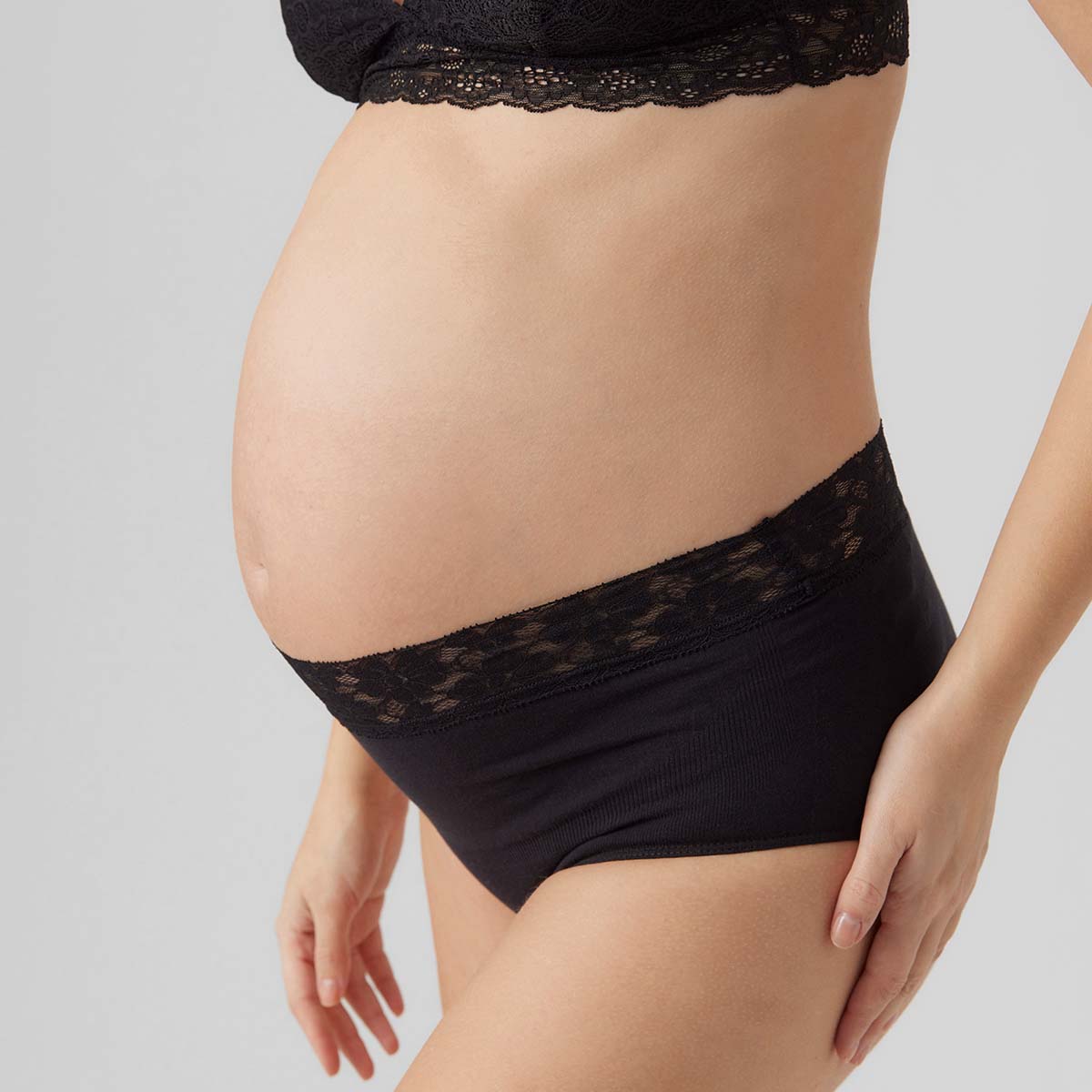
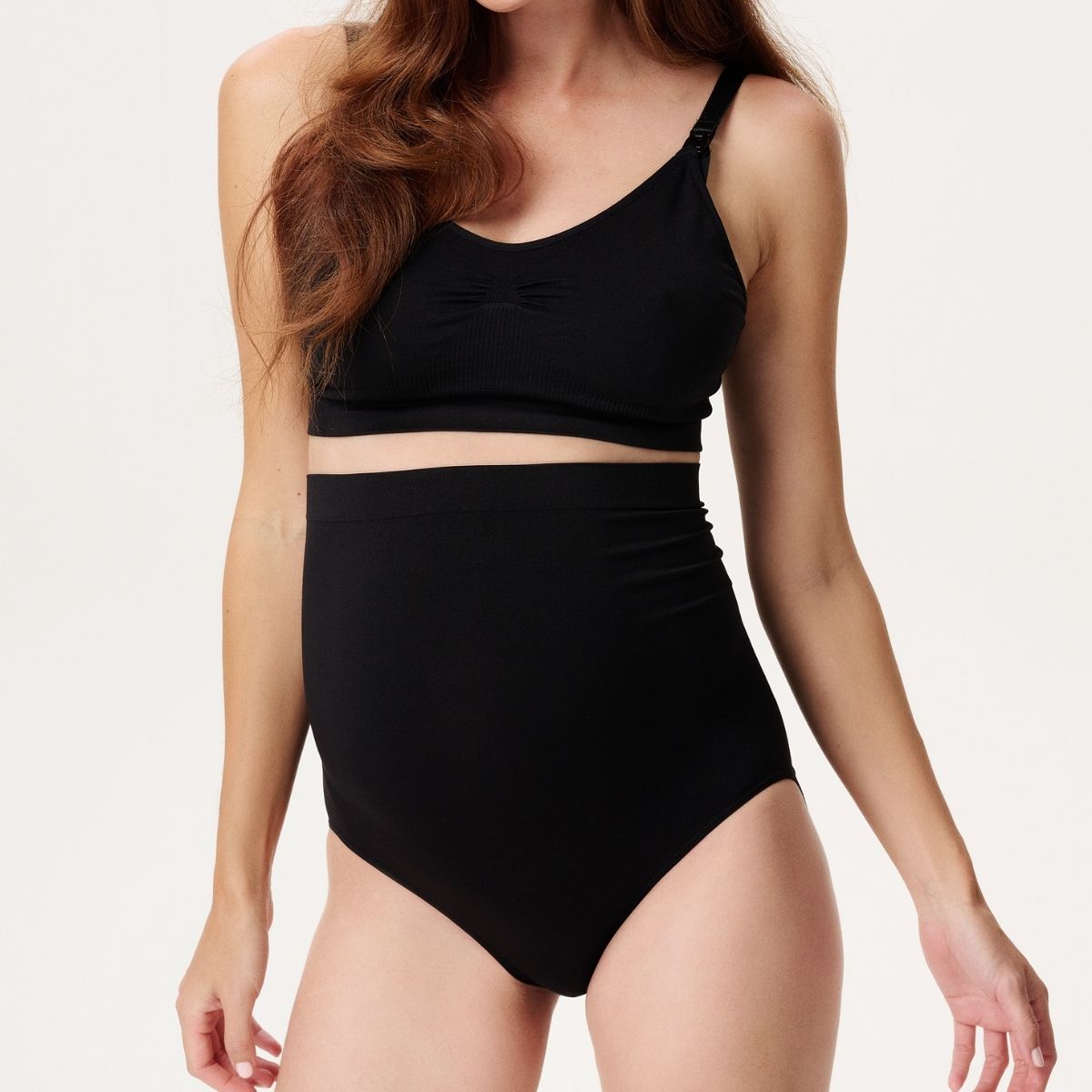
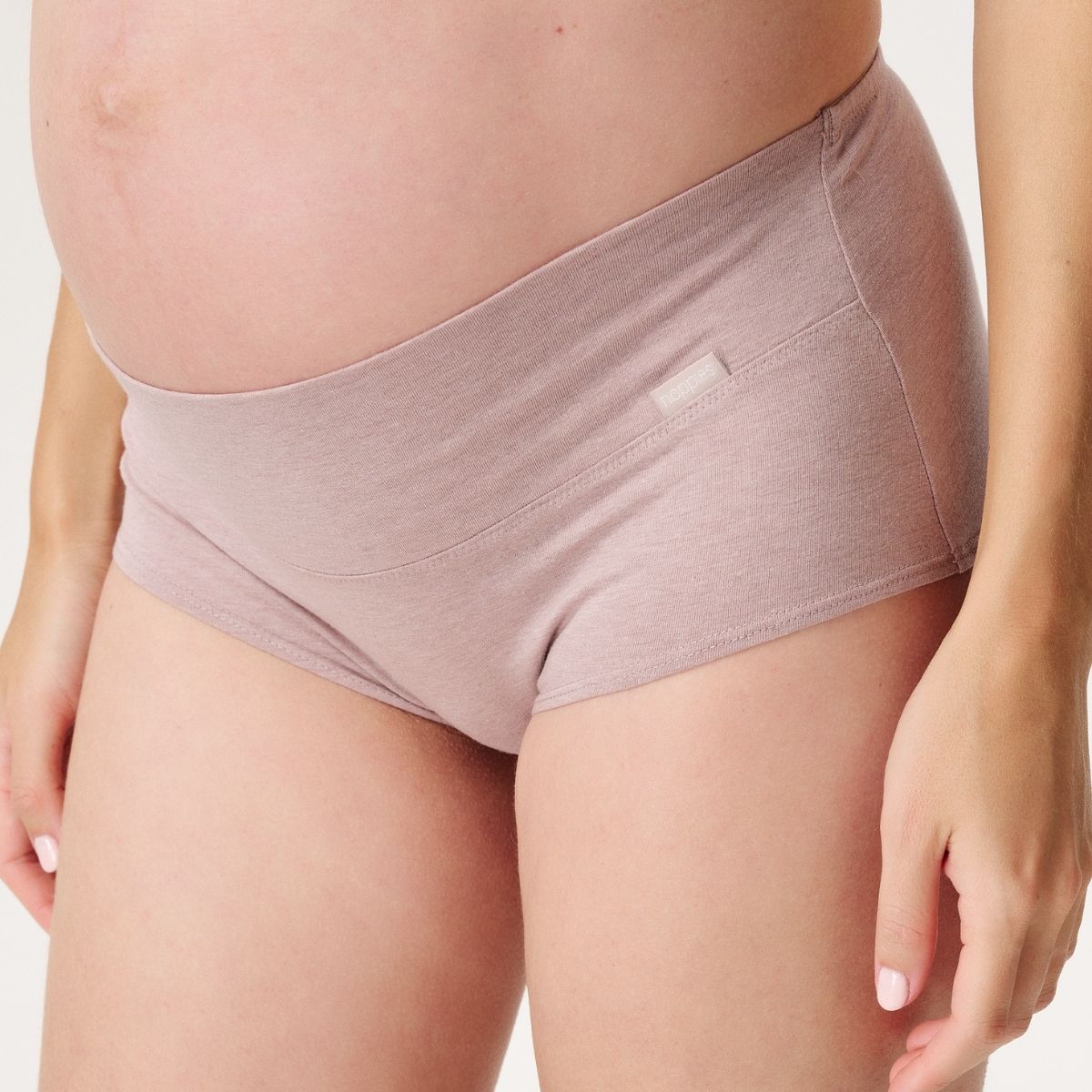
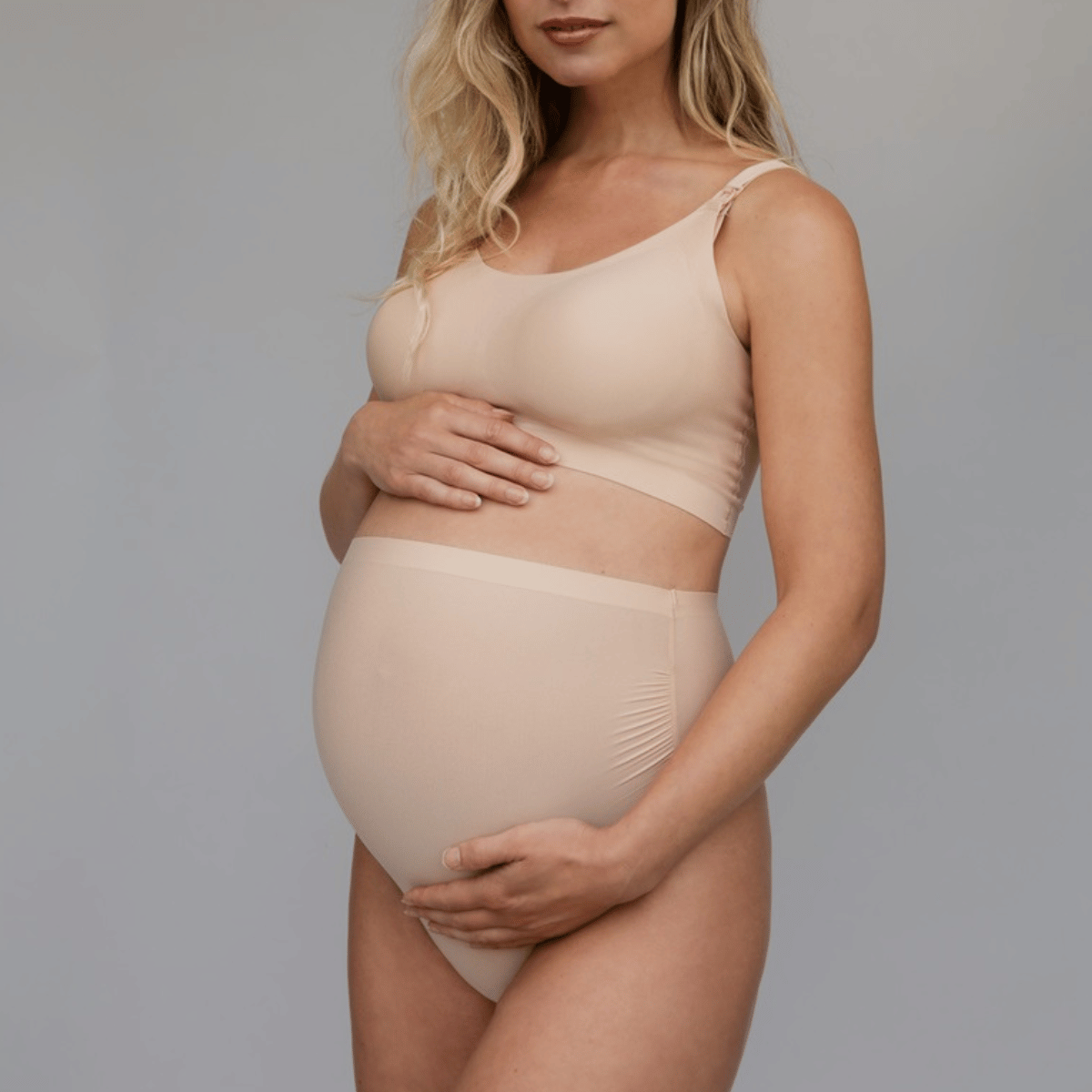
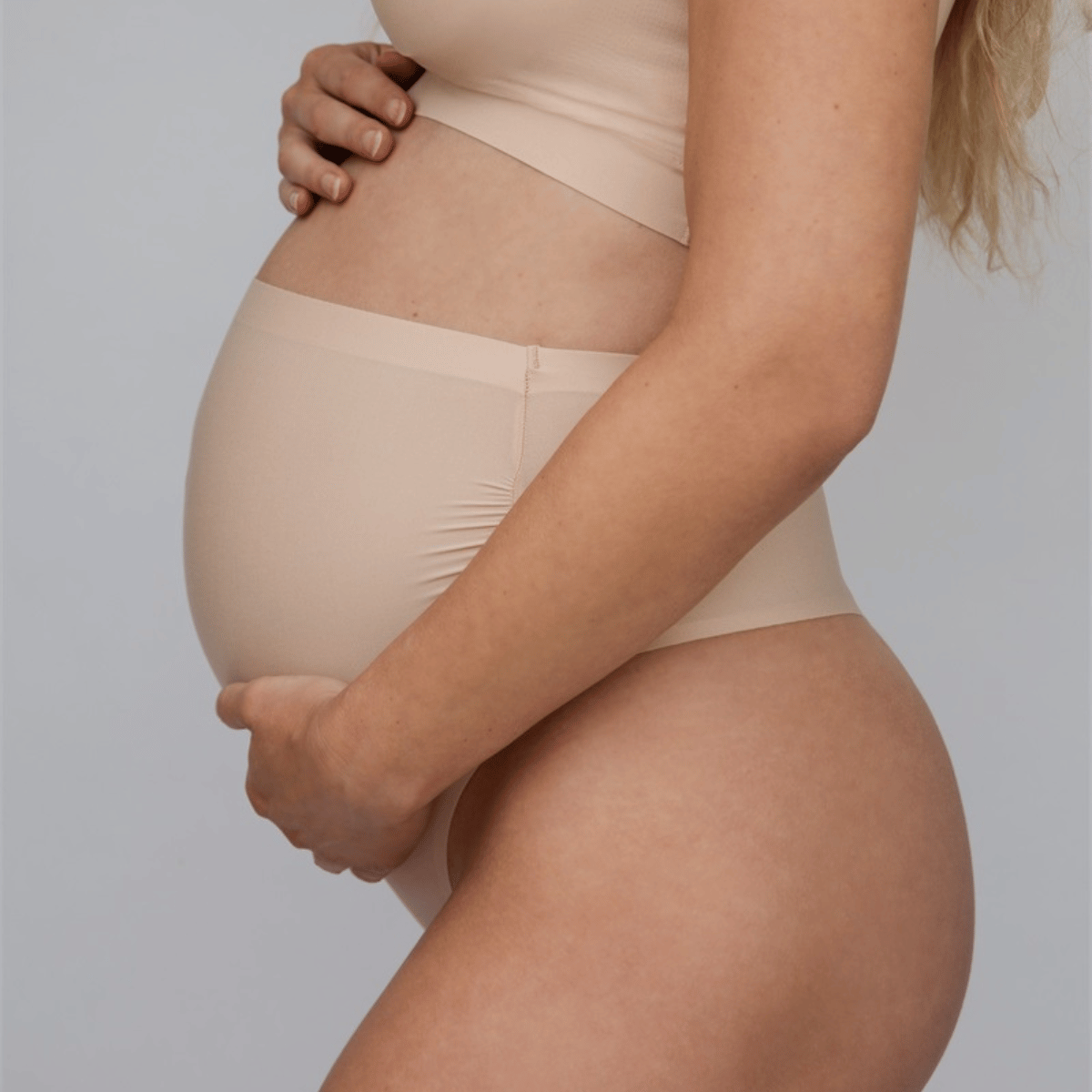
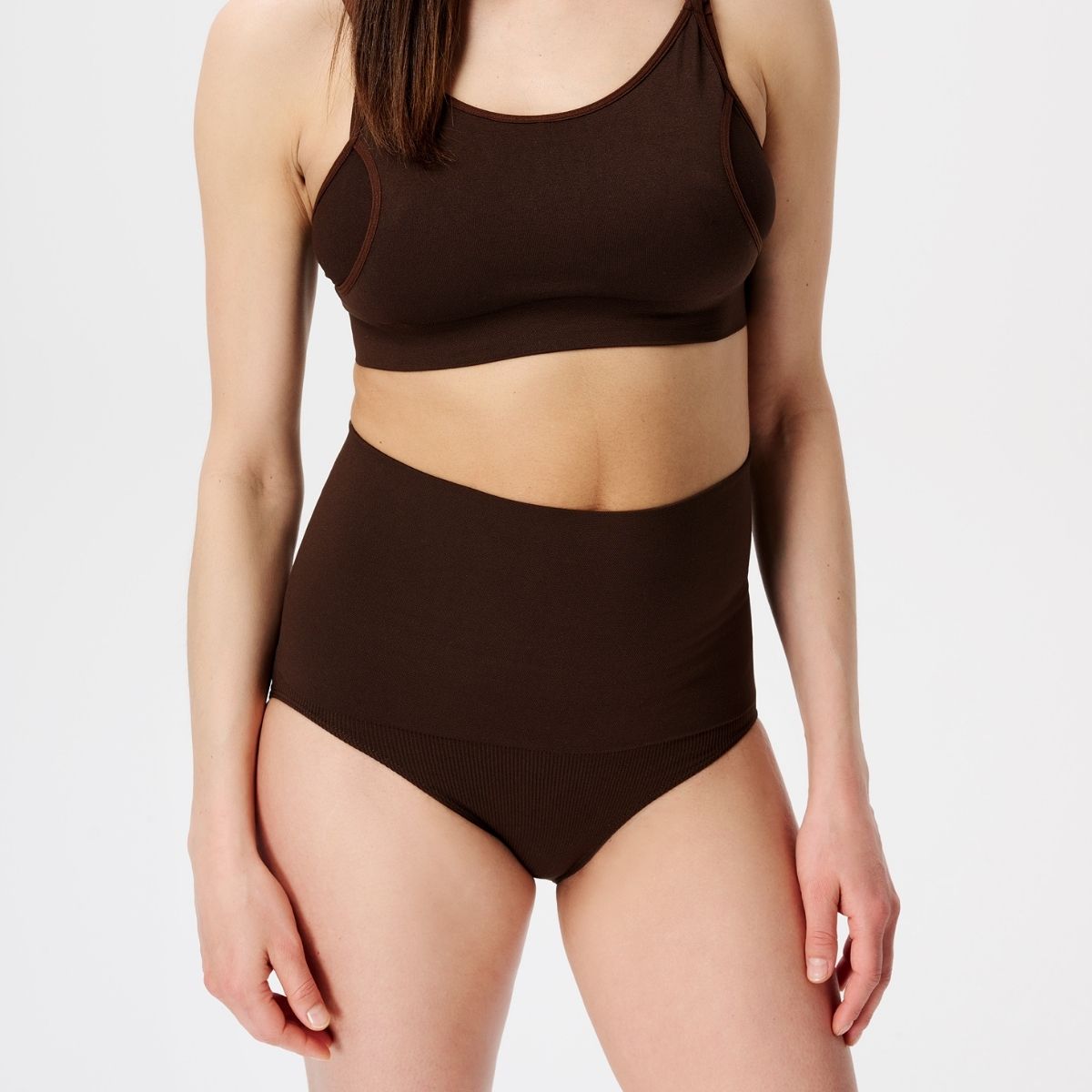
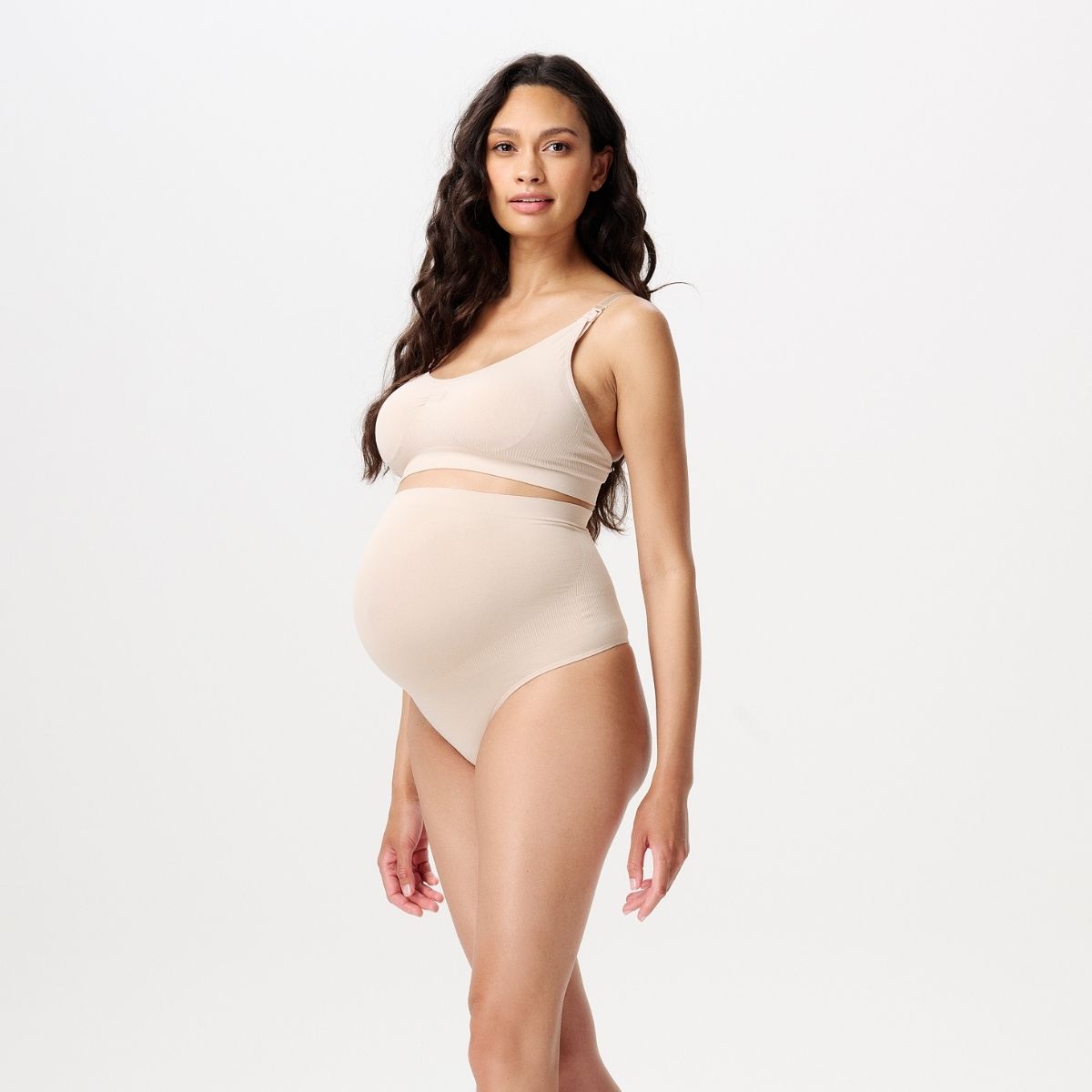
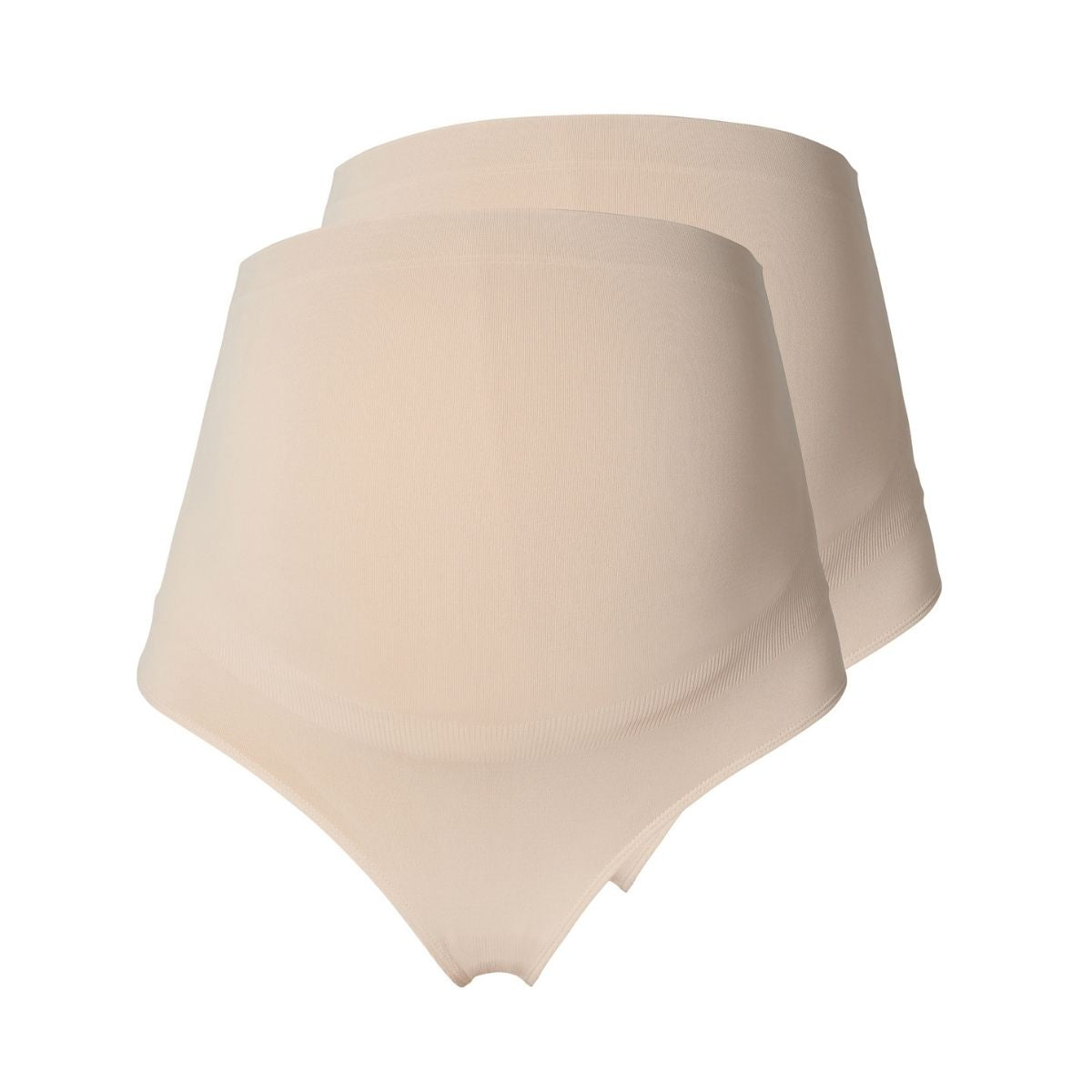
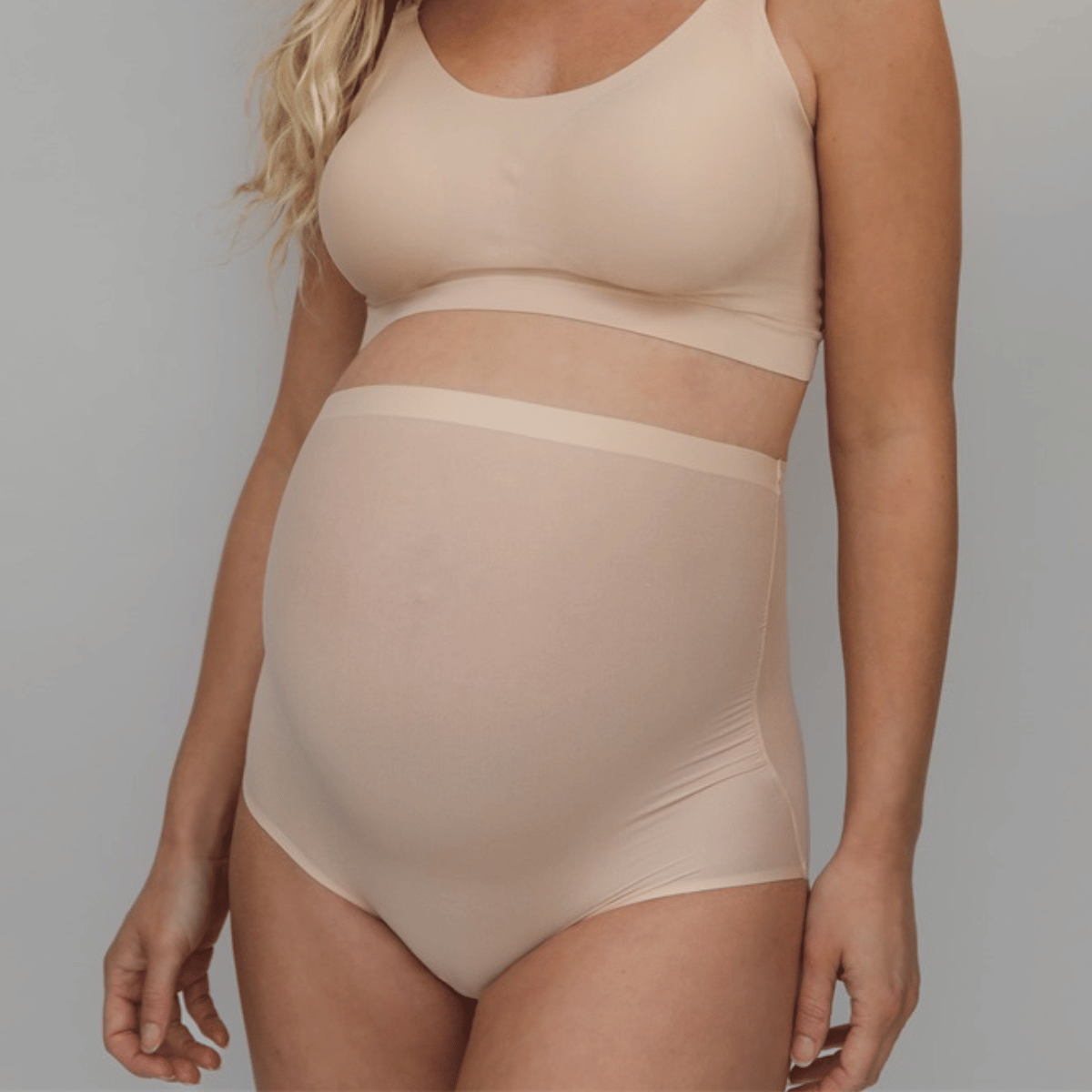
Waist height is one of the most noticeable differences between styles of maternity panties. High-waisted designs are intended to extend over your bump, while low-waisted styles sit underneath it. Neither option is inherently better. The right choice depends on where you prefer the waistband to sit and how much coverage you want.
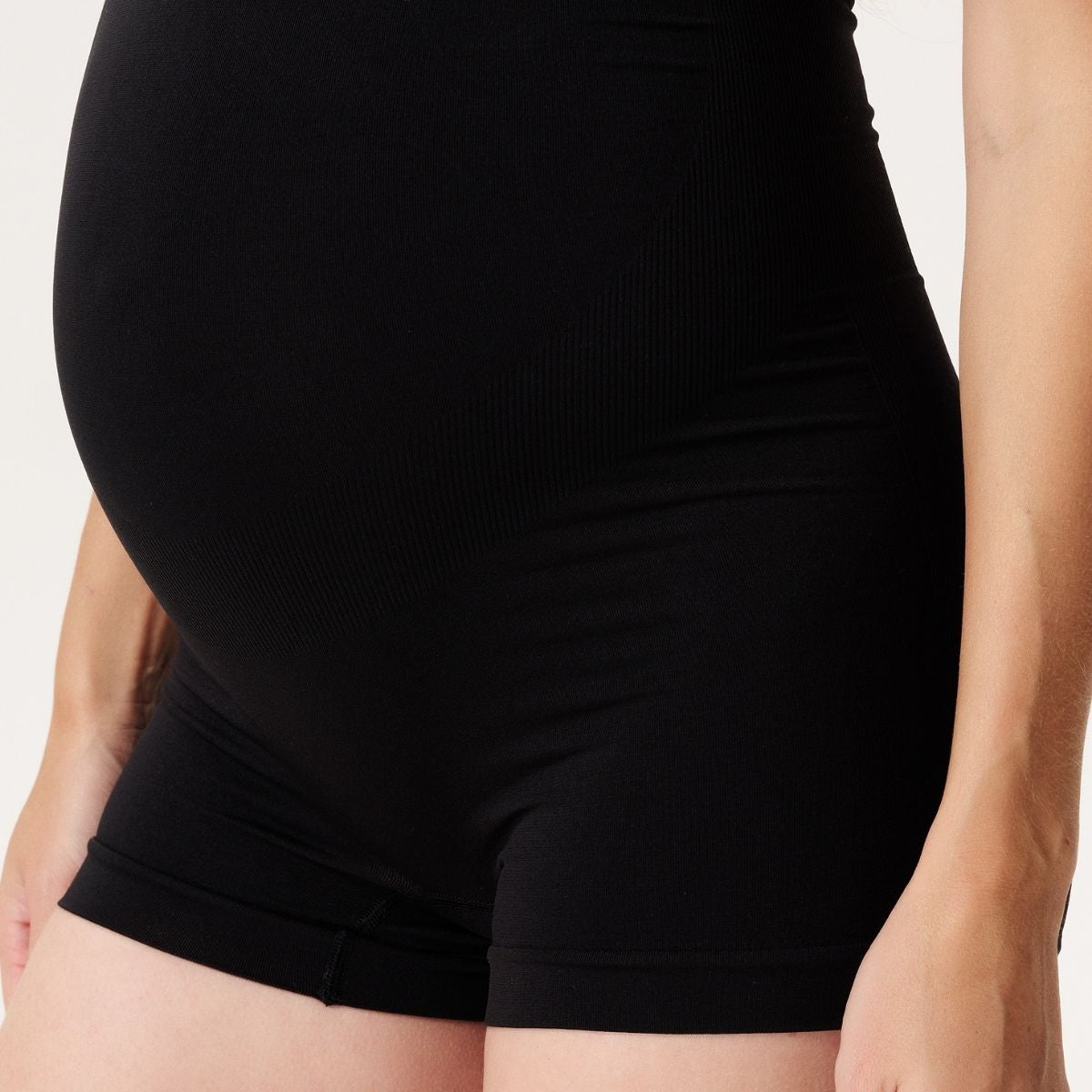
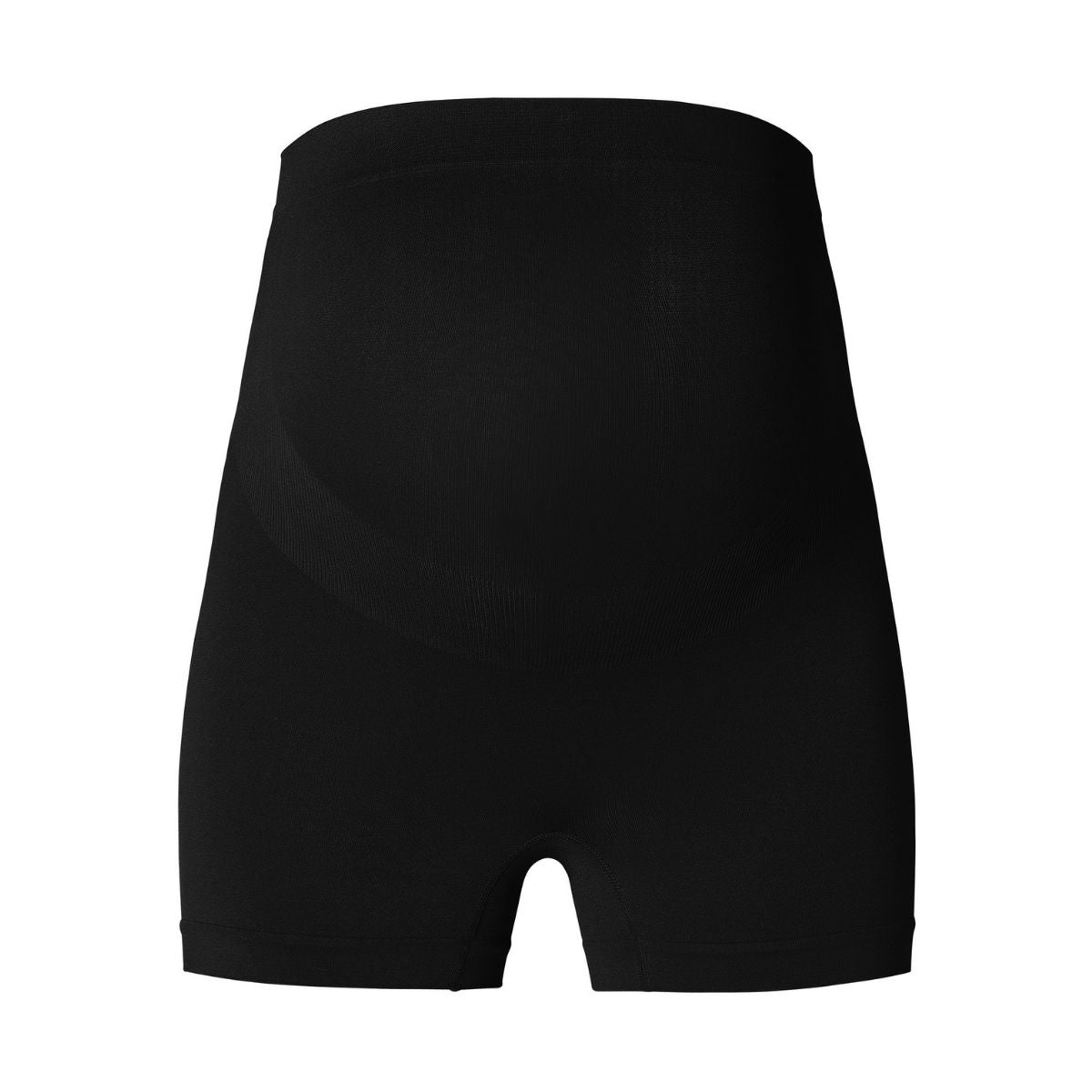
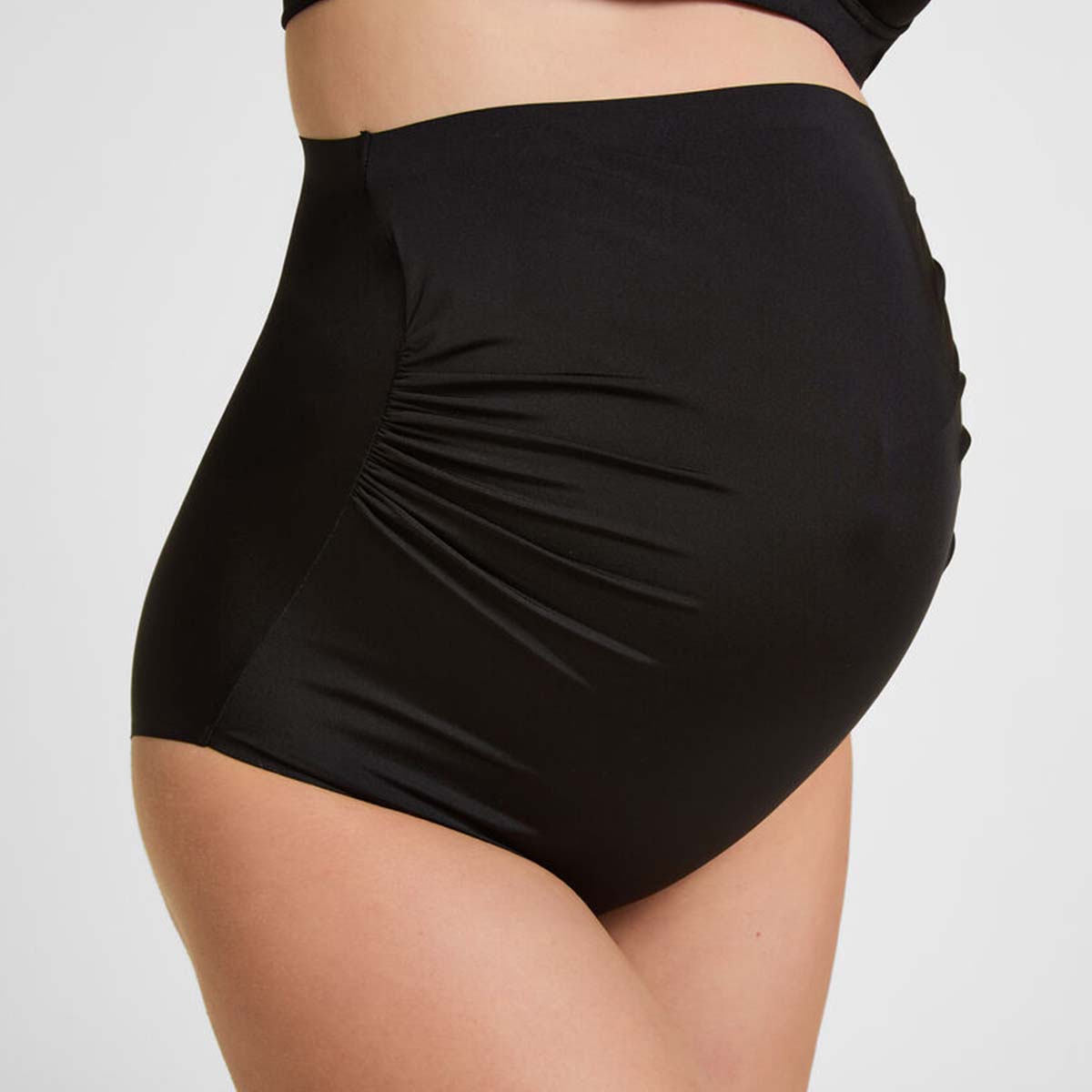
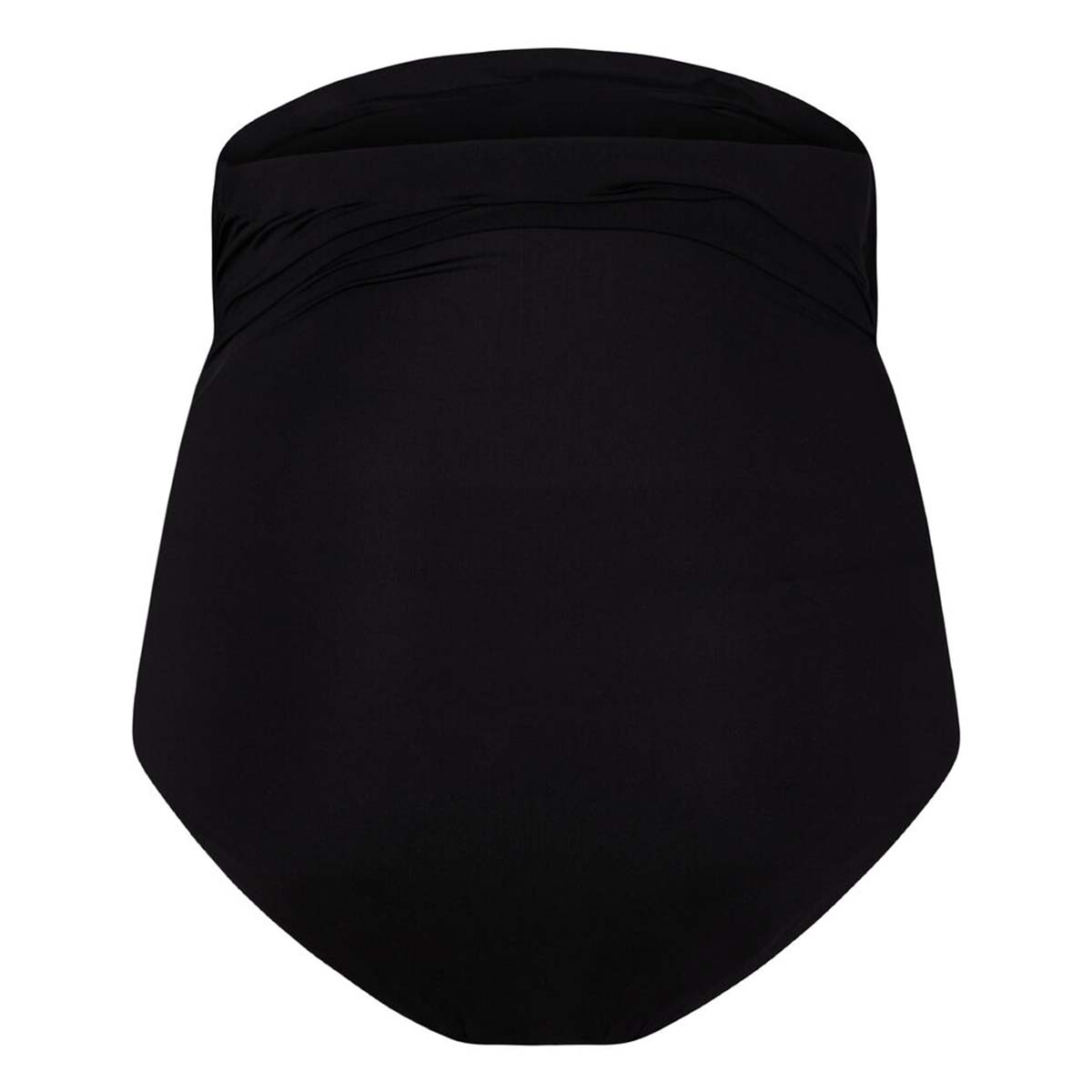
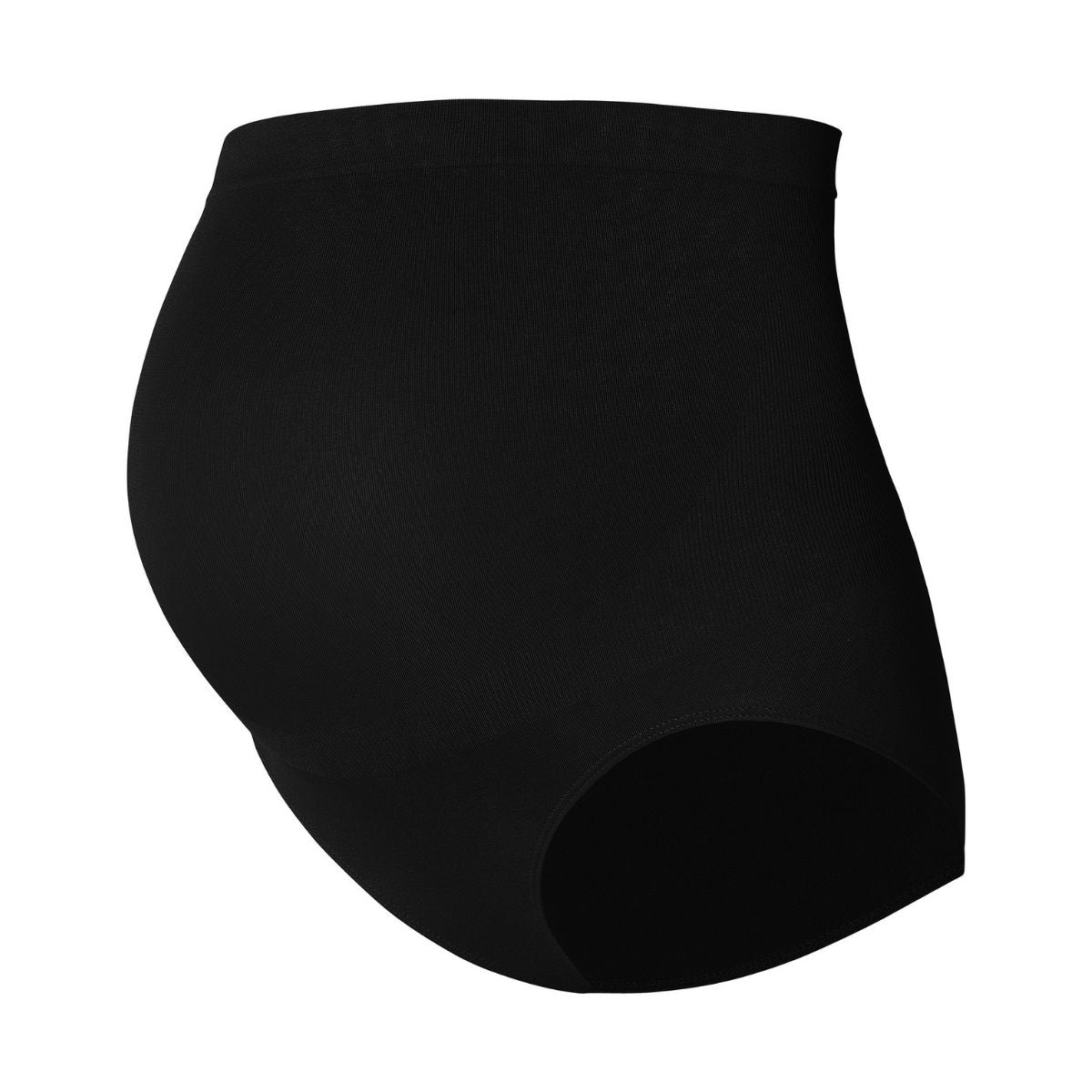
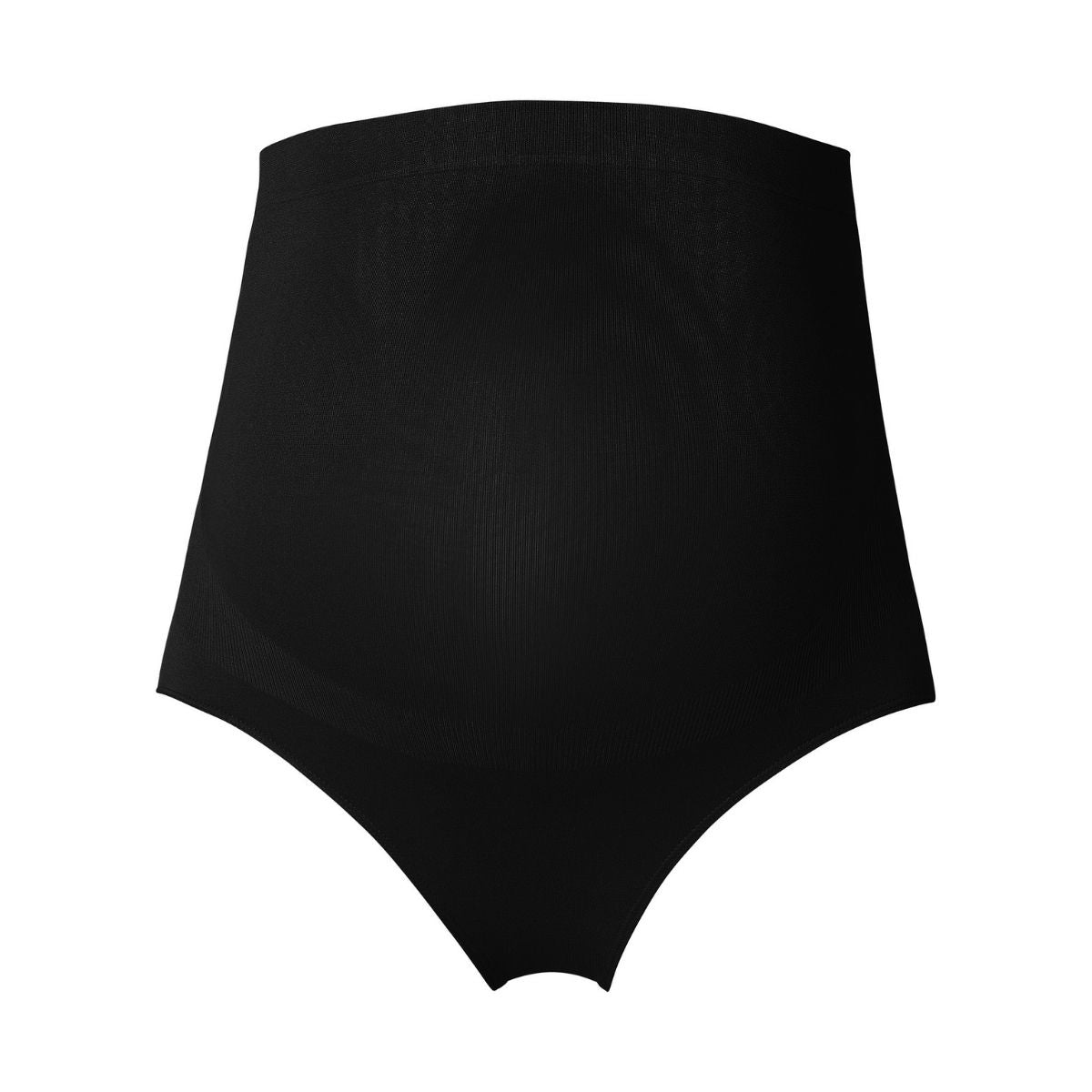
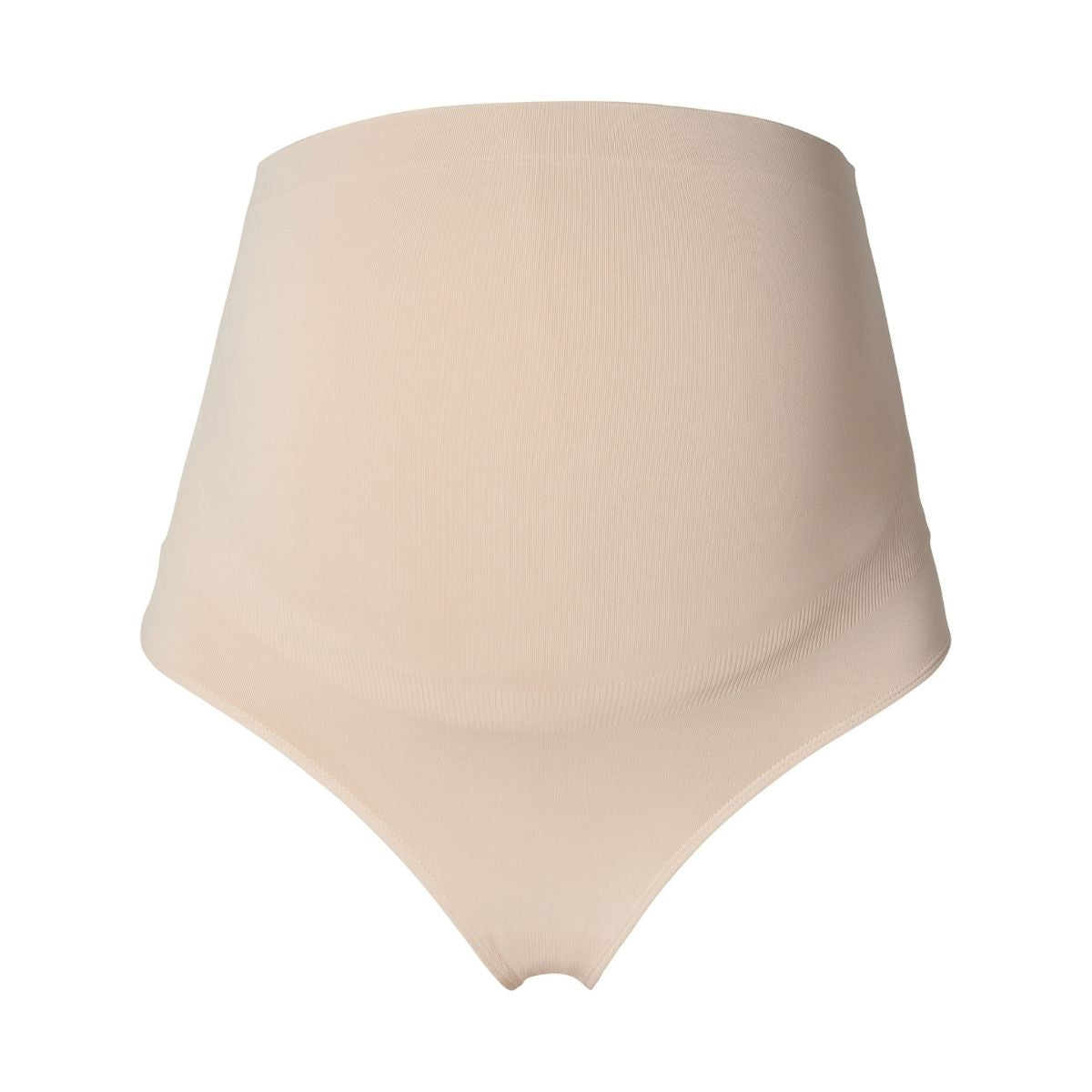
With a high-waisted style, consider how far the front panel extends upwards and how the fabric is shaped around your bump. Two pairs described as high-waisted may offer different levels of coverage and different amounts of room at the front. A high waist therefore does not automatically guarantee a comfortable fit. Low-waisted maternity panties may be worth considering if you prefer not to have fabric covering your bump. The front cut and the position of the upper edge are particularly important here, as the panties need to sit beneath your bump in the way you prefer.
Your choice may also depend on the clothes you wear over them. A particular waist height might work well under certain trousers or leggings, while another style feels more suitable beneath other garments. It is worth comparing both designs, even if you usually buy the same underwear size and style.
Leg openings, side panels and back coverage
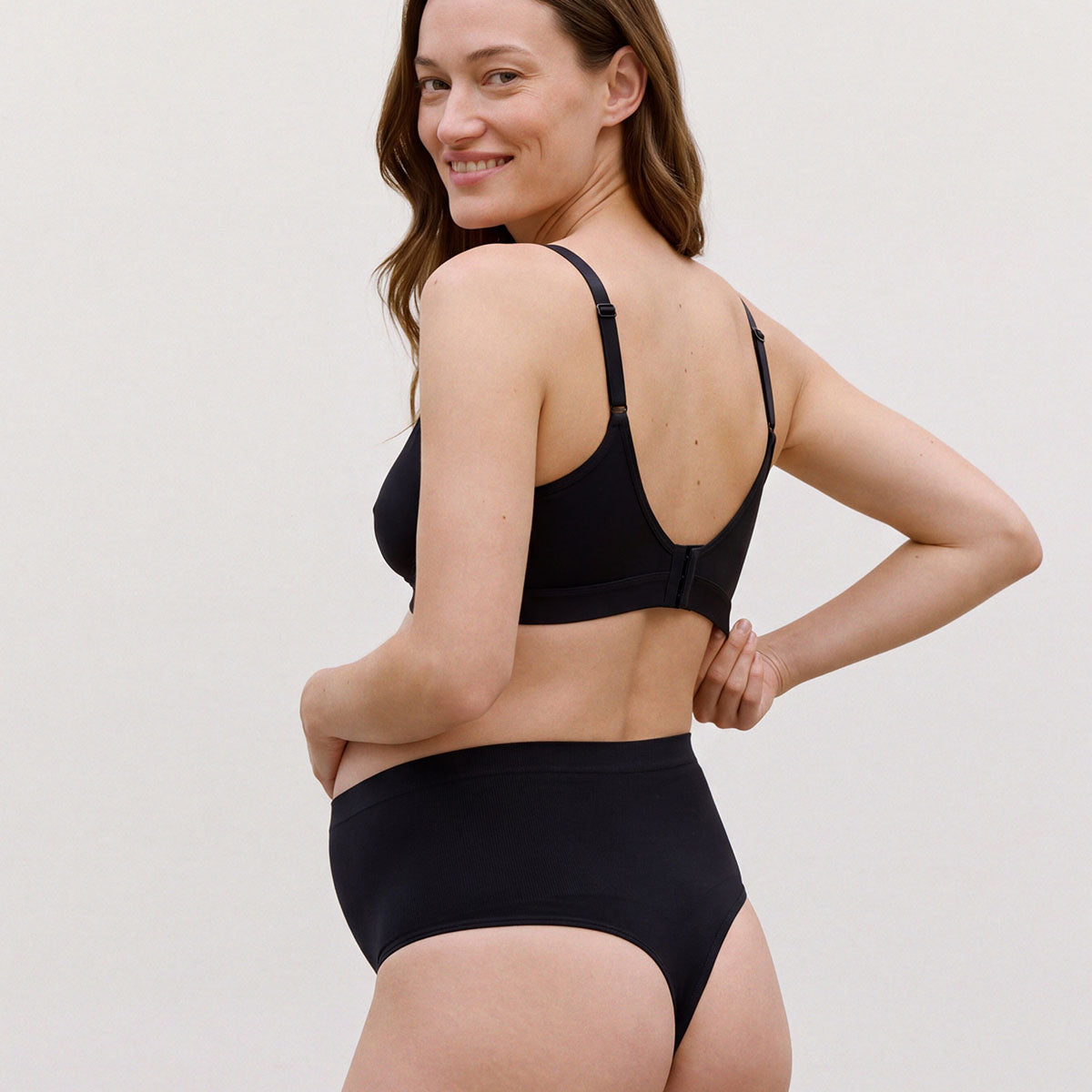
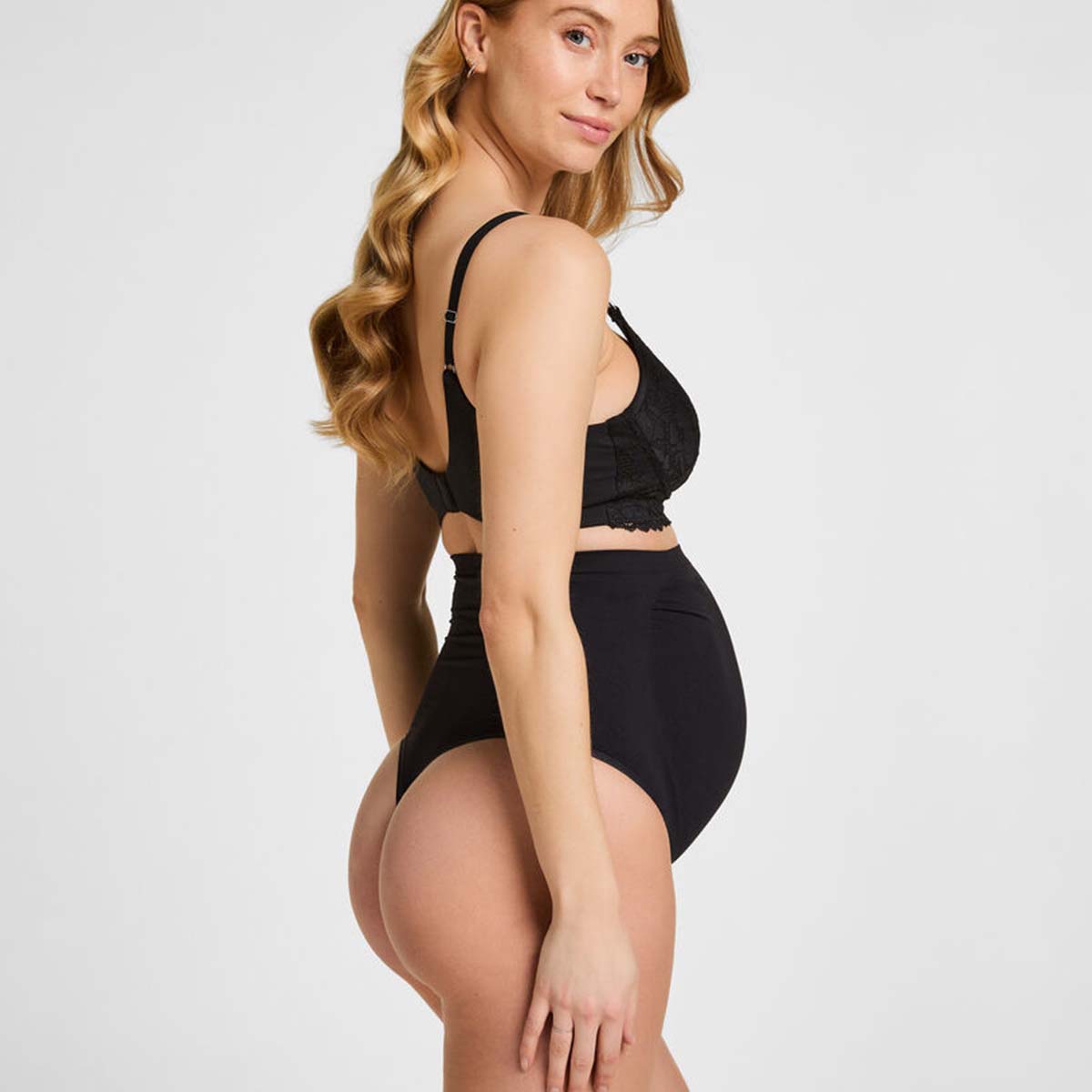
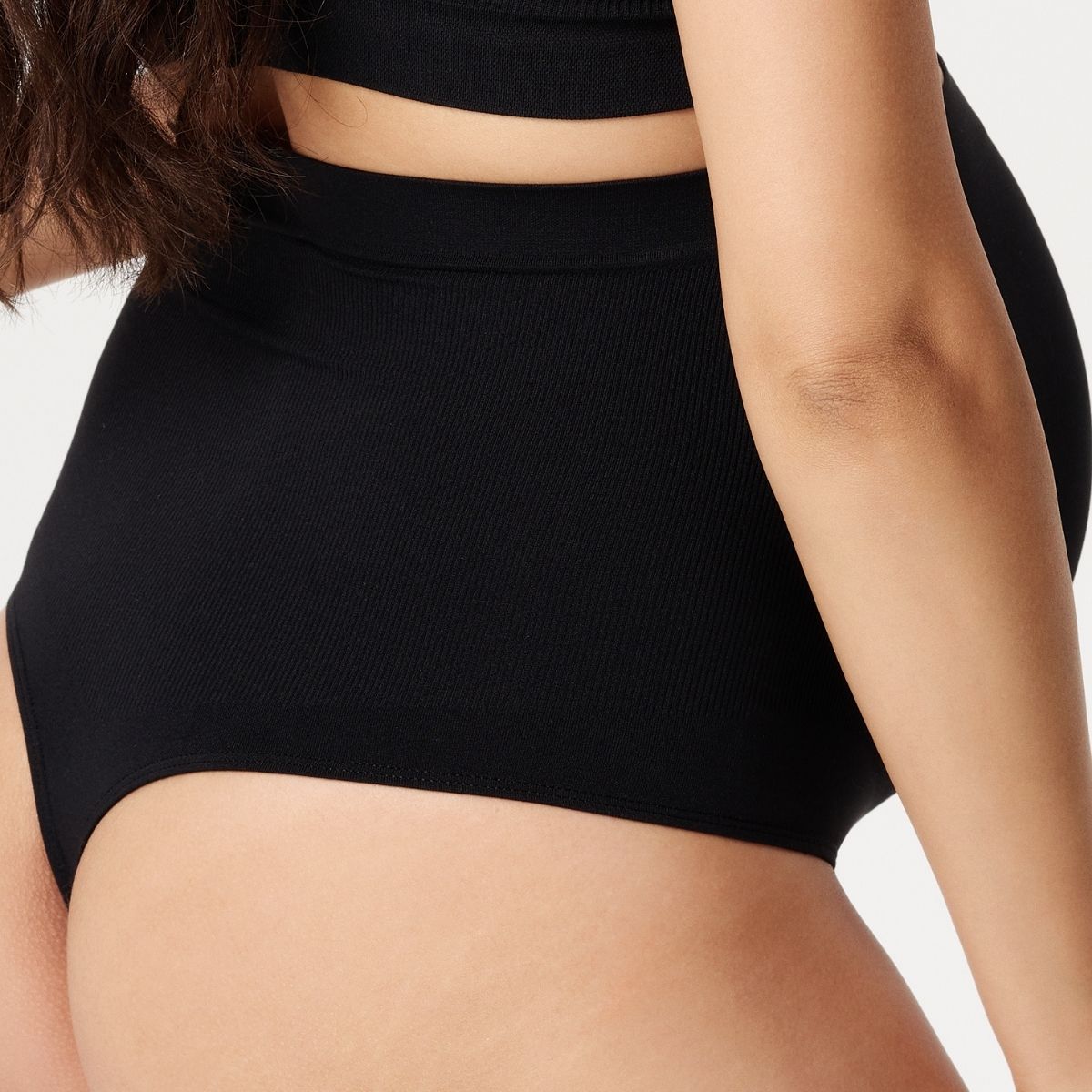
Fit is not determined by the area around your bump alone. The shape of the leg openings and the amount of fabric around your hips and bottom can affect both how maternity panties feel and how they sit beneath clothing. When comparing different cuts, pay particular attention to these details:
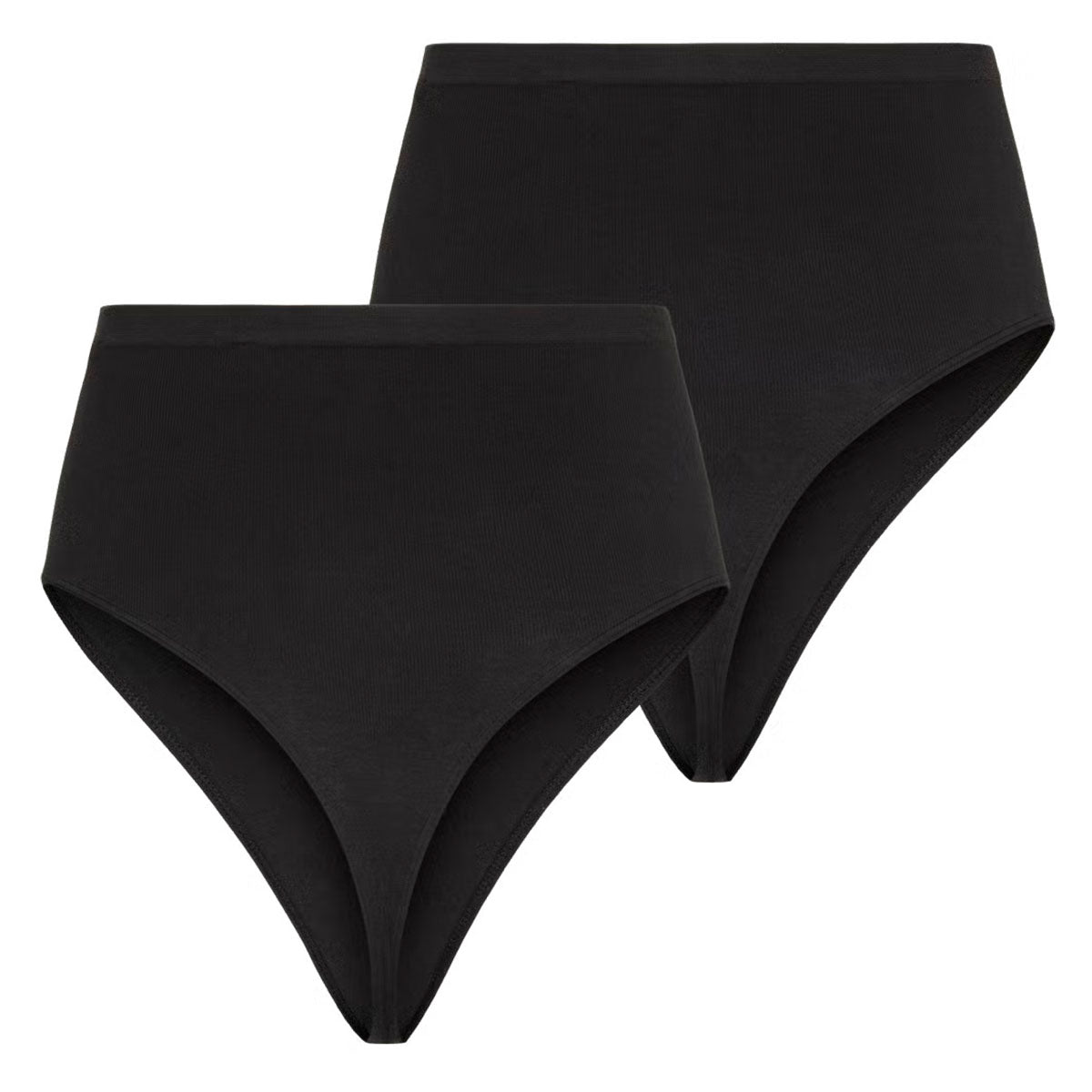
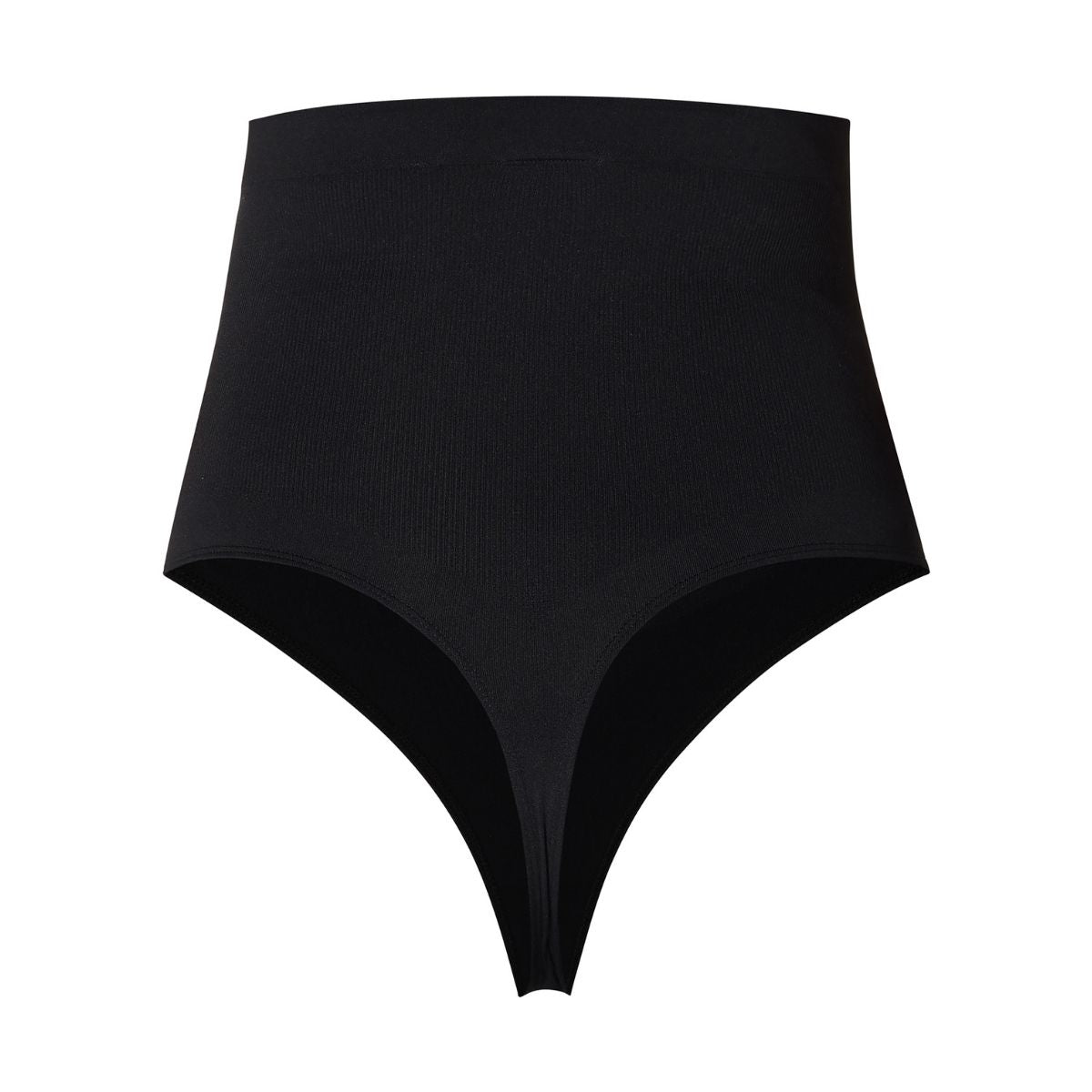
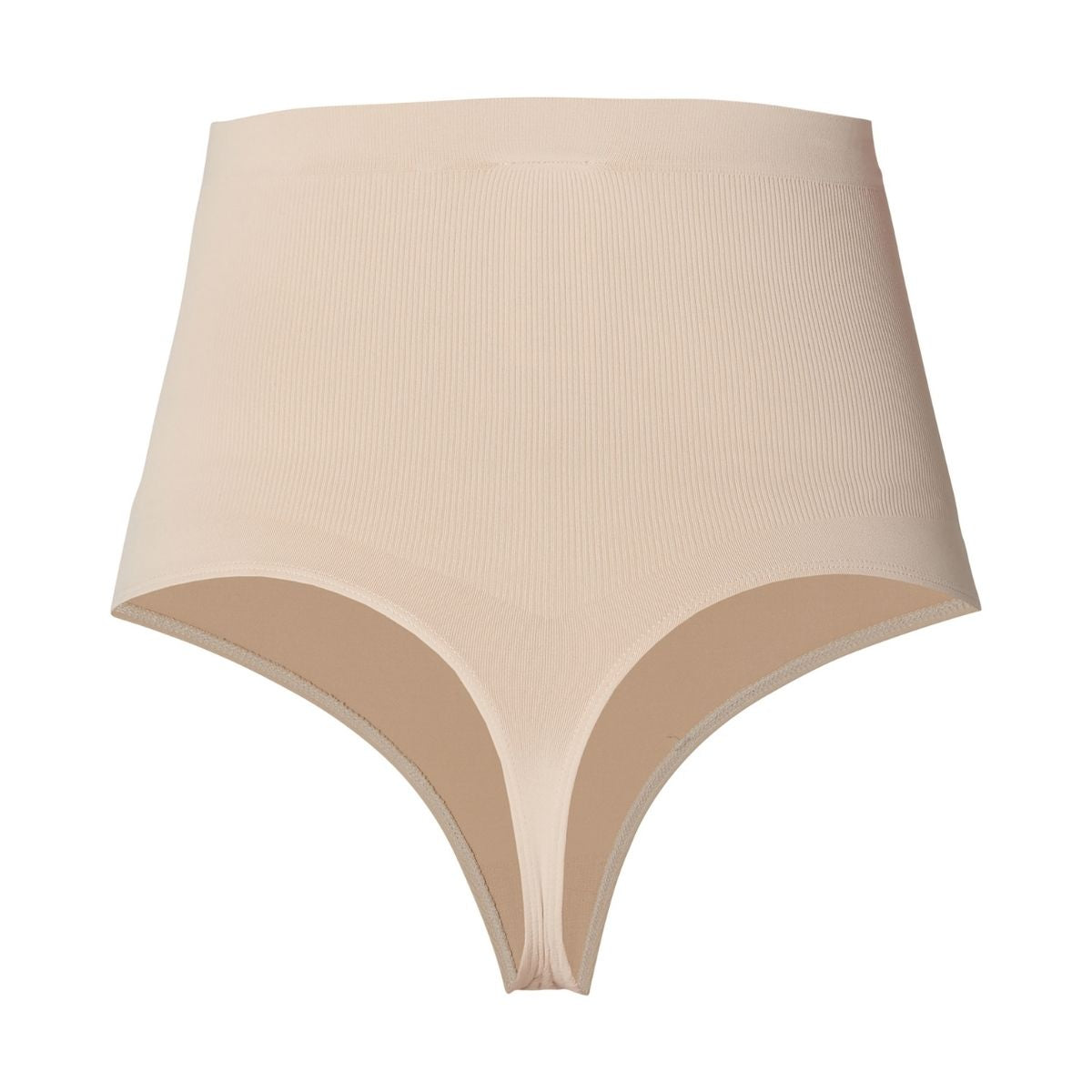
- High-cut leg openings: Use less fabric around the upper thighs, with the edges sitting differently at the groin compared with a lower-cut design.
- Lower-cut leg openings: Typically provide more coverage around the hips. Whether the cut feels comfortable still depends on the individual design and your body proportions.
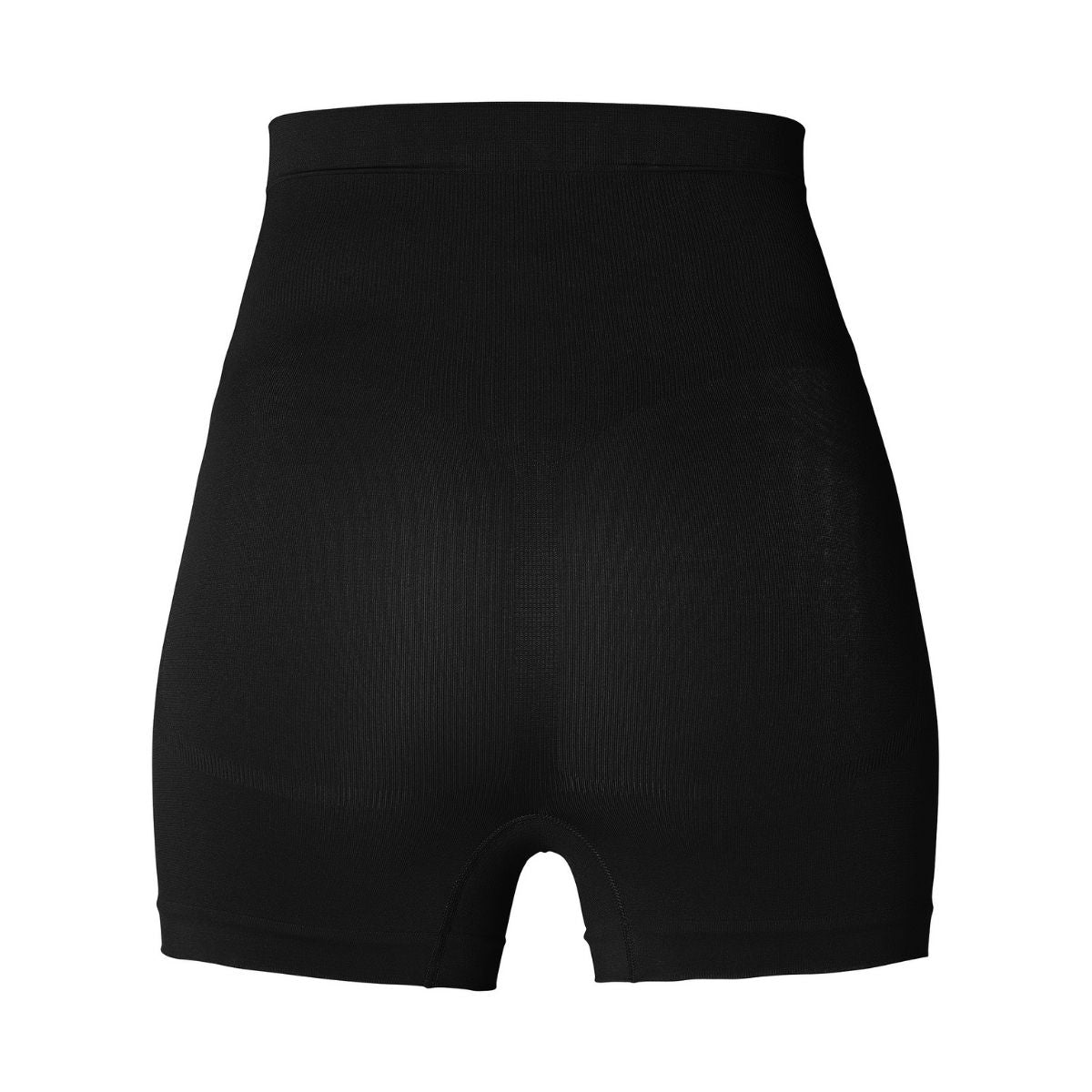
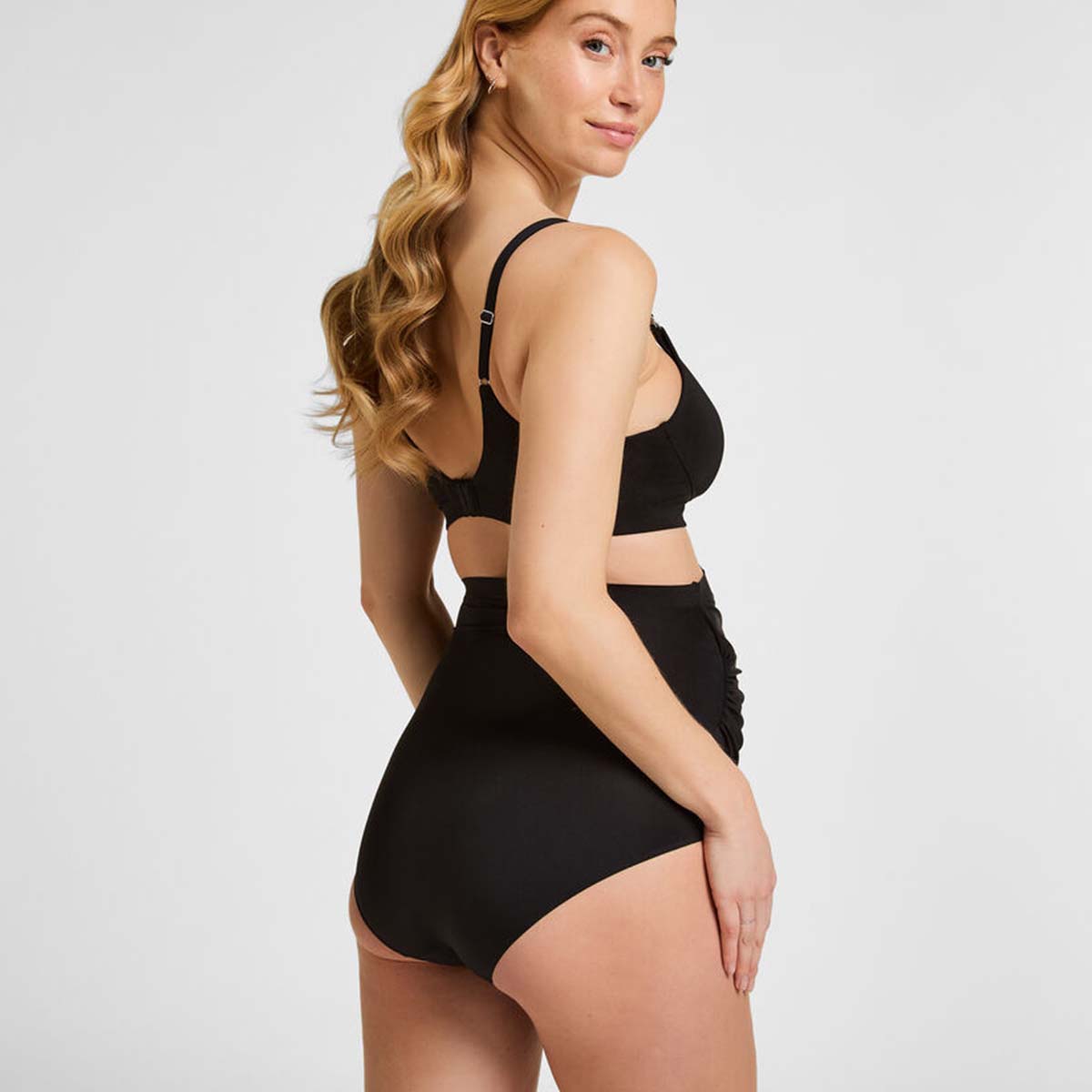
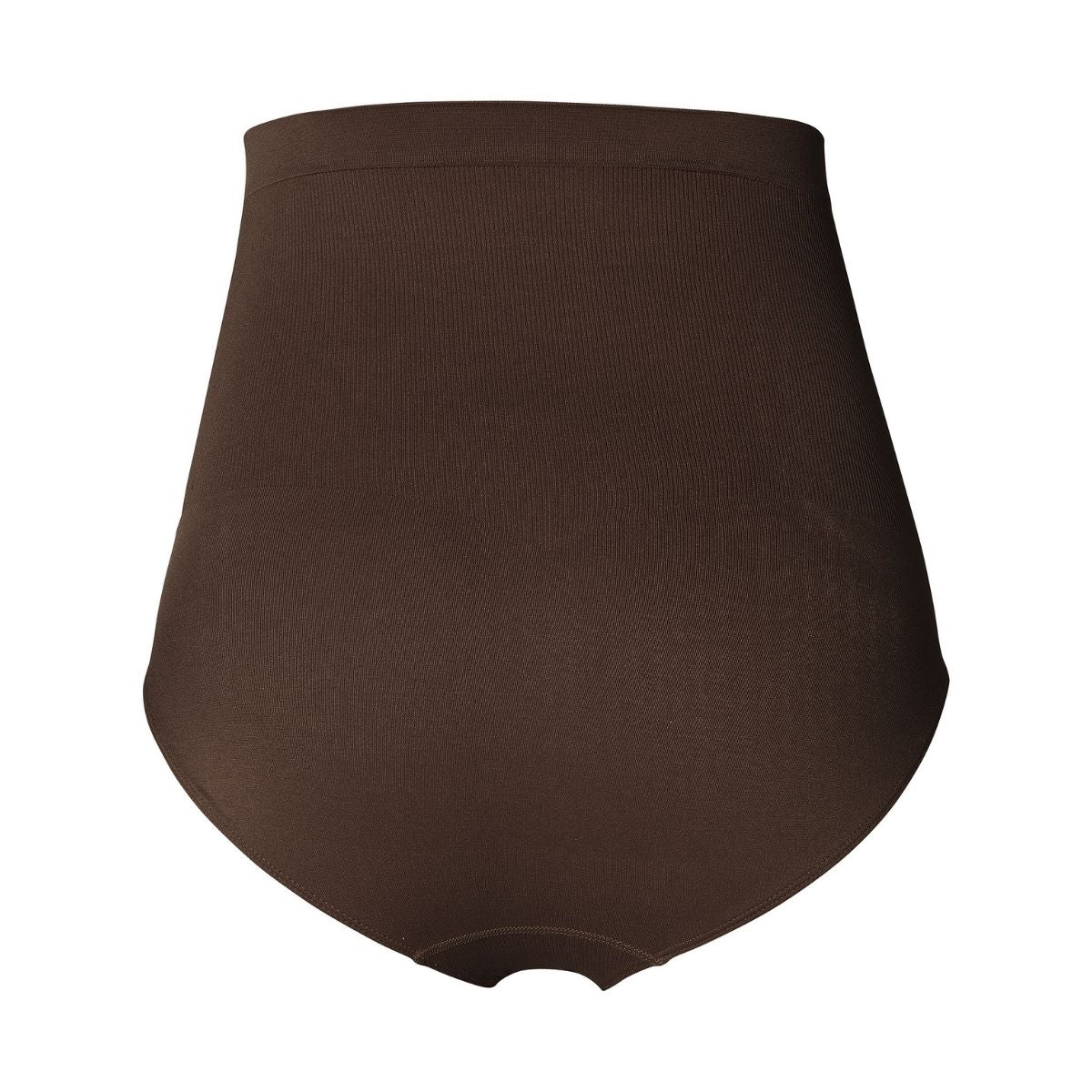
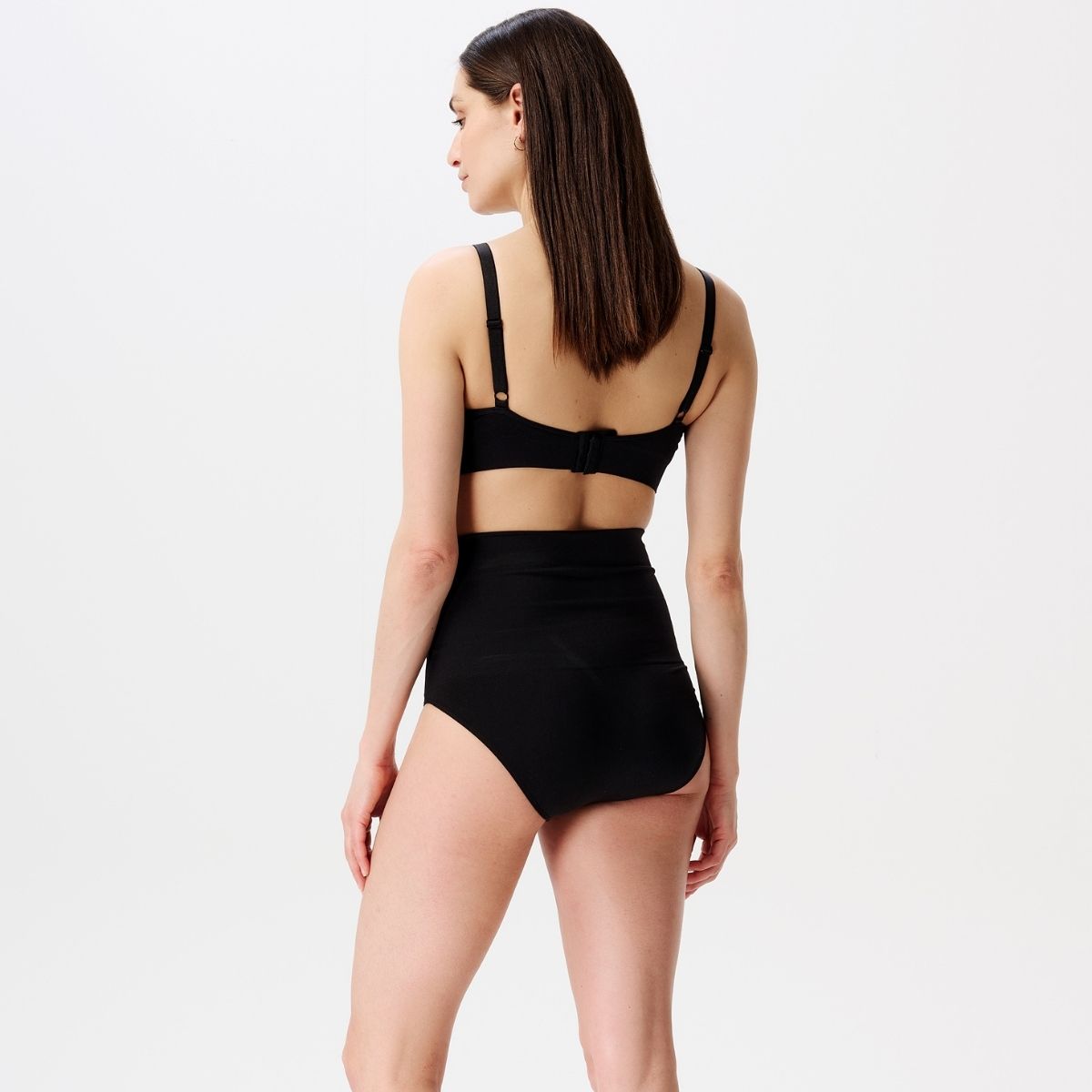
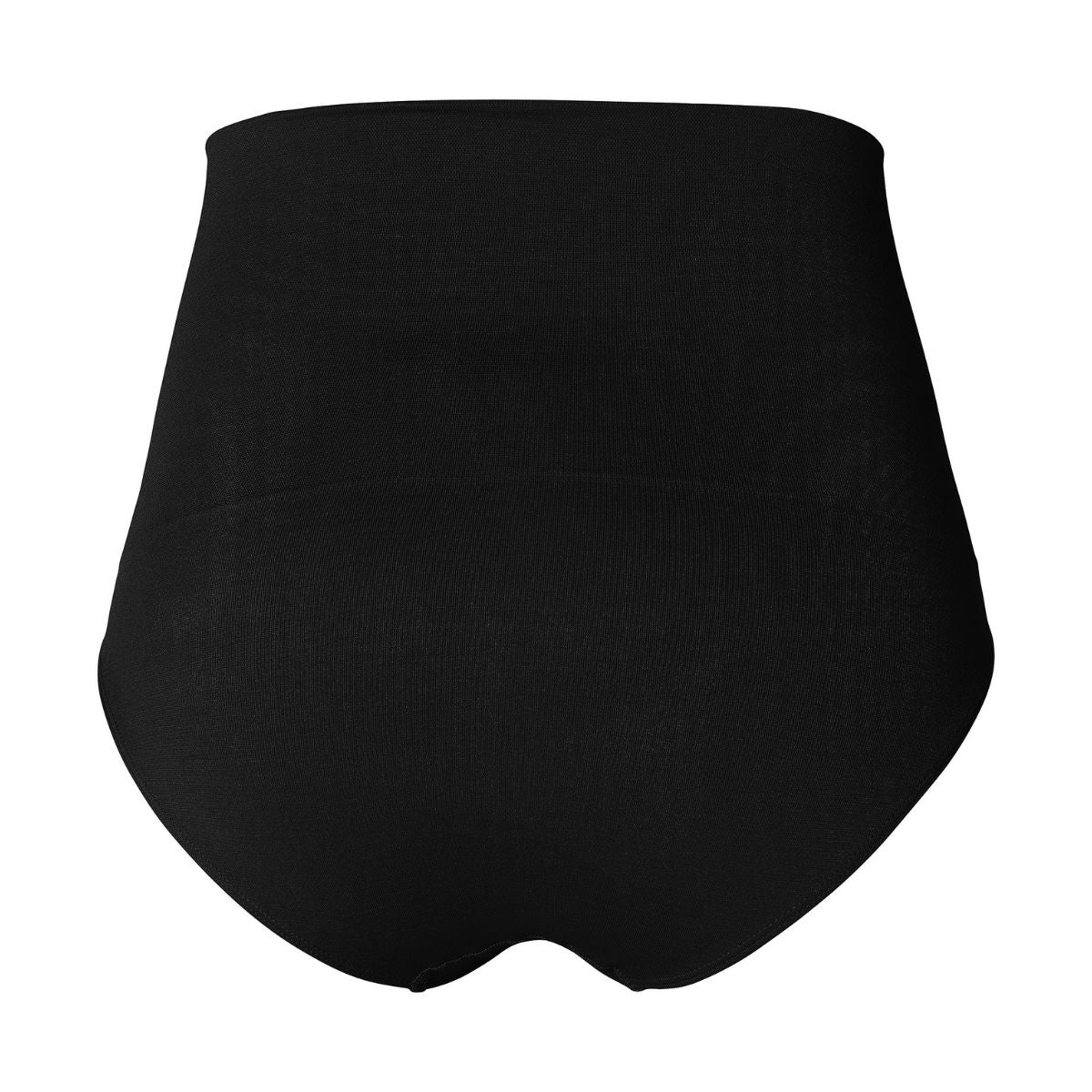
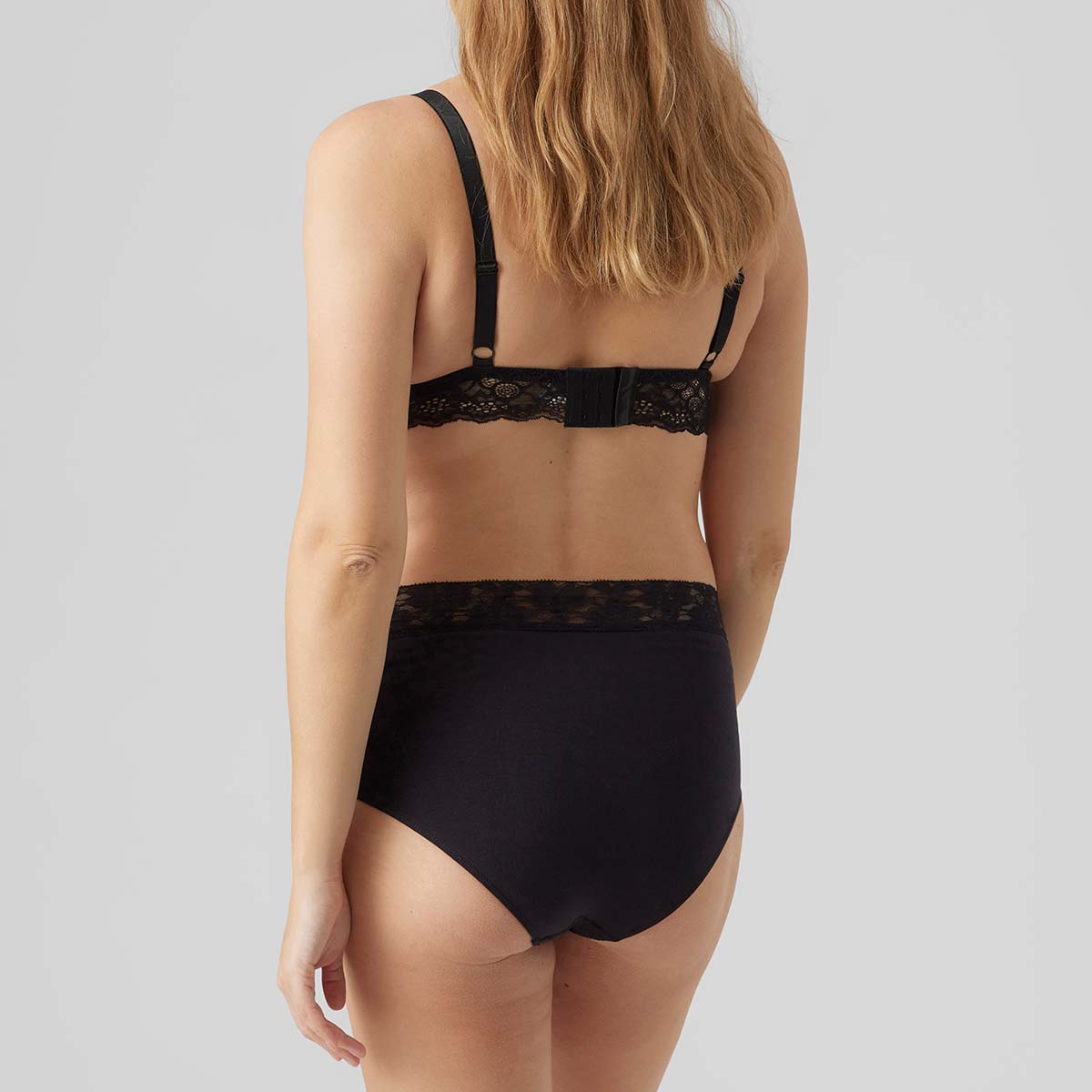
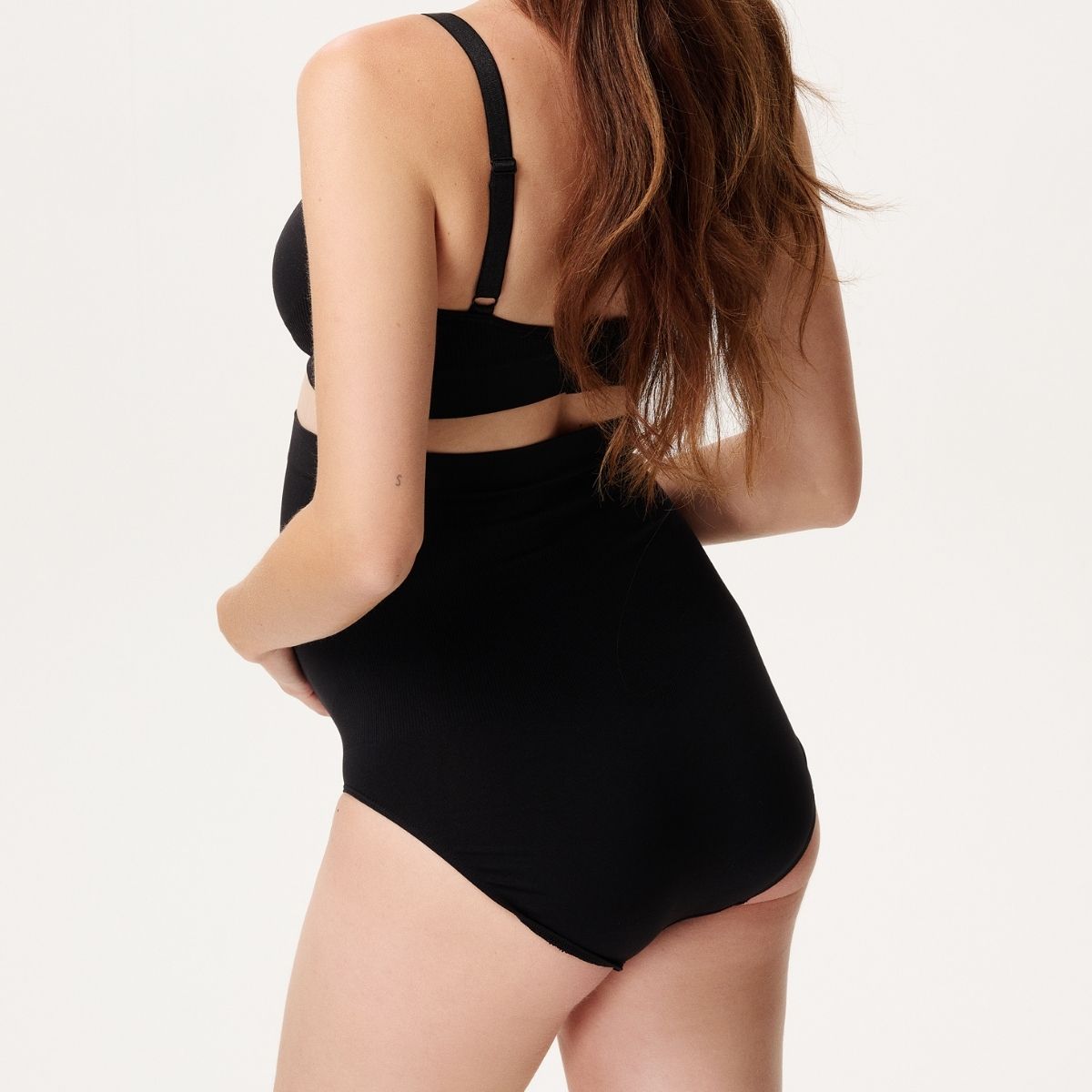
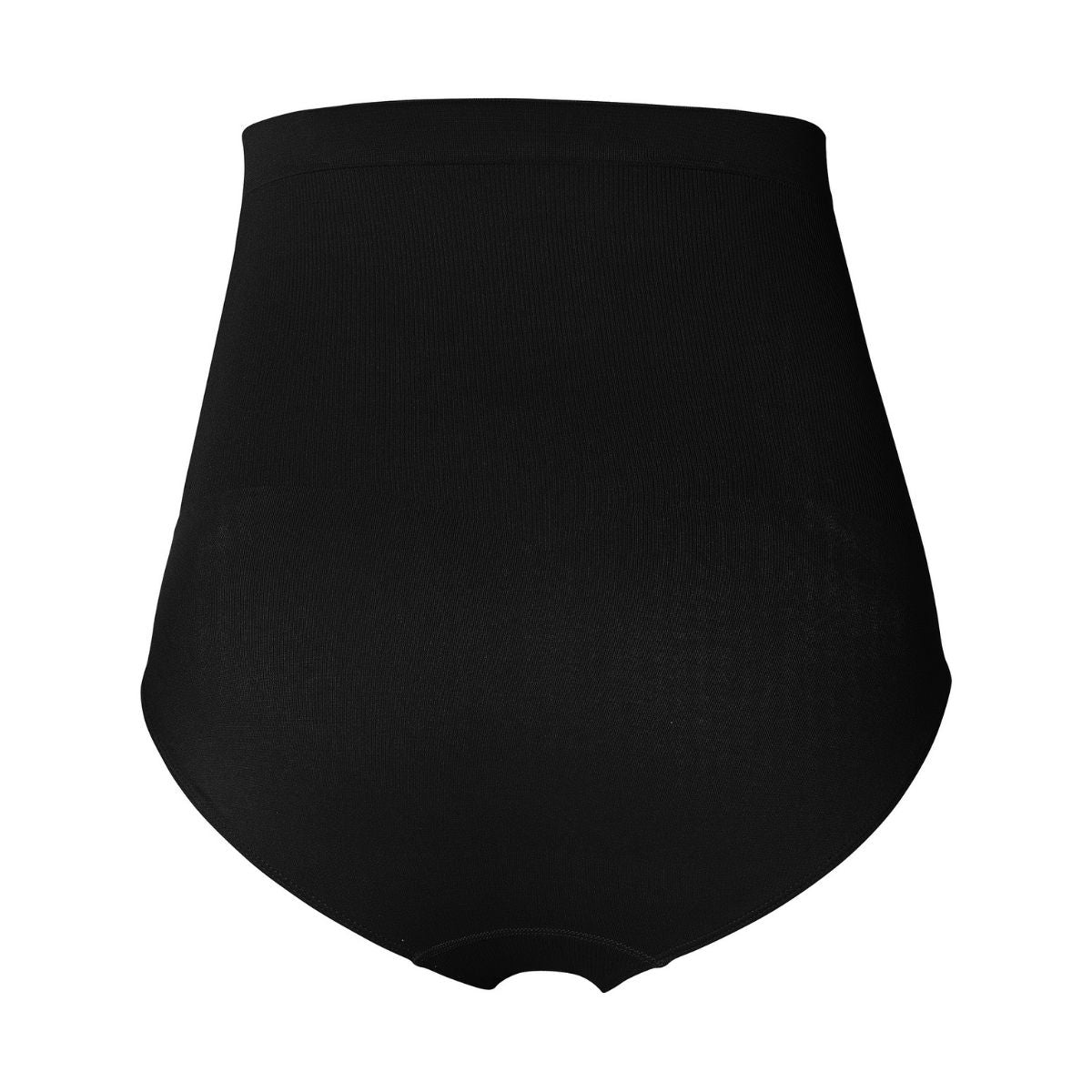
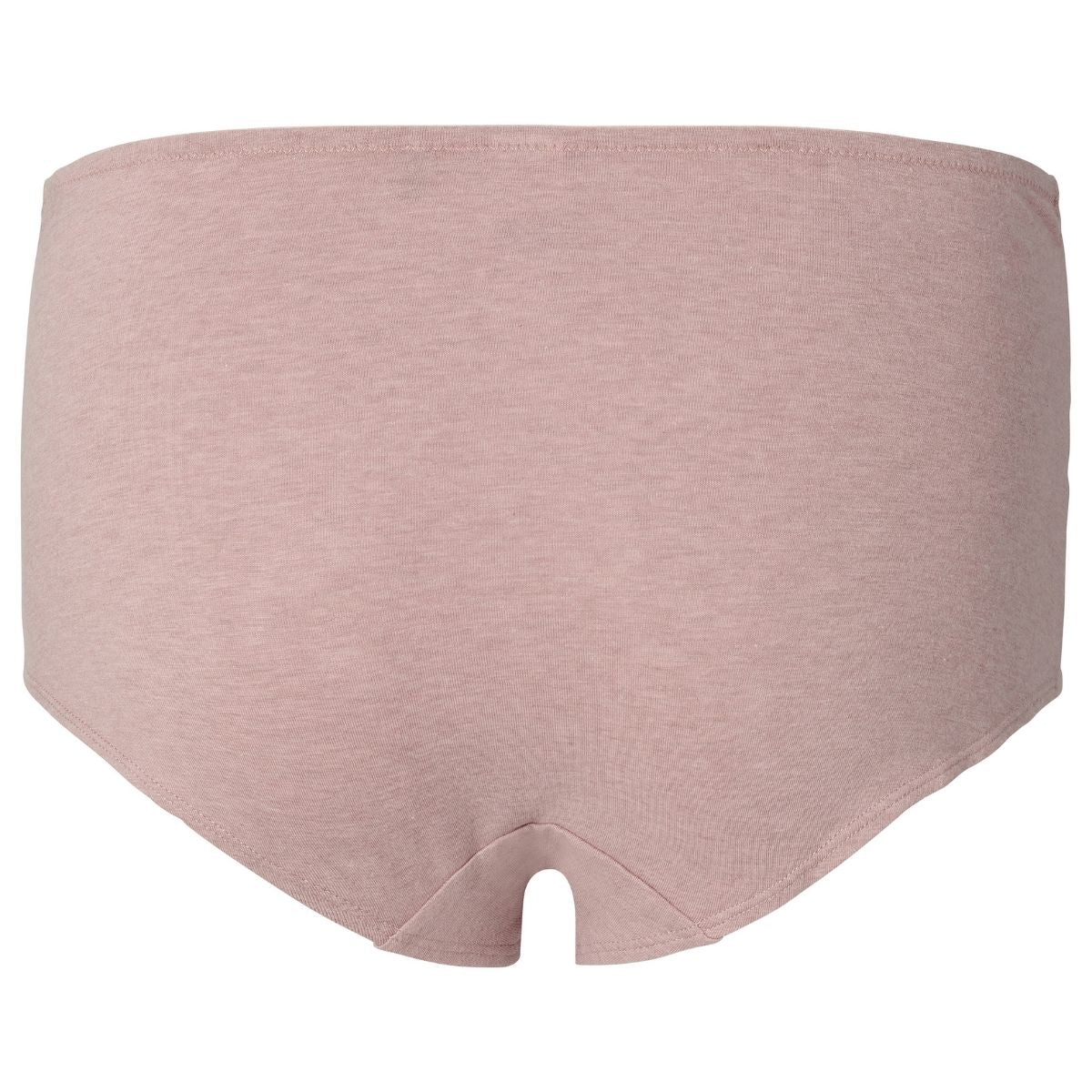
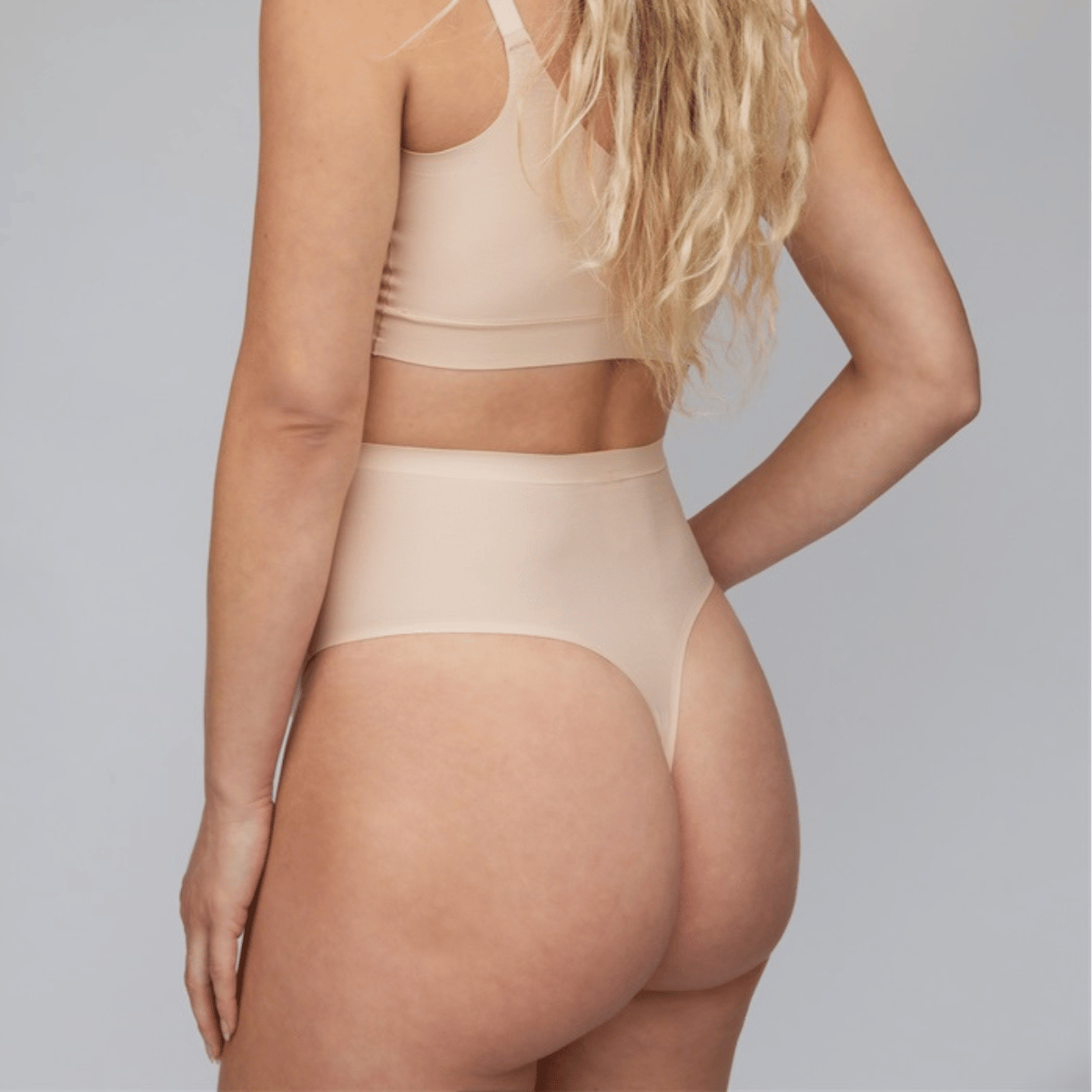
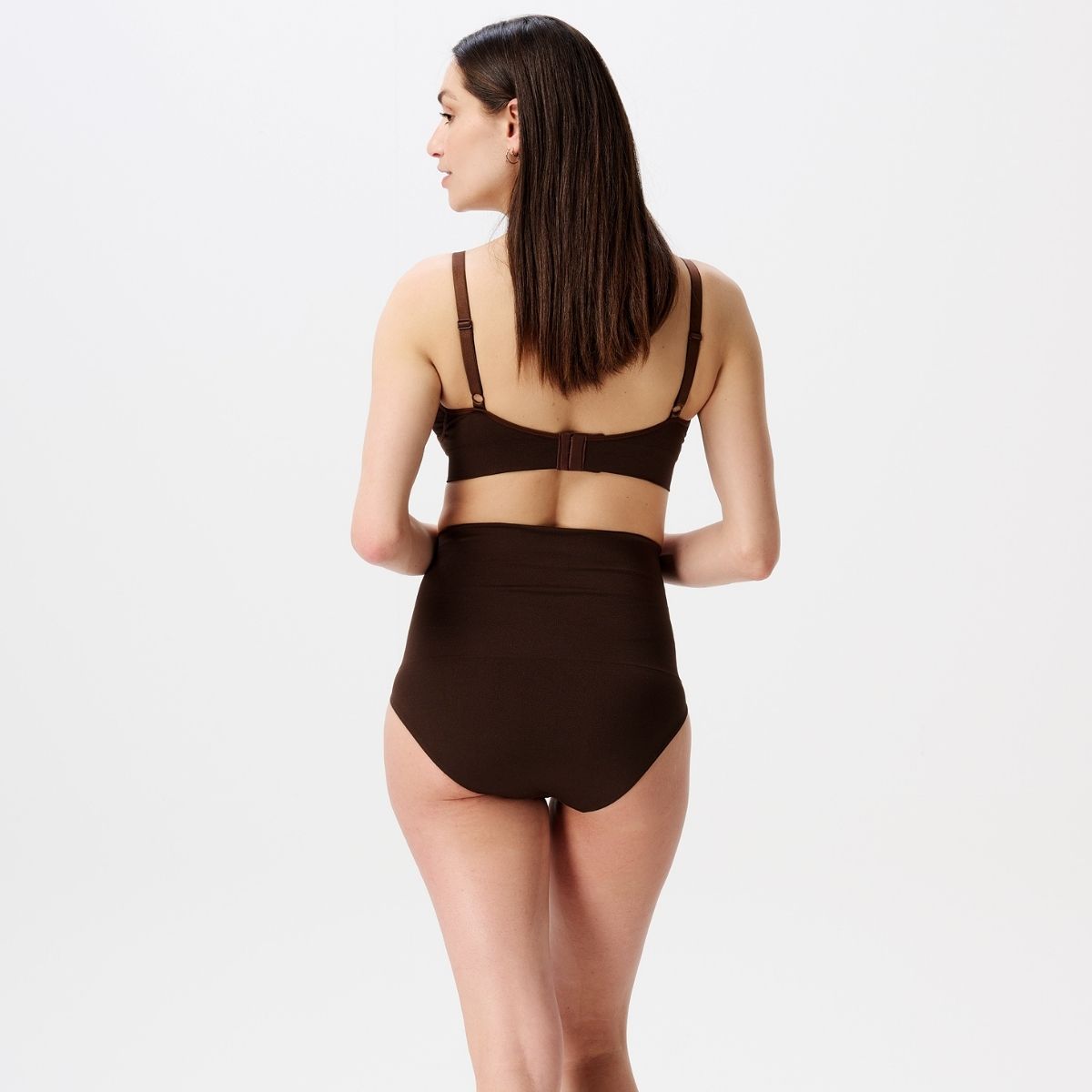
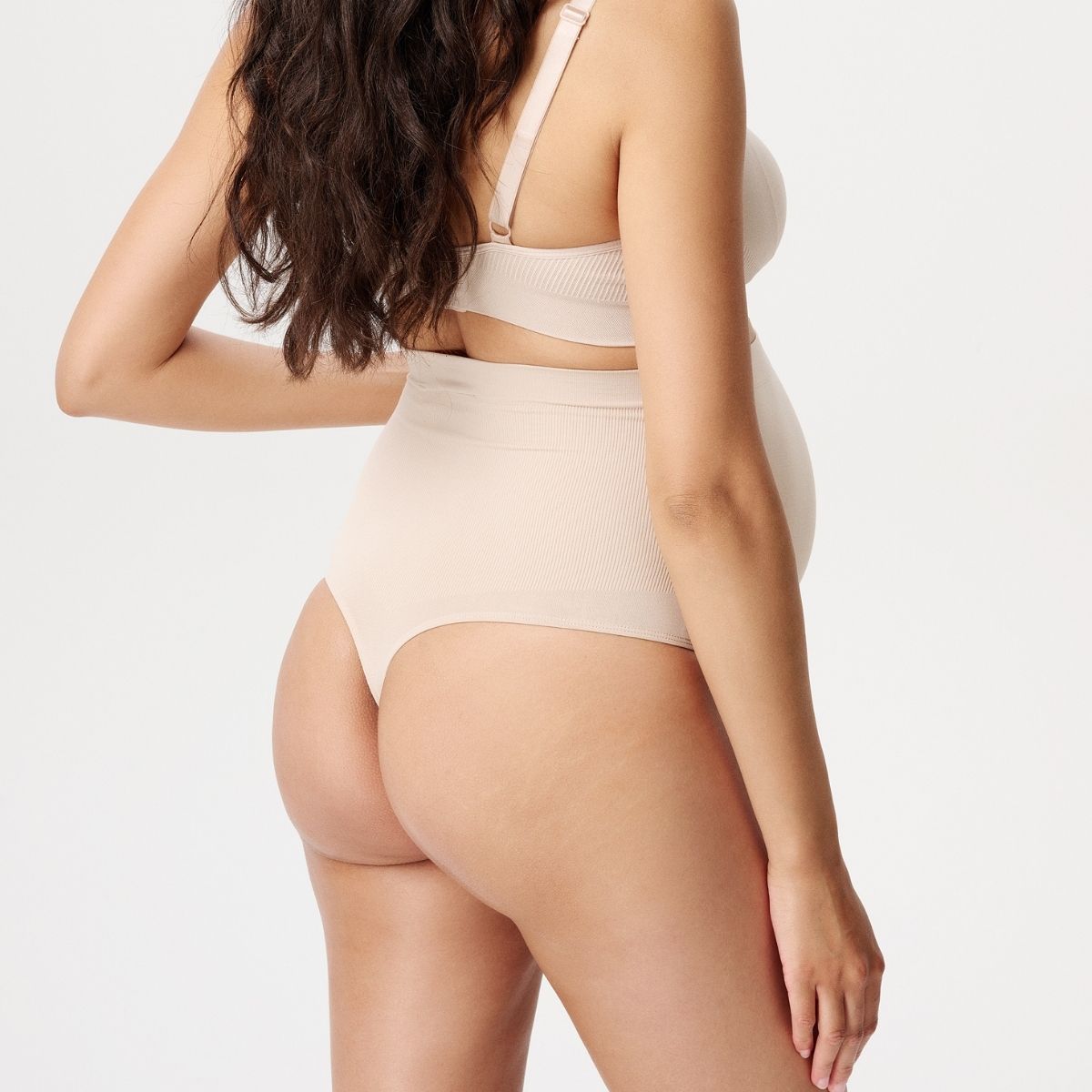
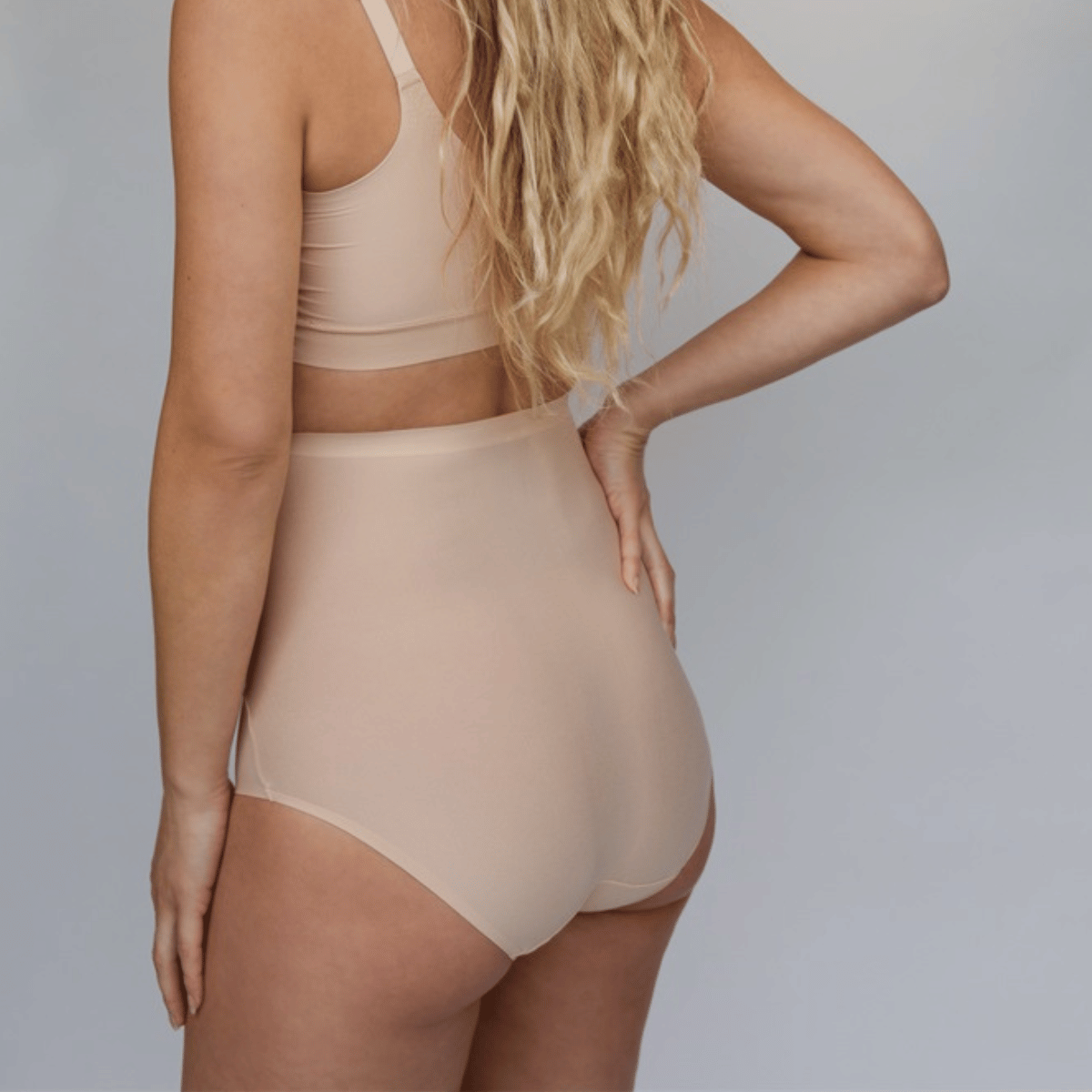
- Back coverage: A fuller back panel sits differently from a style with less fabric. This can affect how the panties lie beneath clothing and whether they shift as you move.
- Wide or narrow sides: The width of the side panels determines how the fabric is distributed across your hips and how the front and back panels connect.
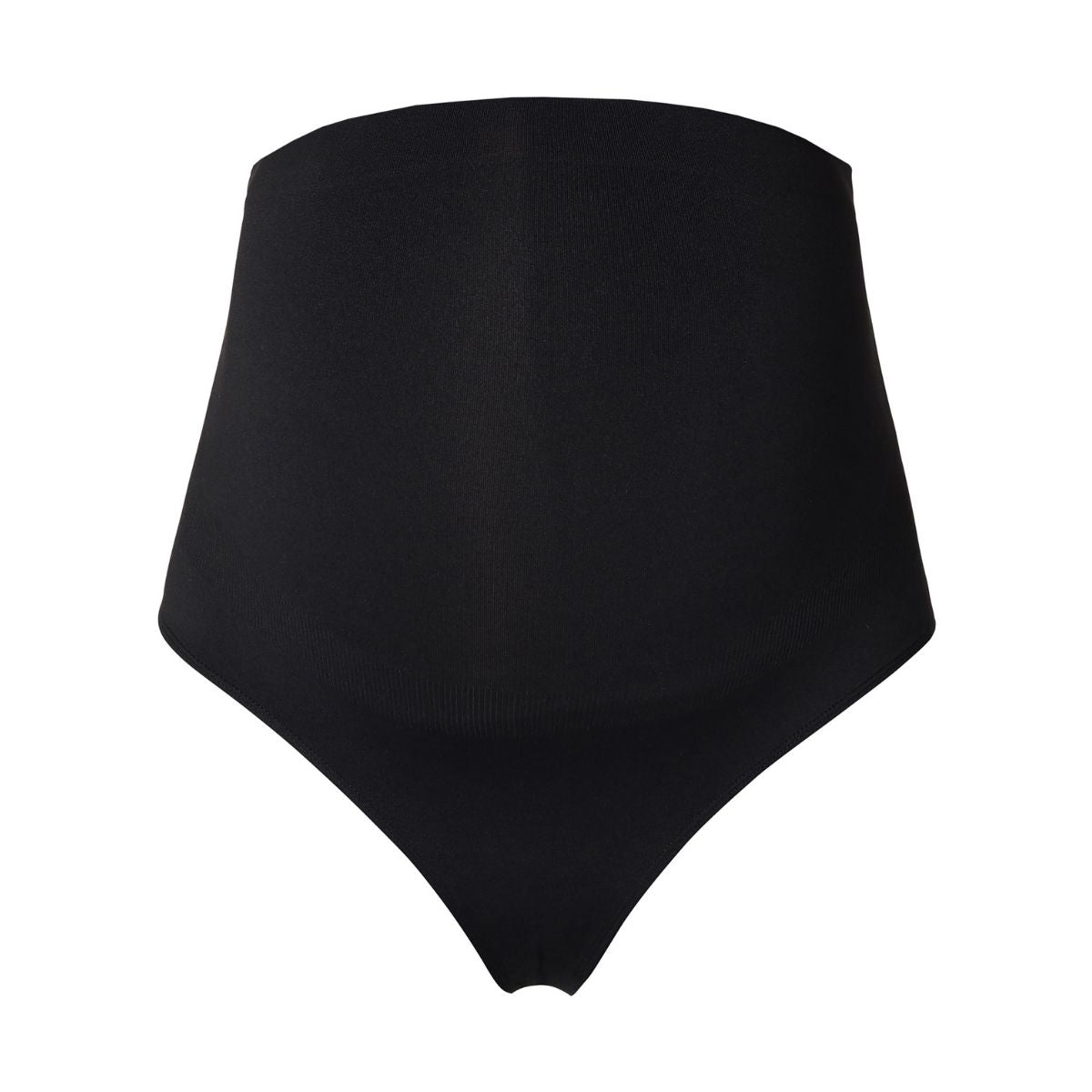
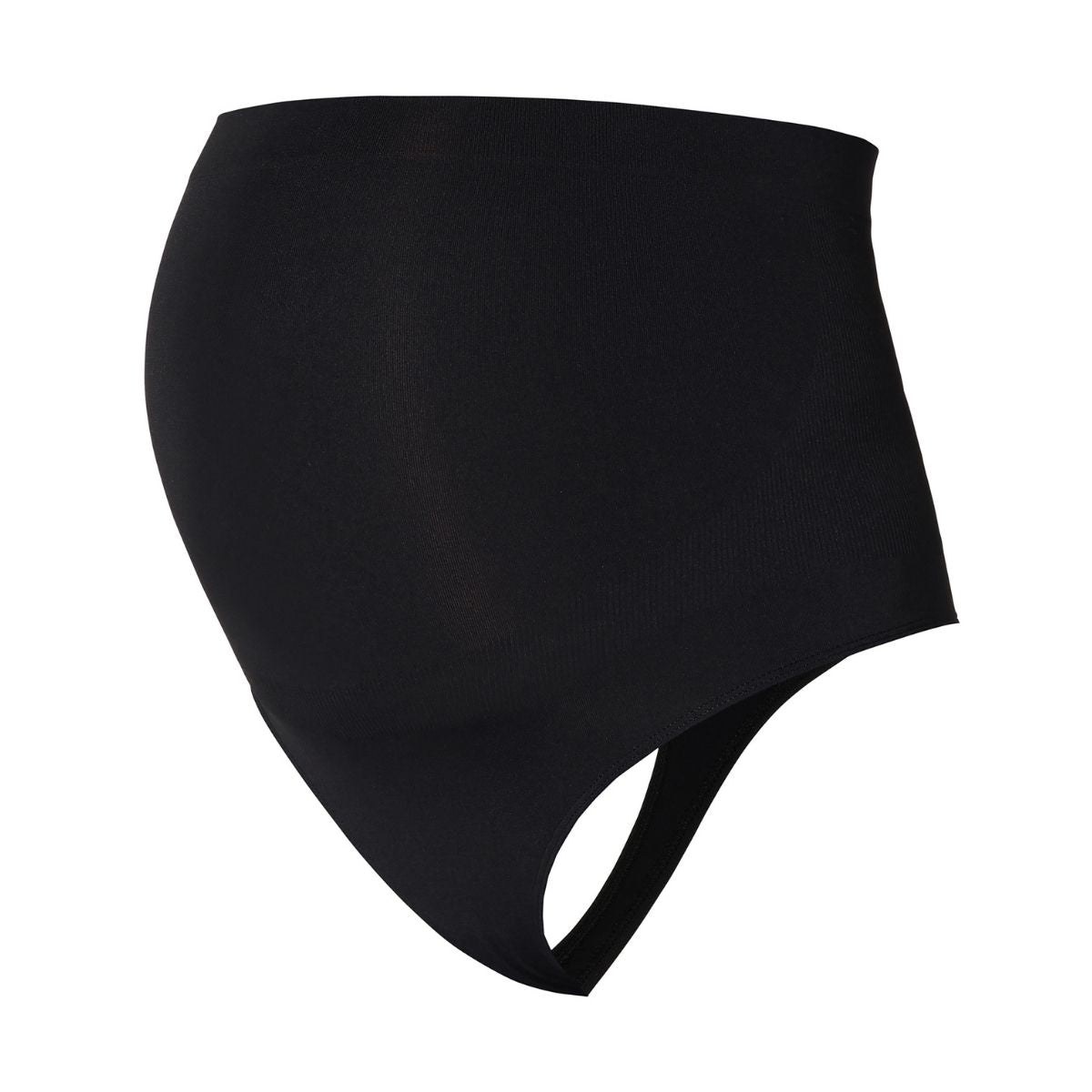
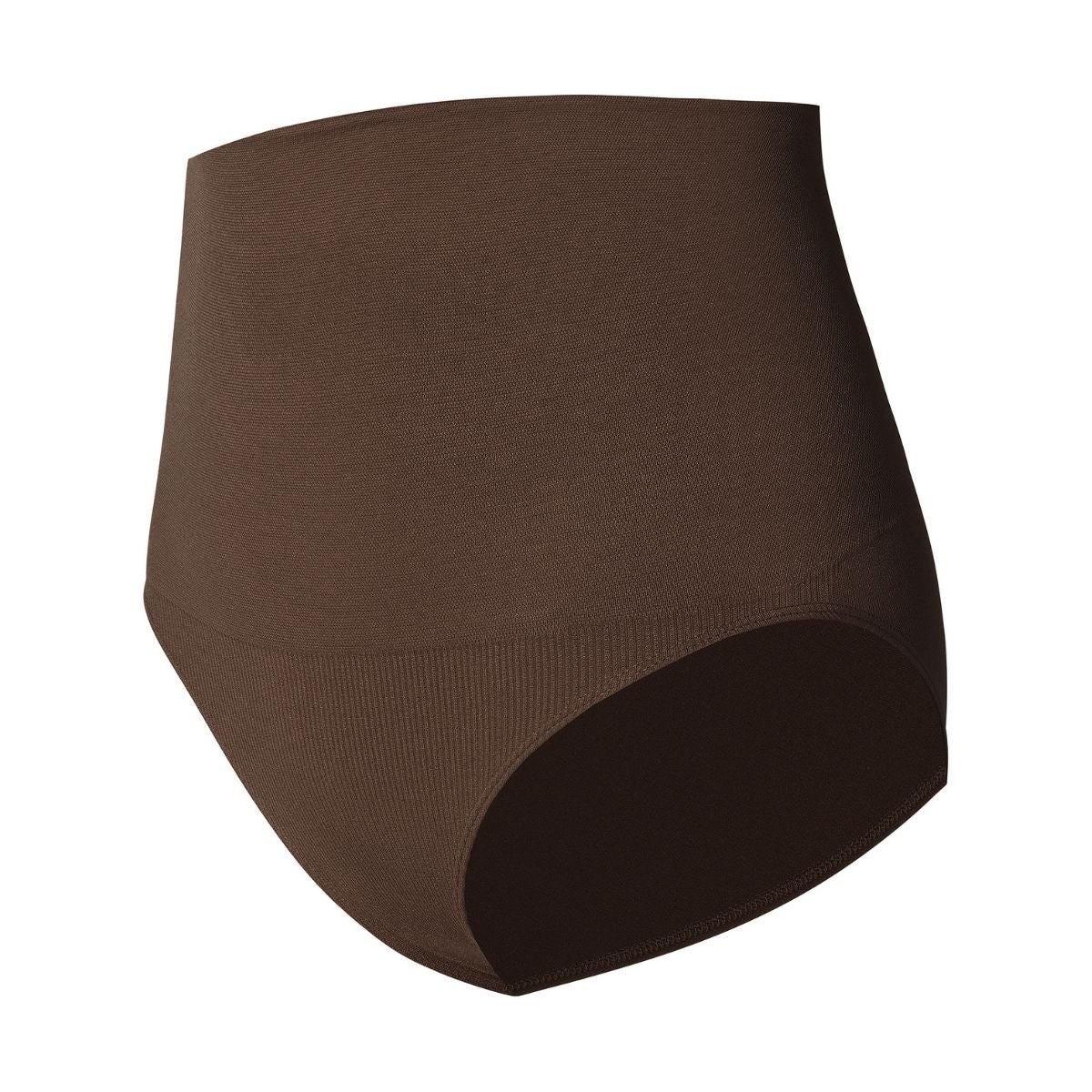
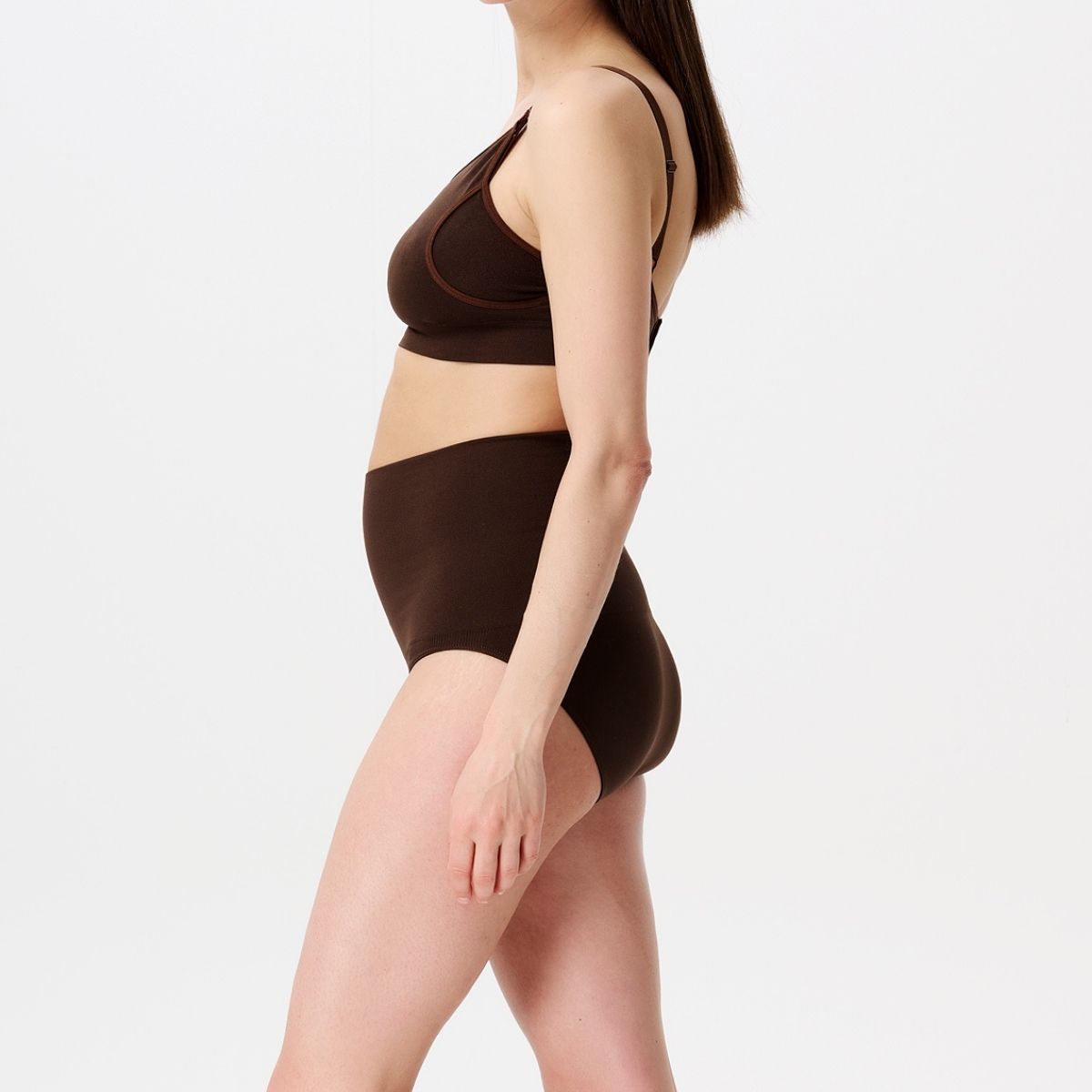
If your regular underwear often shifts during the day, it may be worth considering a different cut. Product photographs showing the front, sides and back provide a clearer impression of the design than a single image. No particular leg opening or level of coverage is right for everyone, however.
Waistbands, seams and leg edges
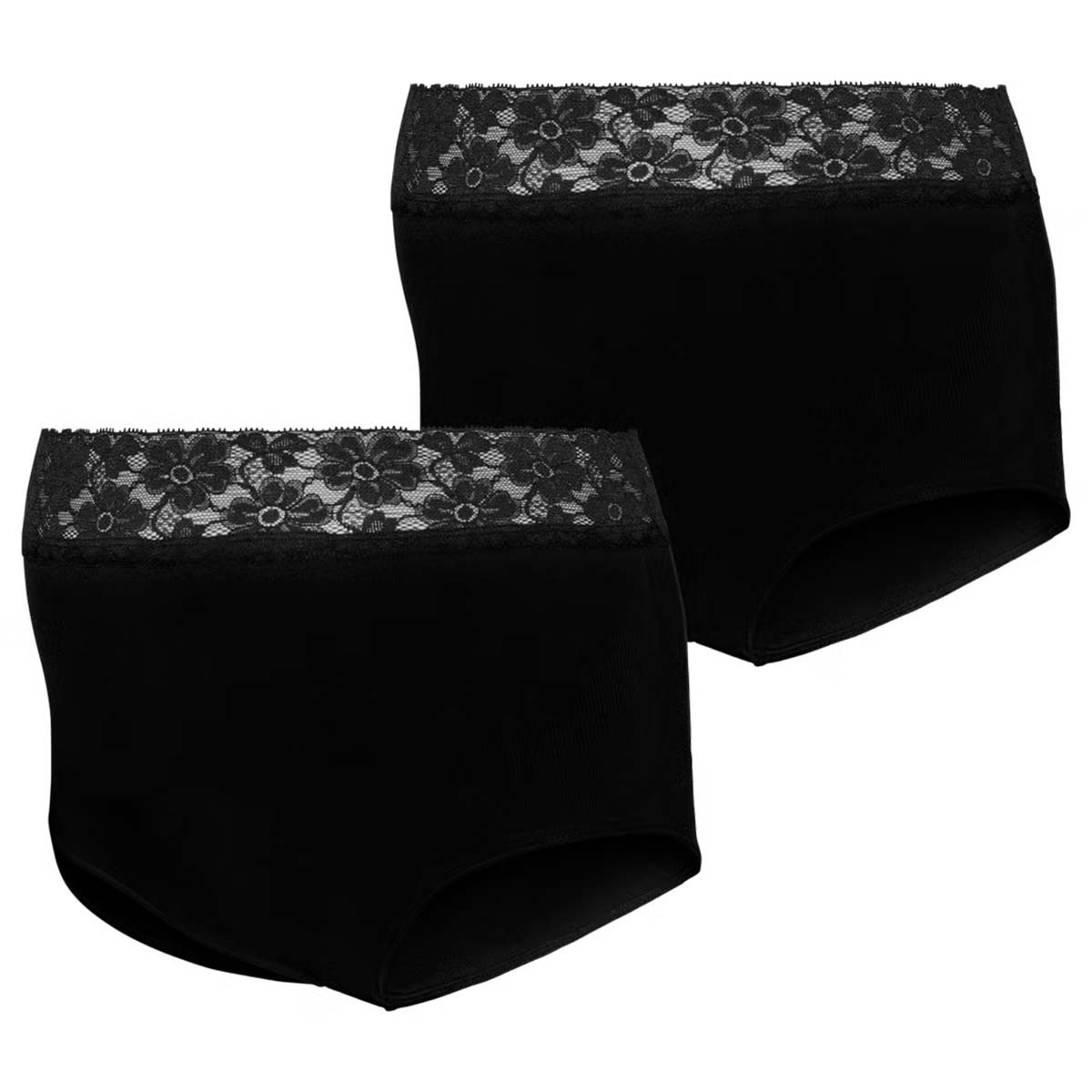
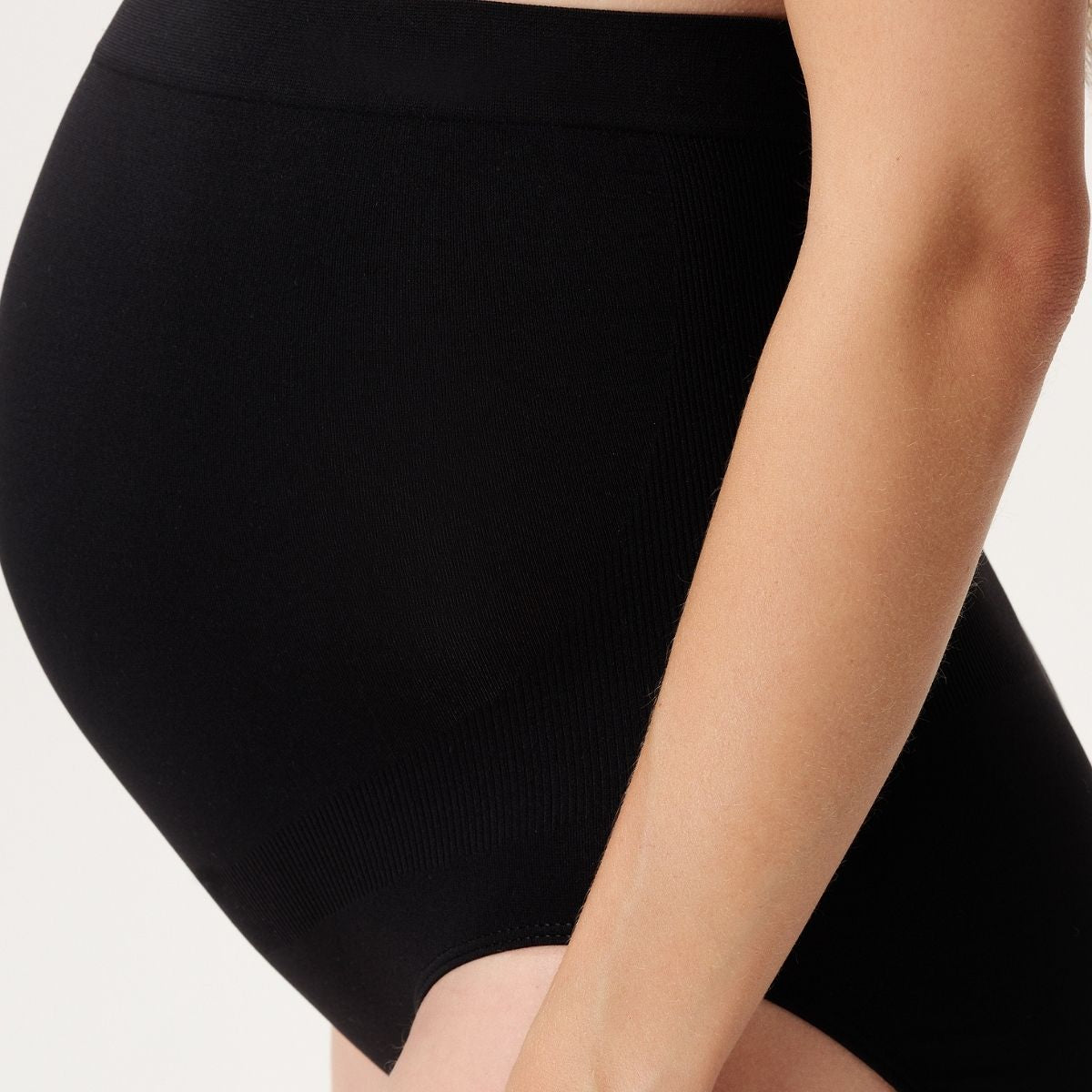
A wide waistband and a narrow elastic edge can feel very different, even when the panties have the same waist height. A wide waistband spreads contact over a larger area, but it may still feel uncomfortable if it is too tight or sits against a part of your bump where you dislike pressure. A narrow edge may work well on one design but less well on another. The result depends on the combination of placement, fabric and size.
Seams and fabric finishes are also worth examining. Some designs have flatter edges than others, which may matter when wearing close-fitting clothing. How visible the outline of your underwear becomes also depends on the thickness of the fabric and the clothes worn over it. Around the legs, the edges should feel neither too tight nor so loose that the fabric shifts. As a result, maternity panties with the same waist height can fit quite differently.
Fabrics, stretch and finding the right size
Maternity panties can be made from different fabric blends, and the amount of stretch influences how the material adapts to your body. Elastane can contribute to flexibility, but fabric composition alone cannot tell you whether a pair of panties will fit well. The cut, construction and size need to work together, and the same size may feel different across styles.
Use the size guide for the individual product rather than automatically ordering a size larger. Some designs use your pre-pregnancy clothing size as a reference, while others should be selected according to your current body measurements. If the manufacturer provides hip measurements, comparing them with your own can be helpful. A larger size may offer more room at the front but could also result in a looser fit around your hips and bottom.
If you already own maternity panties that you like, use them as a point of comparison. Look at the waist height, leg openings and how much coverage they provide at the back. This makes it easier to judge whether a new style resembles one you know or whether you are deliberately choosing a different fit.
What to check before ordering maternity panties online
Product descriptions and photographs can tell you a great deal about the shape of maternity panties, but not exactly how they will fit your body. Check the measurements provided and look at photographs from several angles. If you are deciding between two designs, compare the height of the front panel, the width of the sides and the leg openings rather than relying on the size label alone.
Also check the retailer's terms before ordering several pairs. Underwear may be subject to specific hygiene conditions, and sealed items may no longer be eligible for return once the hygiene seal has been broken. This is particularly important if you are considering ordering several sizes to compare the fit at home.
