



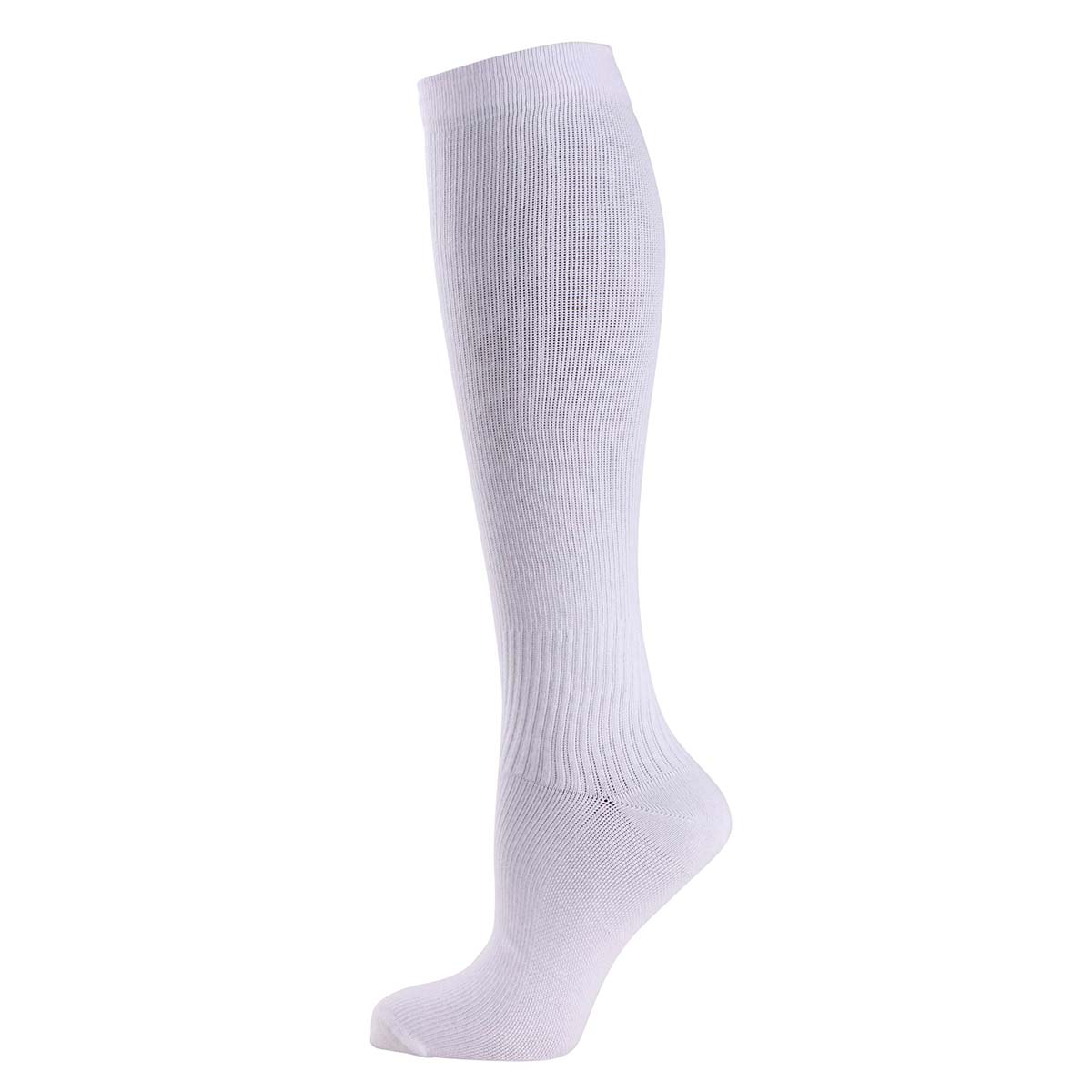
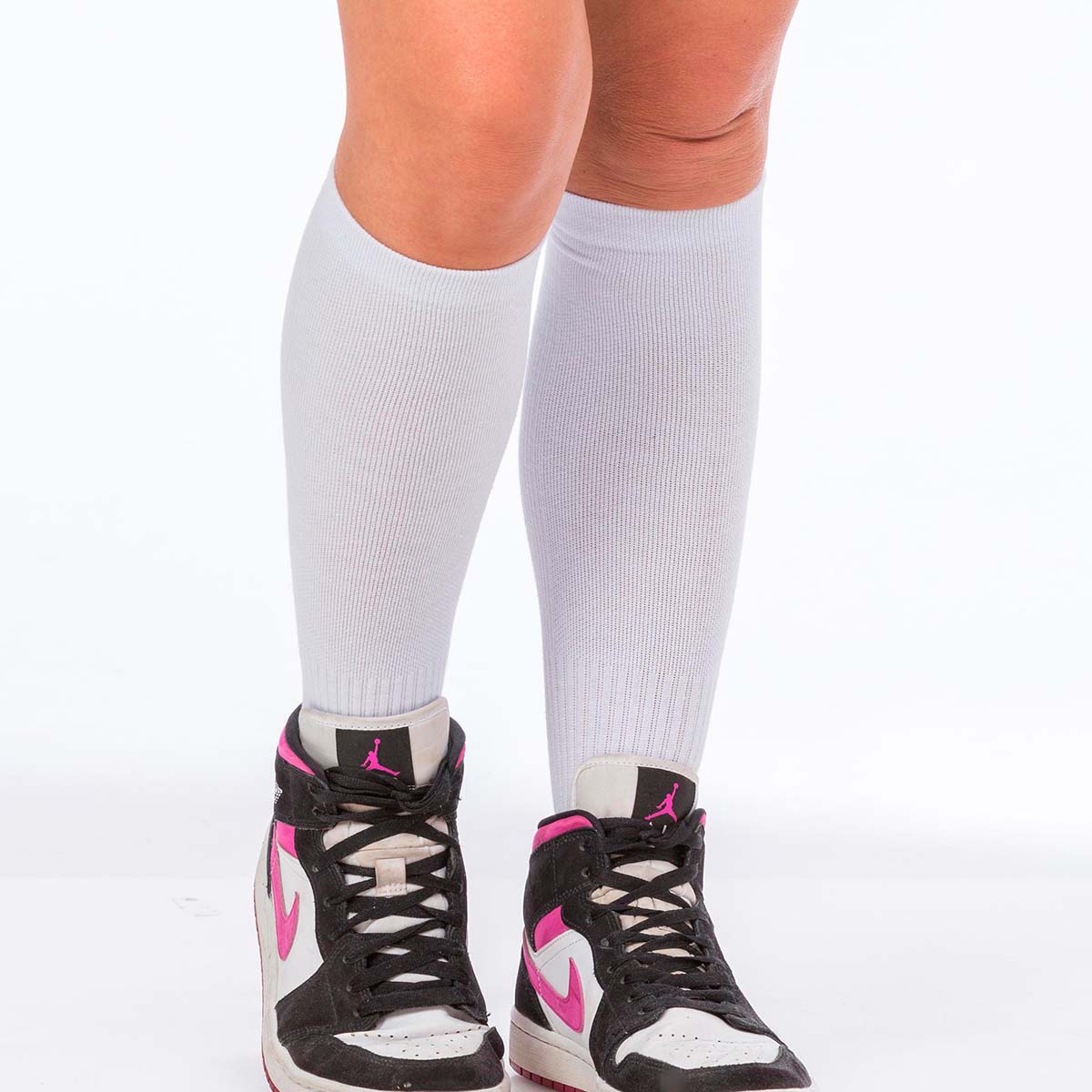
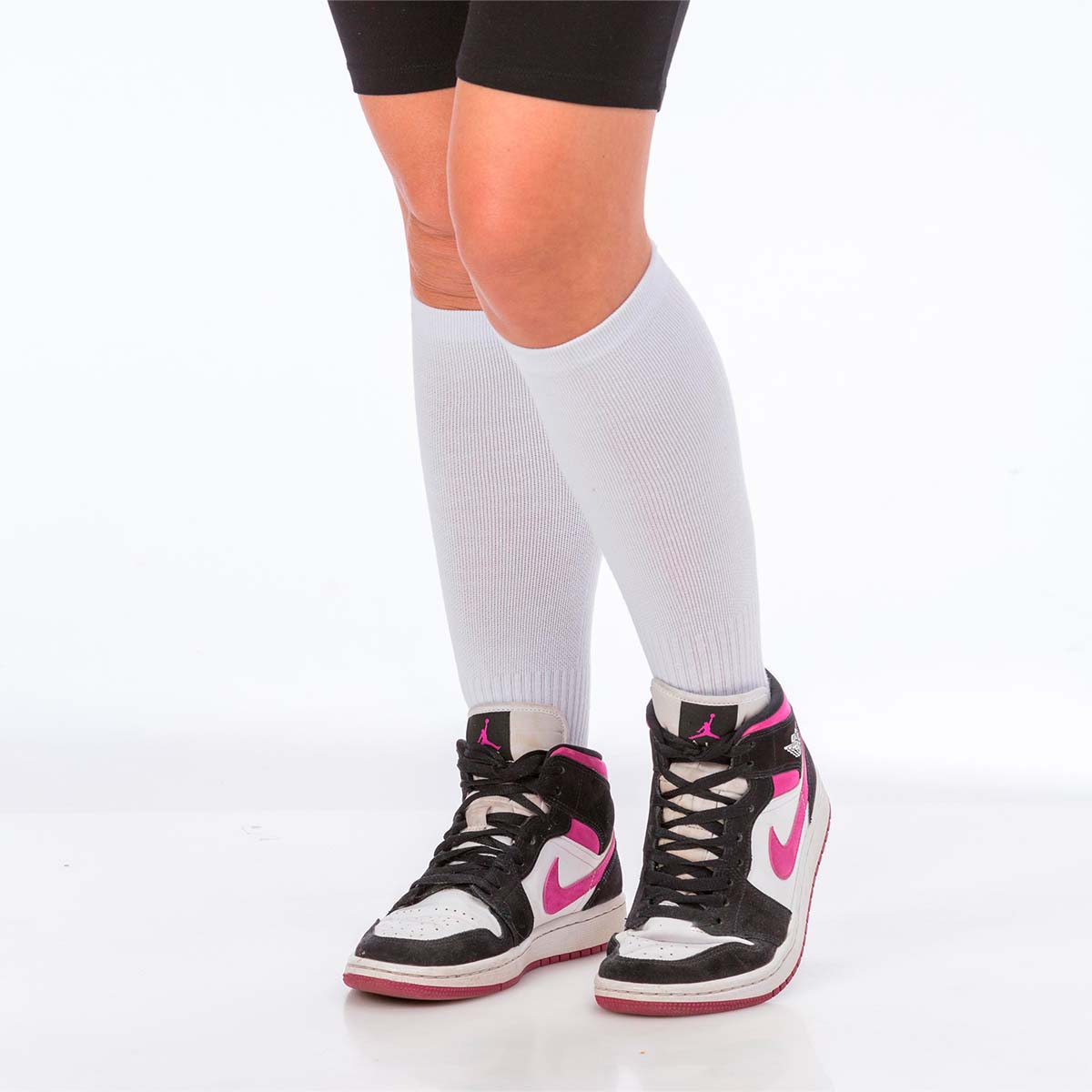
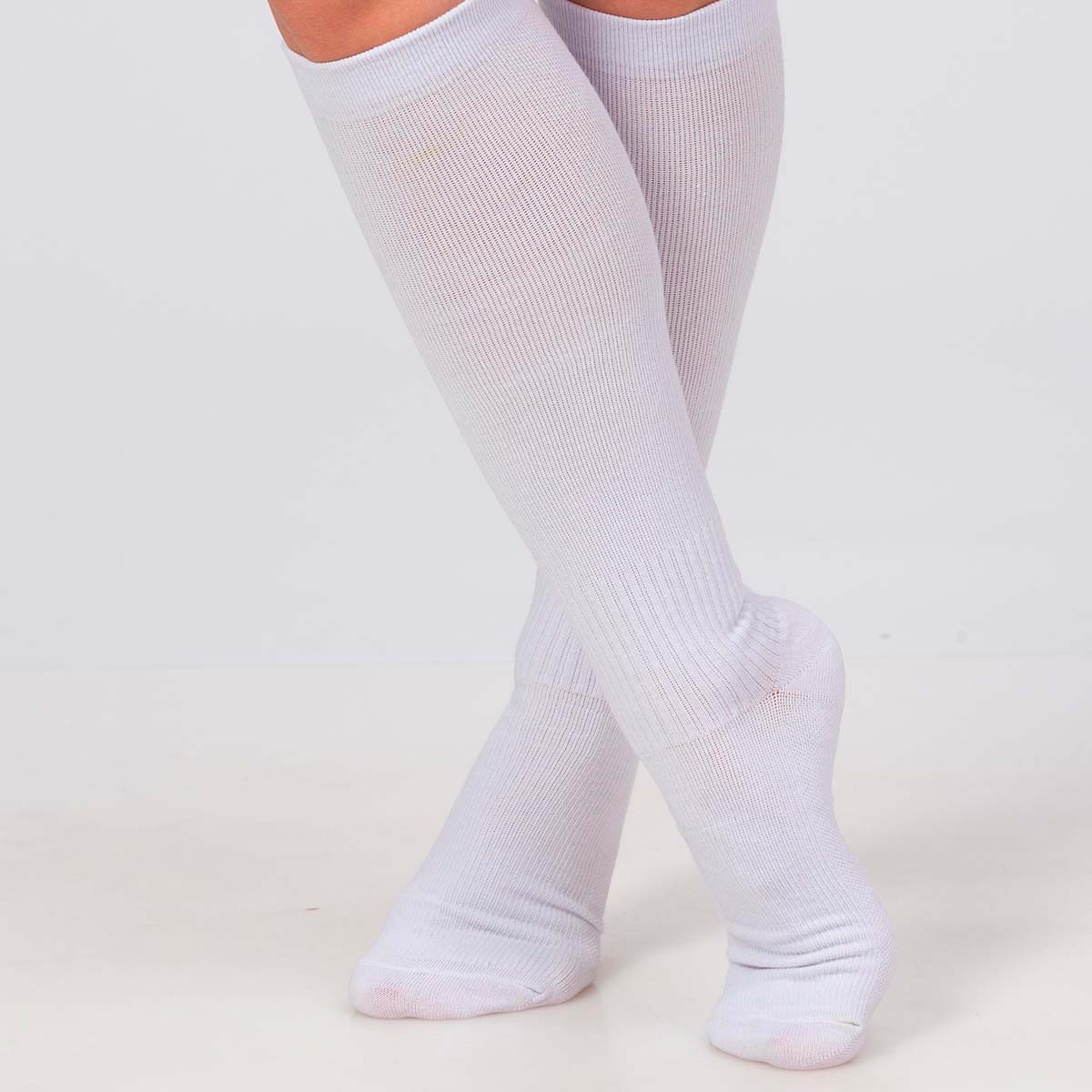
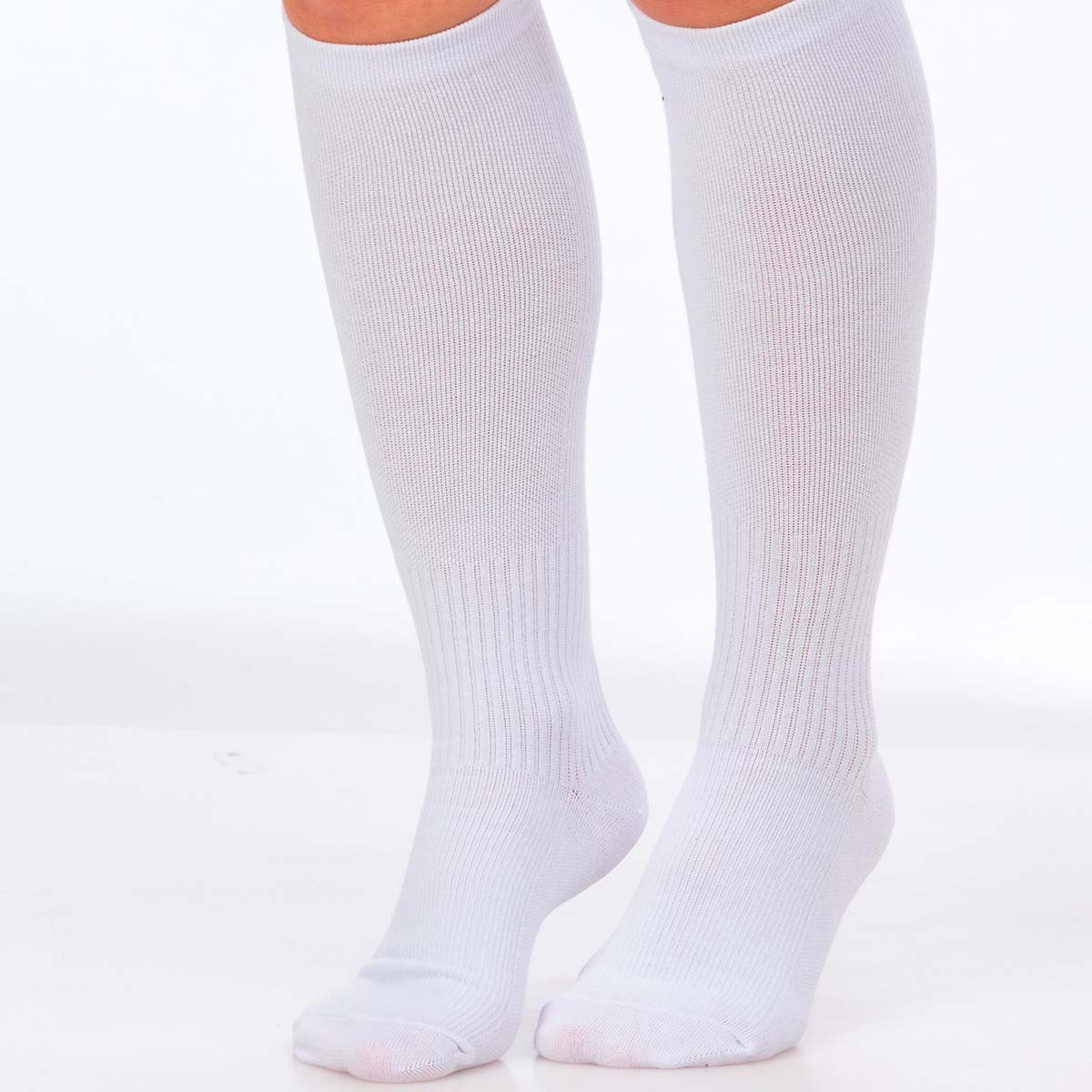
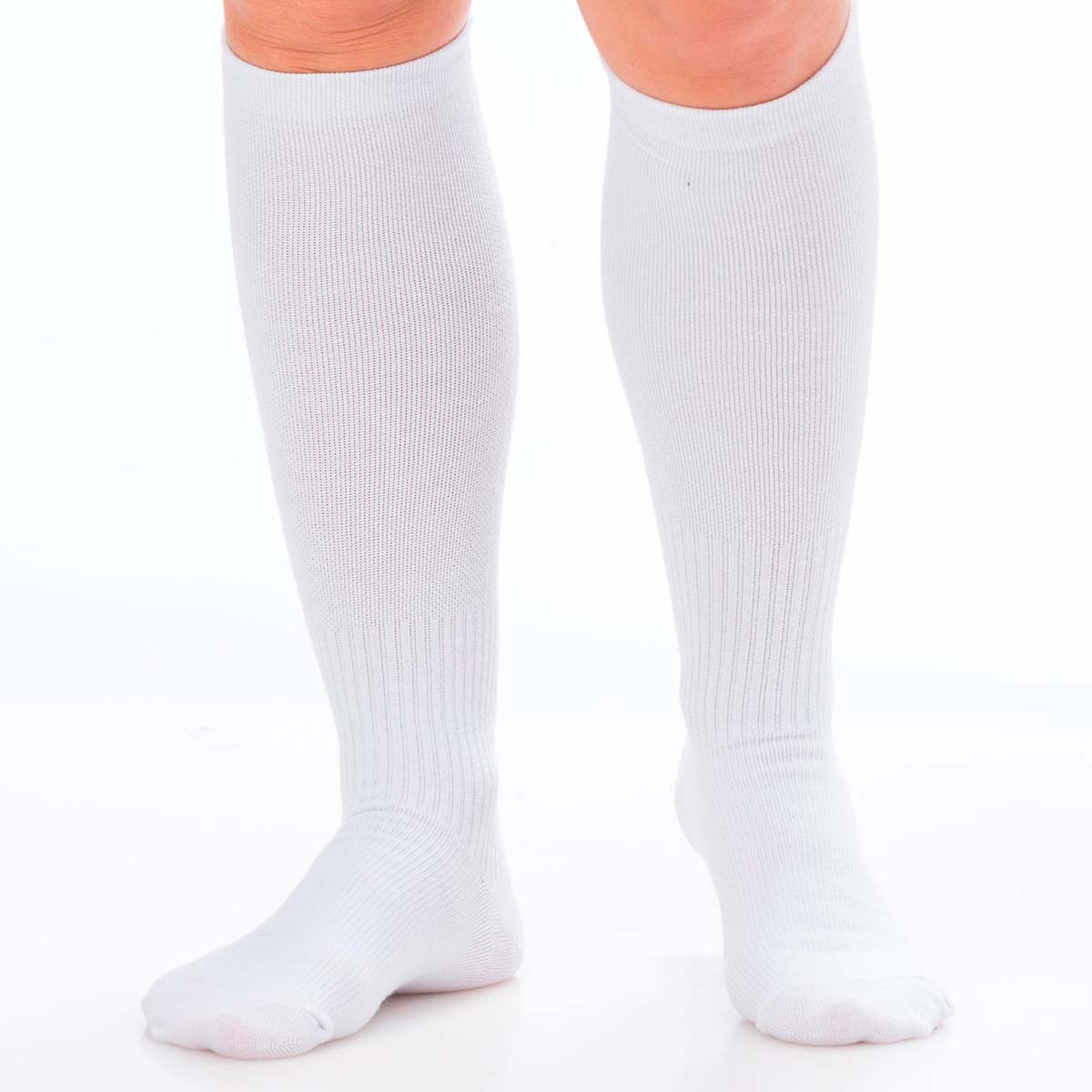
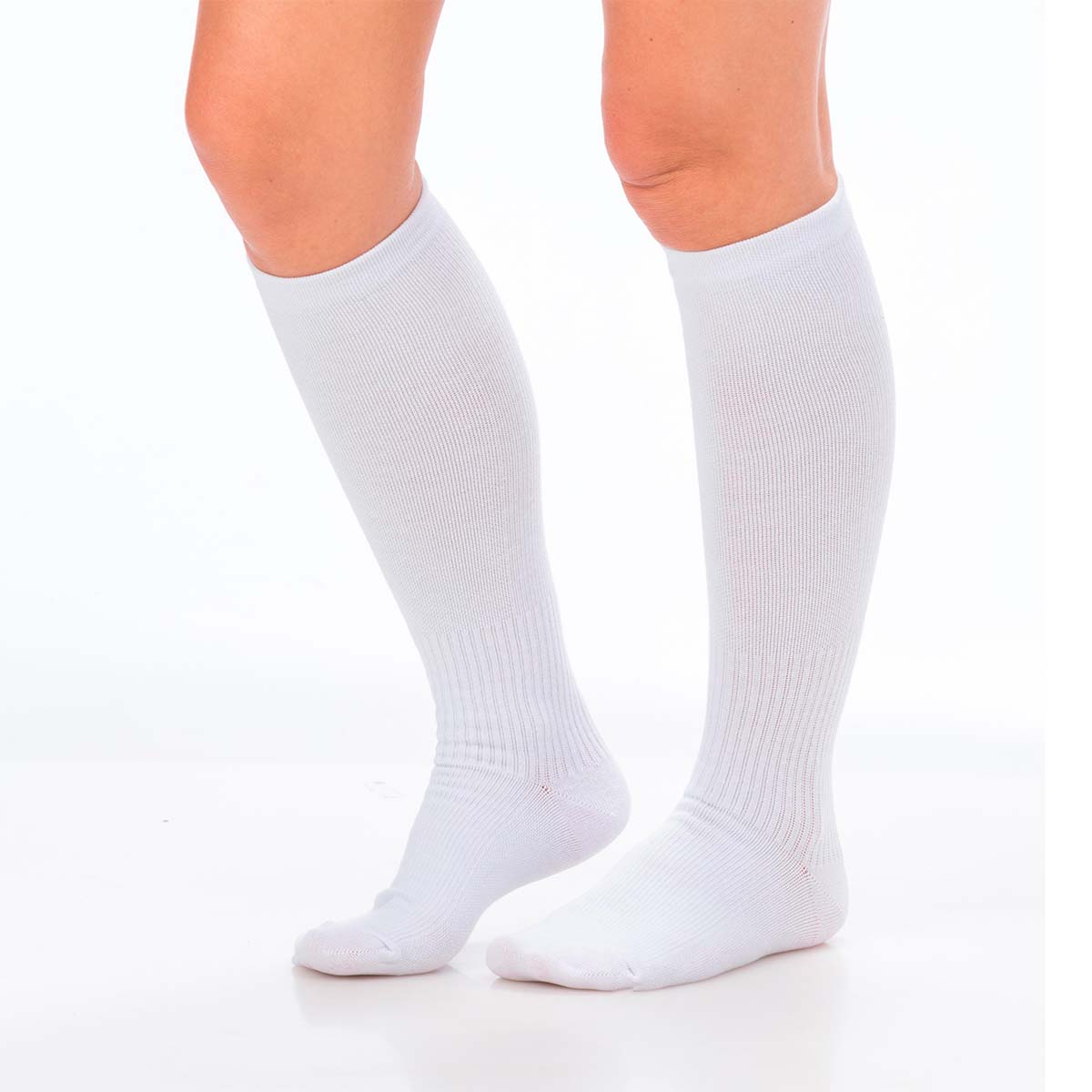
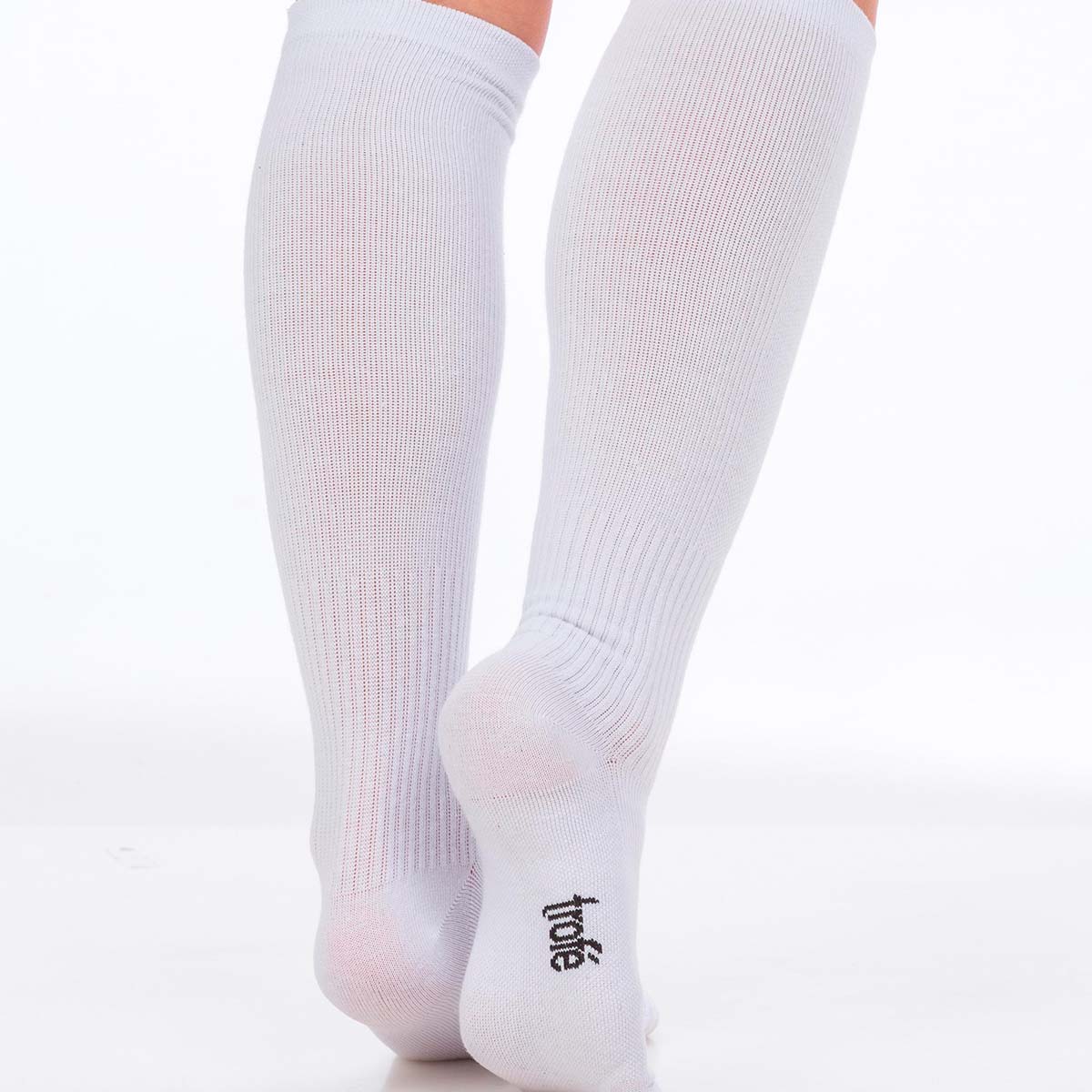
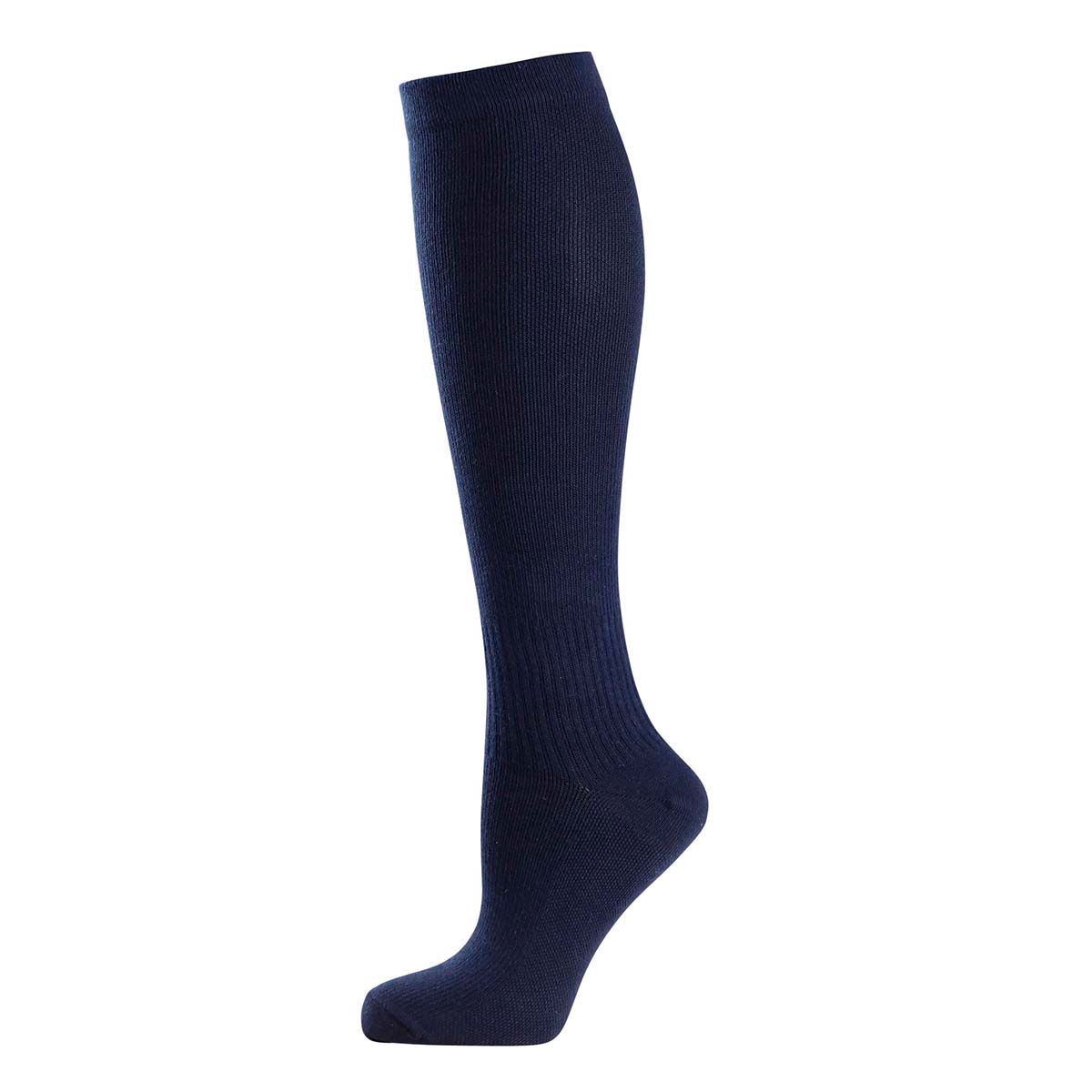
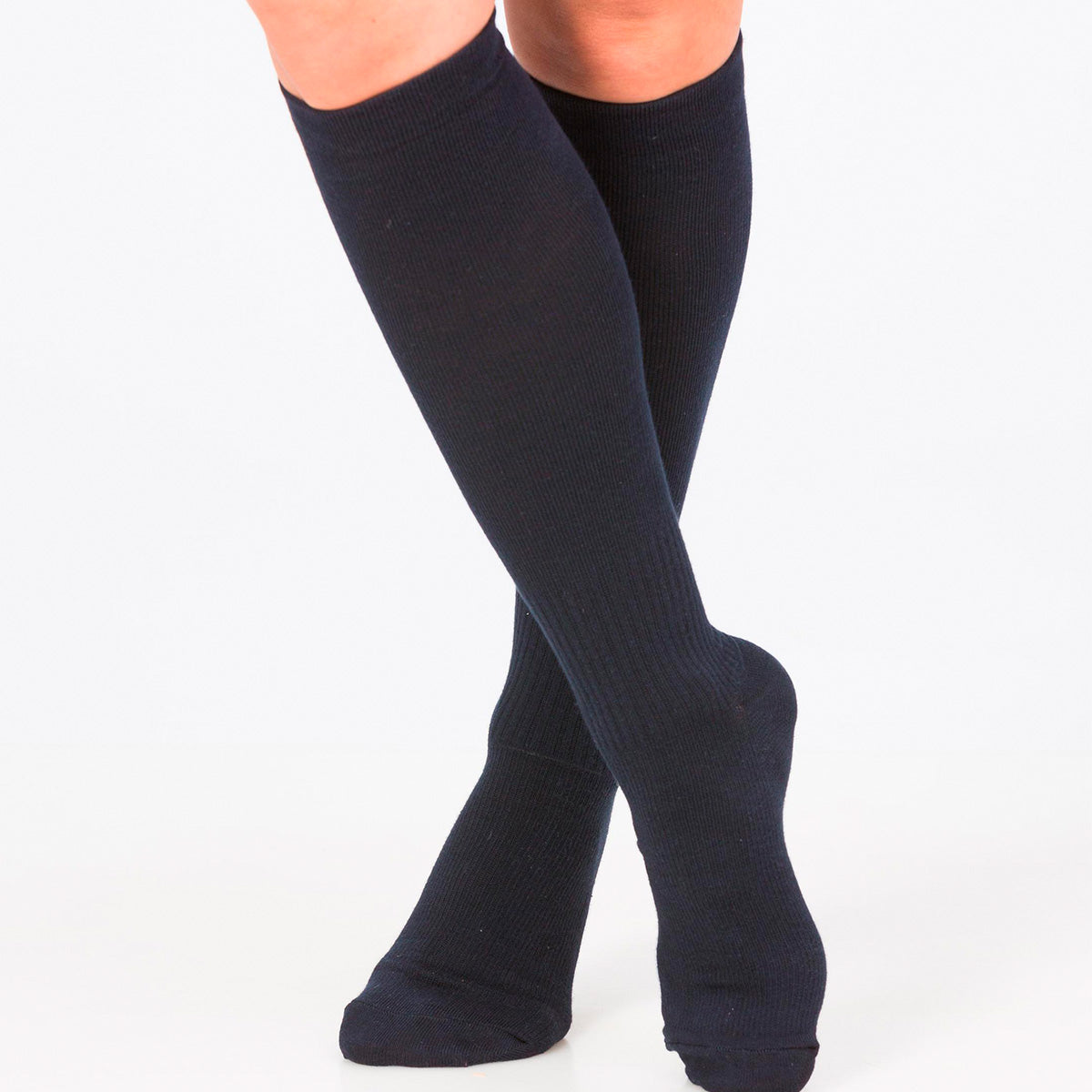
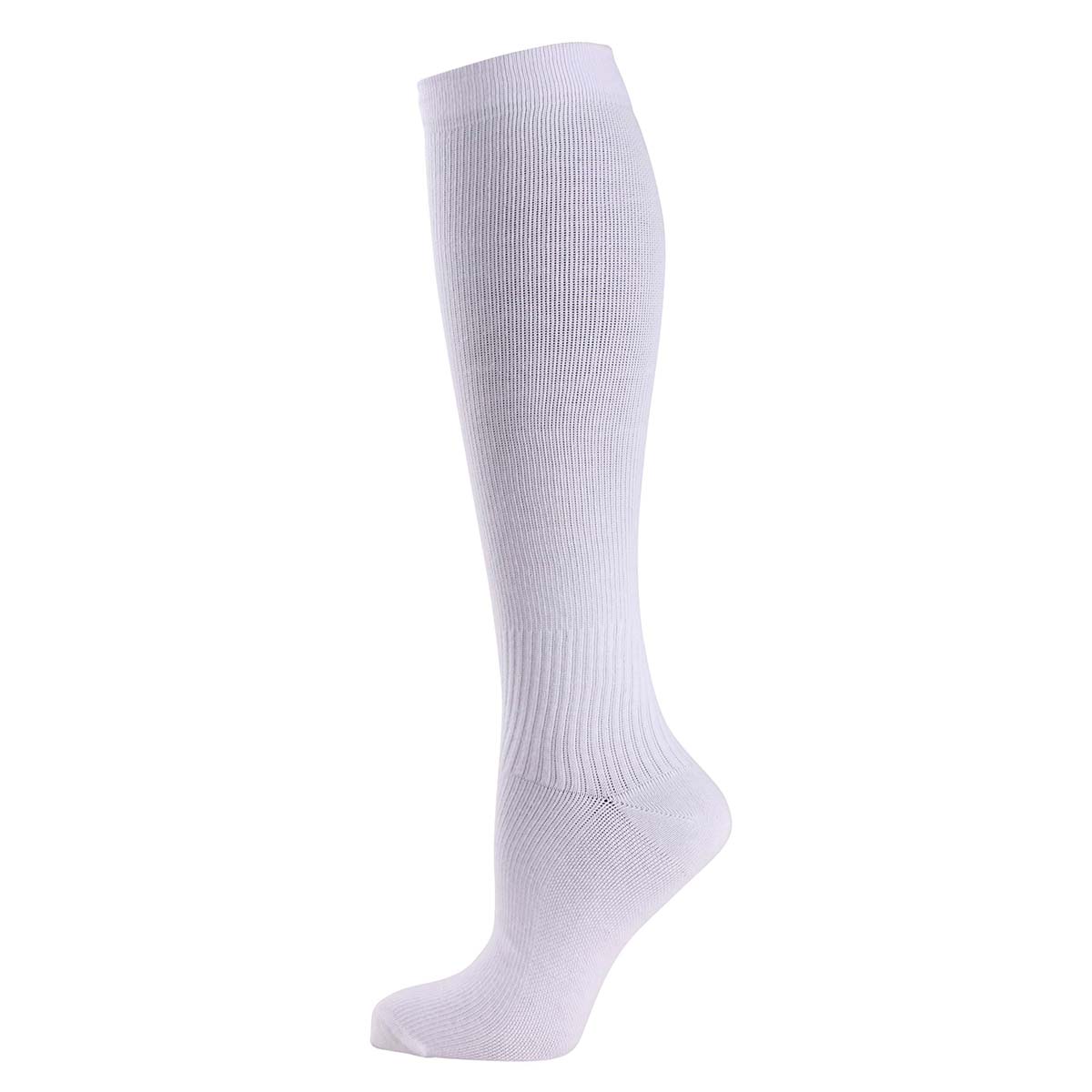
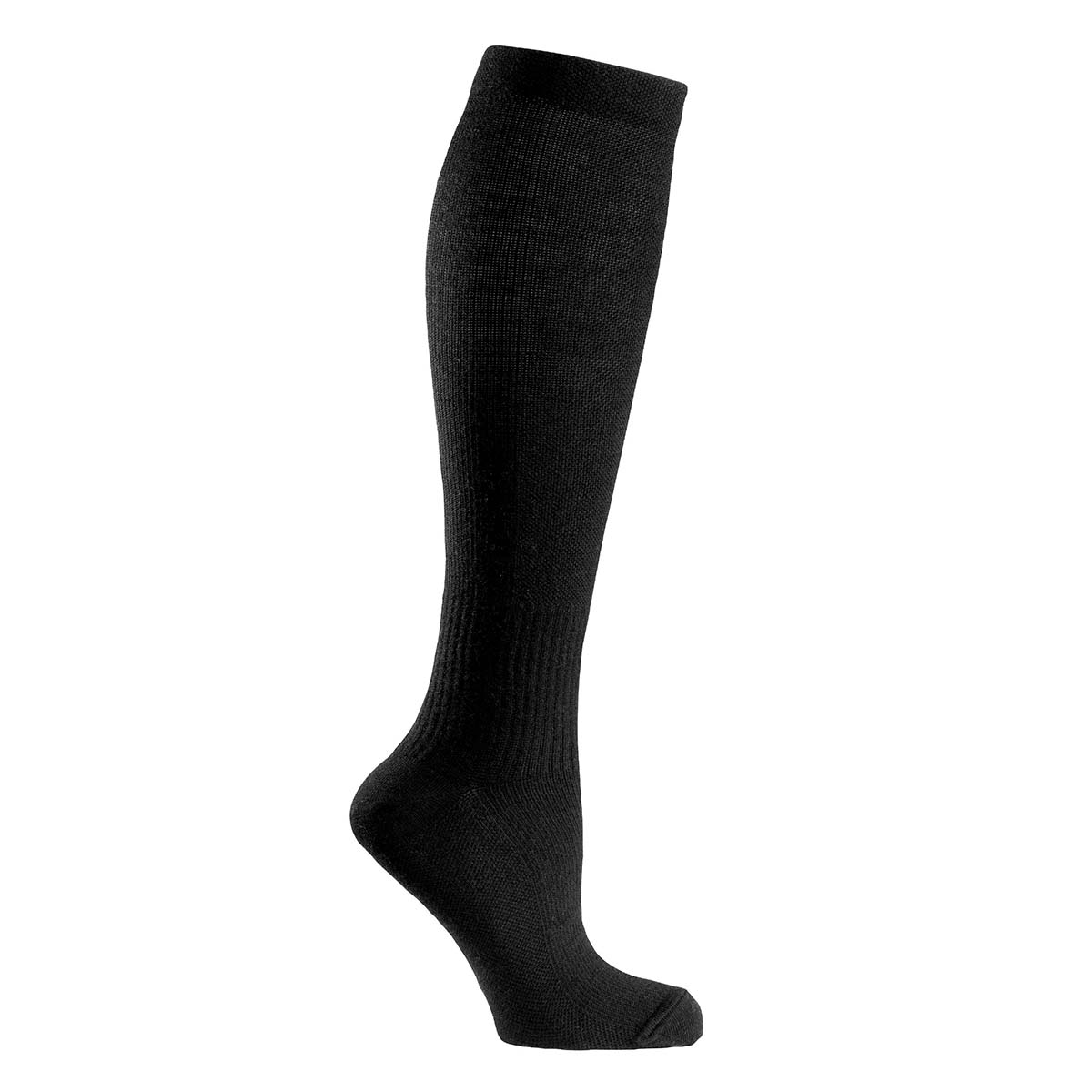


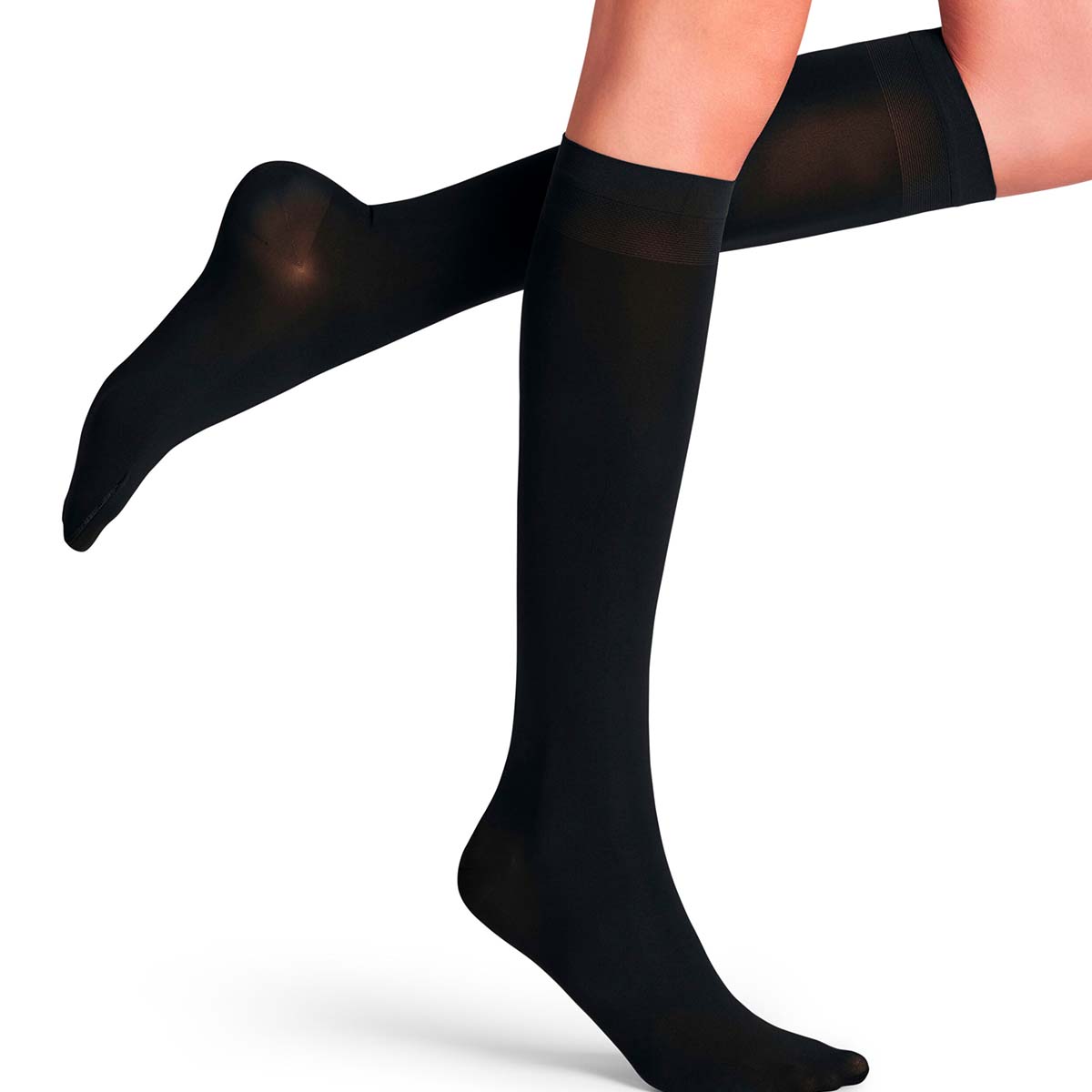
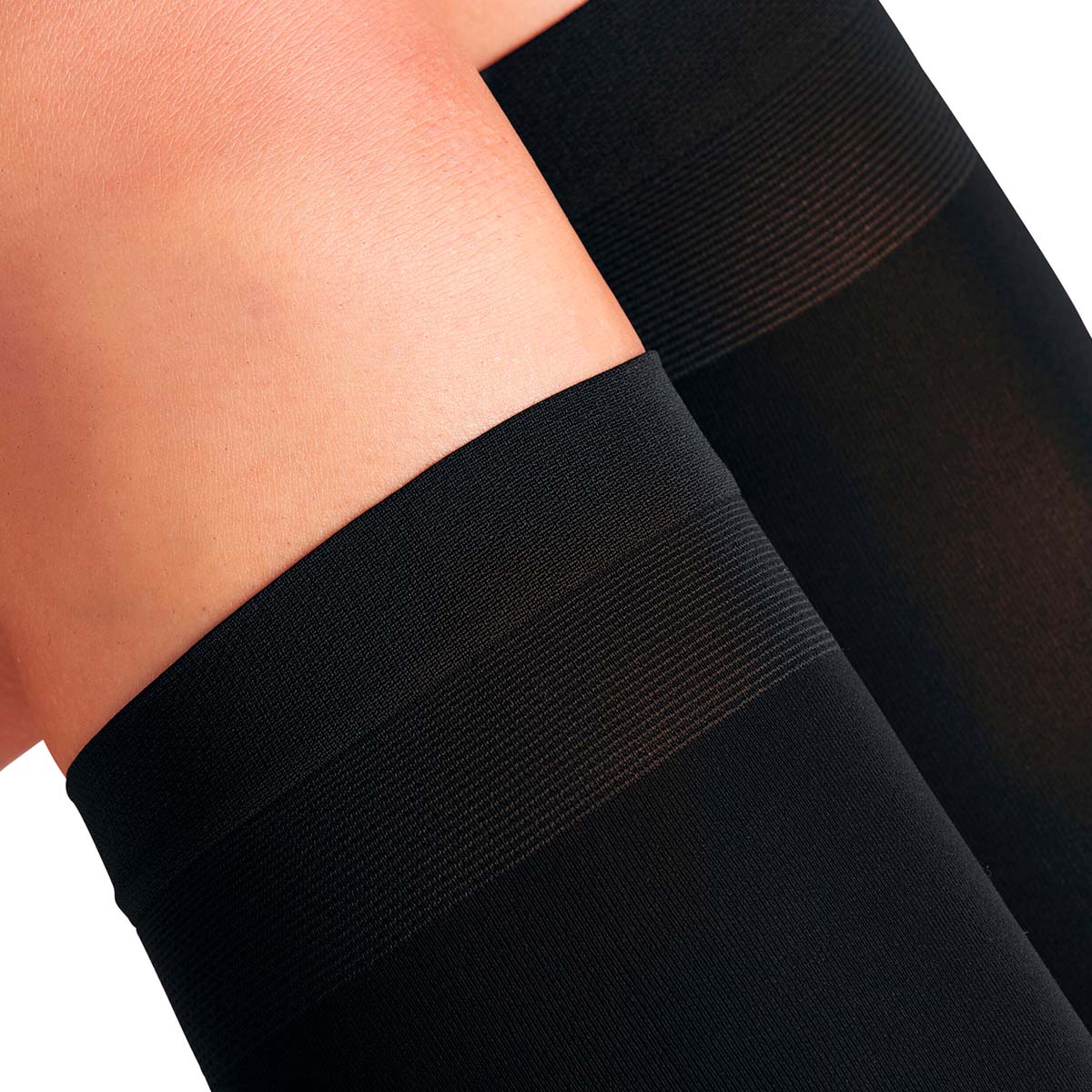
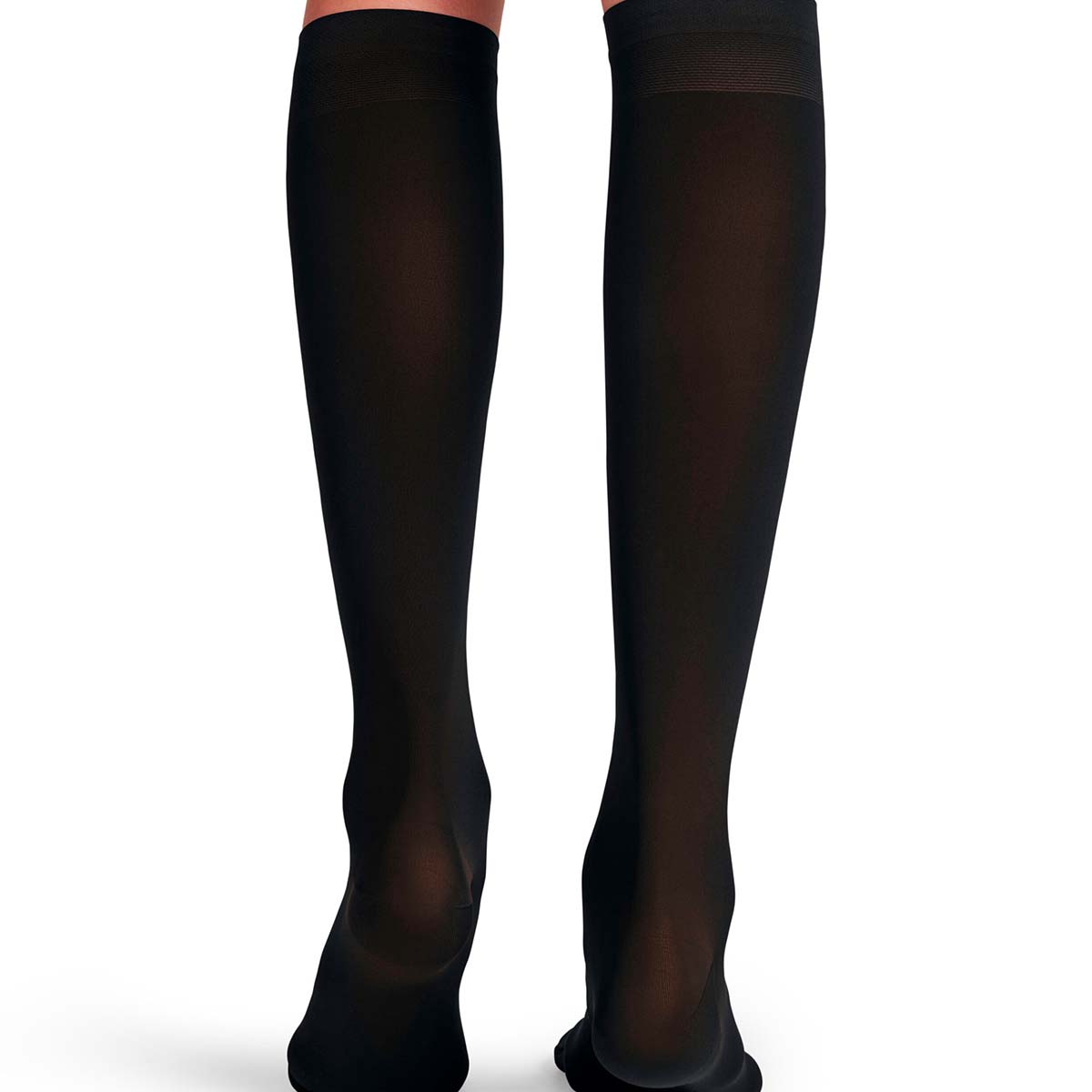
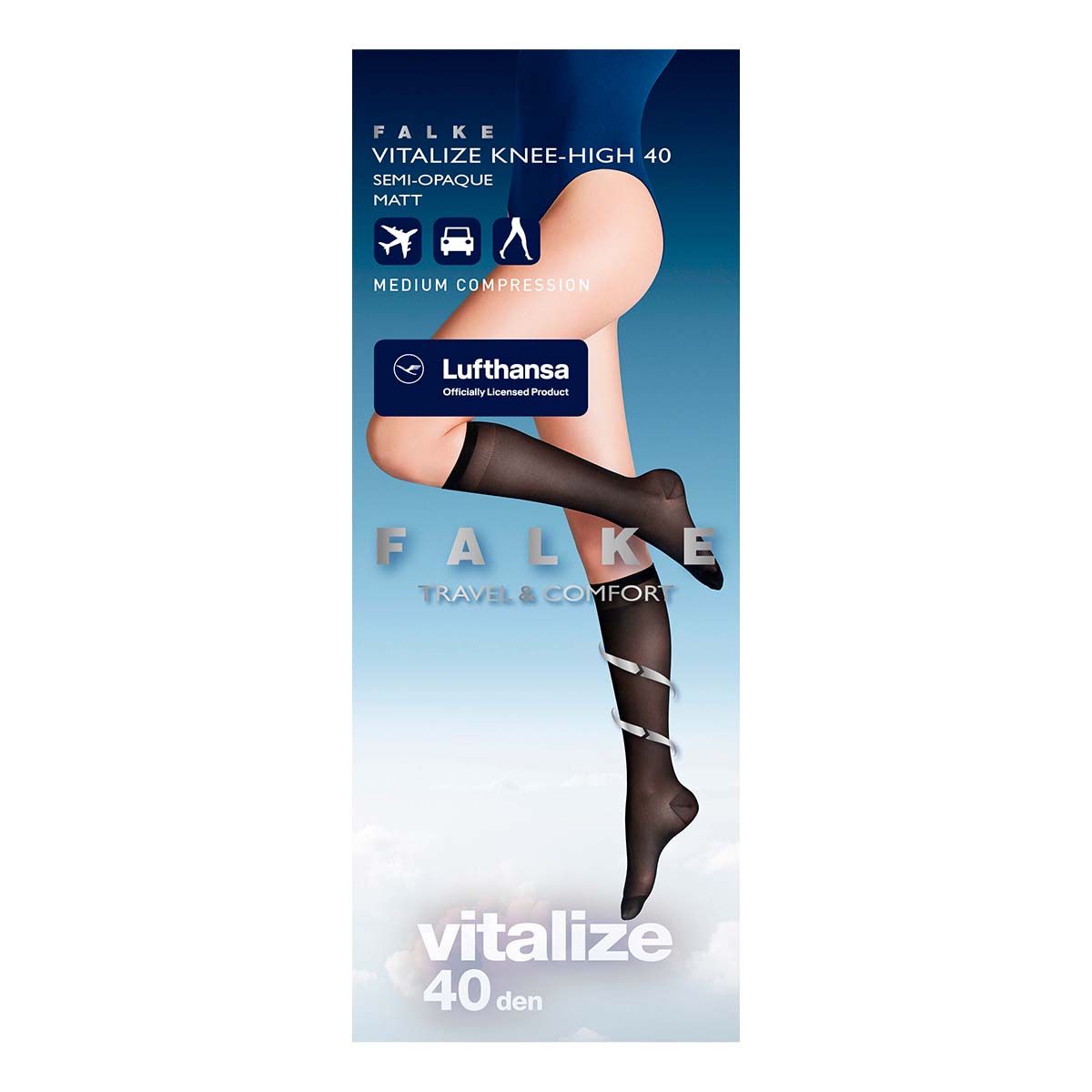
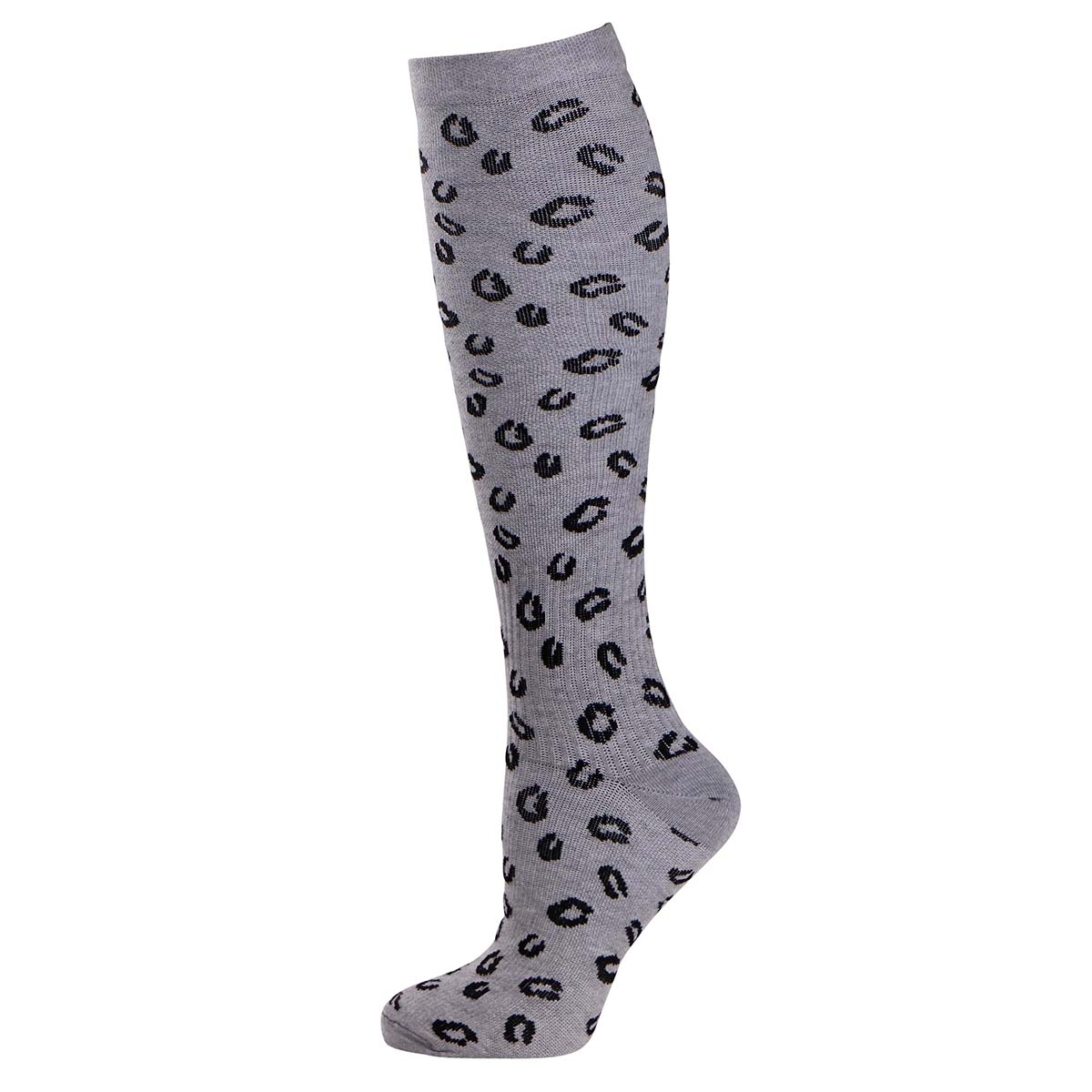
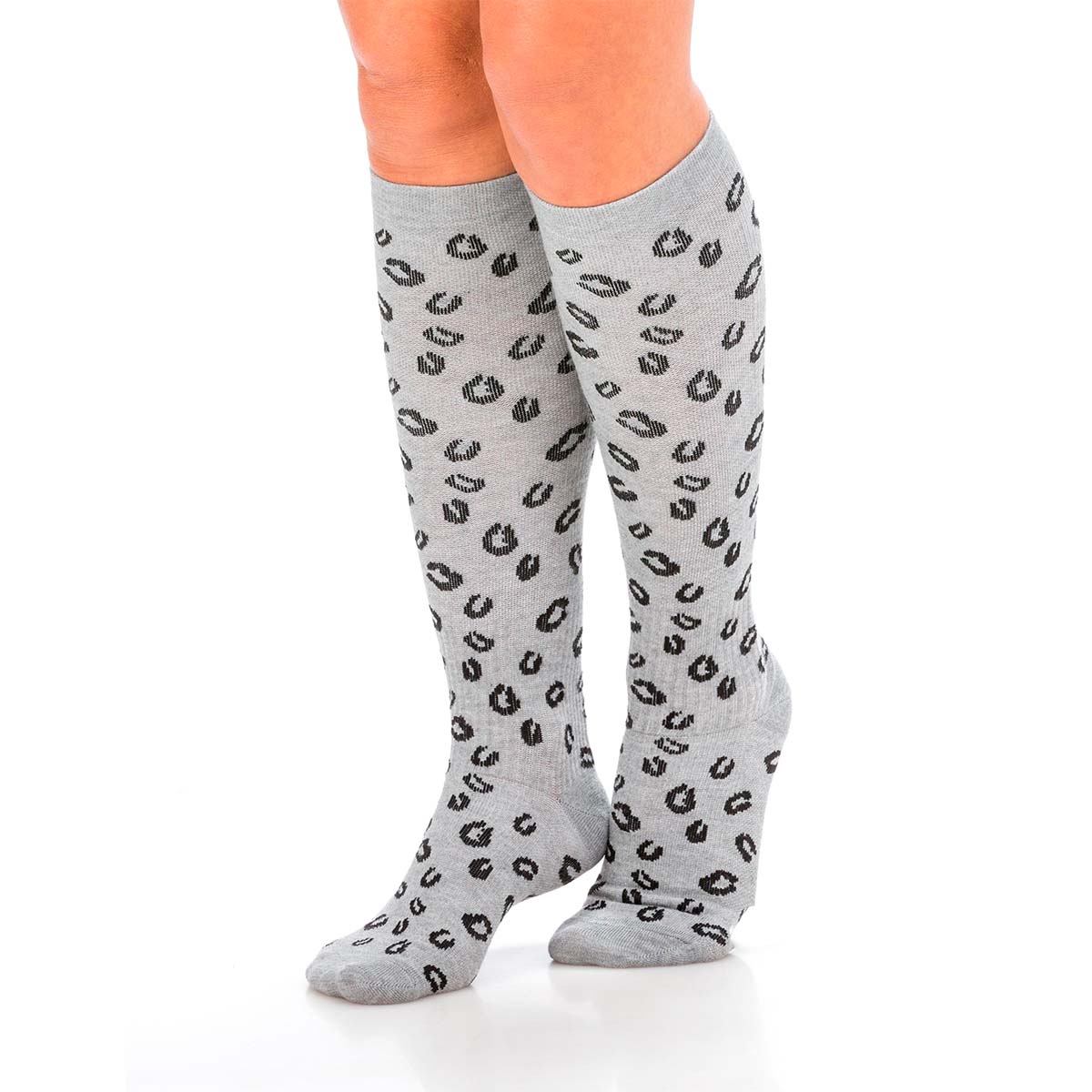
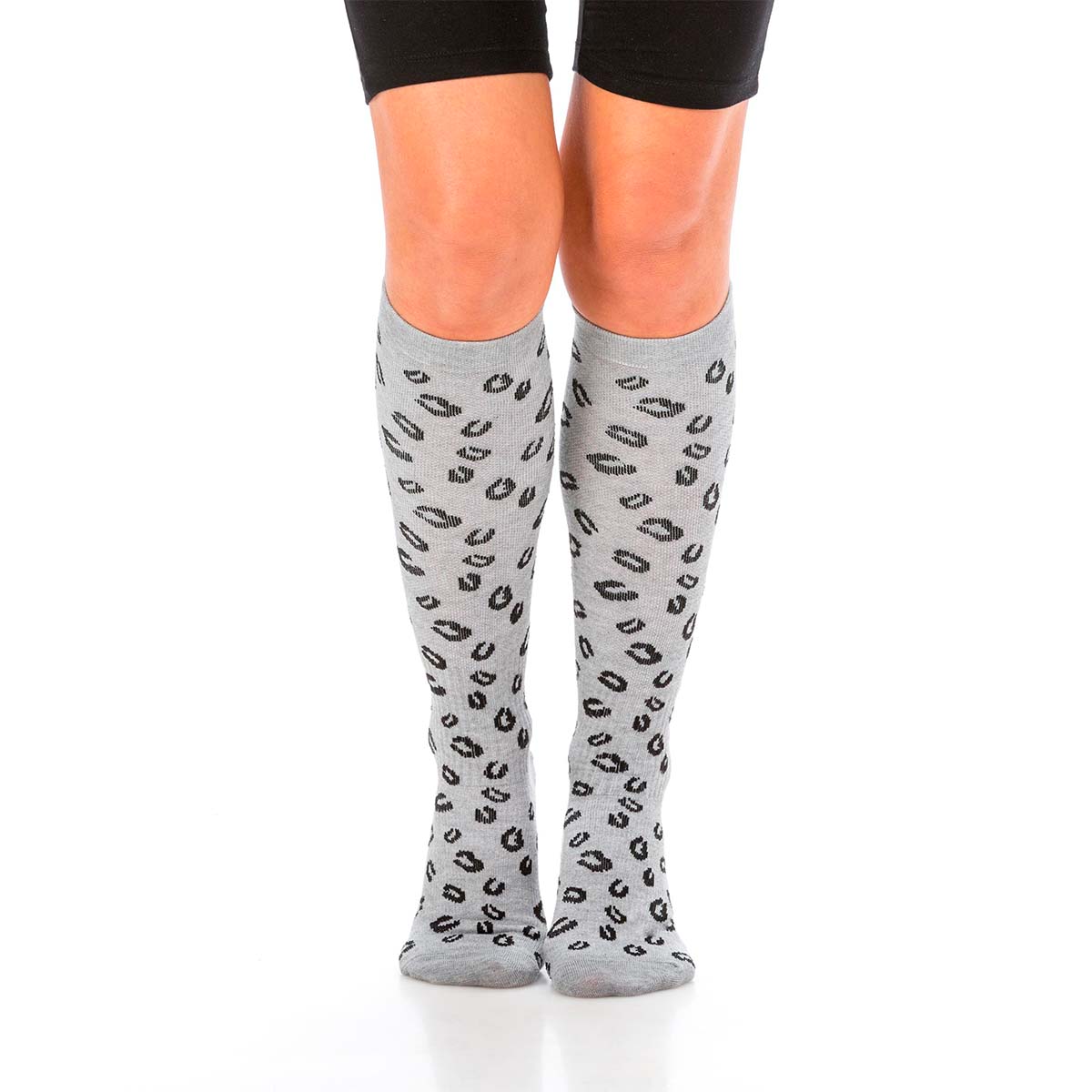
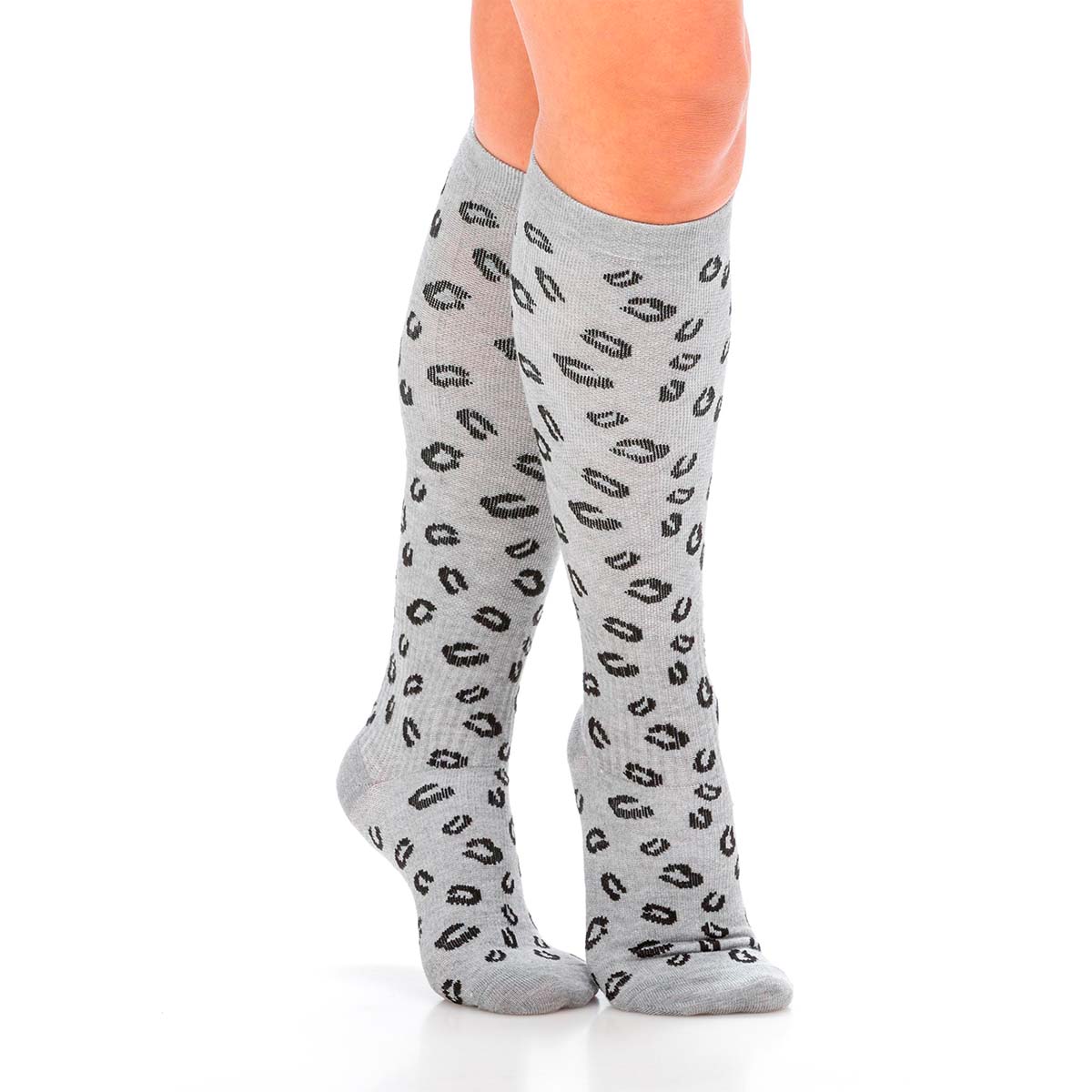
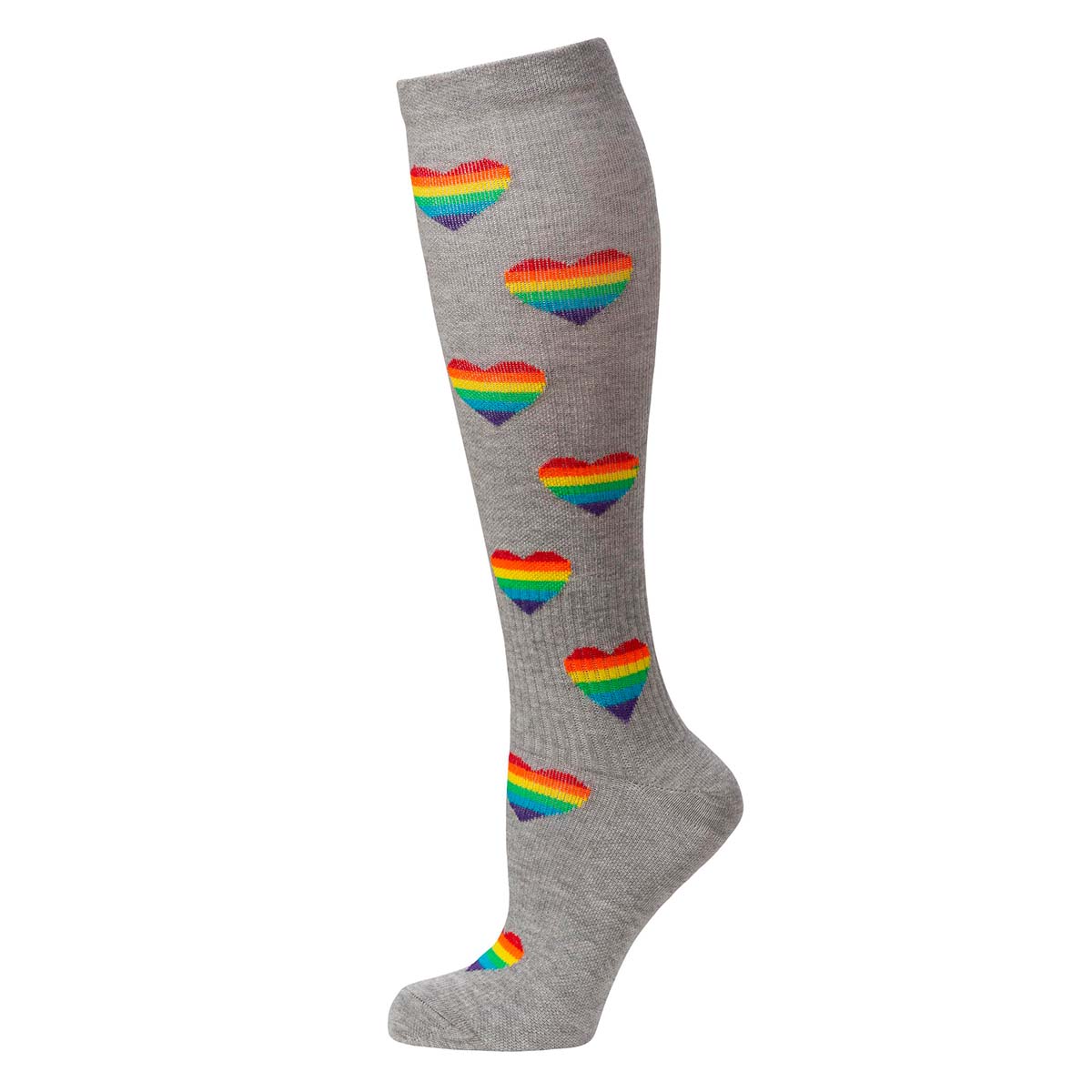
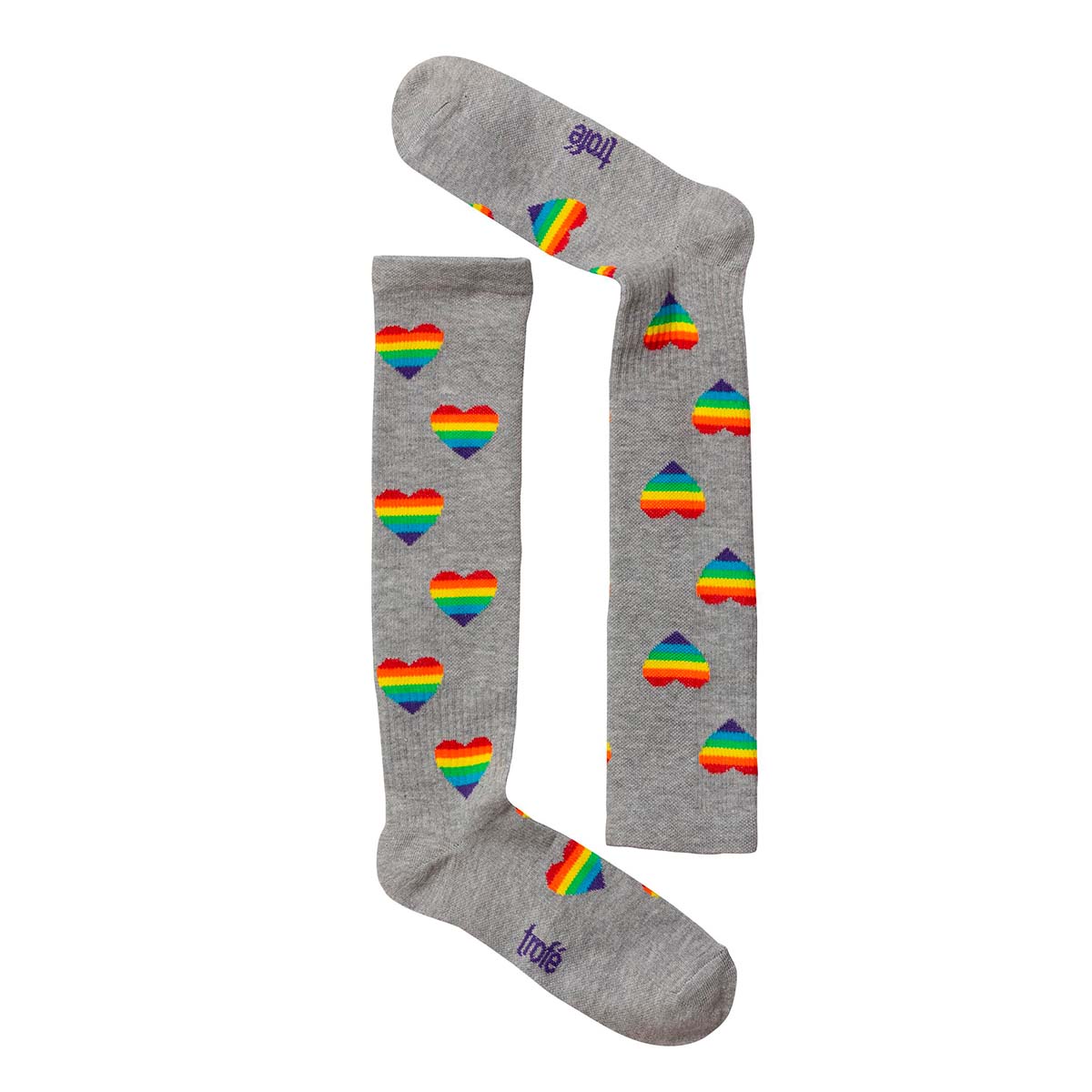




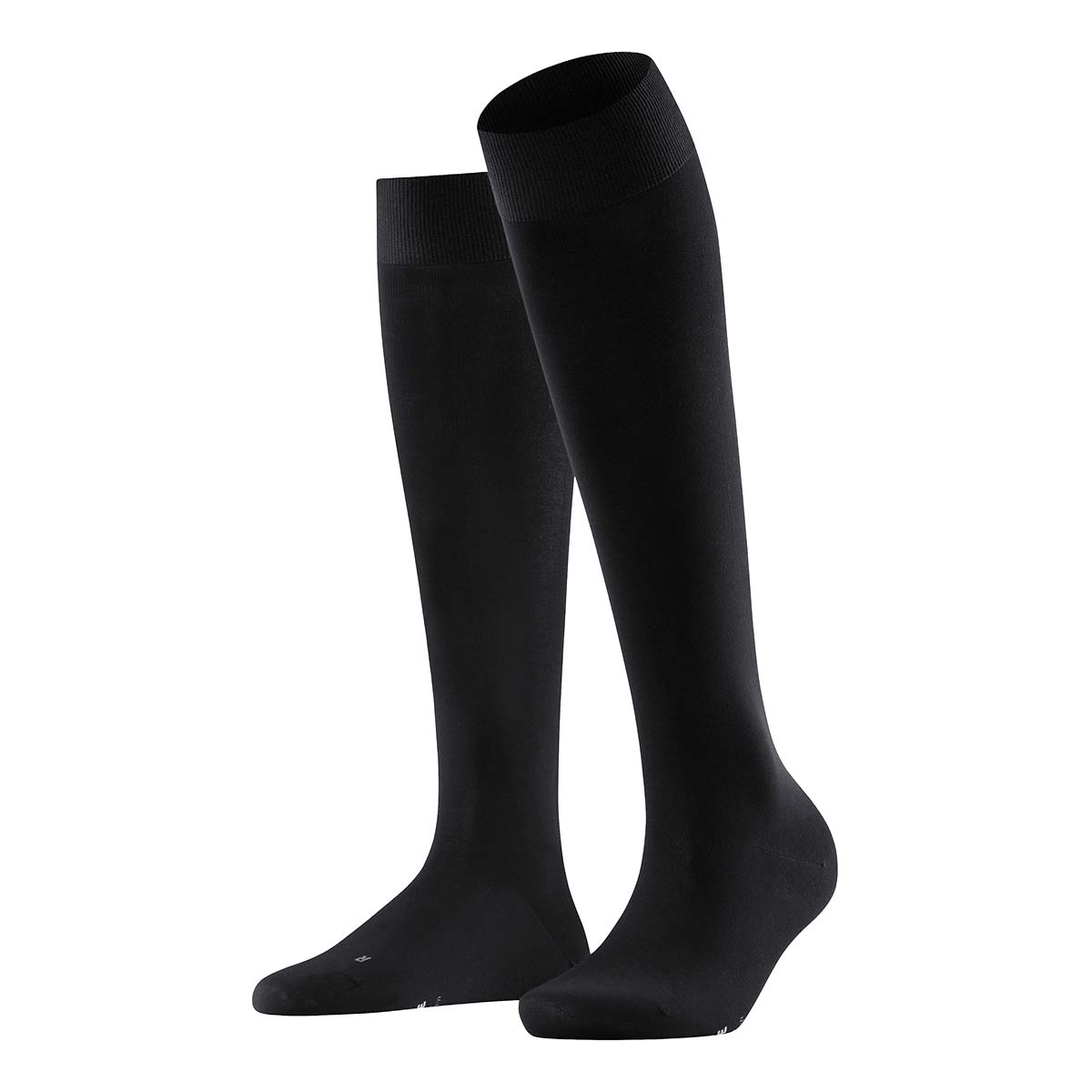
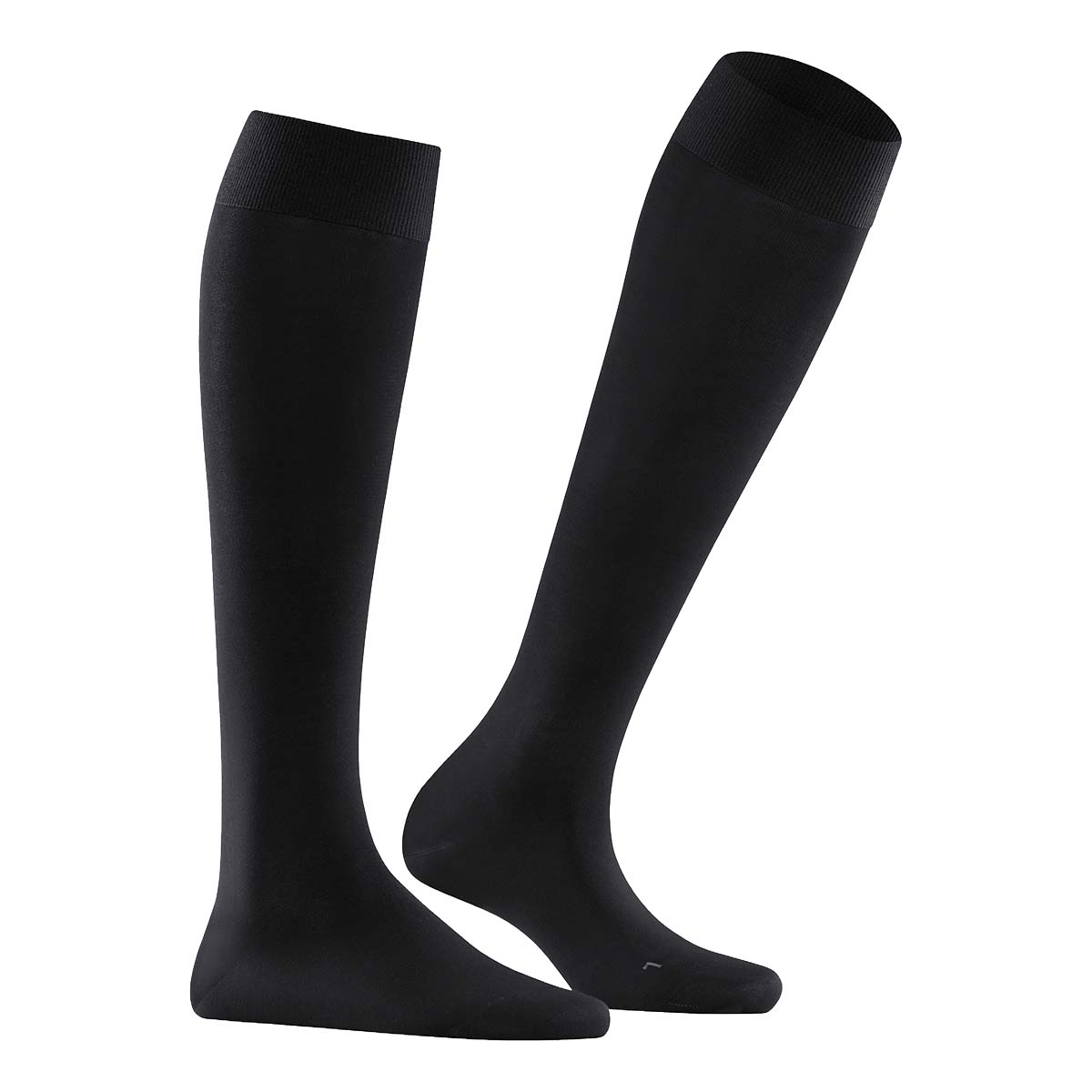
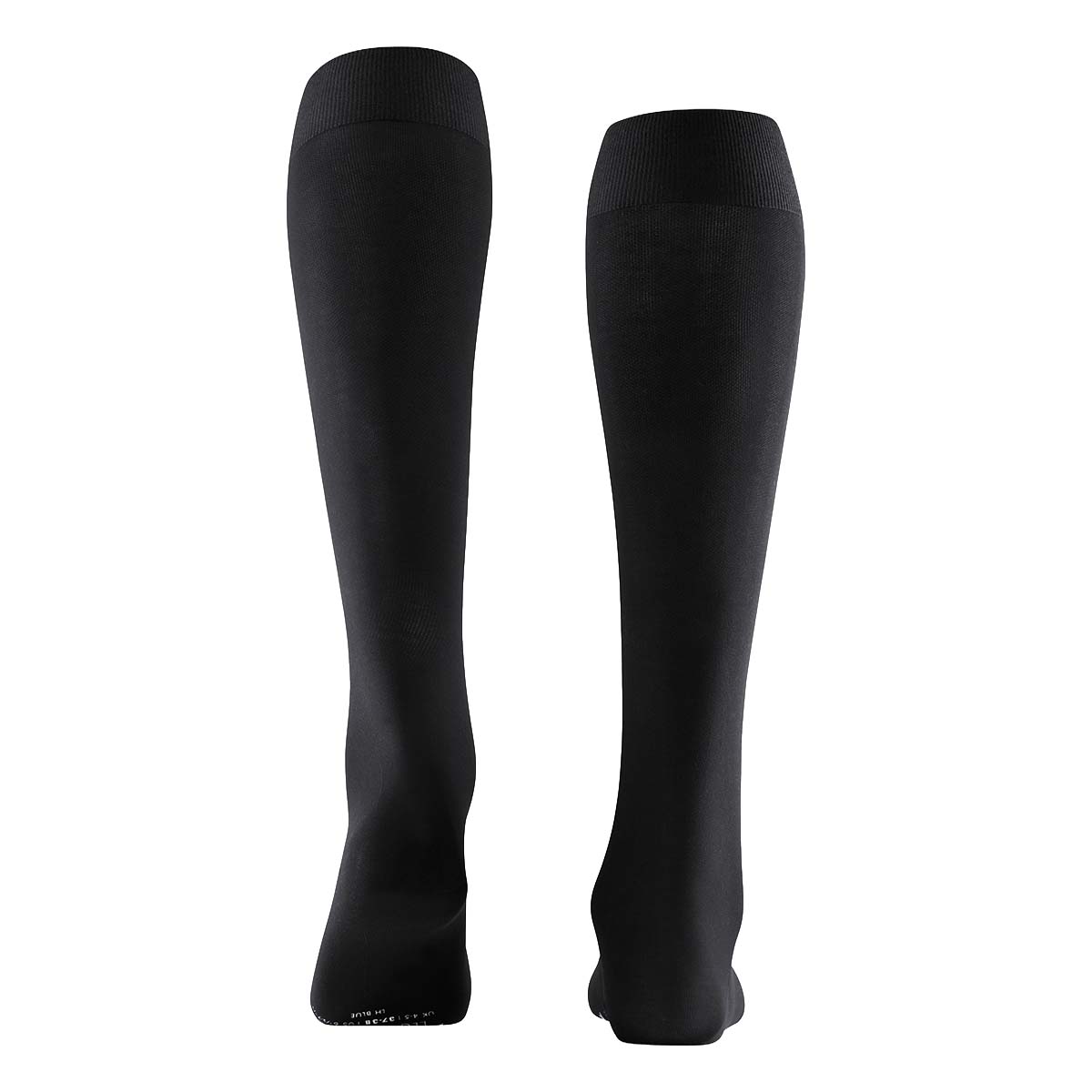
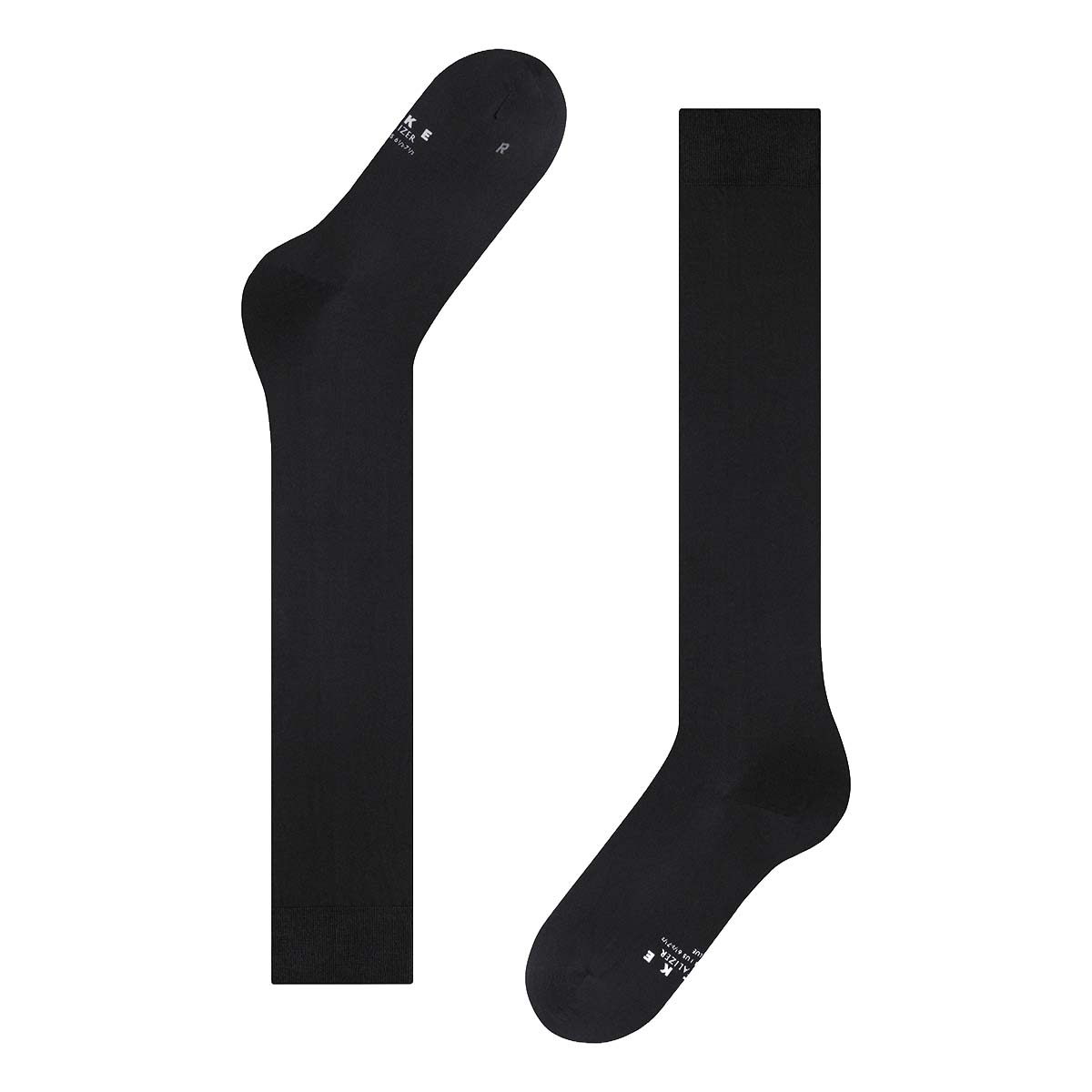
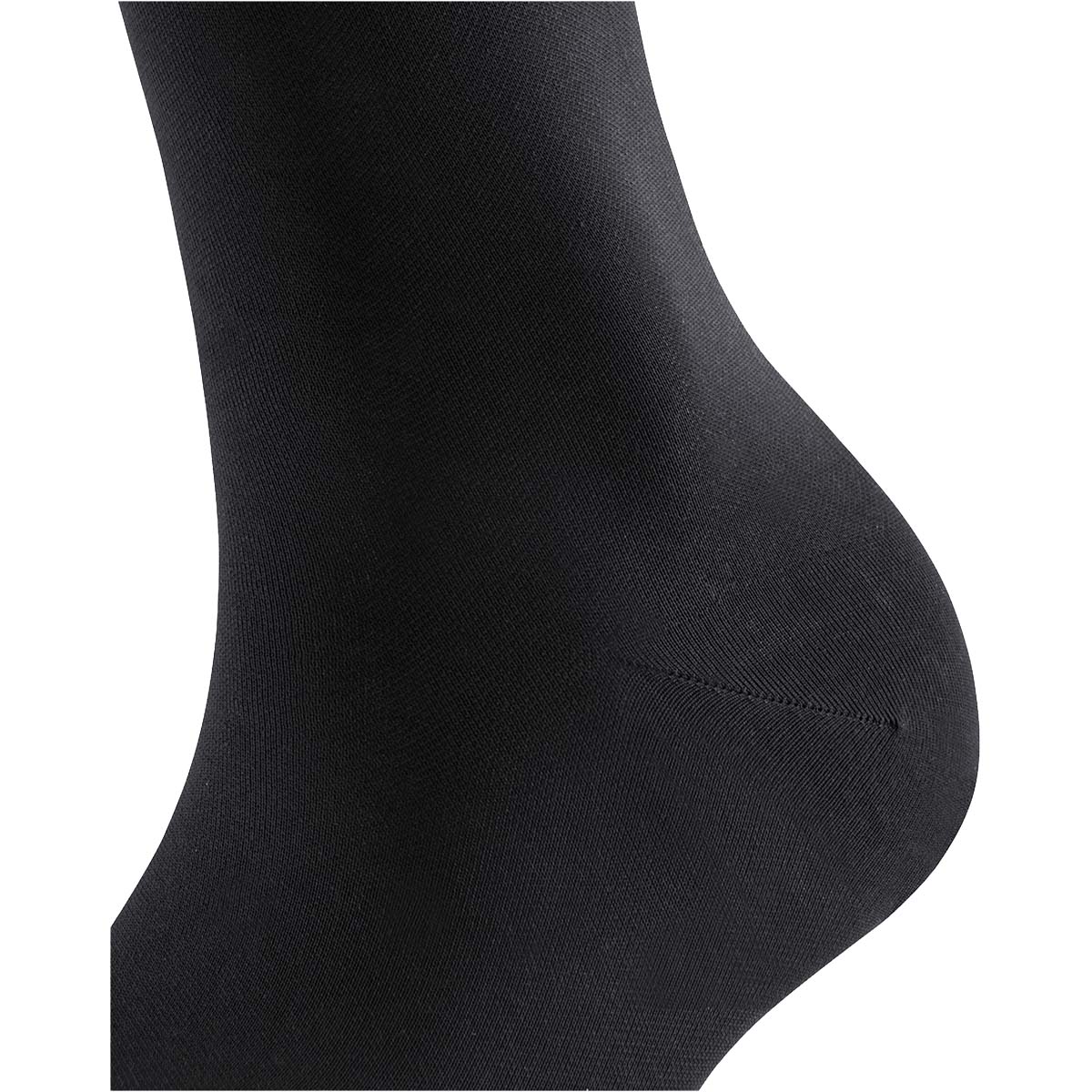
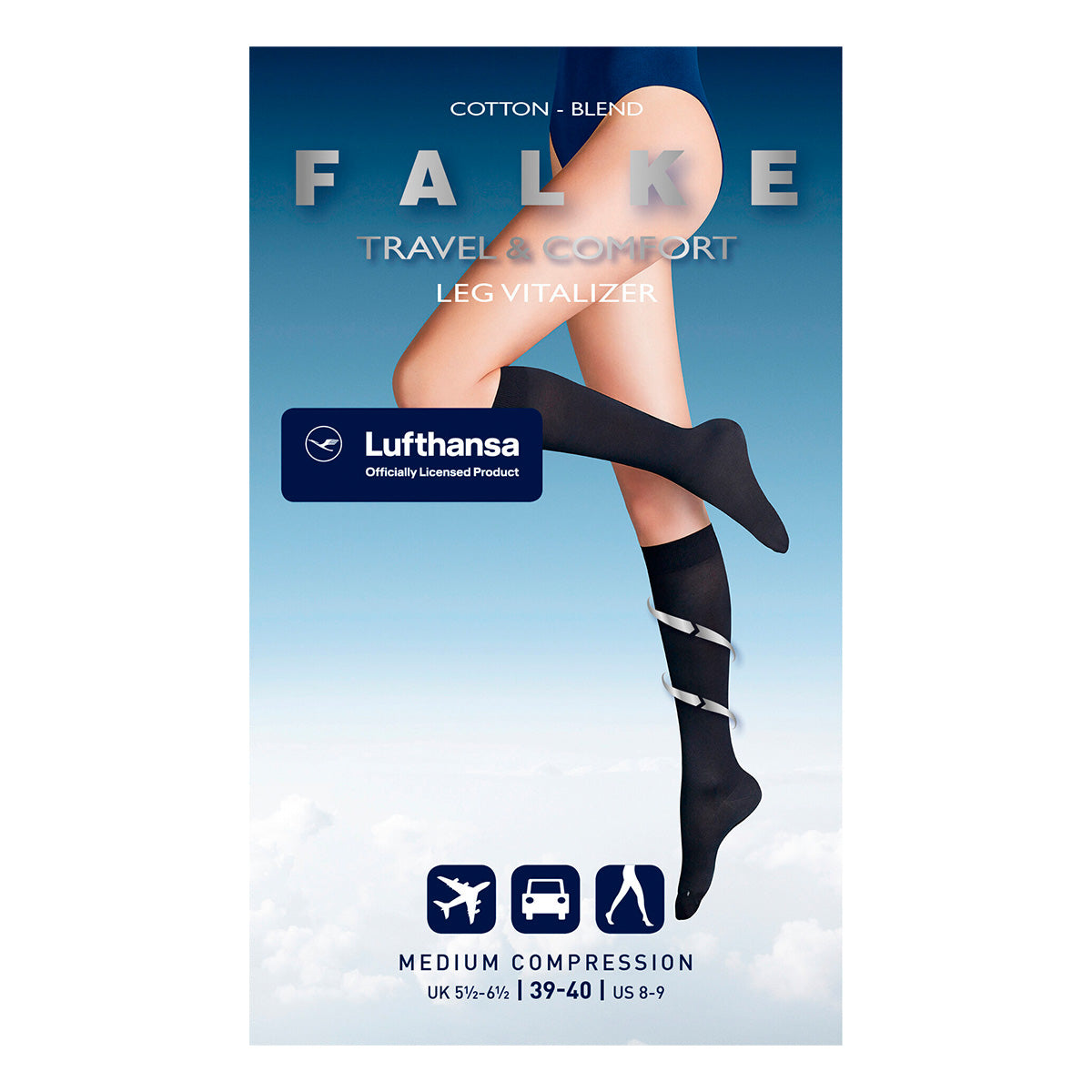
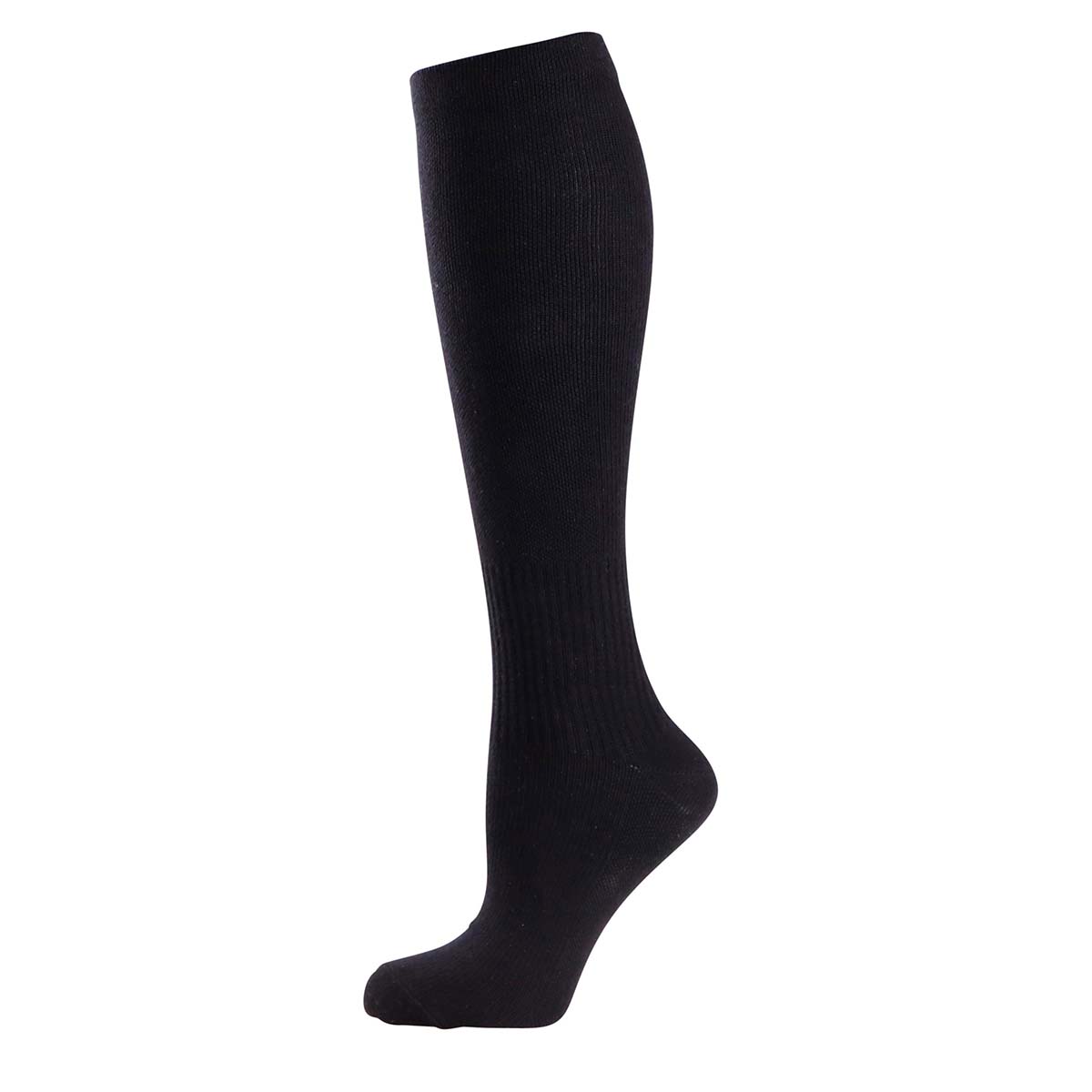


Compression socks for everyday wear with lighter legs, better comfort and a great fit
Compression socks are a practical and comfortable choice for women who want socks with more function than regular socks, while still keeping a neat and wearable look. They are designed to provide a lightly supportive feeling around the foot, ankle and lower leg, helping your legs feel more comfortable throughout the day.
This makes them useful in many situations: at work, while travelling, during pregnancy, for seated office work, on days with many hours of standing, or simply when you want socks that stay in place and feel good from morning to evening. Today, compression socks do not have to look clinical or heavy; they come in discreet colours, soft materials and feminine styles that can fit naturally into a wardrobe with underwear, tights, lingerie, nightwear and swimwear.
They can be worn under trousers, in boots, with everyday shoes or as a functional addition to the basics you already choose with comfort, fit and well-being in mind.
Why choose compression socks instead of regular socks?
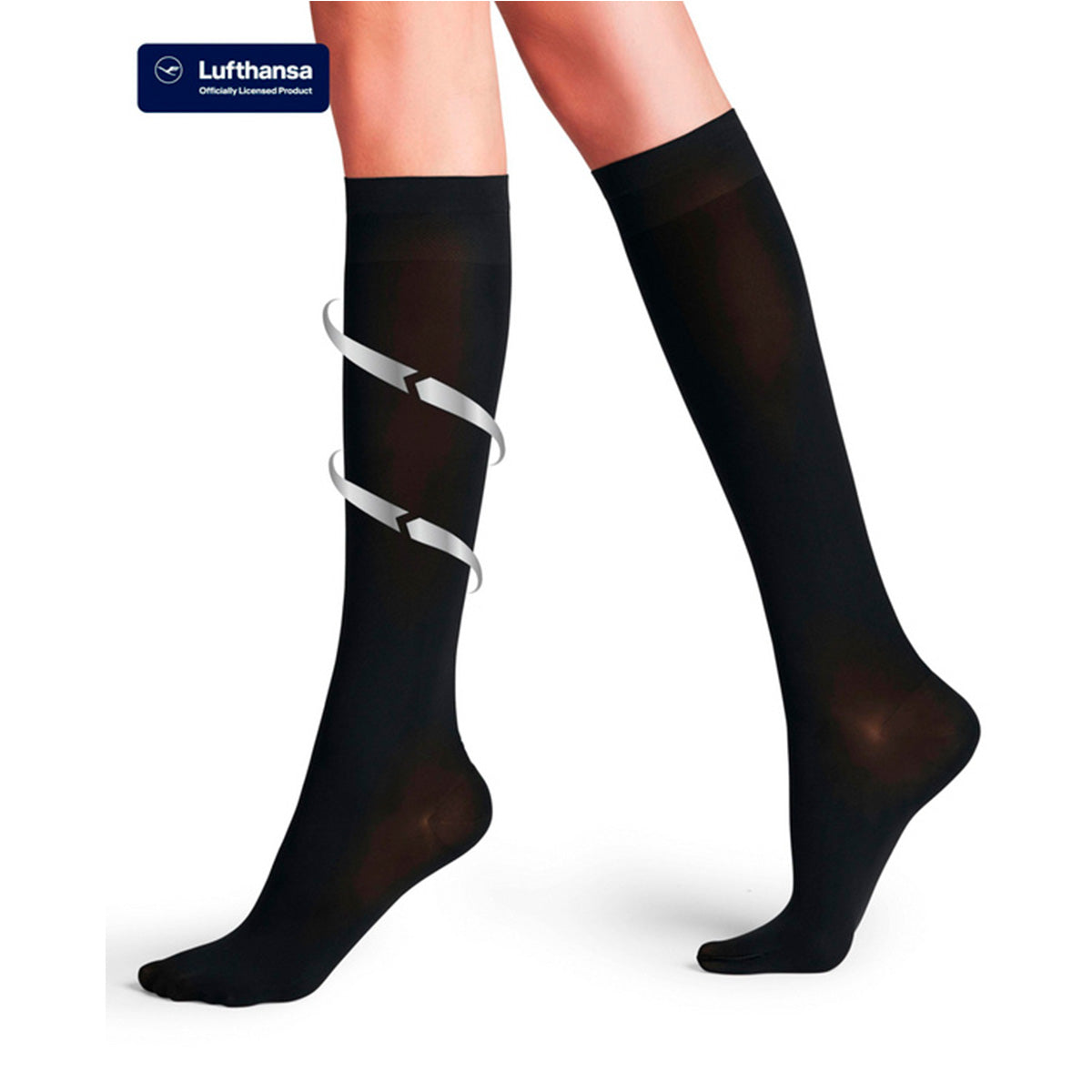
Regular socks are mainly designed to protect the foot and provide comfort inside the shoe, while compression socks are also made to give a more supportive, close-fitting feel around the leg. This can be helpful if your legs often feel tired, heavy or tense after a long day.
Many people use compression socks for seated work, flights, long car journeys or shifts where the body stays in the same position for many hours. Others choose them simply because they prefer the feeling of a sock that stays up, does not slide down and offers a firmer fit.
In the same way that a good bra should support without squeezing, and well-fitting briefs should follow the body without irritation, compression socks should feel comfortable and balanced. They can give a clear feeling of structure and support, but they should not feel uncomfortable. If you have specific discomfort, medical conditions or a need for medical compression, you should always choose based on professional guidance. For everyday comfort, however, compression socks can be a simple and useful solution.
Fit, compression and materials that make a difference
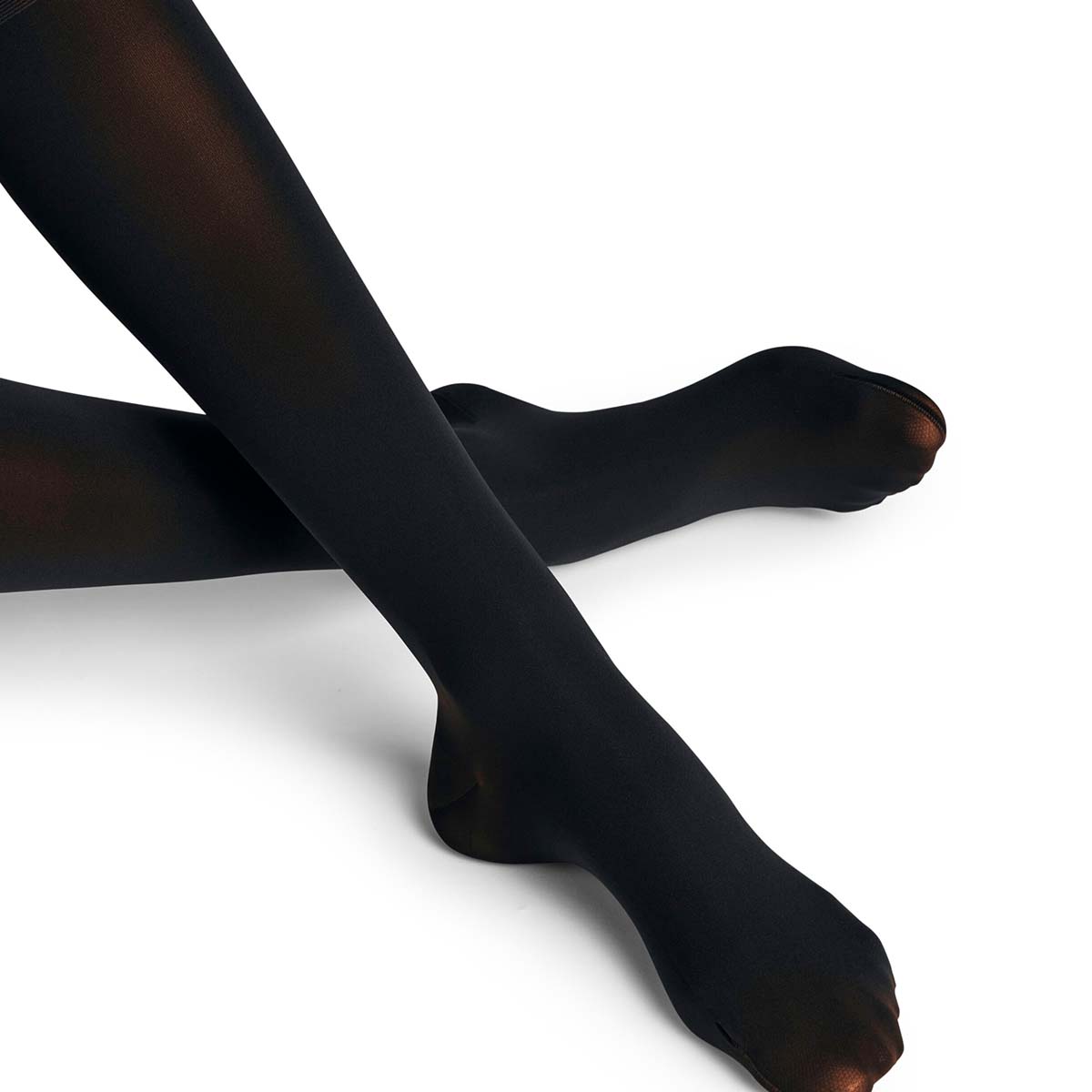
When choosing compression socks, fit is the most important factor. The sock should sit close to the leg, while still feeling comfortable for many hours. A good style distributes pressure evenly and feels stable around the ankle, calf and foot, without the top edge cutting into the skin.
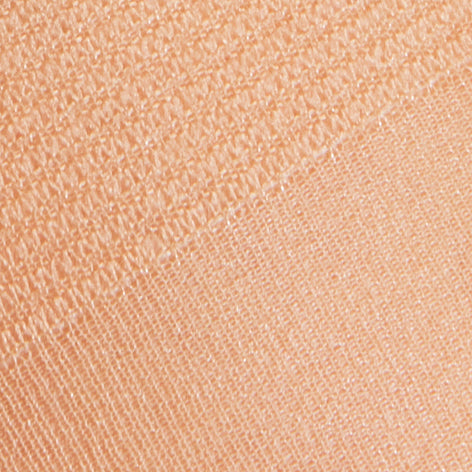
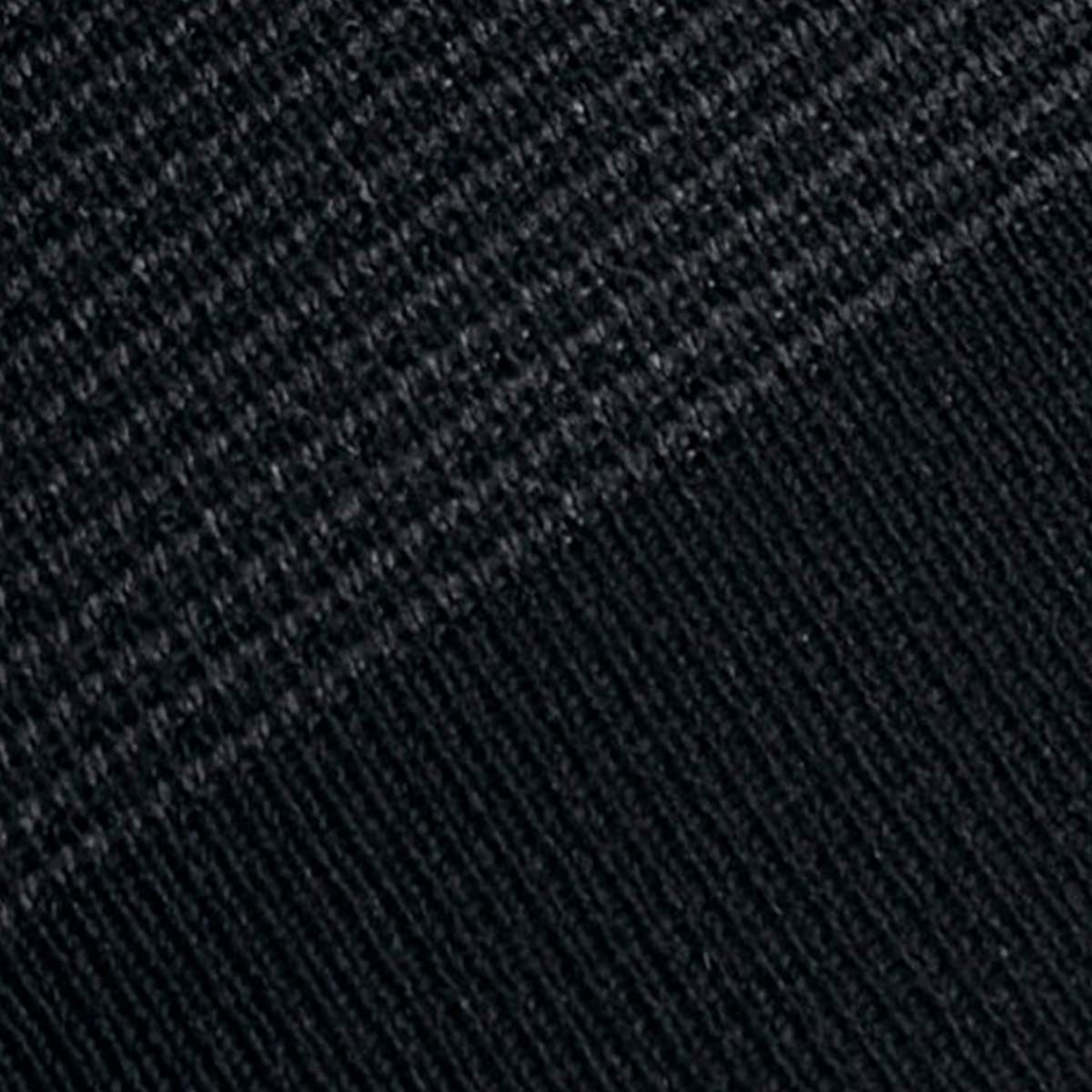
The material also has a big impact on the wearing experience. Cotton can give a soft and natural feel, bamboo can feel extra smooth and light, while polyamide, elastane and microfibre are often used to create elasticity, shape retention and durability. On warm days, a thinner quality can feel more comfortable, while a slightly stronger sock can work well with boots, cooler weather and long working days.
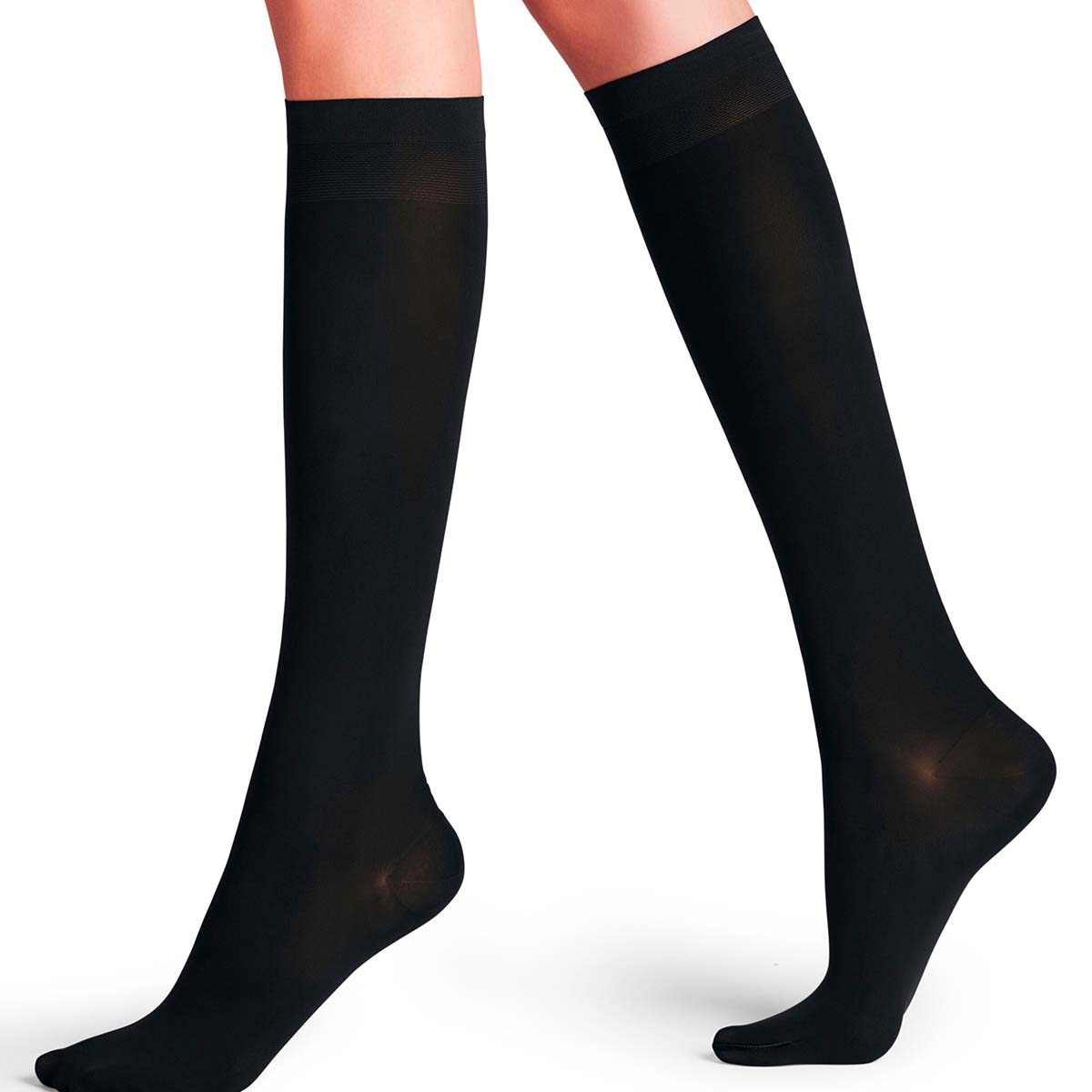
It is also worth considering the length. Some prefer knee-high compression socks because they cover the lower leg and work well under trousers, while others need shorter styles for more discreet use. Colours such as black, navy, grey, beige and nude are easy to style with everyday clothing, underwear and shoes, so the socks become a natural part of the wardrobe rather than a product only brought out for special occasions.
Compression socks as part of a comfortable underwear wardrobe
Although compression socks are often associated with function, they can easily be considered alongside other textiles worn close to the body. A well-planned underwear wardrobe is not only made up of bras, briefs, shapewear, tops, nightdresses and tights; it also includes the small practical choices that make the day easier.
Compression socks can be exactly that kind of choice. They can give the legs a more comfortable feeling while still working discreetly under your clothes. For a classic wardrobe, a black or dark compression sock is an obvious choice because it works well with trousers, boots and smart shoes. For lighter outfits, beige or nude can be more discreet.
If you already choose soft lingerie, seamless underwear, comfortable bodysuits or light shapewear to create a smooth feeling under your clothes, it makes sense to choose your socks with the same care. It is about the overall feeling: when the innermost layers fit well, the rest of the outfit feels better too, whether you are going to work, out for dinner, travelling or simply getting through a long ordinary day.
For travel, work, pregnancy and days with many hours on your feet
Compression socks are especially useful in situations where the legs are exposed to repetitive strain or remain in the same position for a long time. On a flight or a long car journey, they can provide a more comfortable feeling because they sit closely and supportively around the lower leg. On workdays where you stand a lot, walk back and forth or sit for long periods at a desk, they can also be a good addition to comfortable shoes and clothing that does not feel tight.
Many pregnant women also find that their legs and feet can feel more strained throughout the day, and in this case compression socks can be part of a more comfort-focused wardrobe together with soft briefs, nursing bras, stretchy tops and nightwear that gives the body room.
They can also be practical on holiday, when you might be packing a swimsuit, bikini, beach dress, loose summer clothing and smarter evening looks. A pair of compression socks takes up very little space in your bag, but can be good to have for transport, sightseeing or days when your feet and legs need to handle extra activity.
How to find the right compression socks for your everyday life
The best compression socks are the ones you actually want to wear. That is why you should choose based on function, comfort and style. Start by considering when you will use them: for work, travel, pregnancy, everyday wear or longer periods on your feet. Then choose a length and thickness that suit your shoes and clothing.
A knee-high style is often the most versatile under trousers and in boots, while thinner versions can look more elegant in smart shoes. Make sure the top edge feels soft, the toe area does not irritate, and the material suits the season. If you have sensitive skin, a softer quality may be important, while extra elasticity can provide a more flexible fit.
It can also be useful to have several pairs in neutral colours, so you always have a clean pair ready. When compression socks are chosen with the same care as underwear, lingerie and other basics, they become more than just a practical necessity. They become a comfortable part of your daily dressing, helping you feel well-dressed, supported and comfortable all the way down to your feet.
