








Patterns that change the look of tights
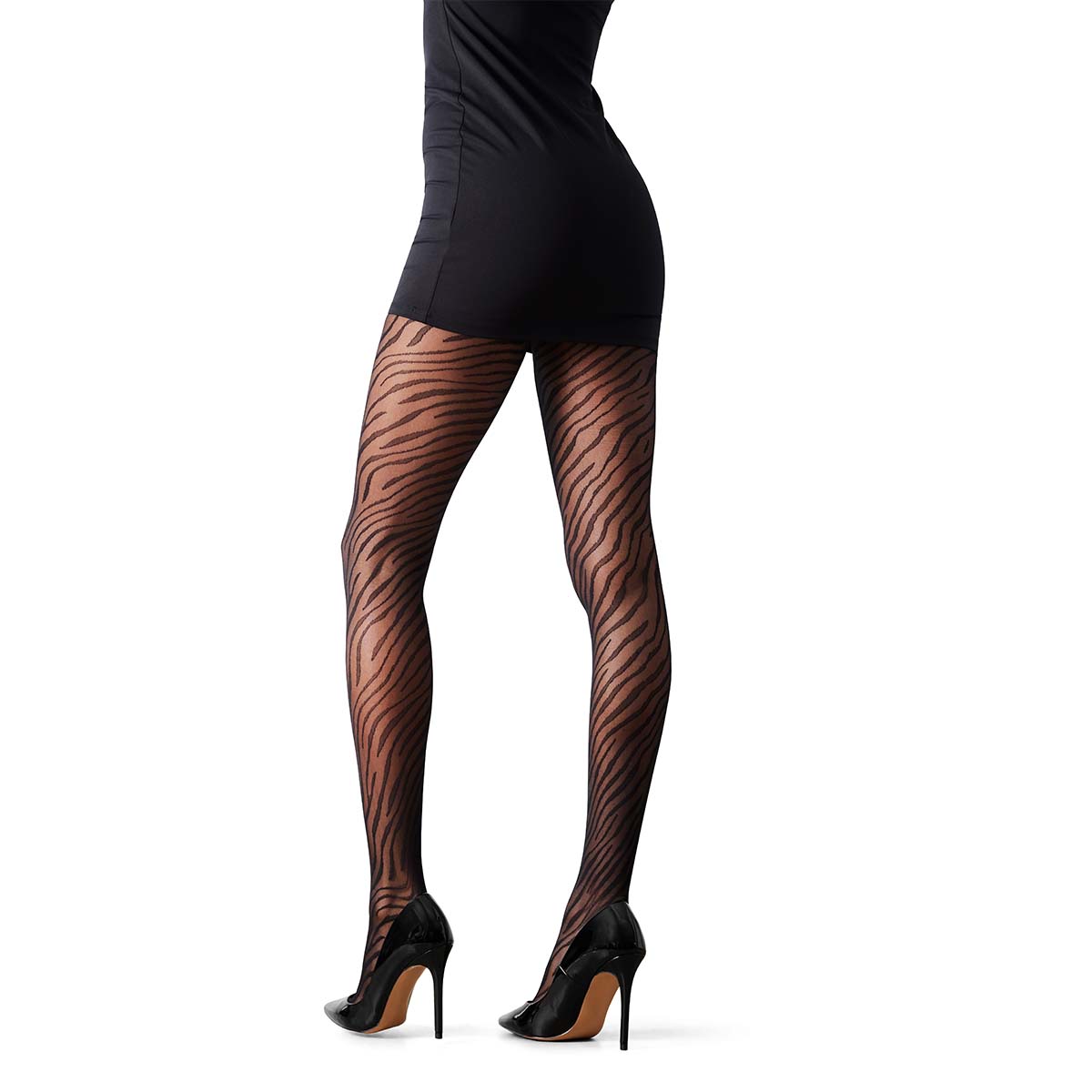
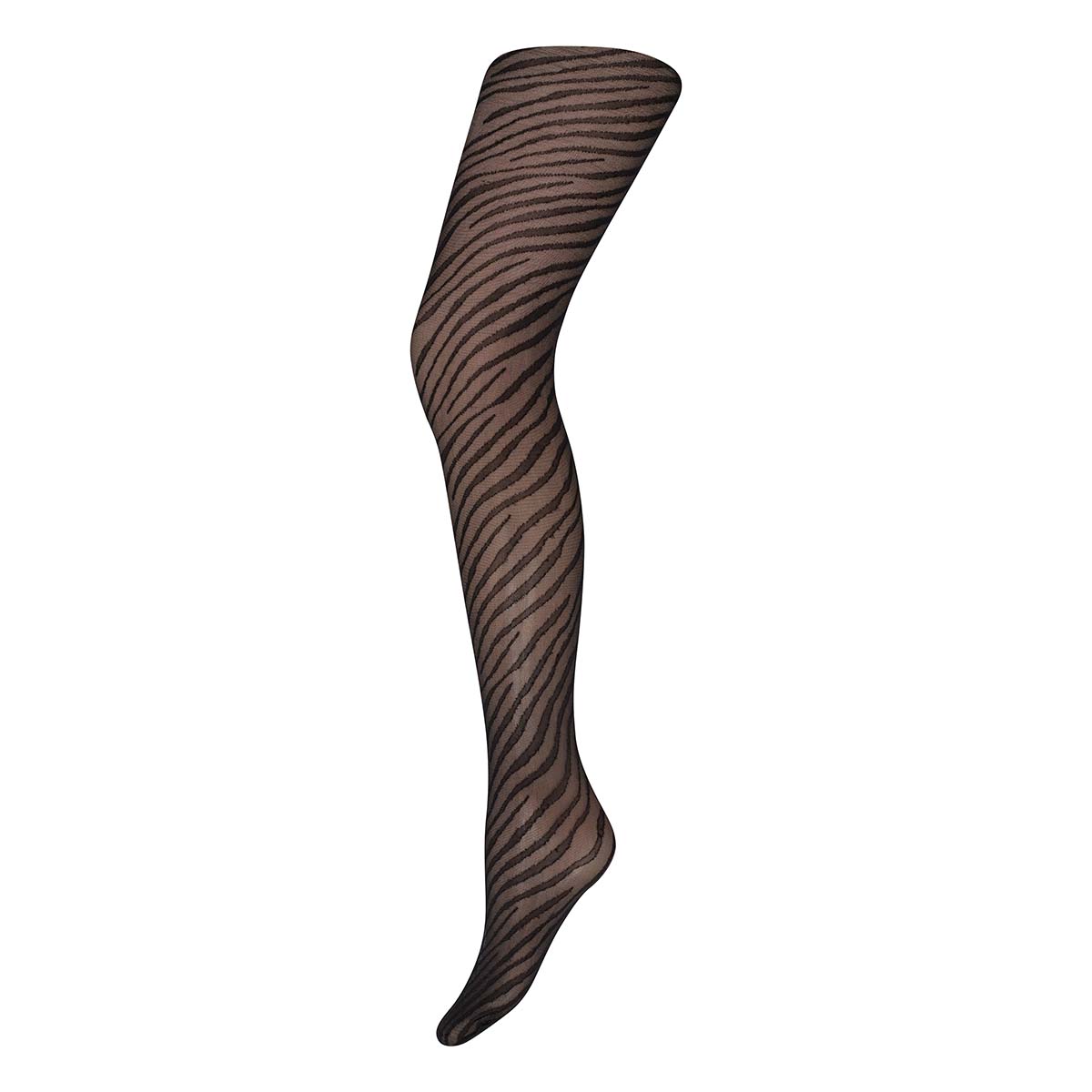
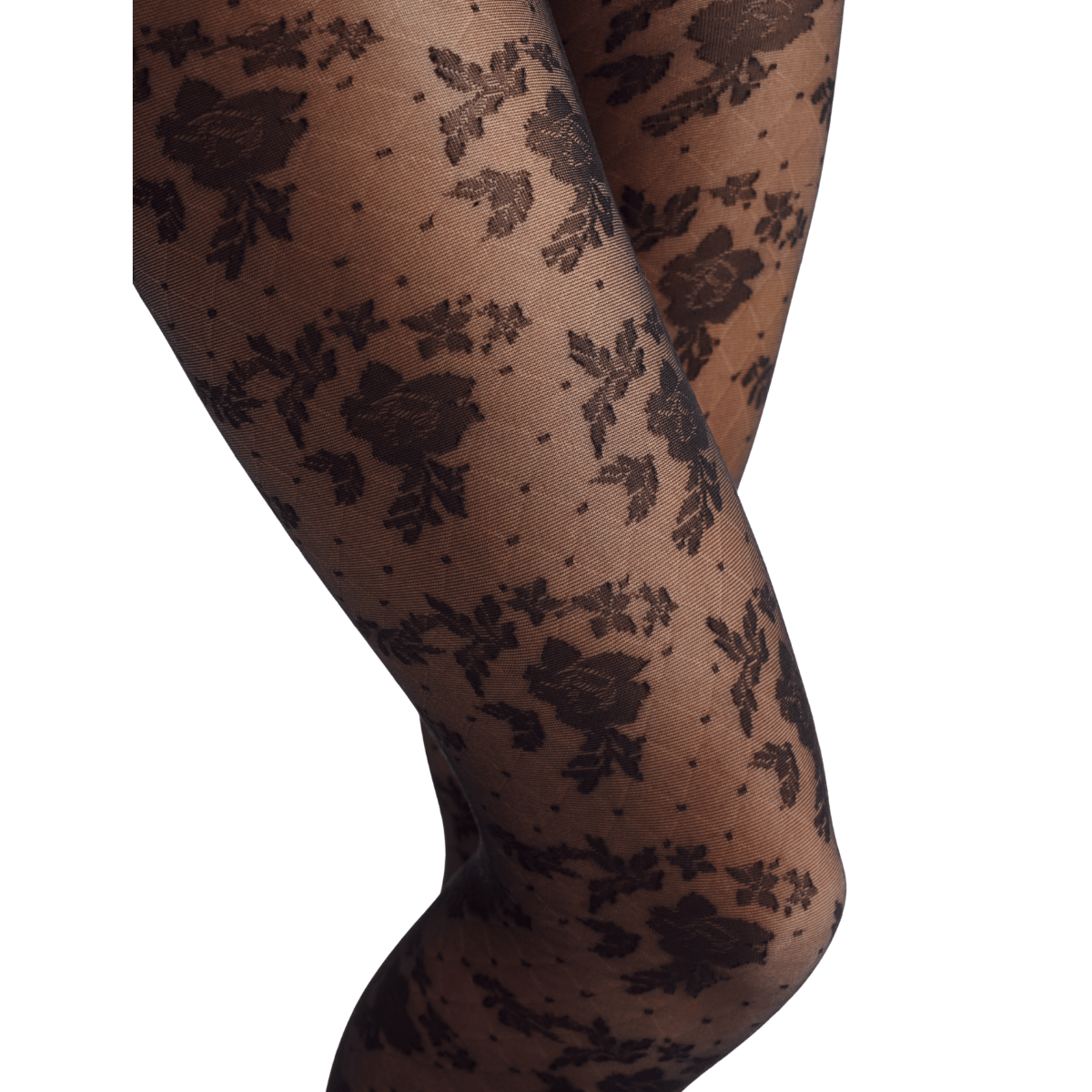
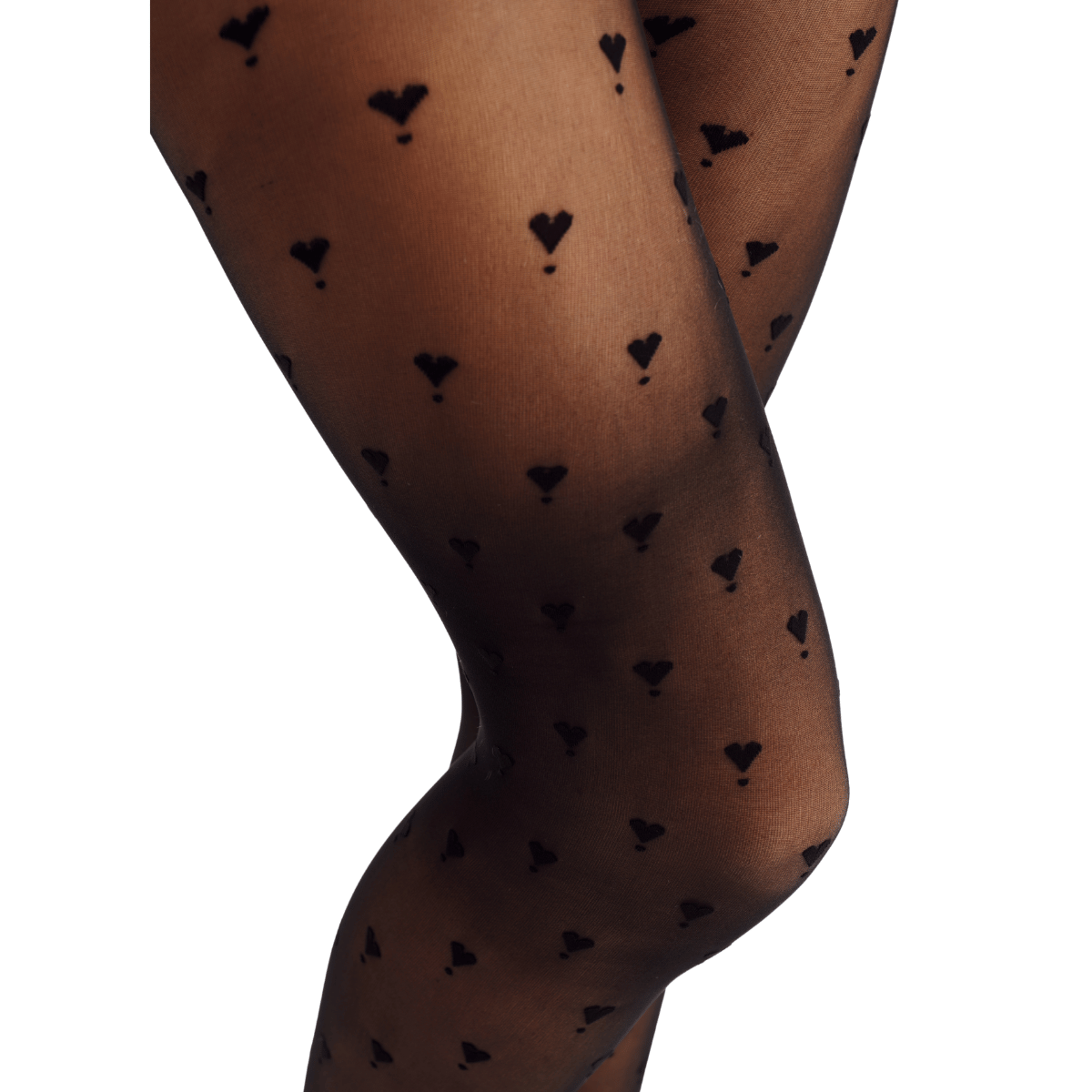
Patterned tights can add details to an outfit that plain styles do not offer in quite the same way. The overall look depends particularly on the size and placement of the pattern, as well as the contrast between the pattern and the tights themselves. Small dots, fine lines and subtle geometric shapes typically create a more understated appearance, while larger florals, bold stripes or graphic patterns become a more prominent part of the outfit.
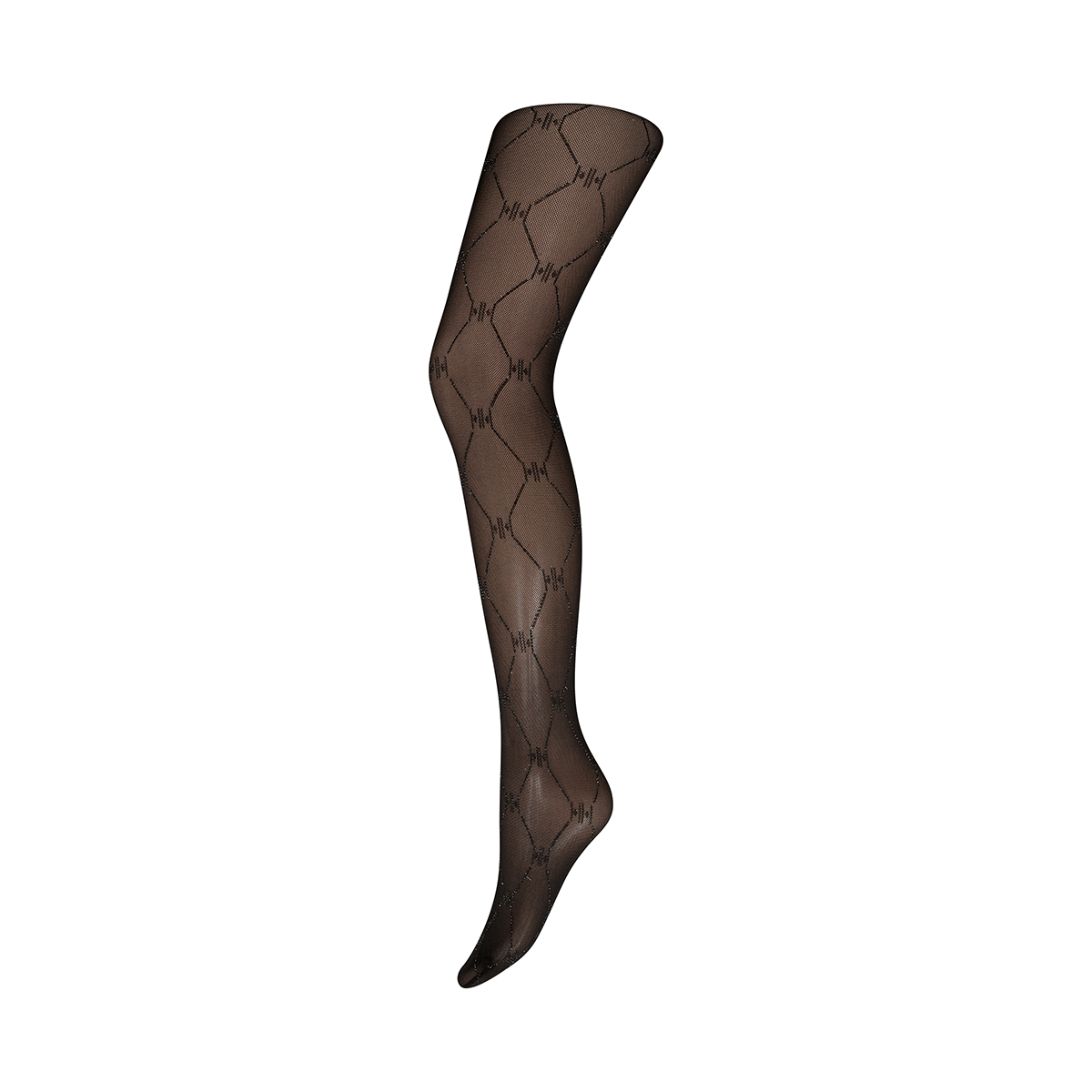
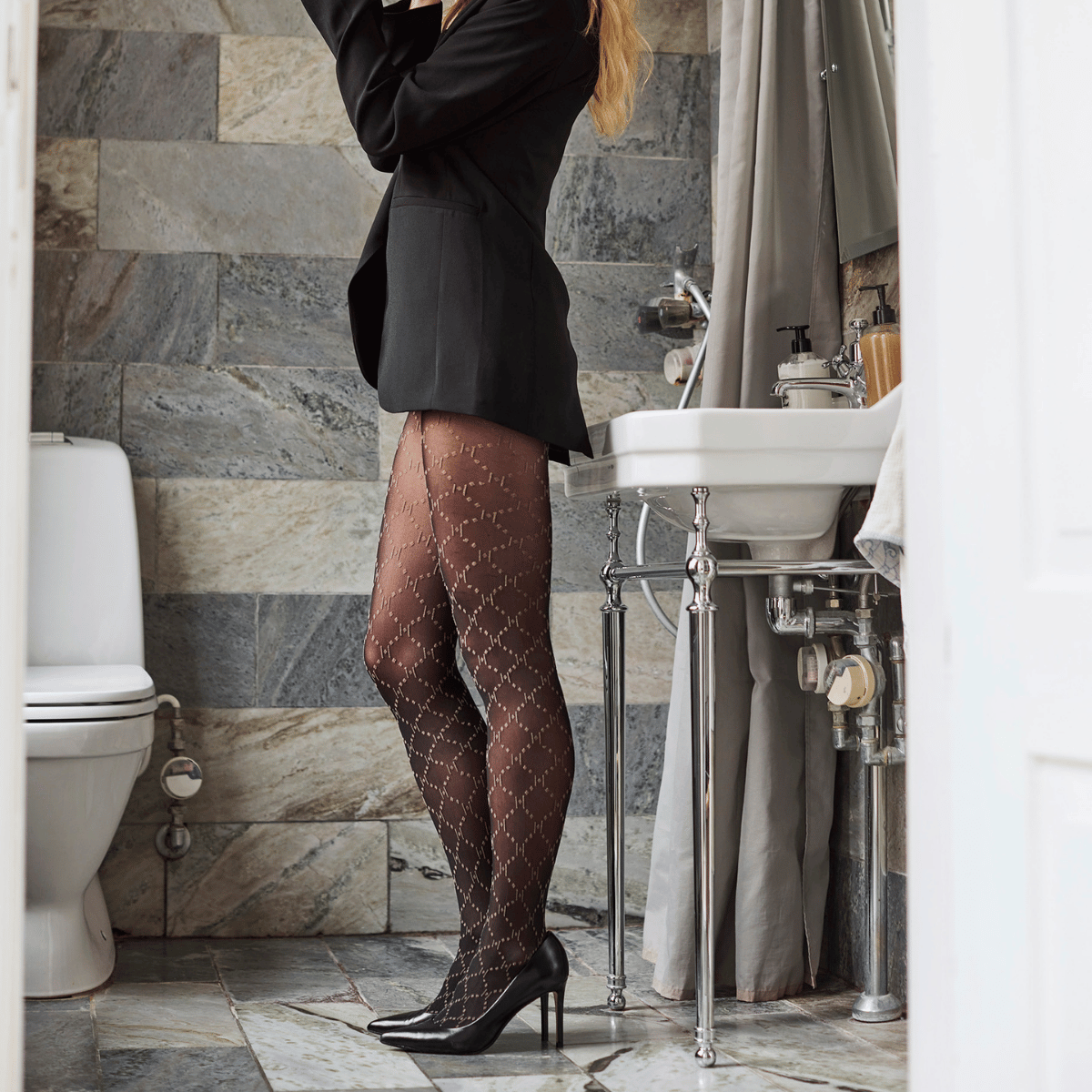
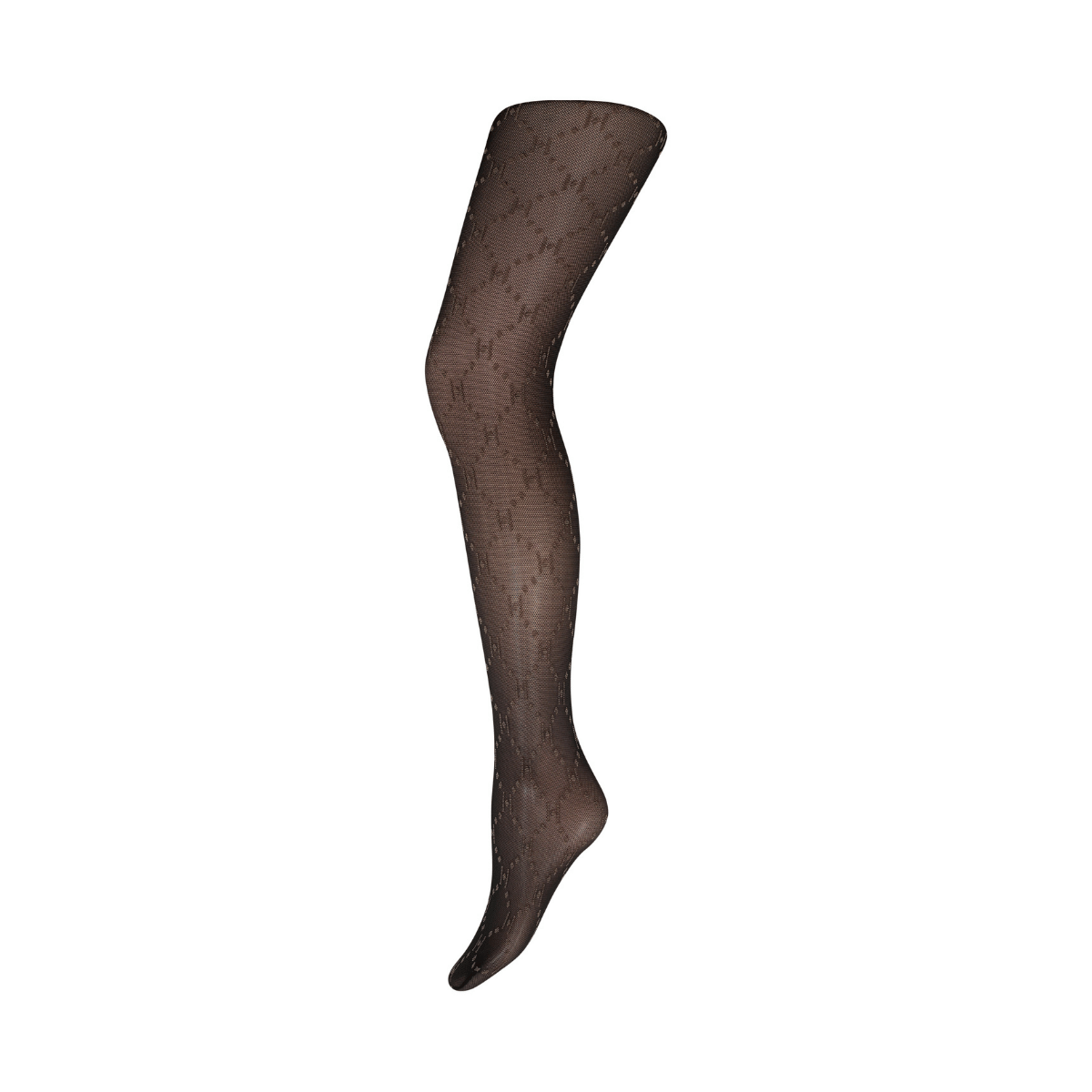
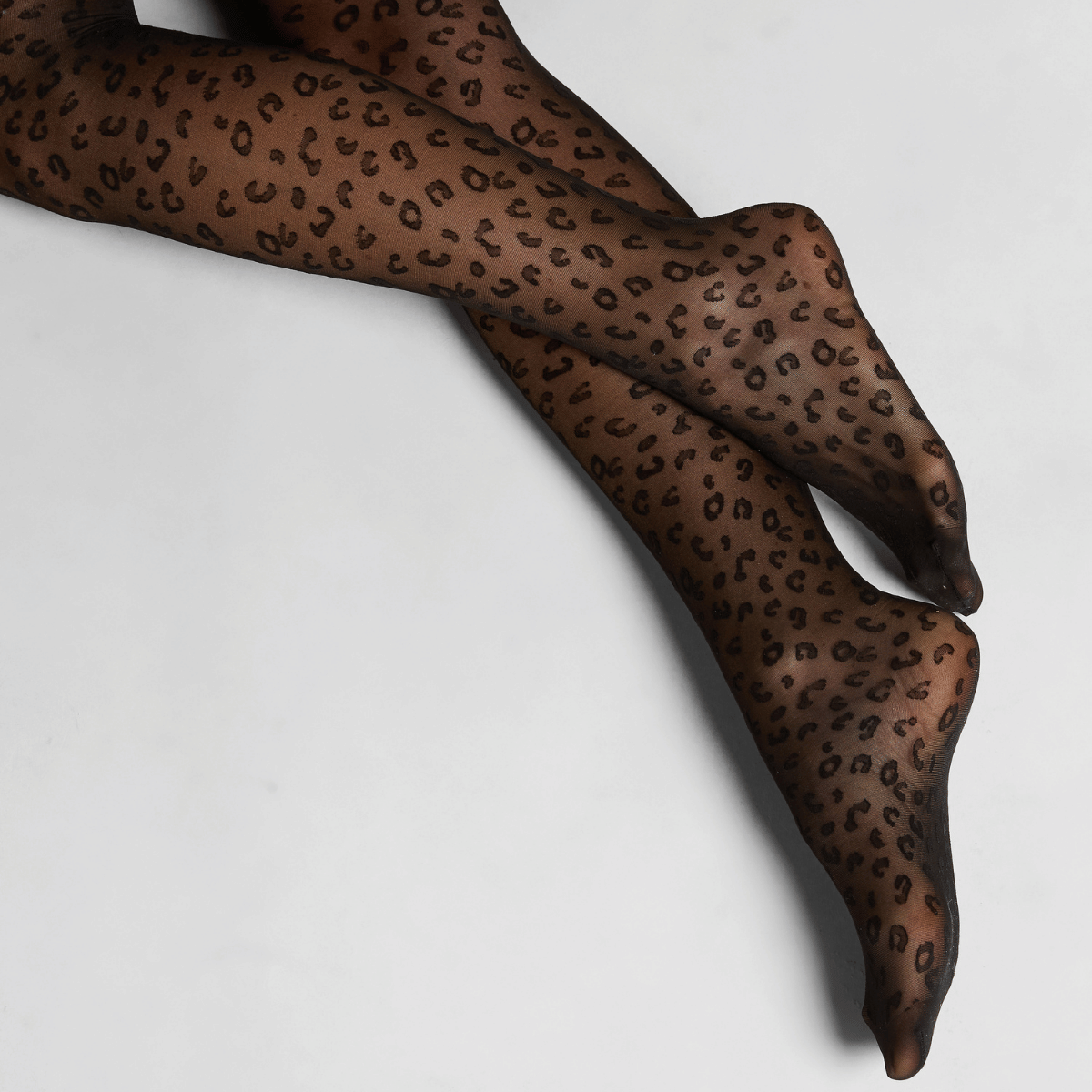
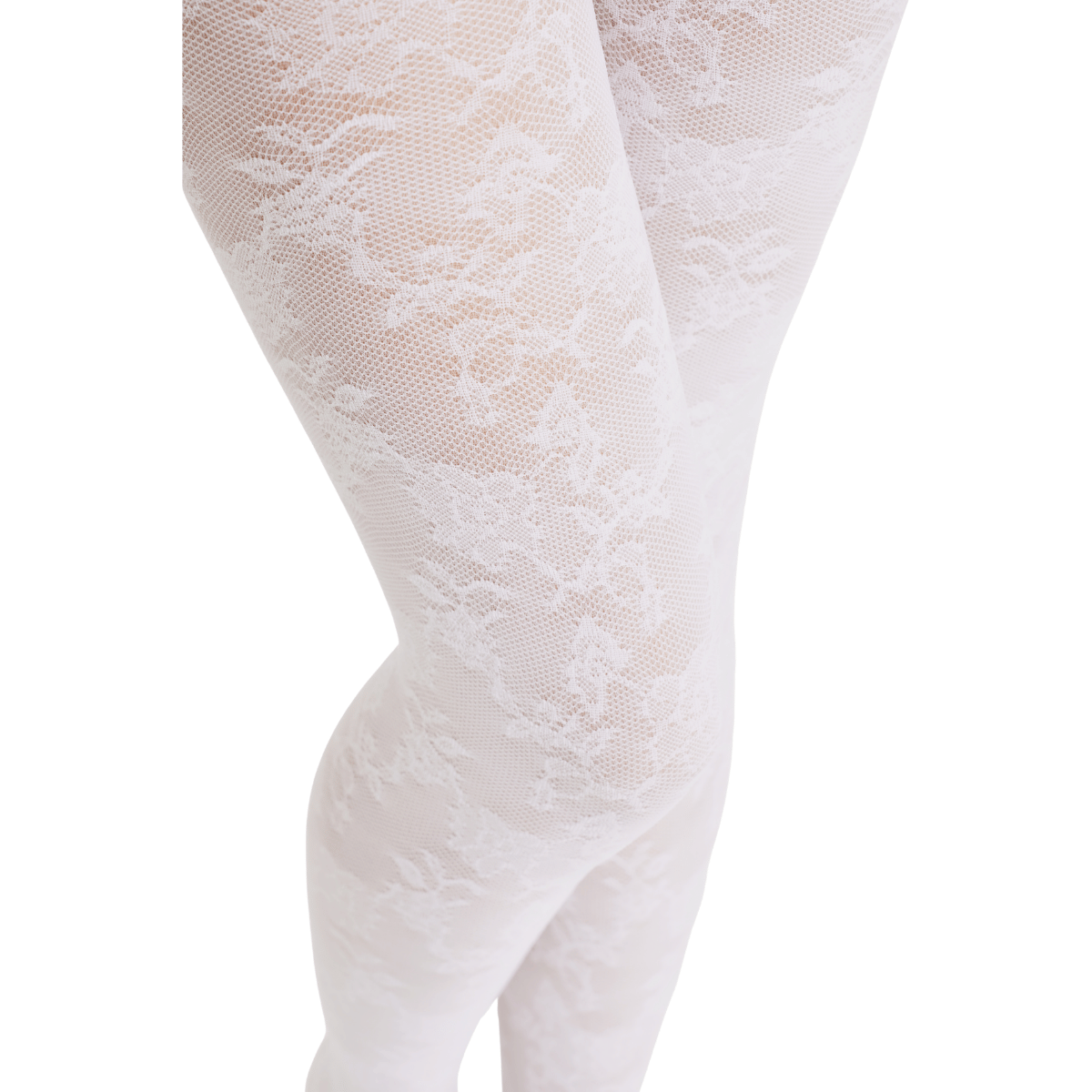
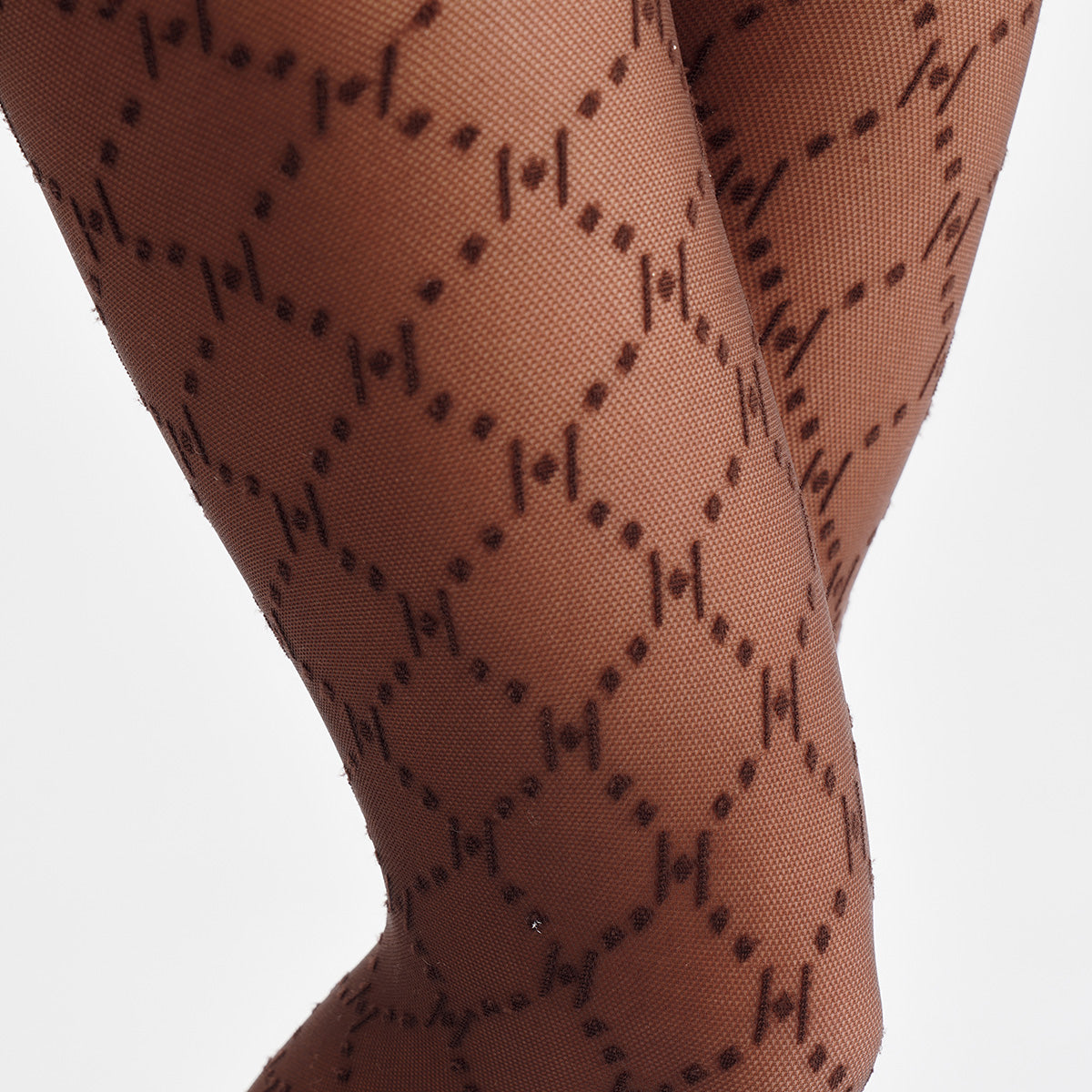
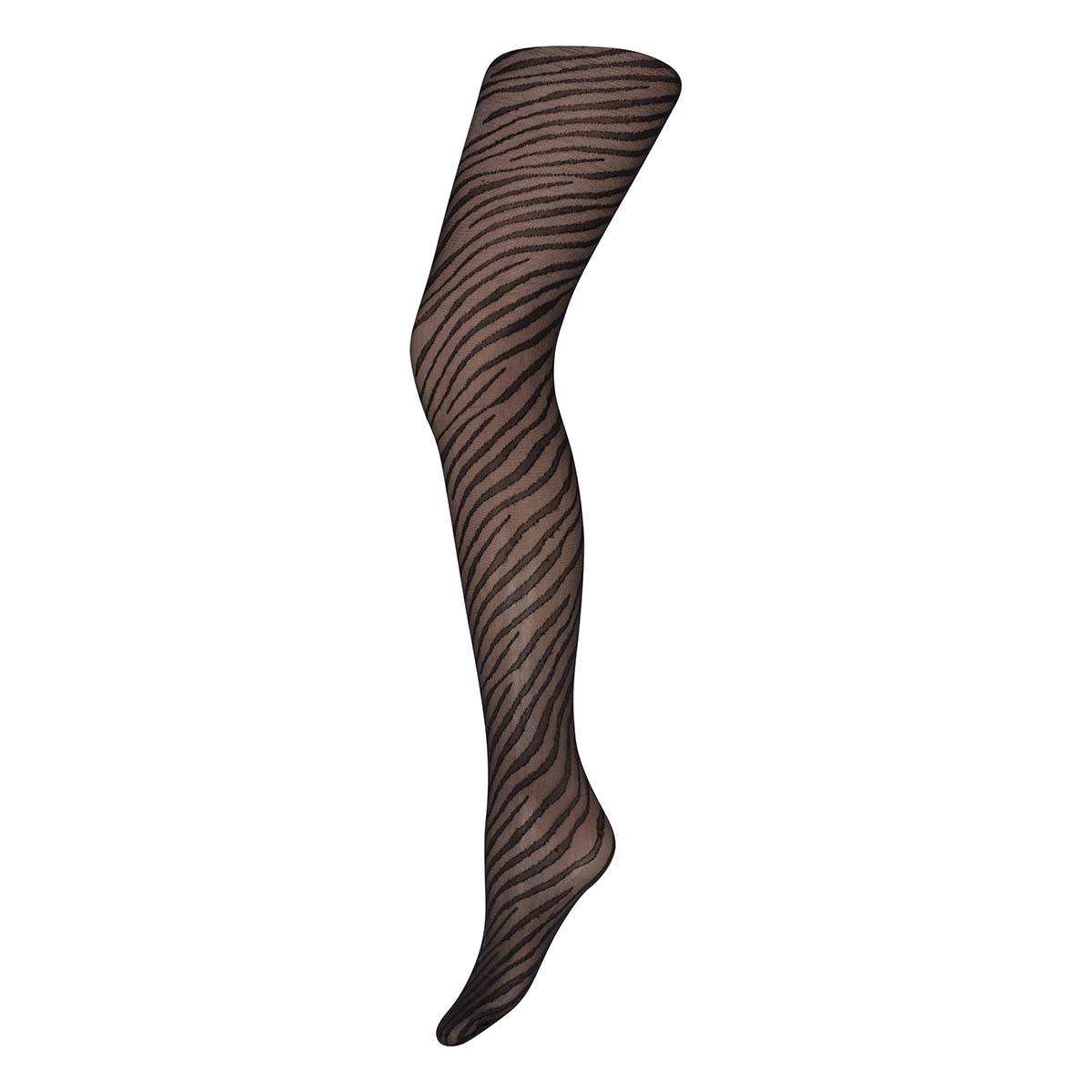
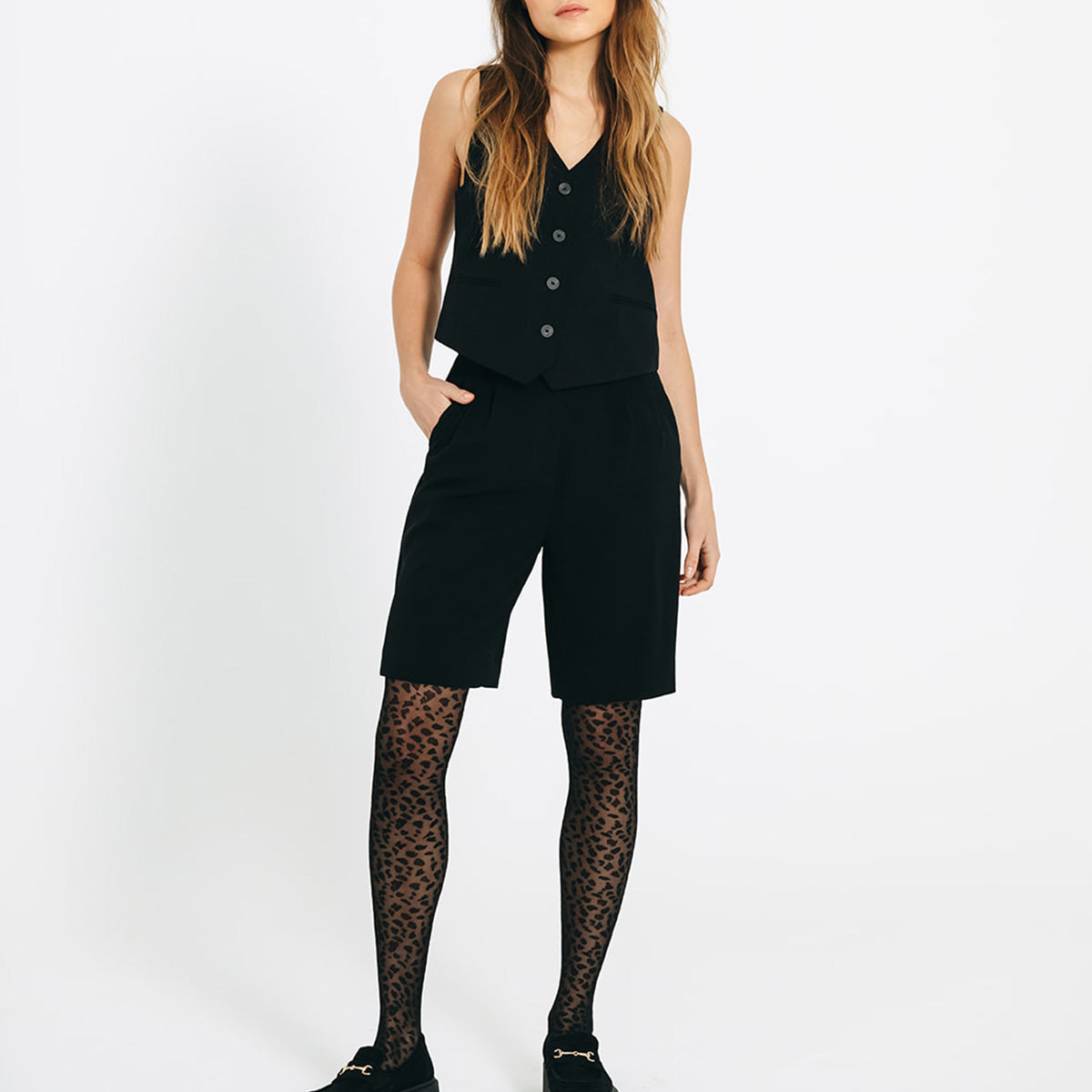
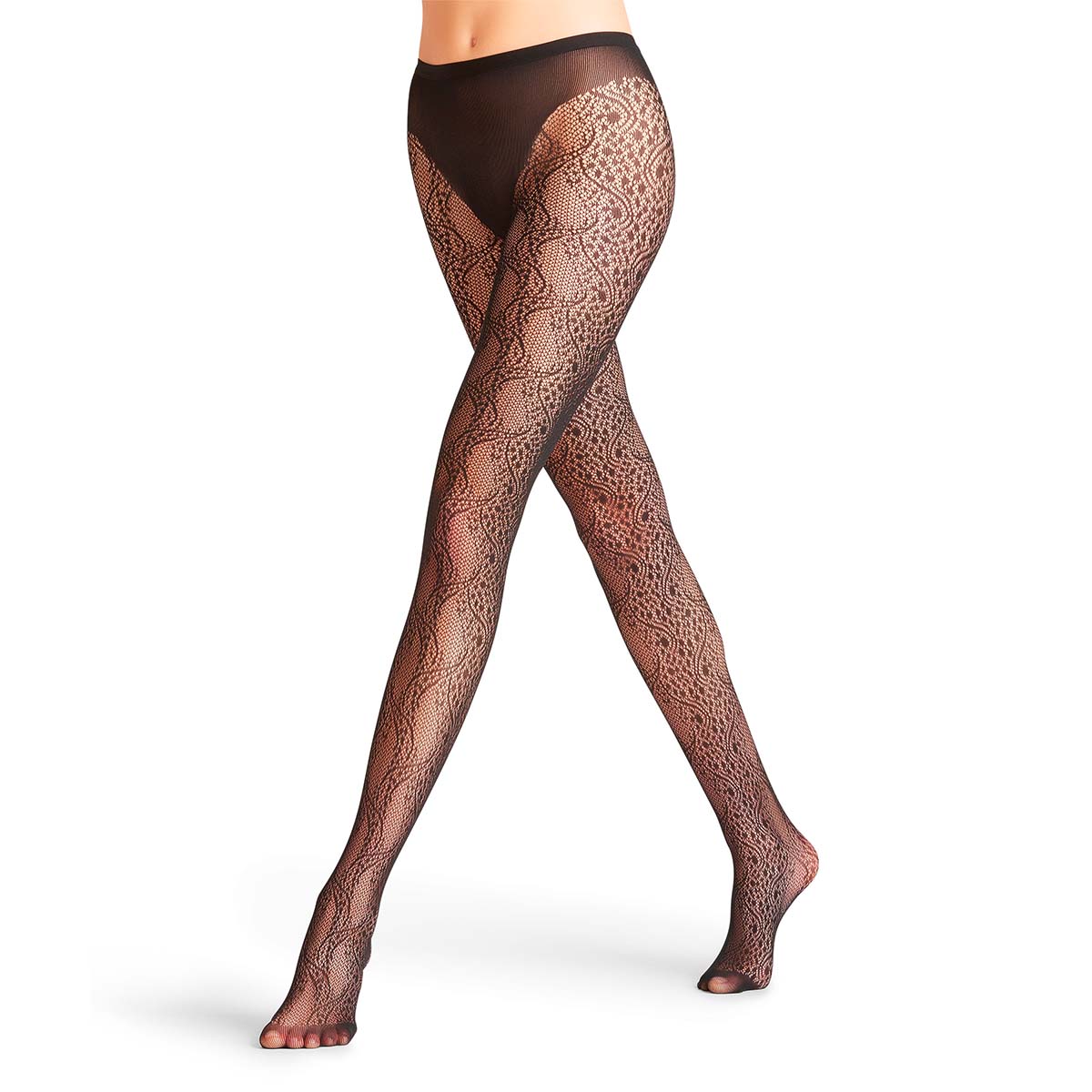
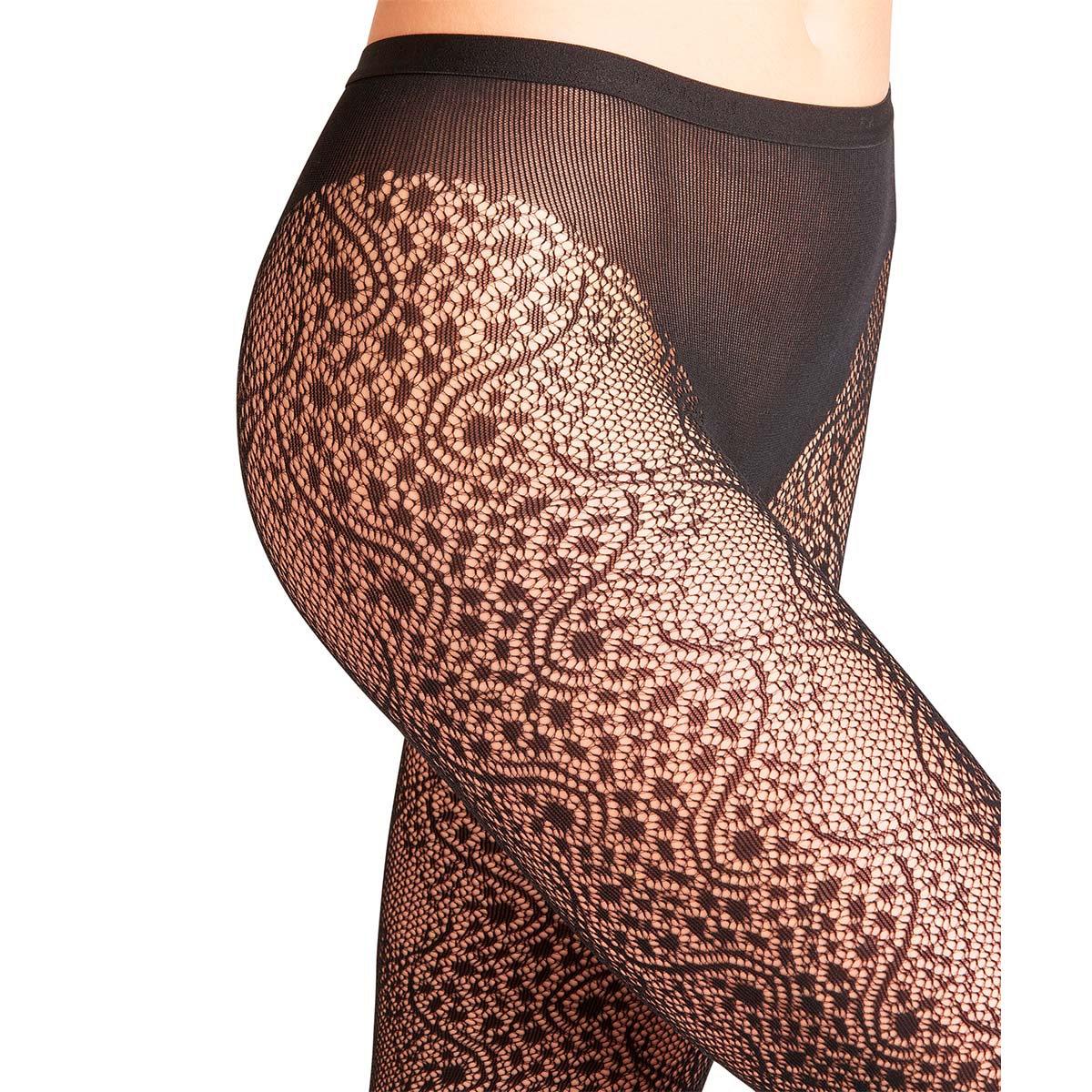
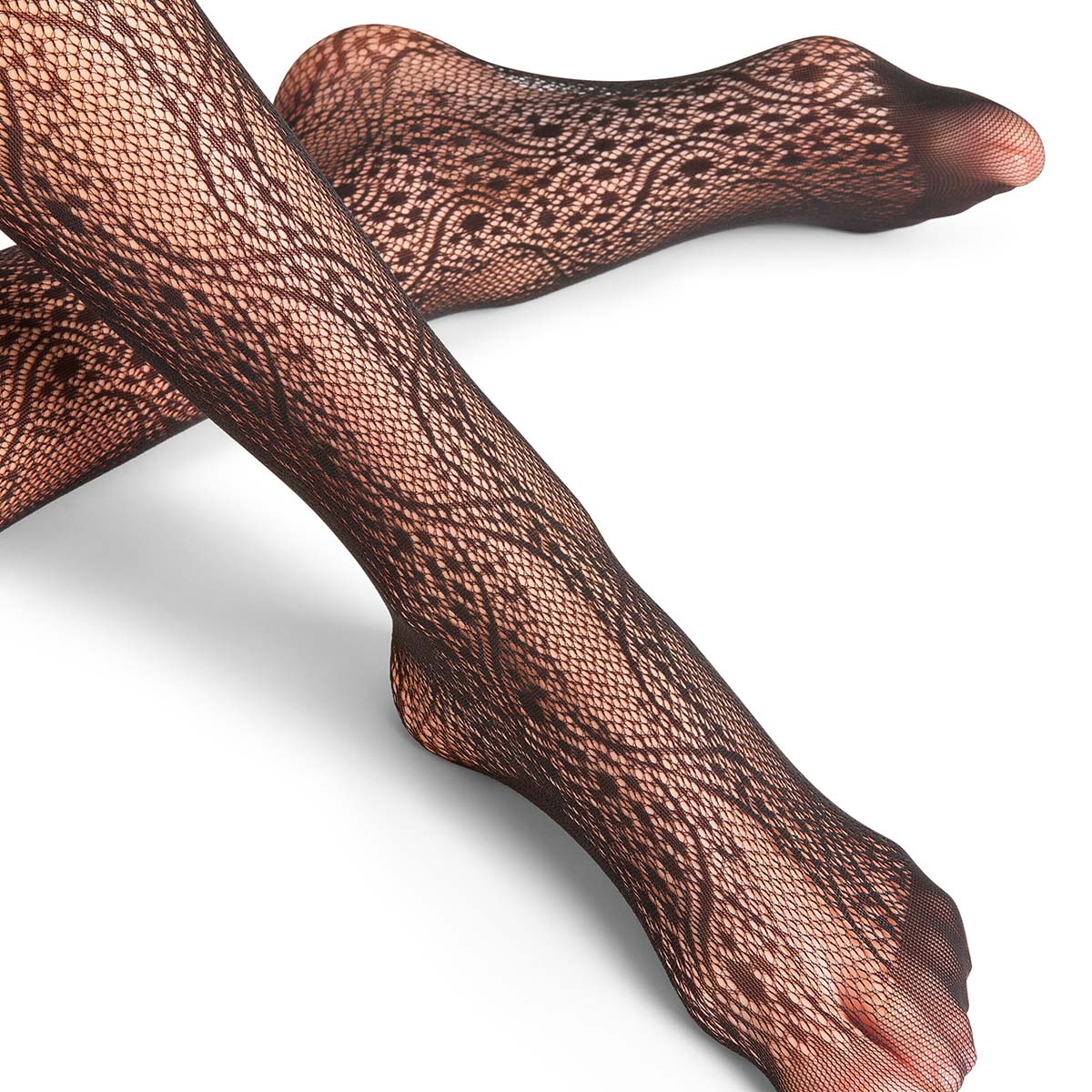
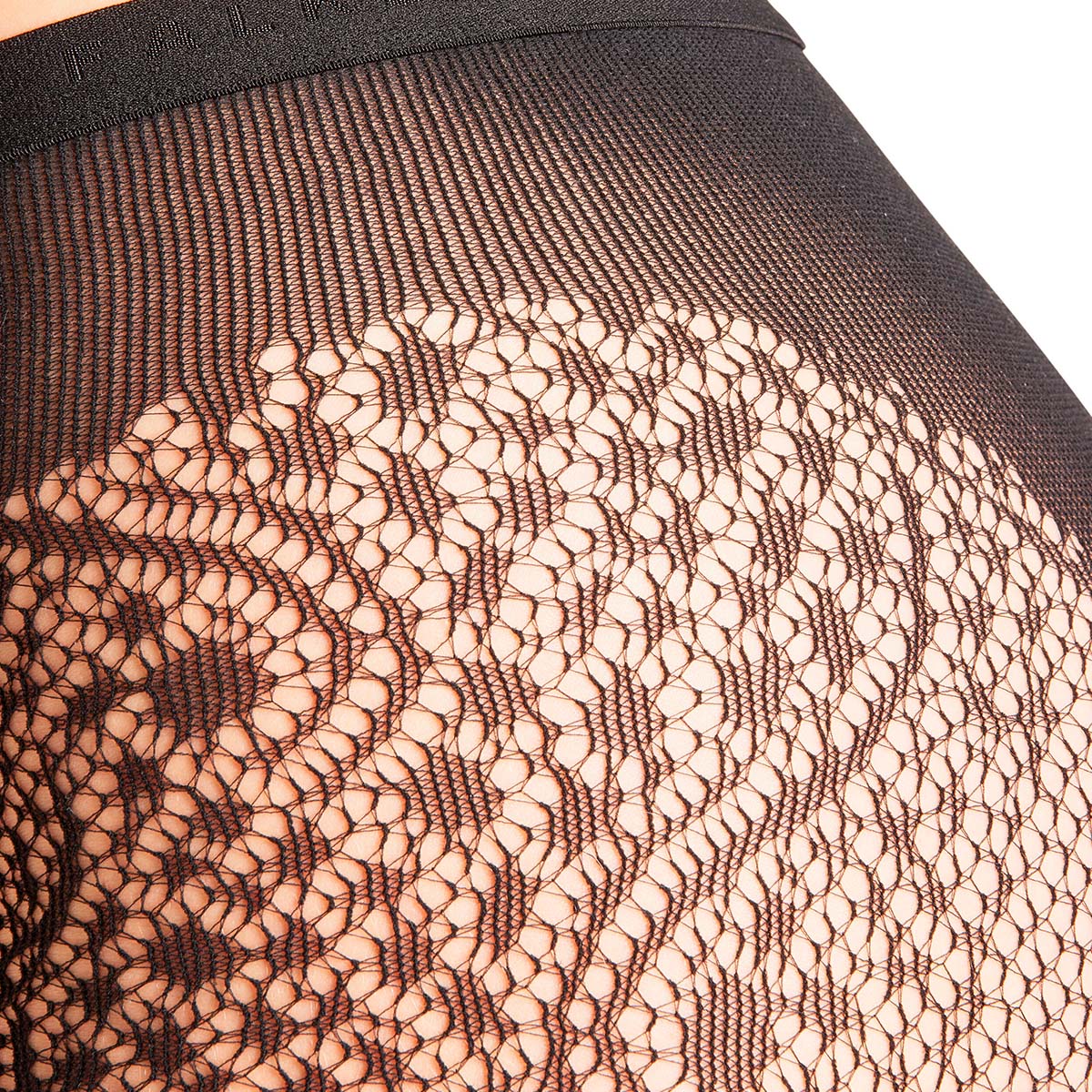
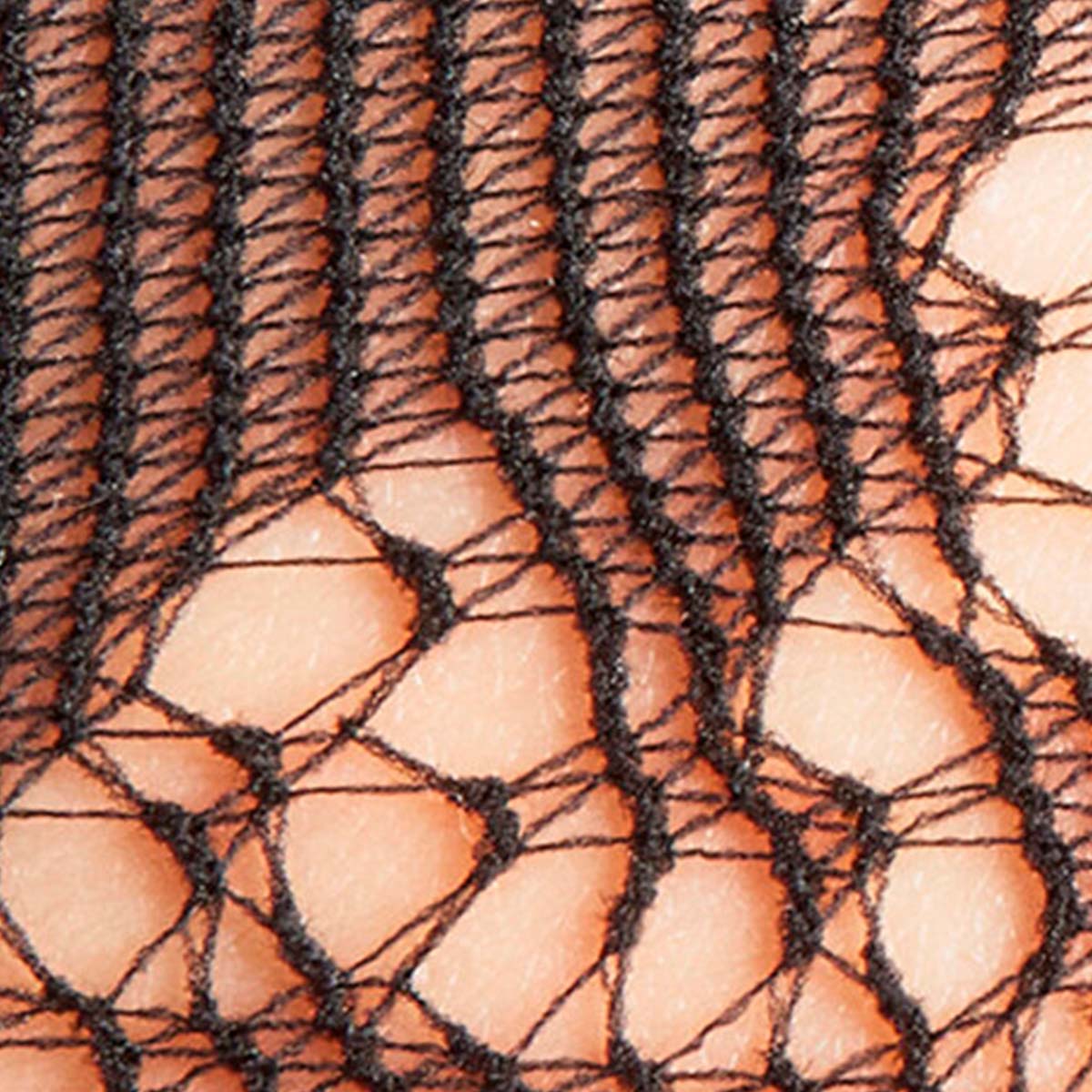
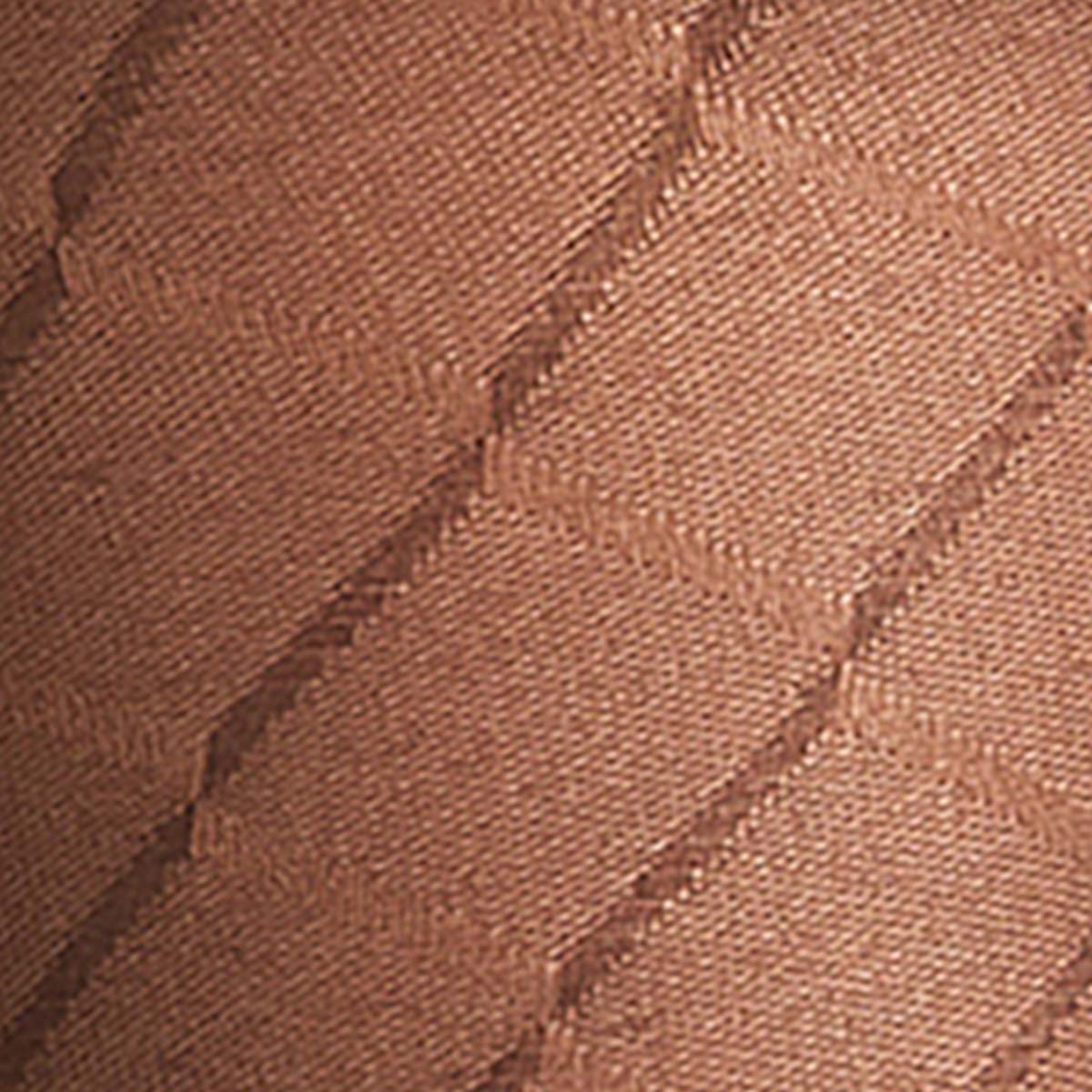
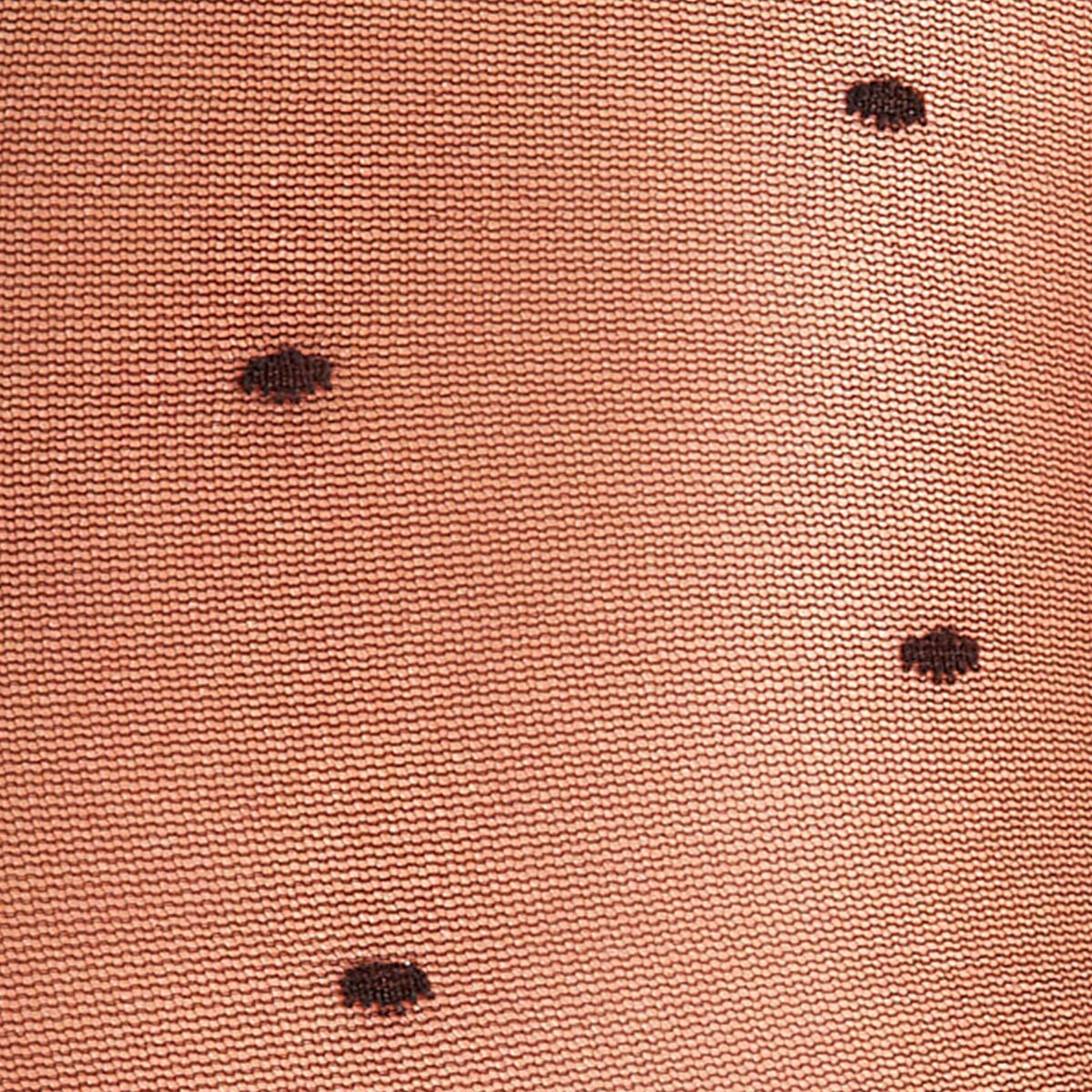
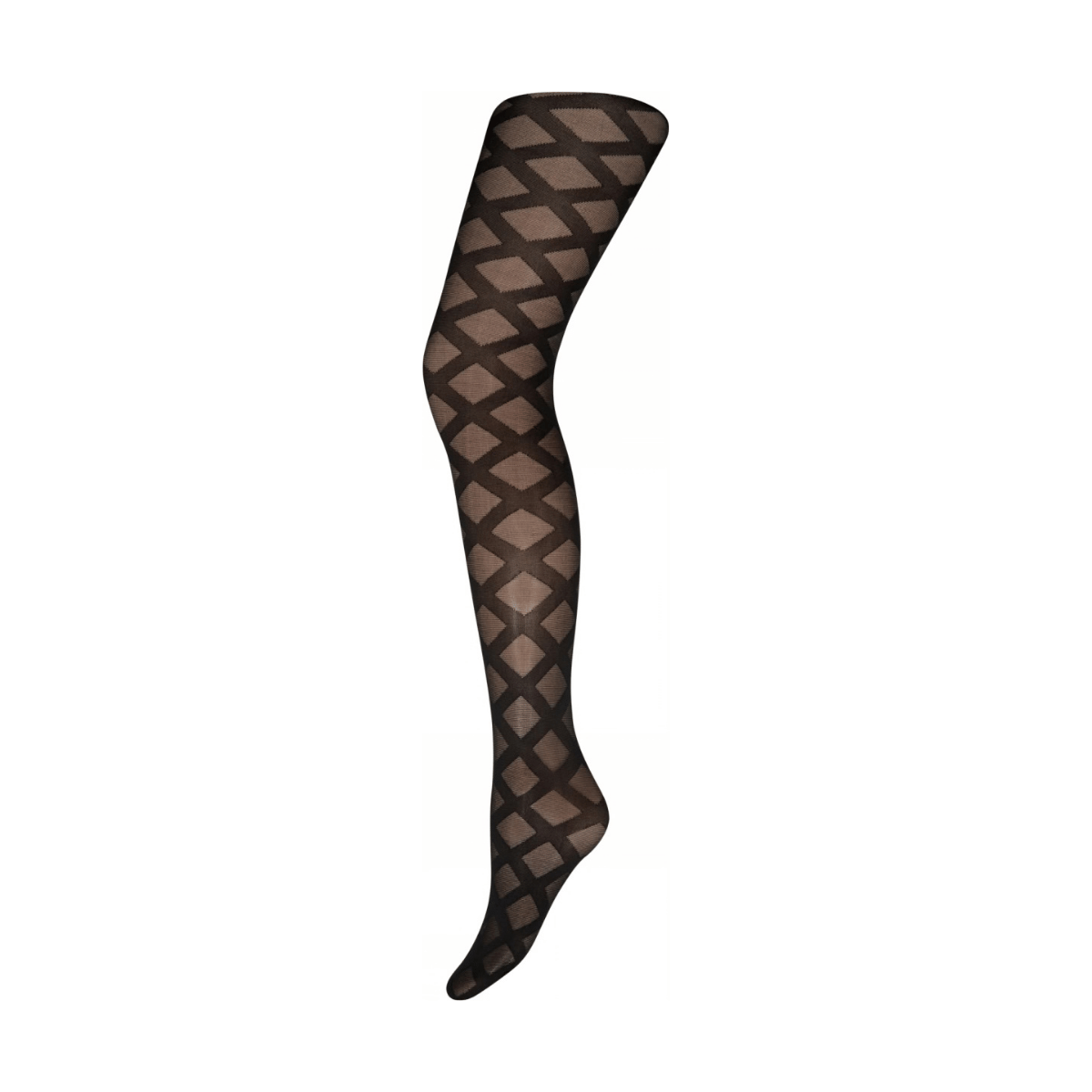
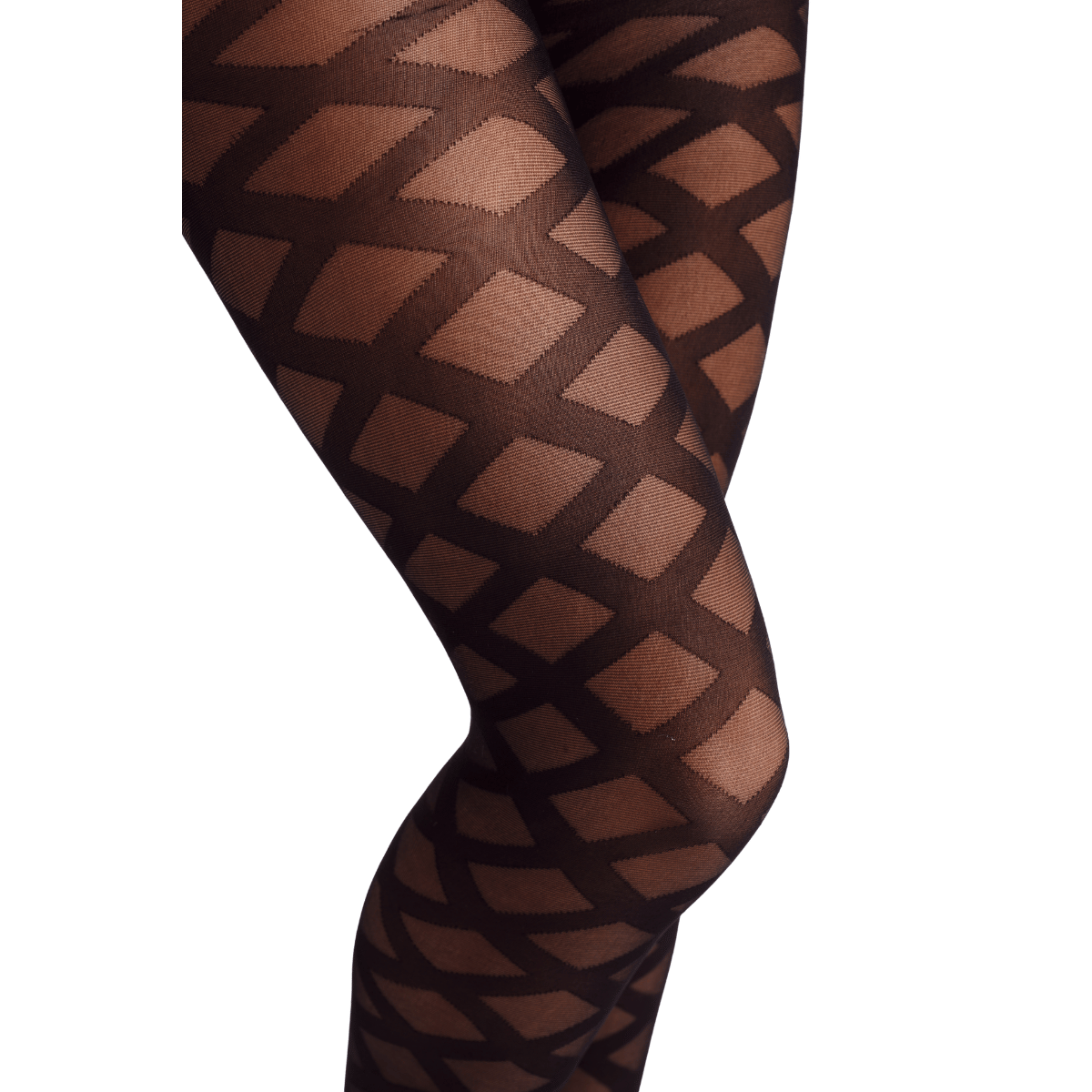
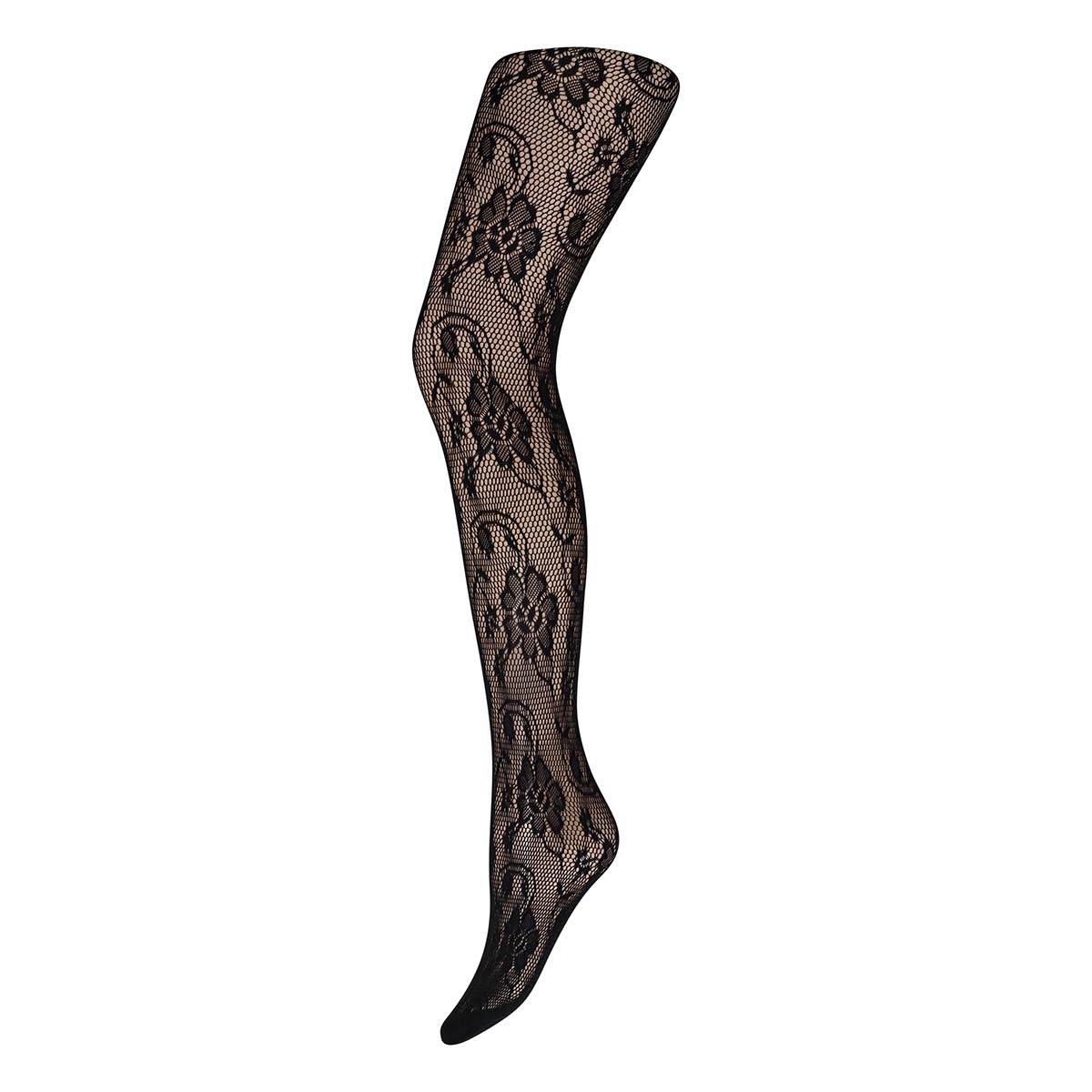
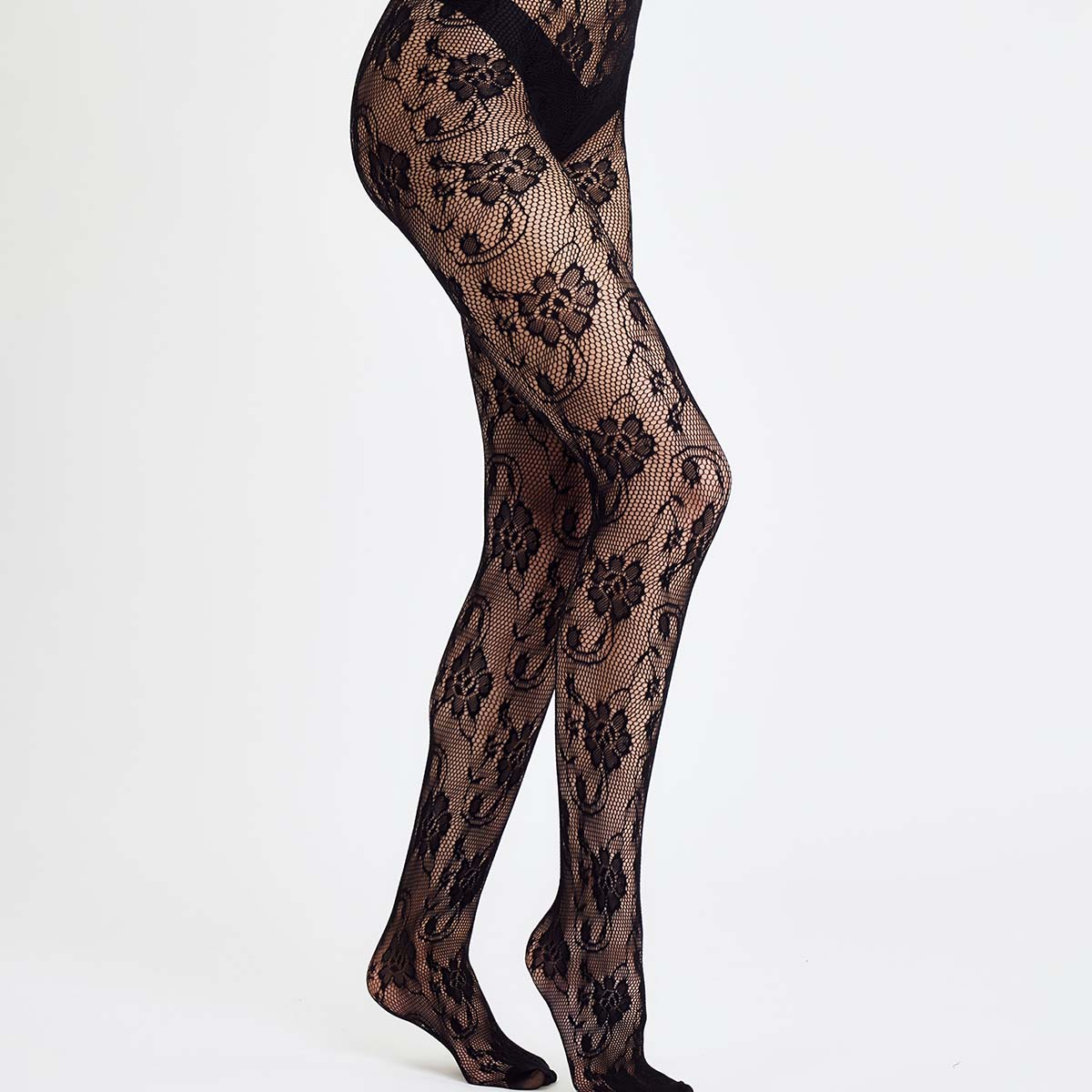
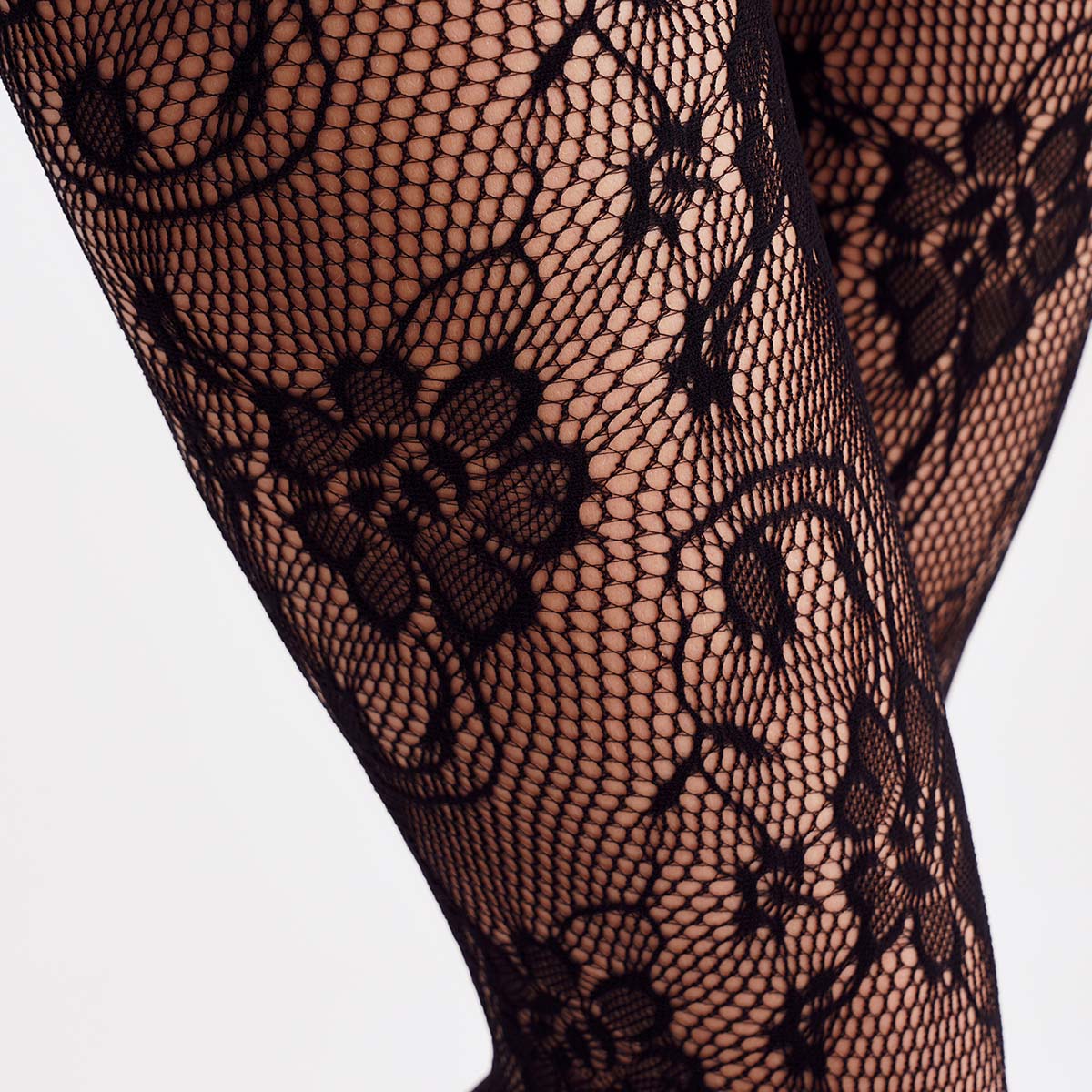
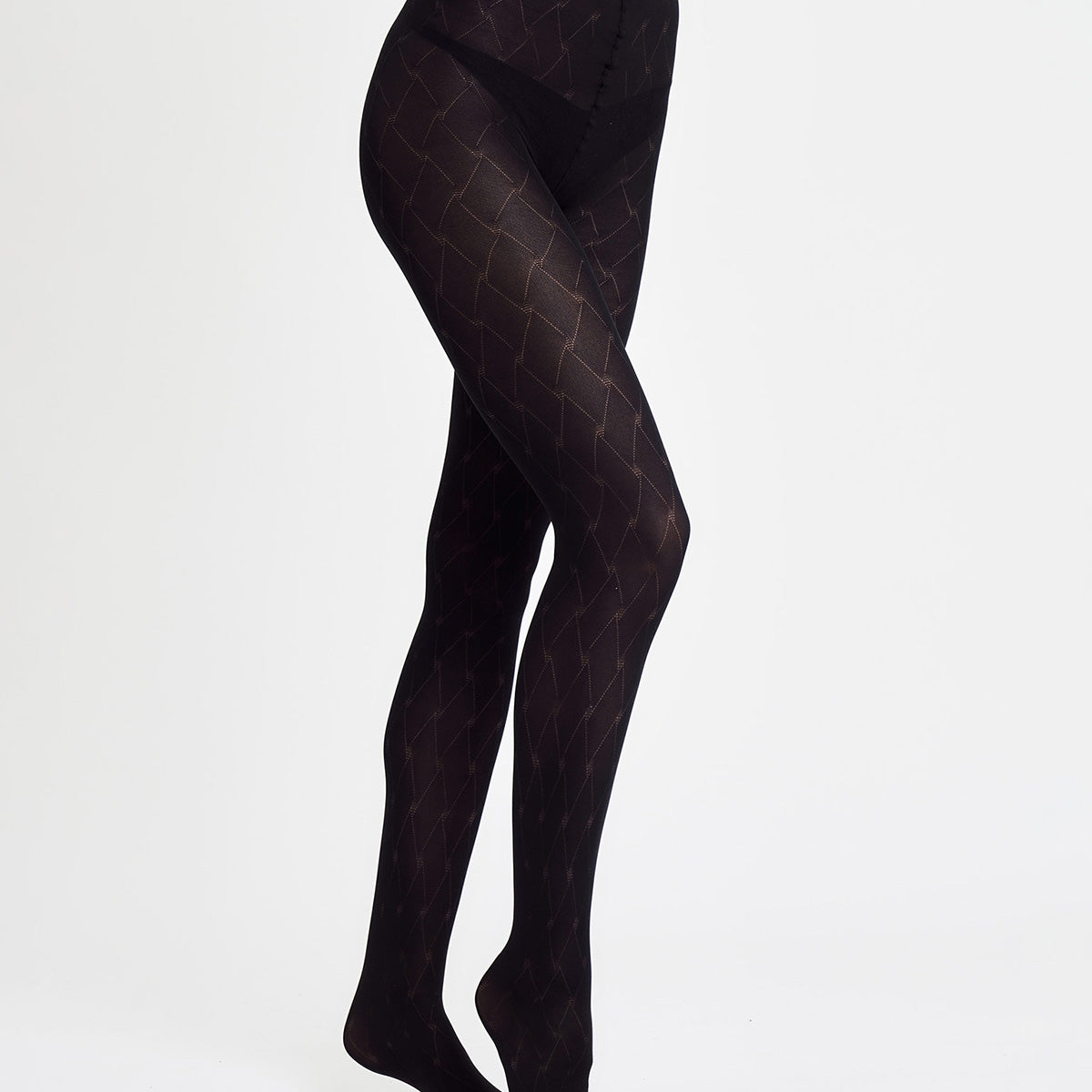
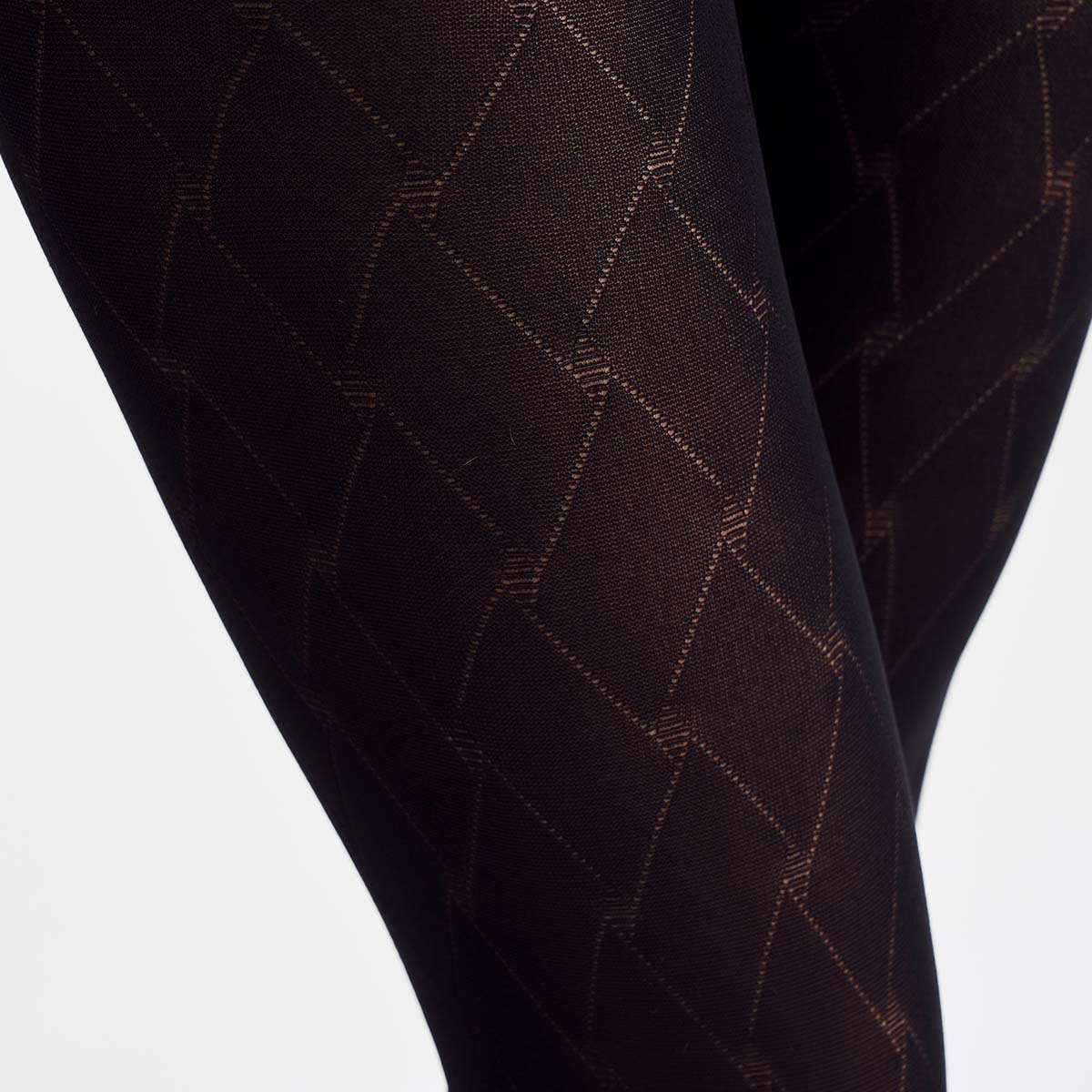
There are also patterned tights where the effect is created by the structure of the fabric itself. A mesh texture or a pattern that alternates between sheer and more opaque areas can look very different from a design that is clearly defined on the tights. Black patterned tights are a good example of how much variation there can be within a single colour.
When choosing a pattern, it can therefore be helpful to consider how noticeable you want the tights to be as part of the overall outfit. A fine, repeating design can work as a subtle detail, while a larger or higher-contrast pattern will naturally attract more attention.
From dots and stripes to florals and graphic details
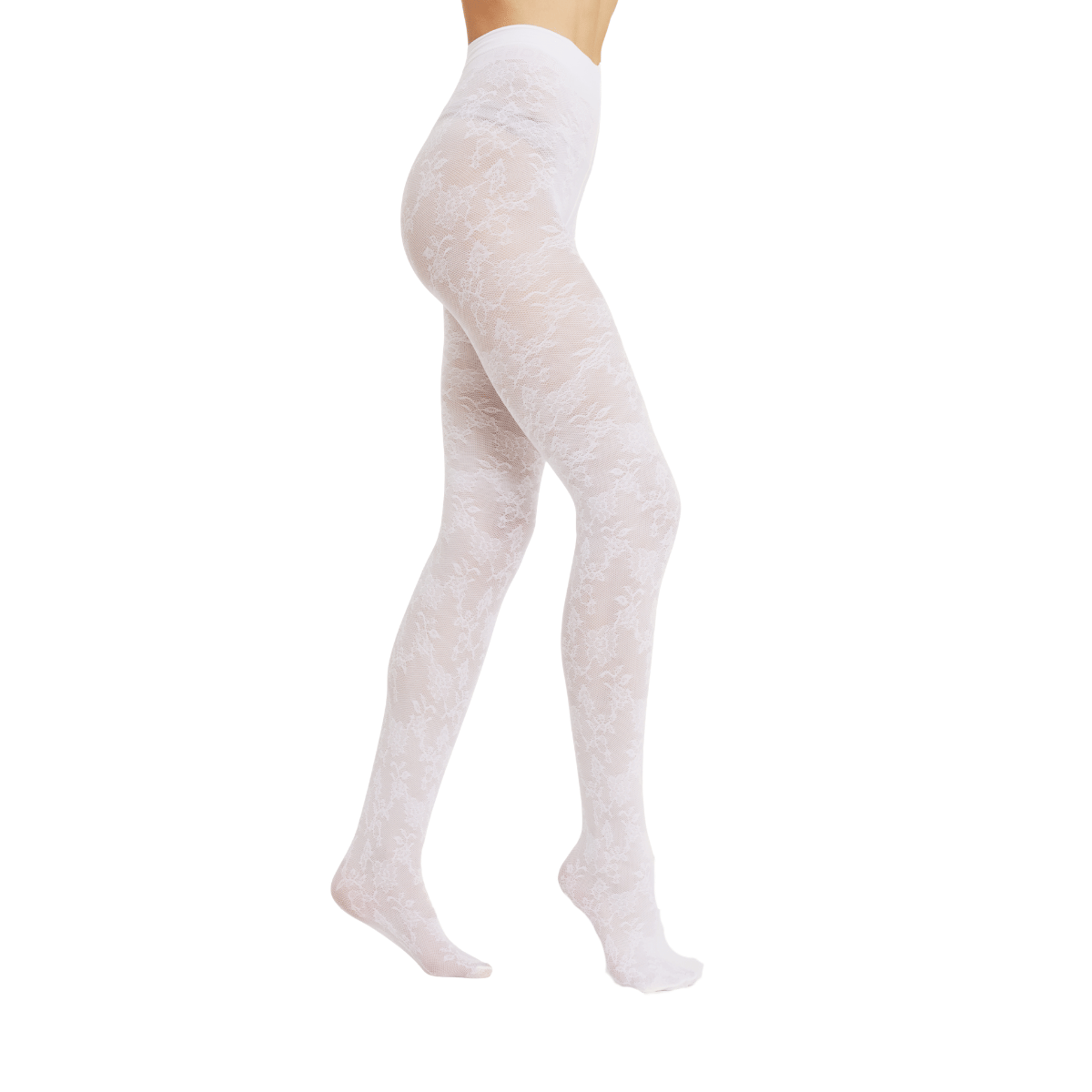
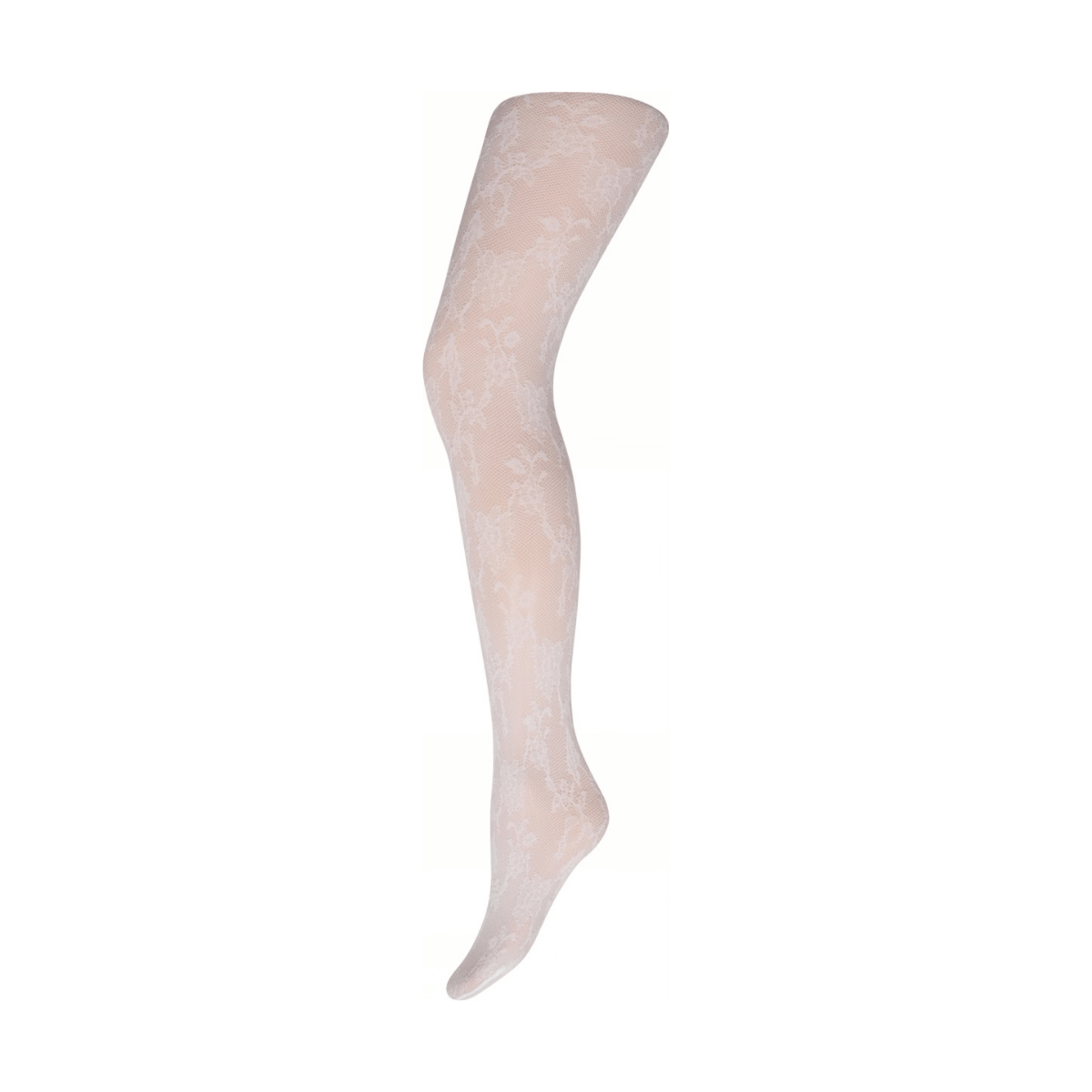
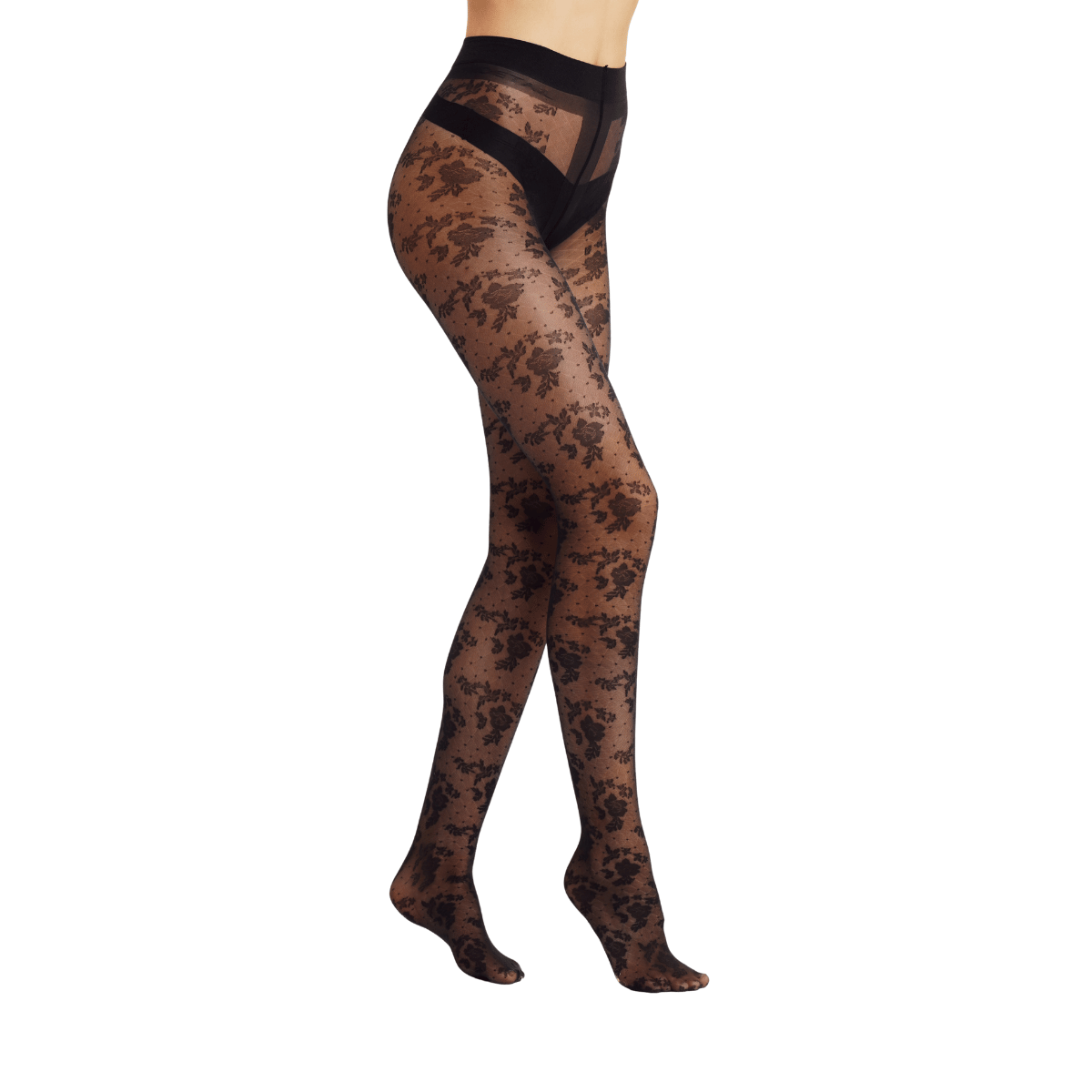
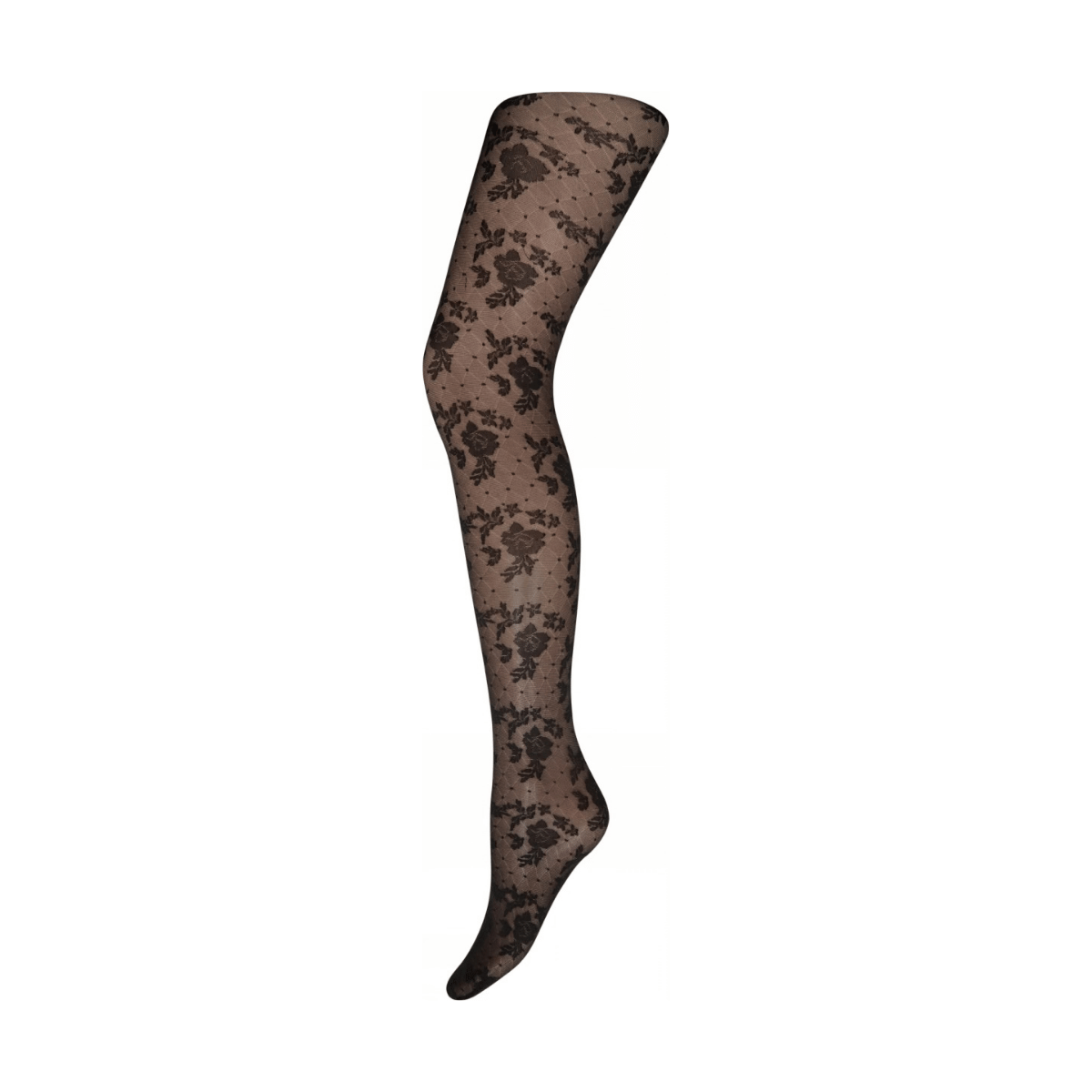
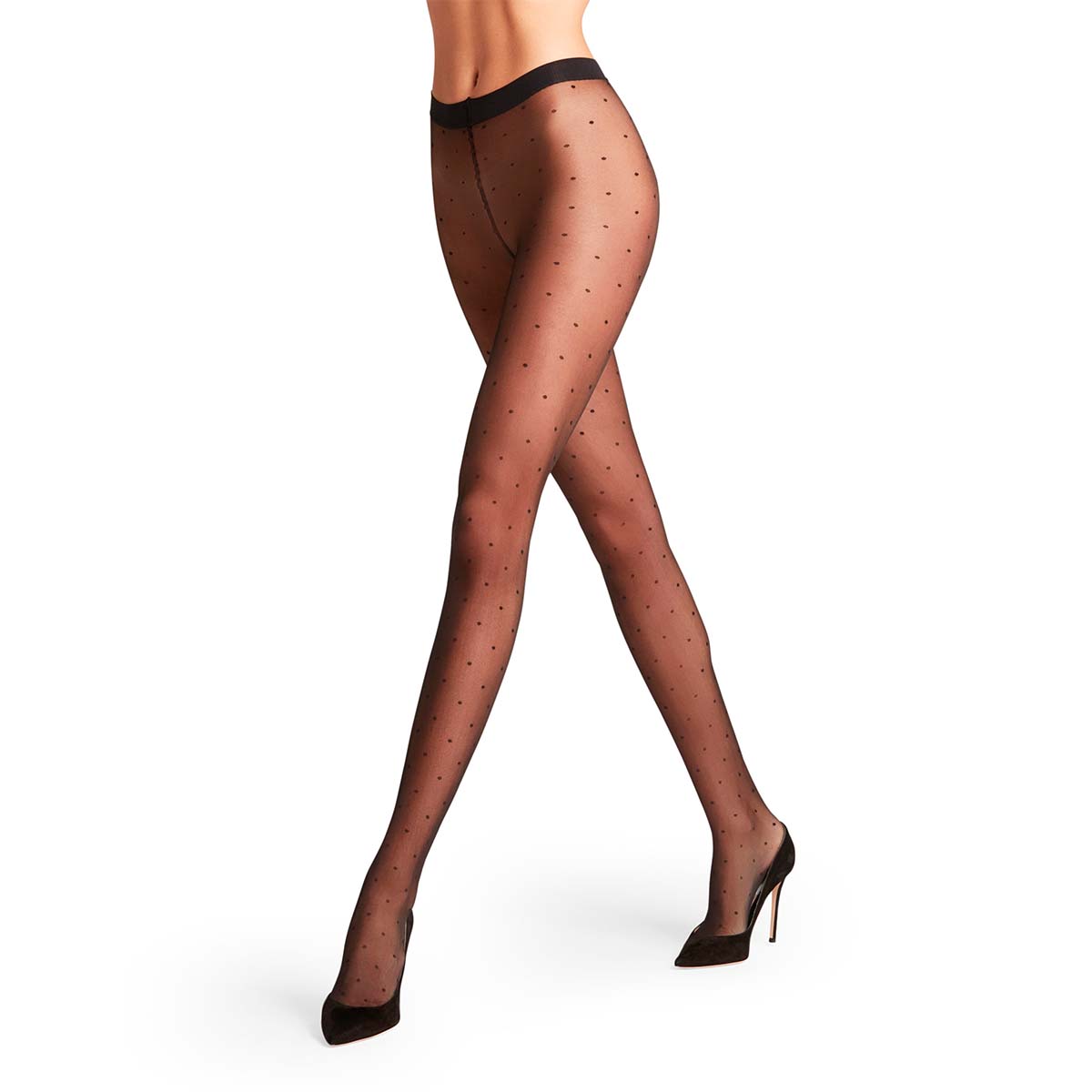
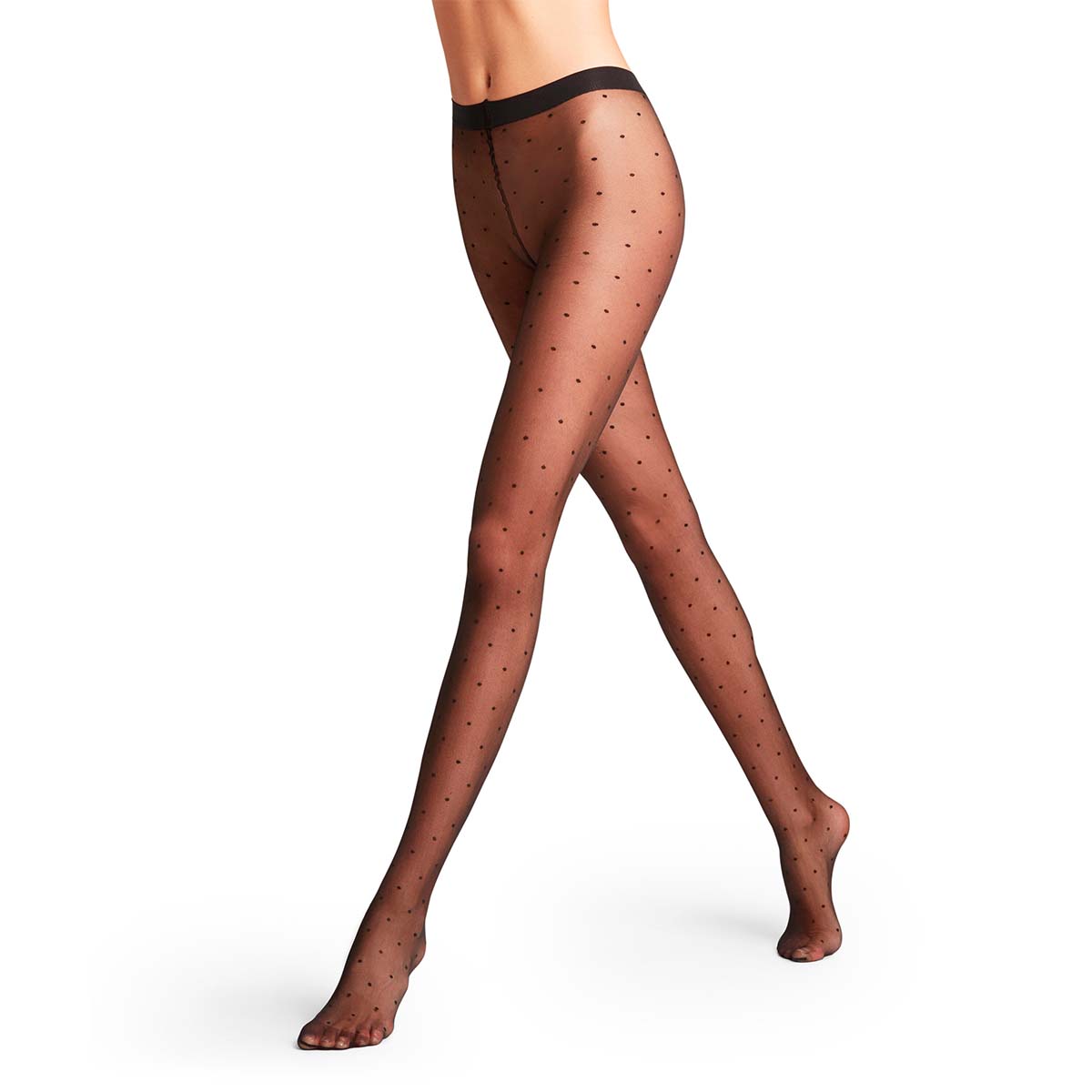
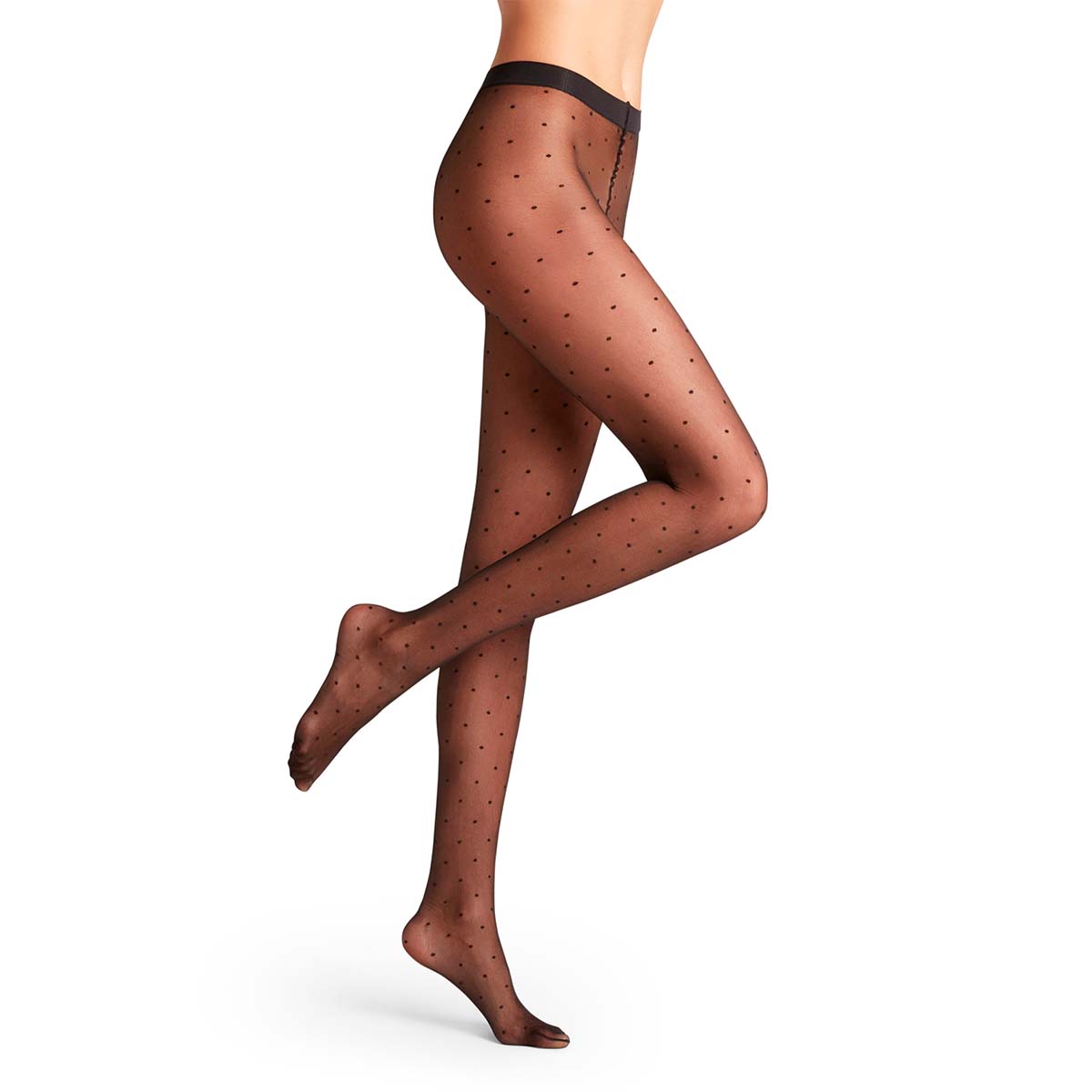
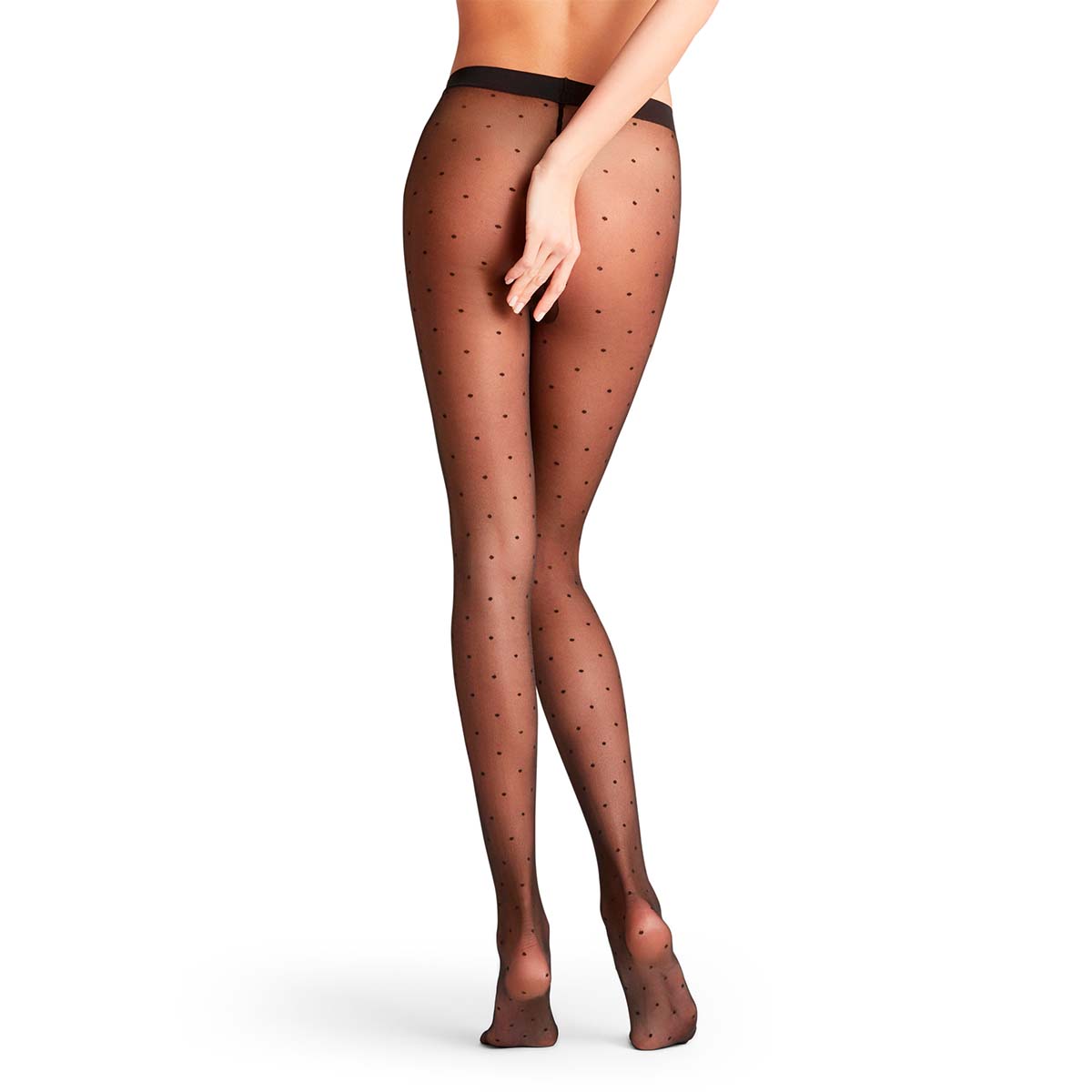
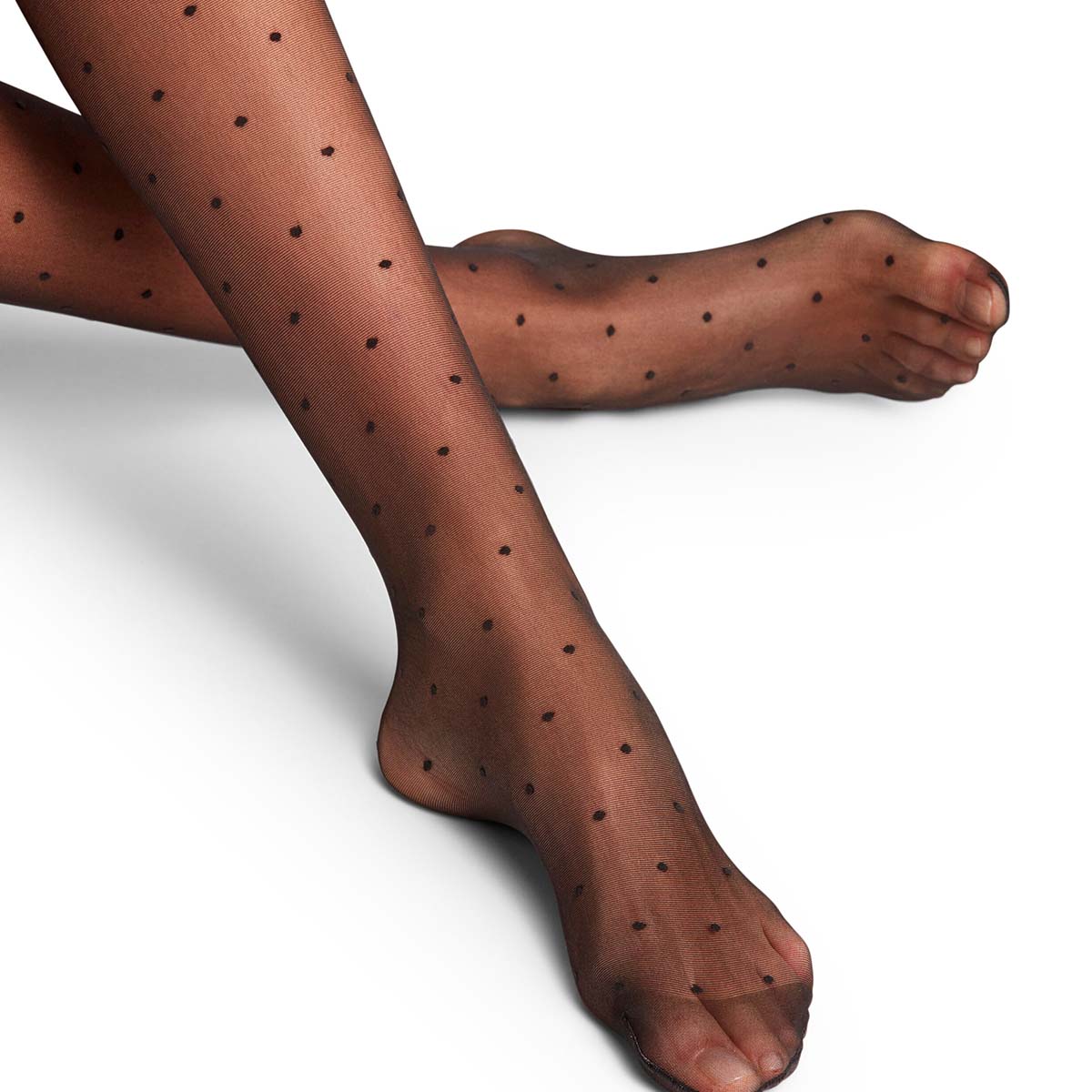
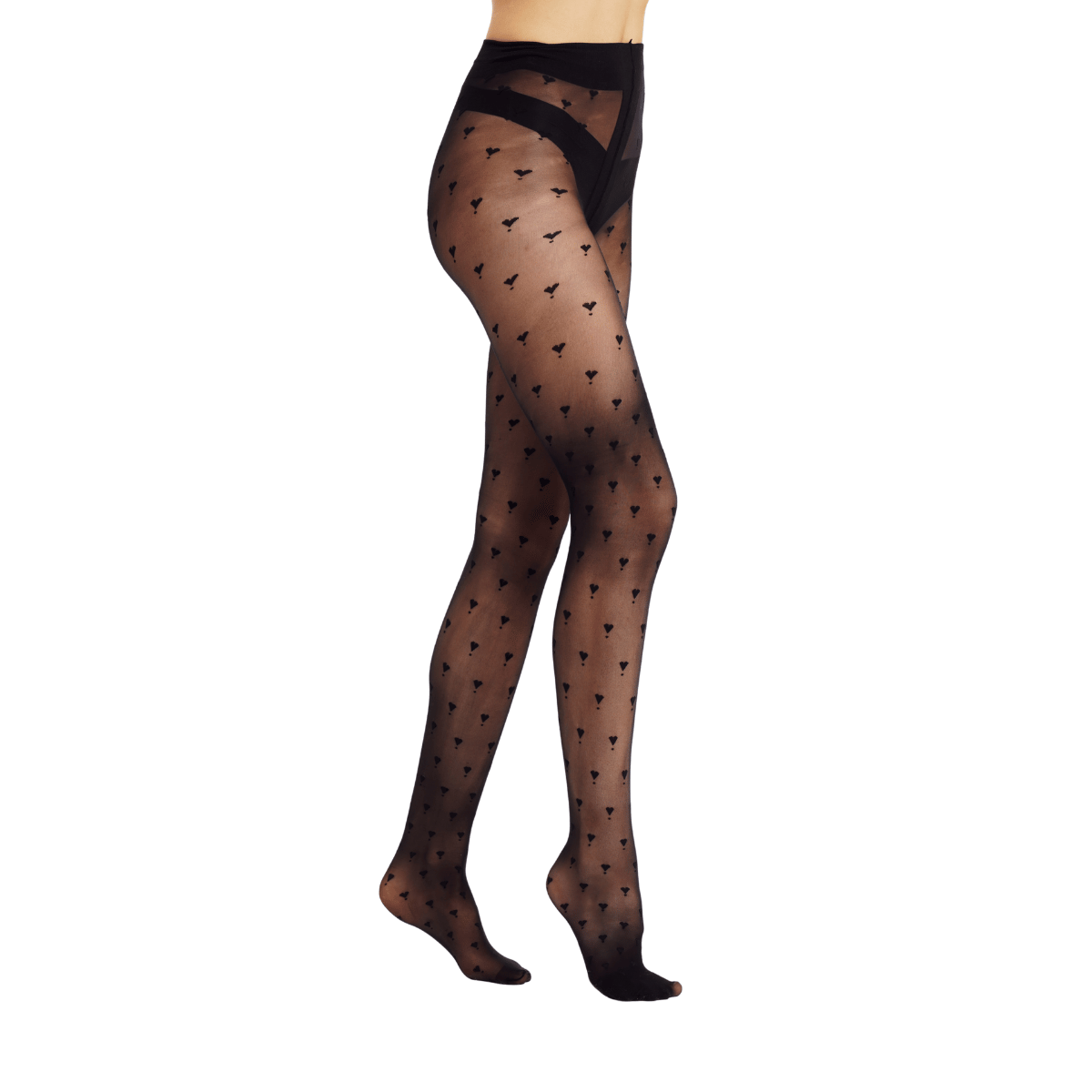
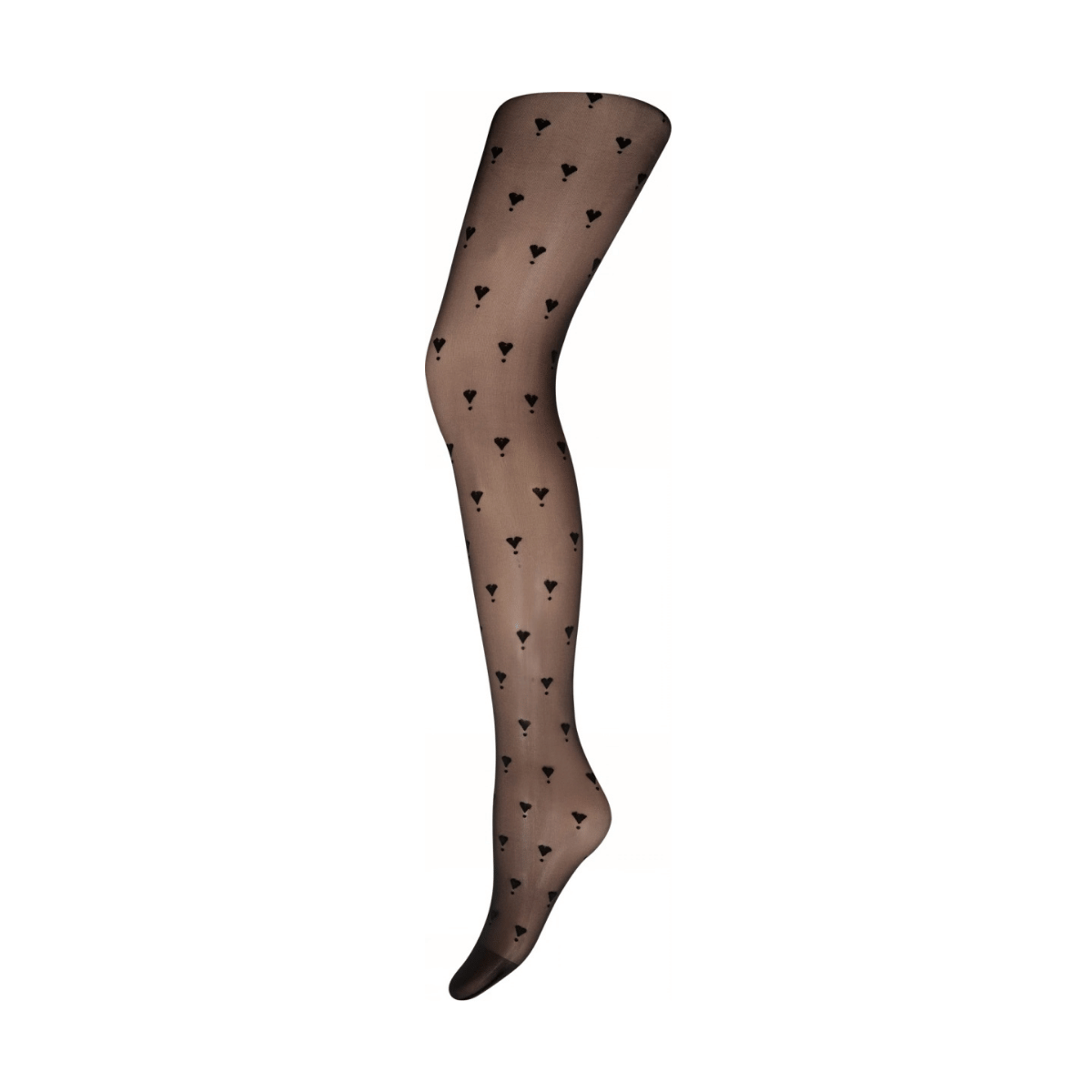
Different types of patterns offer different styling possibilities when combining tights with the rest of your wardrobe. Polka dot tights often have a regular, balanced appearance, with the size of the dots and the spacing between them playing an important role in the overall look. Stripes can be vertical or horizontal, or form part of a more complex graphic design, while floral tights can range from small, scattered details to larger decorative areas.
Three simple guidelines can make choosing easier:
- Small, uniform patterns often create a more subtle and balanced look.
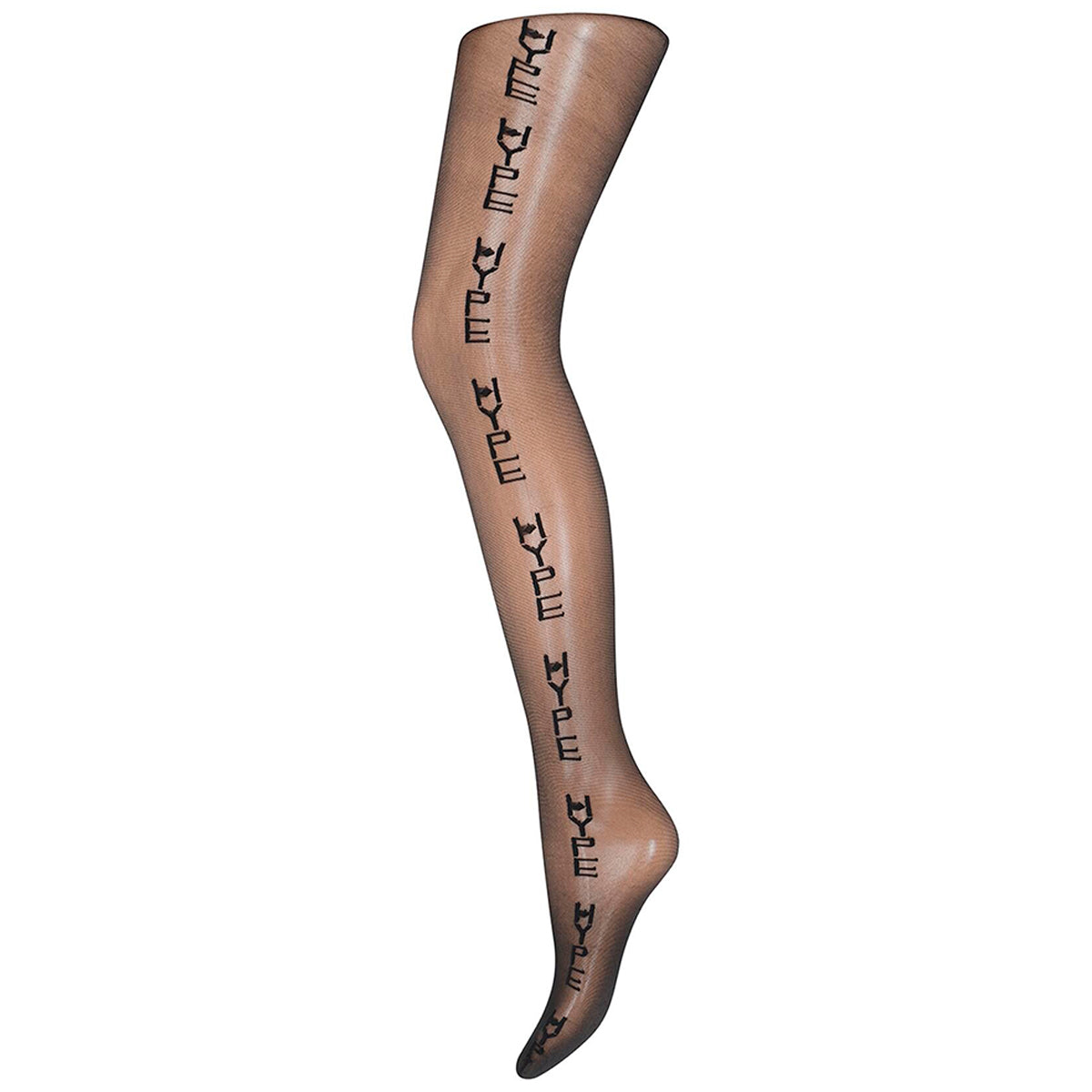
- Large or high-contrast designs stand out more and have a stronger visual presence in an outfit.
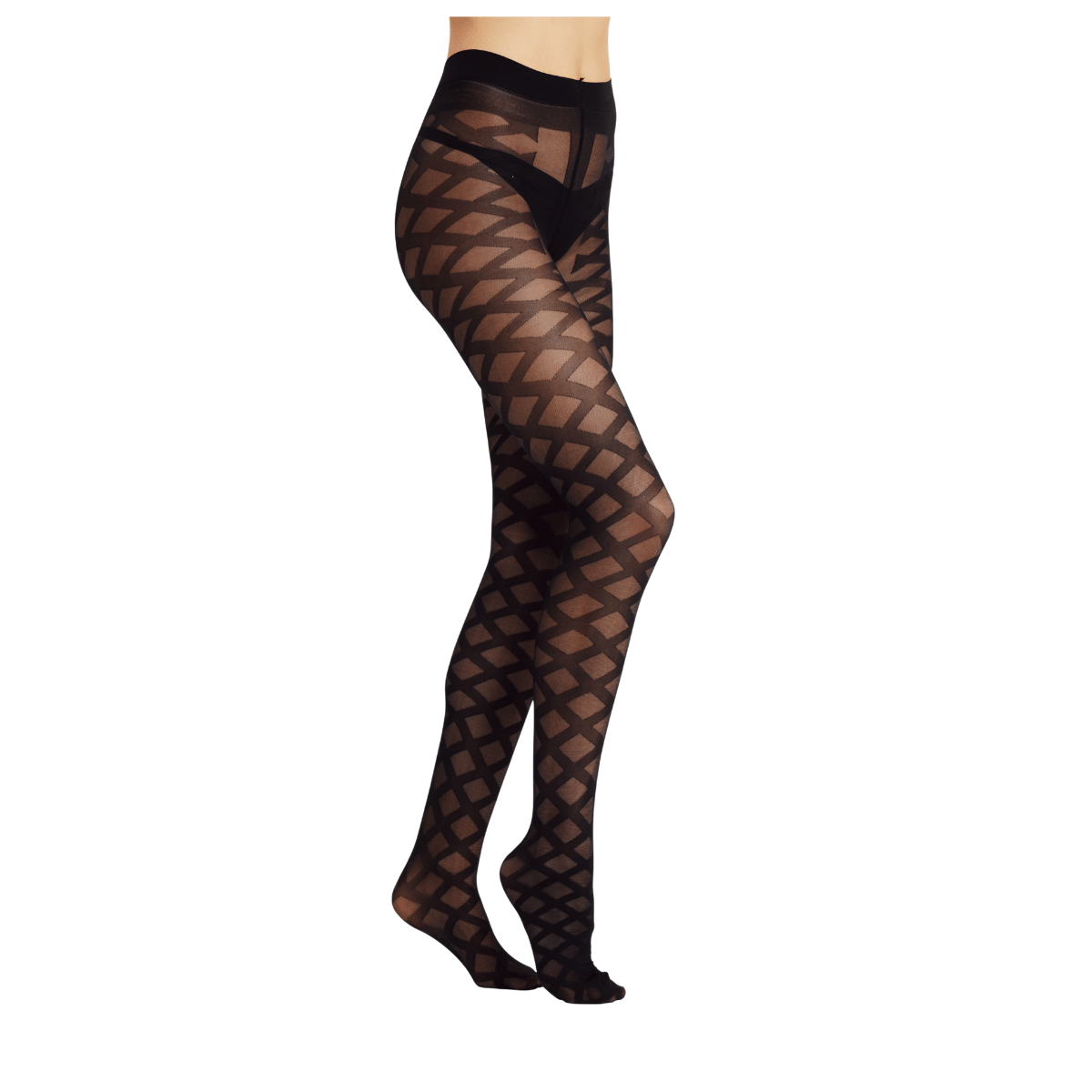
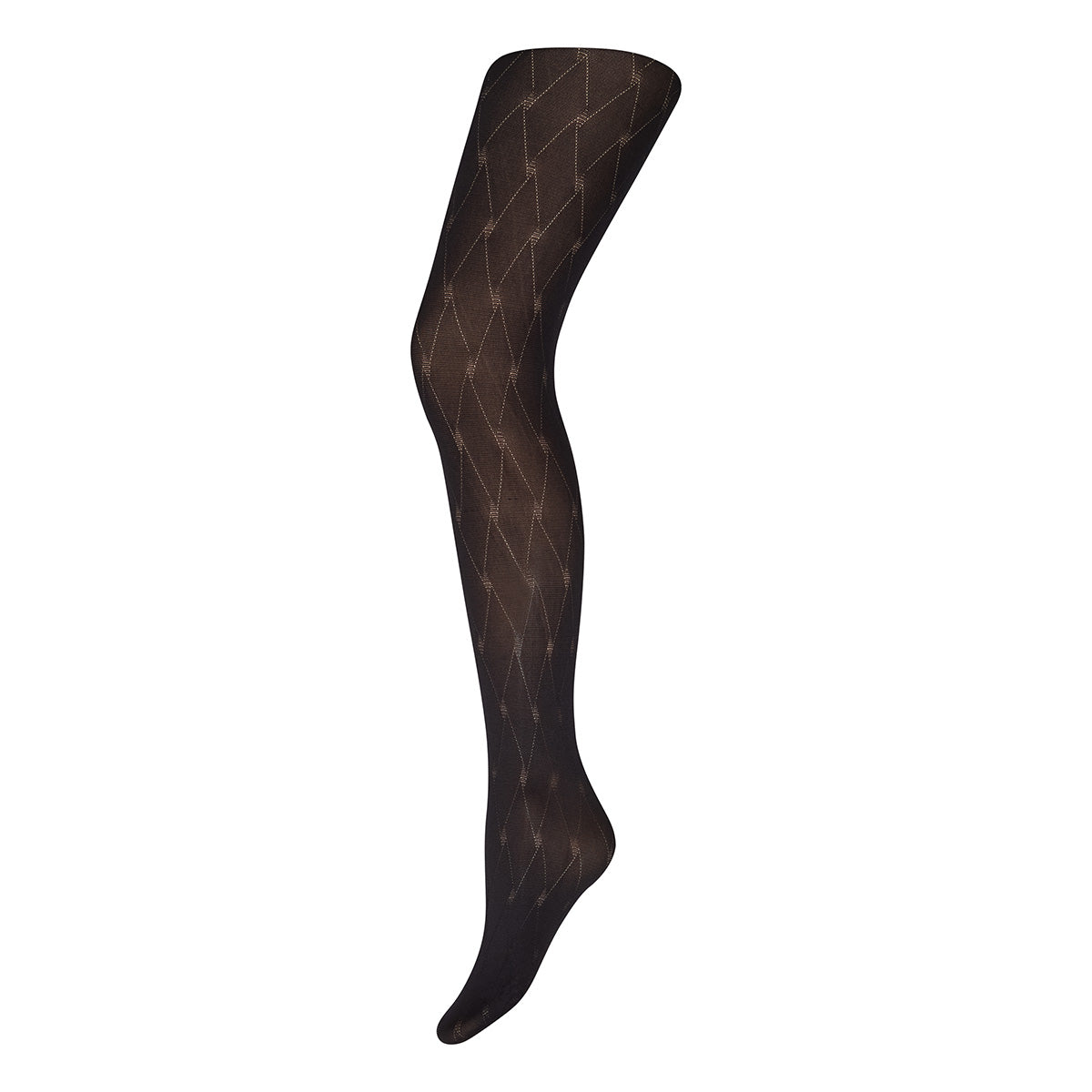
- Mesh, geometric shapes and other textures can add variation without looking like a traditional printed design.
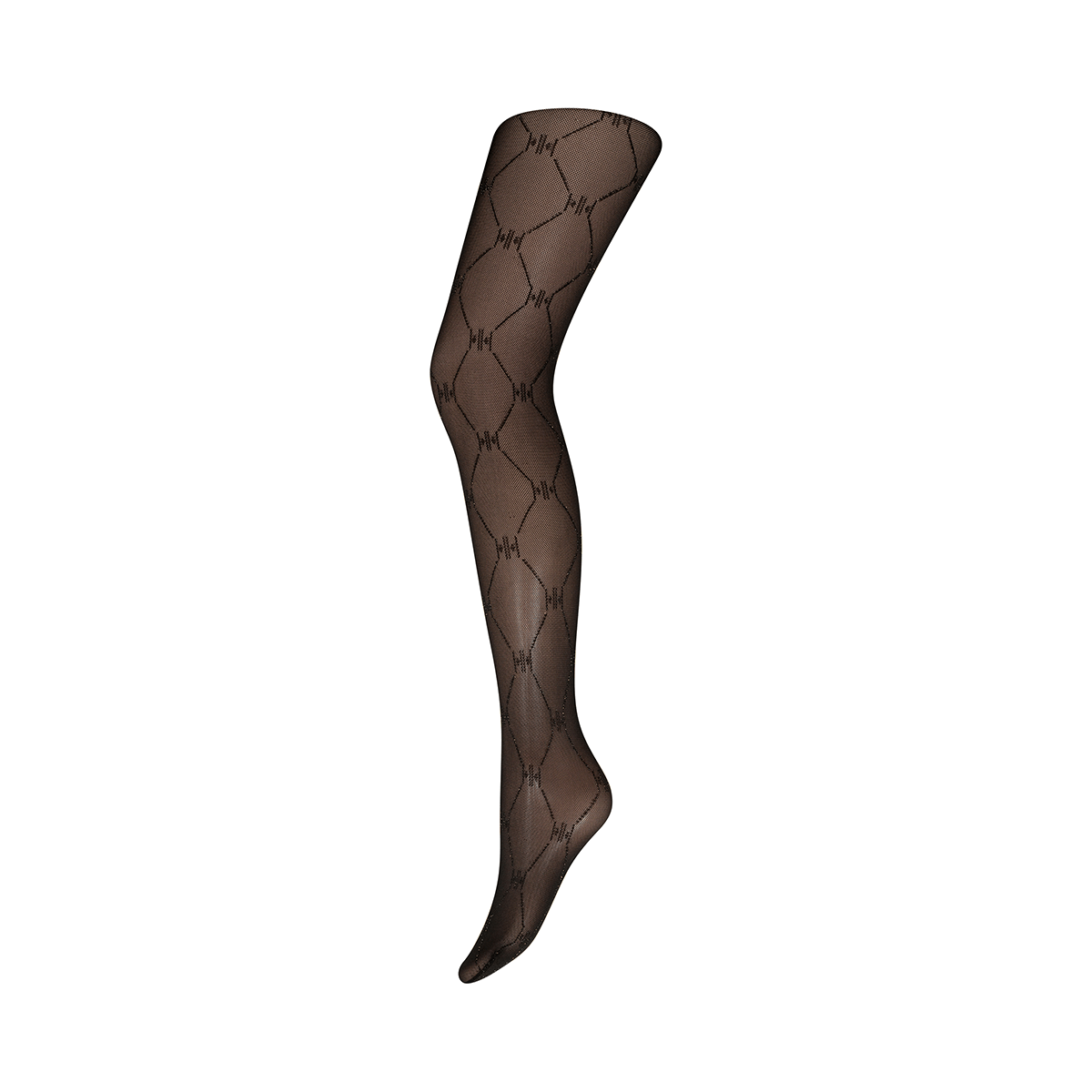
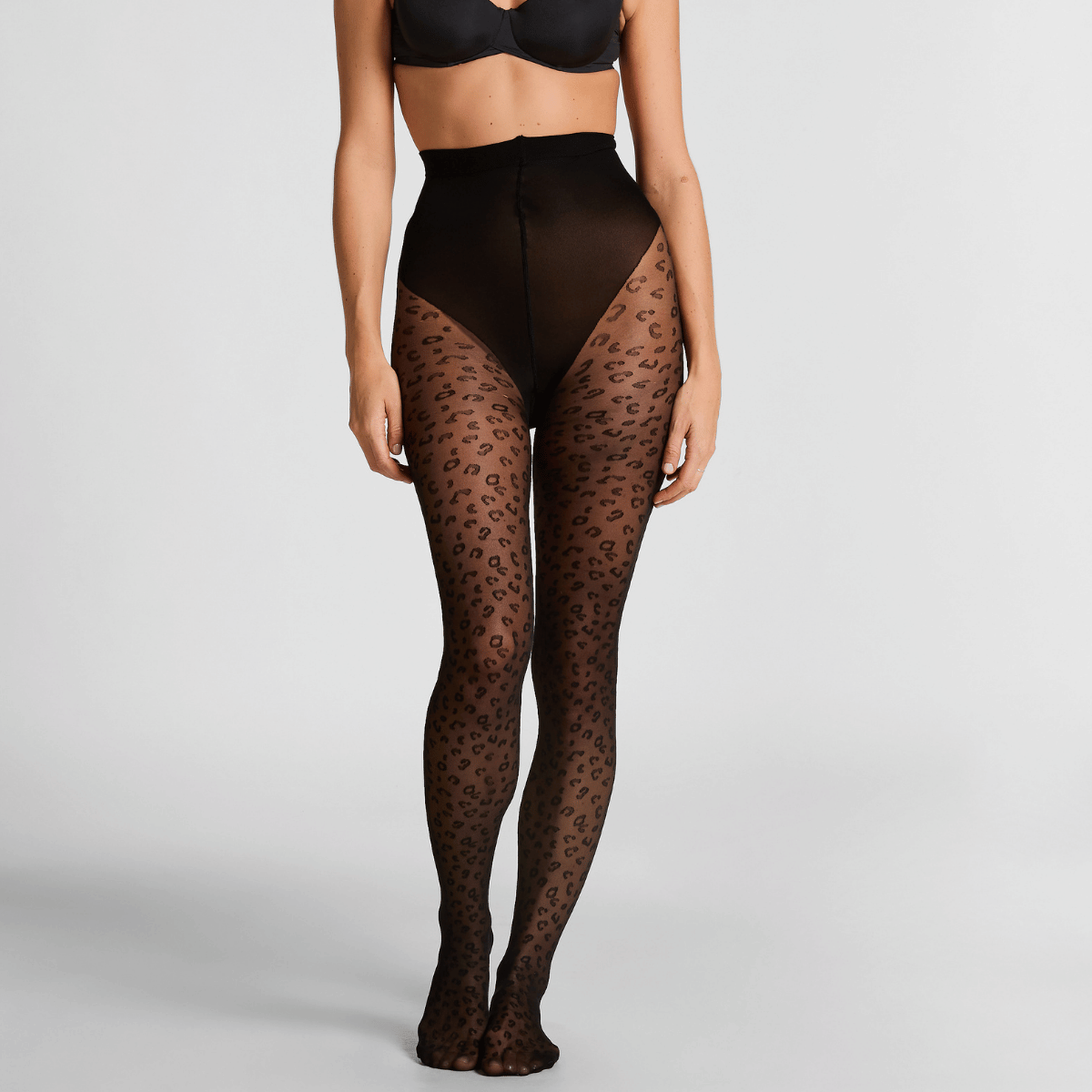
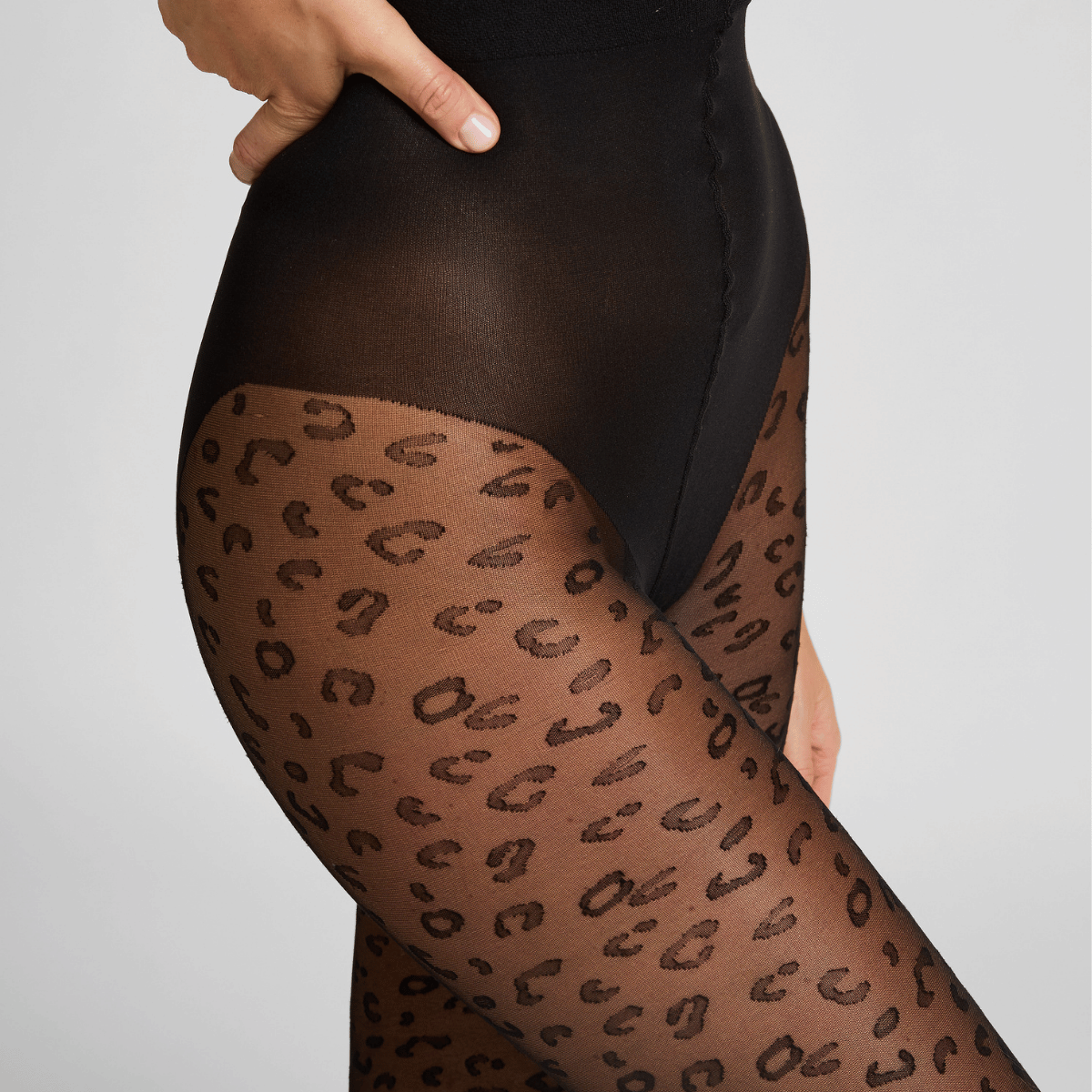
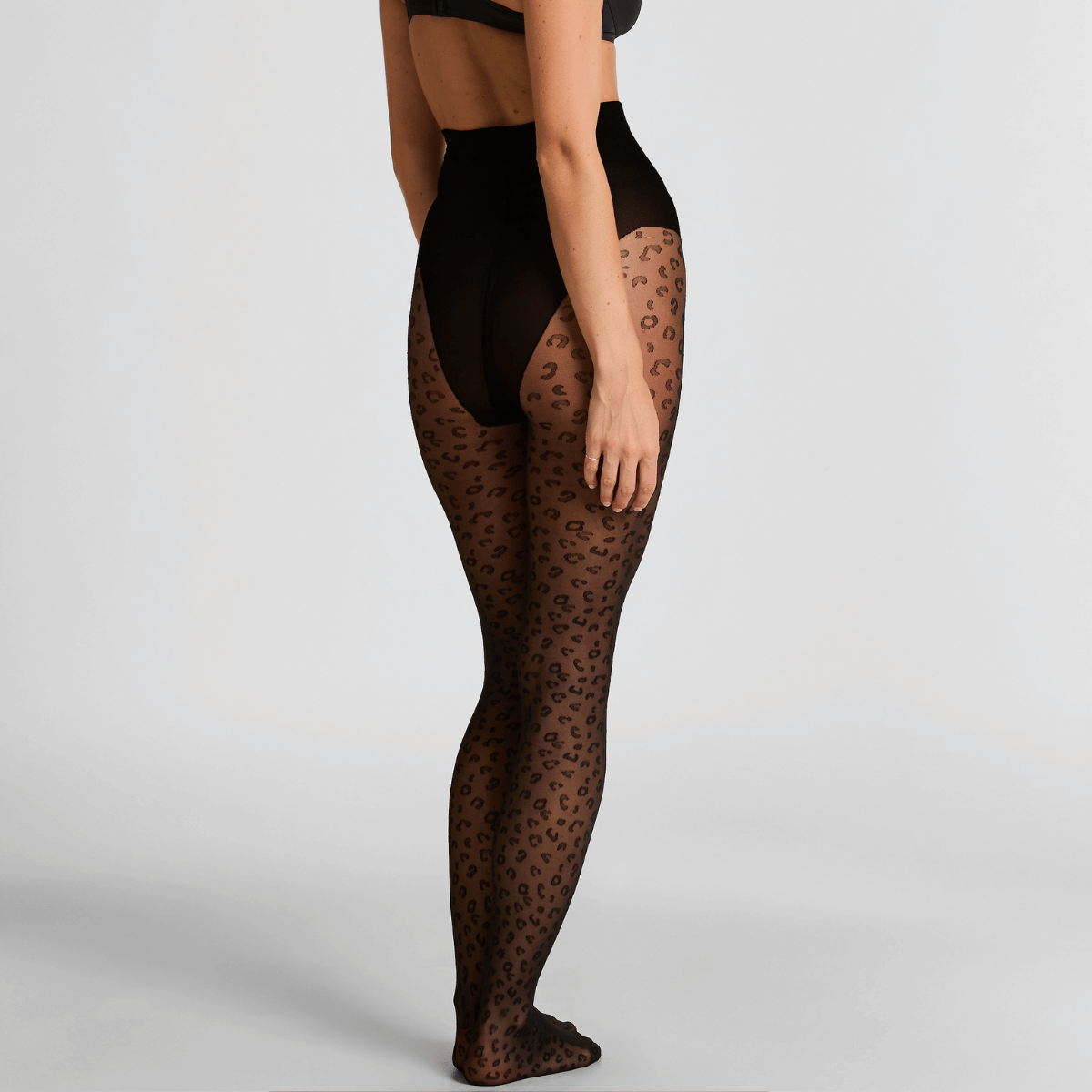
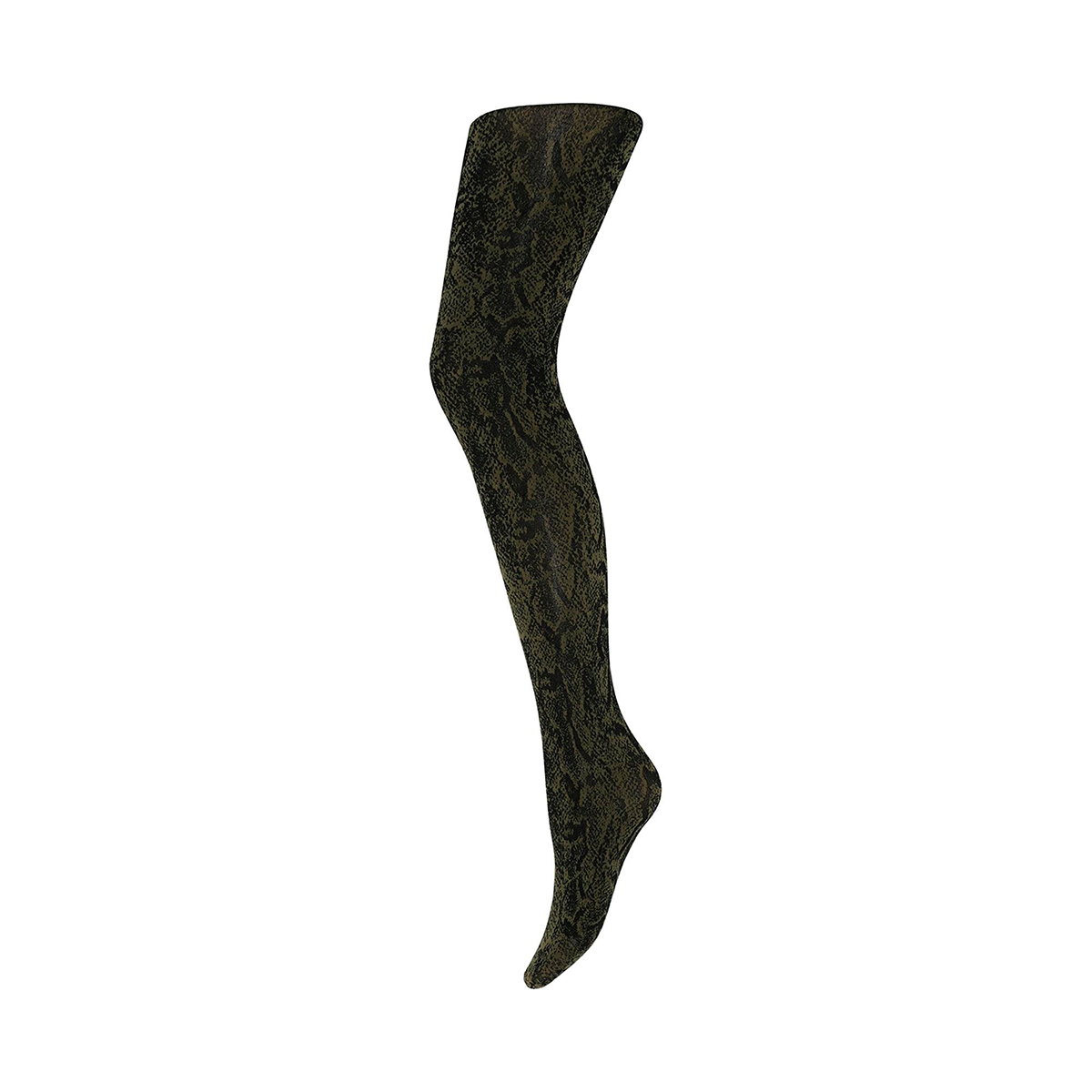
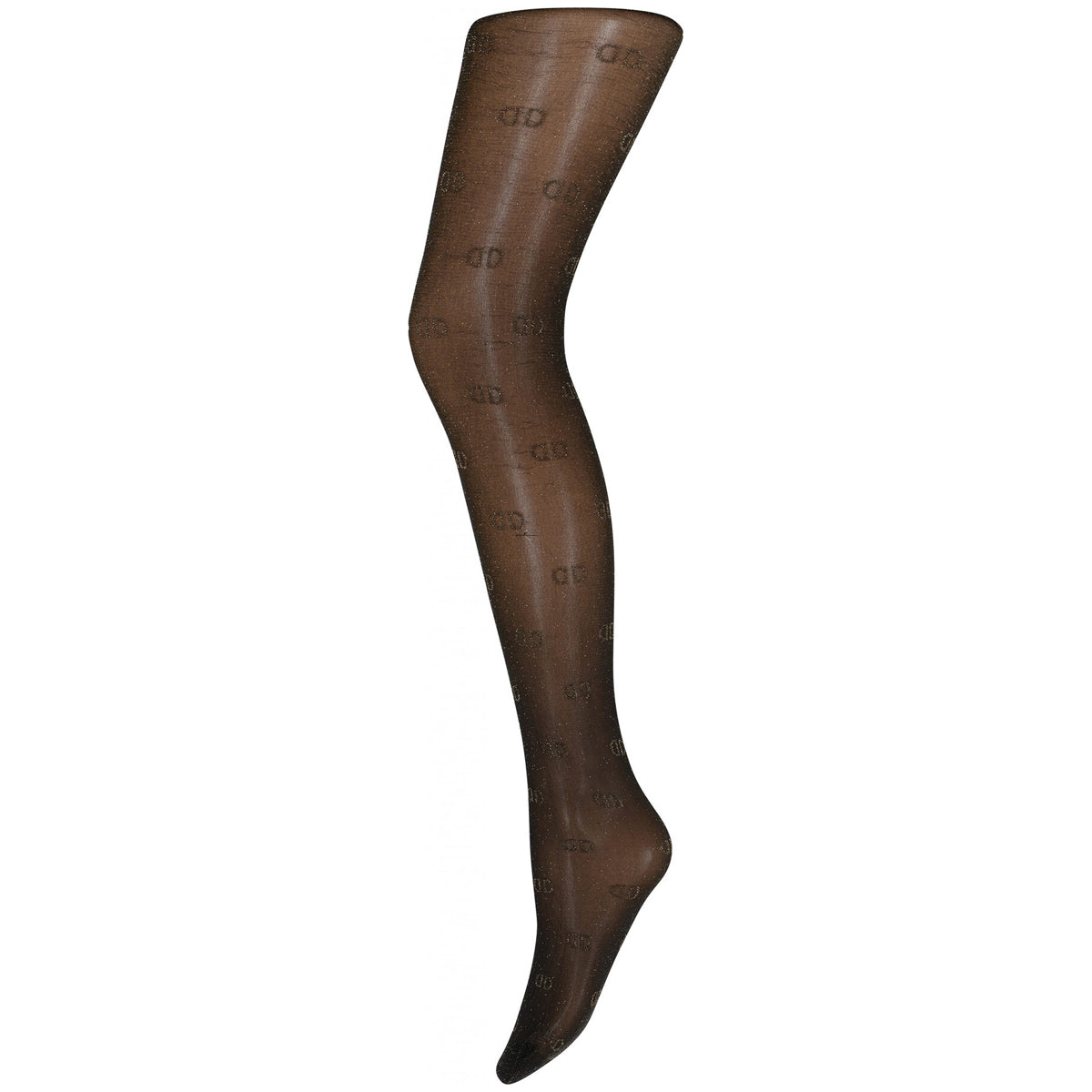
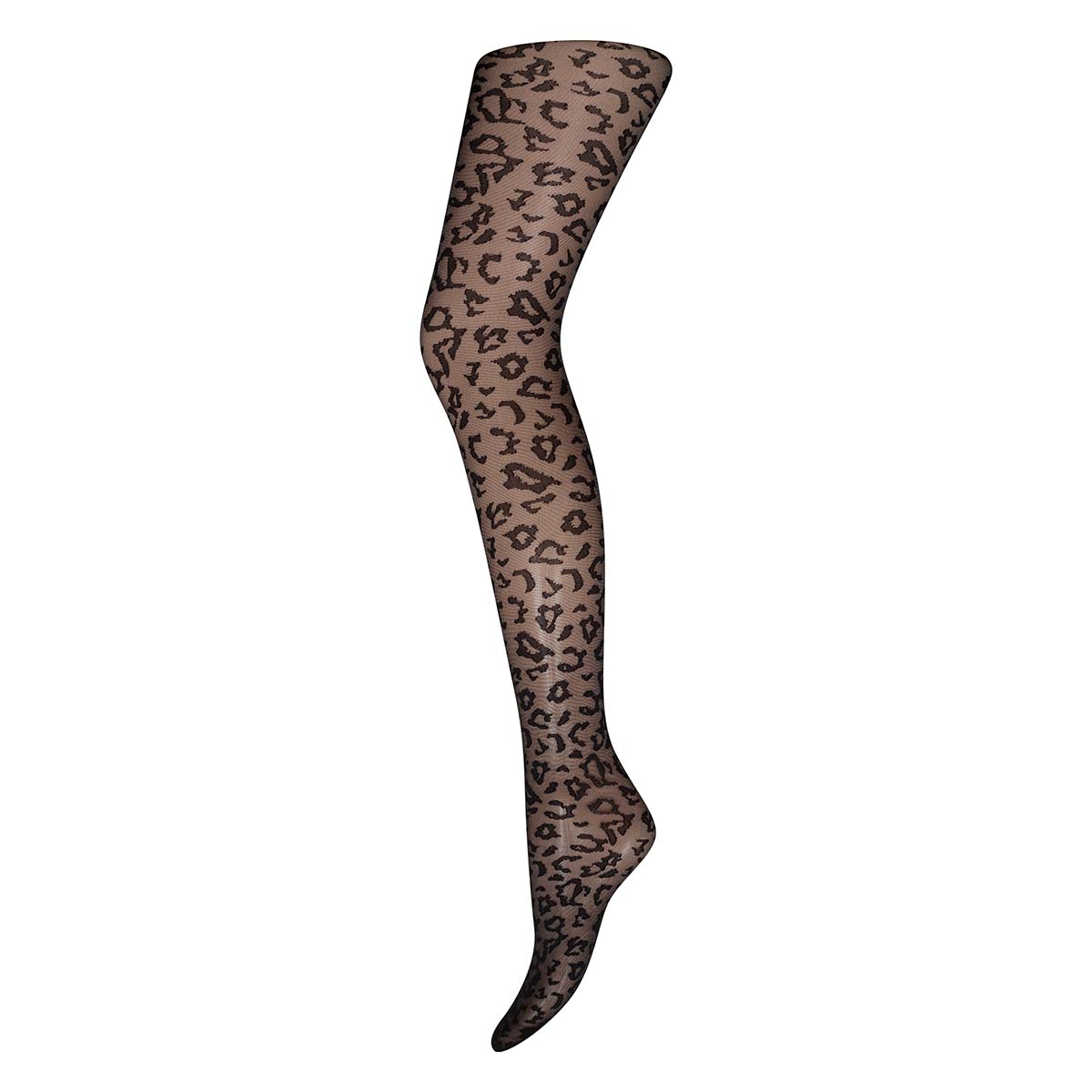
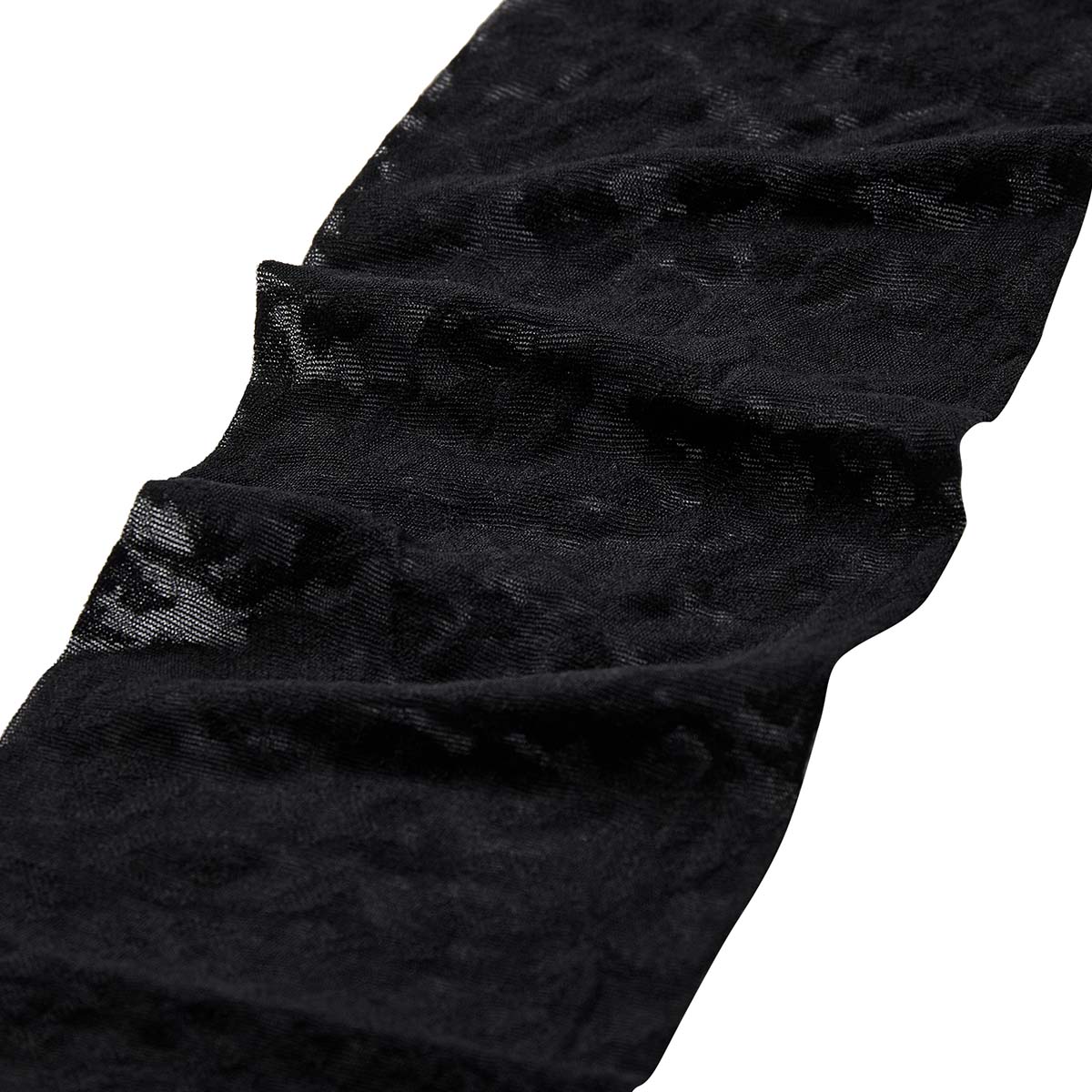
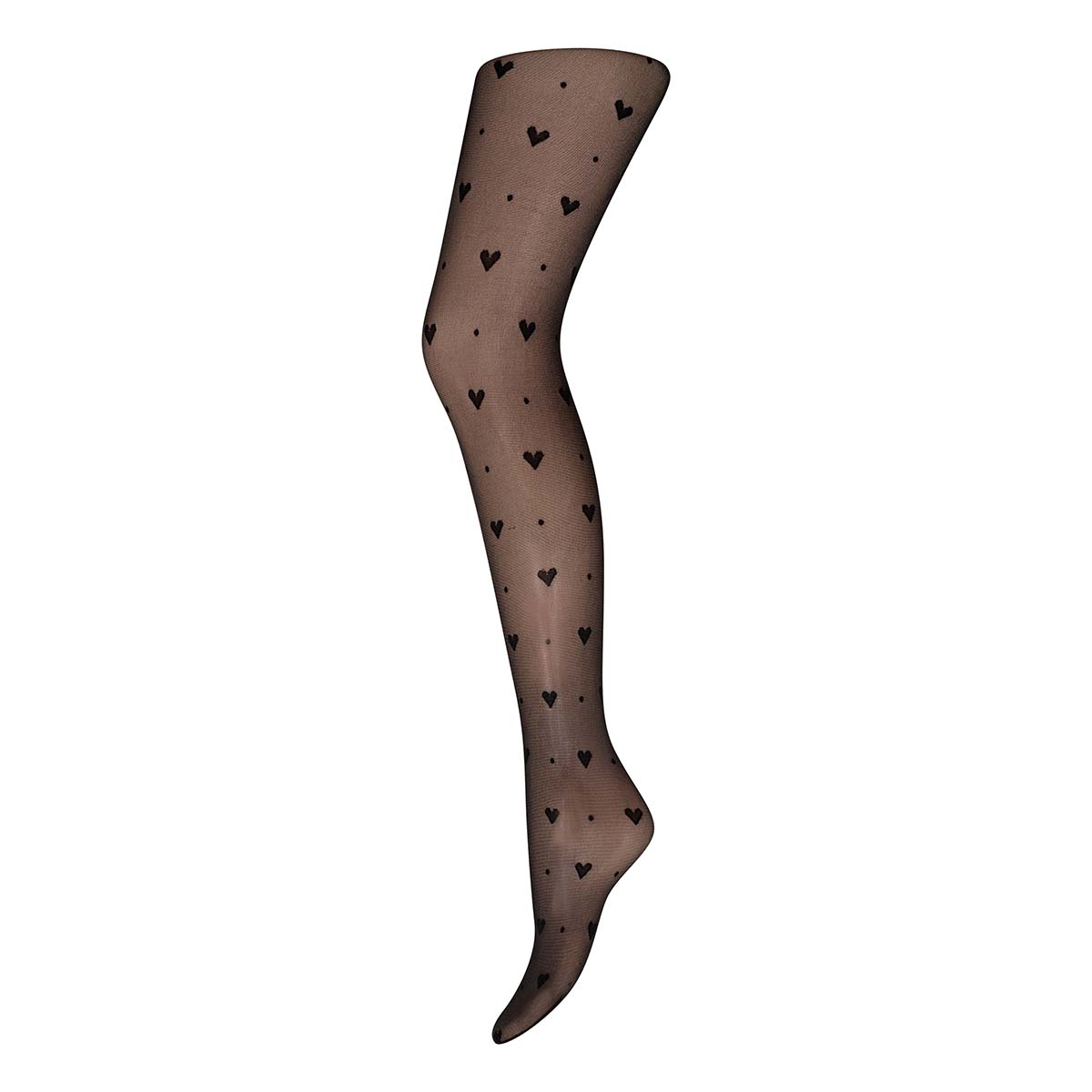
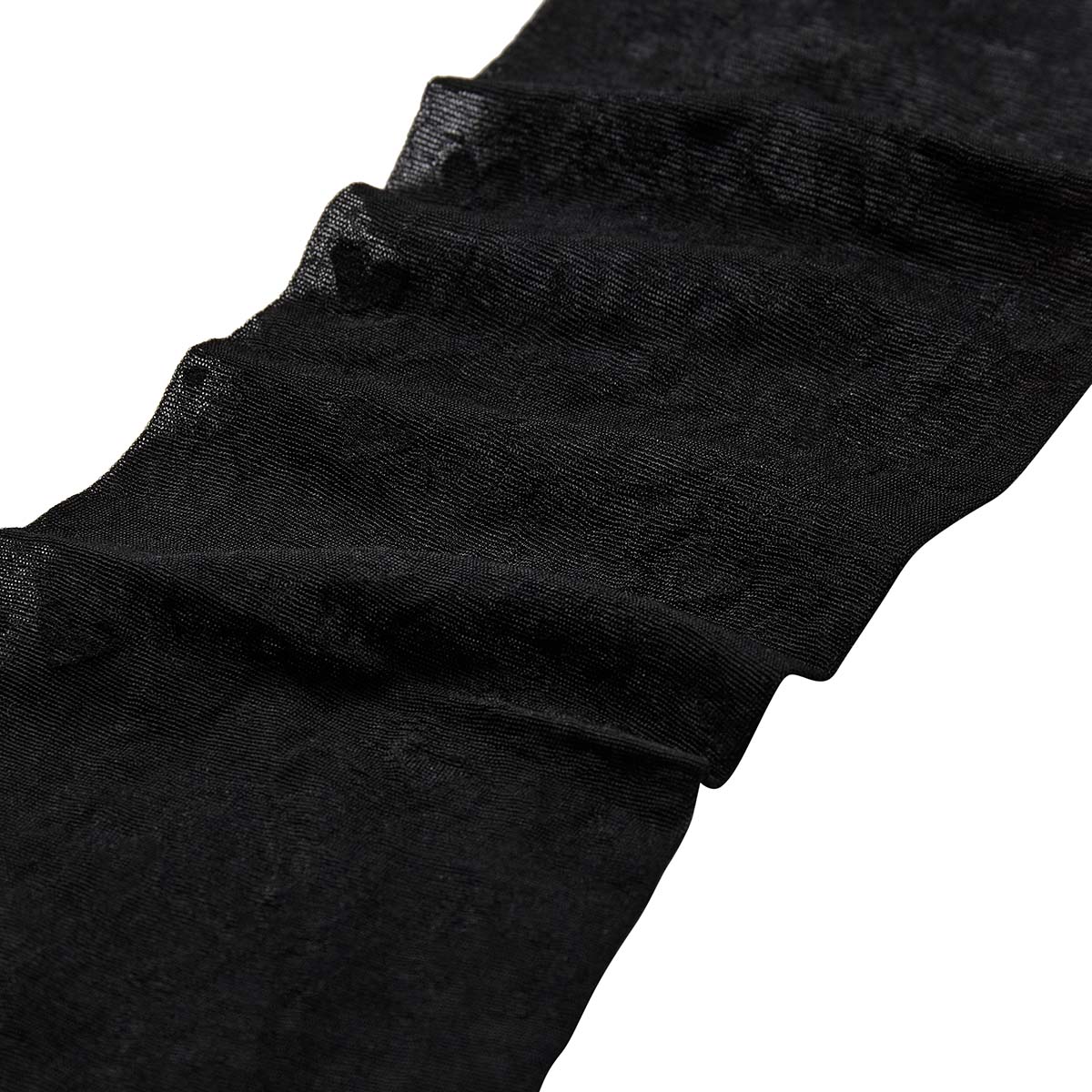
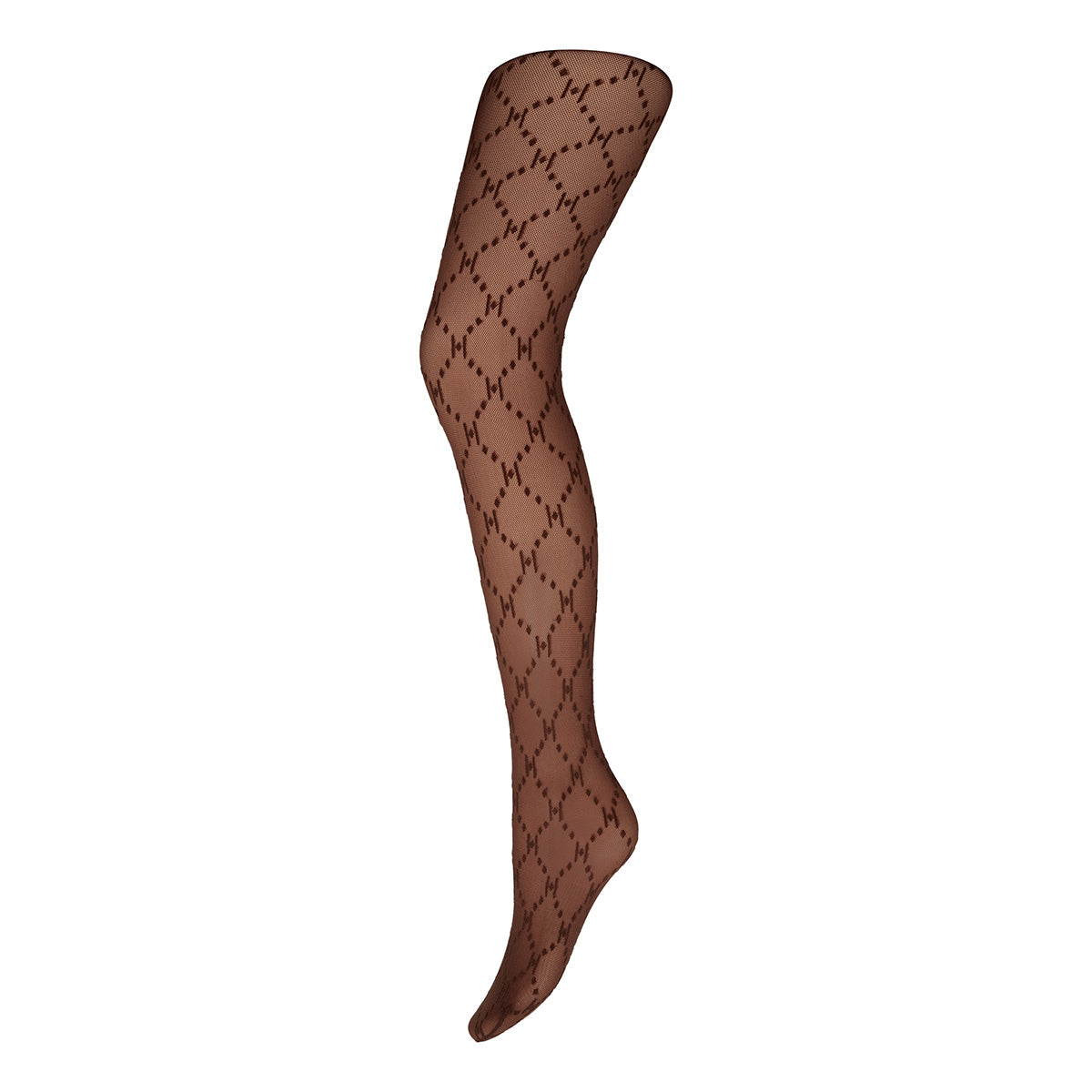
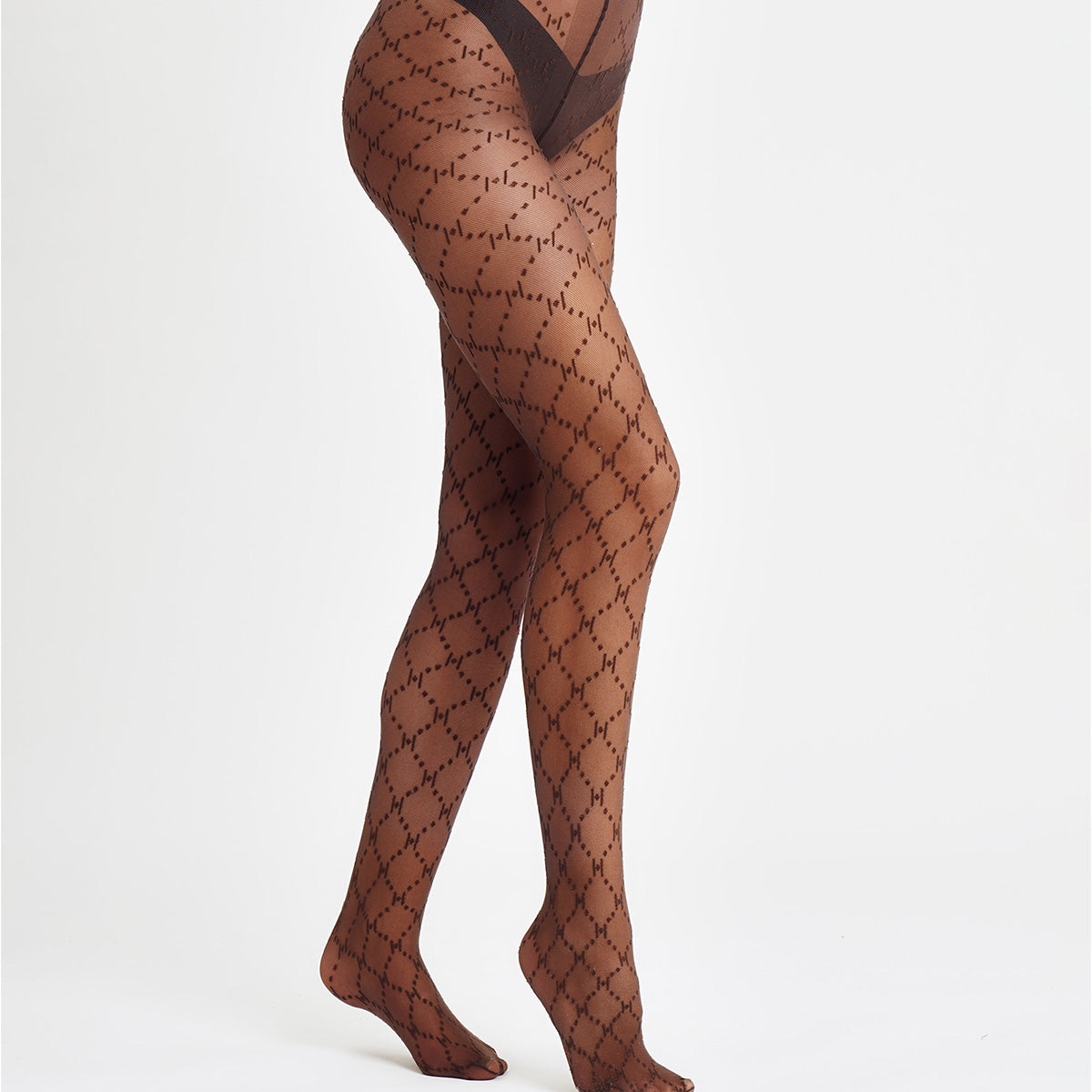
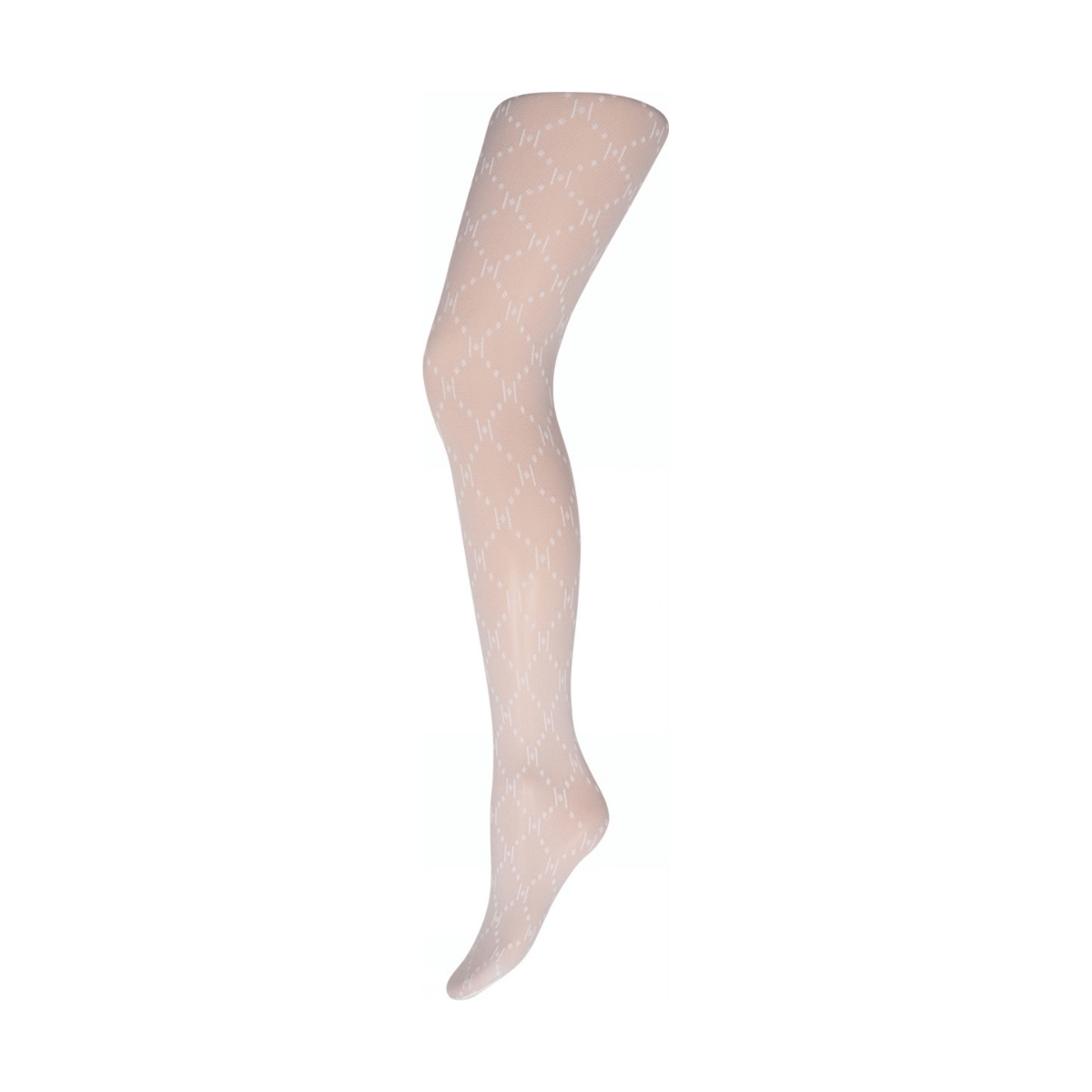
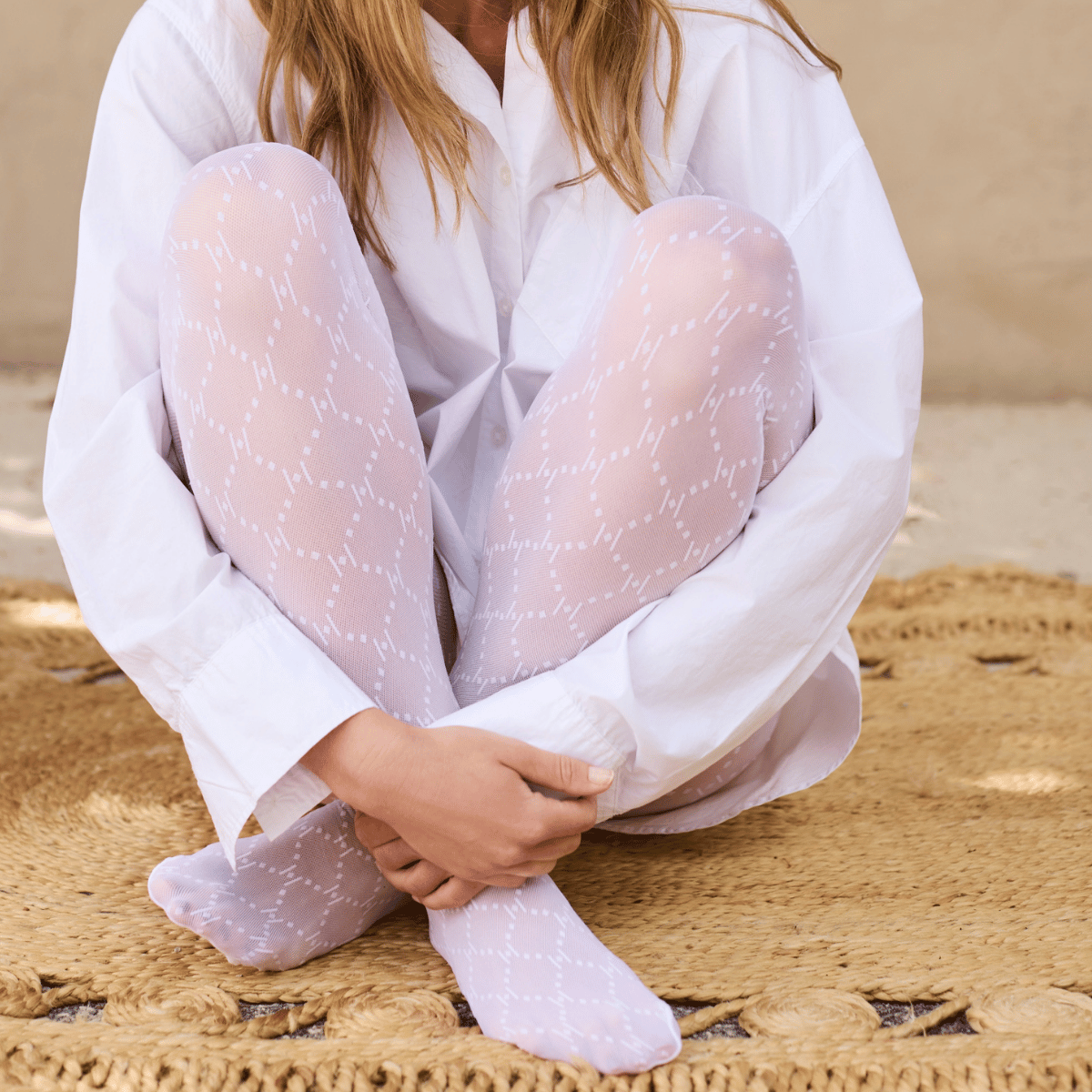
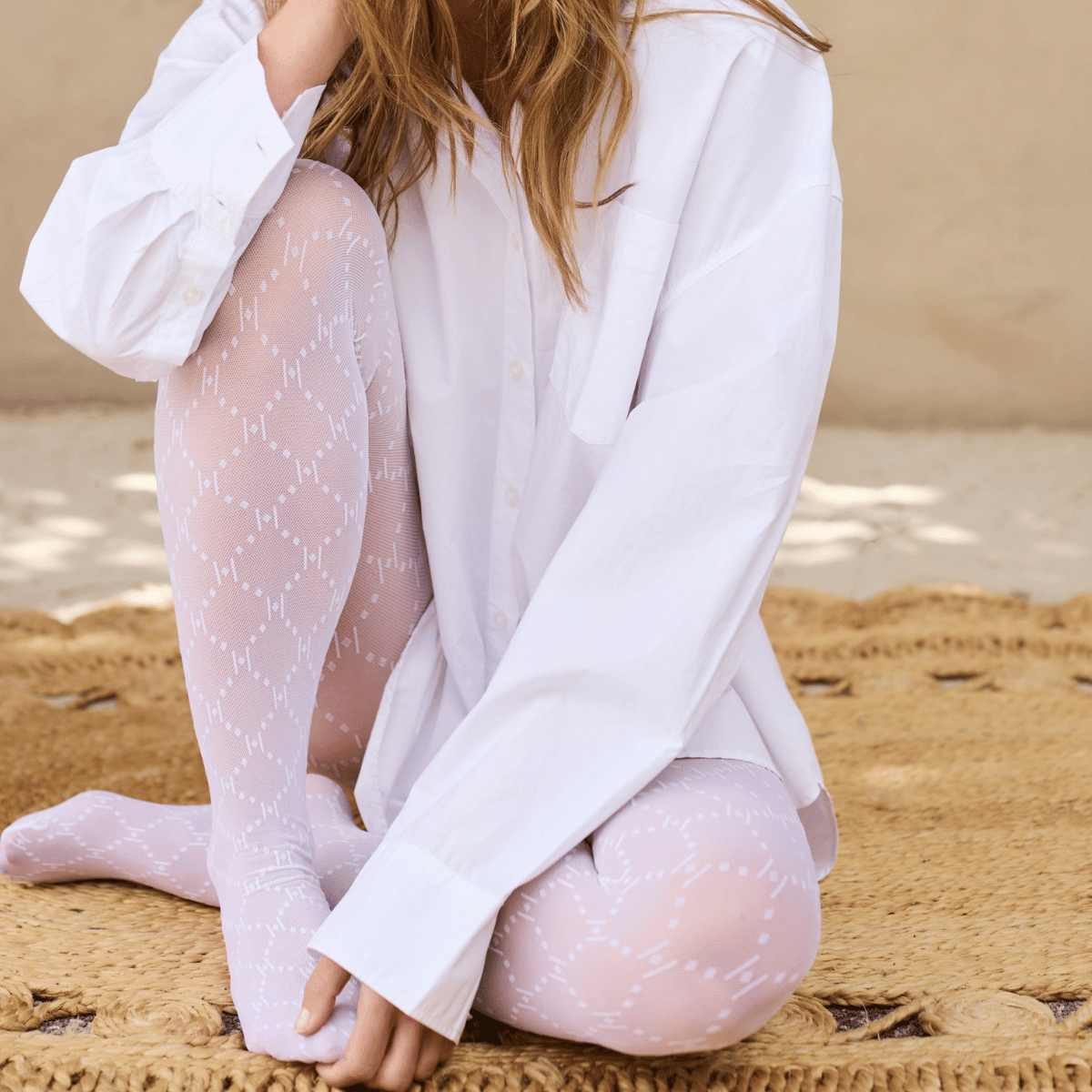
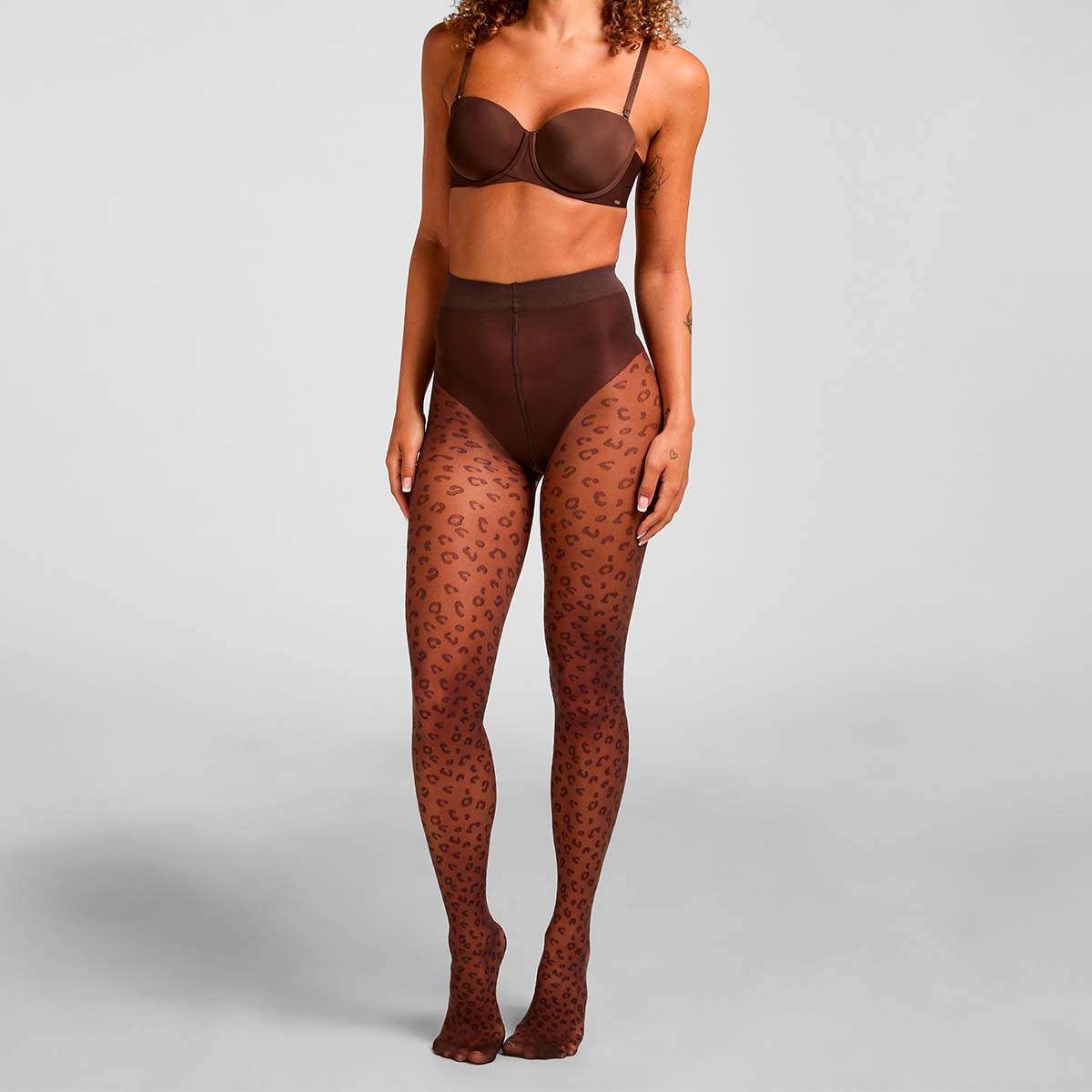
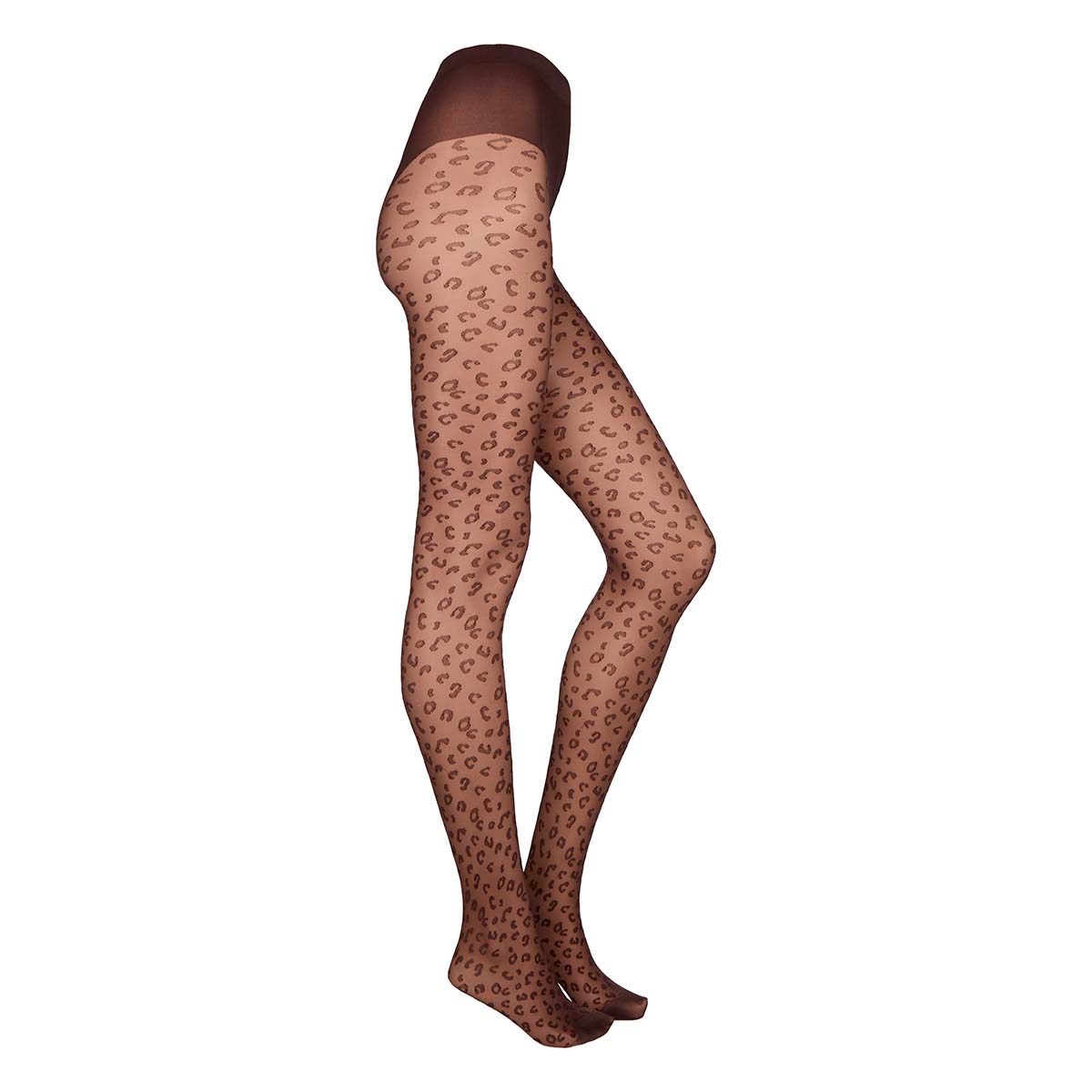
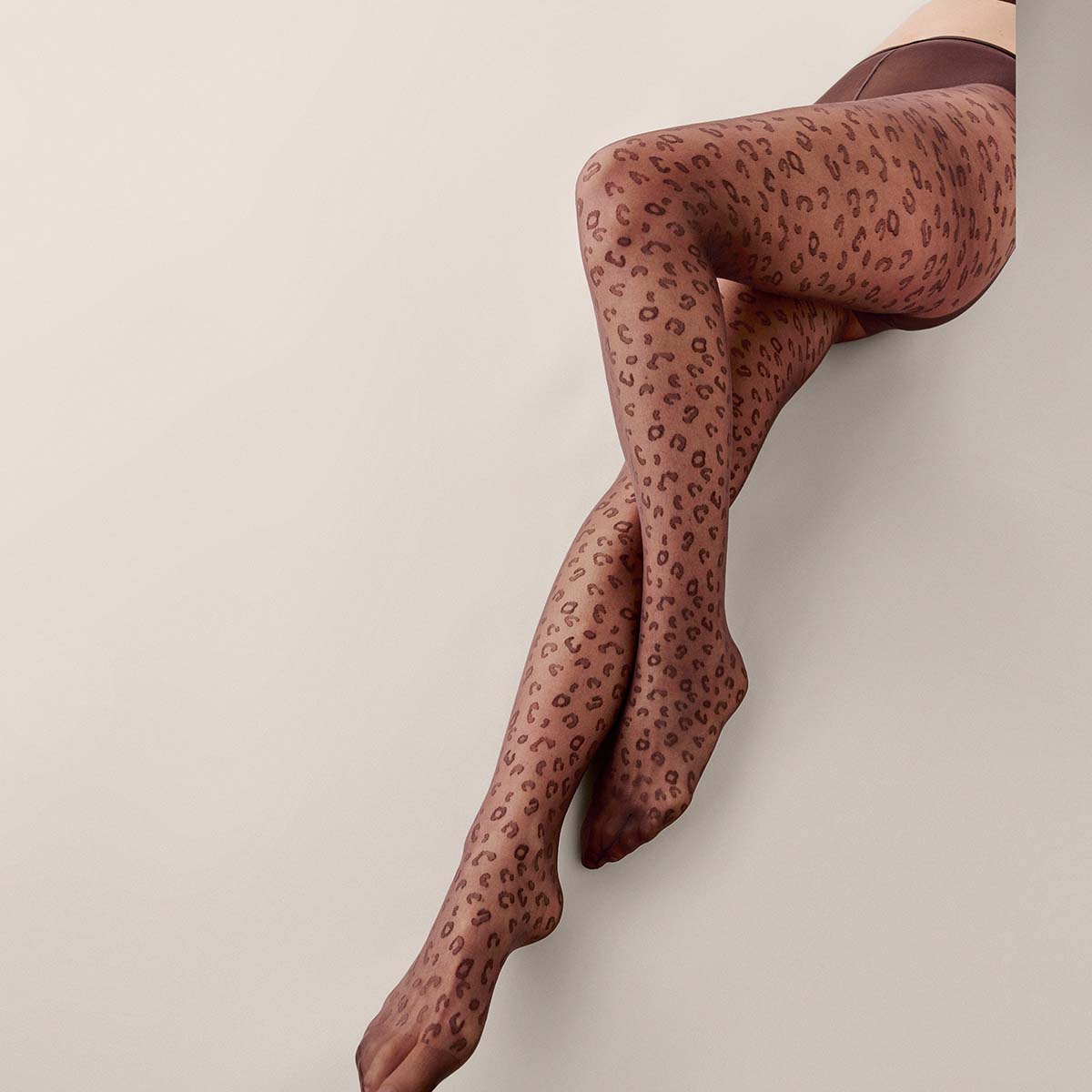
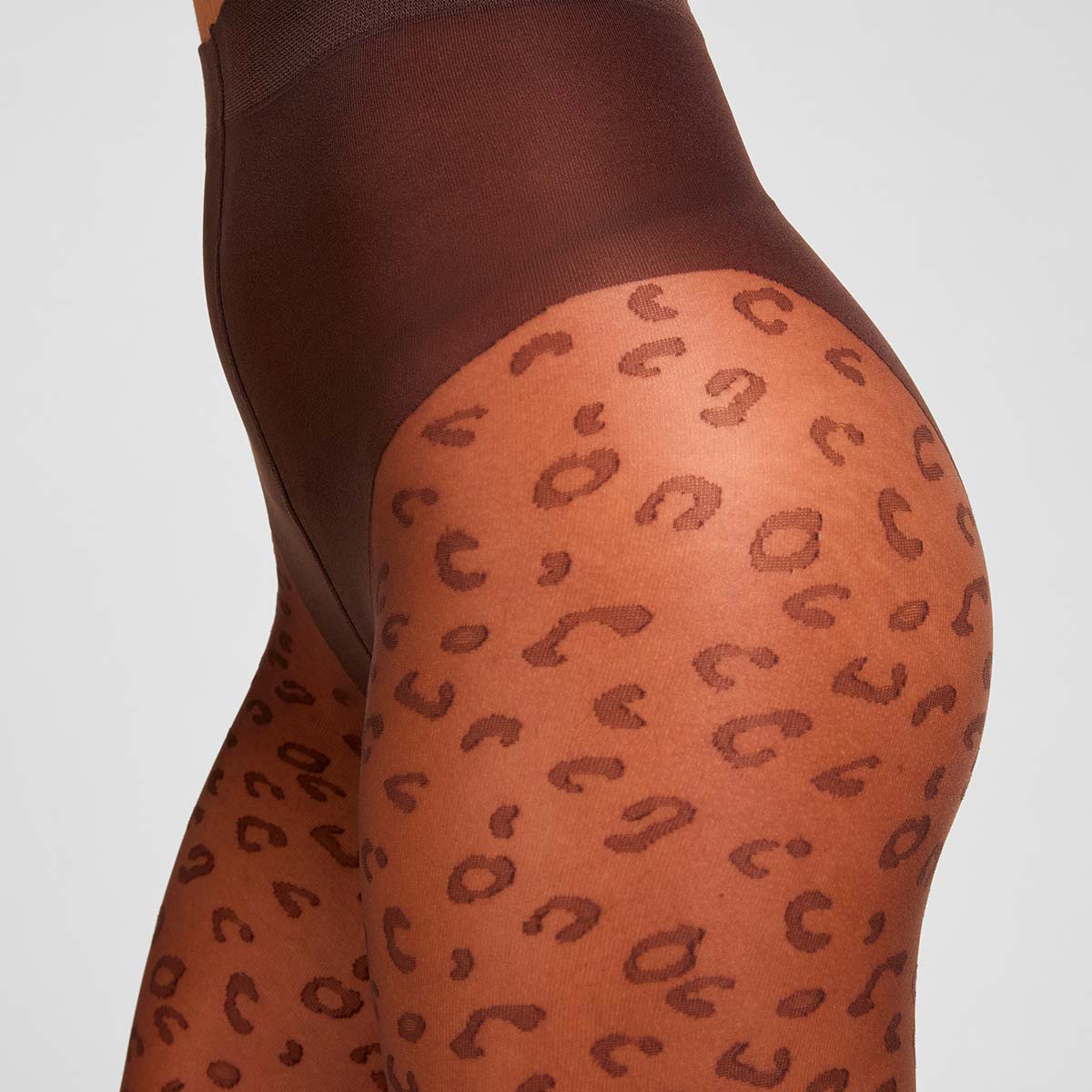
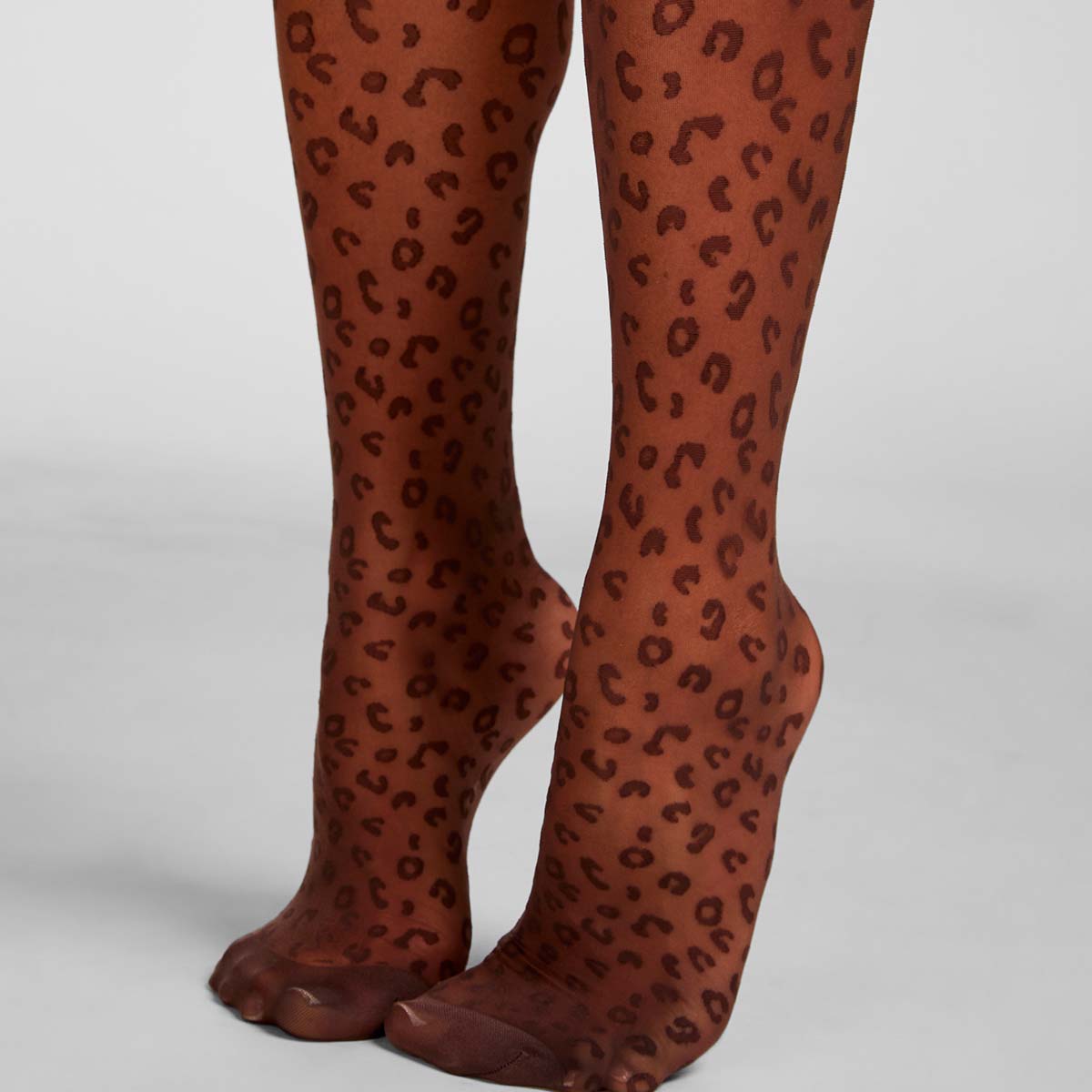
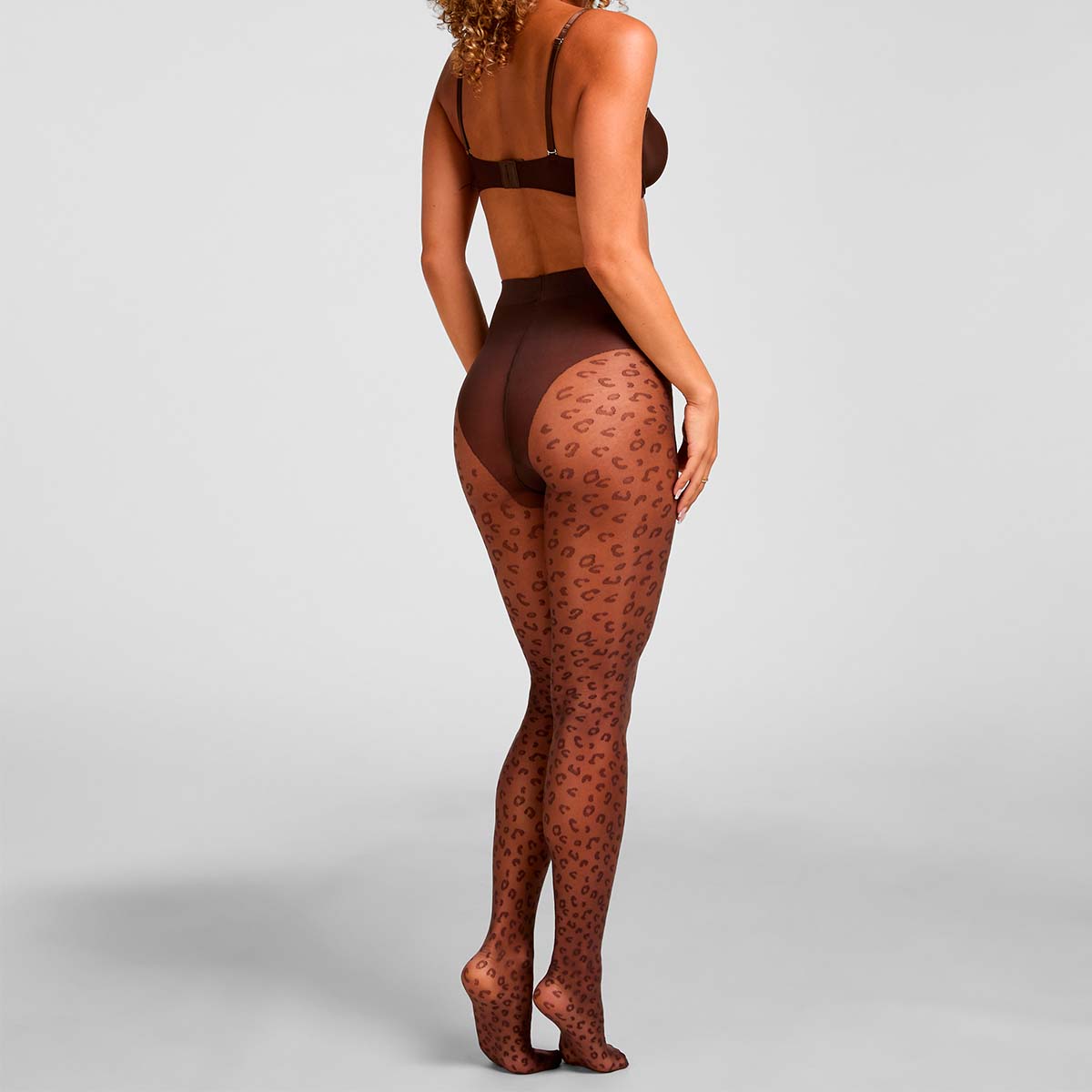
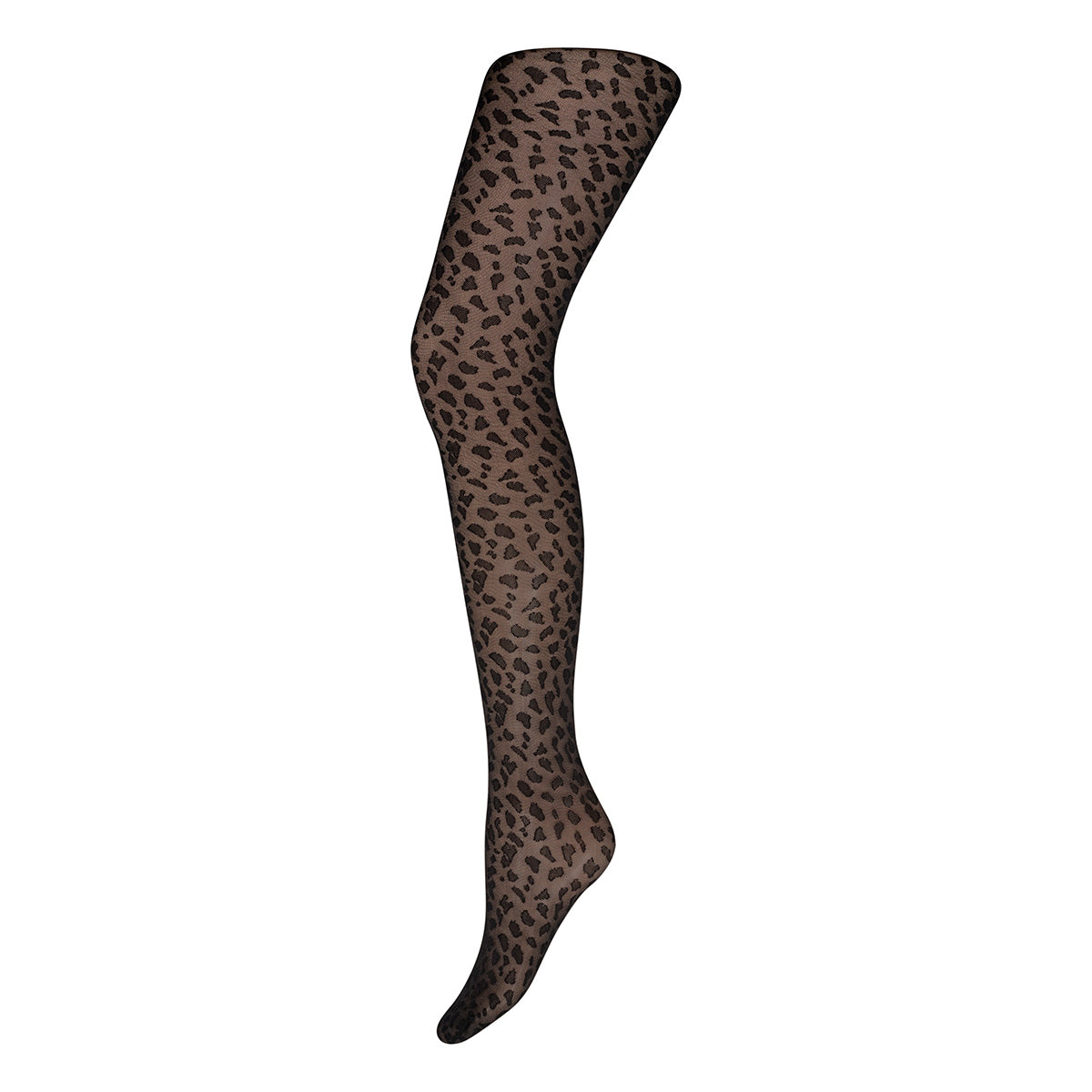
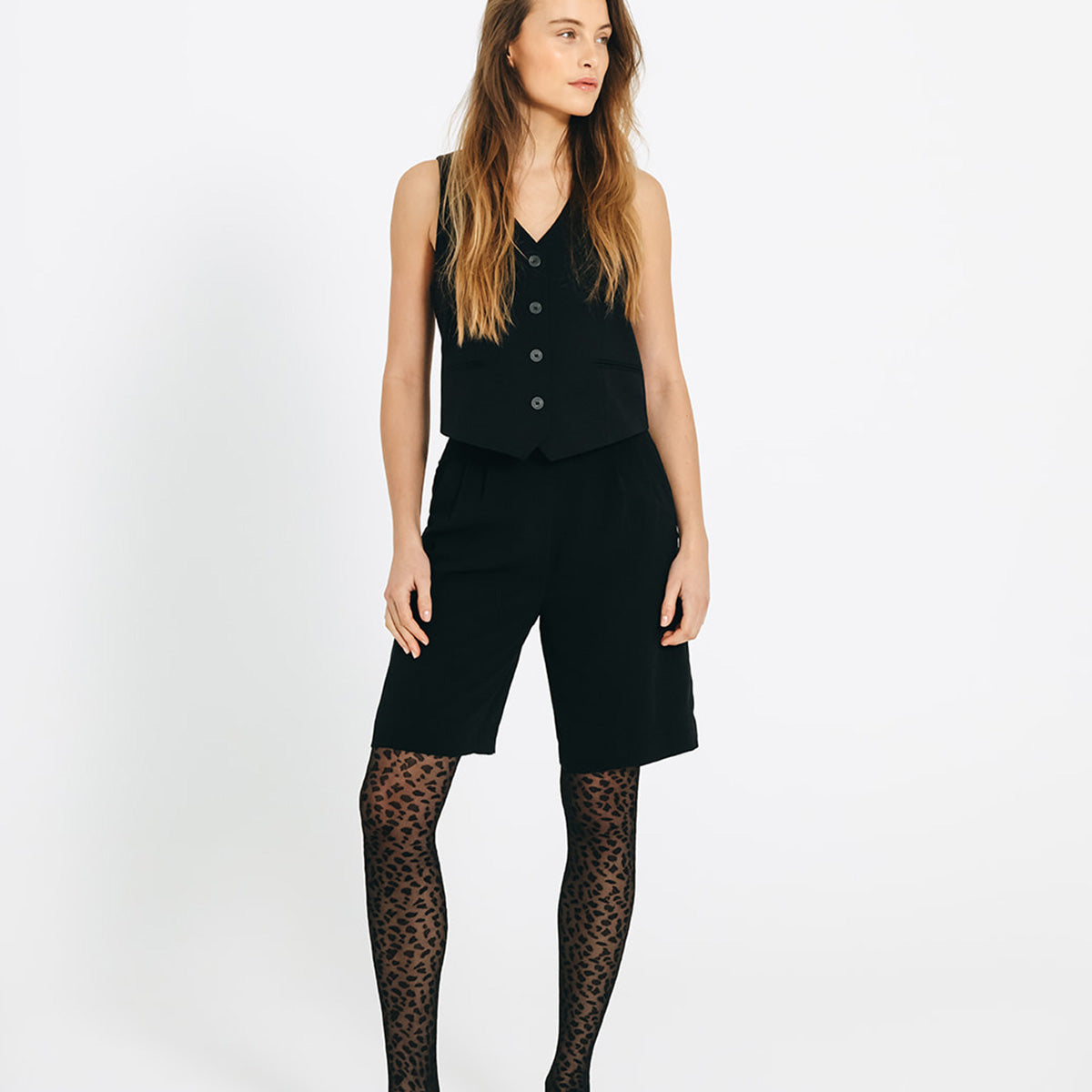
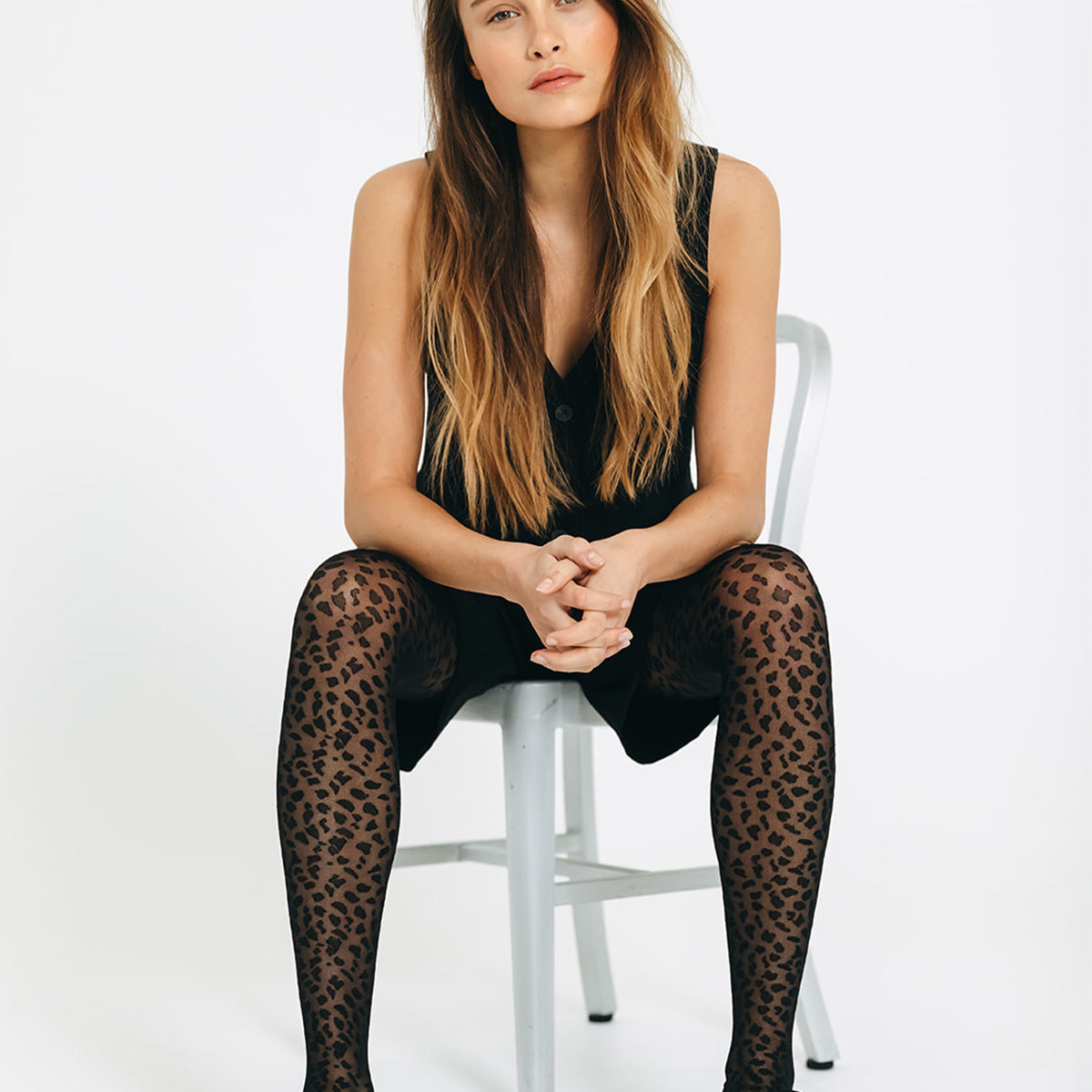
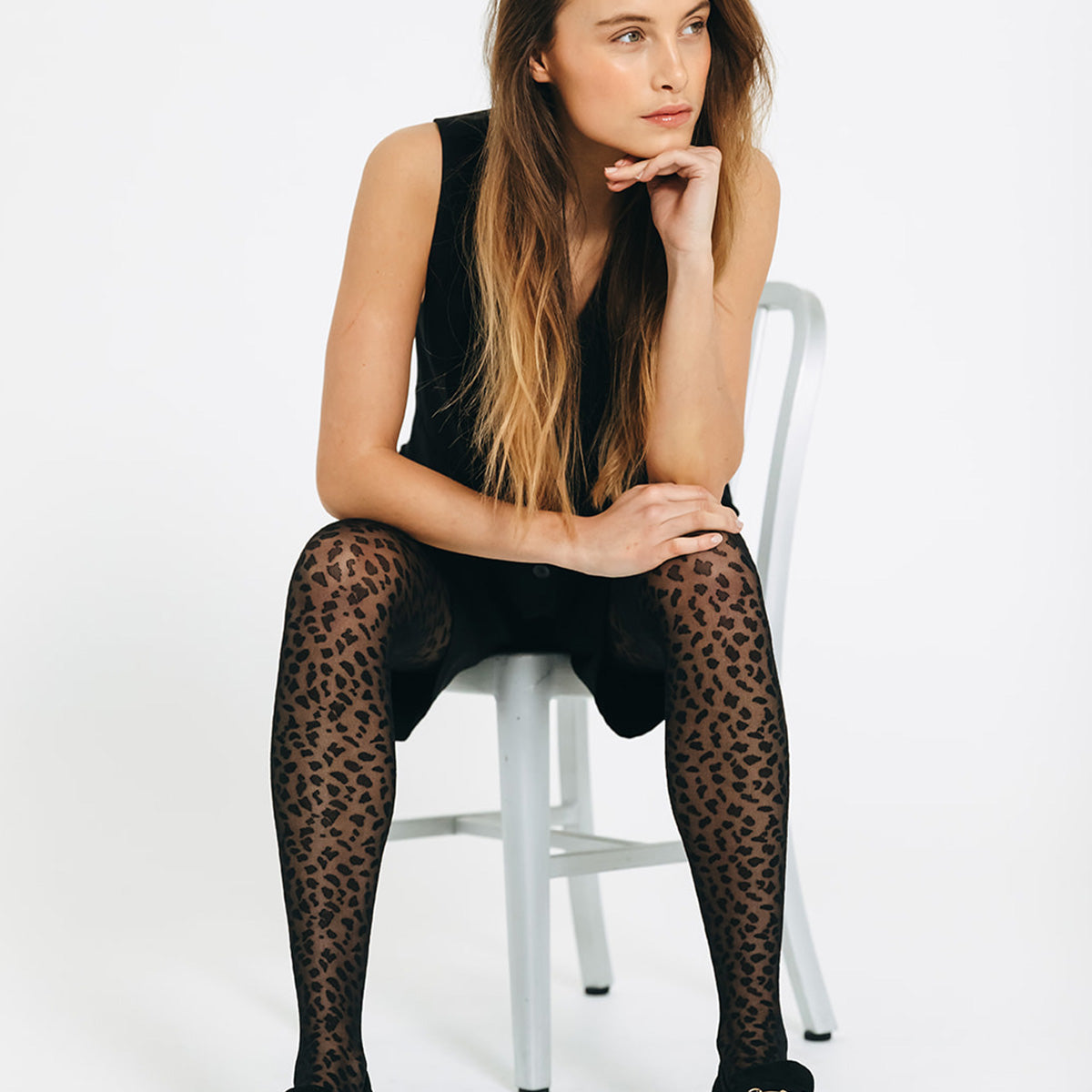
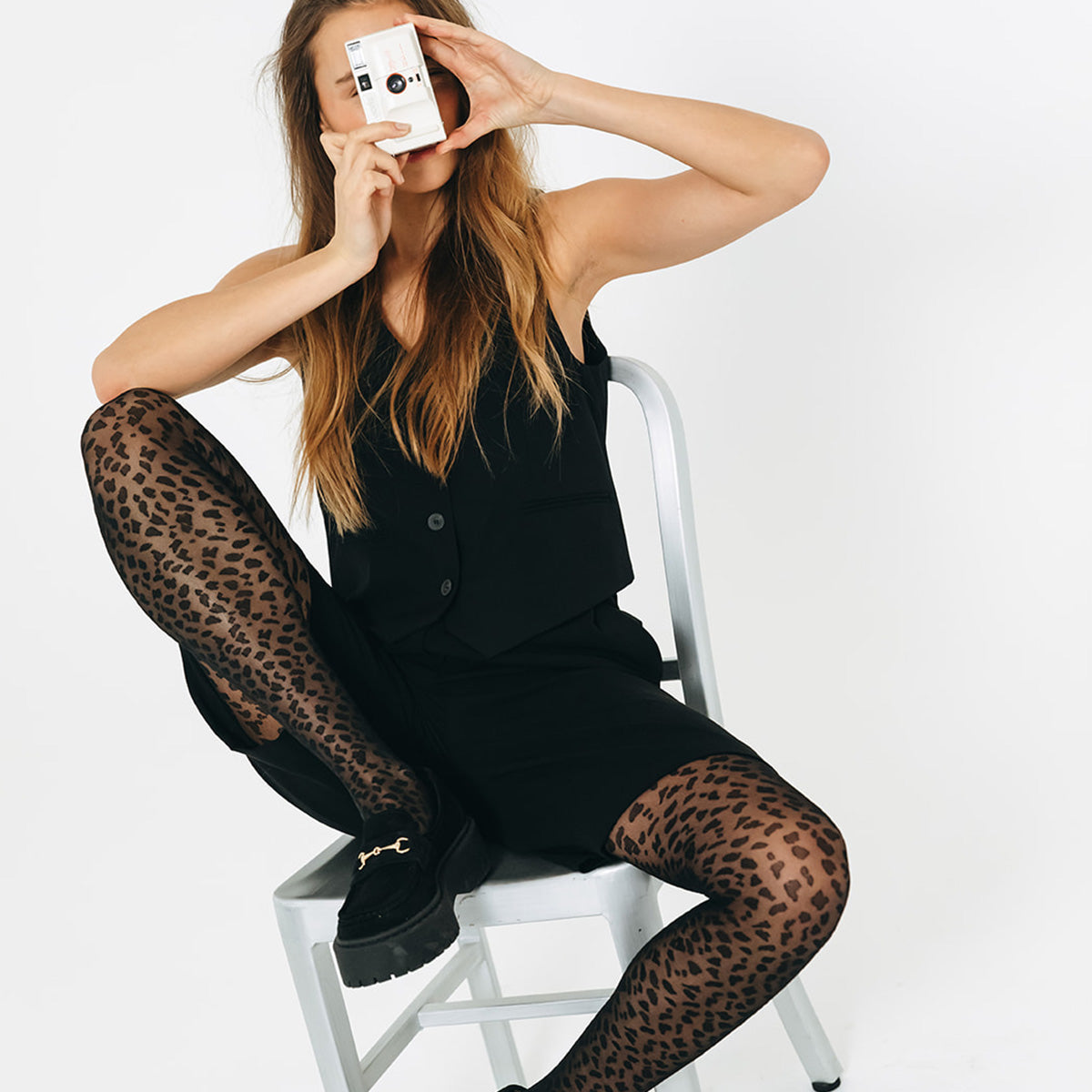
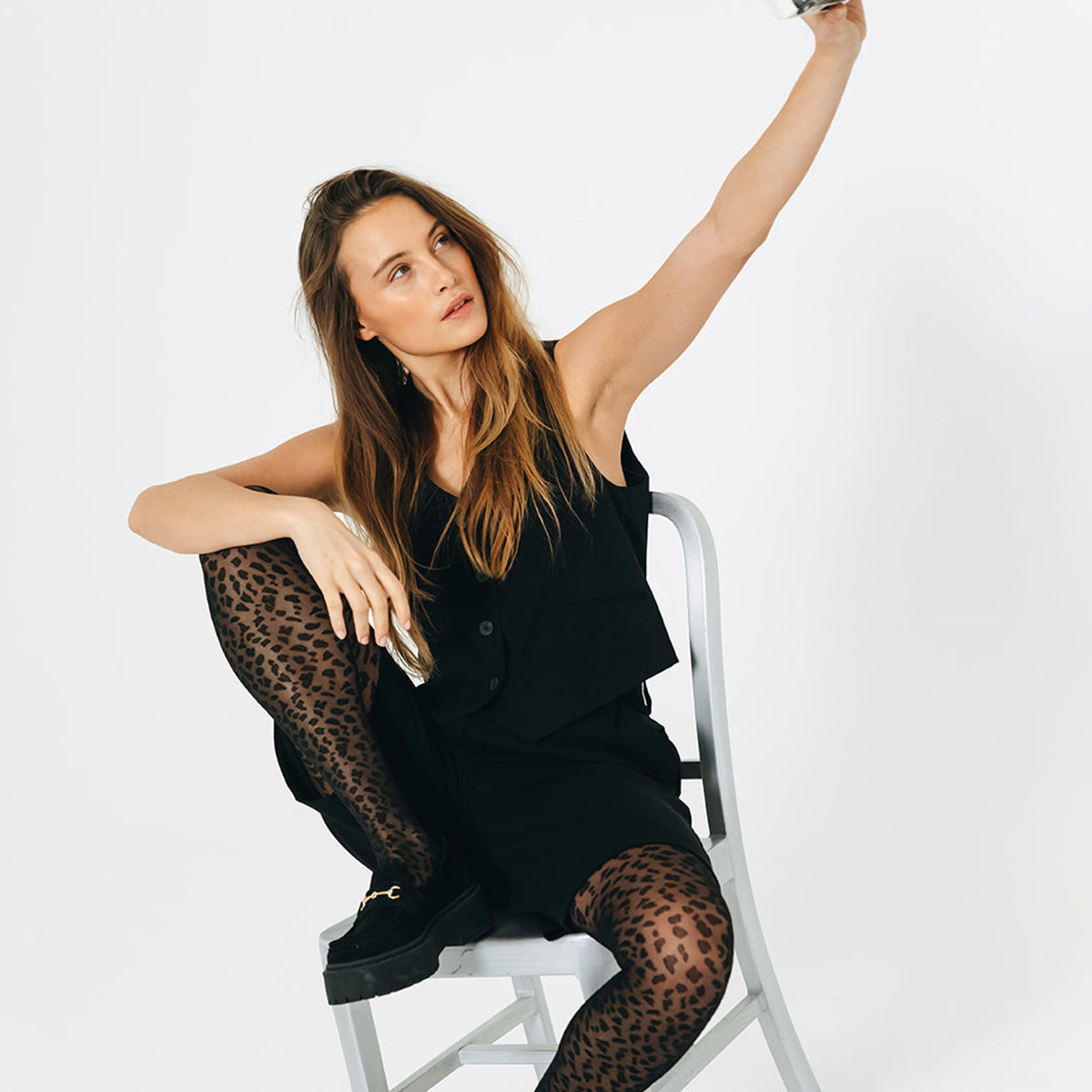
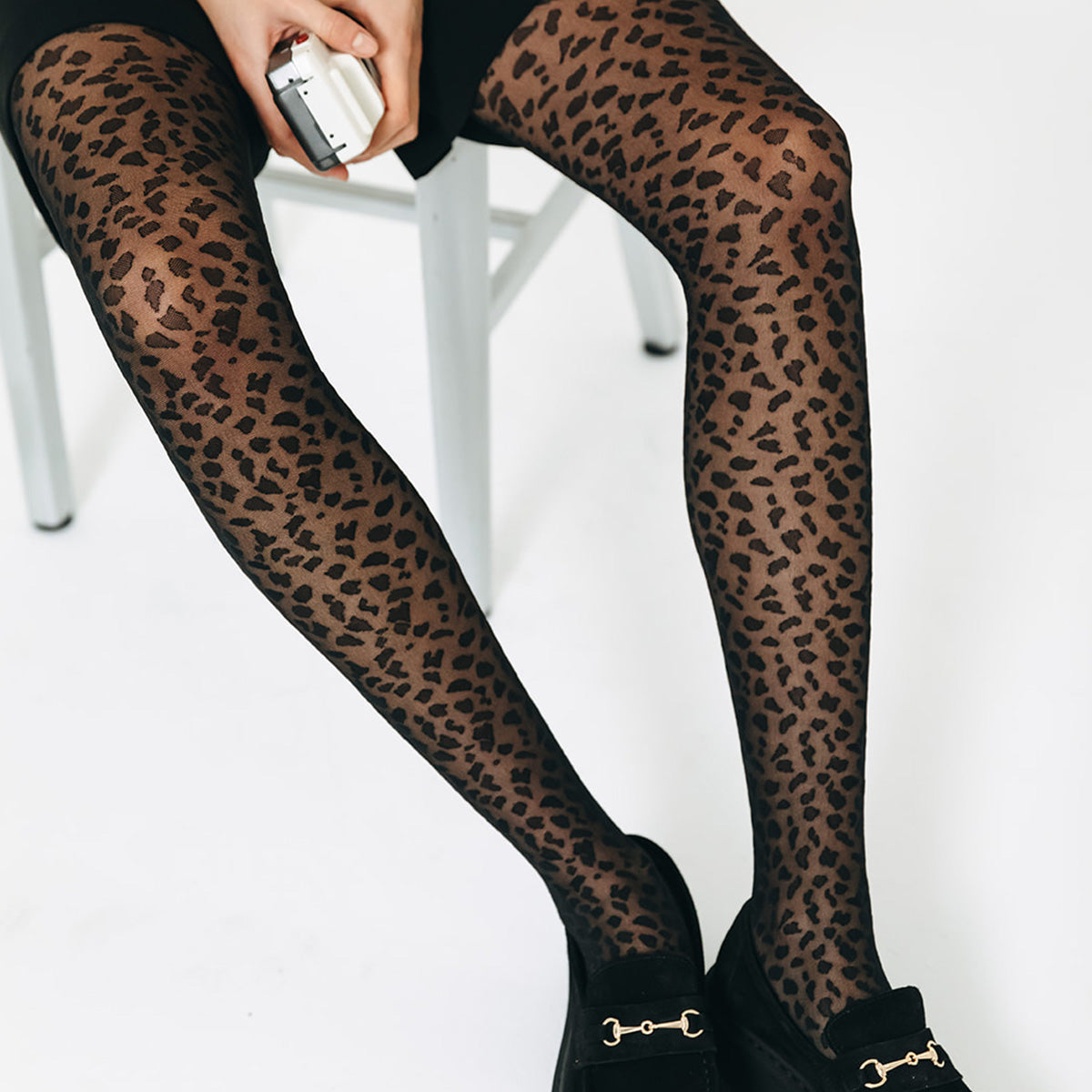
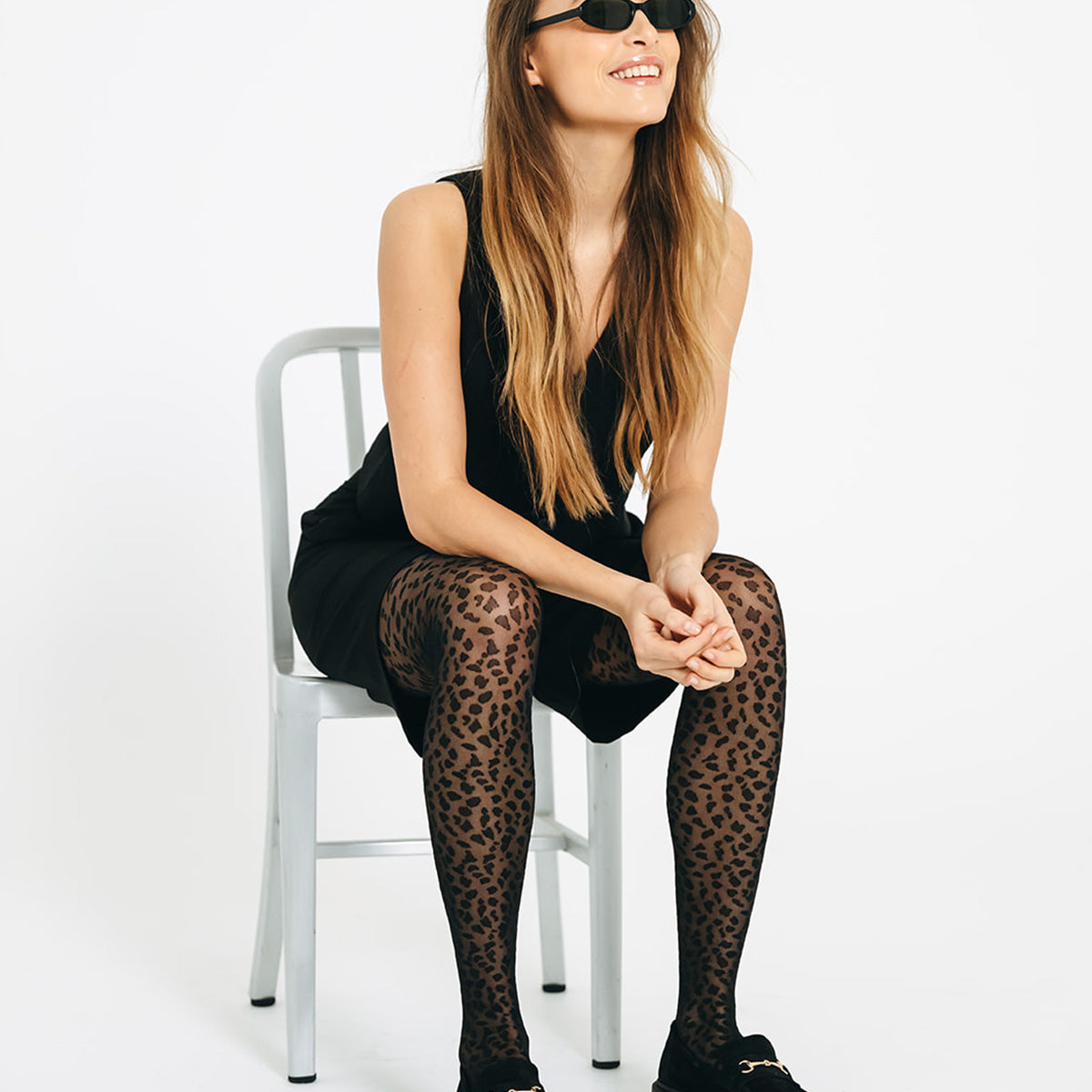
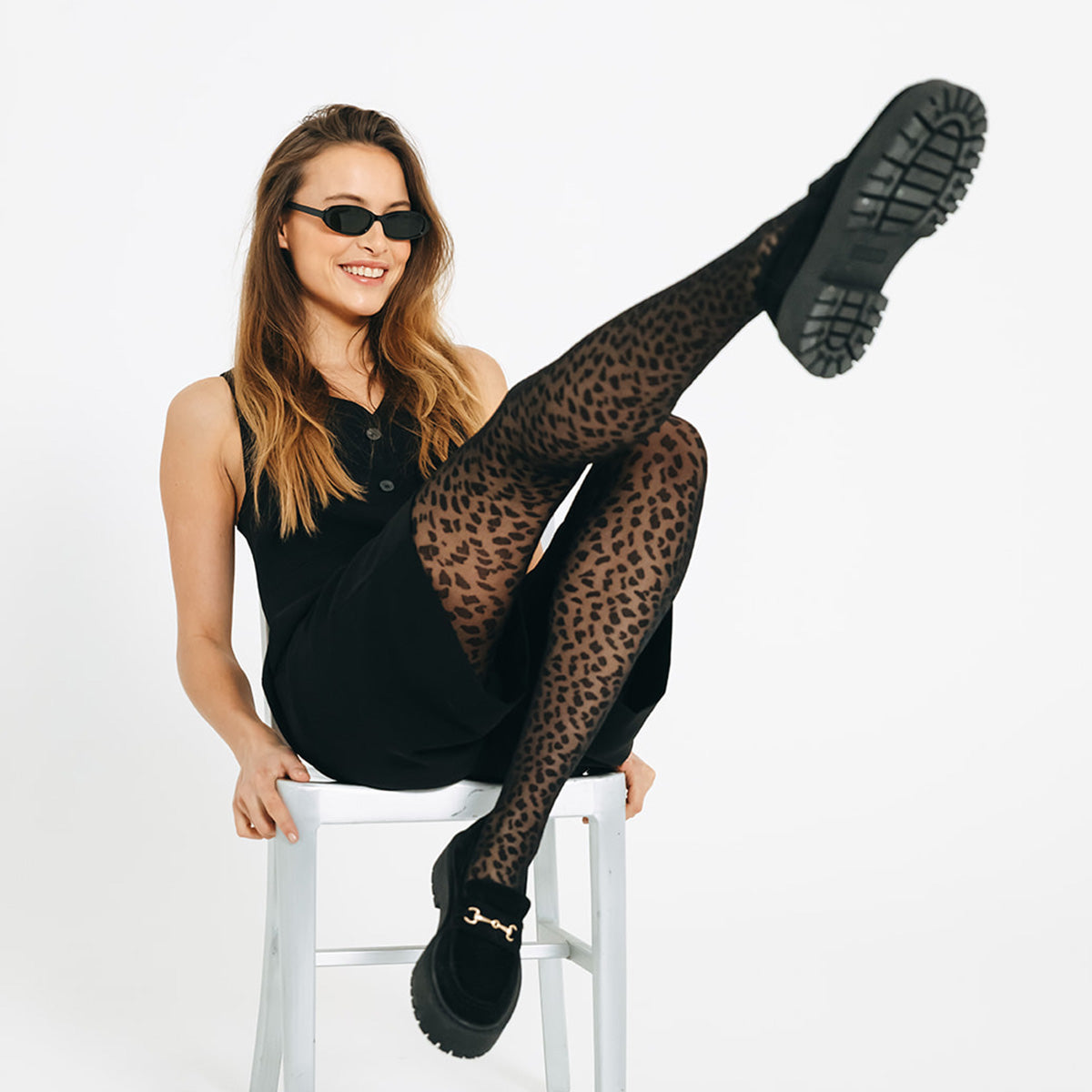
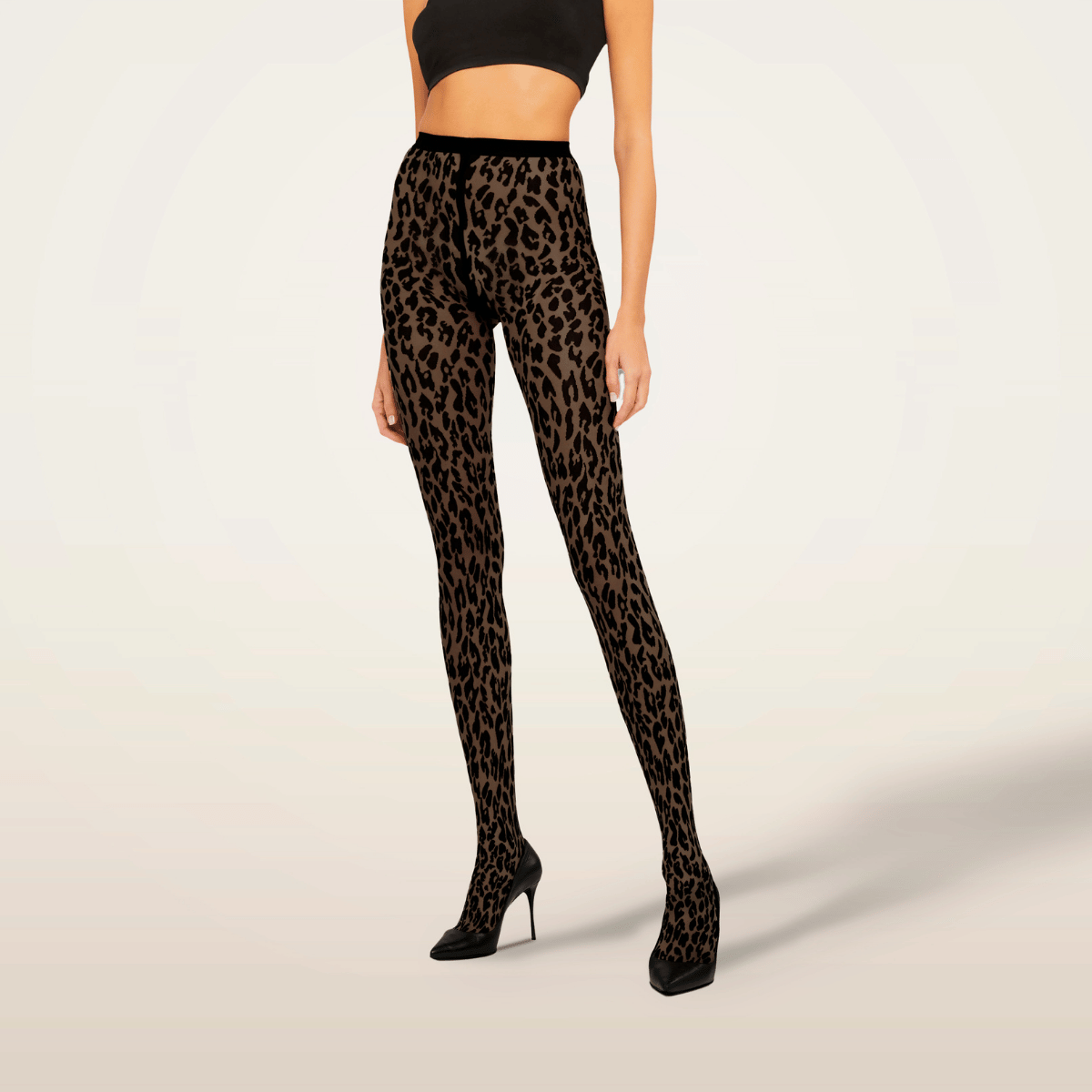
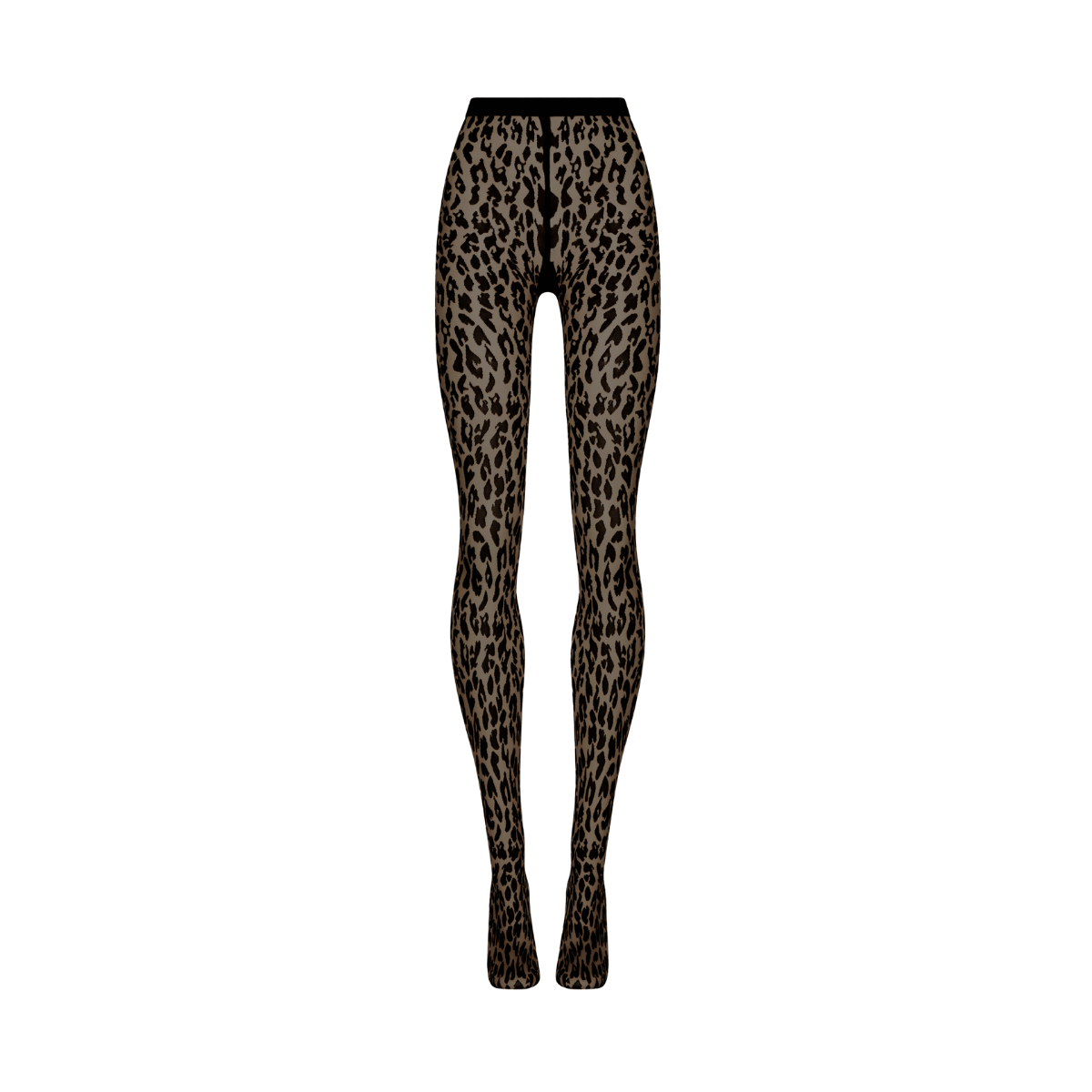
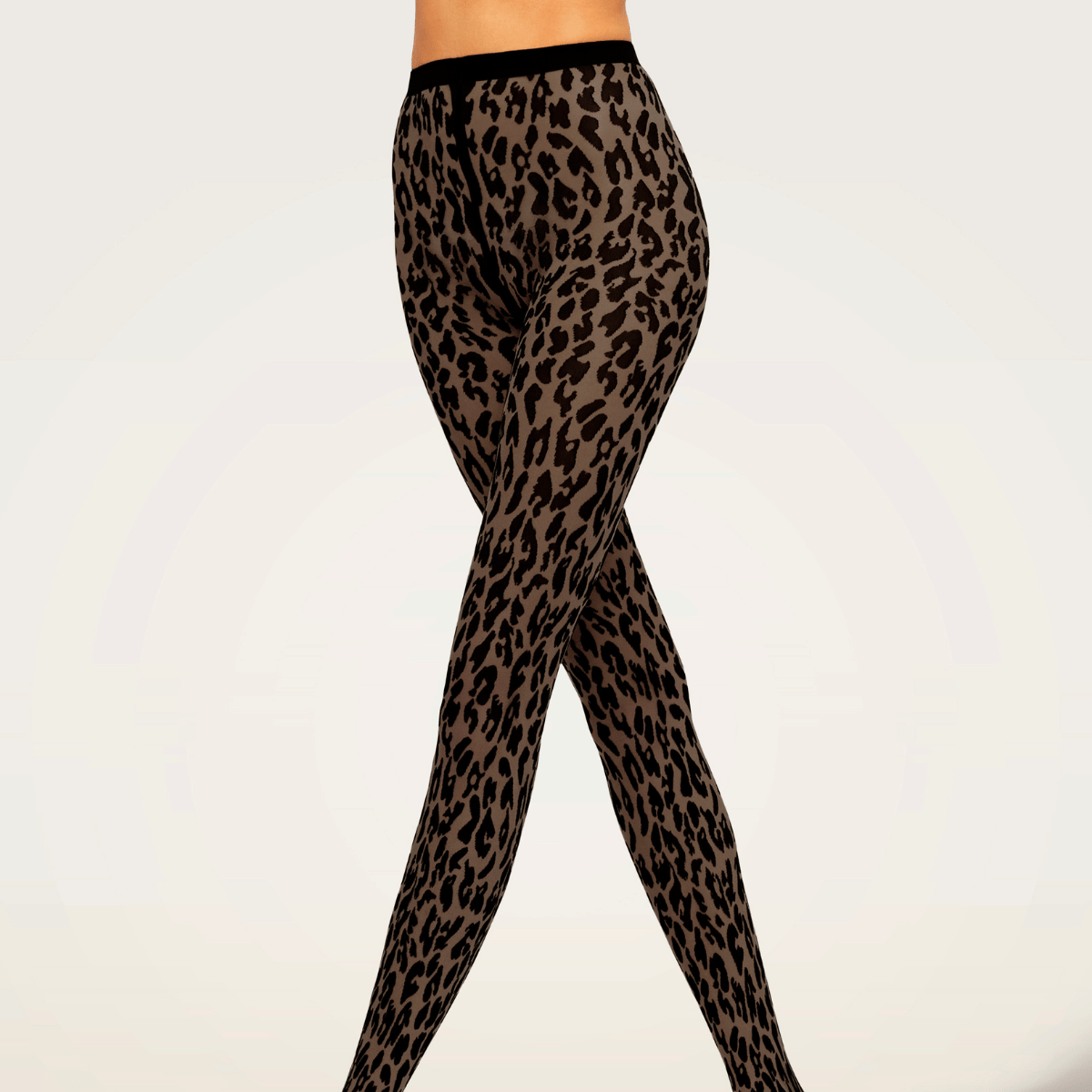
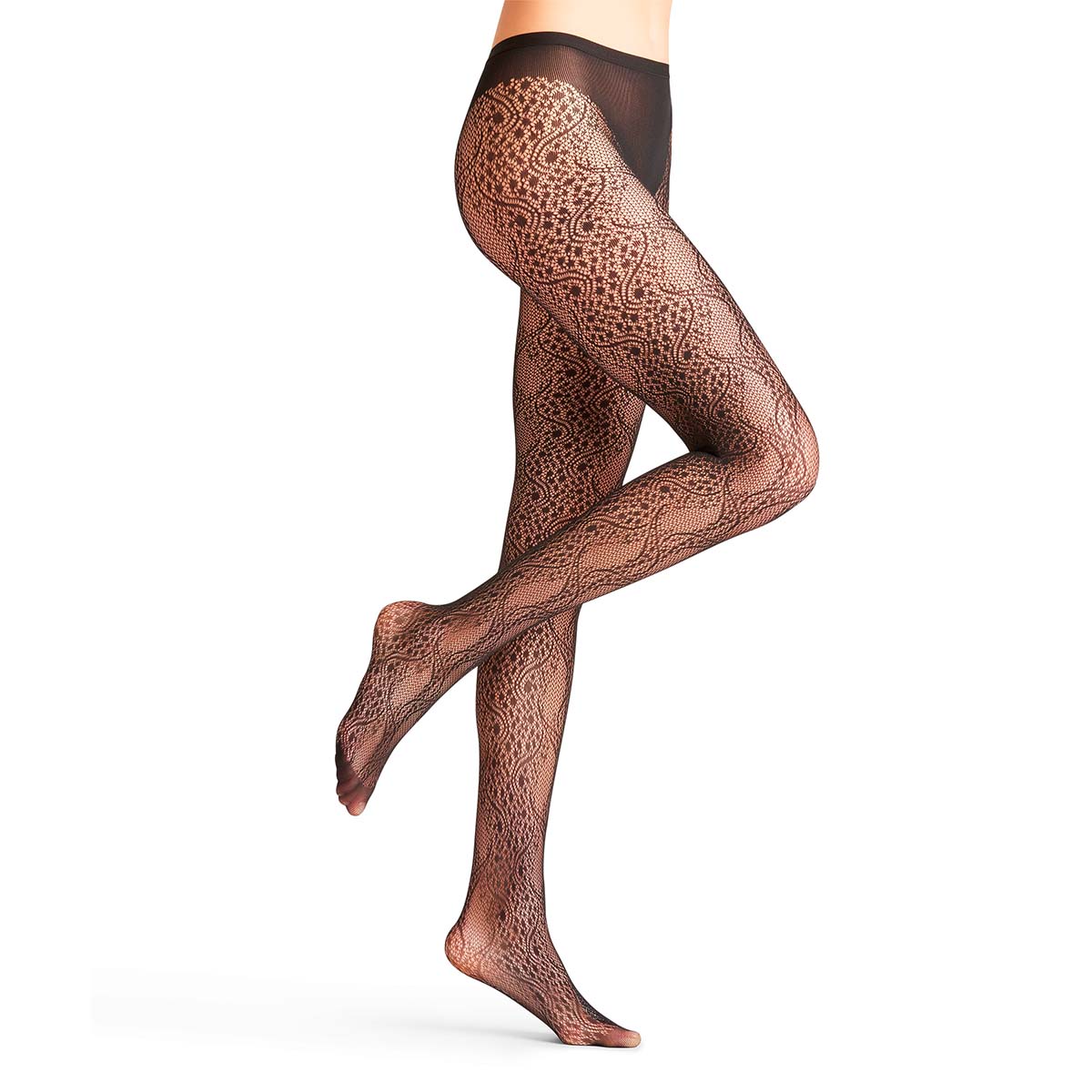
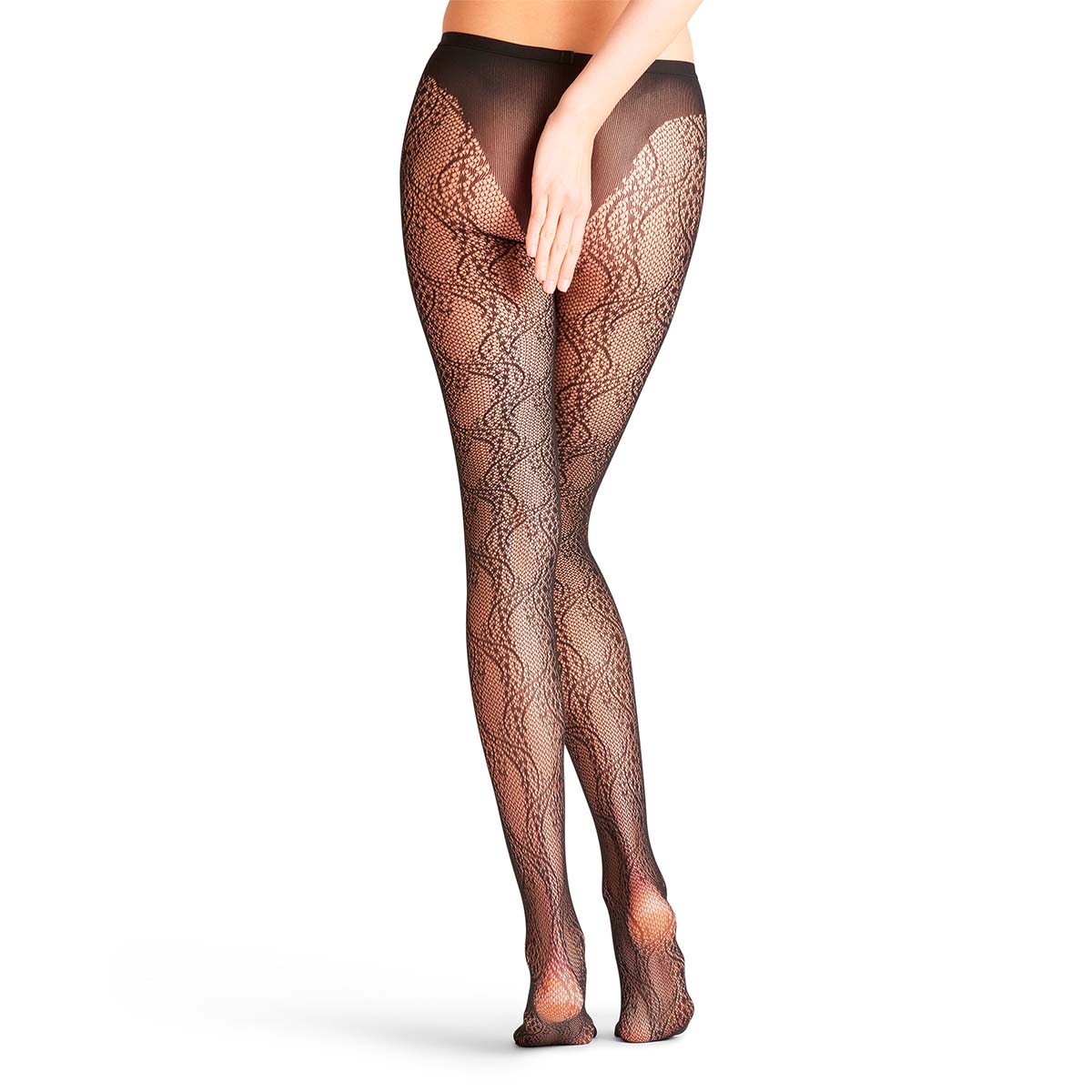
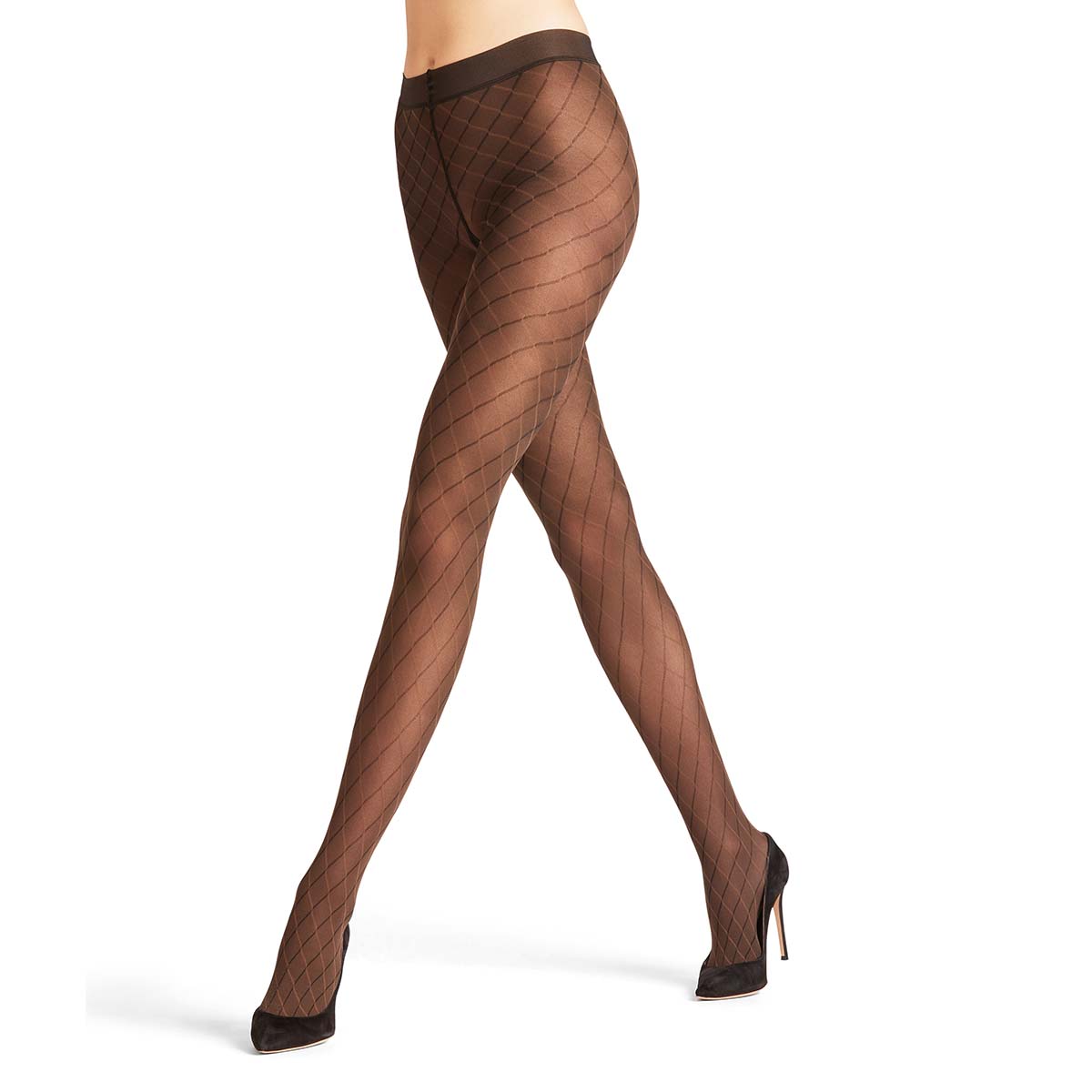
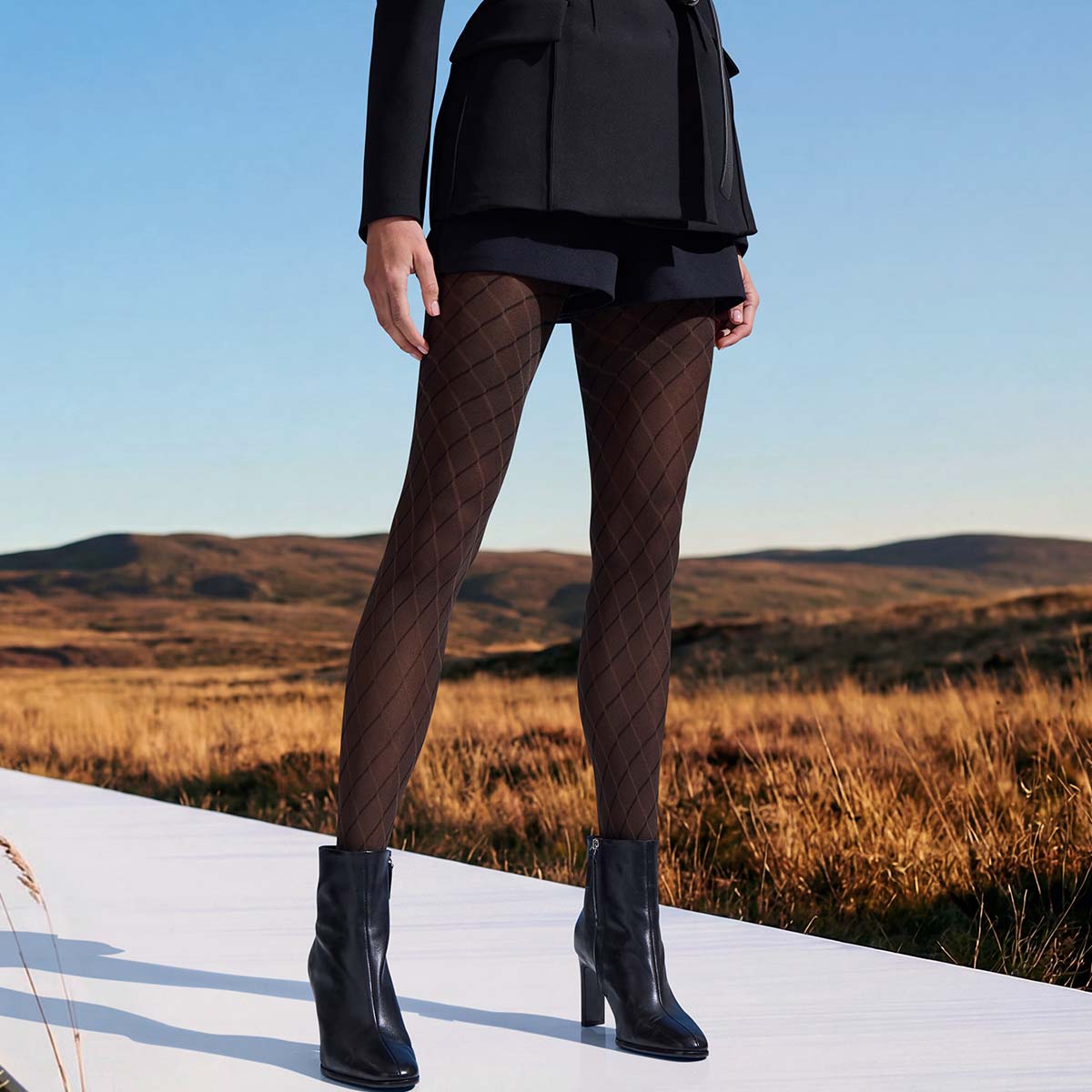
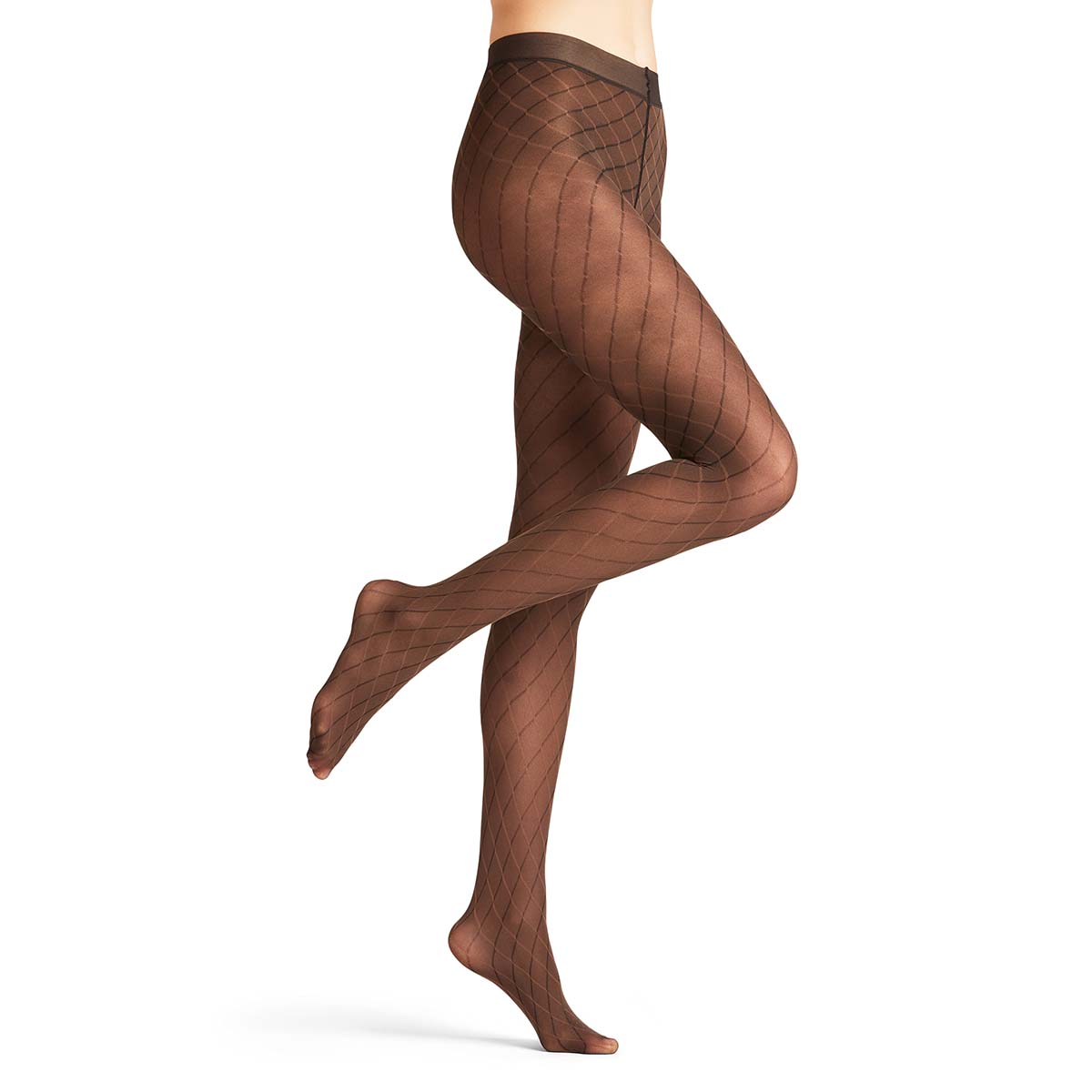
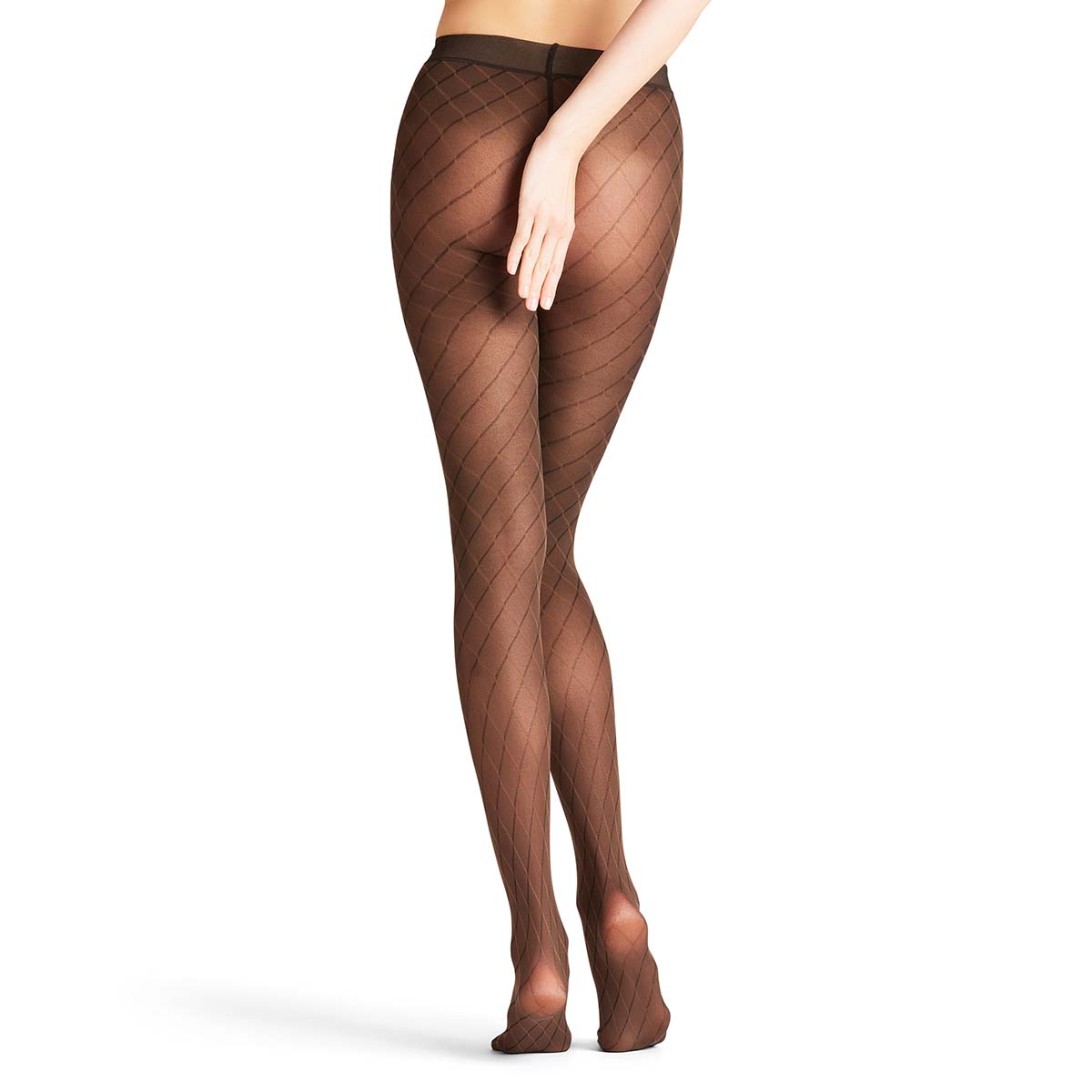
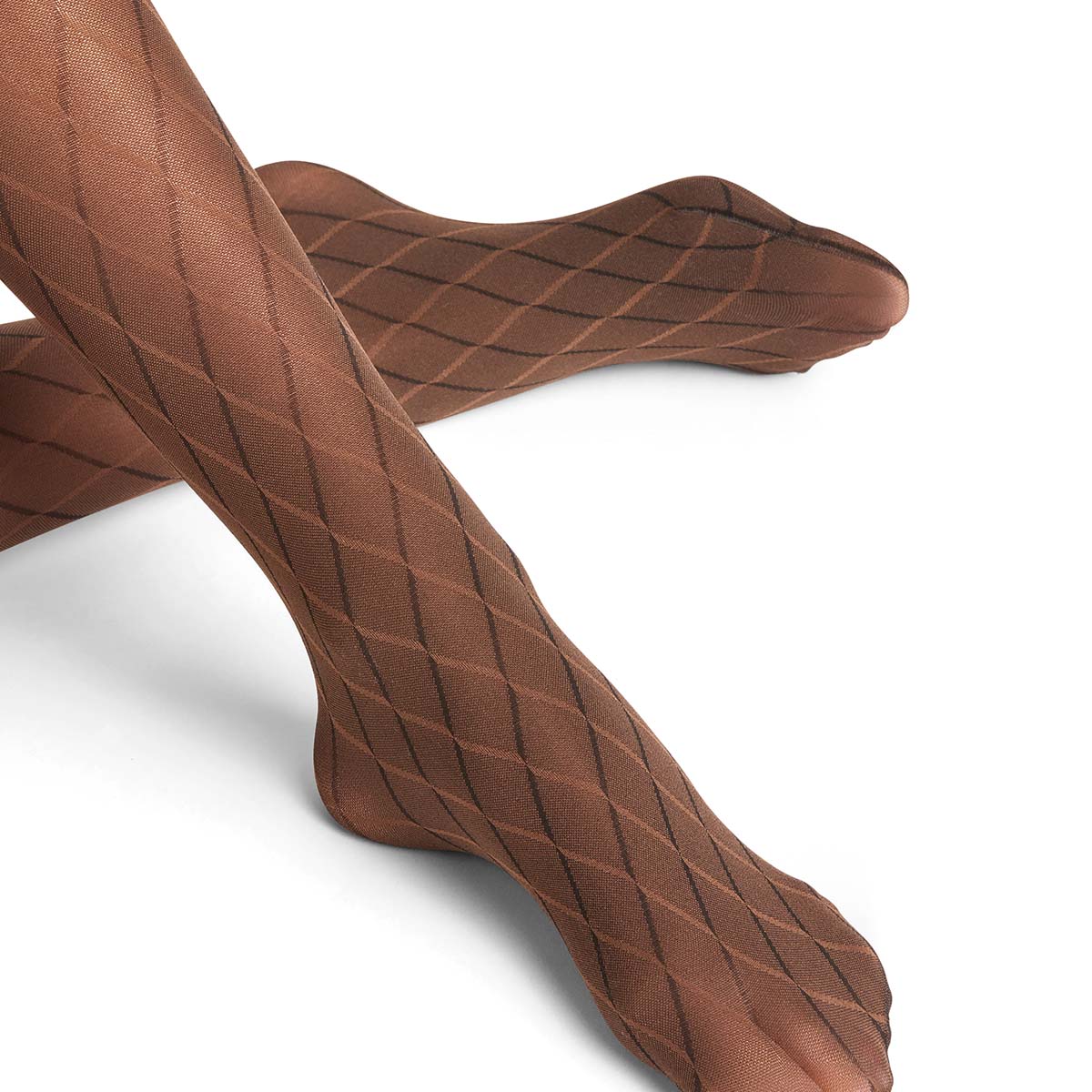
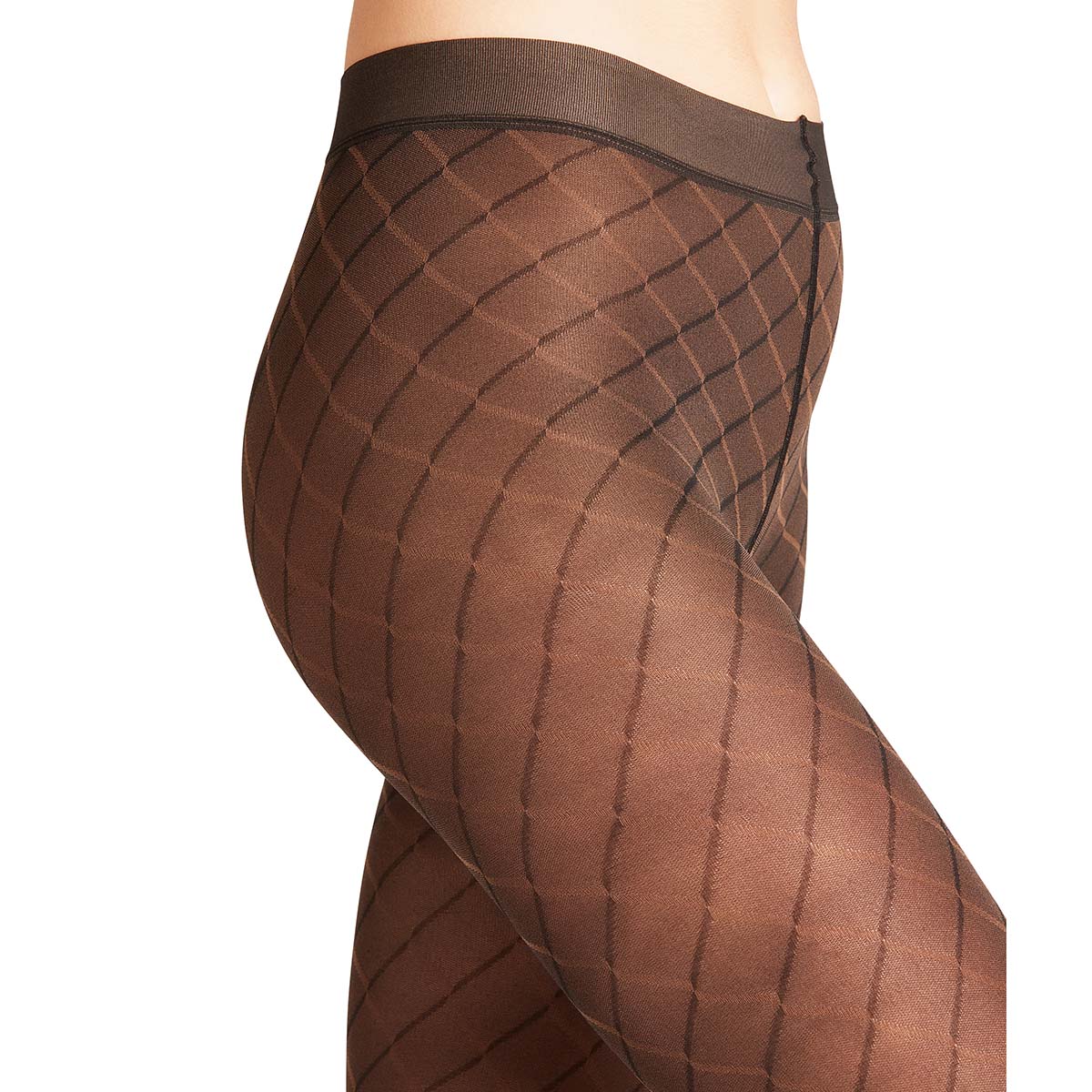
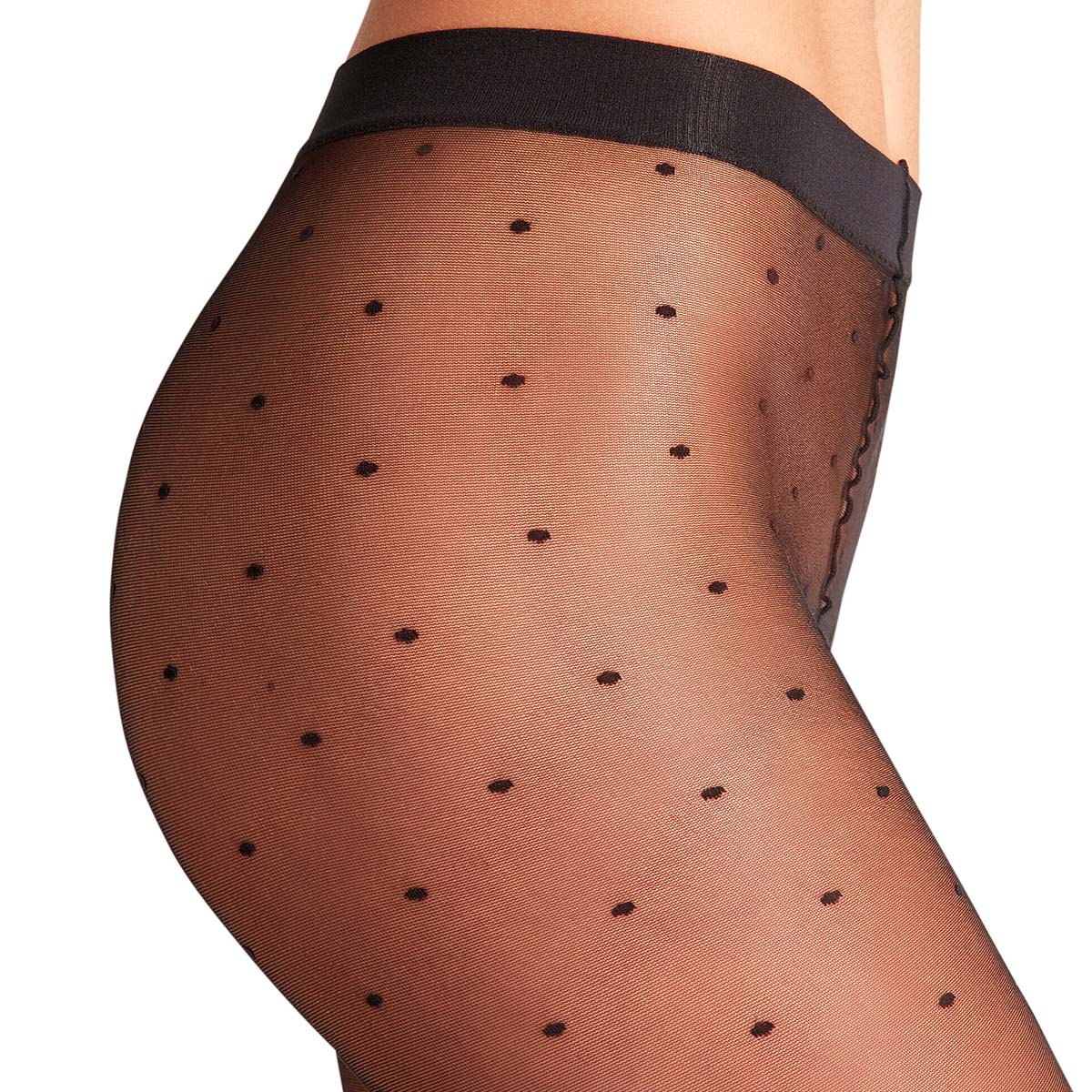
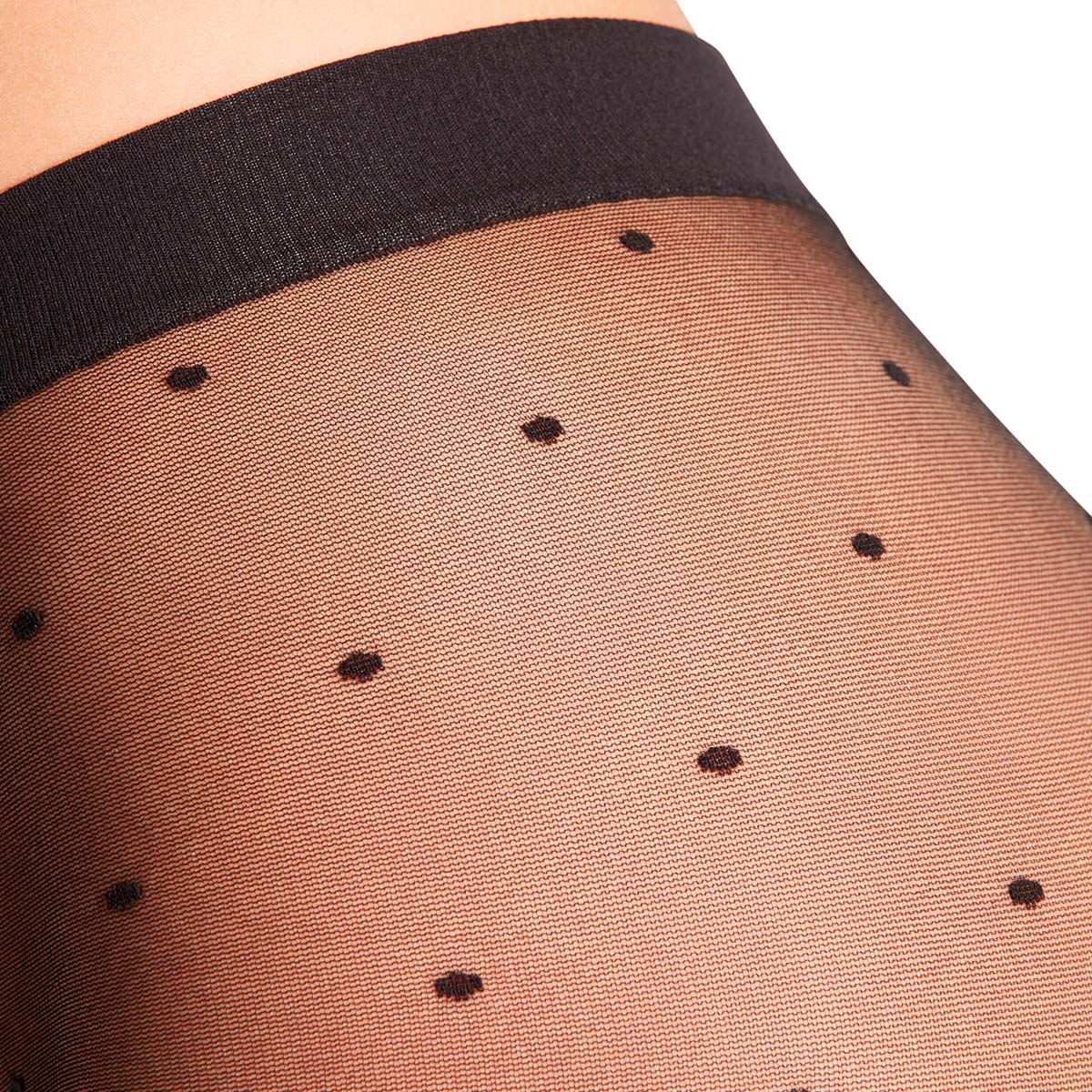
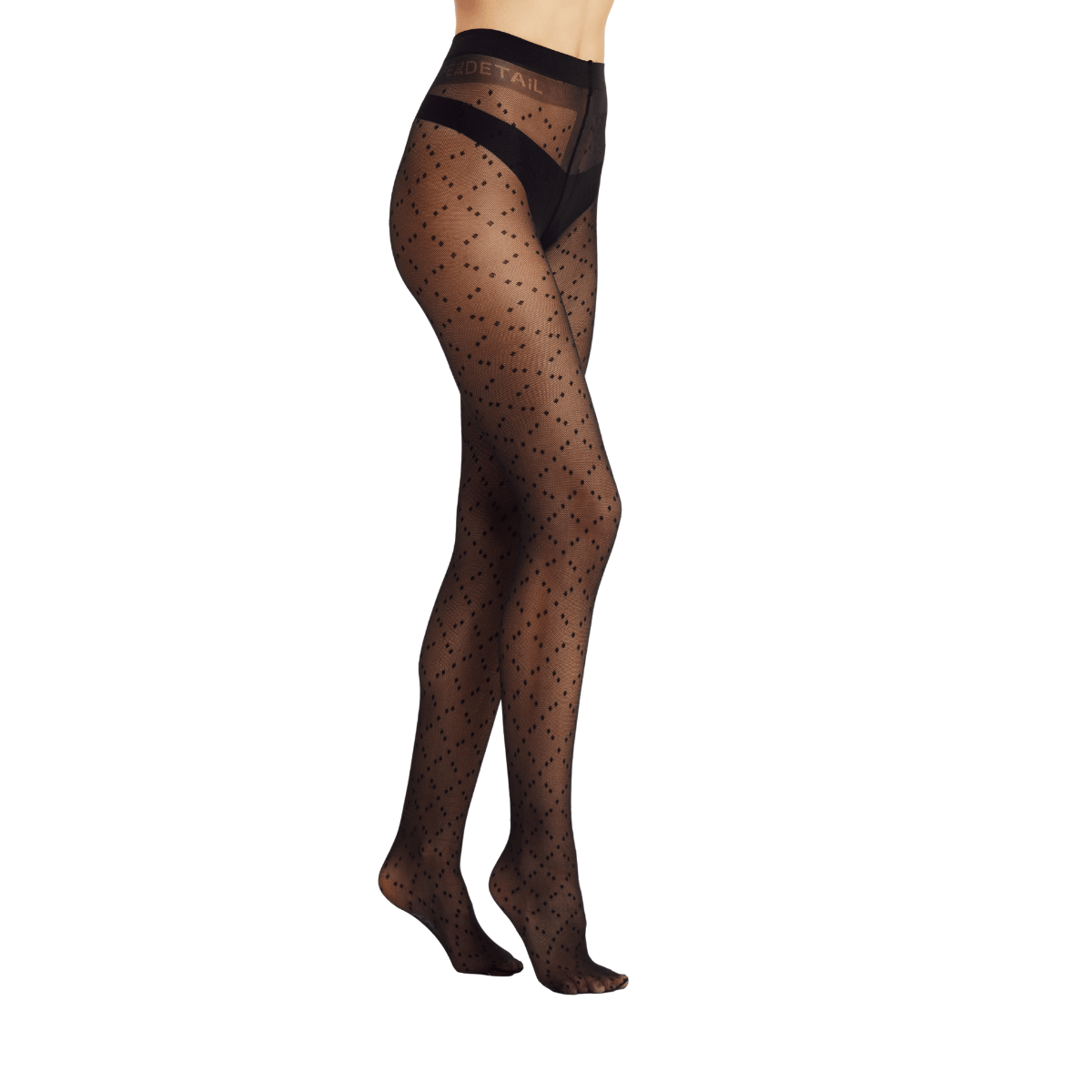
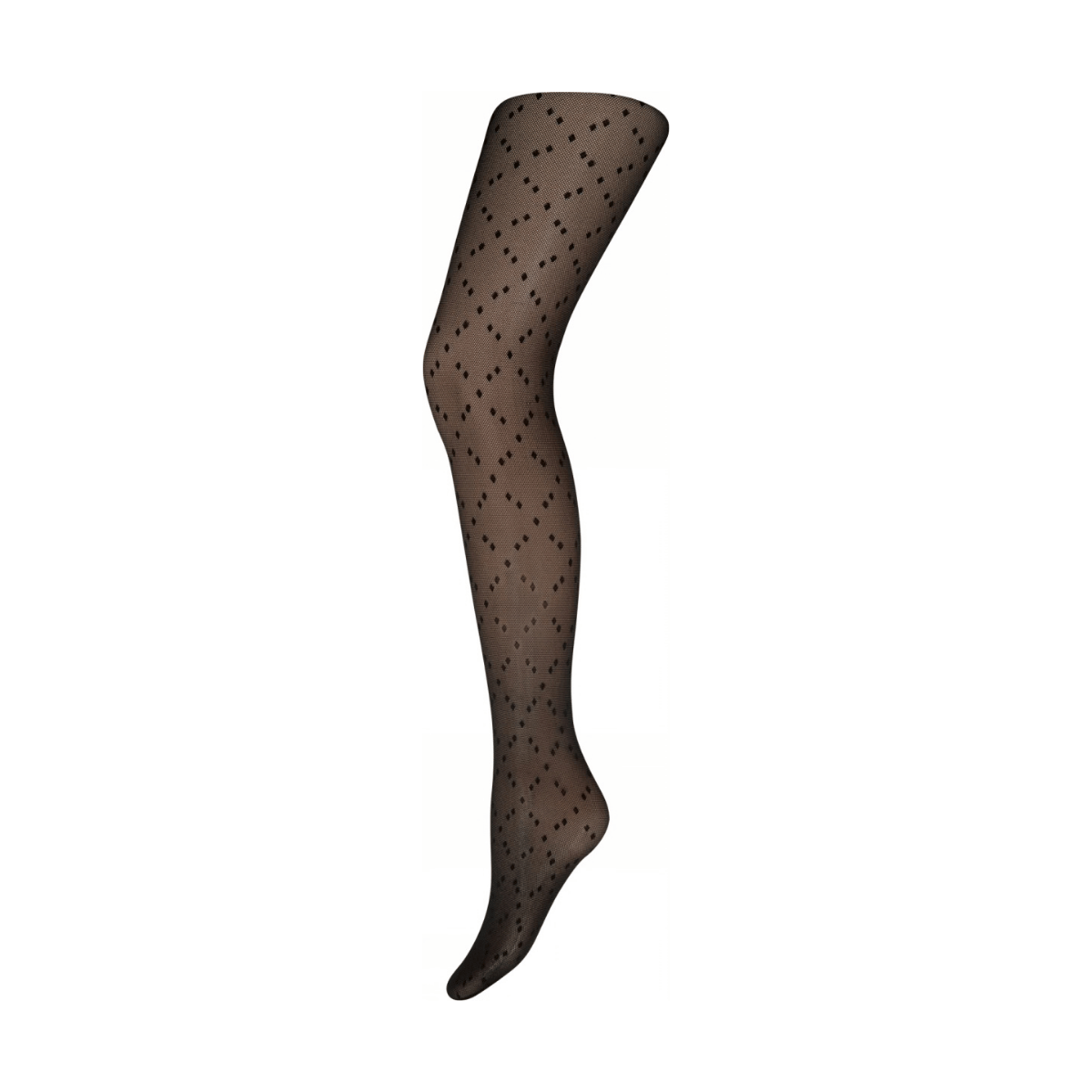
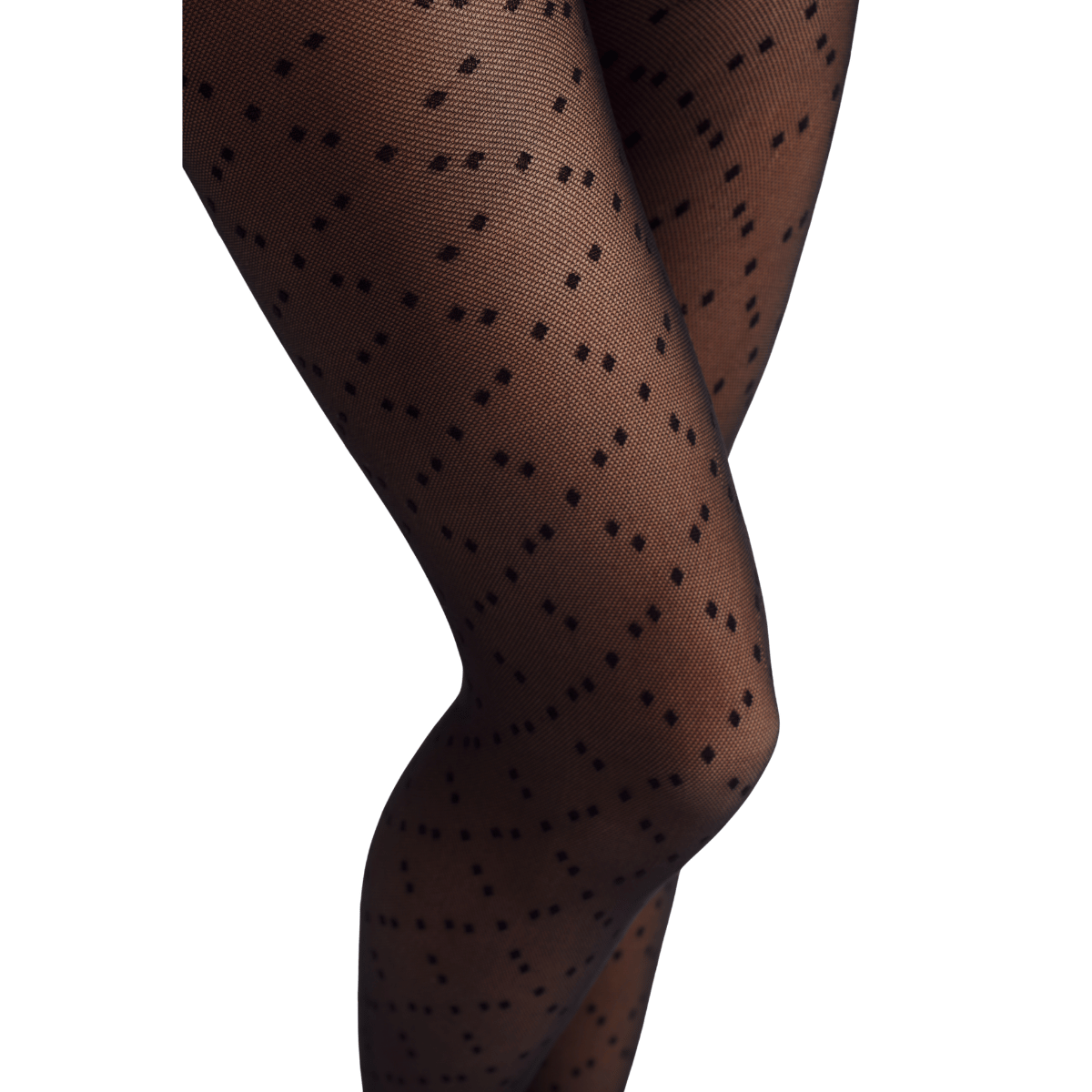
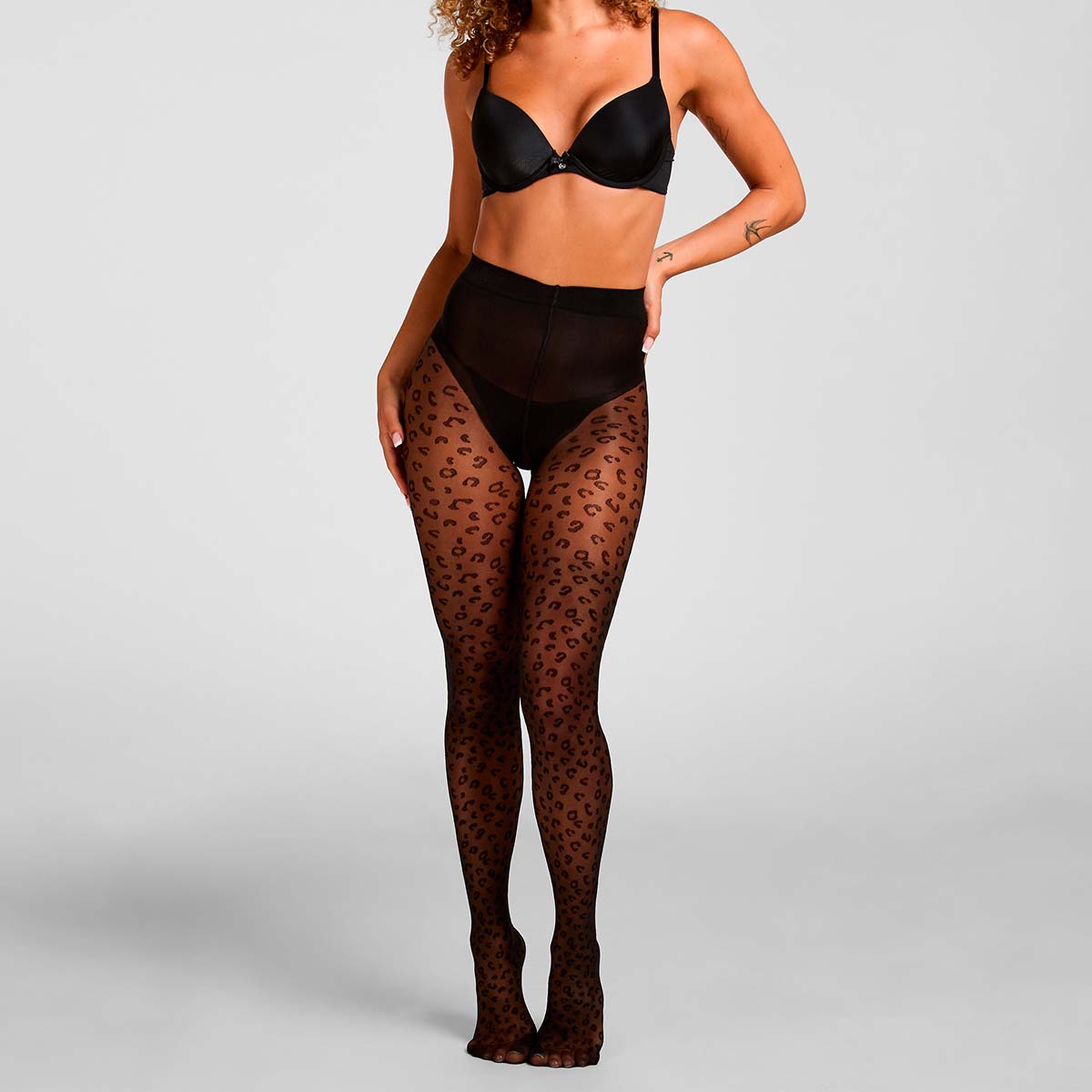
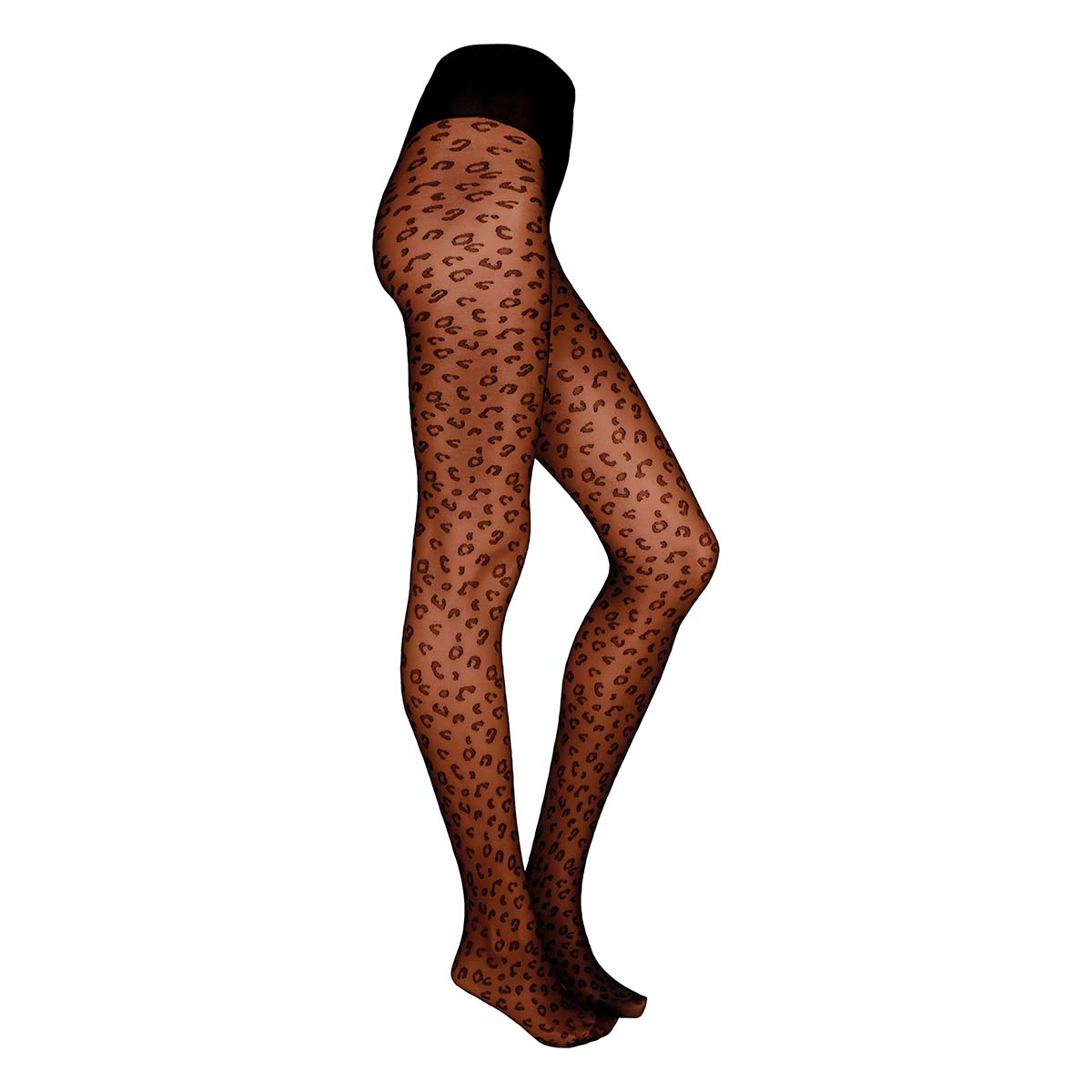
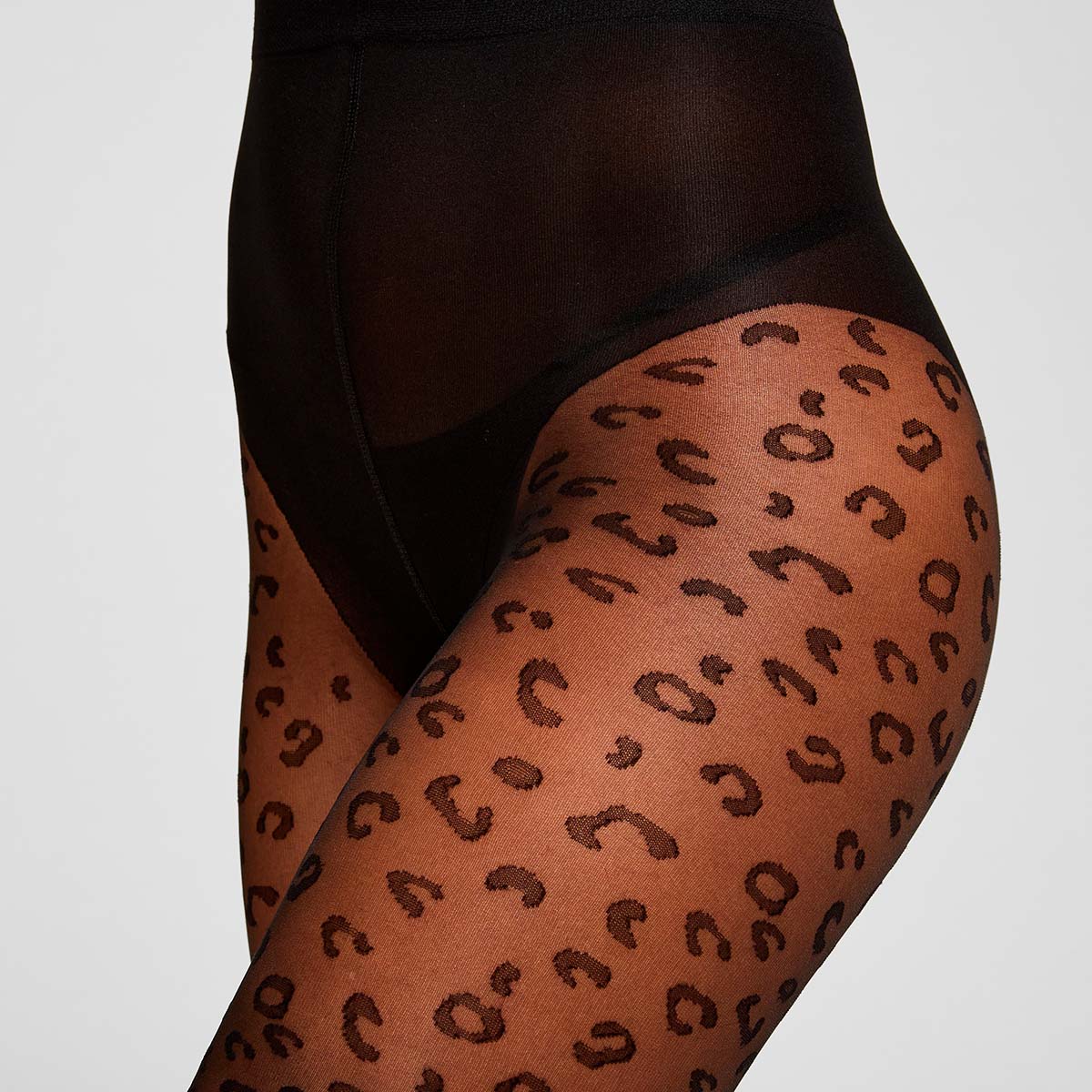
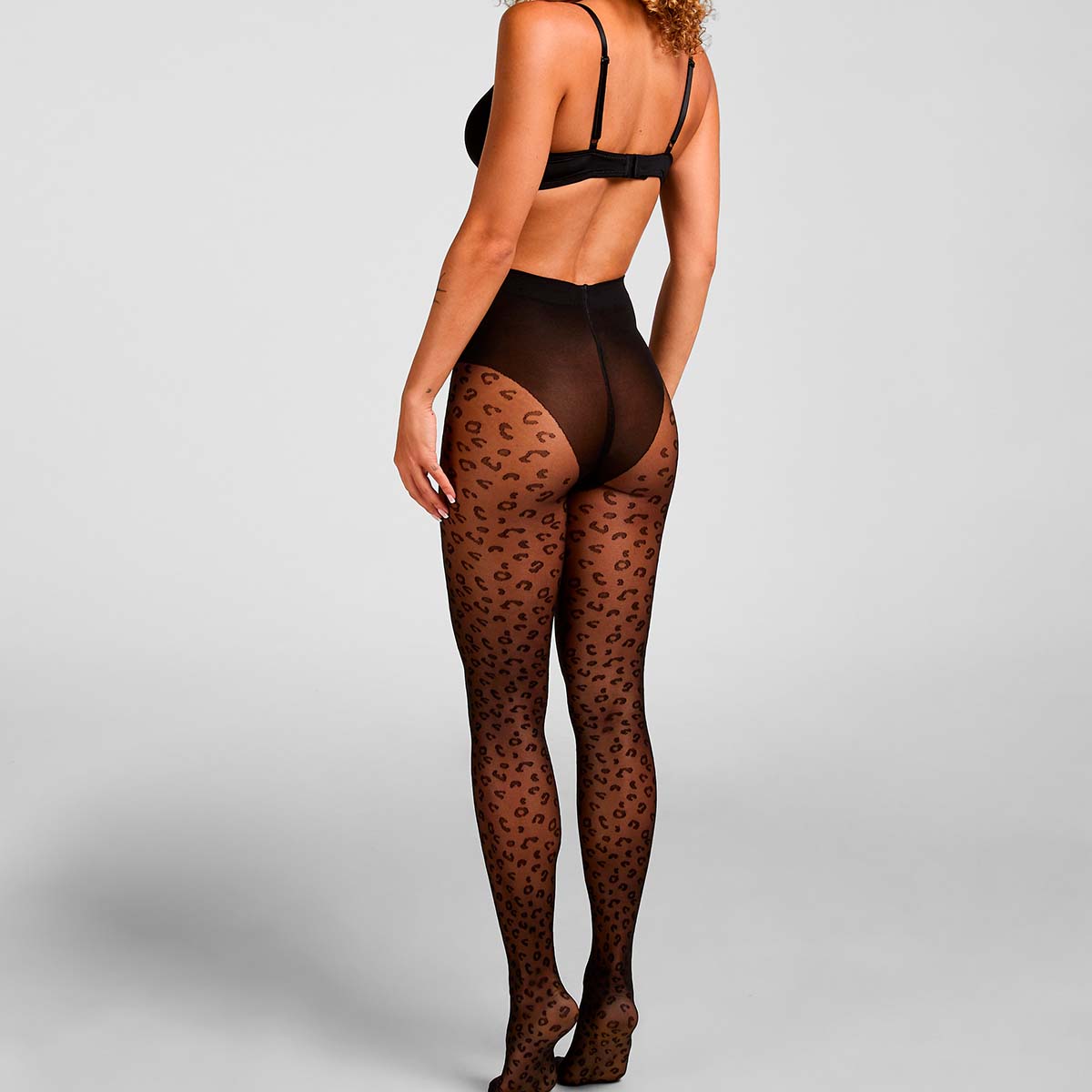
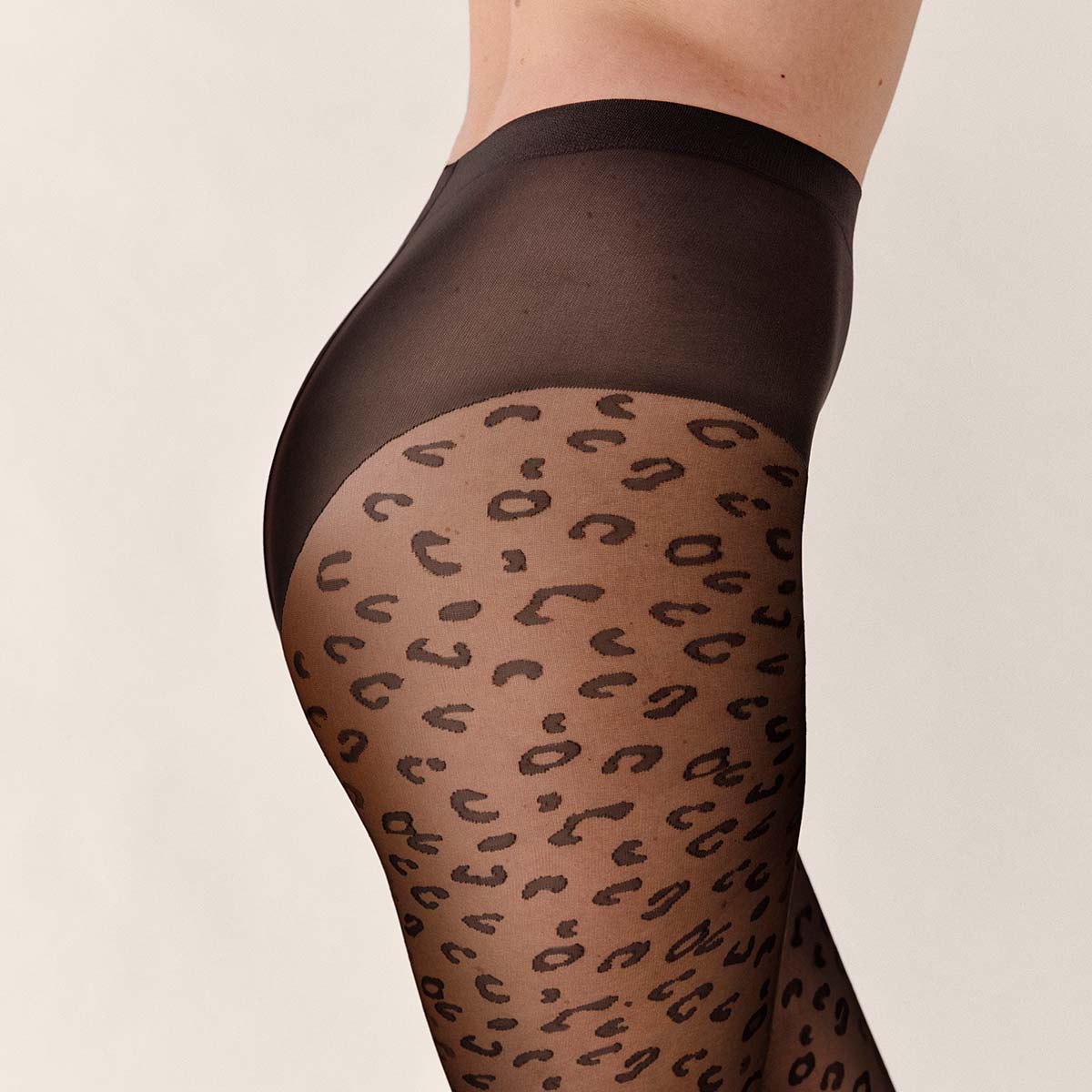
It is also worth looking at how densely the pattern is arranged. Two styles with the same type of design can look very different if one has just a few details while the other is covered in a dense pattern. Product images are therefore useful when assessing the scale, placement and overall effect of the design.
How to style patterned tights with dresses and skirts
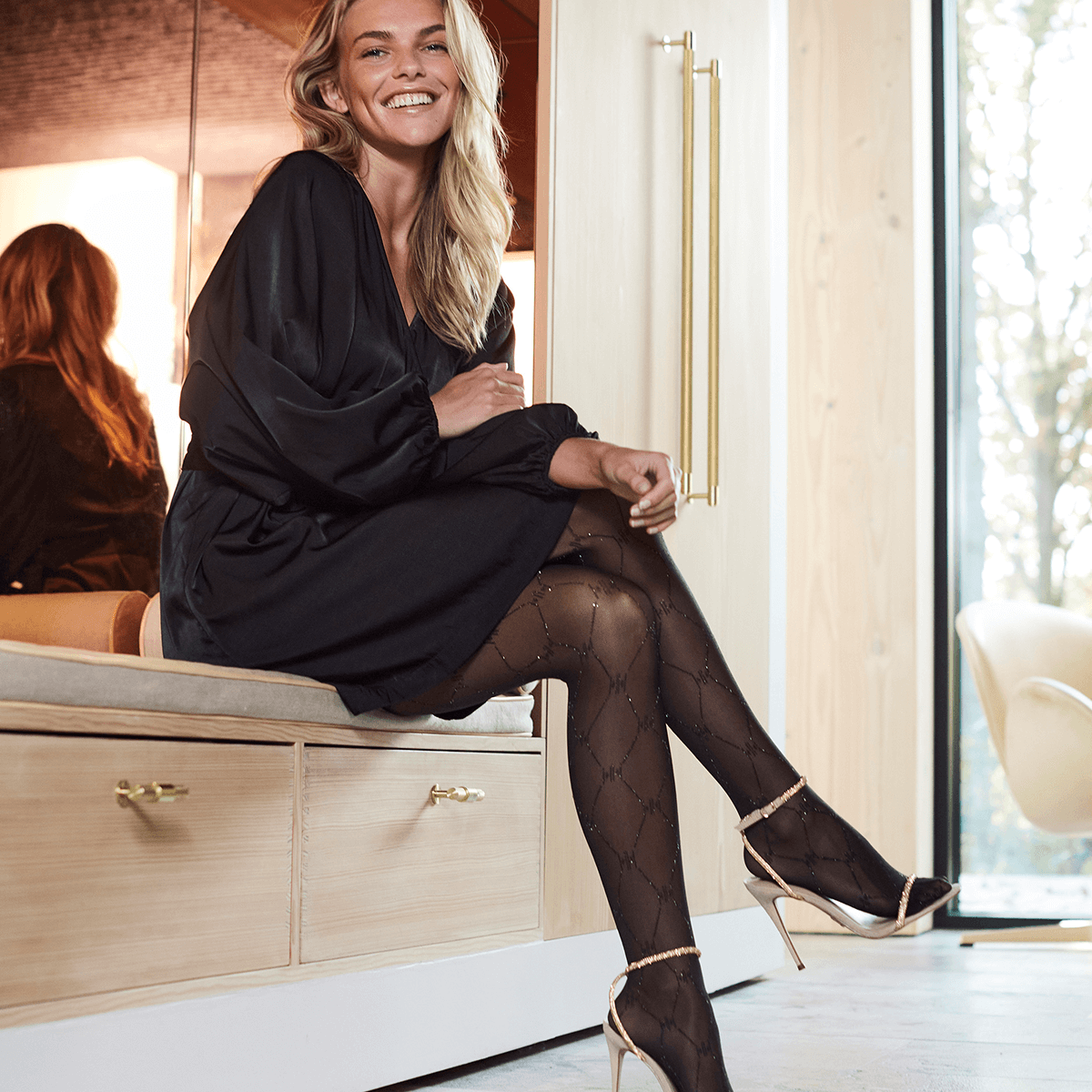
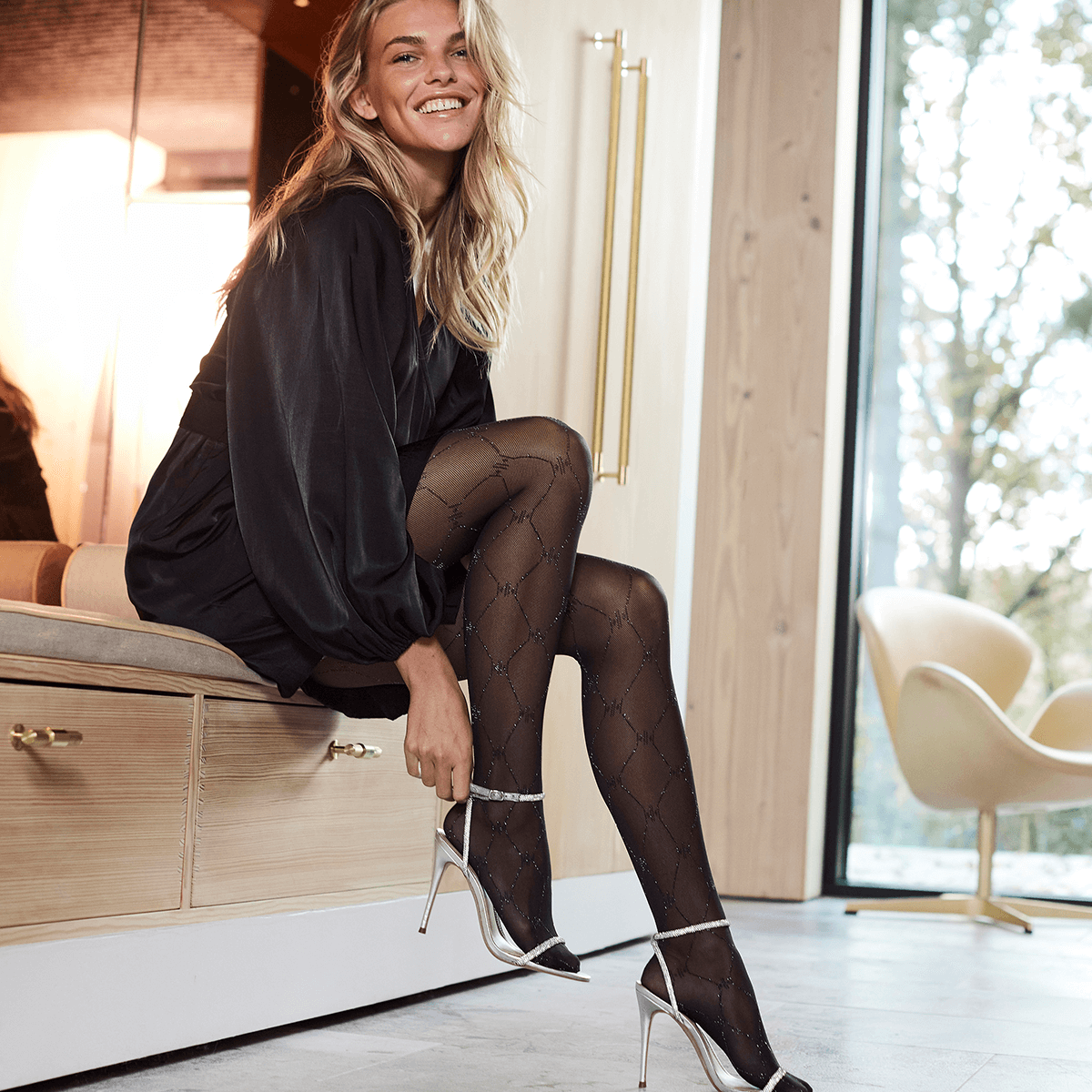
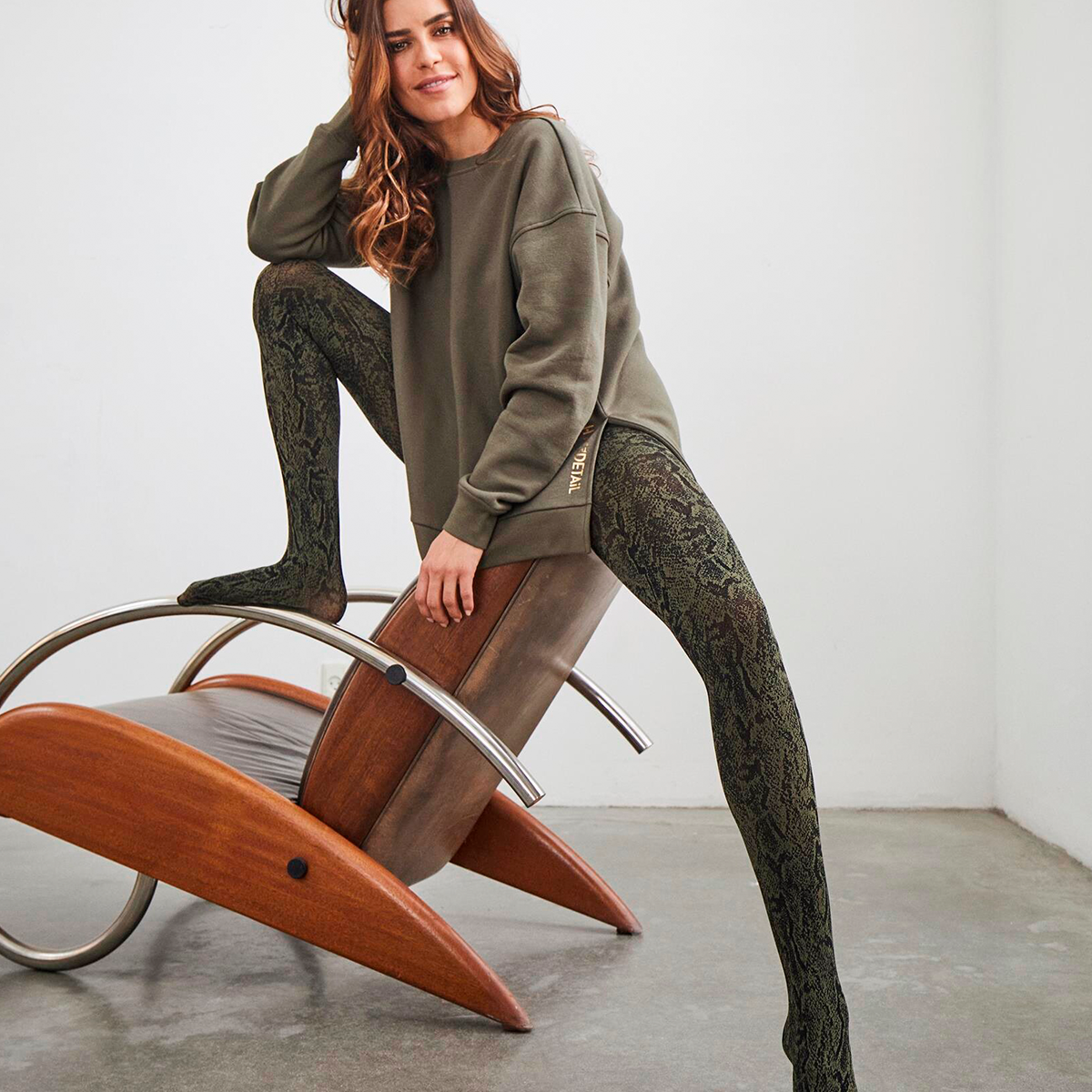
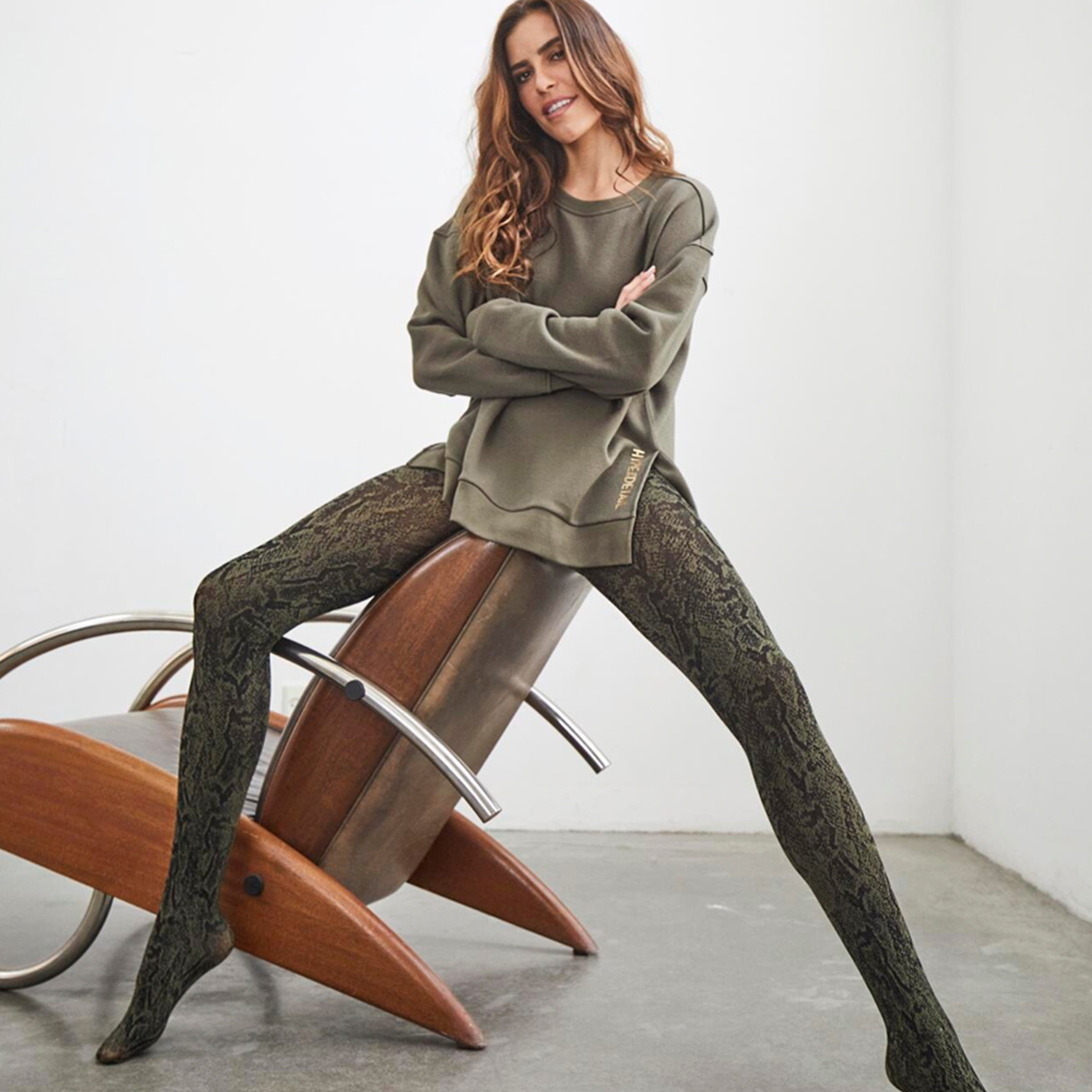
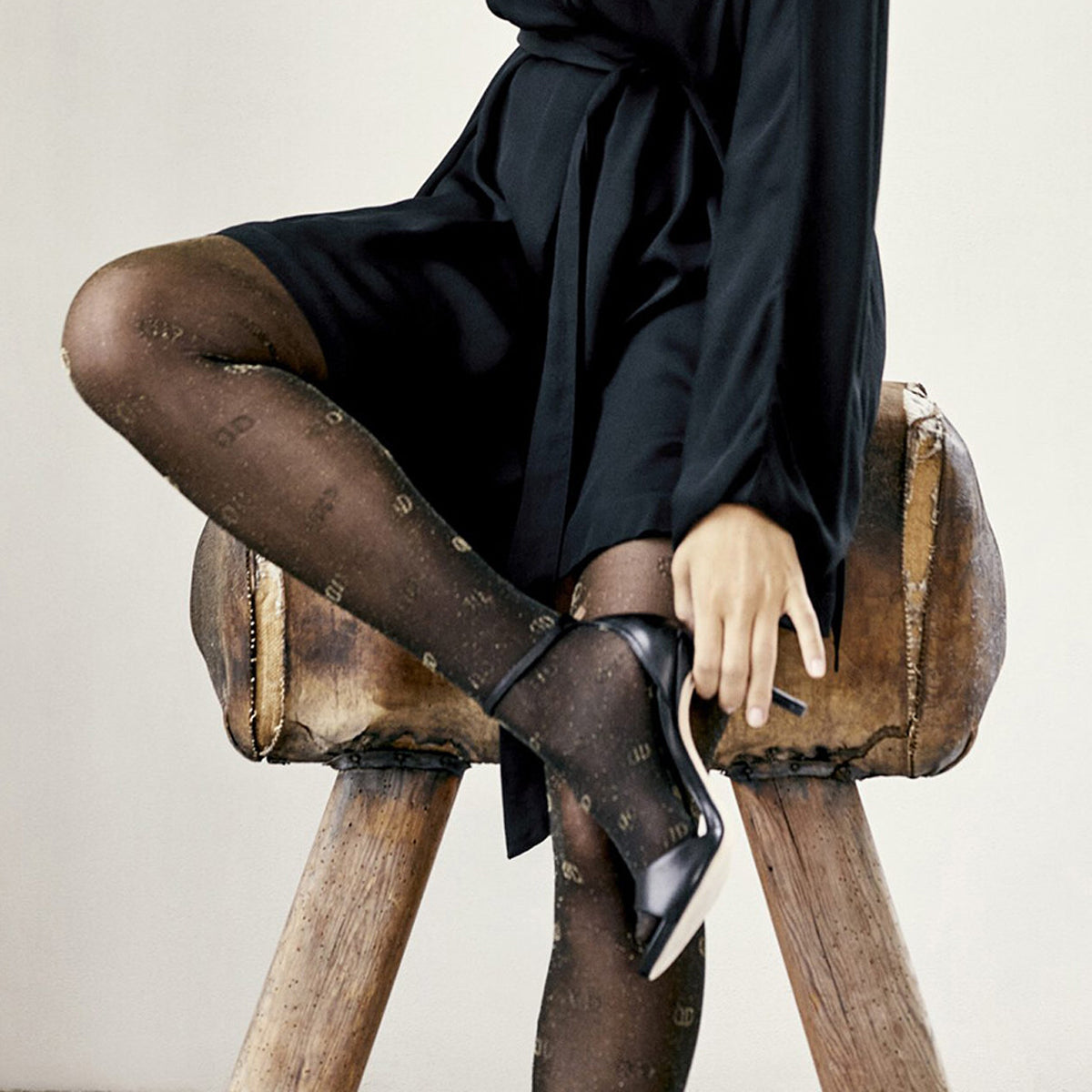
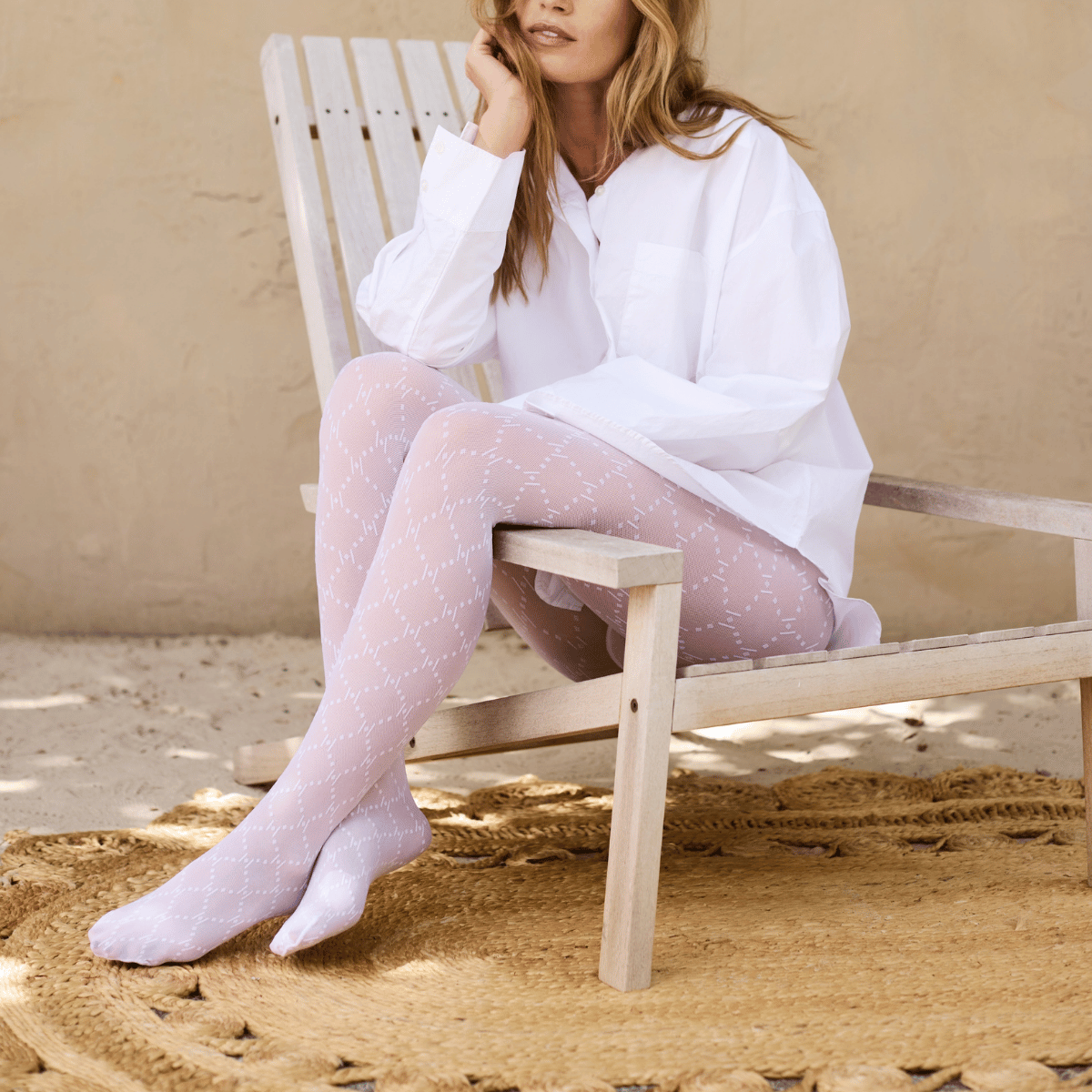
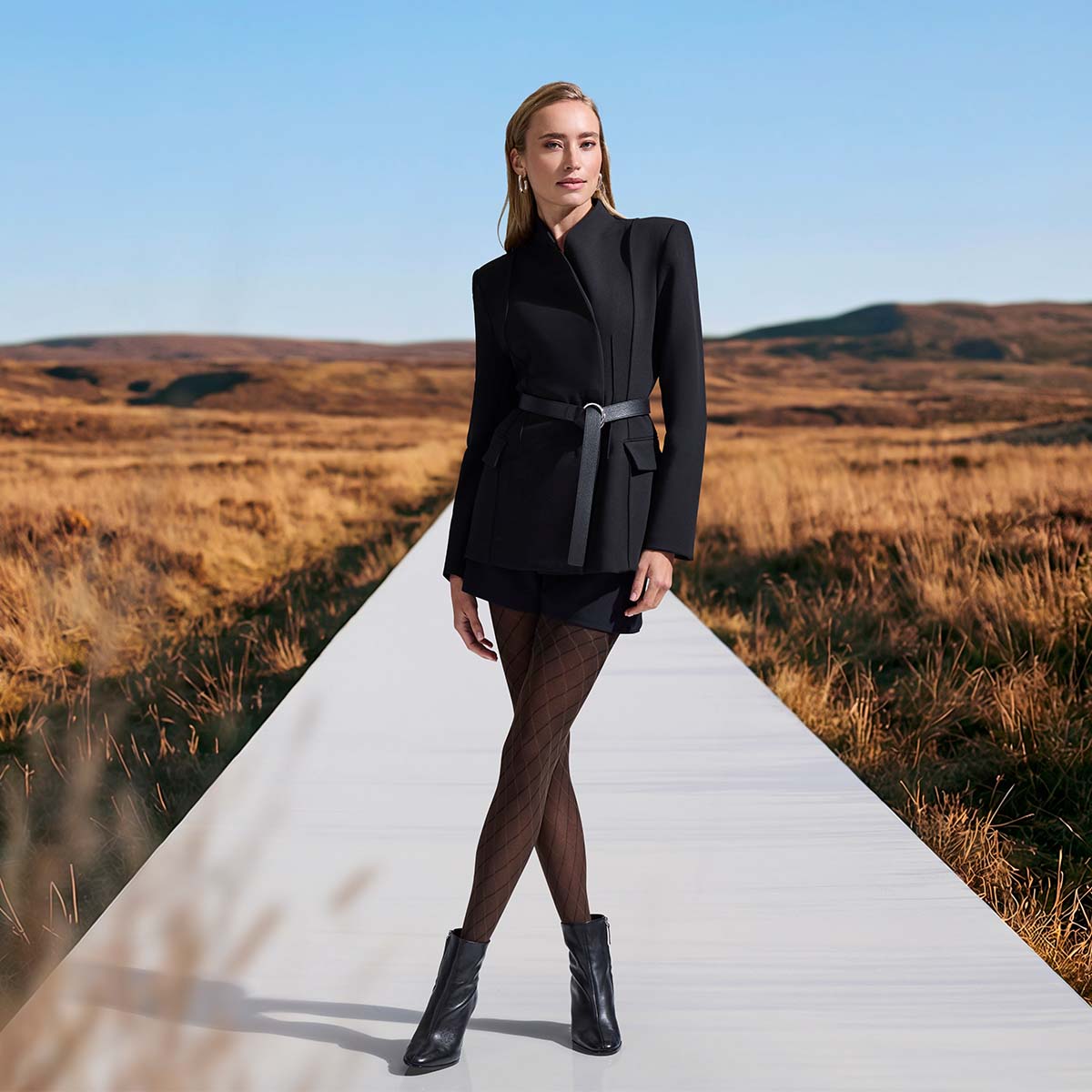
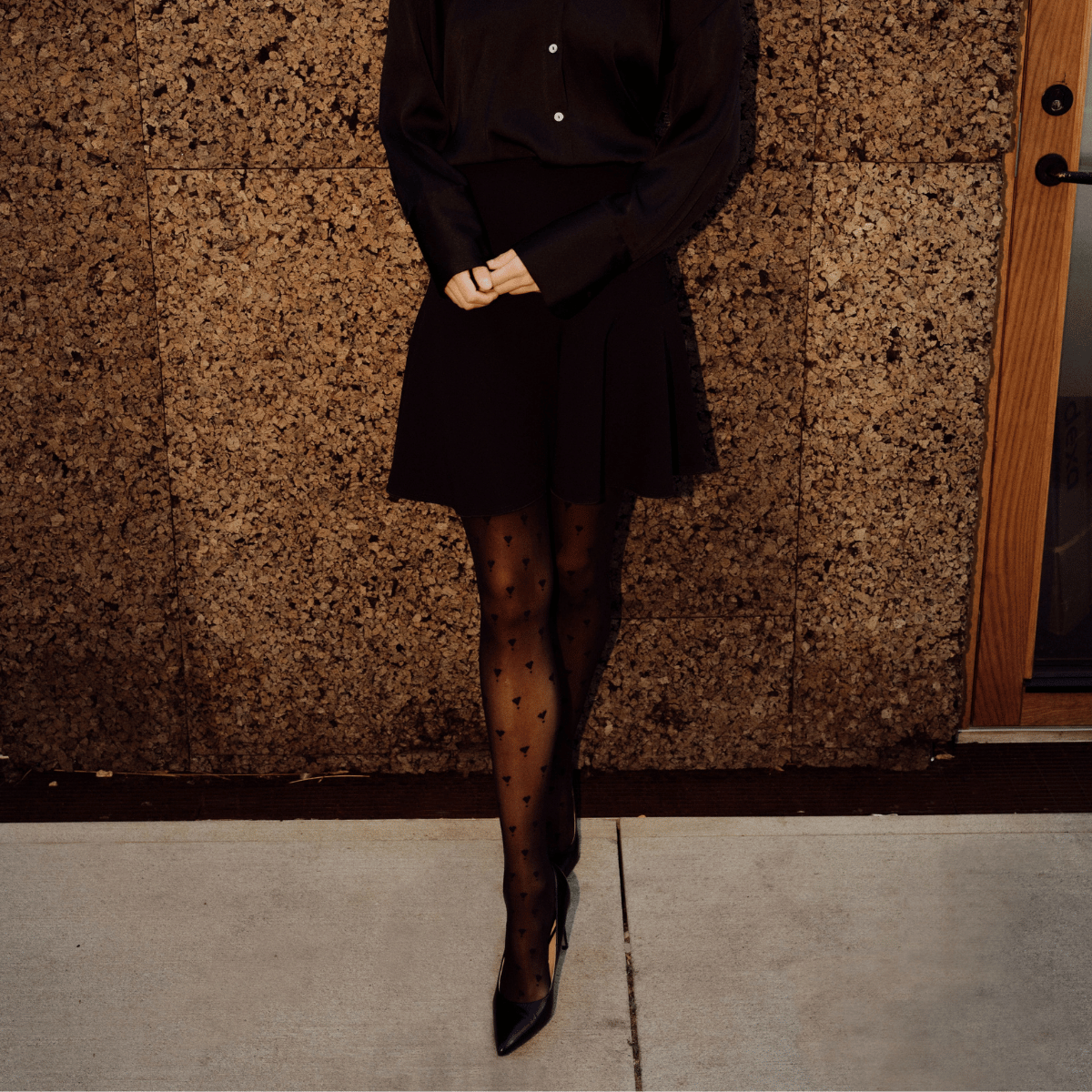
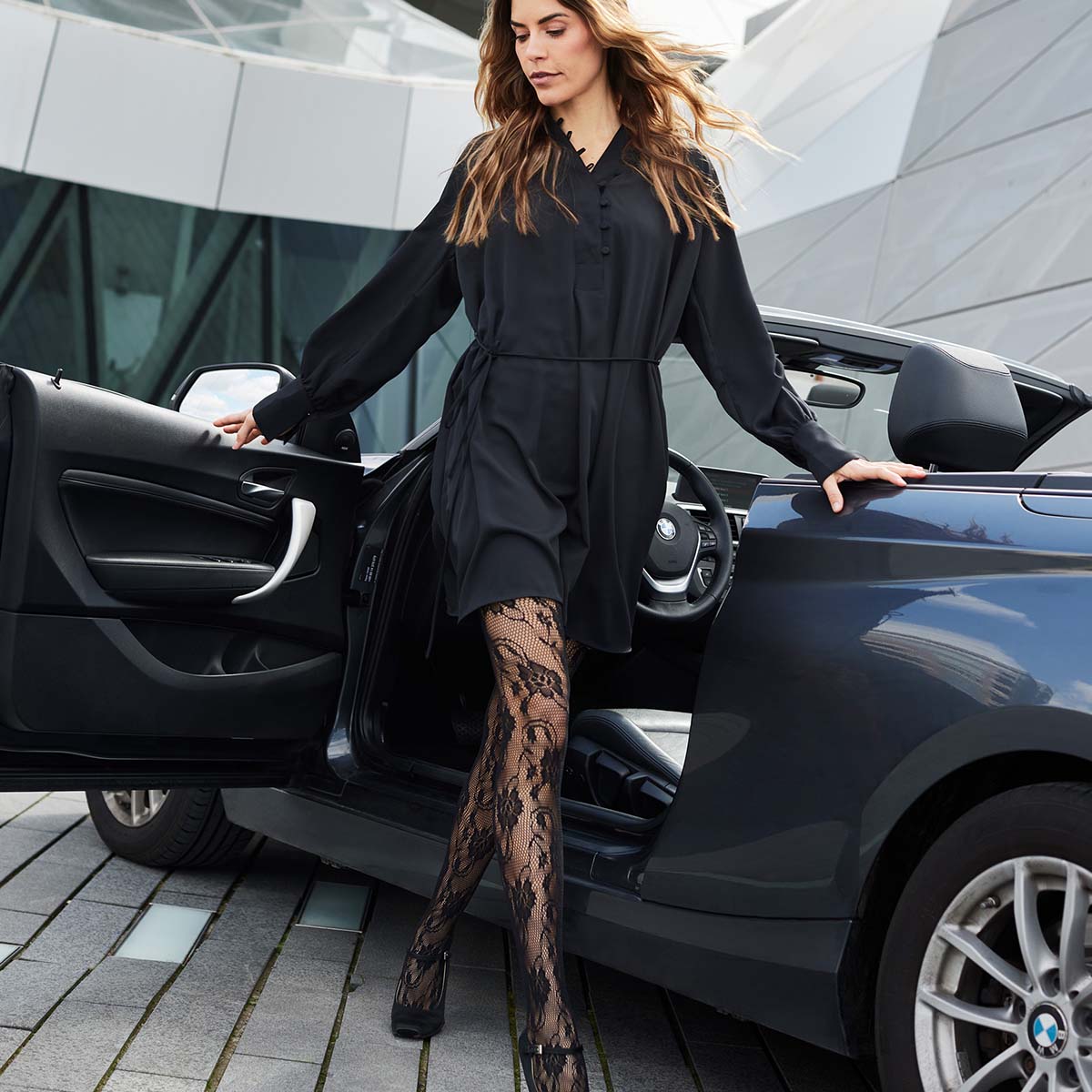
Patterned tights can be worn with dresses, skirts and other outfits where the legs are visible. Your choice will depend in part on how many patterns and details are already present in your clothing. With a plain dress, the tights can play a more noticeable role because the pattern does not have to compete with other prints. If the dress or skirt already features a bold print, a simpler pattern on the tights can create a calmer, more balanced overall look.
Colour also plays a part. Black patterned tights, for example, can be combined with many dark shades, but there is still a significant difference between an almost invisible design and a very bold pattern. The base colour alone should therefore not determine your choice.
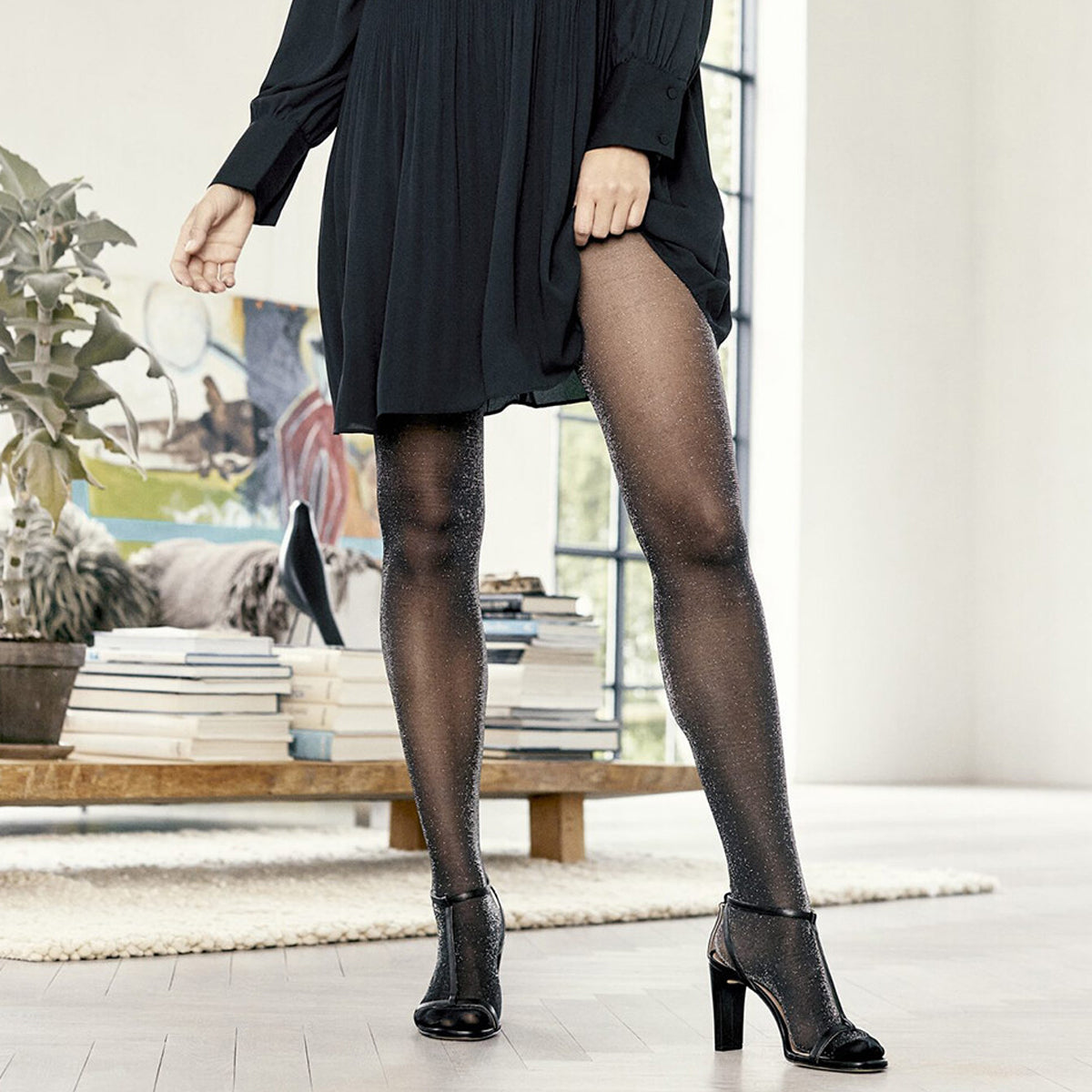
For everyday wear, small dots, fine textures or subtle geometric patterns can be a good option if you want a detail that does not dominate the outfit. For a party or dinner, a more noticeable design can be chosen as a deliberate part of the overall look. Tights worn with a dress do not have to be neutral; the pattern can be selected according to how prominent you want the tights to be.
Sheer, semi-sheer or more opaque
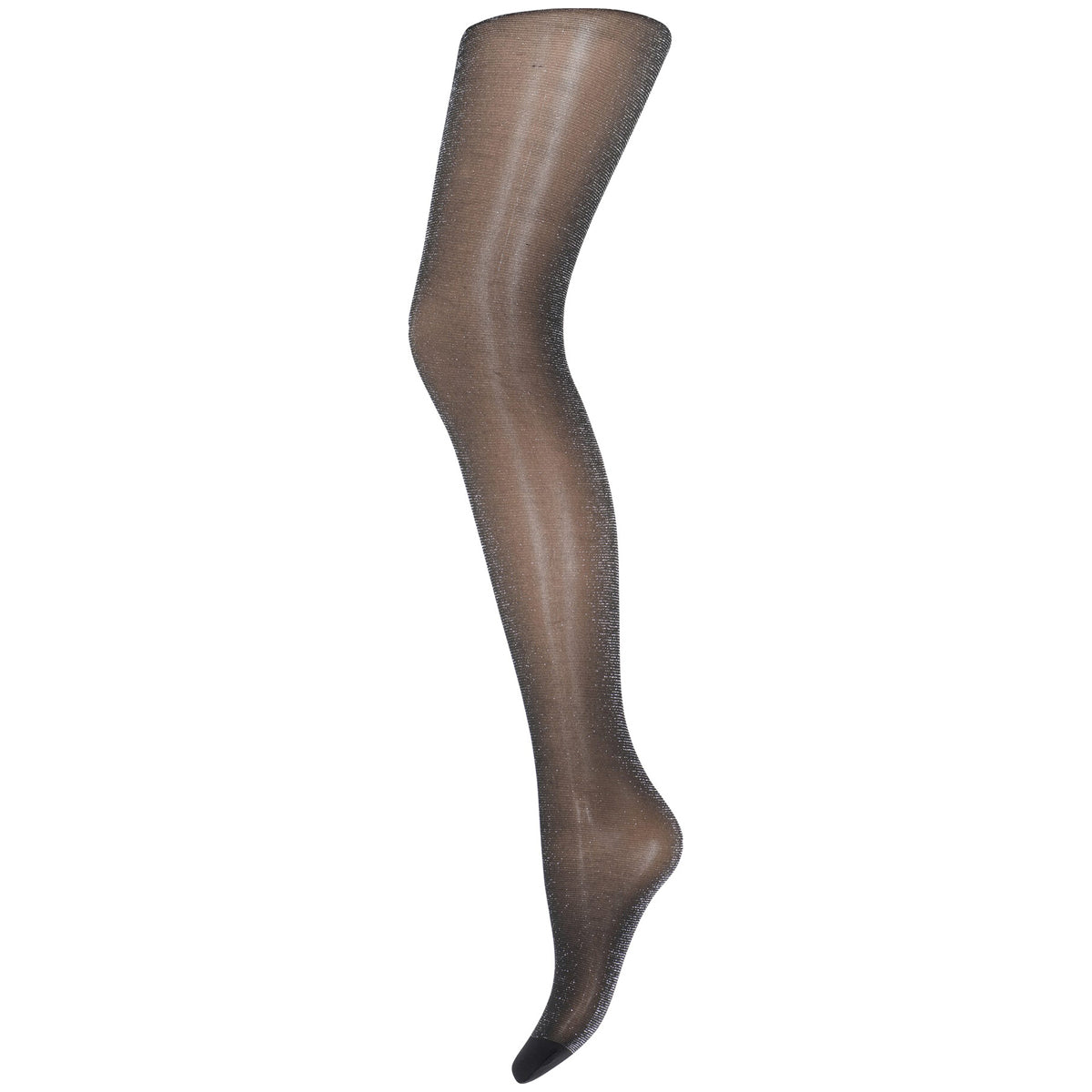
The pattern is only one part of the overall appearance of the tights. The level of transparency also has a major influence on how the design is perceived. Sheer patterned tights allow the skin to remain clearly visible between the details, which can give the pattern a light but distinct contrast. With semi-sheer styles, the base fabric is more visible, while more opaque tights can create a darker and visually denser effect.
It is a good idea to consider the construction of the product as a whole rather than focusing only on the pattern. A pair of fine tights with small dots, for example, can look very different depending on how sheer the base material is. The same applies to stripes, florals and geometric patterns.
For many styles, the denier rating can provide an indication of the thickness of the material, but the actual appearance also depends on the construction, colour and pattern. It is therefore useful to consider both the product description and the images when comparing different women's tights. This makes it easier to assess whether you are looking for a light, sheer appearance or a style where both the base colour and the pattern are more pronounced.
Fit and details are also important when choosing
When choosing patterned tights, the design should not be the only factor you consider. Size, materials and construction are also important, because tights should first and foremost fit the person who will be wearing them. Check the size guide for each individual style rather than assuming that the same size will fit in the same way across all brands and products.
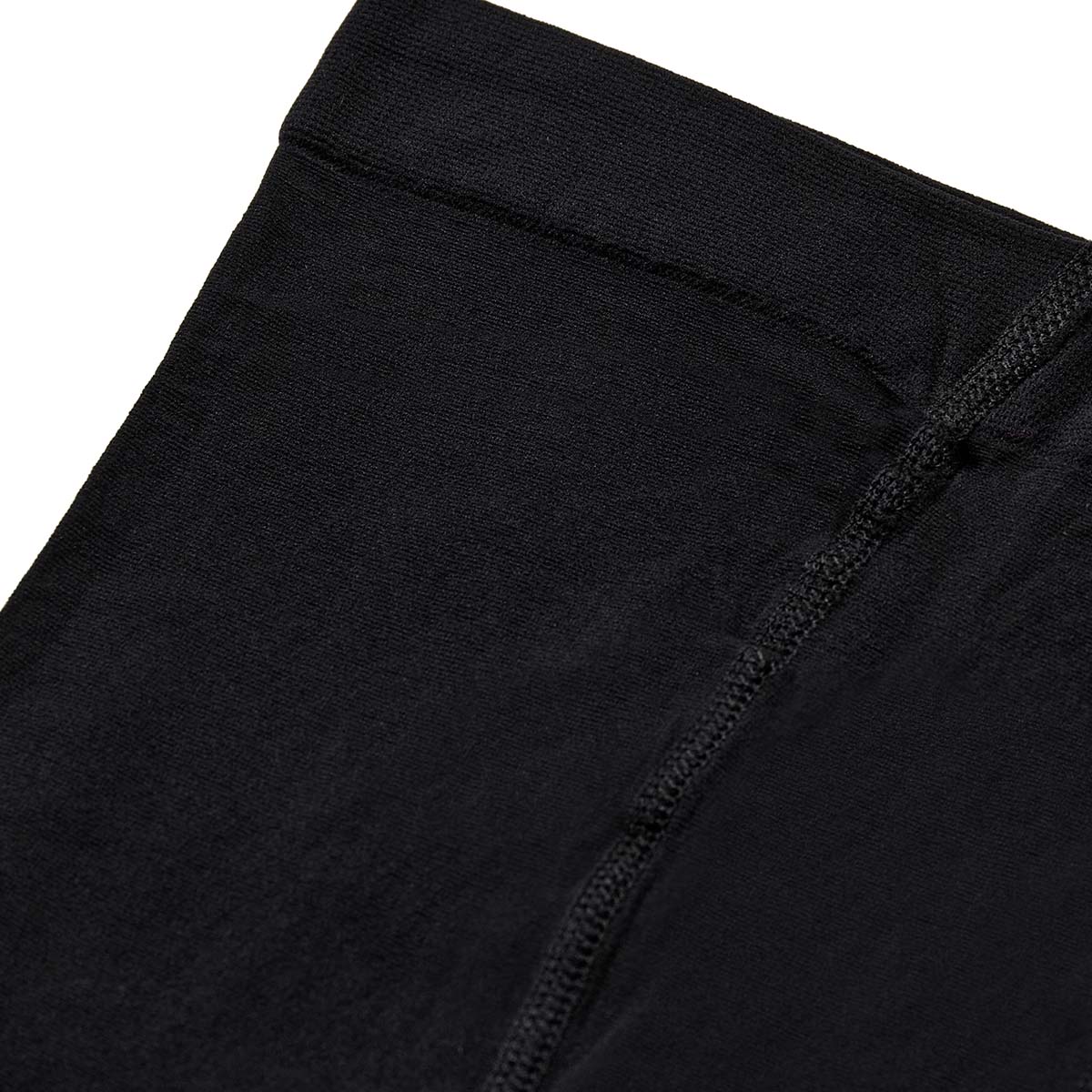
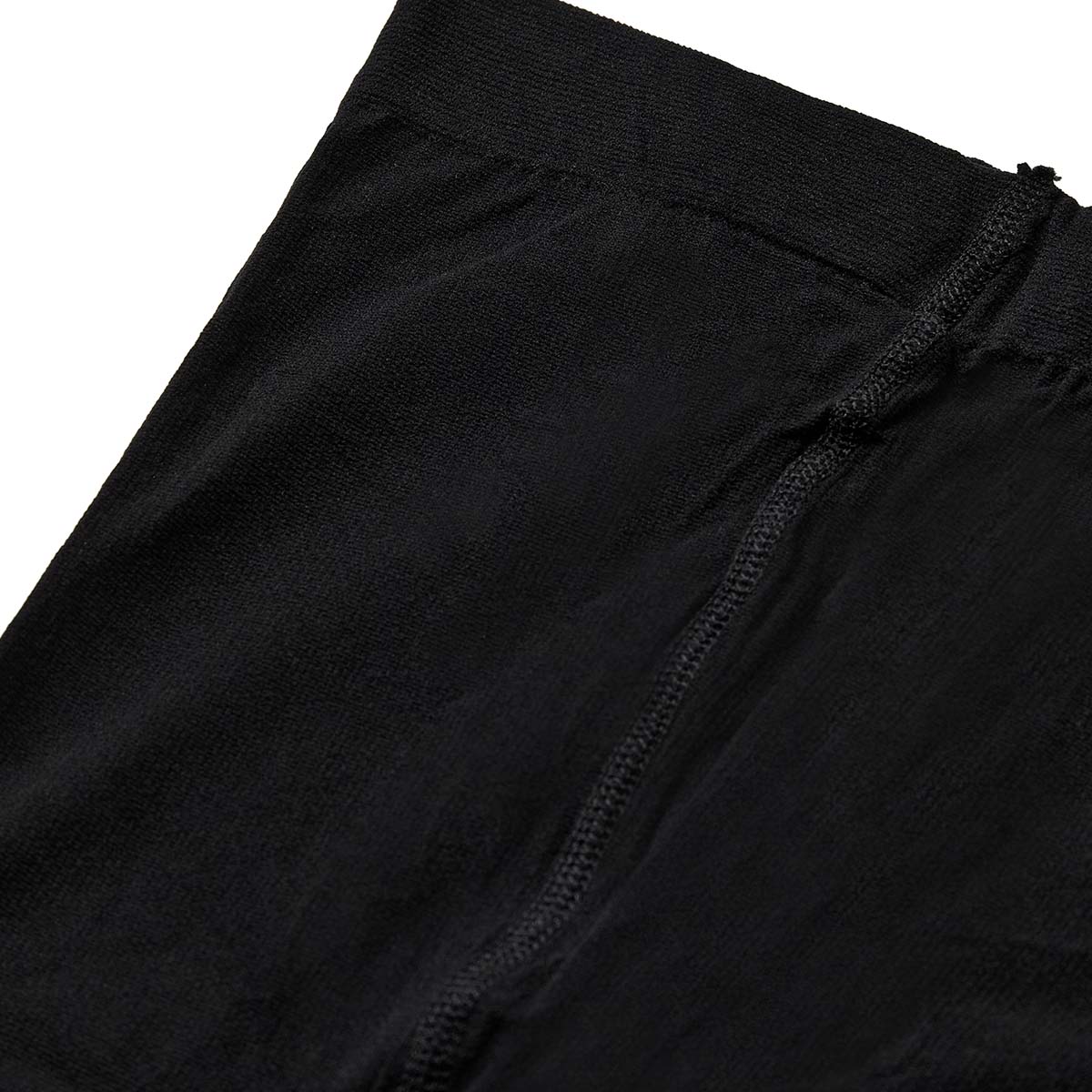
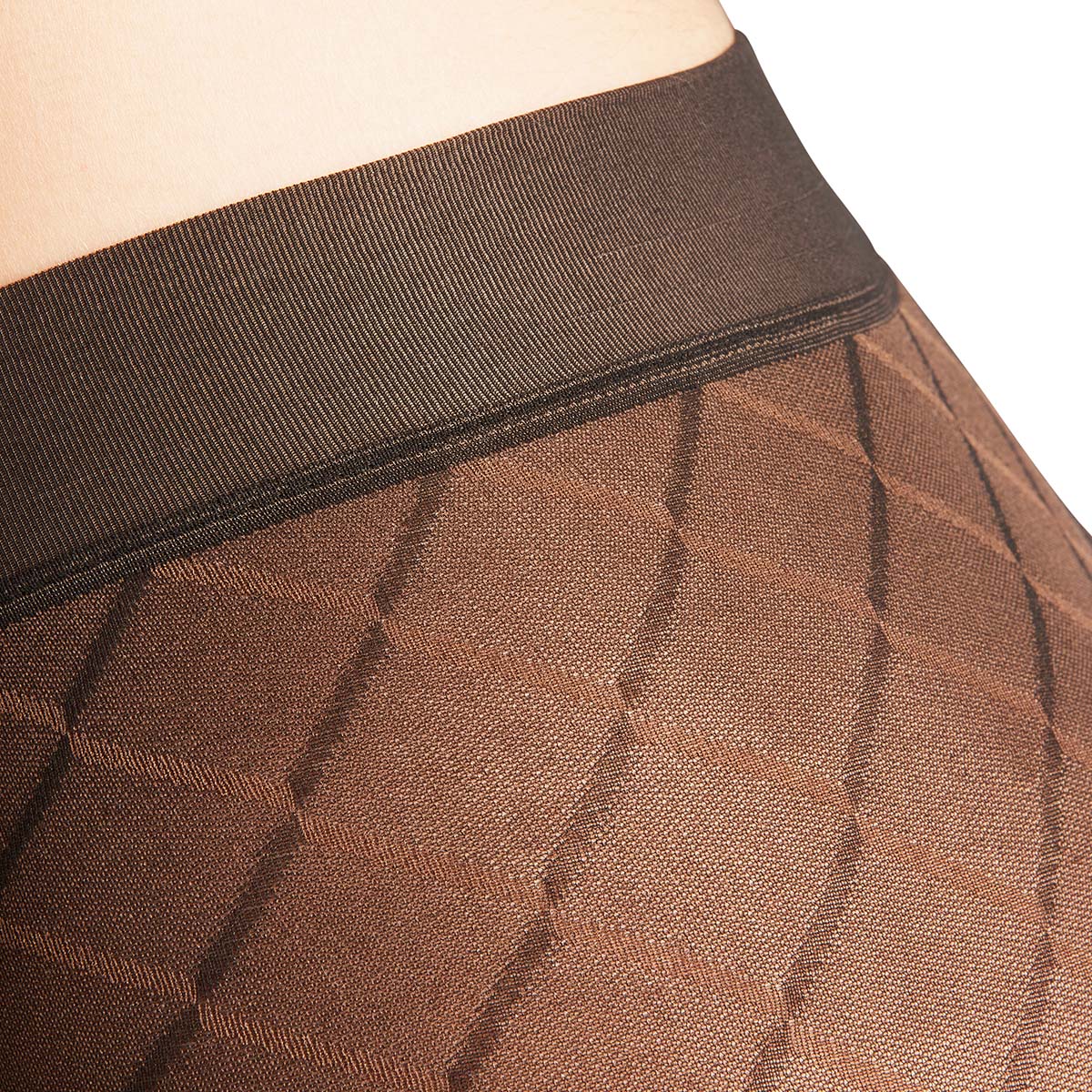
The material composition can also vary. Many tights are made from a blend of different fibres, but the exact materials and percentages are listed in the information for each specific product. You can also check for other specified details, such as the type of waistband, toe construction or other design features, where these have been provided by the manufacturer.
With patterned tights, it is also worth looking at full-length product images. A design may be evenly distributed across the leg, concentrated in specific areas or vary in appearance from one style to another. By considering the pattern, transparency, size and product information together, you will have a better basis for choosing women's tights that suit the look and occasion you have in mind.
